

P0341 on 2012-2016 Cadillac SRX 3.6L: Timing Chain and Cam Sensor Fixes
Code P0341 on the 2012-2016 Cadillac SRX 3.6L is most often caused by a stretched timing chain, a known issue with this engine. While the code points to the Bank 1 intake cam sensor, replacing the sensor alone rarely fixes it. This issue is often seen with codes P0008 and P0016. Expect a costly timing chain replacement ($1800-$3000+).
- Code P0341 on a 2012-2016 Cadillac SRX 3.6L almost always points to a stretched timing chain, not a bad sensor.
- Do not replace the camshaft position sensor without first ruling out a timing chain issue, as this is a very common and expensive misdiagnosis.
- Using high-quality full synthetic oil and changing it more frequently than the Oil Life Monitor suggests can help prolong the life of the timing components.
- This is not a DIY-friendly repair for most people. The timing chain replacement is a complex job that requires professional service.
- If you see codes P0008, P0016, or P0017 along with P0341, it is almost certain the timing chains have failed.
What's Unique About the 2012-2016 Cadillac SRX
The GM 3.6L High Feature V6 engine family (including the LFX in your SRX) has a well-documented history of premature timing chain stretching. This issue is so common that it is the primary suspect for code P0341, often overriding the more obvious-seeming camshaft sensor failure. The 2012 model year LFX engine, in particular, carried over the timing chain design from the previous, problematic LLT engine, making it more susceptible. An improved chain design was introduced in 2013. Extended oil change intervals, sometimes encouraged by the factory Oil Life Monitor (OLM) which can allow for 8,000-12,000 miles between changes, can accelerate oil breakdown and contribute to the wear on the chains and tensioners, leading to this specific code.
Symptoms You May Notice
- Check Engine Light is on
- Difficulty starting the engine, or extended cranking time
- Engine runs rough or idles poorly
- Hesitation or lack of power during acceleration
- Engine stalling, especially at low speeds
- Reduced fuel economy
- Service Stability System message may appear
- Replacing only the camshaft position sensor without checking for timing chain stretch. This is the most common mistake and will not fix the code if the chain is the root cause.
- Replacing the crankshaft position sensor. P0341 specifically relates to the camshaft sensor circuit on Bank 1.
- Using a cheap, aftermarket camshaft position sensor. Some owners report that only OEM ACDelco sensors work reliably on these engines.
Most Likely Causes
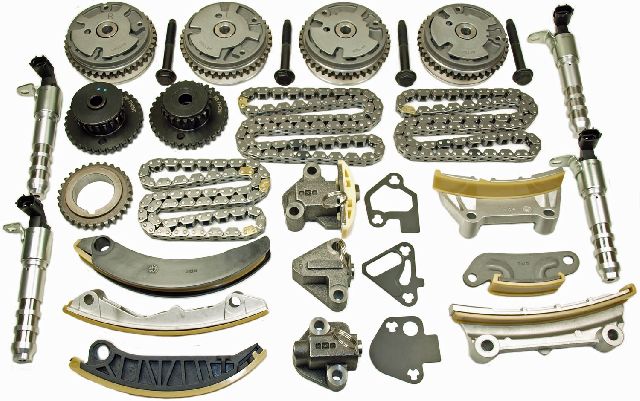
- Stretched Timing Chain(s) 🔴 High Probability → Shop Engine Timing Chain This is a widely documented issue on the GM 3.6L LFX engine, especially early versions. The original chains were susceptible to premature wear, exacerbated by long oil change intervals and oil degradation. GM issued TSB #12-06-01-009F to address this with updated parts.
How to confirm: A professional mechanic will use a scan tool to check camshaft/crankshaft correlation data (codes like P0008, P0016, P0017 often appear alongside). Physical inspection of chain slack by removing the valve cover or front engine cover is the definitive confirmation. A stretched chain can be as little as half a link off but still cause codes.
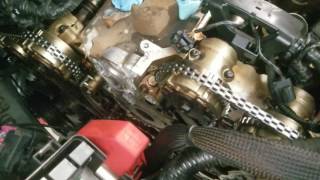
Typical fix: Replace all three timing chains, all tensioners, and all guides with an updated OEM kit. This is a major service requiring 10-15 hours of labor. 🎬 Watch this full step-by-step timing chain replacement walkthrough.
Est. part cost: $400-$600 for a complete OEM kit - Faulty Camshaft Position Sensor (Bank 1 Intake) 🟡 Medium Probability → Shop Engine Camshaft Position Sensor While less common than chain stretch, the sensor can fail due to heat and age. However, it is often replaced mistakenly when the timing chain is the real problem. Some owners report that aftermarket sensors may not work correctly, recommending an OEM ACDelco part.
How to confirm: Swap the Bank 1 intake sensor with the Bank 2 intake sensor. If the code changes to P0346 (Bank 2), the sensor is bad. If the P0341 code returns, the problem is not the sensor. The Bank 1 sensors are on the firewall side of the engine; the intake sensor ('A') is located toward the middle of the engine.
Typical fix: Replace the faulty camshaft position sensor. The LFX engine has four sensors; P0341 refers to the intake sensor on Bank 1 (firewall side, toward the center). Accessing the Bank 1 sensors is difficult and may require removing the intake manifold or even slightly raising the engine.
Est. part cost: $40-$70 for an OEM sensor - Low or Degraded Engine Oil 🟡 Medium Probability The timing chain tensioners and camshaft phasers are hydraulically operated by engine oil. The LFX is known to consume up to 1 quart of oil every 2,000 miles. If the oil level gets low, it can starve the tensioners, allowing the chain to slacken and trigger the code. Dirty, broken-down oil from extended change intervals also causes this.
How to confirm: Check the oil level and condition on the dipstick. If it's low, black, or sludgy, this is a likely contributor.
Typical fix: Perform an oil and filter change using a full synthetic oil that meets the GM dexos1 specification. If the oil level was critically low, the damage to the timing chains may already be done.
Est. part cost: $50-$100 for oil and filter - Wiring or Connector Issue ⚪ Low Probability
How to confirm: Visually inspect the wiring harness and connector for the Bank 1 intake cam sensor. Look for frayed wires, corrosion on the pins, or a loose connection. The connector is on the difficult-to-access firewall side of the engine. Test for 5V reference, ground, and signal continuity with a multimeter.
Typical fix: Repair the damaged section of the harness or clean/replace the connector pigtail.
Est. part cost: $15-$50 for a new pigtail connector
Rare But Worth Checking
- Failing Camshaft Phaser / VVT Solenoid: → Shop Engine Camshaft A stuck or clogged VVT solenoid (also called a camshaft position actuator solenoid) on Bank 1 can cause the camshaft to be in the wrong position, leading to a correlation error. This can be caused by oil sludge or debris from a failing timing system.
- Damaged Reluctor Wheel on Camshaft: → Shop Engine Camshaft The toothed wheel on the camshaft that the sensor reads can become damaged or loose, but this is very uncommon and typically requires camshaft replacement. One forum user was quoted this as a potential issue after a sensor replacement didn't fix the code.
- Faulty Engine Control Module (ECM): This is extremely rare. The ECM should only be considered after all other possibilities, including the timing chains, have been definitively ruled out.
Diagnosis Steps
- Check for other DTCs. Codes like P0008, P0016, or P0017 strongly suggest a timing chain problem. Diagnose these first.
- Check Engine Oil Level and Condition. If low, dirty, or overdue for a change, correct this first. A simple oil change can sometimes resolve the issue if caught early, but often the damage is already done.
- Inspect the Sensor Wiring. Visually inspect the connector and wiring for the Bank 1 (firewall side) intake camshaft sensor for any obvious damage, corrosion, or looseness. This will be difficult due to its location.
- Test the Sensor (Swap Test). A simple diagnostic is to swap the Bank 1 intake sensor with the Bank 2 (radiator side) intake sensor. They are identical parts. Clear the codes and drive. If the code returns as P0346 (Bank 2), the sensor you moved is faulty. If P0341 returns, the sensor is not the problem.
- Professional Diagnosis (Scan Tool Data). If the above steps do not resolve the issue, the next step is to have a professional check the cam/crank correlation with a high-end scan tool. 🎬 See how a pro uses a labscope to confirm chain stretch. This data will show if the camshaft timing is deviating from the crankshaft, confirming a stretched chain.
- Confirm Timing Chain Slack. If timing chain stretch is suspected, the final confirmation is a physical inspection, which involves removing engine components (valve cover, front engine cover) to measure the chain's deflection.
Parts You'll Likely Need
- Engine Timing Chain Kit
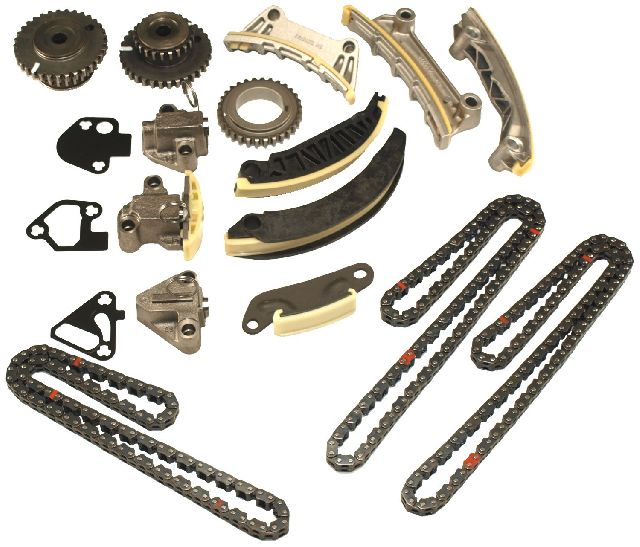
(OEM #12651450)— This is the most probable fix for P0341 on the 3.6L LFX engine due to the high rate of premature chain stretching. A complete kit is required. This is the GM-recommended replacement kit.
Trusted brands: ACDelco (GM Original Equipment), Cloyes
OEM price range: $400-$600
Aftermarket price range: $250-$450 - Intake Camshaft Position Sensor (Bank 1)
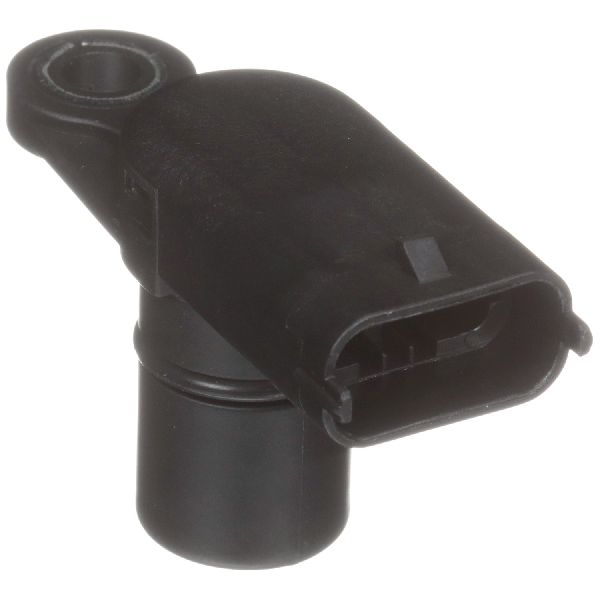
(OEM #12688784)— Replaced if the sensor itself is confirmed to be faulty, usually via a swap test. It's a common misdiagnosis but a valid potential failure point. Using an OEM part is highly recommended.
Trusted brands: ACDelco, Delphi, NTK
OEM price range: $40-$70
Aftermarket price range: $20-$45
Related Codes That Often Appear With This One
- P0016 — Indicates a Crankshaft/Camshaft Position Correlation error on Bank 1, Sensor A (Intake). This code is a strong indicator of a stretched timing chain.
- P0008 — Indicates an Engine Positions System Performance error for Bank 1. This is another code that points directly to a timing chain issue on this engine and is considered very serious.
- P0340 — A general circuit malfunction code for the same sensor. P0341 is a performance/range code, while P0340 indicates a more fundamental electrical fault in the circuit. They often appear together.
- P0017 — Indicates a Crankshaft/Camshaft Position Correlation error on Bank 1, Sensor B (Exhaust). If seen with P0341/P0016, it further strengthens the diagnosis of a stretched primary timing chain affecting the entire bank.
Technical Service Bulletins (TSBs) & Recalls
- TSB #12-06-01-009F: Information on High Feature V6 Timing Chain Kits and Chain Guide Replacement. This TSB, updated several times, provides part numbers for comprehensive timing chain kits for V6 engines from 2007-2012 and advises which parts should and should not be replaced during the service.
Platform-Specific Known Issues
- Premature timing chain stretching is the most significant issue related to this code on the 2012-2016 SRX. GM released several Technical Service Bulletins (TSBs) for this engine family regarding this problem, such as #12-06-01-009F, which details the updated timing chain kits.
- The factory Oil Life Monitor (OLM) often suggests excessively long oil change intervals (up to 12,000 miles), which leads to oil degradation that accelerates timing chain wear. Owners are advised to change oil every 5,000 miles regardless of the OLM reading.
- The 3.6L LFX engine is known for a normal level of oil consumption (up to 1qt per 2,000 miles per GM). Failure to regularly check and top off the oil can lead to low oil levels, starving the hydraulic chain tensioners and causing slack.
- Access to the Bank 1 (firewall side) camshaft position sensors is extremely difficult, often requiring removal of the intake manifold or raising the engine from its mounts for clearance.
Mechanic-Grade Diagnostic Values
- Camshaft Position Sensor Connector - 5V Reference Circuit — expected: 4.8-5.2 V between Pin 3 and ground with Key On, Engine Off.. Failure: Voltage below 4.8V or above 5.2V indicates a problem with the ECM or the wiring harness.
- Camshaft Position Sensor Connector - Low Reference Circuit — expected: Less than 3.0 Ohms between Pin 1 and a known good ground.. Failure: Resistance higher than 3.0 Ohms indicates a poor ground connection, which can cause an erratic signal.
- Camshaft Position Sensor Connector - Signal Circuit — expected: 4.8-5.2 V between Pin 2 and ground with Key On, Engine Off (sensor disconnected).. Failure: Voltage outside this range suggests a short to ground, short to voltage, or an open circuit on the signal wire to the ECM.
- Camshaft Position Sensor Internal Resistance — expected: 200 - 1200 Ohms (This is a general guide; voltage drop or waveform analysis is more reliable).. Failure: A reading of infinite resistance (open) or zero resistance (short) indicates a failed sensor. However, a sensor can still be bad even if it falls within this range.
Scan Tool Commands That Help
- GM GDS2 / Tech2Win: Live Data Monitoring — To monitor camshaft position sensor counts or voltage in real-time. A fluctuating or absent reading while cranking the engine can help confirm a sensor or circuit fault. It is also used to view camshaft angle deviation PIDs when diagnosing timing chain stretch (related to P0008/P0016).
- GM GDS2 / High-End Scan Tool: Crankshaft Position (CKP) Variation Learn — After replacing a camshaft or crankshaft position sensor, or after significant engine work. This procedure allows the ECM to learn the minor variations in the reluctor wheel and synchronize the cam/crank signals for accurate timing. Failure to perform this may cause the code to return even with good parts.
- GM GDS2: Data Bus Diagnostic Tool — Used to diagnose communication issues on the vehicle's data networks. While not a direct fix for P0341, it can be used in complex diagnostic situations where multiple modules are setting codes to ensure the ECM has proper network communication.
Wiring & Ground Locations
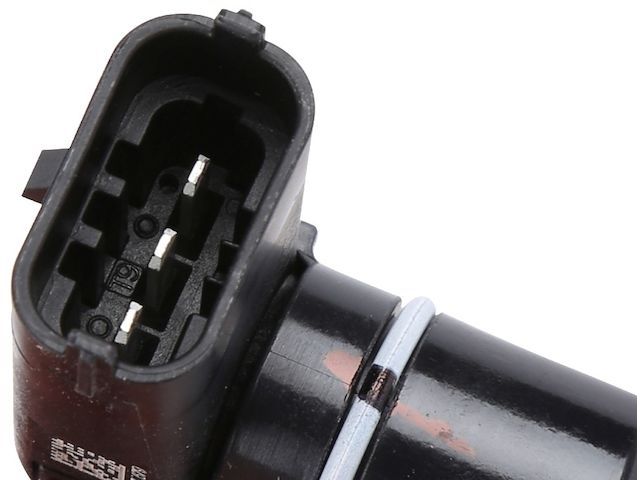
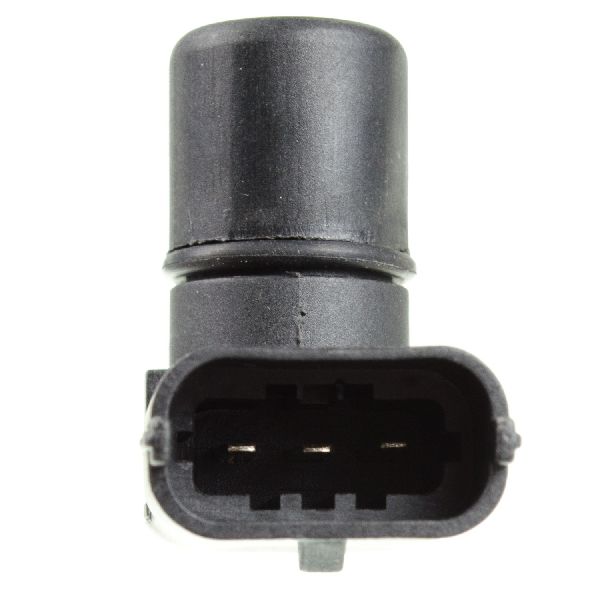
- CMP Sensor Connector (Bank 1 Intake) — On the Bank 1 (firewall side) cylinder head, toward the center of the engine. Access is difficult and may require removing the intake manifold.. This is the primary connection point for the sensor triggering P0341. The 3-pin connector provides power, ground, and signal return. Pin 1: Low Reference (Ground), Pin 2: Signal, Pin 3: 5V Reference.
- G104 — On the rear of the left (Bank 1) cylinder head.. This is a primary engine-to-chassis ground point for Bank 1. A loose or corroded G104 can create high resistance in the ground circuit for sensors on this bank, including the camshaft position sensor, leading to erratic signals and codes like P0341.
- Engine Harness — Routed across the top and back of the engine, connecting the ECM to various sensors.. The wiring for the Bank 1 cam sensor runs in this harness. Due to its location near the hot exhaust manifold and tight confines against the firewall, this section of the harness is susceptible to heat damage, brittleness, and chafing over time, which can cause intermittent shorts or opens in the sensor circuit.
Real Owner Repair Stories
- Synthesized from multiple forum threads and TSBs (2012 Cadillac SRX 3.6L LFX, ~95,000 miles) — Check Engine Light with codes P0341, P0008, and P0016. Engine has extended crank, rough idle, and feels sluggish.
❌ Tried (didn't work) Replaced the Bank 1 intake camshaft position sensor. The code returned within a day., Performed an oil change. The engine ran slightly smoother, but the codes remained.
✅ What actually fixed it A full timing chain job was performed, replacing all three chains, tensioners, and guides with the updated ACDelco kit (GM P/N 12651450). This is the most common resolution for this combination of codes on the LFX engine. - GM TSB #PIP3423P and forum user reports (2014 Cadillac SRX 3.6L LFX) — Persistent P0016 and P0008 codes, sometimes with P0341. Engine runs poorly.
❌ Tried (didn't work) Replaced all four camshaft position sensors., Performed a complete timing chain replacement with a new OEM kit.
✅ What actually fixed it After the timing chain job failed to clear the codes, further diagnosis found the crankshaft reluctor wheel had spun slightly on the crankshaft. The press-fit had failed, causing a persistent correlation error even with perfect chains. The final repair was to replace the crankshaft, although some specialists have resolved this by tack-welding the reluctor wheel in the correct position.
OEM Part Supersession History
12615371→12684186 (also listed as 12688784 in some catalogs)— Improved design for reliability and signal stability.
Heads up: While older sensors may function, it is highly recommended to use the latest part number (ACDelco brand) for any replacement to ensure compatibility and longevity.
Model Year Variations Within This Range
- 2012: The 2012 model year was the first for the LFX in the SRX and carried over the timing chain design from the previous LLT engine. These chains are considered more susceptible to premature stretching. Starting in 2013, an improved timing chain design was implemented, though the issue was not entirely eliminated.
- 2013-2016: These models received a significant interior update with the introduction of the Cadillac User Experience (CUE) infotainment system and minor exterior styling tweaks. However, the core LFX engine, transmission, and the P0341 diagnostic procedure remained unchanged from the 2013 model year onward.
Diagnostic Flowchart
Other Known Issues on This Vehicle
Issues unrelated to this code that are worth knowing about as an owner of this generation:
- CUE Infotainment Screen Failure 🟠 Medium — Extremely common. The screen delaminates, cracks ('spider-webs'), or becomes unresponsive to touch, typically after 3-5 years. Affects 2013-2017 models. (Ref: Multiple TSBs issued (e.g., in Dec 2014 and Aug 2017), but no recall. A class-action lawsuit was filed regarding this issue.)
- Headlight Assembly Moisture Intrusion 🟠 Medium — Very common. Seals fail, allowing condensation and water to accumulate inside the headlight housing, which can short out expensive HID or LED bulbs. (Ref: Multiple TSBs exist. A lawsuit led to a settlement for reimbursement in CA and FL, but the problem is widespread. Many owners resort to DIY sealing.)
- Rear Differential Noise (Clunk/Chatter) 🟡 Low — Common on AWD models. A clunking or chattering noise may be heard from the rear on turns. (Ref: TSB #10-04-20-001F advises draining and refilling the differential with updated fluid (GM P/N 88862624) which contains a better friction modifier.)
- Loose Rear Toe Link Adjuster 🔴 High — Affects all 2010-2016 models. The jam nut on the rear toe link can loosen, causing instability and loss of control. (Ref: Safety Recall #15V415000 (GM #15029). Dealers are to replace the original parts with a new design.)
- AWD Propeller Shaft Noise 🟡 Low — Some 2012-2014 AWD models may develop a rattle or moan from the rear at low speeds (17-25 mph) due to the propeller shaft center support bearing. (Ref: TSB #PI1355 recommends replacing the propeller shaft assembly (P/N 22885388).)
Used vs. New Parts: Buying Guide for This Vehicle
When a used part is the smart pick: A used OEM camshaft position sensor from a low-mileage, reputable salvage yard can be a cost-effective part for diagnosis (to swap and see if the code follows) or a budget repair. Used wiring pigtails or connectors are also viable if the original is physically damaged.
Donor-vehicle mileage cap: roughly under 60000 miles for the part to have meaningful remaining life.
What to inspect on the donor part:
- Look for a donor vehicle with no front-end damage.
- Check the oil cap and dipstick on the donor engine; avoid if heavy sludge is present.
- Ensure the part is guaranteed by the salvage yard.
OEM-only on this vehicle (don't cheap out):
- Timing Chain Kit: This is a high-labor, critical-failure-point repair. The risk of using used or cheap aftermarket chains, tensioners, and guides far outweighs any cost savings. Use the latest OEM ACDelco kit or a top-tier equivalent only.
Aftermarket brands forum-validated for this vehicle:
- Timing Components: Cloyes is a well-regarded OE supplier and aftermarket brand for timing kits.
- Sensors: Delphi and NTK are reputable brands for camshaft position sensors, often manufacturing the original part for GM.
Brands owners have reported issues with on this vehicle:
- Unbranded, 'white box' timing kits and sensors from online marketplaces. Forum consensus indicates a high rate of premature failure, incorrect specifications, and issues with fitment that can lead to catastrophic engine damage or repeat repairs.
Real Owner Stories
Aggregated from forums and TSBs cited above. Mileages and costs reflect what owners reported in those sources.
2012 Cadillac SRX 3.6L LFX
Symptoms: Check engine light with codes P0340 and P0341, but the vehicle had no noticeable driveability issues.
What fixed it: The community advised checking for timing chain stretch rather than just replacing the sensor, noting the possibility of a slipped reluctor wheel on the camshaft.
Source hint: Reddit r/MechanicAdvice
2012-2016 Cadillac SRX 3.6L LFX
Symptoms: Check engine light on with codes P0341, P0008, and P0016.
What fixed it: Replacement of all three timing chains, tensioners, and guides using an updated OEM kit.
Cost: $2,000-$4,500
Source hint: cadillacforums.com
2012 Chevrolet Camaro 3.6L LFX
Symptoms: Engine codes P0016 and P0017; owner noted the engine was quiet despite the codes.
What fixed it: Replacement of stretched timing chains using GM kit part number 12651450.
Source hint: Camaro5 Forums
Related OBD-II Codes
Frequently Asked Questions
Is there a Technical Service Bulletin for timing chain issues on my 2012-2016 Cadillac SRX?
Can I just replace the sensor to fix the P0341 code on my SRX?
Why does my SRX have difficulty starting and a 'Service Stability System' message with this code?
How often should I change the oil on my 3.6L LFX engine to avoid timing chain stretch?
Where is the Bank 1 intake camshaft sensor located on the SRX?
Does the LFX engine normally consume oil, and can this cause a P0341 code?
Helpful Videos

![How to Fix P0341 Engine Code in 3 Minutes [2 DIY Methods / Only $9.45]](https://img.youtube.com/vi/y3mPQ48c-_Q/mqdefault.jpg)

We Have This Part in Stock


The information in this article is provided for general reference and educational purposes only. Vehicle specifications, procedures, and part compatibility can vary by production date, trim level, and region. Always consult your vehicle's factory service manual and verify part numbers before purchasing or performing repairs. Safety-critical components such as airbags, seat belts, and braking systems should be installed by a qualified professional.
- Cadillac SRX:
- 🧭 Diagnostic Flowchart
- 🎬 Helpful Videos
- 🛍️ Shop This Part
- What's Unique About the 2012-2016 Cadillac SRX
- Symptoms You May Notice
- Most Likely Causes
- Rare But Worth Checking
- Diagnosis Steps
- Parts You'll Likely Need
- Related Codes That Often Appear With This One
- Technical Service Bulletins (TSBs) & Recalls
- Platform-Specific Known Issues
- Mechanic-Grade Diagnostic Values
- Scan Tool Commands That Help
- Wiring & Ground Locations
- Real Owner Repair Stories
- OEM Part Supersession History
- Model Year Variations Within This Range
- Other Known Issues on This Vehicle
- Used vs. New Parts: Buying Guide for This Vehicle
- Real Owner Stories
- 2012 Cadillac SRX 3.6L LFX
- 2012-2016 Cadillac SRX 3.6L LFX
- 2012 Chevrolet Camaro 3.6L LFX
- Related OBD-II Codes
- Frequently Asked Questions
- 🎟️ Get 5% Off