

P0341 on 2004-2007 Saturn Ion 2.0L Supercharged: Cam Sensor Causes and Fixes
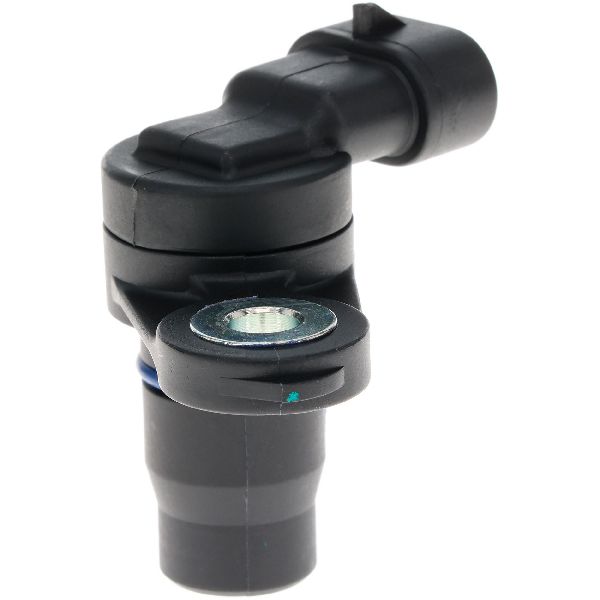
On a 2004-2007 Saturn Ion with the 2.0L LSJ engine, code P0341 is most often caused by a failing camshaft position sensor. A replacement sensor is affordable and easy to install. Before replacing it, inspect the wiring harness near the EVAP purge solenoid for chafing, a known issue on this platform that can cause an electrical short.
- P0341 on a Saturn Ion Redline points to a real camshaft position sensor, unlike other Ion models.
- The most likely fix is replacing the camshaft position sensor, a simple and inexpensive DIY job.
- Before replacing any parts, inspect the engine wiring harness for damage near the EVAP purge solenoid bracket, as this is a known failure point covered by a TSB.
- Symptoms like stalling and no-starts are common, so address this code promptly to avoid being stranded.
What's Unique About the 2004-2007 Saturn Ion
Unlike many other Saturns from the era which did not have a physical camshaft sensor and used a 'compression-sense' ignition system (inferring cam position from the Ignition Control Module), the 2.0L LSJ Supercharged engine in the Ion Redline IS equipped with a dedicated camshaft position sensor. Therefore, this code points to a true sensor or circuit fault, not an inferred issue from the ignition module as seen on the 2.2L non-supercharged Ions from 2003-2005. GM has also issued a Technical Service Bulletin (TSB) that includes this model, warning of a specific wiring harness location that is prone to damage and can trigger this code.
Symptoms You May Notice
- Check Engine Light is on
- Engine stalls unexpectedly, sometimes while driving
- Hard starting (long crank time) or no-start condition
- Rough or unstable idle
- Engine hesitation or stumbling during acceleration
- Reduced engine power and performance, sometimes limited to a specific RPM (limp mode)
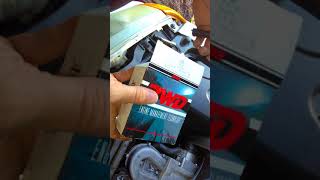
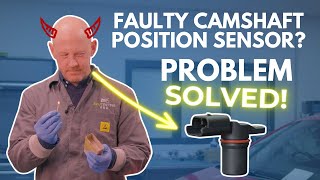
- Engine cranks but will not fire up 🎬 Watch: Common symptoms and how to fix a bad sensor
- Replacing the Crankshaft Position Sensor. While related to timing, the P0341 code specifically points to the camshaft sensor circuit.
- Confusing with 2.2L Engine Issues. On 2003-2005 2.2L Ions, this code is often caused by a bad Ignition Control Module (ICM) because those engines lack a cam sensor. This is not the case for the 2.0L LSJ engine.
Most Likely Causes
- Failing Camshaft Position Sensor 🔴 High Probability → Shop Engine Camshaft Position Sensor Electronic sensors are common failure points due to heat cycles and age. The sensor on the LSJ engine is located on the cylinder head, exposing it to significant thermal stress which can degrade its internal components over time.
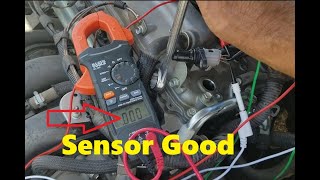
How to confirm: Test the sensor's output with a multimeter. With the ignition on (engine off), the signal wire should show a voltage that switches between approximately 5V and 0V as the engine is slowly cranked by hand. A failed sensor will show no voltage or a fixed voltage. Given the low cost, many owners opt to replace it as a primary diagnostic step.
Typical fix: Replace the camshaft position sensor. It is located on the exhaust side of the cylinder head and is held in by a single 10mm bolt. 🎬 Watch: How to locate and replace the Saturn cam sensor
Est. part cost: $25-$70 - Chafed or Damaged Wiring Harness 🟡 Medium Probability A GM Technical Service Bulletin (PIP4549B) specifically notes that the engine harness can rub against the sharp edge of the EVAP canister purge solenoid bracket, causing a short to ground. This is a well-documented issue on forums for both the Ion Redline and Cobalt SS.
How to confirm: Visually inspect the wiring harness leading to the camshaft position sensor, paying close attention to the area where it passes the EVAP purge valve bracket on the side of the cylinder head. Look for worn insulation, exposed wires, or corrosion in the connector. The damage may be on the underside of the loom and require careful manipulation to spot.
Typical fix: Repair the damaged section of the wire (solder and heat shrink is recommended) and re-route or protect the harness with a new plastic loom to prevent future chafing. Replace the connector if it is corroded or damaged.
Est. part cost: $5-$25 - Stretched Timing Chain or Failed Tensioner ⚪ Low Probability → Shop Engine Timing Chain The Ecotec engine family can be prone to timing chain stretch and tensioner failure, especially after 100,000 miles. A rattling noise on cold startups is a key indicator.
How to confirm: This is a more advanced diagnosis. Listen for a rattling noise from the front of the engine, especially on startup. A mechanic can use an oscilloscope to compare the cam and crank sensor signals to check for a correlation error. This is usually accompanied by other codes like P0016 or P0017.
Typical fix: Replace the timing chain, guides, and tensioners. This is a significant repair.
Est. part cost: $200-$500
Rare But Worth Checking
- Damaged Camshaft Reluctor Wheel: → Shop Engine Camshaft The toothed wheel on the camshaft that the sensor reads can become bent or damaged, though this is uncommon. It can be inspected with a borescope through the sensor mounting hole.
- Faulty Powertrain Control Module (PCM): This is extremely rare. The PCM should only be considered after all other possibilities, including the sensor, wiring, and timing components, have been definitively ruled out. Water intrusion from a storm has been anecdotally linked to this failure in one forum case.
Diagnosis Steps
- Read all stored fault codes with an OBD-II scanner. Note any other codes that are present, especially P0340, P0335, or P0017.
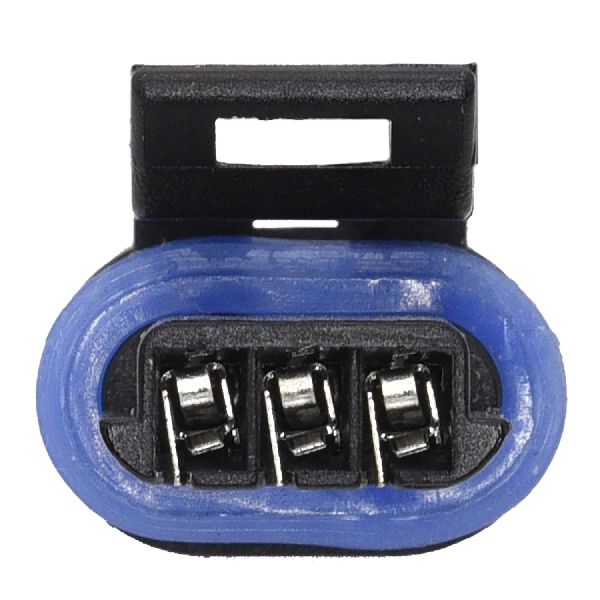
- Visually inspect the camshaft position sensor connector for loose pins, corrosion, or damage.
- Following TSB #PIP4549B, carefully inspect the engine wiring harness for chafing or damage, especially near the EVAP purge solenoid bracket on the side of the cylinder head. This is a very common failure point.
- If wiring appears intact, test the sensor. Backprobe the connector with a multimeter. You should find a power wire (approx. 5V), a ground wire, and a signal wire. As the engine is cranked, the signal wire voltage should toggle. If it doesn't, the sensor is likely bad.
- If the sensor and wiring test good, the next step is to investigate mechanical timing. Listen for timing chain rattle on cold starts. This step may require professional assistance and tools like an oscilloscope to verify cam/crank correlation.
- As a final, rare check, inspect the camshaft reluctor wheel for damage using a borescope through the sensor hole.
Parts You'll Likely Need
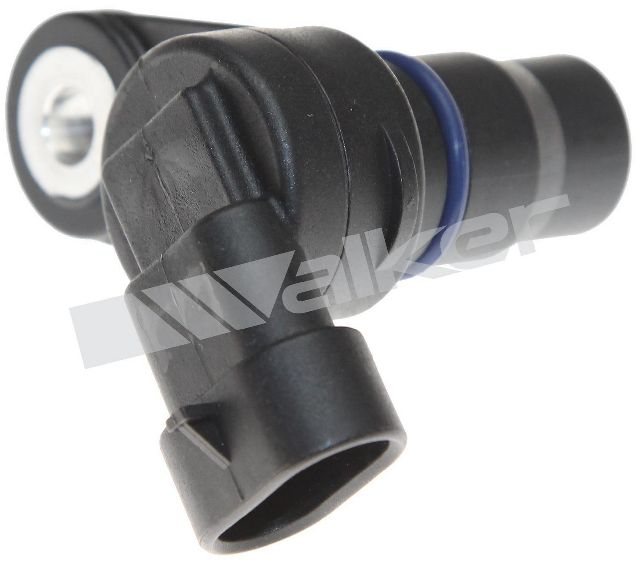
- Camshaft Position Sensor
(OEM #12584079)— This is the most common component to fail and cause a P0341 code on this engine.
Trusted brands: ACDelco (GM Genuine), Delphi
OEM price range: $45-$70
Aftermarket price range: $25-$50 - Camshaft Position Sensor Housing Gasket/Seal Kit — The gaskets for the sensor and its housing can become brittle and leak oil. It is good practice to replace them when replacing the sensor.
Trusted brands: RKX, ZZPerformance
OEM price range: $10-$20
Aftermarket price range: $10-$20
Related Codes That Often Appear With This One
- P0340 — P0340 indicates a general circuit malfunction, while P0341 indicates a performance/range issue. They often appear together as they both relate to the integrity of the camshaft position sensor signal.
- P0335 — This is the code for the Crankshaft Position Sensor. If the timing chain has jumped, both the cam and crank sensor signals can become uncorrelated, potentially setting codes for both.
- P0017 — This code indicates a Crankshaft/Camshaft Correlation error. It strongly suggests a mechanical timing issue, such as a stretched timing chain, rather than just a sensor fault.
Technical Service Bulletins (TSBs) & Recalls
- PIP4549B: Warns of intermittent DTCs, including P0341, caused by the engine harness shorting to ground on the EVAP purge valve bracket.
Platform-Specific Known Issues
- A known issue documented in GM TSB #PIP4549B involves the engine wiring harness chafing on the EVAP canister purge solenoid bracket, causing a short that can trigger P0341 among other codes.
Diagnostic Flowchart
Other Known Issues on This Vehicle
Issues unrelated to this code that are worth knowing about as an owner of this generation:
- Timing Chain Stretch / Tensioner Failure 🔴 High → Shop Engine Timing Chain — Becomes a concern after 100,000 miles. A rattling sound on cold starts is the primary warning sign.
- Electric Power Steering (EPS) Motor Failure 🔴 High — A very common issue leading to a sudden loss of power steering. It was subject to a recall. (Ref: GM Recall #14113)
- Lower Control Arm Bushing Failure 🟠 Medium — The front lower control arm bushings wear out prematurely, causing clunking noises, poor alignment, and wandering steering.
- Supercharger Intercooler Pump Failure 🟠 Medium — The pump that circulates coolant for the air-to-water intercooler can fail, leading to high intake air temperatures and reduced engine performance.
- Key Stuck in Ignition 🟡 Low — A common annoyance caused by a faulty shifter mechanism or ignition lock cylinder. It was part of a recall. (Ref: GM Recall #14350)
- EVAP System Leaks 🟡 Low — Often caused by a faulty vent solenoid or a simple loose gas cap, leading to a Check Engine Light for codes like P0446.
Real Owner Stories
Aggregated from forums and TSBs cited above. Mileages and costs reflect what owners reported in those sources.
Saturn Ion Redline
Symptoms: Sputtering, stalling, starting issues, and awful fuel economy.
What fixed it: Replacing the Crankshaft position sensor was the fix.
Source hint: r/Saturn_Cars thread titled '2003 Ion 2.2 Ecotec. Throwing code P0341... HELP????'
2005-2007 Chevrolet Cobalt SS Supercharged (LSJ)
Symptoms: Frustrating no-start and limp mode issue after driving through water.
What fixed it: The diagnostic process involved evaluating the sensor, harness, and timing chain.
Source hint: Cobalt SS Network thread titled 'P0340 and P0341 - Cobalt SS Network'
2004-2007 Saturn Ion 2.0L LSJ — ~100000 miles
Symptoms: Rattling noise from the front of the engine, especially on cold startup.
What fixed it: Replacement of the timing chain, guides, and tensioners.
Source hint: Common causes section regarding Ecotec timing chain stretch
Related OBD-II Codes
Frequently Asked Questions
Does GM TSB #PIP4549B apply to my Saturn Ion Redline regarding the P0341 code?
I have a 2.2L Ion, not the 2.0L Redline; is the P0341 fix the same?
Is there a recall for the steering issues I'm having alongside the check engine light?
My Ion Redline is rattling on cold starts and throwing P0341. What should I check?
Where is the camshaft position sensor located on the 2.0L LSJ engine?
Can a bad intercooler pump cause P0341?
Helpful Videos

We Have This Part in Stock


The information in this article is provided for general reference and educational purposes only. Vehicle specifications, procedures, and part compatibility can vary by production date, trim level, and region. Always consult your vehicle's factory service manual and verify part numbers before purchasing or performing repairs. Safety-critical components such as airbags, seat belts, and braking systems should be installed by a qualified professional.
- Saturn Ion:
- 🧭 Diagnostic Flowchart
- 🎬 Helpful Videos
- 🛍️ Shop This Part
- What's Unique About the 2004-2007 Saturn Ion
- Symptoms You May Notice
- Most Likely Causes
- Rare But Worth Checking
- Diagnosis Steps
- Parts You'll Likely Need
- Related Codes That Often Appear With This One
- Technical Service Bulletins (TSBs) & Recalls
- Platform-Specific Known Issues
- Other Known Issues on This Vehicle
- Real Owner Stories
- Saturn Ion Redline
- 2005-2007 Chevrolet Cobalt SS Supercharged (LSJ)
- 2004-2007 Saturn Ion 2.0L LSJ — ~100000 miles
- Related OBD-II Codes
- Frequently Asked Questions
- 🎟️ Get 5% Off