

P0349 on 2016-2017 Jeep Grand Cherokee: Intermittent Cam Sensor Fixes
P0349 means the driver's side intake camshaft sensor is sending an erratic signal. The most common fix is replacing the sensor itself. However, inspect the wiring and connector pigtail first, as they are common failure points. Be aware that a dealer software update (TSB 18-049-20) might be required to fix the issue, as the original software can be overly sensitive.
- P0349 refers to the intake camshaft position sensor on the driver's side (Bank 2).
- Before replacing parts, visually inspect the sensor's wiring and connector for obvious damage, as this is a common cause for intermittent codes.
- A likely cause is a faulty sensor, which is a relatively inexpensive and accessible part to replace.
- Be aware that Jeep issued a software update (TSB 18-049-20) for this problem. If a new sensor and good wiring don't fix the code, a trip to the dealer for a PCM reflash may be necessary.
What's Unique About the 2016-2017 Jeep GRAND CHEROKEE

For this generation of Grand Cherokee (WK2), Jeep issued a Technical Service Bulletin (TSB 18-049-20) that involves a PCM software update to address a group of camshaft sensor codes, including P0349. This TSB explicitly mentions 'Improvements to vehicle drivability during a cam or crank sensor MIL condition', suggesting the vehicle's computer may be overly sensitive to minor signal variations and that the software update both reduces false codes and helps the vehicle run better even if a sensor is failing. This is a crucial platform-specific detail to consider before replacing parts.
Diagnostic Flowchart

Tap your situation to follow the diagnostic path that matches what you're seeing on this vehicle.
Symptoms You May Notice
- Check Engine Light is on
- Traction Control/ESC light may illuminate simultaneously
- Engine stalls intermittently, sometimes while driving, especially under load like going up a hill
- Hard starting or extended cranking time
- Rough idle or stuttering
- Noticeable loss of power and poor acceleration
- Increased fuel consumption
- Vehicle may enter 'limp mode', limiting RPMs and vehicle speed
- Replacing the wrong sensor. P0349 is for Bank 2, which is the driver's side on the Grand Cherokee. Owners sometimes mistakenly replace the more accessible passenger side (Bank 1) sensor.
- Replacing the crankshaft position sensor. While related to engine timing, this is a different sensor and will not fix a P0349 code.
- Assuming the sensor is bad without checking the wiring. Many owners replace the sensor only to find the code returns because the true fault was in the connector pigtail or harness.
Most Likely Causes

- Faulty Camshaft Position Sensor 🔴 High Probability → Shop Engine Camshaft Position Sensor Sensors are exposed to high heat and vibration in the engine bay, leading to eventual failure of their internal electronics. It's the most common component to fail in this circuit.
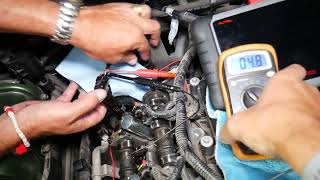
How to confirm: After checking wiring, the easiest way to confirm is to swap the suspect sensor with its counterpart on the passenger side (Bank 1). If the code changes to P0344 (Bank 1), the sensor is bad. Using a multimeter, you can also test for a 5V reference signal at the connector.
Typical fix: Replace the Bank 2 (driver's side) intake camshaft position sensor. It is highly recommended to use an OEM Mopar part, as some owners report aftermarket sensors failing quickly or not resolving the code.
Est. part cost: $25-$75 - Wiring Harness or Connector Issue 🟡 Medium Probability An 'intermittent' fault often points to a connection problem. The wiring harness to the sensor can be short and under tension, causing wires to break internally near the connector (pigtail). Wires can also chafe against the engine, and connectors can become contaminated with oil or develop corrosion.
How to confirm: Visually inspect the wiring harness leading to the sensor for any signs of damage, melting, or chafing. Check the connector for corrosion, bent pins, or a loose fit. Wiggle the connector with the engine running to see if it causes a stall. A multimeter can be used to check for 5V power, ground, and signal continuity at the pigtail.
Typical fix: Repair the damaged section of the harness or replace the connector pigtail. Mopar sells a pigtail repair kit.
Est. part cost: $15-$65 - Outdated PCM Software 🟡 Medium Probability Jeep released TSB 18-049-20 specifically to address this and other related codes by updating the PCM software, indicating the original programming could be too sensitive or react poorly to minor signal deviations.
How to confirm: A Jeep dealership or a well-equipped independent shop with a wiTECH scan tool can check your vehicle's current software version against the latest available from the manufacturer.
Typical fix: Reprogram the Powertrain Control Module (PCM) to the latest software version. This must be done by a dealer or qualified shop.
Est. part cost: $100-$250
Rare But Worth Checking
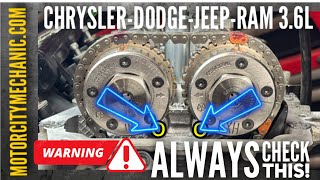
- Low Oil Pressure to Cylinder Head (Loose Oil Gallery Plugs): On the 3.6L Pentastar engine, there are two 13mm oil gallery bolts/plugs in each cylinder head, located under the valve cover. These bolts are known to back out over time, causing a drop in oil pressure to the camshaft phasers. This affects the phasers' ability to operate correctly, which the PCM interprets as a camshaft sensor fault, setting codes like P0349. This is a difficult-to-diagnose mechanical issue that mimics an electrical problem. The fix is to tighten the bolts (to 150 in-lbs) with Loctite.
- Damaged Camshaft Reluctor Ring: → Shop Engine Camshaft The sensor reads notches on a tone ring (or reluctor ring) on the camshaft itself. If this ring is damaged, has debris on it, or has a loose magnet, the signal will be erratic. This is an internal engine problem and is very rare, usually requiring significant disassembly to inspect.
- Failing Powertrain Control Module (PCM): → Shop Engine Control Module (ECM) While rare, the internal circuitry of the PCM that processes the sensor's signal can fail. This should only be considered after all other possibilities, including sensors, wiring, and mechanical issues, have been thoroughly exhausted.
- Use of Cheap Aftermarket Sensors: Multiple owner forums contain reports of P0349 issues persisting after replacing the sensor with a low-cost aftermarket part. The problem was only resolved after installing a genuine Mopar sensor. It is strongly advised to use OEM parts for this specific repair.
Diagnosis Steps
- Read the codes with an OBD-II scanner to confirm P0349 is present and note any other codes, especially other cam/crank codes.
- Visually inspect the Bank 2 (driver's side) intake camshaft position sensor and its electrical connector. Look for loose connections, oil contamination, or damaged/chafed wires.
- Check engine oil level and condition. Low or dirty oil can impact the VVT system and trigger cam sensor codes.
- Clear the codes and test drive. If the code returns, proceed to the next step.
- A simple DIY test is to swap the driver's side intake cam sensor with the passenger's side intake cam sensor. They are the same part. Clear the codes again. If the code changes to P0344 (the equivalent code for Bank 1), you have confirmed the sensor itself is faulty.
- If the code P0349 returns after the swap, the problem is in the wiring or the PCM. Use a multimeter to test the connector pigtail. With the key on, you should have a 5-volt reference, a good ground, and a 5-volt signal wire.
- Check for any available software updates related to TSB 18-049-20. This may require a trip to a dealer or qualified shop.
- If wiring and software are confirmed good, the issue may be mechanical. For the 3.6L V6, the next step is to remove the driver's side valve cover and inspect the two oil gallery bolts to ensure they are tight. In rare cases, this could point to internal engine problems like a damaged reluctor ring, which may require professional diagnosis.
Parts You'll Likely Need
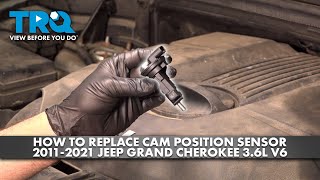
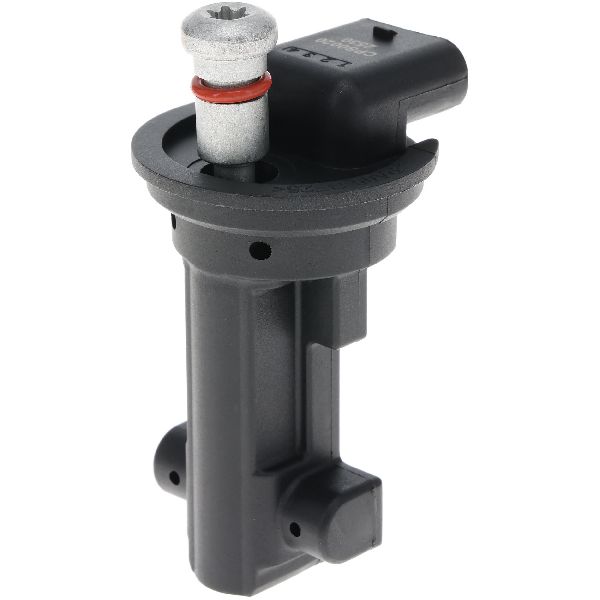
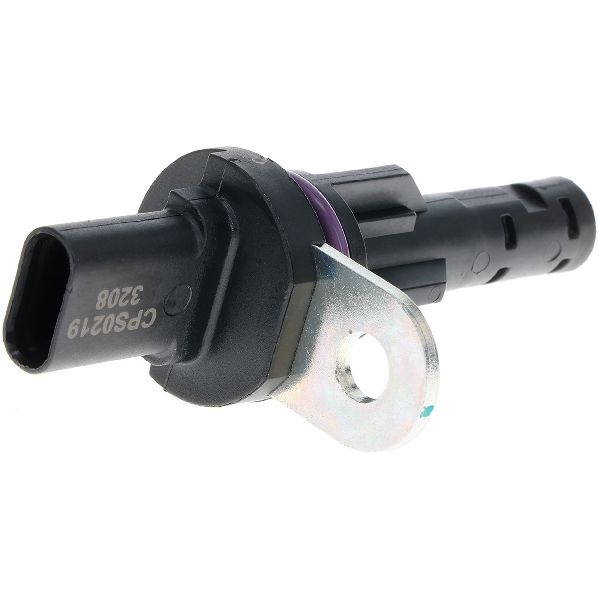
- Camshaft Position Sensor (3.6L V6)
(OEM #5149141AF)— This is the specific OEM sensor for the 3.6L engine that fails most often, causing code P0349. It is used across a wide range of Chrysler, Dodge, Jeep, and Ram vehicles.
Trusted brands: Mopar (OEM), NTK, Delphi
OEM price range: $50-$80
Aftermarket price range: $25-$50 - Camshaft Position Sensor (5.7L V8)
(OEM #5149054AC)— This is the specific sensor for the 5.7L HEMI engine that fails most often, causing code P0349.
Trusted brands: Mopar (OEM), Bosch, Duralast
OEM price range: $55-$75
Aftermarket price range: $30-$55 - Camshaft Sensor Connector Pigtail
(OEM #681481)— The connector itself can become brittle or the wires can break internally, causing an intermittent connection that sets this code. Replacing the pigtail is a common repair when the sensor itself is not at fault.
Trusted brands: Mopar (OEM)
OEM price range: $30-$65
Aftermarket price range: $15-$30
Related Codes That Often Appear With This One
- P0345 — This is the general fault code for the same sensor circuit (Camshaft Position Sensor 'A' Circuit Malfunction Bank 2). It may appear alongside P0349 or be set by the same underlying cause.
- P0369, P0390, P0394 — These are codes for the other camshaft sensors on the engine (Bank 1 Intake, Bank 2 Exhaust, etc.). The TSBs from Jeep group all these codes together, suggesting a common cause like a wiring harness issue, low oil pressure from gallery plugs, or a software glitch could make them appear together.
- C121C — This ABS code for 'Torque Request Signal Denied' can be triggered when the engine computer can't trust its own sensor data and therefore denies the ABS module's request to reduce engine torque. It's a secondary code caused by the primary engine fault.
Technical Service Bulletins (TSBs) & Recalls
- 18-049-20: Flash: Powertrain Control Module (PCM) Updates. This TSB addresses a list of DTCs, including P0349, with a software update. It also notes 'Improvements to vehicle drivability during a cam or crank sensor MIL condition'. It applies to both 3.6L and 5.7L engines.
- 18-024-17 REV. C: This is the bulletin superseded by 18-049-20, containing similar information about a PCM reflash for various DTCs.
Platform-Specific Known Issues
- A PCM software update was issued by Jeep under TSB #18-049-20 to improve drivability and reduce the chances of false camshaft sensor codes being set.
- The 3.6L Pentastar engine has a known issue where oil gallery bolts under the valve cover can loosen, causing an oil pressure drop to the cam phasers and triggering P0349 and other timing-related codes.
Mechanic-Grade Diagnostic Values
- Camshaft Position Sensor Supply Voltage — expected: Approximately 5.0 volts. Failure: No voltage or voltage above 5.2 volts (indicates a short to voltage).
- Camshaft Position Sensor Signal Voltage (Hall-effect sensor) — expected: Toggles between 0 volts and 5 volts as the engine is cranked or a magnet is passed over the sensor tip.. Failure: Voltage does not switch, or the signal is erratic/noisy when viewed on an oscilloscope.
Scan Tool Commands That Help
- wiTECH (Dealer Scan Tool): Cam/Crank Relearn — This function should be performed after replacing a camshaft or crankshaft position sensor, or after any repair that affects the timing relationship between the cam and crank (e.g., timing chain service). It forces the PCM to relearn the positional relationship between the sensors.
- wiTECH (Dealer Scan Tool): ECU Reset — Often performed in conjunction with the 'Cam/Crank Relearn' to clear adaptive memory values from the PCM, ensuring the new sensor data is learned correctly.
Wiring & Ground Locations
- Bank 2 Intake Cam Sensor Connector — On the 3.6L V6, it is located at the rear of the driver's side cylinder head. On the 5.7L V8, it is on the front timing cover near the top.. This is the primary connection point to inspect for corrosion, damage, or oil contamination that can cause an intermittent signal.
- (F856) 5-Volt Supply Circuit — This is the wire in the harness that provides 5V power from the PCM to the Bank 2 camshaft position sensor.. A short or open in this specific circuit will prevent the sensor from operating and will set a fault code. It is a key test point for a multimeter.
- (K444) CMP 2/1 Signal Circuit — This is the wire that carries the sensor's signal from the connector back to the Powertrain Control Module (PCM).. An intermittent open or short in this wire is a direct cause of the P0349 code. Wiggling this wire during testing can help identify intermittent faults.
- Shared Ground/Power Circuit — The intake and exhaust cam sensors on the same bank often share the same 5V power and ground wires from the PCM.. A fault in the shared portion of the circuit could cause multiple cam sensor codes (e.g., P0349 and P0394) to appear simultaneously.
Real Owner Repair Stories
- YouTube video comment analysis (2014 Dodge Avenger (with 3.6L Pentastar engine)) — Camshaft sensor codes (P0349, P0394) appeared after performing a 'ticker job' (rocker arm/lifter replacement).
❌ Tried (didn't work) Replacing sensors, attempting a cam/crank relearn procedure which failed to complete.
✅ What actually fixed it Found and repaired a broken wire in the main engine wiring harness that was likely disturbed or damaged during the previous engine repair. - Extreme Terrain customer review (2011-2025 Jeep Grand Cherokee 3.6L) — Check engine light and rough idle issues.
❌ Tried (didn't work) Not specified.
✅ What actually fixed it Replacing the camshaft position sensor located under the intake manifold on the driver's side resolved the issues.
When the Usual Fixes Don't Work
- While replacing the sensor or its pigtail is a common fix, these repairs may not always solve the problem. In one documented case involving the same 3.6L engine, an owner replaced both cam sensors, tightened the known-problem oil gallery plugs, and replaced the pigtail connector, but the P0349 code persisted, especially under load. This indicates the fault can lie deeper in the main wiring harness or be related to a mechanical VVT system issue that mimics a sensor fault. In another case, the final fix was a broken wire in the main harness, far from the sensor connector, which was likely damaged during an unrelated engine repair.
OEM Part Supersession History
5149054AB, 5149054AA→5149054AC— Standard part revision for improved reliability or manufacturing process change.
Helpful Videos

We Have This Part in Stock


The information in this article is provided for general reference and educational purposes only. Vehicle specifications, procedures, and part compatibility can vary by production date, trim level, and region. Always consult your vehicle's factory service manual and verify part numbers before purchasing or performing repairs. Safety-critical components such as airbags, seat belts, and braking systems should be installed by a qualified professional.
- Jeep GRAND CHEROKEE:
- 🧭 Diagnostic Flowchart
- 🎬 Helpful Videos
- 🛍️ Shop This Part
- What's Unique About the 2016-2017 Jeep GRAND CHEROKEE
- Symptoms You May Notice
- Most Likely Causes
- Rare But Worth Checking
- Diagnosis Steps
- Parts You'll Likely Need
- Related Codes That Often Appear With This One
- Technical Service Bulletins (TSBs) & Recalls
- Platform-Specific Known Issues
- Mechanic-Grade Diagnostic Values
- Scan Tool Commands That Help
- Wiring & Ground Locations
- Real Owner Repair Stories
- When the Usual Fixes Don't Work
- OEM Part Supersession History
- 🎟️ Get 5% Off