

P0351 on 2004-2009 Mazda 3 1.5L: Ignition Coil 'A' Circuit Malfunction Causes and Fixes
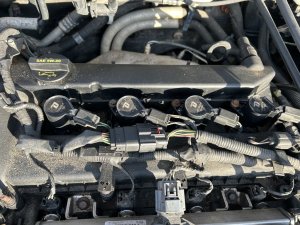
This code almost always points to a failed ignition coil on cylinder 1. The easiest way to confirm is to swap the coil with another cylinder and see if the code follows. A new coil costs between $30 and $80 for an aftermarket part. It's a very common and straightforward DIY repair.
- P0351 on your Mazda 3 means there's an electrical problem with the ignition coil on cylinder #1.
- The most likely cause is a failed ignition coil, which is a common wear item.
- The easiest and cheapest way to diagnose the problem is to swap the coil from cylinder 1 with another cylinder (like cylinder 2) and see if the code changes to P0352.
- This is a very DIY-friendly repair that requires minimal tools (typically just a 10mm socket) and can be done in under 30 minutes.
- Driving with this code can lead to expensive damage to your catalytic converter, so it's best to address it promptly.
What's Unique About the 2004-2009 Mazda 3
The first-generation Mazda 3 with the 1.5L ZY-VE engine uses a reliable but simple coil-on-plug ignition system. There are no widespread, unique design flaws that make it exceptionally prone to this code. The causes are typical for any vehicle with this type of ignition system, and diagnosis is straightforward. The ZY-VE is a durable engine, and ignition system faults are usually isolated to a single failed component like a coil or spark plug rather than a systemic issue. The repair is considered very easy as the coils are directly on top of the engine and easily accessible.
Symptoms You May Notice
- Check Engine Light is on (may be flashing if the misfire is severe)
- Rough or vibrating idle
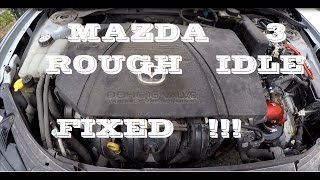
- Engine hesitation or stumbling 🎬 Watch this video to see a real-world rough idle fix. during acceleration.
- Noticeable loss of engine power.
- Reduced fuel economy.
- Difficulty starting the engine.
- Replacing the spark plug without testing the ignition coil. A P0351 is an electrical circuit code, pointing more directly to the coil or its wiring.
- Replacing the fuel injector for cylinder 1. While a bad injector can cause a misfire (P0301), it will not cause an ignition coil circuit code (P0351).
Most Likely Causes
- Failed Ignition Coil (Cylinder 1) 🔴 High Probability → Shop Ignition Coil Ignition coils are wear-and-tear components that fail from heat cycles and vibration over time. This is the most common reason for a P0351 code on virtually any modern engine, including the ZY-VE.
How to confirm: Swap the ignition coil from cylinder 1 with the coil from cylinder 2. Clear the codes and drive the vehicle. If the code changes to P0352 (Ignition Coil 'B' Circuit), the coil is confirmed to be faulty. This is the definitive DIY diagnostic step.
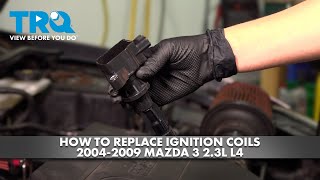
Typical fix: Replace the faulty ignition coil. 🎬 Watch: Step-by-step guide to replacing your ignition coils. It is often recommended to replace the spark plug at the same time, as a worn plug can stress a new coil.
Est. part cost: $30-$80 - Damaged Wiring or Connector 🟡 Medium Probability The plastic locking tabs on the coil connectors can become brittle with age and break. Wires can also be damaged by engine heat or chafing, leading to an open or short in the circuit. Rodent damage to wiring harnesses is also a known, though less common, issue on these cars.
How to confirm: Visually inspect the wiring harness and connector for cylinder 1's ignition coil. Look for any breaks, corrosion, burnt spots, or loose pins. Wiggle the connector with the engine running to see if it affects the idle. Check for continuity on the three wires (power, ground, and signal) running to the coil connector using a multimeter and a wiring diagram.
Typical fix: Repair the damaged section of wire or replace the connector pigtail. Pigtail connectors are readily available online.
Est. part cost: $10-$25 - Worn or Fouled Spark Plug ⚪ Low Probability → Shop Spark Plug While a bad spark plug typically sets a misfire code (like P0301), a severely worn or shorted plug can increase the electrical load on the coil. This excessive resistance can cause the coil's internal circuits to fail, leading to the P0351 code.
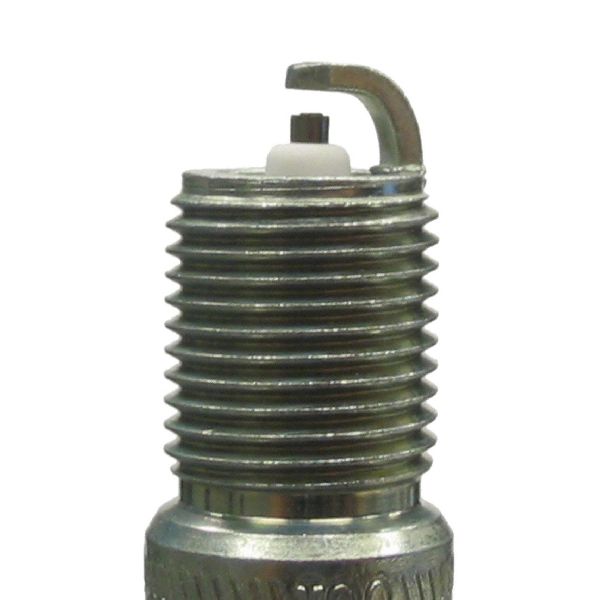
How to confirm: Remove the spark plug from cylinder 1 and inspect its condition. Look for a wide gap, heavy carbon fouling, oil contamination, or physical damage to the electrode or ceramic insulator.
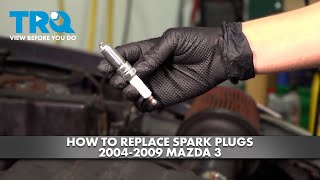
Typical fix: Replace the spark plug. It is best practice to replace all four spark plugs 🎬 See how to properly remove and replace your spark plugs. at the same time to maintain balanced engine performance.
Est. part cost: $5-$15 per plug
Rare But Worth Checking
- Faulty Powertrain Control Module (PCM): → Shop Engine Control Module (ECM) This is extremely rare. Before condemning the PCM, all other possibilities (coil, plug, wiring) must be exhaustively tested and ruled out. A PCM failure is the cause in less than 1% of cases and sometimes occurs when other codes like P0352, P0353, and P0354 appear simultaneously.
- Fault in Another Cylinder's Coil: In very unusual cases, a coil on a different cylinder can fail in such a way that it shorts the shared Ignition Feedback (IGF) signal to the PCM, causing the computer to incorrectly flag cylinder 1. This is highly unlikely but has been documented on other platforms.
Diagnosis Steps
- Read the trouble codes with an OBD-II scanner to confirm P0351 is present. Note any other codes, especially P0301.
- Clear the codes and perform a short test drive to see if the code returns immediately.
- Locate cylinder 1. On the ZY-VE engine, this is the cylinder closest to the accessory belts on the passenger side of the engine bay (for LHD vehicles). The cylinders are numbered 1-2-3-4 from passenger to driver side.
- Swap the ignition coil from cylinder 1 with the coil from cylinder 2. They are identical parts and held in by a single 10mm bolt.
- Clear the codes again and drive the vehicle until the Check Engine Light returns.
- Re-scan the codes. If the code is now P0352, the ignition coil you moved is faulty and needs to be replaced.
- If the code remains P0351, the problem is not the coil. The issue is in the wiring to cylinder 1 or, rarely, the PCM. Proceed to inspect the wiring.
- Carefully inspect the connector and wiring harness for the cylinder 1 ignition coil. Look for any signs of damage, corrosion, or loose connections. Check for oil inside the spark plug tube, which would indicate a leaking valve cover gasket.
- If the wiring appears intact, use a multimeter to check for 12V power, good ground, and the presence of a signal pulse at the connector (requires an oscilloscope or multimeter with Hz function). A wiring diagram is essential for this step.
- If the coil and wiring are confirmed to be good, the issue may be a faulty PCM, but professional diagnosis is recommended at this point.
Parts You'll Likely Need
- Ignition Coil
(OEM #ZJ20-18-100A)— This is the most common failure point for a P0351 code.
Trusted brands: NGK, Denso, Bosch, Delphi
OEM price range: $90-$150
Aftermarket price range: $30-$80 - Spark Plug
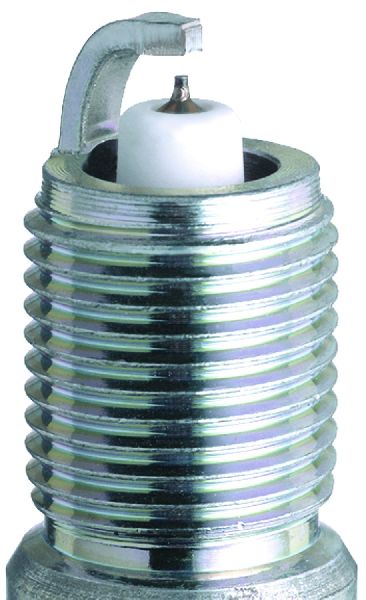
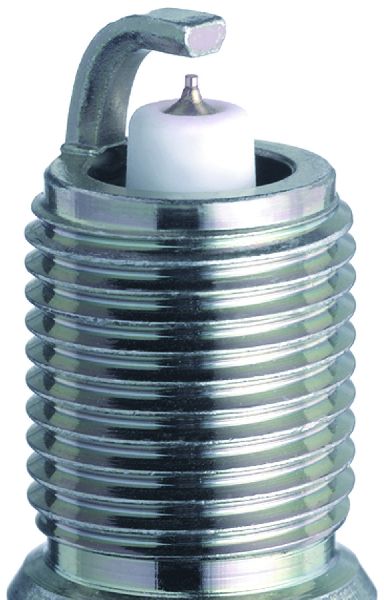
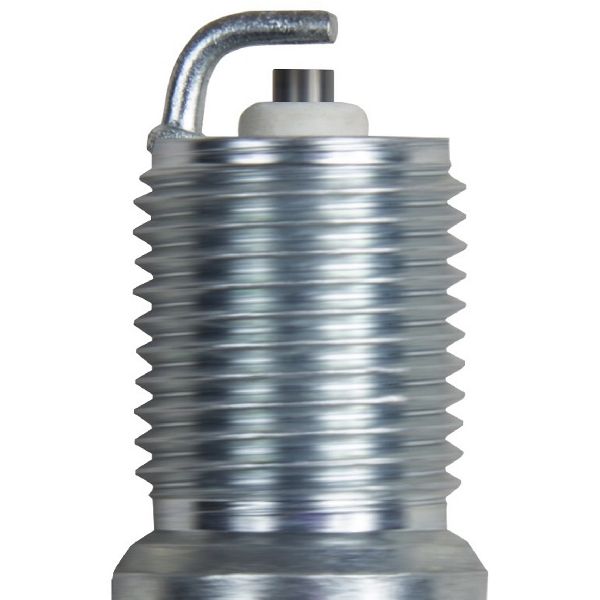
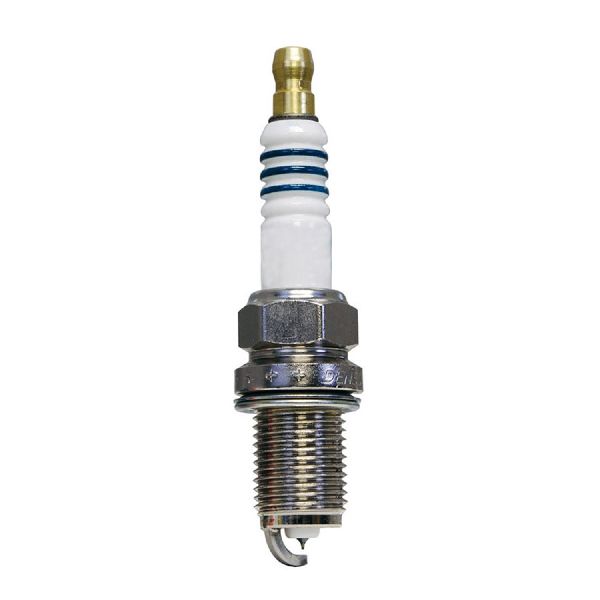
(OEM #ZJ46-18-110 (NGK SK16PR-E13 / Bosch FR8KI33V))— It's best practice to replace the spark plug when replacing an ignition coil to ensure optimal performance and longevity of the new coil. A fouled plug can cause a new coil to fail prematurely.
Trusted brands: NGK, Denso, Bosch
OEM price range: $10-$20
Aftermarket price range: $5-$15
Related Codes That Often Appear With This One
- P0301 — P0301 means 'Cylinder 1 Misfire Detected'. Since P0351 indicates a fault in the ignition system for cylinder 1, a misfire is the direct result, and these two codes almost always appear together.
Mechanic-Grade Diagnostic Values
- Ignition Coil Trigger Signal (at coil connector) — expected: 5 to 20 Hz. Failure: A reading of 0 Hz indicates no trigger signal from the PCM. A static DC voltage reading suggests a short in the wiring or a failed PCM driver.
- Ignition Coil Power Supply (at coil connector) — expected: 12V (Battery Voltage) with key on, engine off.. Failure: Significantly less than 12V or 0V points to a problem in the power supply wire or a blown fuse.
- Ignition Coil Ground Circuit (at coil connector) — expected: Near 0 Ohms of resistance to chassis ground.. Failure: High resistance (OL) indicates a broken ground wire.
Wiring & Ground Locations
- PCM (Powertrain Control Module) — On gasoline models, the PCM is typically located in the engine bay, on the side of the battery box. It has two large multi-pin connectors.. The PCM sends the trigger signal to the ignition coil. In rare cases of PCM failure, or if wiring needs to be tested for continuity, knowing its location is essential.
- G6 (Engine Ground) — Located on the left rear of the engine.. A poor engine ground can cause a host of electrical issues, including weak spark or erratic ignition system behavior that could potentially trigger circuit codes. Ensuring this ground is clean and tight is a crucial basic step.
- Main Chassis Ground — A primary ground point runs from the negative battery terminal to the strut tower in the engine bay.. This is the main grounding point for many systems. Corrosion or looseness here can cause widespread electrical problems. Forum users often recommend upgrading this ground or adding supplementary grounds to improve electrical stability.
OEM Part Supersession History
ZJ20-18-100A→ZJ20-18-100A— No major supersession found for this part number during the vehicle's production run. It remains the primary OEM number.
Heads up: This part number is also used for the Mazda 2 (2011-2014) with a 1.5L engine, indicating a shared component. Be aware that while the part number is the same, always verify fitment with the specific vehicle's VIN.
Model Year Variations Within This Range
- 2007-2009: The Mazda 3 received a facelift for the 2007 model year. While the core ZY-VE engine and ignition system for the 1.5L model (primarily non-US market) remained the same, there were minor cosmetic and feature changes, such as redesigned bumpers, wheels, and interior trim. These changes do not fundamentally alter the diagnosis or repair for a P0351 code.
- 2006: For the 2006 model year, Mazda introduced variable valve timing to the 2.0L engine, but this did not apply to the 1.5L ZY-VE. The ignition system for the ZY-VE remained consistent.
Diagnostic Flowchart
Other Known Issues on This Vehicle
Issues unrelated to this code that are worth knowing about as an owner of this generation:
- Body Rust (Rear Wheel Arches & Sills) 🔴 High — Extremely common, especially in regions that use road salt. Rust often starts from the inside out and can become structural.
- Failed Passenger-Side Engine Mount 🟠 Medium — The hydraulic passenger-side engine mount is a very common failure item, leading to excessive vibration at idle and while in gear. (Ref: TSB 01-047/09 mentions updated torque specs for engine mounts, but no specific recall for failure.)
- Electro-Hydraulic Power Steering (EHPAS) Pump Failure 🔴 High — The electric power steering pump can fail, causing a sudden loss of power assist and a stiff steering wheel. Can be intermittent at first.
- Failing Transmission Control Module (TCM) 🔴 High — A known issue on automatic transmission models, causing harsh shifting, getting stuck in gear, and the 'AT' light to illuminate. It's an expensive part to replace.
- Leaking/Failing Rear Shock Absorbers 🟡 Low — Rear shocks are known to wear out and leak, leading to a bouncy or loose feeling rear suspension. The top mounts can also break. Relatively easy and inexpensive to fix.
Used vs. New Parts: Buying Guide for This Vehicle
When a used part is the smart pick: A used ignition coil from a junkyard is a viable option for a quick, low-cost fix, especially for confirming a diagnosis before buying a new part. Since it's an easily accessible, plug-and-play component with no coding required, the labor investment is minimal if the used part doesn't work.
Donor-vehicle mileage cap: roughly under 80000 miles for the part to have meaningful remaining life.
What to inspect on the donor part:
- Check for cracks in the plastic housing.
- Ensure the electrical connector pins are clean, straight, and free of corrosion.
- Inspect the rubber boot for tears, brittleness, or signs of oil swelling.
- Avoid coils from engines that show signs of severe overheating or oil leaks.
OEM-only on this vehicle (don't cheap out):
- Powertrain Control Module (PCM) - Due to the need for VIN-specific programming, a used PCM is not a simple plug-and-play solution and should be considered a last resort handled by professionals.
Aftermarket brands forum-validated for this vehicle:
- NGK
- Denso
- Hitachi
- Bosch
Brands owners have reported issues with on this vehicle:
- Generic, unbranded parts from online marketplaces.
- Some forum users have reported premature failure with store brands like Duralast (Autozone), suggesting that while the lifetime warranty is appealing, the potential for repeated failures may not be worth the trouble.
Real Owner Stories
Aggregated from forums and TSBs cited above. Mileages and costs reflect what owners reported in those sources.
2005 Mazda Axela (3) 1.5L ZY
Symptoms: The owner reported getting codes P0351, P0352, P0353, and P0354 simultaneously. The car was reportedly driving normally with only a slight droning noise at idle.
What fixed it: The owner had not found a solution. They had already replaced spark plugs and ignition coils and checked wiring continuity, leading them to suspect a PCM failure.
Source hint: Mazda Enthusiast Forums
Persistent Fault Despite Replacement
Symptoms: In a report involving a similar Mazda ignition system (NHTSA ODI #10667319), an owner noted that the check engine error codes P0351 and P0352 appeared with absolutely no warning.
What fixed it: Although the local repair shop replaced the ignition coil, the problem persisted and the vehicle remained undrivable, indicating that the fault may lie deeper in the electrical system or control module.
Source hint: NHTSA ODI #10667319
Related OBD-II Codes
Frequently Asked Questions
Where is cylinder 1 on my 2004-2009 Mazda 3 1.5L engine?
I swapped the ignition coil from cylinder 1 to cylinder 2 and the code changed to P0352. What does this mean?
Can a bad spark plug cause a P0351 code instead of a misfire code like P0301?
The plastic clip on my ignition coil connector broke. Do I need to replace the whole engine wiring harness?
My Mazda 3 is showing P0351, P0352, P0353, and P0354 all at the same time. Did all four coils fail at once?
What's the first thing I should do if I get a P0351 code?
Helpful Videos
Used OEM Parts in Stock
New Aftermarket Parts Available


The information in this article is provided for general reference and educational purposes only. Vehicle specifications, procedures, and part compatibility can vary by production date, trim level, and region. Always consult your vehicle's factory service manual and verify part numbers before purchasing or performing repairs. Safety-critical components such as airbags, seat belts, and braking systems should be installed by a qualified professional.
- Mazda 3:
- 🧭 Diagnostic Flowchart
- 🎬 Helpful Videos
- 🛍️ Shop This Part
- What's Unique About the 2004-2009 Mazda 3
- Symptoms You May Notice
- Most Likely Causes
- Rare But Worth Checking
- Diagnosis Steps
- Parts You'll Likely Need
- Related Codes That Often Appear With This One
- Mechanic-Grade Diagnostic Values
- Wiring & Ground Locations
- OEM Part Supersession History
- Model Year Variations Within This Range
- Other Known Issues on This Vehicle
- Used vs. New Parts: Buying Guide for This Vehicle
- Real Owner Stories
- 2005 Mazda Axela (3) 1.5L ZY
- Persistent Fault Despite Replacement
- Related OBD-II Codes
- Frequently Asked Questions
- 🎟️ Get 5% Off