

P0351 on 2008-2013 Toyota Highlander 3.5L V6: Ignition Coil 'A' Circuit Causes and Fixes
This code means the ignition coil for Cylinder 1 has a problem. On the Highlander's 3.5L V6, this is almost always a failed ignition coil on the rear cylinder bank. A single Denso or OEM coil costs around $70-$120, but its location makes replacement difficult for DIYers, as the intake manifold often needs to be removed.
- P0351 points directly to a problem with the ignition coil or circuit for Cylinder 1.
- The most likely fix is replacing the ignition coil for Cylinder 1.
- Cylinder 1 is on the rear bank against the firewall, making access difficult and requiring the removal of the intake manifold.
- Due to the difficult access, this is a 4/5 difficulty DIY job. Budget for 2-3 hours of labor at a shop.
- While you have the manifold off, it is highly recommended to inspect or replace all three rear spark plugs and coils to avoid future labor costs.
What's Unique About the 2008-2013 Toyota Highlander
The 2GR-FE engine in your Highlander is mounted transversely (sideways). This places Cylinder 1 on the rear cylinder bank (Bank 1), tucked against the firewall. Accessing this coil is significantly more difficult than accessing the front coils (Cylinders 2, 4, 6) and typically requires removing the upper intake manifold 🎬 See this walkthrough for removing the manifold and replacing coils. (plenum). This turns a simple part swap into a more involved repair, increasing labor time and DIY difficulty.
Symptoms You May Notice
- Check Engine Light illuminated (may flash during heavy misfires)
- Rough, vibrating, or shaking engine idle
- Noticeable loss of power and sluggish acceleration
- Increased fuel consumption
- Engine may be difficult to start
- A smell of gasoline from the exhaust due to unburned fuel
- Replacing the spark plug without testing the ignition coil first. The P0351 code points specifically to a coil circuit issue, making the coil the primary suspect.
- Assuming the issue is with an easily accessible front cylinder coil. It is critical to correctly identify Cylinder 1 on the rear bank.
Most Likely Causes
- Failed Ignition Coil (Cylinder 1) 🔴 High Probability → Shop Ignition Coil Ignition coils are wear-and-tear components that operate in a high-heat environment. The rear bank of the 2GR-FE engine, where Cylinder 1 is located, often experiences higher temperatures due to reduced airflow, potentially accelerating coil failure.
How to confirm: Swap the ignition coil from Cylinder 1 with an easily accessible coil (like Cylinder 2 on the front bank). Clear the codes and run the engine. If the code changes to P0352, the coil is faulty. This is the definitive test.
Typical fix: Replace the failed ignition coil for Cylinder 1. It is highly recommended to replace the other two rear coils (Cylinder 3 and 5) and all three rear spark plugs at the same time, since the intake manifold must be removed for access.
Est. part cost: $70-$120 - Damaged Wiring or Loose Connector 🟡 Medium Probability The wiring harness is subjected to constant engine vibration and heat, which can cause wires to become brittle or connections to loosen over time. Rodents are also known to chew on wiring in the engine bay, particularly in the sheltered area near the firewall where these wires are routed.
How to confirm: After confirming the coil is not the issue (via the swap test), visually inspect the wiring harness and connector for Cylinder 1. Look for cracks, corrosion, melted plastic, or loose pins. Check for signs of chewing. Wiggle the connector with the engine running to see if it affects the idle.
Typical fix: Repair the damaged section of wire or replace the pigtail connector.
Est. part cost: $15-$30 - Worn or Fouled Spark Plug ⚪ Low Probability → Shop Spark Plug While less likely to cause a P0351 code directly, a spark plug that is at the end of its service life or fouled by oil/carbon can increase the electrical load on the coil, contributing to its failure. Since accessing the plug requires removing the coil and intake manifold, it's often replaced as a preventative measure.
How to confirm: If you are already accessing the coil, it is wise to inspect the spark plug. Look for a worn electrode, heavy carbon deposits, or oil fouling. The recommended service interval for spark plugs on this engine is 120,000 miles.
Typical fix: Replace the spark plug. It is best practice to replace all six spark plugs 🎬 Watch: How to change spark plugs on the 2GR-FE engine. at the same time if they are due.
Est. part cost: $15-$25 per plug
Rare But Worth Checking
- Faulty Engine Control Module (ECM): → Shop Engine Control Module (ECM) This is extremely rare. The internal driver circuit in the ECM that controls the ignition coil can fail. This should only be considered after definitively ruling out the coil, spark plug, and all wiring.
Diagnosis Steps
- Connect an OBD-II scanner and confirm P0351 is the active code. 🎬 Watch: Understanding Toyota ignition coil codes and diagnostic steps. Note any other codes like P0301.
- Identify Cylinder 1. On the 2GR-FE, the cylinders are numbered 1-3-5 on the rear bank (firewall side) and 2-4-6 on the front bank (radiator side). Cylinder 1 is on the rear bank, passenger side.
- To definitively test the coil, you must swap it. This requires removing the upper intake manifold to gain access to the rear coils.
- Once accessible, disconnect the electrical connector and remove the 10mm bolt holding the Cylinder 1 coil. Do the same for an accessible front coil, like Cylinder 2.
- Swap the coils: install the coil from Cylinder 1 onto Cylinder 2, and the coil from Cylinder 2 onto Cylinder 1. Re-install bolts and connectors.
- Temporarily reinstall the intake manifold (or at least ensure all vacuum lines are capped to allow the engine to run), clear the trouble codes with the scanner, and start the engine.
- Let the engine run for a minute. If the Check Engine Light returns with code P0352, you have confirmed the ignition coil is bad. Purchase a new coil and replace the bad one.
- If the original P0351 code returns, the coil is not the problem. The fault lies in the wiring or, less likely, the spark plug or ECM. Thoroughly inspect the connector and wiring for Cylinder 1 for any signs of damage, including rodent damage.
- If the wiring appears intact, replace the spark plug for Cylinder 1. Given the labor involved, it is highly recommended to replace all three rear spark plugs (Cylinders 1, 3, 5) and coils at this time.
- If the problem persists after these steps, a professional diagnosis focusing on the ECM driver circuit is recommended.
Parts You'll Likely Need
- Ignition Coil
(OEM #90919-A2007)— This is the most common failure point for a P0351 code. The original part number 90919-A2007 has been superseded by 90919-A2013.
Trusted brands: Denso (OEM supplier, part #673-1308), NGK, Bosch
OEM price range: $90-$120
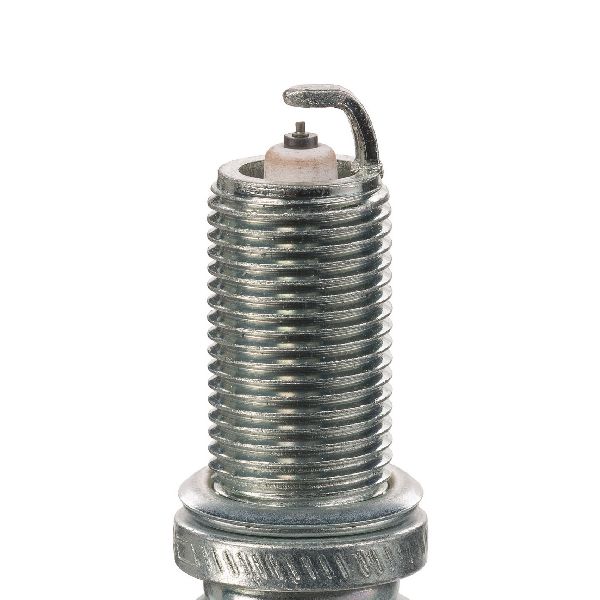
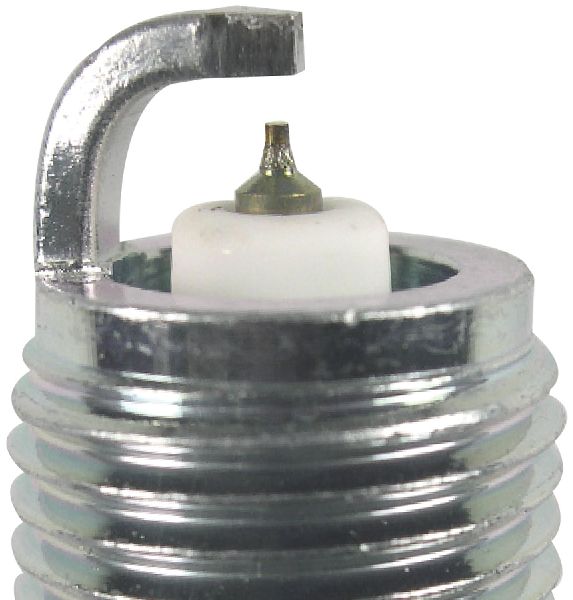
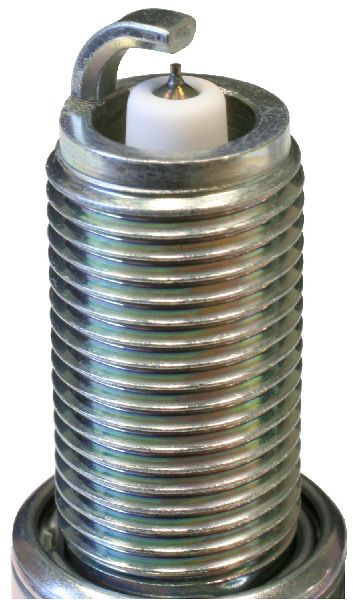
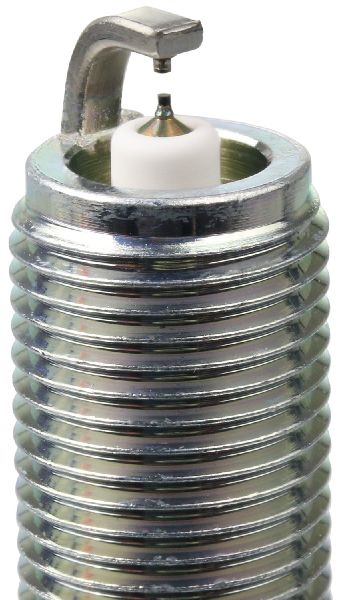
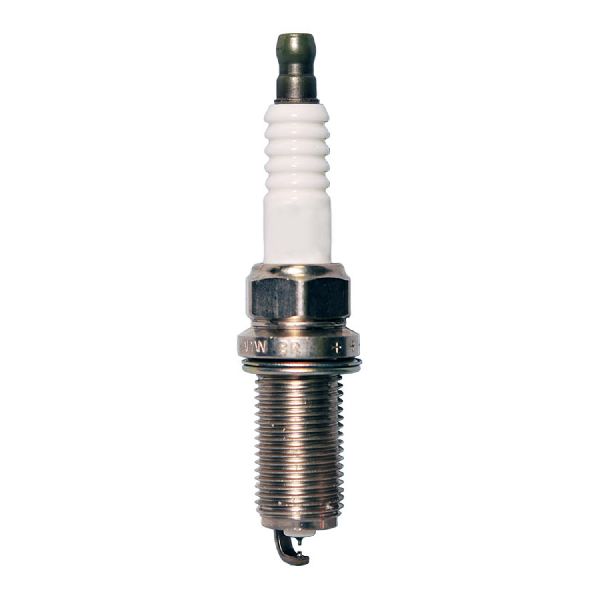
Aftermarket price range: $50-$80 - Iridium Spark Plug
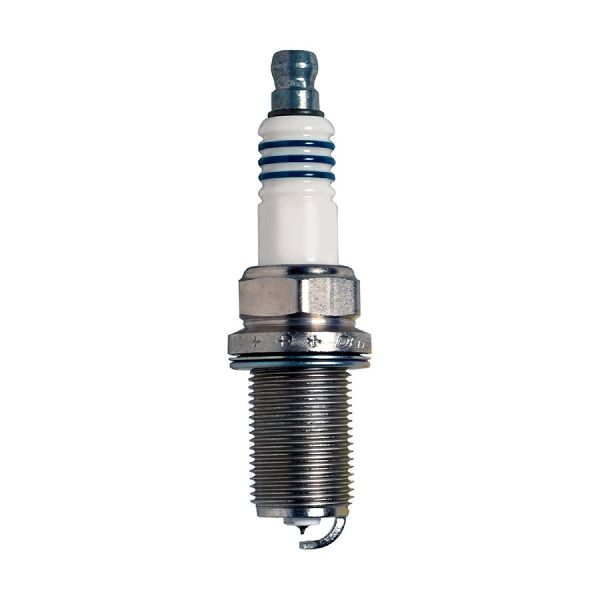
(OEM #90919-01249)— It is good practice to replace the spark plug when replacing a coil, especially if the plug's service life is near its end. Accessing the rear plugs is labor-intensive.
Trusted brands: Denso (FK20HR11), NGK (ILFR6T11)
OEM price range: $20-$25
Aftermarket price range: $15-$20 - Intake Manifold Gasket Set
(OEM #17176-0P021)— Required for re-installing the intake manifold, which must be removed to access the rear ignition coils. These are one-time-use gaskets and must be replaced to prevent vacuum leaks.
Trusted brands: Fel-Pro (MS 96521), Mahle, OEM
OEM price range: $25-$40
Aftermarket price range: $15-$25
Related Codes That Often Appear With This One
- P0301 — P0301 means 'Cylinder 1 Misfire Detected'. P0351 is the cause (the coil circuit failed), and P0301 is the effect (the cylinder is misfiring as a result).
- P0353, P0355 — These codes correspond to ignition coil circuit faults for cylinders 3 and 5, which are also on the difficult-to-access rear bank. It is common for owners to replace all three rear coils at once to avoid repeating the labor-intensive intake manifold removal.
Platform-Specific Known Issues
- While replacing the rear coils, it is a common 'while you're in there' job to also replace the PCV valve, which is located under the intake manifold and is difficult to access otherwise.
Mechanic-Grade Diagnostic Values
- Ignition Coil Primary Winding Resistance — expected: 0.49 - 0.57 Ohms at 68°F (20°C). Failure: A reading outside this range indicates a faulty coil.
- Ignition Coil Secondary Winding Resistance — expected: ~9.5 - 11.1 kOhms. Failure: A reading outside this range indicates a faulty coil.
- IGT (Ignition Trigger) Signal Waveform — expected: A square wave pulse from the ECM to the igniter, viewable on an oscilloscope. Test between IGT terminal at the coil and chassis ground.. Failure: A missing or distorted waveform points to a problem with the ECM or the wiring between the ECM and coil.
- IGF (Ignition Feedback) Signal Waveform — expected: A square wave pulse from the igniter to the ECM confirming a successful spark event, viewable on an oscilloscope. Test between the IGF terminal at the coil and chassis ground.. Failure: A missing waveform when the IGT signal is present is the direct cause for the P0351 code and confirms a fault within the ignition coil/igniter assembly.
- Ignition Coil Connector - Power Supply Voltage — expected: Battery voltage (approx. 11-14V) with ignition switch ON.. Failure: Low or no voltage indicates a problem with the power supply circuit, fuse, or relay, not the coil itself.
Scan Tool Commands That Help
- Toyota Techstream: Active Test: Control the Injection Mode — While not directly for the ignition coil, this test can help rule out fuel delivery issues that might be mistaken for an ignition problem, by allowing the technician to selectively disable injectors.
- Toyota Techstream: Active Test: Misfire — Allows the technician to monitor misfire counts per cylinder in real-time, which is useful for confirming the fault is isolated to Cylinder 1 before and after the repair.
- Toyota Techstream: Read Freeze Frame Data — Crucial for diagnosis. This data shows the exact engine conditions (speed, load, temperature, etc.) when the P0351 code was set, which can help replicate the fault during testing.
Wiring & Ground Locations
- Ignition Coil Connector (Cylinder 1) — On the rear cylinder bank (firewall side), passenger side of the engine. It's a 4-pin connector on top of the ignition coil.. This is the primary connection point to test for power, ground, and the IGT/IGF signals. A loose or corroded connector here is a common cause of P0351.
- Engine Harness Ground (Bank 1) — There is a primary engine harness ground point on the side of the cylinder head for Bank 1 (the rear bank).. A poor ground connection at this point can cause erratic behavior and voltage issues for all sensors and actuators on that bank, including the ignition coils, leading to intermittent P035x codes.
- ECM Connectors (E6, E7) — Located behind the glove box in the passenger cabin.. These are the termination points for the IGT and IGF signal wires from the ignition coils. Advanced diagnostics, such as checking for continuity or shorts in the harness, require accessing these pins.
Real Owner Repair Stories
- Bob Is The Oil Guy Forum (2013 Toyota Sienna 2GR-FE (same engine/ignition system)) — P0356 (Ignition Coil 'F' Circuit) appeared after the owner simply removed and reinstalled the original coil and spark plug just to inspect them prior to doing a full replacement job.
❌ Tried (didn't work) The code appeared without any parts being replaced.
✅ What actually fixed it The owner swapped the suspect coil with another one (from cylinder B to F), cleared the code, and the code did not return for several weeks. This indicates that sometimes the act of disturbing an old, brittle coil or connector can induce a temporary fault that resolves upon reseating, but it also serves as a warning that the coil is near the end of its life. The owner later replaced all plugs and coils as planned. - NHTSA ODI #10969044 (Toyota 2GR-FE Platform Mate) — An owner reported a loss of power and replaced all six coils at approximately 80,000 miles. Only nine months and 7,000 miles later, code P0351 (bad coil on cylinder 1) was thrown, followed shortly by code P0355 for cylinder 5.
OEM Part Supersession History
90919-A2007→90919-A2013— Standard part revision, likely for improved durability or manufacturing process.
Heads up: The new part number 90919-A2013 is a direct, backward-compatible replacement for 90919-A2007.90919-A2004→90919-A2007— Earlier part revision.
Heads up: 90919-A2007 was the replacement for 90919-A2004, which is now also superseded by 90919-A2013.
Diagnostic Flowchart
Other Known Issues on This Vehicle
Issues unrelated to this code that are worth knowing about as an owner of this generation:
- Rubber VVT-i Oil Line Rupture 🔴 High — Common on early 2008 models. A catastrophic failure that can lead to rapid oil loss and engine seizure. Toyota issued a TSB and later a warranty enhancement program (ZE2) to replace the rubber line with an all-metal one. (Ref: TSB T-SB-02011-11)
- Water Pump Failure 🟠 Medium — Fairly common for the 2GR-FE engine. Can present as a coolant leak (pink crusty residue) or a rattling/grinding noise from the pulley area.
- Melting / Sticky Dashboard 🟡 Low — Widespread issue in hot, sunny climates. The dashboard material degrades under UV exposure, becoming shiny, sticky, and creating glare. Toyota initiated a Warranty Enhancement Program (ZE6) for this. (Ref: Warranty Enhancement Program (ZE6))
- Intermediate Steering Shaft Clunk 🟠 Medium — A very common issue causing a clunking or popping noise when turning the steering wheel at low speeds. Caused by wear in the intermediate shaft U-joint. (Ref: Updated part 45220-48171 is the fix.)
- Power Steering Fluid Leak 🟠 Medium — Leaks can develop from the power steering rack and pinion or, more commonly, from the complex metal-and-rubber return lines that are prone to rust and corrosion.
Used vs. New Parts: Buying Guide for This Vehicle
When a used part is the smart pick: For this repair, using a used ignition coil is generally NOT recommended. Ignition coils are wear-and-tear components that degrade with heat and time. A used coil has an unknown history and may fail shortly after installation, forcing you to repeat the labor-intensive intake manifold removal. A used connector pigtail from a junkyard is a viable option if only the connector is damaged.
Donor-vehicle mileage cap: roughly under 80000 miles for the part to have meaningful remaining life.
What to inspect on the donor part:
- For a connector pigtail, ensure the plastic is not brittle or cracked.
- Check for any signs of corrosion or damage on the pins.
- Ensure there is enough wire length to splice it into your harness effectively.
OEM-only on this vehicle (don't cheap out):
- Intake Manifold Gaskets: These are one-time-use and must be new to ensure a proper seal and prevent vacuum leaks.
- Ignition Coils: While not strictly 'OEM-only', using a known high-quality brand like Denso (the OEM supplier) is strongly advised to avoid premature failure and repeat labor.
Aftermarket brands forum-validated for this vehicle:
- Denso (OEM supplier for coils and spark plugs)
- NGK (High-quality alternative for coils and spark plugs)
- Fel-Pro (For intake gaskets)
Brands owners have reported issues with on this vehicle:
- Unnamed or 'white-box' ignition coils from online marketplaces. These often have a high failure rate and may not meet the required electrical specifications, potentially causing further issues.
Real Owner Stories
Aggregated from forums and TSBs cited above. Mileages and costs reflect what owners reported in those sources.
2008 Toyota Highlander 3.5L V6
Symptoms: The vehicle triggered codes for all three rear coils (P0351, P0353, P0355) simultaneously along with engine misfires.
What fixed it: Replacing all three rear ignition coils and all spark plugs as a set.
Source hint: ToyotaNation Forum - Thread titled 'P0351, P0353, P0355 and Misfires on 2008 Highlander'
Toyota 2GR-FE V6 (Platform Mate)
Symptoms: Persistent P035x ignition coil codes that remained even after attempting typical part replacements.
What fixed it: Repairing the wiring harness near the firewall after a coil swap test failed to move the code.
Source hint: TundraSolutions Forum - '2GR-FE Misfire Saga'
Toyota 2GR-FE V6 (NHTSA Report)
Symptoms: An owner reported a loss of power and the appearance of code P0351 (bad coil on cylinder 1) only nine months and 7,000 miles after a previous full coil replacement.
What fixed it: The owner noted that code P0355 (cylinder 5) was thrown shortly after the P0351 fault appeared.
Source hint: NHTSA ODI #10969044
Related OBD-II Codes
Frequently Asked Questions
Where is Cylinder 1 located on my 2008-2013 Highlander 3.5L V6?
Why is the P0351 code so common on the rear bank of the Highlander?
Can I just swap the coil to test it without taking the engine apart?
Is there a TSB for the oil leak I noticed while checking my spark plugs?
Should I replace all the coils at once if I have a P0351 code?
What is the recommended spark plug service interval for the 2GR-FE engine?
Helpful Videos
We Have This Part in Stock

The information in this article is provided for general reference and educational purposes only. Vehicle specifications, procedures, and part compatibility can vary by production date, trim level, and region. Always consult your vehicle's factory service manual and verify part numbers before purchasing or performing repairs. Safety-critical components such as airbags, seat belts, and braking systems should be installed by a qualified professional.
- Toyota Highlander:
- 🧭 Diagnostic Flowchart
- 🎬 Helpful Videos
- 🛍️ Shop This Part
- What's Unique About the 2008-2013 Toyota Highlander
- Symptoms You May Notice
- Most Likely Causes
- Rare But Worth Checking
- Diagnosis Steps
- Parts You'll Likely Need
- Related Codes That Often Appear With This One
- Platform-Specific Known Issues
- Mechanic-Grade Diagnostic Values
- Scan Tool Commands That Help
- Wiring & Ground Locations
- Real Owner Repair Stories
- OEM Part Supersession History
- Other Known Issues on This Vehicle
- Used vs. New Parts: Buying Guide for This Vehicle
- Real Owner Stories
- 2008 Toyota Highlander 3.5L V6
- Toyota 2GR-FE V6 (Platform Mate)
- Toyota 2GR-FE V6 (NHTSA Report)
- Related OBD-II Codes
- Frequently Asked Questions
- 🎟️ Get 5% Off