

P0352 on 2021-2024 Ford Bronco: Ignition Coil 'B' Circuit Causes and Fixes
P0352 indicates an ignition coil circuit fault for cylinder #2. However, on 2021-2024 Broncos, a known software glitch (TSB 24-2406) can cause the computer to report the wrong cylinder. The most likely cause is a failed ignition coil or spark plug, but it may not be on cylinder #2. A power balance test is the best way to identify the true failing cylinder before buying parts. After replacing the correct part, a PCM software update at a dealer is often required to prevent the issue from recurring
- P0352 points to an ignition coil circuit fault for cylinder #2, but on this Bronco, you cannot trust the cylinder number.
- A Ford TSB (24-2406) confirms a software bug causes the wrong cylinder code to be stored.
- Do NOT blindly replace the coil on cylinder #2. A power balance test is the correct first diagnostic step to find the actual failing cylinder.
- The most common fix is a new ignition coil and spark plug on the correctly identified cylinder.
- After the repair, a PCM software update from a dealer is necessary to permanently fix the reporting error.
What's Unique About the 2021-2024 Ford Bronco
The most critical issue for this specific Bronco is a known software problem. Ford has issued Technical Service Bulletins (TSB 24-2406 and SSM 52342) acknowledging that the PCM can have 'incorrect cylinder to DTC mapping'. This means that while your scanner shows a P0352 code for cylinder #2, the actual faulty coil or plug could be on a different cylinder entirely. Blindly replacing the coil on cylinder #2 will not fix the problem if the fault lies elsewhere. This makes traditional DIY diagnosis tricky and can lead to wasted money on incorrect parts. One report even notes this issue can cause a P0355 (Cylinder 5) code on a 4-cylinder 2.3L engine, which physically has no fifth cylinder, highlighting the severity of the software bug.
Symptoms You May Notice
- Check Engine Light is on or flashing
- Rough idle or engine vibrations
- Engine hesitation or stumbling during acceleration
- Noticeable loss of power
- Reduced fuel economy
- Engine may stall, especially under load or when put into gear.
- Immediately replacing the ignition coil on cylinder #2 without confirming the fault. Due to the known PCM mapping issue (TSB 24-2406), the problem is very likely on a different cylinder.
Most Likely Causes
- Faulty Ignition Coil 🔴 High Probability → Shop Ignition Coil Coil-on-plug systems are common failure points. However, due to the PCM mapping issue (TSB 24-2406), the code P0352 may not correctly identify the failed coil's location.
How to confirm: The best method is a power balance test using a Ford-specific scan tool (FDRS). A DIY method is to swap the ignition coil from the suspected cylinder with a known good one (e.g., swap coil #2 with coil #1). Clear the codes, run the engine, and re-scan. If the trouble code changes to P0351, the coil is bad. If P0352 returns, the coil is likely not the issue, or the fault is on another cylinder entirely.
Typical fix: Replace the ignition coil on the correctly identified cylinder. A forum user with a 2022 Bronco 2.3L reported a P0352, but a power balance test revealed the fault was on cylinder #4. Replacing the coil and plug on cylinder #4 fixed the issue.
Est. part cost: $40-$85 - PCM Software Error (Incorrect Cylinder Mapping) 🔴 High Probability This is a documented issue acknowledged by Ford in TSB 24-2406 and SSM 52342 for 2021-2024 Broncos with both 2.3L and 3.0L engines built on or before 13-Feb-2024.
How to confirm: This is difficult to confirm without a dealer-level scan tool (FDRS) to perform a power balance test, which can identify the actual misfiring cylinder regardless of the code reported. If you replace the coil on cylinder #2 and the code persists, this is the likely culprit. SSM 52342 provides a key diagnostic tip: if the power balance test shows two cylinders dropping out, the true fault is on the cylinder that is dropping out *without* an associated ignition DTC, because the PCM is incorrectly shutting off fuel to the cylinder it *thinks* is bad.
Typical fix: Perform a power balance test to find the actual faulty cylinder and replace its components. After the hardware repair, the PCM must be reprogrammed to the latest software level by a dealer to permanently fix the mapping error.
Est. part cost: $0 if under warranty for the software update, otherwise dealer diagnostic and programming fees apply (typically 0.5-1.5 hours of labor). - Worn or Fouled Spark Plug 🟡 Medium Probability → Shop Spark Plug
How to confirm: Visually inspect the spark plug from the misfiring cylinder. Look for signs of wear on the electrode, carbon fouling, oil contamination, or an incorrect gap. It's good practice to check the plug when inspecting the coil.
Typical fix: Replace the spark plug. It is often recommended to replace all spark plugs at the same time for consistent performance, especially if they are near their service interval.
Est. part cost: $15-$25 per plug - Damaged Wiring or Connector ⚪ Low Probability
How to confirm: Visually inspect the wiring harness and connector going to the ignition coil. Look for any signs of chafing, melting, corrosion on the pins, or loose connections. Check for power, ground, and signal at the 4-pin connector. Pin 3 should have battery voltage, Pin 4 is ground, Pin 1 is the control signal from the PCM, and Pin 2 is the monitor signal back to the PCM.
Typical fix: Repair the damaged section of the harness or replace the pigtail connector (Motorcraft WPT-1492).
Est. part cost: $20-$50 for a connector pigtail
Rare But Worth Checking
- Powertrain Control Module (PCM) Failure: → Shop Engine Control Module (ECM) This is extremely rare. The PCM should only be considered after all other possibilities, including the known TSBs and wiring checks, have been thoroughly exhausted.
- Water Intrusion in Spark Plug Well: → Shop Spark Plug On the related 2.3L EcoBoost in the Ford Ranger, water leaking from the cowl area into the spark plug wells is a known issue that can short out the coil and plug (addressed in Ranger TSB 23-2011). While not specifically documented for the Bronco, it is a plausible cause given the shared engine architecture and should be inspected.
Diagnosis Steps
- Read the code with an OBD-II scanner and confirm P0352 is present.
- Acknowledge the high probability of the PCM mapping error (TSB 24-2406). The fault may not be on cylinder #2.
- Locate cylinder #2. On the 2.3L I4, it's the second cylinder from the front. On the 3.0L V6, it's the middle cylinder on the passenger side bank (Bank 1).
- CRITICAL STEP: Perform a Power Balance Test using a capable scan tool like Ford's FDRS. This test disables one cylinder at a time to see the effect on RPM. The cylinder that causes little or no RPM drop when disabled is the one that is truly misfiring. This is the most reliable way to bypass the PCM's incorrect code reporting.
- If a power balance test is not possible, you can try swapping components. Swap the ignition coil from cylinder #2 with the coil from cylinder #1.
- Clear the codes, start the engine, and let it run for a few minutes.
- Re-scan for codes. If the code has changed to P0351 (Ignition Coil 'A' Circuit), the coil you moved is faulty and needs replacement.
- If code P0352 returns, the coil is likely not the problem OR the fault is on another cylinder (e.g. #3 or #4) due to the mapping error. You may need to continue swapping coils until the code follows the part.
- Once the correct misfiring cylinder is identified, inspect its wiring and connector for any damage or corrosion.
- Inspect and consider replacing the spark plug on the identified faulty cylinder, especially if its service life is unknown.
- After replacing the faulty component (coil/plug), the vehicle should be taken to a Ford dealer to have the PCM reprogrammed per TSB 24-2406 to prevent future incorrect DTC mapping.
Parts You'll Likely Need
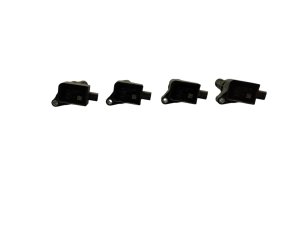
- Ignition Coil
(OEM #2.3L: DG-576 (Motorcraft); 3.0L: JT4Z-12029-A (Motorcraft), superseded by PB5Z-12029-A.)— This is the most common component to fail in the ignition circuit. However, due to the cylinder mapping TSB, you must confirm which cylinder's coil has failed before replacing.
Trusted brands: Motorcraft, Delphi, Denso, Standard Motor Products (SMP)
OEM price range: $60-$90
Aftermarket price range: $40-$70 - Spark Plug
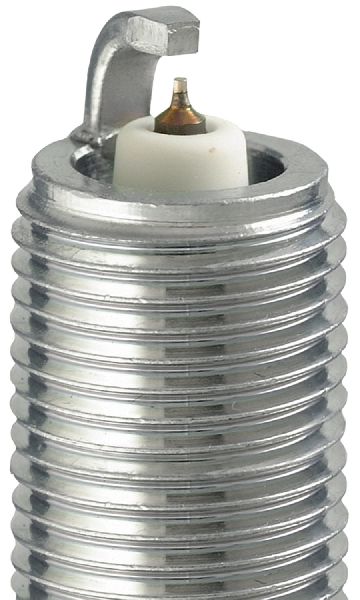
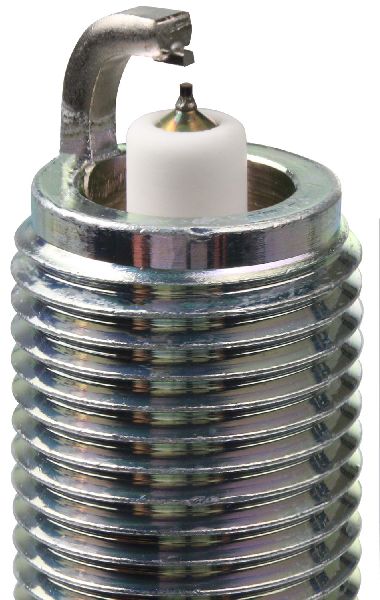
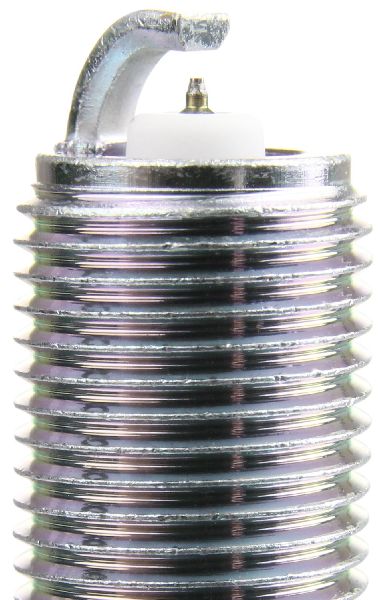
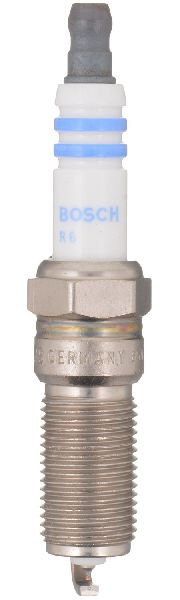
(OEM #SP-594 (Motorcraft, fits 2.3L/3.0L). Ford Performance colder plug M-12405-35T is also an option.)— A worn or fouled spark plug can cause a misfire and may be the root cause or a contributing factor. It's best practice to inspect or replace it when servicing the coil.
Trusted brands: Motorcraft, NGK, Bosch
OEM price range: $15-$25
Aftermarket price range: $10-$20 - Ignition Coil Connector
(OEM #WPT-1492 (Motorcraft))— If the plastic locking tab breaks during removal or the wiring is found to be corroded or melted, the connector pigtail will need to be replaced to ensure a secure electrical connection.
Trusted brands: Motorcraft, Dorman
OEM price range: $40-$50
Aftermarket price range: $25-$40
Related Codes That Often Appear With This One
- P0302 — P0302 means 'Cylinder 2 Misfire Detected'. P0352 is the more specific code indicating the ignition coil circuit is the *cause* of the misfire that P0302 is reporting.
- P0300 — P0300 means 'Random/Multiple Cylinder Misfire'. This can occur if the initial fault causes instability across other cylinders before the PCM isolates the problem and sets a more specific P035x code.
- P2303, P2304, etc. — These are related ignition coil secondary circuit fault codes. TSB 24-2406 and SSM 52342 list a full range of P035x and P23xx codes that are all affected by the same incorrect cylinder mapping software bug.
Technical Service Bulletins (TSBs) & Recalls
- TSB 24-2406 - Incorrect cylinder to DTC mapping for ignition faults. Supersedes previous bulletins and instructs technicians to reprogram the PCM.
- SSM 52342 - Similar to the TSB, notes that PCM may misreport the cylinder with the ignition fault and provides diagnostic advice on using a power balance test to find the true faulty cylinder.
Platform-Specific Known Issues
- TSB 24-2406 / SSM 52342: A critical software issue where the PCM may report an ignition fault on the wrong cylinder. For example, a P0352 code may be set when the actual fault is on cylinder #1, #3, or #4. A power balance test is the recommended procedure to find the true source of the misfire.
- source — A user on the Bronco6G.com forum with a 2022 Bronco 2.3L experienced a rough idle and P0352. After mentioning the TSB, the dealer performed a power balance test which confirmed the misfire was on cylinder #4, not #2. Replacing the coil and plug on cylinder #4 and updating the PCM software resolved the problem.
Mechanic-Grade Diagnostic Values
- Ignition Coil Primary Wire Voltage — expected: Above 12V (Key On, Engine Off). Failure: A reading below 9V suggests a power supply problem in the harness or from the PCM.
- Mode $06 Misfire Counts — expected: Near zero counts for all cylinders.. Failure: Even with a P0352 (Cylinder 2) code, if Mode $06, Test ID $A4 shows high misfire counts on a different cylinder (e.g., Cylinder 3 or 4), that cylinder has the actual hardware fault.
Hidden / Shadow Codes Worth Checking
- Mode $06, Test ID $A4: This is not a DTC but a specific monitor within the OBD-II system that tracks misfire counts per cylinder. It can reveal the true source of a misfire when the PCM reports an incorrect cylinder via a P035x code. (see via An advanced OBD-II scanner that supports Mode $06 data viewing.)
Scan Tool Commands That Help
- Ford IDS / FDRS: Power Balance Test — This is the most crucial test for this vehicle and code. It definitively identifies the misfiring cylinder by measuring RPM drop, bypassing the PCM's software mapping error described in TSB 24-2406.
- Advanced Scan Tool: Module Test: Pulse Coil Driver — If wiring and the coil itself are confirmed good, this command can be used to check if the PCM is capable of sending the signal to fire the coil. A failure to produce a spark (verified with a timing light) during this test points towards an internal PCM fault.
Wiring & Ground Locations
- Engine and PCM Grounds — Specific ground point locations (e.g., G103, G104) for the 2021-2024 Bronco are not available in public-facing documentation and require access to official Ford service manuals.. The PCM relies on clean, solid ground connections to accurately control and monitor the ignition coils. A poor ground can introduce electrical noise or voltage drops, potentially causing the PCM to misinterpret the coil circuit's health and set a P0352 code.
OEM Part Supersession History
JT4Z-12029-A→PB5Z-12029-A— Standard part revision for improved reliability or manufacturing process.
Heads up: The new part number PB5Z-12029-A is a direct replacement for the old one and is fully compatible. It also replaces part numbers KT4Z-12029-A and DG583.
Model Year Variations Within This Range
- 2021-2024 (2.3L) and 2022-2024 (3.0L): Vehicles built *on or before* February 13, 2024, are subject to the incorrect cylinder mapping error described in TSB 24-2406. Vehicles built after this date likely have the corrected PCM software from the factory, though a dealer check is still recommended.
Diagnostic Flowchart
Other Known Issues on This Vehicle
Issues unrelated to this code that are worth knowing about as an owner of this generation:
- 2.7L/3.0L EcoBoost Engine Valve Failure 🔴 High — Affects a specific population of 2021-2022 models, leading to catastrophic engine failure and loss of power. NHTSA investigation opened in May 2022, leading to a recall. (Ref: Recall 24S55. NHTSA has investigated numerous complaints of valve fractures.)
- Molded-in-Color (MIC) Hardtop Defects 🟠 Medium — Widespread on early production 2021-2022 models. Issues include a 'snakeskin' or honeycomb pattern appearing, warping, water leaks, and excessive wind noise. (Ref: Ford initiated a customer satisfaction program to replace defective tops, but backlogs were significant.)
- 10R60/10R80 10-Speed Transmission Faults 🟠 Medium — Common complaints across many Ford models using this transmission, including the Bronco. Symptoms include harsh/jerky shifting, delayed engagement, and shuddering. (Ref: Multiple TSBs exist, such as TSB 24-2046, addressing valve body and CDF clutch drum issues that cause these symptoms.)
- Poor Build Quality (Early Models) 🟡 Low — Reports of loose interior trim, rattling noises, and misaligned panels were common on 2021-2022 models as production ramped up.
Used vs. New Parts: Buying Guide for This Vehicle
When a used part is the smart pick: For this repair, using used parts is generally not recommended. The only exception might be a wiring harness pigtail if a new one is unavailable, but it must be inspected carefully.
Donor-vehicle mileage cap: roughly under 20000 miles for the part to have meaningful remaining life.
What to inspect on the donor part:
- For a connector pigtail, ensure the plastic is not brittle, the locking tab is intact, and there is no corrosion on the pins.
- Verify the donor vehicle was not involved in a front-end collision or engine fire.
OEM-only on this vehicle (don't cheap out):
- Ignition Coil: Given the known PCM sensitivity and software issues on this platform, using OEM Motorcraft coils is the safest choice to ensure compatibility and prevent recurring issues.
Aftermarket brands forum-validated for this vehicle:
- Ignition Coils: Delphi, Denso, and Standard Motor Products (SMP) are generally reputable alternatives if OEM is not an option.
- Connectors: Dorman is a widely available aftermarket source for connector pigtails.
Brands owners have reported issues with on this vehicle:
- Avoid unbranded, no-name ignition coils from online marketplaces. These often have poor internal windings and insulation, leading to premature failure and potential PCM driver damage.
Real Owner Stories
Aggregated from forums and TSBs cited above. Mileages and costs reflect what owners reported in those sources.
2022 Ford Bronco 2.3L
Symptoms: Rough idle and a P0352 trouble code.
What fixed it: The dealer performed a power balance test which revealed the misfire was actually on cylinder #4, despite the P0352 code. Replacing the ignition coil and spark plug on cylinder #4 and updating the PCM software per TSB 24-2406 resolved the issue.
Source hint: Bronco6G.com forum user experience cited in go-parts.com article
Related OBD-II Codes
Frequently Asked Questions
Does TSB 24-2406 apply to my 2022 Ford Bronco with the 2.3L engine?
I replaced the coil on cylinder #2 but the P0352 code came back. Why?
How can I confirm which cylinder is actually bad if the P0352 code is wrong?
Is there a specific connector part number if my ignition wiring is damaged?
Will a software update fix my P0352 code?
Where is cylinder #2 located on the 3.0L EcoBoost Bronco?
Used OEM Parts in Stock
New Aftermarket Parts Available


The information in this article is provided for general reference and educational purposes only. Vehicle specifications, procedures, and part compatibility can vary by production date, trim level, and region. Always consult your vehicle's factory service manual and verify part numbers before purchasing or performing repairs. Safety-critical components such as airbags, seat belts, and braking systems should be installed by a qualified professional.
- Ford Bronco:
- 🧭 Diagnostic Flowchart
- 🛍️ Shop This Part
- What's Unique About the 2021-2024 Ford Bronco
- Symptoms You May Notice
- Most Likely Causes
- Rare But Worth Checking
- Diagnosis Steps
- Parts You'll Likely Need
- Related Codes That Often Appear With This One
- Technical Service Bulletins (TSBs) & Recalls
- Platform-Specific Known Issues
- Mechanic-Grade Diagnostic Values
- Hidden / Shadow Codes Worth Checking
- Scan Tool Commands That Help
- Wiring & Ground Locations
- OEM Part Supersession History
- Model Year Variations Within This Range
- Other Known Issues on This Vehicle
- Used vs. New Parts: Buying Guide for This Vehicle
- Real Owner Stories
- 2022 Ford Bronco 2.3L
- Related OBD-II Codes
- Frequently Asked Questions
- 🎟️ Get 5% Off