

P0354 on 2003-2014 Ford E-Series 5.4L: Ignition Coil 'D' Circuit Causes and Fixes
This code means there's a problem with the ignition coil on cylinder #4. On the 5.4L Triton V8, this is almost always a failed ignition coil, often caused by moisture in the spark plug well. A new coil costs about $25-$60 and is a straightforward DIY replacement. If the check engine light is flashing, do not drive, as this indicates raw fuel is being sent to the catalytic converter, which can cause permanent damage.
- P0354 on a 5.4L E-Series van points to a problem with the ignition coil circuit on cylinder #4 (rear passenger side).
- The most likely cause is a failed ignition coil, often due to moisture or oil in the spark plug well.
- The most effective and simple diagnostic is to swap the cylinder #4 coil with another one and see if the trouble code follows the coil.
- This is a very DIY-friendly repair that can be done with basic tools in under an hour.
- Driving with a flashing check engine light can cause expensive damage to your catalytic converter, so address the issue promptly.
What's Unique About the 2003-2014 Ford E-Series
The 5.4L Triton V8 used in the E-Series vans is well-known for ignition system vulnerabilities. The deep-set spark plug wells are susceptible to collecting moisture from rain (often from a leaking cowl seal), engine washing, or even minor coolant leaks from nearby heater hoses. This moisture is a leading cause of ignition coil failure and misfires. While the code itself is standard, the high probability of it being a simple coil failure due to this design characteristic is a key feature of this platform. Some owners on forums have resorted to DIY solutions like adding foam or rubber weatherstripping to the cowl area to divert water.
Generation note: The 2003-2014 range covers the end of the third generation (1992-2007) and the fourth generation (2008-2014). However, the 5.4L 2V Triton V8 and its Coil-on-Plug ignition system were used consistently across these generations in the E-150, E-250, and E-350 models, so the causes and fixes for P0354 are virtually identical. It's important to note that E-Series vans primarily used the 2-valve (2V) version of the 5.4L, which is prone to blowing spark plugs out of the cylinder head, rather than the 3-valve (3V) version's issue of plugs breaking upon removal.
Symptoms You May Notice
- Check Engine Light is on (may be steady or flashing)
- Engine misfire, which feels like shaking, stumbling, or jerking, especially under load
- Rough or unstable idle
- Noticeable loss of engine power and sluggish acceleration
- Reduced fuel economy
- Engine may be hard to start
- A smell of raw gasoline from the exhaust
- Replacing the fuel injector on cylinder #4. While a bad injector can cause a misfire (P0304), the P0354 code is specific to the ignition primary/secondary circuit, making the coil or its wiring the primary suspect.
- Assuming the PCM is bad before thoroughly testing the coil, spark plug, and wiring. PCM failure is uncommon.
Most Likely Causes
- Failed Ignition Coil (Coil-on-Plug) 🔴 High Probability → Shop Ignition Coil The 5.4L Triton's design allows moisture to easily collect in the spark plug wells, shorting out and destroying the coils. Age and extreme heat cycles in the van's engine bay also cause the coil's internal windings or the boot to fail.
How to confirm: The easiest method is to swap the cylinder #4 ignition coil with another one (e.g., cylinder #1). Clear the codes and drive the vehicle. If the code changes to P0351, the coil is confirmed bad. This diagnostic step costs nothing and is highly effective.
Typical fix: Replace the faulty ignition coil. It is held in by a single 7mm or 8mm bolt. Many owners choose to replace all 8 coils and spark plugs at the same time for preventative maintenance, especially on higher mileage engines. Always apply dielectric grease to the inside of the new coil boot to seal out moisture.
Est. part cost: $25-$60 per coil - Worn or Fouled Spark Plug 🟡 Medium Probability → Shop Spark Plug The 2-valve 5.4L Triton engine used in most E-Series vans had an issue with having too few threads in the aluminum cylinder heads, which could lead to spark plugs being ejected from the head over time. A worn plug with an excessive gap also puts extra strain on the ignition coil, which can cause the coil to fail and trigger P0354.
How to confirm: After confirming the coil is good, remove the spark plug from cylinder #4. Inspect it for wear, oil fouling, or damage. Check the gap and compare it to the manufacturer's specification.
Typical fix: Replace the spark plug. For the 2V engine, it's critical to torque the new plugs correctly (around 25 ft-lbs) to prevent them from backing out or being blown out. Unlike the 3V Triton, these plugs are not known for breaking upon removal.
Est. part cost: $5-$15 per plug - Damaged Wiring or Connector ⚪ Low Probability The wiring harness in the engine bay is exposed to heat and vibration. Wires can become brittle and crack, or the plastic locking tab on the coil connector can break, leading to a poor connection. On some Ford trucks, the A/C lines run close to the harness and can chafe through the wires.
How to confirm: Visually inspect the wiring harness leading to the cylinder #4 coil. Check for chafing, melting, or corrosion on the connector pins. Wiggle the connector with the engine running to see if it induces a misfire. Use a multimeter to check for 12V power and a ground signal at the connector.
Typical fix: Repair the damaged section of wire or replace the pigtail connector. A broken connector tab can sometimes be secured with a zip tie as a temporary fix.
Est. part cost: $10-$25 for a new pigtail connector
Rare But Worth Checking
- Faulty Powertrain Control Module (PCM): → Shop Engine Control Module (ECM) This is very rare, but more common on the 5.4L 3V F-150s than other vehicles. A failed coil can sometimes short and damage the driver circuit within the PCM. Before condemning the PCM, all other possibilities (coil, plug, wiring) must be exhaustively ruled out using a multimeter to test the circuits. A professional diagnosis is recommended if the PCM is suspected.
- Water or Oil in Spark Plug Well: → Shop Spark Plug While this is a direct cause of coil failure, it's worth noting as a separate check. A leaking valve cover gasket can fill the well with engine oil, and water intrusion from a degraded cowl seal is common. If you find fluid, you must fix the source of the leak in addition to replacing the coil and spark plug.
Diagnosis Steps
- Confirm the code P0354 is present using an OBD-II scanner. Note any other codes, especially P0304.
- Identify cylinder #4. On the 5.4L V8, this is the rearmost cylinder on the passenger side, closest to the firewall.
- Swap the ignition coil from cylinder #4 with the coil from cylinder #1 (front, passenger side).
- Clear the trouble codes with the scanner.
- Start the engine and drive until the Check Engine Light returns.
- Re-scan for codes. If the code is now P0351 ('Ignition Coil A...'), the ignition coil you moved is faulty and needs replacement.
- If the code remains P0354, the problem is not the coil. Proceed to the next step.
- Remove the coil from cylinder #4 and inspect the spark plug well for oil or water. Address any leaks if fluid is present.
- Remove and inspect the spark plug for cylinder #4. Replace it if it is worn, fouled, or damaged, ensuring it is torqued to specification.
- If the plug is good, carefully inspect the ignition coil's electrical connector and wiring for any signs of damage, corrosion, or loose pins. Check for a broken locking tab on the connector.
- If all other components check out, the issue may be a rare fault in the PCM, which requires professional diagnosis with advanced tools to verify.
Parts You'll Likely Need
- Ignition Coil (Coil-on-Plug)
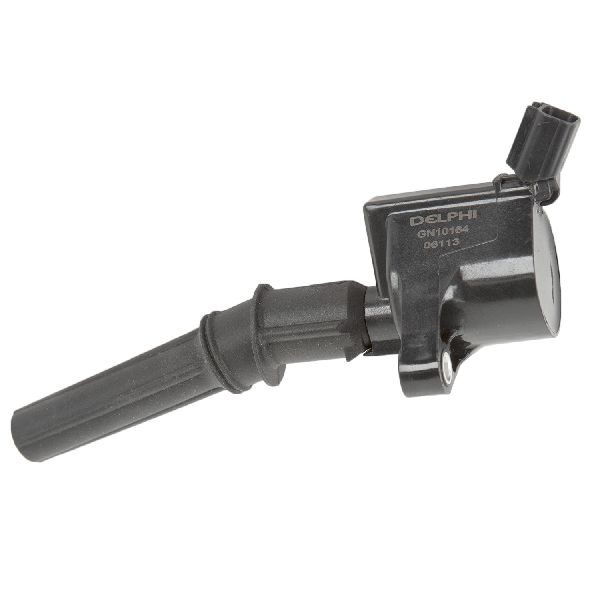
(OEM #DG508, 3L3Z-12029-BA)— This is the most frequent point of failure for a P0354 code on this engine due to heat, vibration, and common moisture intrusion. It is highly recommended to use OEM Motorcraft coils, as aftermarket versions have a high failure rate on this platform.
Trusted brands: Motorcraft (Recommended), Denso, NGK
OEM price range: $45-$70
Aftermarket price range: $25-$50 - Spark Plug
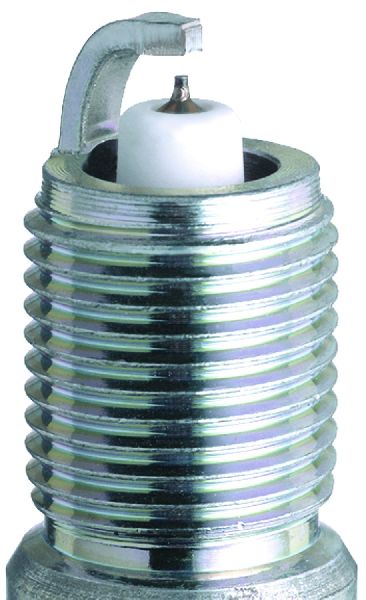
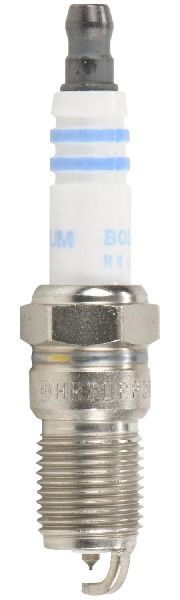
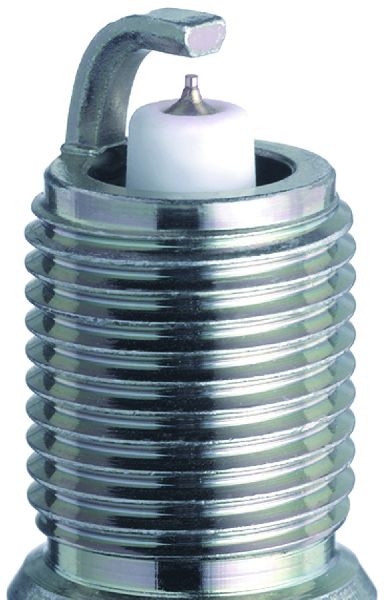
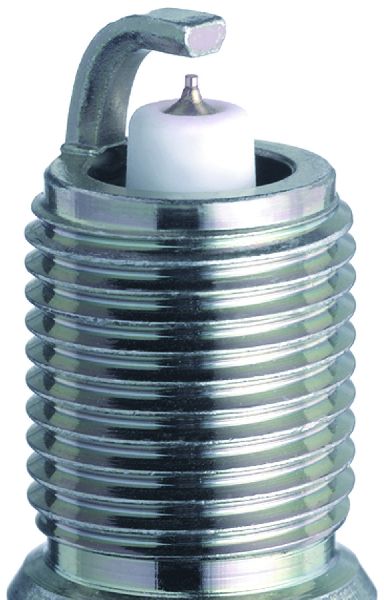
(OEM #Motorcraft SP-479 (or AGSF22WM))— A worn or fouled spark plug is the second most likely cause and should be replaced if it's old or shows signs of failure. They are a critical part of the ignition circuit and a bad plug can overwork and destroy a new coil.
Trusted brands: Motorcraft (Recommended), Autolite, NGK
OEM price range: $8-$15
Aftermarket price range: $5-$10 - Ignition Coil Connector Pigtail
(OEM #WPT-1045 (Verify by VIN))— The plastic locking tab on the original connector often becomes brittle and breaks, leading to a loose connection that can set a P0354 code. Replacing the pigtail is the correct repair for a broken connector.
Trusted brands: Motorcraft, Dorman
OEM price range: $20-$35
Related Codes That Often Appear With This One
- P0304 — P0304 means 'Cylinder 4 Misfire Detected'. Since a failing ignition coil circuit (P0354) will prevent the spark plug from firing, it will directly cause a misfire on that cylinder.
- P0300 — This code means 'Random/Multiple Cylinder Misfire'. You might see this if the underlying cause, like a failing power supply, ground, or a PCM issue, is starting to affect other cylinders intermittently.
- P0351, P0352, P0353, etc. — The appearance of multiple P035x codes at once strongly suggests a systemic problem rather than several individual coils failing simultaneously. This could be a damaged wiring harness common to all coils, significant water intrusion, or a failing PCM.
Technical Service Bulletins (TSBs) & Recalls
- TSB 12-8-17: Mentions P035x codes on some Ford vehicles built before March 2008 related to heat-damaged ignition coils, but is not a universal diagnostic procedure for all P0354 cases.
- Bulletin #SSM 52455: Notes that some E-Series vehicles equipped with a gas engine may exhibit an illuminated MIL with ignition system DTCs including P0354 set in the powertrain control module (PCM).
- Bulletin #TSB 24-2406: While issued for other Ford models like the Bronco, this bulletin also addresses illuminated MILs with ignition system DTCs such as P0354 set in the PCM.
Platform-Specific Known Issues
- The spark plug wells are prone to collecting water, which is a primary killer of ignition coils on the 5.4L Triton engine. The source is often a degraded cowl seal at the base of the windshield.
- Leaking valve cover gaskets can fill the spark plug wells with engine oil, which also degrades the coil boot and causes misfires.
- A known issue on Ford trucks involves the wiring harness for the passenger side coils chafing against an A/C line, which can cause a short and trigger P035x codes.
Mechanic-Grade Diagnostic Values
- Ignition Coil Primary Resistance — expected: 0.55 - 0.66 ohms. Failure: A reading of 0 (short) or OL/infinity (open).
- Ignition Coil Secondary Resistance — expected: 5,400 - 5,800 ohms (5.4kΩ - 5.8kΩ). Failure: A reading significantly outside this range, or OL, indicates a bad coil.
- Coil Connector Power Supply (KOEO) — expected: Battery Voltage (approx. 12.6V). Failure: Low or no voltage on the power supply wire (check diagrams for pin) points to a wiring or fuse issue, not the coil or PCM driver.
- PCM Driver Signal (Engine Running) — expected: 5 to 20 Hz. Failure: A reading of 0 Hz while the engine is running indicates the PCM is not sending a fire command to the coil.
Hidden / Shadow Codes Worth Checking
- Mode $06, Test ID $53, Component ID $04: This is not a standard DTC but a report from the non-continuous Misfire Monitor. A high count or a 'Fail' status for Component ID $04 (Cylinder 4) confirms the PCM is detecting misfire events on that specific cylinder, corroborating the P0354 fault. (see via A professional scan tool or an advanced consumer OBD-II scanner with Mode $06 capabilities.)
Scan Tool Commands That Help
- Ford IDS (Integrated Diagnostic System): Power Balance Test — This bidirectional test allows a technician to selectively disable individual cylinders one by one while monitoring the engine's RPM drop. If disabling cylinder #4 causes little or no change in RPM compared to other cylinders, it confirms that cylinder #4 is not contributing power, strongly pointing to a fault in its ignition, fuel, or compression. This can verify the misfire location without swapping any parts.
Wiring & Ground Locations
- Cylinder #4 Coil Connector — Rearmost cylinder on the passenger side of the engine, near the firewall.. This is the direct connection point for the failing circuit. The two pins are for 12V+ power and the PCM ground signal. Check for 12V+ with key on, and check the signal wire for continuity back to the PCM.
- G101 — On the right front of the engine compartment, at the upper radiator support, near the battery.. This is a primary power ground. A loose or corroded G101 can cause a variety of electrical issues, including weak spark or intermittent ignition problems that could potentially trigger a P035x code.
- G102 — On some schematics, this ground is located at the left rear of the engine and specifically grounds the 8 ignition coils. On others, it is at the left front radiator support. Physical verification is necessary.. If the ignition coils share a dedicated ground point, its integrity is critical. A fault at this single point could cause issues across multiple cylinders, often starting with one before affecting others.
Real Owner Repair Stories
- YouTube channel 'ScannerDanner' (2003 Ford Expedition 5.4L (similar platform)) — Constant misfire, Check Engine Light on with code P0356 (Ignition Coil 'F' circuit - Cylinder 6).
❌ Tried (didn't work) Initial assumption was a simple bad coil.
✅ What actually fixed it The ignition coil on cylinder 6 had an internal short in its primary winding. This short circuit damaged the corresponding driver transistor inside the Powertrain Control Module (PCM). The final fix required replacing both the shorted ignition coil and the entire PCM.
Documented NHTSA Reports
- An owner reported in NHTSA ODI #11131030 that their vehicle experienced an inability to control the vehicle and get it off the road; a shop subsequently diagnosed P0354, P0351, P0355, and P0352 as ignition coil and PCM failures.
- NHTSA ODI #11429061 describes a vehicle that shut down on the interstate and would not restart, showing codes P0351 through P0356.
- An owner filed a report (NHTSA ODI #10713413) stating their vehicle started shaking violently before a Check Engine Light appeared with codes P0351, P0352, and P0354.
OEM Part Supersession History
3W7Z-12029-AA→DG508— DG508 is the standard Motorcraft service part number for the coil that replaces the original factory-installed part number. It incorporates any manufacturing revisions for durability and performance.WPT-1045→1U2Z-14S411-AHC— WPT-1045 is the service kit part number for the pigtail connector. The base engineering number is 1U2Z-14S411-AHC. They refer to the same part.
Model Year Variations Within This Range
- 2003-2014: Unlike the F-150 which switched to the 3-valve (3V) 5.4L Triton in 2004, the E-Series vans continued to use the 2-valve (2V) version throughout this period. This is a critical distinction, as the 2V engine does not suffer from the 3V's notorious cam phaser issues or two-piece spark plugs that break on removal. The primary issue for the 2V is the potential for spark plugs to be ejected due to insufficient head threads, a separate issue from code P0354.
- 2008: The 2008 model year E-Series received a significant facelift with new front-end styling inspired by the Super Duty trucks, along with revised steering and suspension. However, the 5.4L 2V powertrain and its ignition system remained fundamentally the same as the earlier years in the range.
Diagnostic Flowchart
Other Known Issues on This Vehicle
Issues unrelated to this code that are worth knowing about as an owner of this generation:
- Spark Plug Ejection (2-Valve Engines) 🔴 High → Shop Spark Plug — Common on 1997-2003 2V engines due to insufficient thread engagement in the aluminum heads. Less common on 2004+ models after a head redesign. (Ref: TSB 08-7-6)
- Timing Chain, Tensioner, and Cam Phaser Failure (3-Valve Engines) 🔴 High — While less common in the 2V E-Series, this is a notorious and expensive problem on the 3V 5.4L found in F-150s and Expeditions. Caused by low oil pressure from worn tensioner seals and clogged oil passages, leading to a 'diesel-like' rattle at idle. (Ref: TSB 06-19-8)
- Fuel Pump Driver Module (FPDM) Corrosion and Failure 🟠 Medium — Common on 2005-2010 models. The aluminum module is mounted directly to the steel frame, causing galvanic corrosion that cracks the housing and allows water intrusion. This leads to no-start or stalling conditions and is often misdiagnosed as a bad fuel pump. (Ref: P1233 is a common code for this issue.)
- Exhaust Manifold Leaks 🟠 Medium — The cast iron exhaust manifolds are prone to cracking or the mounting studs break, causing an audible ticking noise, especially when the engine is cold. The noise may quiet down as the engine warms up and the metal expands.
Used vs. New Parts: Buying Guide for This Vehicle
When a used part is the smart pick: For this specific repair, using used parts is strongly discouraged for the core components. However, a used wiring harness or a specific connector cut from a junkyard harness can be a viable option if your only issue is a physically damaged connector and you are skilled at soldering and heat-shrinking wires.
Donor-vehicle mileage cap: roughly under 100000 miles for the part to have meaningful remaining life.
What to inspect on the donor part:
- For a wiring connector: Check for brittle plastic, ensure the locking tab is intact, and inspect pins for corrosion.
- Look for a donor vehicle that appears to have been well-maintained and is free from front-end collision damage.
- Avoid harnesses from vehicles with signs of engine bay fires, rodent damage, or significant fluid leaks.
OEM-only on this vehicle (don't cheap out):
- Ignition Coil (Coil-on-Plug): Motorcraft coils are highly recommended. Forum and mechanic consensus indicates that many aftermarket brands have a significantly higher failure rate on the Triton engine, often failing within months. Spending extra on Motorcraft is considered a wise investment to avoid repeat failures.
Aftermarket brands forum-validated for this vehicle:
- Denso
- NGK
- MSD (for performance applications)
Brands owners have reported issues with on this vehicle:
- Unnamed, low-cost 'no-name' coil sets sold on marketplaces. While tempting due to the low price for a set of 8, they are notorious for premature failure and can cause more diagnostic headaches.
Real Owner Stories
Aggregated from forums and TSBs cited above. Mileages and costs reflect what owners reported in those sources.
2008 Ford Expedition 5.4L
Symptoms: The owner discovered a P0354 code and noticed the A/C compressor was disabled.
What fixed it: Found the wiring harness to coil #4 had chafed through against an A/C line; repaired the wiring.
Source hint: Ford Truck Enthusiasts (ford-trucks.com) thread titled 'AC and P0354 Ignition Coil D Primary circuit fault'
2020 Ford F-150 5.4L
Symptoms: Vehicle tossed a P0354 code.
What fixed it: The issue was caused by a broken plastic connector tab on the ignition coil.
Source hint: Ford F150 Forum (f150forum.com) thread 'Tossed a P0354 code today - bad coil on "D". Replace ONE or ALL?'
2011 Ford 5.4L Triton
Symptoms: Repeatedly finding fluid in the #4 spark plug well causing a wet ignition coil boot.
What fixed it: Identified a leaking heater hose running directly over that cylinder.
Source hint: Ford Truck Enthusiasts (ford-trucks.com) thread 'Wet Ignition Coil Boot'
Related OBD-II Codes
Frequently Asked Questions
Where is cylinder #4 located on my 5.4L Triton V8 engine?
Does TSB 12-8-17 apply to my P0354 code?
I found water in the spark plug well of cylinder #4; where is it coming from?
Can I just zip-tie the connector if the plastic tab broke?
Should I replace all the coils at once on my high-mileage E-Series van?
Is there a specific torque requirement for the spark plugs on the 2-valve engine?
Helpful Videos
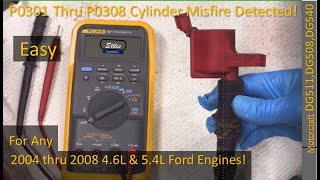
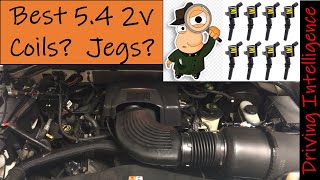
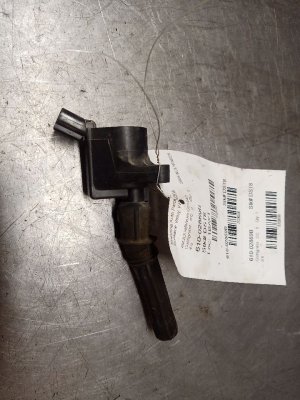
Used OEM Parts in Stock
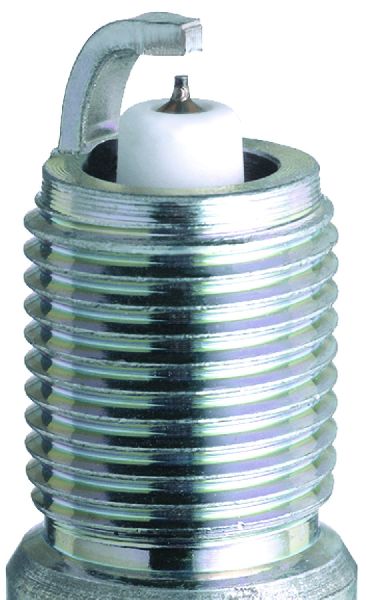
New Aftermarket Parts Available

The information in this article is provided for general reference and educational purposes only. Vehicle specifications, procedures, and part compatibility can vary by production date, trim level, and region. Always consult your vehicle's factory service manual and verify part numbers before purchasing or performing repairs. Safety-critical components such as airbags, seat belts, and braking systems should be installed by a qualified professional.
- Ford E-Series:
- 🧭 Diagnostic Flowchart
- 🎬 Helpful Videos
- 🛍️ Shop This Part
- What's Unique About the 2003-2014 Ford E-Series
- Symptoms You May Notice
- Most Likely Causes
- Rare But Worth Checking
- Diagnosis Steps
- Parts You'll Likely Need
- Related Codes That Often Appear With This One
- Technical Service Bulletins (TSBs) & Recalls
- Platform-Specific Known Issues
- Mechanic-Grade Diagnostic Values
- Hidden / Shadow Codes Worth Checking
- Scan Tool Commands That Help
- Wiring & Ground Locations
- Real Owner Repair Stories
- Documented NHTSA Reports
- OEM Part Supersession History
- Model Year Variations Within This Range
- Other Known Issues on This Vehicle
- Used vs. New Parts: Buying Guide for This Vehicle
- Real Owner Stories
- 2008 Ford Expedition 5.4L
- 2020 Ford F-150 5.4L
- 2011 Ford 5.4L Triton
- Related OBD-II Codes
- Frequently Asked Questions
- 🎟️ Get 5% Off