

P0366 on 2002-2007 Mercedes-Benz C-Class M271: Exhaust Cam Sensor, Timing Chain, and Fixes
On the M271 engine, P0366 almost always points to a stretched timing chain, a problem this engine is famous for. While the code blames the exhaust camshaft sensor, the root cause is often mechanical timing due to a prematurely worn single-row timing chain. Expect a repair bill of $1,200-$2,500+ for a full timing chain, guides, and sprockets replacement at an independent shop.
- P0366 on a Mercedes M271 engine should be treated as a potential timing chain failure until proven otherwise.
- A rattling sound from the engine on a cold start is a classic symptom of a stretched timing chain on this engine.
- Always inspect the camshaft sensor wiring connector for oil contamination before replacing the sensor itself.
- If the timing chain needs replacement, it is critical to also replace the tensioner, guides, and camshaft sprockets for a lasting repair.
- Simply replacing the P0366 sensor is unlikely to fix the problem and will likely result in the code returning.
What's Unique About the 2000-2007 Mercedes-Benz C-Class
The M271 Kompressor engine has two well-documented, widespread issues that directly cause the P0366 code. The first and most critical is the use of a single-row timing chain that is prone to stretching prematurely, sometimes in as few as 60,000-80,000 miles. This causes a deviation between the camshaft and crankshaft positions, which the ECU flags as a fault. The second is a tendency for the camshaft adjuster magnets (solenoids) on the front of the engine to leak oil directly into the wiring harness. This oil can travel via capillary action to the camshaft sensor connector and even the main engine computer (ECU), causing signal failures. Therefore, this code on an M271 engine requires immediate and serious investigation beyond just replacing the sensor.
Generation note: This guide covers the W203 generation C-Class (2000-2007). However, the M271 engine was introduced in 2002, so this information is specifically applicable to 2002-2007 models (e.g., C180K, C200K, C230K). The same engine and issues are found in other models like the W204 C-Class, R171 SLK, and W211 E-Class.
Symptoms You May Notice
- Check Engine Light is on
- A distinct rattling noise from the front of the engine on a cold start, lasting for a few seconds 🎬 Watch: Hear what a cold start rattle sounds like
- Rough or unstable idle
- Hesitation or lack of power during acceleration
- Difficulty starting the engine, or the engine cranks but won't start
- Reduced fuel economy
- A persistent, hollow rattle indicating worn camshaft adjuster sprockets
- Replacing only the camshaft position sensor without checking for a stretched timing chain or oil in the harness. The new sensor will not fix the underlying mechanical timing issue or a contaminated connector, and the code will return.
- Replacing only the timing chain without replacing the worn sprockets. A new chain on worn, sharp-toothed sprockets will wear out very quickly.
Most Likely Causes
- Stretched Timing Chain 🔴 High Probability → Shop Engine Timing Chain The M271 engine uses a single-row timing chain that is known to wear and stretch prematurely, often between 60,000 and 100,000 miles. This causes the camshaft timing to lag behind the crankshaft timing, creating a signal mismatch that the ECU flags as P0366.
How to confirm: Listen for a startup rattle. The definitive test is to remove the valve cover and check the timing marks. With the crankshaft set to its timing mark, the marks on the camshaft sprockets should align with marks on the cam bearing caps. A visible lag (retardation) in the cam timing confirms a stretched chain.
Typical fix: Replace the timing chain, tensioner, and all guides. It is highly recommended to replace the camshaft adjuster sprockets (phasers) at the same time, as they are made of a soft metal and wear along with the chain, developing sharp teeth.
Est. part cost: $400-$800 for a complete, high-quality kit with sprockets. - Oil in Wiring Harness from Leaking Camshaft Magnets 🟡 Medium Probability → Shop Engine Camshaft The seals on the camshaft adjuster solenoids (magnets) at the front of the engine fail, allowing engine oil to seep into the electrical connector and wick through the entire engine harness via capillary action. This contaminates the camshaft sensor connector, corrupting the signal.
How to confirm: Unplug the electrical connector from the exhaust camshaft position sensor. If you see engine oil inside the connector or on the sensor pins, this is the problem. Also, check the connectors at the camshaft magnets themselves (Part No. A2710510177 🎬 See how to replace leaking camshaft adjuster magnets).
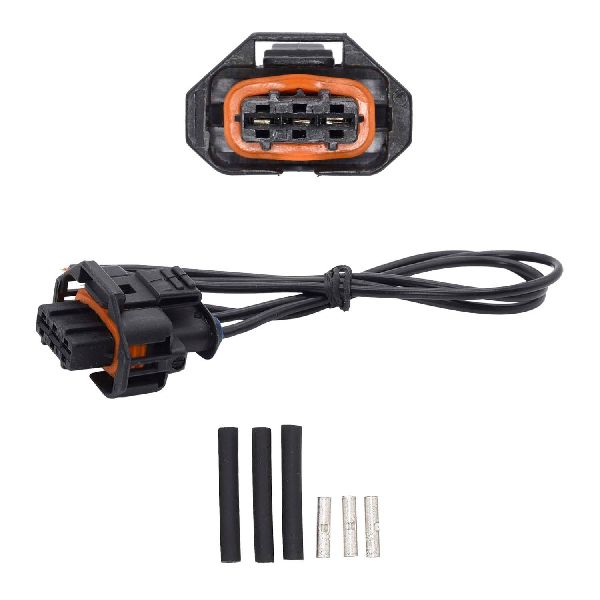
Typical fix: Replace the faulty camshaft magnet(s). Install a short, sacrificial pigtail harness (Mercedes Part No. A2711502733) between the magnet and the main harness to catch any future leaks. Clean the oil out of the sensor connector and harness with electrical contact cleaner. If the sensor itself is saturated, it must also be replaced.
Est. part cost: $30-$60 per magnet, $25-$50 for a pigtail harness. - Faulty Exhaust Camshaft Position Sensor 🟡 Medium Probability → Shop Engine Camshaft Position Sensor
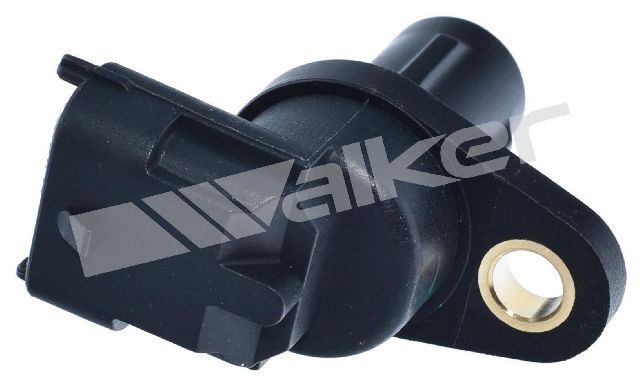
How to confirm: After confirming the wiring is free of oil, you can test the sensor. A common DIY method is to swap the exhaust sensor with the intake sensor (they are identical, OEM Part No. A0041536928 or A2729050043). Clear the codes and run the engine. If the code changes to P0340 or P0341 (intake cam sensor codes), the sensor you moved is faulty.
Typical fix: Replace the exhaust camshaft position sensor. It is located on the front of the cylinder head. 🎬 Watch: Step-by-step guide to replacing the camshaft position sensor
Est. part cost: $40-$120 for an OEM-quality sensor (e.g., Bosch, Hella). - Worn Camshaft Adjuster Sprockets ⚪ Low Probability → Shop Engine Camshaft The phaser sprockets on the M271 are known to be made of a relatively soft metal that wears quickly, especially when used with a stretched chain. Worn teeth can cause the chain to slip or create timing inaccuracies, even with a new chain.
How to confirm: This is confirmed during a visual inspection when the valve cover is off for a timing chain service. The teeth on the sprockets will look sharp and pointed instead of uniform and flat-topped.
Typical fix: Replace both intake and exhaust camshaft adjuster sprockets. This is almost always done as part of a complete timing chain replacement job to ensure longevity of the new chain.
Est. part cost: $200-$500 for a pair of aftermarket sprockets, or significantly more for OEM.
Rare But Worth Checking
- Failed Engine Control Module (ECM): This is very rare. It should only be considered after all other possibilities, especially timing chain stretch and oil in the harness, have been definitively ruled out. Oil contamination from leaking cam magnets can sometimes damage the ECU, but the leak itself is the primary fault.
- Low Oil Level or Pressure: The timing chain tensioner and camshaft adjusters are hydraulically operated by engine oil pressure. Extremely low or dirty oil could potentially affect their operation and contribute to timing-related codes, and is a known contributor to premature timing chain wear.
Diagnosis Steps
- Read the code with an OBD-II scanner to confirm P0366 and check for any other related codes (e.g., P0340, P0016, P0017).
- Listen carefully to the front of the engine during a cold start. A 2-4 second rattle is a strong indicator of a timing chain and/or tensioner issue.
- Unplug the electrical connectors for the two camshaft adjuster magnets (solenoids) on the front of the valve cover. Inspect for oil inside the connectors. Part number is A2710510177.
- Unplug the electrical connector for the exhaust camshaft position sensor (the lower of the two sensors on the front of the engine). Inspect the connector and sensor pins for any sign of engine oil.
- If oil is present in either location, the source is the leaking magnets. Plan to replace the magnets and install protective pigtail harnesses (Part No. A2711502733). Thoroughly clean all affected connectors.
- If no oil is found, swap the exhaust and intake camshaft position sensors. They are identical parts. Clear the codes and see if the fault moves to the intake bank (e.g., P0341). If it does, the sensor is bad.
- If the code P0366 returns after swapping sensors and the wiring is clean, the cause is almost certainly a mechanical timing issue (stretched chain and/or worn sprockets).
- The final confirmation requires removing the valve cover to inspect the timing chain for slack and to verify the alignment of the timing marks on the camshaft sprockets against the cylinder head.
Parts You'll Likely Need
- Timing Chain Kit (Chain, Tensioner, Guides)
(OEM #A0009932176 (Chain only))— This is the most probable root cause of the P0366 code on an M271 engine due to the original chain's tendency to stretch.
Trusted brands: IWIS, Febi Bilstein
OEM price range: $250-$400
Aftermarket price range: $150-$250 - Camshaft Adjuster Sprockets (Intake & Exhaust) — These wear out along with the chain and should be replaced as part of a complete timing service to prevent premature failure of the new chain.
Related Codes That Often Appear With This One
- P0340/P0341 — These codes relate to the intake camshaft position sensor ('A'). If oil has contaminated the harness, it often affects both sensors. These codes can also appear if the timing chain has stretched significantly, throwing both cams out of sync.
- P0016/P0017 — These codes indicate a Crankshaft/Camshaft correlation error. They are very common companions to P0366 when the timing chain has stretched, as they directly point to the mechanical mistiming between the crank and cams.
- P0010/P0020 — These codes point to faults with the camshaft adjuster solenoids (magnets). This is common if the magnets are leaking oil into their electrical connectors or have failed internally.
- P0365, P0367, P0368, P0369 — These are related codes for the same sensor circuit, indicating specific faults like malfunction, low voltage, high voltage, or an intermittent signal, respectively.
Technical Service Bulletins (TSBs) & Recalls
- S-B-03.30/08i: While this TSB is officially for M272/M273 engines, it details the identical failure mode of worn timing components (sprockets) causing timing correlation fault codes, and oil leaking from camshaft solenoids into the harness, making it highly relevant contextually.
Platform-Specific Known Issues
- The M271 engine is widely known for premature timing chain stretch due to its single-row design. This is not a question of 'if' but 'when' for many owners.
- Oil leaking from the camshaft adjuster magnets and contaminating the engine wiring harness is another very common, well-documented failure.
Mechanic-Grade Diagnostic Values
- Camshaft Position Sensor (3-wire Hall effect) Signal Voltage — expected: The sensor should produce a square wave signal that switches between approximately 0V and 5V as the engine is cranked. A multimeter set to AC voltage may show an inconsistent reading between 0.5-5V.. Failure: A voltage reading that is flat, consistently low, or does not fluctuate while cranking indicates a failed sensor or wiring issue.
- Camshaft Position Sensor Power Supply Voltage (Key On, Engine Off) — expected: Approximately 5V or 12V DC on the power supply pin at the sensor connector, depending on the vehicle's specific design.. Failure: No voltage indicates a problem with the wiring or the ECM's power supply to the sensor.
Hidden / Shadow Codes Worth Checking
- P0367: Camshaft Position Sensor 'B' Circuit Low (Bank 1). This indicates the sensor signal voltage is too low, often due to a dying sensor, damaged wire, or corroded connector. (see via Standard OBD-II scanner.)
- P0368: Camshaft Position Sensor 'B' Circuit High (Bank 1). This indicates the sensor signal voltage is too high, often due to a short circuit or a completely failed sensor. (see via Standard OBD-II scanner.)
- P0369: Camshaft Position Sensor 'B' Circuit Intermittent (Bank 1). This means the signal from the sensor is cutting in and out, which could be a loose connection or internal sensor fault. (see via Standard OBD-II scanner.)
Wiring & Ground Locations
- Main Engine Ground Strap — On many Mercedes models of this era, a primary braided ground strap runs from the lower bell housing area on the driver's side to the chassis, near the steering box. Another key ground is from the engine mount arm to the body.. A corroded or loose main engine ground can cause a variety of intermittent electrical issues and sensor faults. While not a primary cause for P0366, poor grounding can create unstable voltage references for sensors, potentially contributing to range/performance codes. It's a foundational check for any electrical diagnosis.
- Camshaft Position Sensor Connector — The exhaust camshaft sensor is the lower of the two sensors on the front of the cylinder head/valve cover. It has a 3-pin electrical connector.. This connector is the primary point of failure due to oil contamination wicked from the leaking camshaft adjuster magnets. The pins must be inspected for oil and cleaned thoroughly. The sensor itself has three pins: power, ground, and signal.
Real Owner Repair Stories
- MBWorld.org Forums (2005 C230K (M271 engine)) — Check Engine Light with codes for cam sensor, O2 sensor, and others. Poor gas mileage.
❌ Tried (didn't work) Initially just clearing codes, but they would return.
✅ What actually fixed it The user identified oil contamination throughout the main wiring harness originating from the cam sensors. The fix involved replacing both cam sensors, both O2 sensors (which were saturated with oil), and cleaning the oil out of the ECU connector and harness connectors with electrical cleaner. The user also installed the protective pigtail harnesses to prevent future leaks from reaching the main harness. After this, the check engine light stayed off and fuel mileage improved significantly. - Reddit r/mercedes (Mercedes CL203 (SportCoupé) with M271 engine) — Loose timing chain.
❌ Tried (didn't work) Initial difficulty was feeding the new chain through.
✅ What actually fixed it The user and a friend successfully replaced the timing chain. They temporarily linked the new chain to the old one, removed the camshaft gears, and rotated the engine by hand to feed the new chain through. They used a special tool to hold the camshafts in place during the process. After reassembly and turning the engine over by hand several times to confirm timing, the car ran without problems.
OEM Part Supersession History
A0041536928, A0041539628→A2729050043— Standard part evolution and consolidation across multiple engine platforms (M271, M272).
Heads up: The newer part number A2729050043 is the correct service replacement for the older numbers on the M271 engine and is used for both intake and exhaust positions.
Model Year Variations Within This Range
- 2002-2005: The M271 engine was introduced for the 2003 model year in the C-Class, replacing the older M111 engine in some models like the C230 Kompressor. Early M271 engines (KE18 ML) are supercharged with indirect fuel injection.
- Post-2007 (in other chassis like W204): Later versions of the M271 engine, known as the M271 EVO (starting around 2009), replaced the supercharger with a turbocharger and utilized direct injection. While the timing chain issue persists, some components like sensors and phasers may differ.
Diagnostic Flowchart
Other Known Issues on This Vehicle
Issues unrelated to this code that are worth knowing about as an owner of this generation:
- Leaking Vacuum Hoses 🟠 Medium — Very common as the vehicle ages. Hoses become brittle and crack, leading to rough idle, hesitation, and vacuum leak codes.
- Valeo Radiator Glycol Contamination (on automatic models) 🔴 High — Affects models with Valeo-brand radiators. An internal failure allows coolant to mix with automatic transmission fluid, destroying the transmission. Common on pre-2004 models.
- Supercharger (Kompressor) Bearing Failure 🟠 Medium — Less common than timing chain issues, but can occur at higher mileage. Failure is indicated by a loud 'bag of marbles' sound from the supercharger.
- Oil Leaks from Valve Cover Gasket and Oil Filter Housing 🟡 Low → Shop Engine Valve Cover — Common on most engines as they age, but frequently seen on the M271. Gaskets become hard and brittle, causing seepage.
Used vs. New Parts: Buying Guide for This Vehicle
When a used part is the smart pick: For this specific P0366 repair, buying used wear-and-tear components like the timing chain, tensioner, guides, or sensors is strongly discouraged. The only parts where a used component might be considered are major engine hardware like the cylinder head or engine block if the original was damaged by a catastrophic chain failure. A used ECU could be an option, but it will require professional programming to your vehicle's VIN.
Donor-vehicle mileage cap: roughly under 80000 miles for the part to have meaningful remaining life.
What to inspect on the donor part:
- For a major component like an engine, demand proof of mileage.
- Inspect for external oil leaks, especially around the front timing cover and camshaft magnets.
- If possible, remove the oil cap and look for heavy sludge, which indicates poor maintenance and likely accelerated timing chain wear.
OEM-only on this vehicle (don't cheap out):
- Camshaft Position Sensors: While good aftermarket options exist, OEM/OES sensors (Bosch, Hella) are recommended for reliability and to avoid signal issues.
- Camshaft Adjuster Magnets (Solenoids): Given the low cost and high failure rate of seals, using Genuine Mercedes or OEM parts is the safest bet.
- Sacrificial Pigtail Harness (A2711502733): This is a dealer-only part designed specifically to solve the oil-wicking problem.
Aftermarket brands forum-validated for this vehicle:
- Timing Chain: IWIS is widely regarded as the OEM supplier, and kits from them are considered a top-tier choice.
- Timing Chain Kits: Febi Bilstein is a reputable German brand, and their kits often contain IWIS chains. INA and SKF are also considered reliable choices for engine components.
- Sensors: Bosch is an OEM supplier for Mercedes-Benz and a trusted choice for the camshaft position sensor.
Brands owners have reported issues with on this vehicle:
- Unbranded/"White Box" Parts: Avoid no-name timing chain kits and sensors from online marketplaces. The risk of premature failure is extremely high, and a failed timing chain will destroy the engine. Forum discussions often warn against prioritizing low cost for these critical components.
Real Owner Stories
Aggregated from forums and TSBs cited above. Mileages and costs reflect what owners reported in those sources.
2003 C230 Kompressor
Symptoms: Check Engine Light on with error code P0366.
What fixed it: The owner was advised by senior forum members to check for the well-known leaking cam sensor and oil-in-harness issue as the likely cause.
Source hint: MBWorld.org Forums - 'Check Engine Light on '03 C230K. Error code P0366.' (2009)
Mercedes-Benz C-Class W203
Symptoms: P0366 code, often accompanied by a startup rattle.
What fixed it: Owners were advised to investigate timing chain stretch as the primary cause for these symptoms.
Source hint: MBWorld.org Forums - 'Need help on P0365 & P0366' (2008-2014)
Mercedes M271 — 66487 miles
Symptoms: Required a timing chain replacement.
What fixed it: A complete timing chain service was performed, including replacement of the gears (sprockets), chain, tensioner, and guides.
Source hint: MyBroadband Forum - 'Do I need to be worried? Mercedes M271 timing chain' (2018)
Related OBD-II Codes
Frequently Asked Questions
I hear a rattle when I start my C230 Kompressor. Is this related to the P0366 code?
I found oil in the wiring connector for my camshaft sensor. What is the recommended Mercedes-Benz fix for this?
My mechanic says I need a new timing chain. Should I replace the camshaft adjuster sprockets at the same time?
How can I test if my exhaust camshaft position sensor is bad myself?
Is the timing chain stretching really a guaranteed problem on the M271 engine?
I have a 2005 SLK with the M271 Kompressor engine, not a C-Class. Does this P0366 information apply to my car?
Helpful Videos
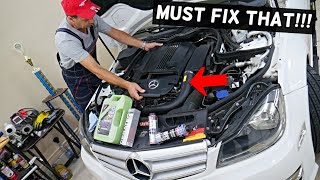

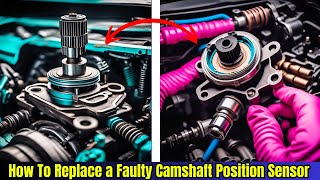
We Have This Part in Stock
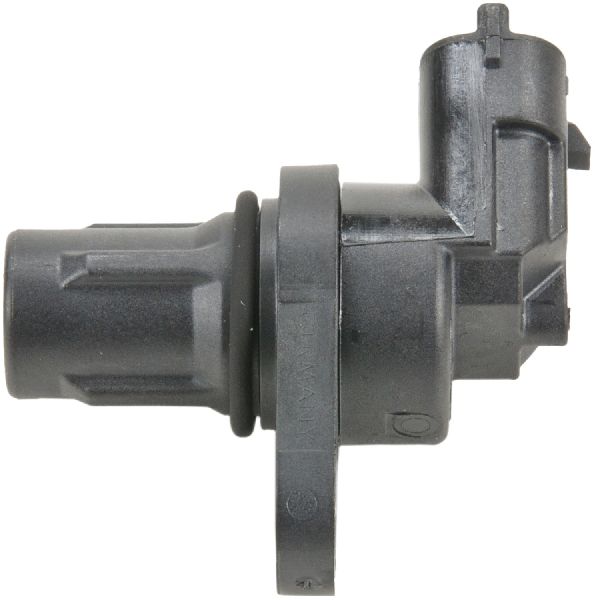

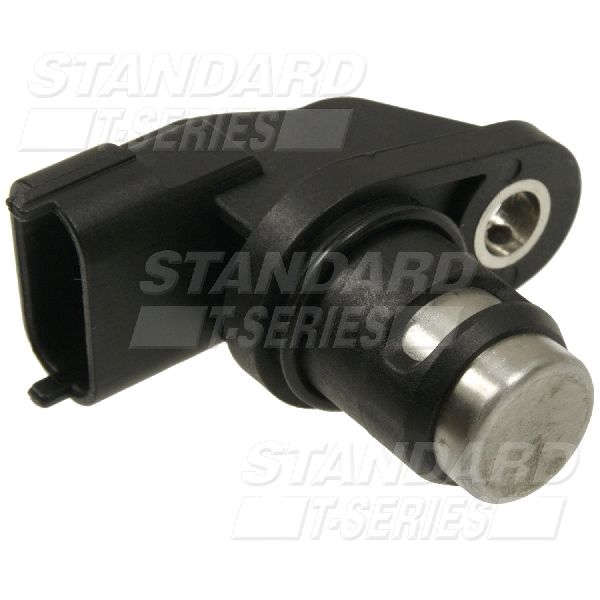

The information in this article is provided for general reference and educational purposes only. Vehicle specifications, procedures, and part compatibility can vary by production date, trim level, and region. Always consult your vehicle's factory service manual and verify part numbers before purchasing or performing repairs. Safety-critical components such as airbags, seat belts, and braking systems should be installed by a qualified professional.
- Mercedes-Benz C-Class:
- 🧭 Diagnostic Flowchart
- 🎬 Helpful Videos
- 🛍️ Shop This Part
- What's Unique About the 2000-2007 Mercedes-Benz C-Class
- Symptoms You May Notice
- Most Likely Causes
- Rare But Worth Checking
- Diagnosis Steps
- Parts You'll Likely Need
- Related Codes That Often Appear With This One
- Technical Service Bulletins (TSBs) & Recalls
- Platform-Specific Known Issues
- Mechanic-Grade Diagnostic Values
- Hidden / Shadow Codes Worth Checking
- Wiring & Ground Locations
- Real Owner Repair Stories
- OEM Part Supersession History
- Model Year Variations Within This Range
- Other Known Issues on This Vehicle
- Used vs. New Parts: Buying Guide for This Vehicle
- Real Owner Stories
- 2003 C230 Kompressor
- Mercedes-Benz C-Class W203
- Mercedes M271 — 66487 miles
- Related OBD-II Codes
- Frequently Asked Questions
- 🎟️ Get 5% Off