

P0440 on 2006-2010 Hummer H3: EVAP System Malfunction Causes and Fixes
For a 2006-2010 Hummer H3, code P0440 is most often caused by a loose or faulty gas cap or a failed EVAP vent solenoid located near the rear axle. Always check the gas cap first; an OEM replacement is recommended. If the cap isn't the issue, the vent solenoid is the next likely culprit, often failing due to its exposed location. An aftermarket solenoid costs around $30-$75, but check for rusted mounting hardware.
- Always start by checking that the gas cap is tight and its seal is intact. This is the simplest and most common fix.
- On the Hummer H3, the EVAP vent solenoid near the spare tire is a very common failure point due to its exposure to dirt and water. Inspect it and its hose for clogs.
- If you also have a P0449 code, the problem is almost certainly the vent solenoid or its wiring.
- This code will not stop you from driving the vehicle, but it will cause an automatic failure on an emissions test.
- A smoke test is the most reliable method to find a leak if the gas cap and EVAP solenoids appear to be working correctly.
What's Unique About the 2006-2010 Hummer H3
The Hummer H3's off-road design is directly linked to its most common P0440 failure. The EVAP vent solenoid is mounted above the rear differential and spare tire, making it highly exposed to mud, water, and road debris. This frequent contamination causes the valve to clog or fail, which is a very common source of EVAP codes on the H3 platform and its Chevrolet Colorado/GMC Canyon cousins. Owners frequently report the code appearing after off-roading in muddy conditions. Additionally, the single bolt holding the charcoal canister assembly is notorious for rusting severely, complicating the replacement of the attached vent solenoid.
Symptoms You May Notice
- Check Engine Light is on
- A faint fuel smell may be noticeable around the vehicle.
- Difficulty refueling (the pump clicks off repeatedly) if the vent valve is stuck closed.
- A 'FUEL CAP' message may appear on the Driver Information Center (DIC), which is often related but distinct from a P0440 code.
- Replacing the charcoal canister when the actual problem is a much cheaper vent solenoid or a simple cracked hose.
- Replacing the purge valve in the engine bay when the more common failure point on the H3 is the vent valve at the rear of the vehicle.
- Using a cheap, aftermarket gas cap that doesn't seal properly, leading the owner to believe the problem is more complex.
Most Likely Causes
- Loose or Faulty Gas Cap 🔴 High Probability → Shop Fuel Tank Cap This is a universal cause for EVAP codes. However, H3 owners on forums note that a loose cap often triggers a specific 'FUEL CAP' message on the DIC, while a P0440 might indicate another issue. Still, a worn-out seal can cause the code without the specific message.
How to confirm: Ensure the gas cap is tightened until it clicks at least three times. Inspect the rubber O-ring for cracks, stiffness, or damage. Clean the cap's seal and the filler neck sealing surface. If the seal is compromised, the cap needs replacement. Many mechanics recommend using only an OEM cap to ensure a proper seal.
Typical fix: Tighten or replace the gas cap, preferably with an OEM part (ACDelco GT306 or equivalent).
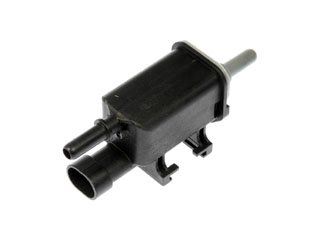
Est. part cost: $15-$40 - Failed EVAP Vent Solenoid 🔴 High Probability → Shop Vapor Canister The vent solenoid is located near the rear axle, above the spare tire, where it is highly susceptible to being clogged with dirt, mud, and water from on-road and off-road driving. This is the most cited failure point for EVAP codes on H3 forums.
How to confirm: Locate the solenoid attached to the charcoal canister at the rear of the vehicle. Inspect its filter and vent hose for blockages. A scan tool can command the solenoid to cycle. You can also test it by applying 12V power to its terminals; a healthy solenoid will click. A P0449 code appearing with P0440 strongly points to a vent solenoid circuit fault. Also check the underhood fuse #31 which powers the circuit.
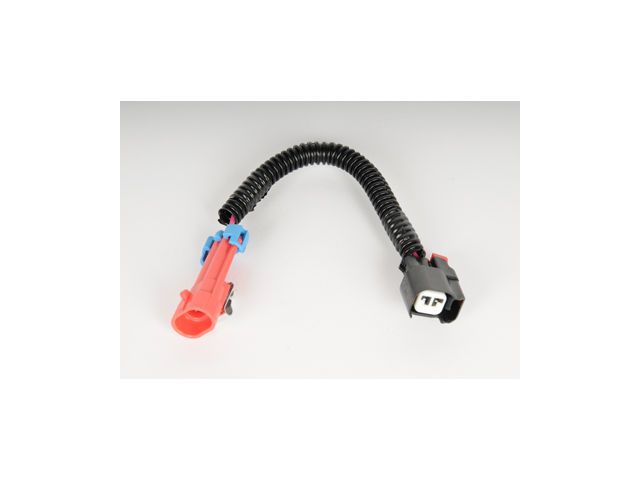
Typical fix: Replace the EVAP vent solenoid. 🎬 Watch: Step-by-step guide to replacing the H3 vent solenoid. The replacement often comes with a new hose and a wiring harness adapter. Be prepared for the 13mm mounting bolt on the canister bracket to be severely rusted.
Est. part cost: $30-$75 - Failed EVAP Purge Solenoid/Valve 🟡 Medium Probability → Shop Vapor Canister
How to confirm: Locate the purge solenoid (in the driver's side front wheel well for I5 models, on top of the engine for V8 models). With the engine running, disconnect the vapor line and check for vacuum; there should be none at idle. A scan tool can command the valve to open to verify function. A P0496 code (incorrect purge flow) can sometimes follow a P0440/P0449 fix, pointing to this valve.
Typical fix: Replace the purge solenoid. 🎬 See how to quickly swap out the purge valve.
Est. part cost: $25-$60 - Cracked or Disconnected EVAP Hoses ⚪ Low Probability Hoses become brittle with age. Off-roading can cause physical damage. A user on Reddit reported a broken clip on a canister hose connection causing a persistent leak.
How to confirm: Visually inspect all accessible EVAP lines from the engine bay to the charcoal canister for cracks, breaks, or loose connections. A smoke test is the most effective way to find a leak that isn't visually obvious.
Typical fix: Replace the damaged section of hose or repair the broken connector.
Est. part cost: $5-$20
Rare But Worth Checking
- Cracked Charcoal Canister: → Shop Vapor Canister The canister itself can be damaged by impacts from off-roading or become saturated with fuel. One owner on Reddit reported a negative experience with an aftermarket Dorman canister having an incorrectly sized connection port, causing a leak, and recommended sticking to the genuine GM part.
- Faulty Fuel Tank Pressure (FTP) Sensor: → Shop Fuel Tank A bad sensor can report incorrect pressure readings to the ECM, causing it to set a P0440 code even if no leak exists. This is less common than a component failure or physical leak and is often diagnosed after other parts have been ruled out.
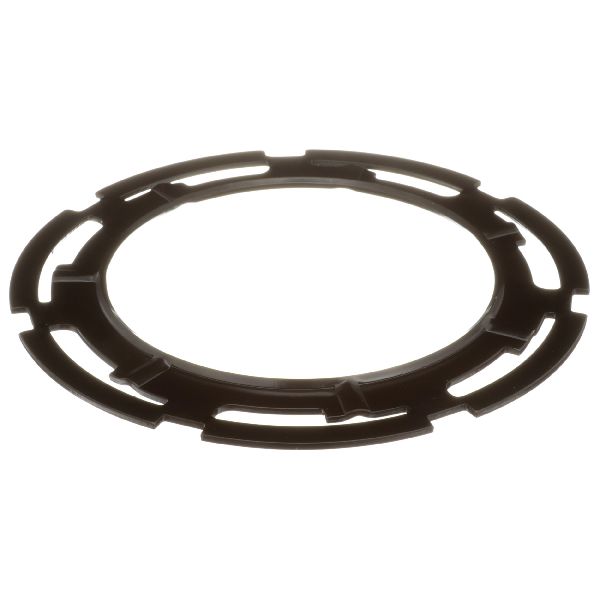
- Rusted Fuel Pump Assembly Plate: → Shop Fuel Pump In regions with heavy road salt use, the metal plate on top of the fuel pump assembly can develop pinhole rust leaks, creating an EVAP leak that is very difficult to trace. One forum user found this to be the ultimate cause after replacing other components.
Diagnosis Steps
- Read the code with an OBD-II scanner to confirm P0440 and check for any other related codes like P0449, P0442, or P0455.
- Inspect the gas cap. Remove it, clean the seal and filler neck, check the seal for damage, and reinstall it, ensuring it clicks several times. Clear the code. If it returns, consider replacing the cap with an OEM part.
- If the code returns, perform a visual inspection of the EVAP system. Check hoses in the engine bay and lines running to the rear for obvious cracks or disconnections.
- Locate the EVAP vent solenoid near the spare tire. Inspect its vent filter and hose for dirt or mud clogs, a very common issue on the H3.
- Test the vent solenoid circuit. Check the 10A fuse #31 ('CNSTR VENT') in the underhood fuse block. If the fuse is good, use a scan tool to command the solenoid open and closed, or apply 12V power and listen for a click. If it doesn't operate, it has likely failed.
- Test the purge solenoid in the engine bay using a similar method.
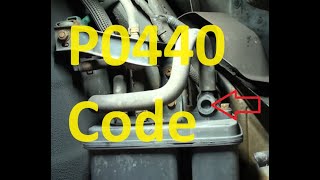
- If no obvious issues are found, a smoke test is the definitive diagnostic step. This involves injecting low-pressure smoke into the EVAP system's service port to visually identify the source 🎬 Watch: A mechanic explains common P0440 causes and fixes. of any hard-to-find leaks in hoses, the charcoal canister, or the fuel tank seals.
Parts You'll Likely Need
- Fuel Tank Filler Cap
(OEM #25827646 (Superseded by 15903410), ACDelco GT306)— This is the most frequent and cheapest fix. The seal wears out. Using a genuine OEM cap is highly recommended by mechanics and owners to avoid chasing leaks caused by ill-fitting aftermarket parts.
Trusted brands: ACDelco (OEM), Stant, Motorad
OEM price range: $25-$40
Aftermarket price range: $15-$25 - Vapor Canister Vent Solenoid
(OEM #20907779 (Superseded by 25932571))— Due to its exposed location on the H3, this part is highly prone to failure from dirt and moisture. It is the most common repair for P0440/P0449 codes on this vehicle. Aftermarket versions like the Dorman 911-070 are widely available.
Trusted brands: ACDelco (OEM), Dorman (911-070), Standard Motor Products
OEM price range: $60-$100
Aftermarket price range: $30-$75 - Vapor Canister Purge Solenoid
(OEM #12597567)— This valve controls the flow of vapors to the engine and can get stuck open or closed. It's a common failure item on many GM vehicles, though less so than the vent solenoid on the H3.
Trusted brands: ACDelco (OEM), Standard Motor Products, SKP
OEM price range: $35-$70
Aftermarket price range: $25-$60
Related Codes That Often Appear With This One
- P0442 — Indicates a small leak. The ECM might first set P0440 and later refine the diagnosis to P0442 after further testing.
- P0455 — Indicates a large leak, often caused by a very loose gas cap or a disconnected hose. The ECM might first set P0440 before identifying the leak as large.
- P0449 — This code specifically points to a fault in the EVAP vent valve solenoid circuit. If you see P0440 and P0449 together, it is a very strong indication that the vent solenoid or its wiring/fuse is the problem.
Platform-Specific Known Issues
- Rusted Canister Mounting Bolt: The 13mm bolt holding the charcoal canister bracket is highly prone to rusting, making removal difficult. A 1A Auto repair video shows them having to deal with a bolt that was 'rusted beyond identification'. Be prepared with rust penetrant and potentially a new nut and bolt for reinstallation.
Mechanic-Grade Diagnostic Values
- EVAP Canister Vent Solenoid Resistance — expected: 48 - 65 Ohms. Failure: A reading outside this range indicates a faulty solenoid coil.
- EVAP Canister Purge Valve Resistance — expected: 30 - 38 Ohms. Failure: A reading outside this range suggests a bad purge valve coil.
- EVAP Vent Solenoid Connector Voltage — expected: Battery voltage (~12V) at Terminal A with ignition ON.. Failure: No voltage indicates an open in the power supply circuit or a blown Fuse #31 in the underhood fuse block.
- Fuel Rail Pressure (5.3L V8) — expected: 55-60 psi (380-410 kPa) with Key ON, Engine OFF.. Failure: While not a direct EVAP test, incorrect fuel pressure can affect related systems. Significantly lower pressure could indicate a weak fuel pump or leak.
- Fuel Rail Pressure (3.7L I5) — expected: Should hold steady around 57-58 psi.. Failure: A drop to ~43 psi after startup can indicate a problem with the fuel pump or fuel pressure regulation, which can sometimes be misdiagnosed.
Scan Tool Commands That Help
- GM Tech2 / GDS2: EVAP Service Bay Test — To force the ECM to run the entire EVAP system self-test in the service bay, verifying system integrity without needing to perform a full drive cycle. This is the primary method for verifying a repair or diagnosing an intermittent issue.
- GM Tech2 / GDS2 (or equivalent bidirectional scanner): EVAP Canister Vent Solenoid ON/OFF — To manually command the vent solenoid open and closed. This is used to listen for an audible click (confirming mechanical operation) and to seal the system for a smoke or vacuum test.
- GM Tech2 / GDS2 (or equivalent bidirectional scanner): EVAP Canister Purge Solenoid (0-100%) — To manually command the purge solenoid open. This verifies its mechanical operation and can be used to check for vacuum flow from the engine.
Wiring & Ground Locations
- Fuse #31 (CNSTR VENT) — In the underhood fuse block, located above the left front wheel well.. This 10A fuse provides the battery voltage supply to the EVAP Vent Solenoid. If this fuse is blown, the solenoid cannot operate, which will set codes P0449 and can contribute to P0440.
- G102 / G103 — On the lower left side of the engine block.. These are primary engine block ground points. A poor ground here can cause a variety of issues with engine sensors and actuators controlled by the ECM, including the EVAP purge solenoid.
- Rear Frame Ground — On or near the rear crossmember of the frame.. The fuel pump and EVAP canister components are located at the rear of the vehicle. This ground point is critical for the proper operation of the fuel pump and the EVAP vent solenoid. A loose or corroded ground here can cause intermittent electrical faults.
- Vent Solenoid Connector — At the EVAP vent solenoid, above the spare tire.. Terminal A is the voltage supply from Fuse #31. Terminal B is the control circuit, which the ECM grounds to activate the solenoid. Testing for voltage and ground signal at this connector is a key diagnostic step.
Real Owner Repair Stories
- Hummer Forums user 'ronk5865' (Hummer H3 in Michigan (salt-belt region)) — P0440 Check Engine Light
❌ Tried (didn't work) Replacing the gas cap
✅ What actually fixed it Found and repaired a pinhole rust leak on the metal fuel pump assembly plate, located on top of the fuel tank. - Hummer Forums user (Hummer H3) — P0449 (EVAP Vent Solenoid Circuit Malfunction)
❌ Tried (didn't work) Replacing the EVAP vent solenoid with a new AC Delco part.
✅ What actually fixed it A diagnosis at the dealership revealed a broken wire in the harness leading to the vent solenoid. Repairing the wire resolved the code. - Hummer Forums user 'FINN' (Hummer H3) — Difficulty filling the fuel tank (pump clicks off constantly).
❌ Tried (didn't work) Replacing the entire EVAP charcoal canister assembly.
✅ What actually fixed it The actual problem was a blocked fuel tank breather line. The user cleared the blockage using weed whacker line, which resolved the refueling issue.
"I Checked Everything" — The Actual Cause
- A smoke test, which applies positive pressure, may not reveal a leak that only opens under a vacuum condition. The service manual suggests a diagnostic procedure where a scan tool is used to command the system to create a vacuum, after which the FTP sensor is monitored for vacuum decay to identify such a leak.
- A pinhole rust leak on the top of the fuel pump assembly plate can be the cause. This is often missed during a standard smoke test because of its location and the small size of the leak, which may only become apparent under specific pressure or temperature conditions.
OEM Part Supersession History
10386359, 25948082→20907779 (also listed as 25932571 for the valve itself)— Design update for the EVAP canister vent solenoid and hose assembly.
Heads up: When replacing an original solenoid with the updated part, a wiring harness adapter is often required as the electrical connector was changed. Many replacement kits include this adapter.
Model Year Variations Within This Range
- 2008-2010 (V8 Alpha Models): On the 5.3L V8 engine, the EVAP purge solenoid is located on top of the engine near the rear of the intake manifold, making it significantly more accessible for diagnosis and replacement than on the I5 engine.
- 2006-2010 (I5 Models): On the 3.5L and 3.7L I5 engines, the EVAP purge solenoid is located on the driver's side of the engine block, and access is typically through the front wheel well after removing the liner.
Diagnostic Flowchart
Real Owner Stories
Aggregated from forums and TSBs cited above. Mileages and costs reflect what owners reported in those sources.
2008 Hummer H3 Base
Symptoms: Check engine light popped on, ran completely normal.
What fixed it: The issue resolved on its own, the owner suspects the gas cap was simply loose and eventually seated correctly.
Source hint: HummerForums.com - (2008 Base H3) Error Code P0440, Guess I Need A New Gas Cap
Hummer H3
Symptoms: P0440 check engine light.
What fixed it: Found and repaired a pinhole leak in the fuel pump assembly plate caused by Michigan salt, after replacing the fuel cap.
Source hint: HummerForums.com - (2008 Base H3) Error Code P0440, Guess I Need A New Gas Cap
Hummer H3
Symptoms: Fumes smell in car and Evap leak error code.
What fixed it: Replaced the canister. Warned against using a Dorman aftermarket canister due to a poor fit and recommended the genuine GM part.
Source hint: Reddit (r/Hummer) - 'H3 fumes smell in car and Evap leak error code'
Hummer H3
Symptoms: Progression from a 'fuel cap' message to P0455.
What fixed it: Eventual replacement of the vent valve.
Source hint: Hummer4x4Offroad.com - 'H3 - Fuel cap light'
Related OBD-II Codes
Frequently Asked Questions
Is the 'FUEL CAP' message on my H3's Driver Information Center the same as a P0440 code?
Where is the EVAP vent solenoid located on the Hummer H3?
What fuse should I check if my H3 has a P0440 and P0449 code?
Why is the 13mm bolt on the charcoal canister bracket so hard to remove?
I'm replacing the charcoal canister on my H3. Should I use an aftermarket part like Dorman?
Does the Chevy Colorado share this same P0440 issue?
Helpful Videos
Used OEM Parts in Stock

New Aftermarket Parts Available


The information in this article is provided for general reference and educational purposes only. Vehicle specifications, procedures, and part compatibility can vary by production date, trim level, and region. Always consult your vehicle's factory service manual and verify part numbers before purchasing or performing repairs. Safety-critical components such as airbags, seat belts, and braking systems should be installed by a qualified professional.
- Hummer H3:
- 🧭 Diagnostic Flowchart
- 🎬 Helpful Videos
- 🛍️ Shop This Part
- What's Unique About the 2006-2010 Hummer H3
- Symptoms You May Notice
- Most Likely Causes
- Rare But Worth Checking
- Diagnosis Steps
- Parts You'll Likely Need
- Related Codes That Often Appear With This One
- Platform-Specific Known Issues
- Mechanic-Grade Diagnostic Values
- Scan Tool Commands That Help
- Wiring & Ground Locations
- Real Owner Repair Stories
- "I Checked Everything" — The Actual Cause
- OEM Part Supersession History
- Model Year Variations Within This Range
- Real Owner Stories
- 2008 Hummer H3 Base
- Hummer H3
- Hummer H3
- Hummer H3
- Related OBD-II Codes
- Frequently Asked Questions
- 🎟️ Get 5% Off