

P0441 on 2016-2021 Hyundai Tucson: EVAP Incorrect Purge Flow Causes and Fixes
For a 2016-2021 Hyundai Tucson, the P0441 code is most often caused by a faulty canister purge valve. This is an inexpensive part (around $30-$40 for an OEM valve) and is easy to replace, making it a common first step for DIY repair. The same issue is common on its platform-mate, the Kia Sportage.
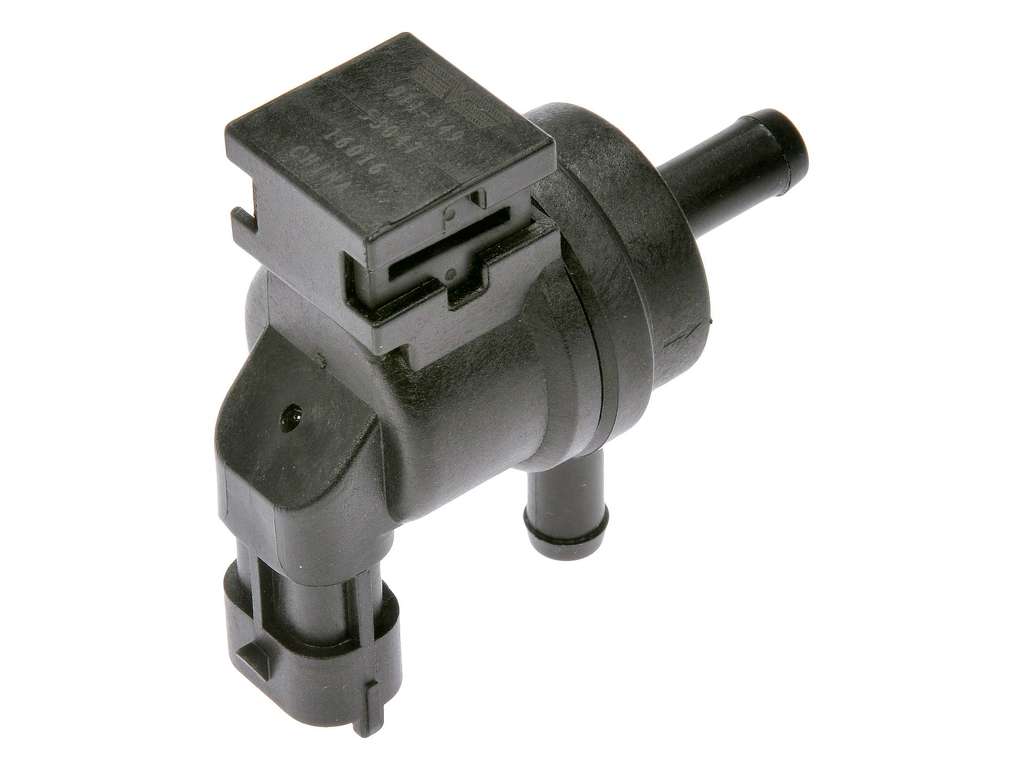
- P0441 on a 2016-2021 Tucson almost always points to a faulty canister purge valve (Part No. 28910-2E000).
- This is a DIY-friendly repair; the purge valve is located on the engine
What's Unique About the 2016-2021 Hyundai Tucson
The 2016-2021 Hyundai Tucson (third generation, TL) has a straightforward EVAP system, and like many modern vehicles, the canister purge valve is a common failure point leading to code P0441. While some other Hyundai models of the same era had technical service bulletins for an overly sensitive ECM causing this code, no such TSB has been issued specifically for the Tucson. Therefore, the issue is almost always a hardware fault rather than a software problem. However, it is worth noting that for other models in the lineup, Bulletin #5NP-S5Y6V-04 provided an ECM software update to address P0441 "Incorrect CPV Flow" where no performance concerns were present.
Symptoms You May Notice
- Check Engine Light is on.
- Rough or unstable idle.
- Difficulty starting the engine immediately after refueling (if the purge valve is stuck open).
- A faint smell of fuel (less common).
- Decreased gas mileage, as noted in NHTSA ODI #11449571.
- Replacing the oxygen (O2) sensors. O2 sensors are not related to the EVAP system.
- Immediately replacing the expensive charcoal canister without first testing the much cheaper and more common failure point, the purge valve.
Most Likely Causes
- Faulty Canister Purge Valve (Solenoid) 🔴 High Probability → Shop Vapor Canister This valve cycles frequently during vehicle operation and can wear out or get stuck over time. It is the most commonly reported failure part for this code on Hyundai vehicles. NHTSA ODI #10394376 describes a scenario where a faulty purge control caused the vehicle to hard start and continually stall specifically after adding gas to the tank.
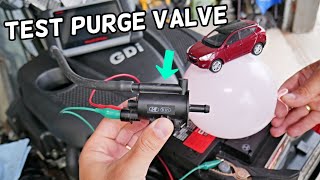
How to confirm: Locate the valve on the engine. With the engine off, disconnect the hose coming from the EVAP canister and apply a hand vacuum pump to the valve's port; it should hold vacuum. If it doesn't, it's stuck open. Alternatively, with the engine running, place your finger over the port on the valve that leads to the canister; you should not feel any vacuum suction at idle. 🎬 Watch: How to test the purge control valve on a Tucson. If you do, the valve is stuck open. You can also apply 12V power to the valve's electrical connector to see if it clicks open and closed.
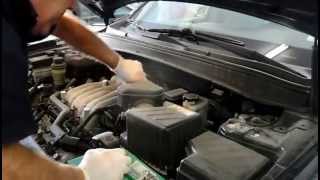
Typical fix: Replace the canister purge valve. It is typically mounted directly on the engine and is accessible after removing the plastic engine cover. 🎬 See this walkthrough on how to access the purge valve.
Est. part cost: $25-$45 - Loose or Faulty Gas Cap 🟡 Medium Probability → Shop Fuel Tank Cap The gas cap is a critical seal for the EVAP system. If the seal is cracked, worn, or the cap is not tightened correctly, the system can't maintain pressure, which can sometimes lead to a flow-related code.
How to confirm: Inspect the gas cap for any visible cracks or damage to the rubber O-ring. Ensure it is tightened until it clicks at least once. If the seal looks worn or brittle, it's best to replace it.
Typical fix: Tighten or replace the gas cap.
Est. part cost: $15-$30 - Cracked or Disconnected EVAP Hoses ⚪ Low Probability The rubber and plastic hoses in the engine bay are exposed to heat and can become brittle and crack over time, causing a vacuum leak.
How to confirm: Visually inspect all accessible EVAP hoses, especially the lines connected to the purge valve and the intake manifold, for any signs of cracking, brittleness, or loose connections.
Typical fix: Replace the damaged section of hose.
Est. part cost: $10-$50 - Failed Charcoal Canister or Vent Valve ⚪ Low Probability → Shop Vapor Canister The charcoal canister can become saturated with fuel if the gas tank is habitually overfilled. This can cause charcoal pellets to break loose and clog the EVAP lines or valves.
How to confirm: Disconnect the EVAP line leading from the canister to the purge valve and check for black charcoal pellets. A professional may need to test the canister close valve (vent valve) for proper operation. A smoke test is the definitive way to check for leaks in the canister assembly.
Typical fix: Replace the charcoal canister assembly. This is located near the fuel tank.
Est. part cost: $300-$450
Rare But Worth Checking
- Wiring Issue: A damaged wire or corroded connector for the purge valve can prevent it from operating, even if the valve itself is good. Check the wiring harness and connector if a new valve doesn't solve the problem. NHTSA ODI #11434136 notes that P0441 can sometimes appear alongside P0507, indicating the idle air control system RPM is higher than expected.
Diagnosis Steps
- Read the code with an OBD-II scanner to confirm P0441 is the only code present.
- Inspect the gas cap. Ensure it is tight and the rubber seal is not cracked or worn. If in doubt, it's an inexpensive part to replace.
- Visually inspect the EVAP hoses in the engine bay, particularly those connected to the purge valve, for cracks or disconnections.
- Test the canister purge valve. It is located on top of the engine. With the engine off, it should hold vacuum when tested with a hand pump. With the engine running, there should be no vacuum felt at the canister-side port. If it fails either test, it needs to be replaced.
- If the purge valve tests good, check the wiring and connector leading to it for 12V power and for any damage or corrosion.
- If the cause is still not found, the issue may be with the charcoal canister, vent valve, or a hard-to-see leak in a line. A smoke test is the most effective way to find these types of leaks and is often the next step a professional mechanic would take. 🎬 Watch a mechanic diagnose the P0441 code on a Hyundai.
Parts You'll Likely Need
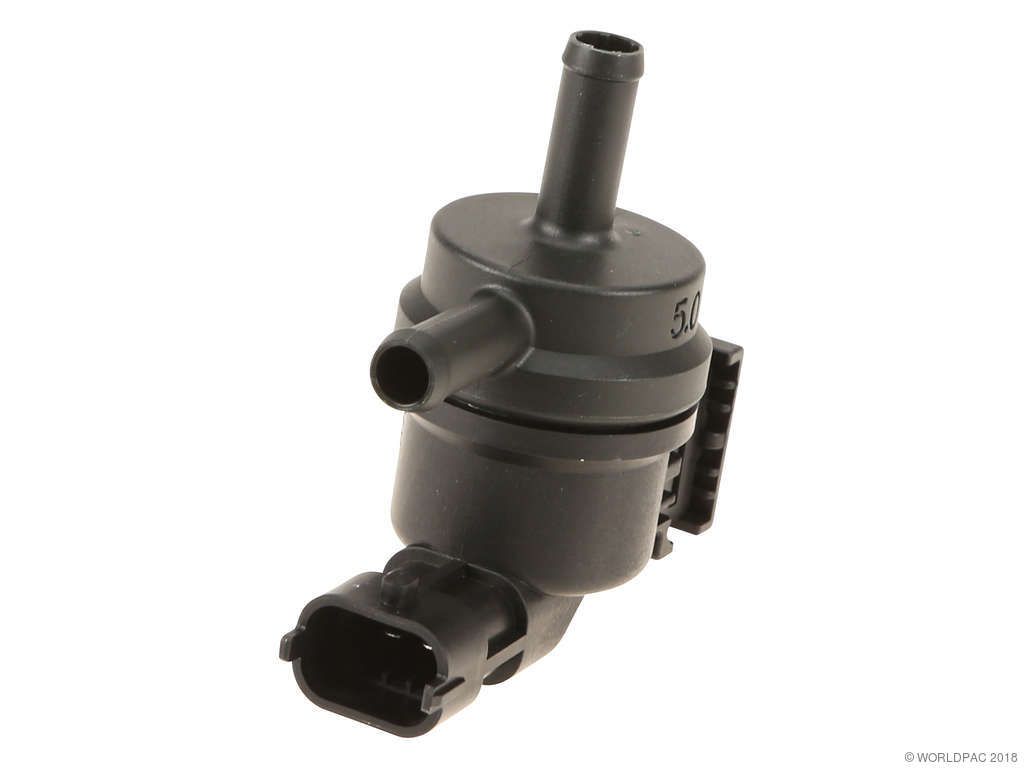
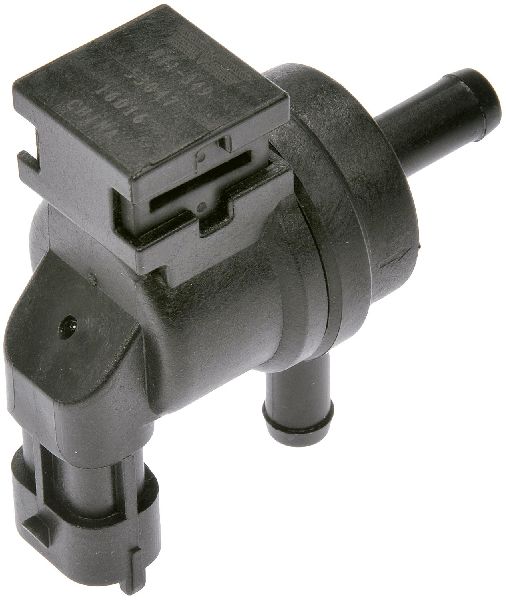
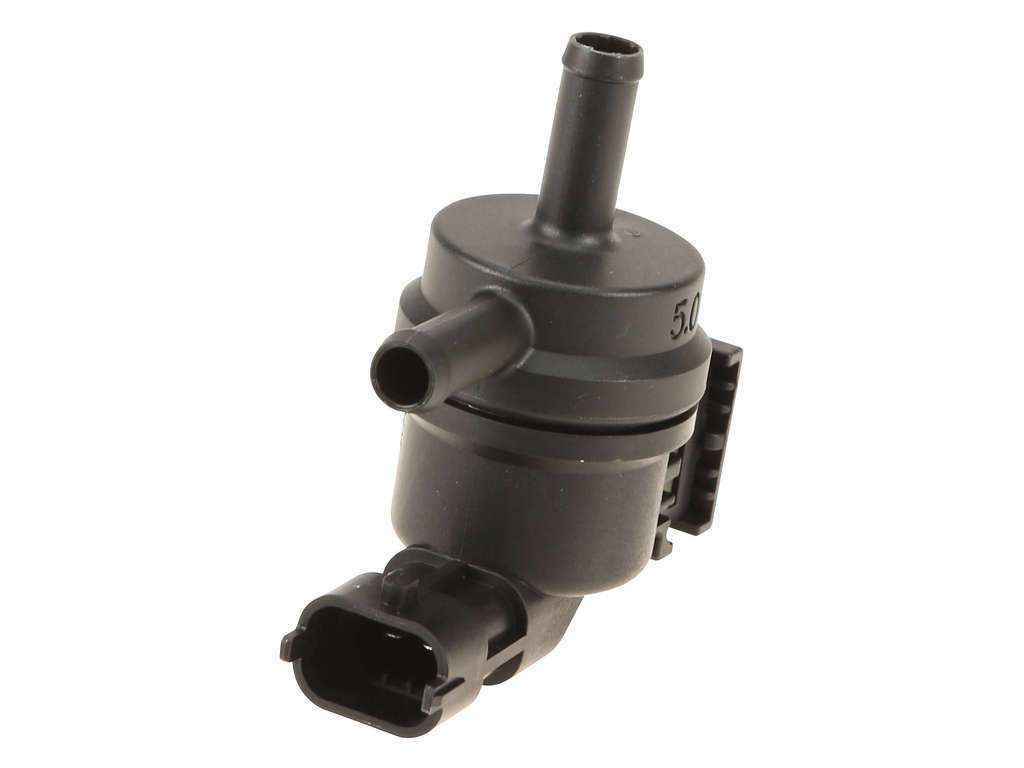
- Canister Purge Valve
(OEM #28910-2E000)— This is the most frequent cause of code P0441 on this vehicle. It's a solenoid that gets stuck open or closed from wear.
Trusted brands: Hyundai (OEM), Bosch, Standard Motor Products
OEM price range: $30-$45
Aftermarket price range: $20-$35 - Vapor Canister Assembly
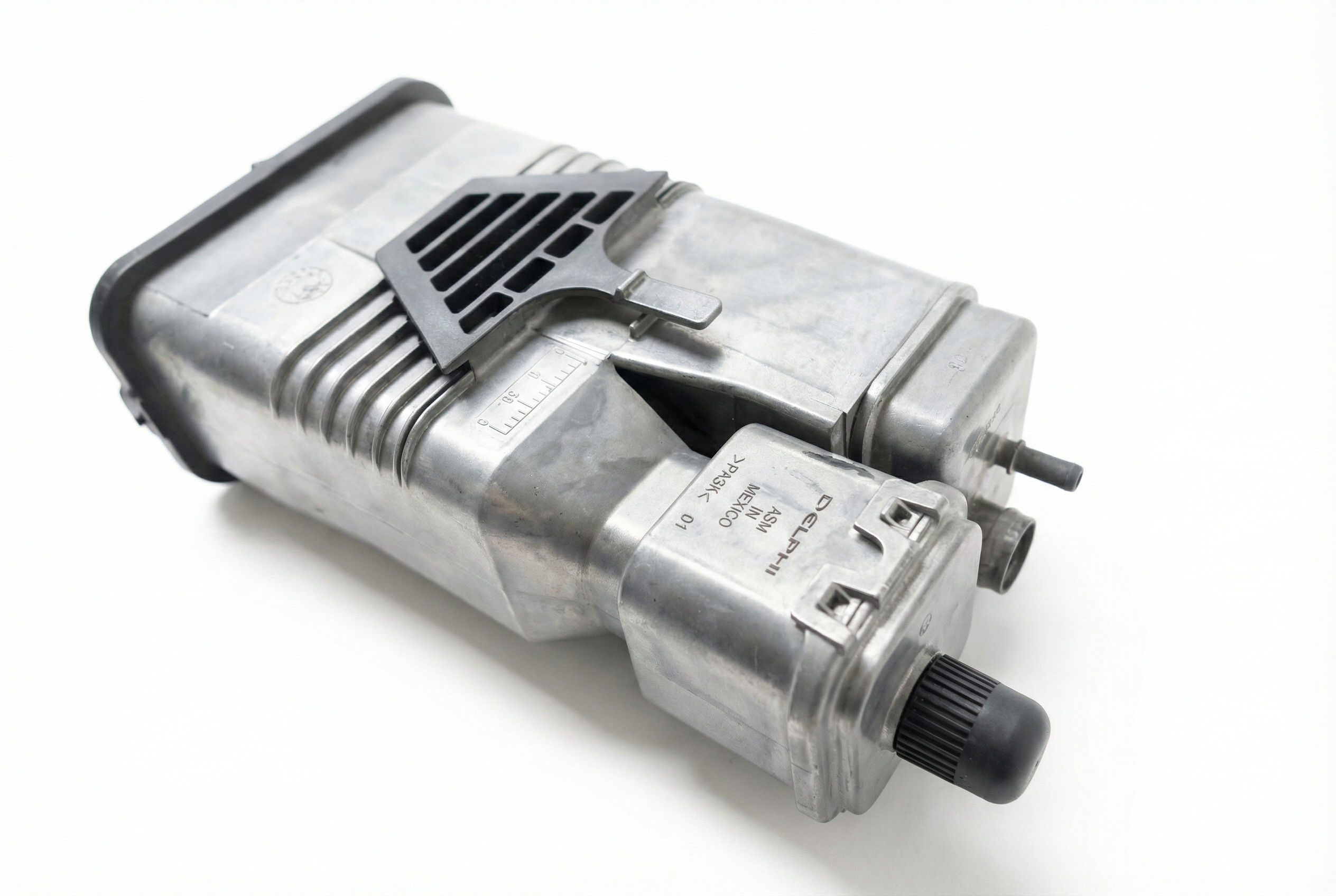
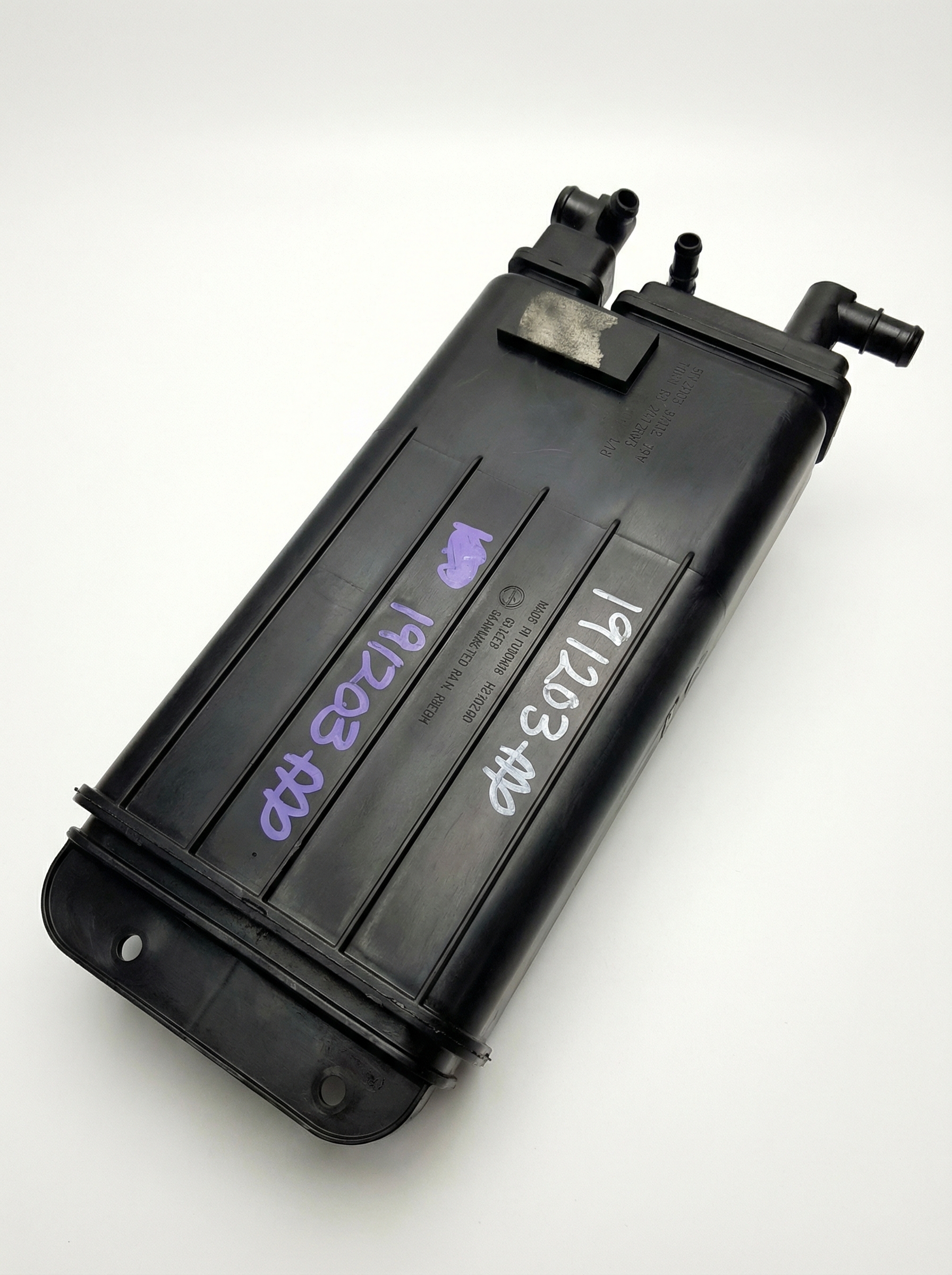
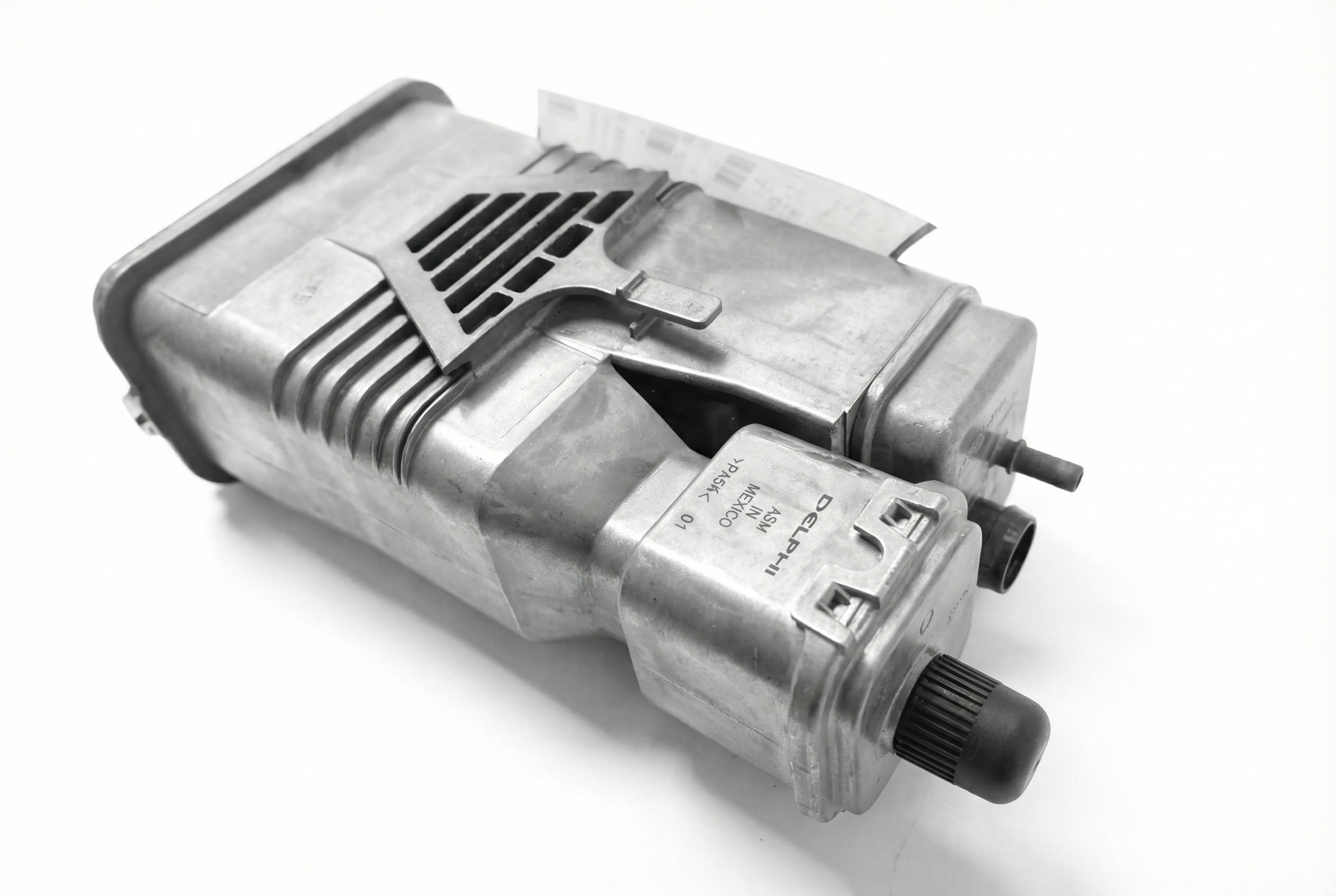
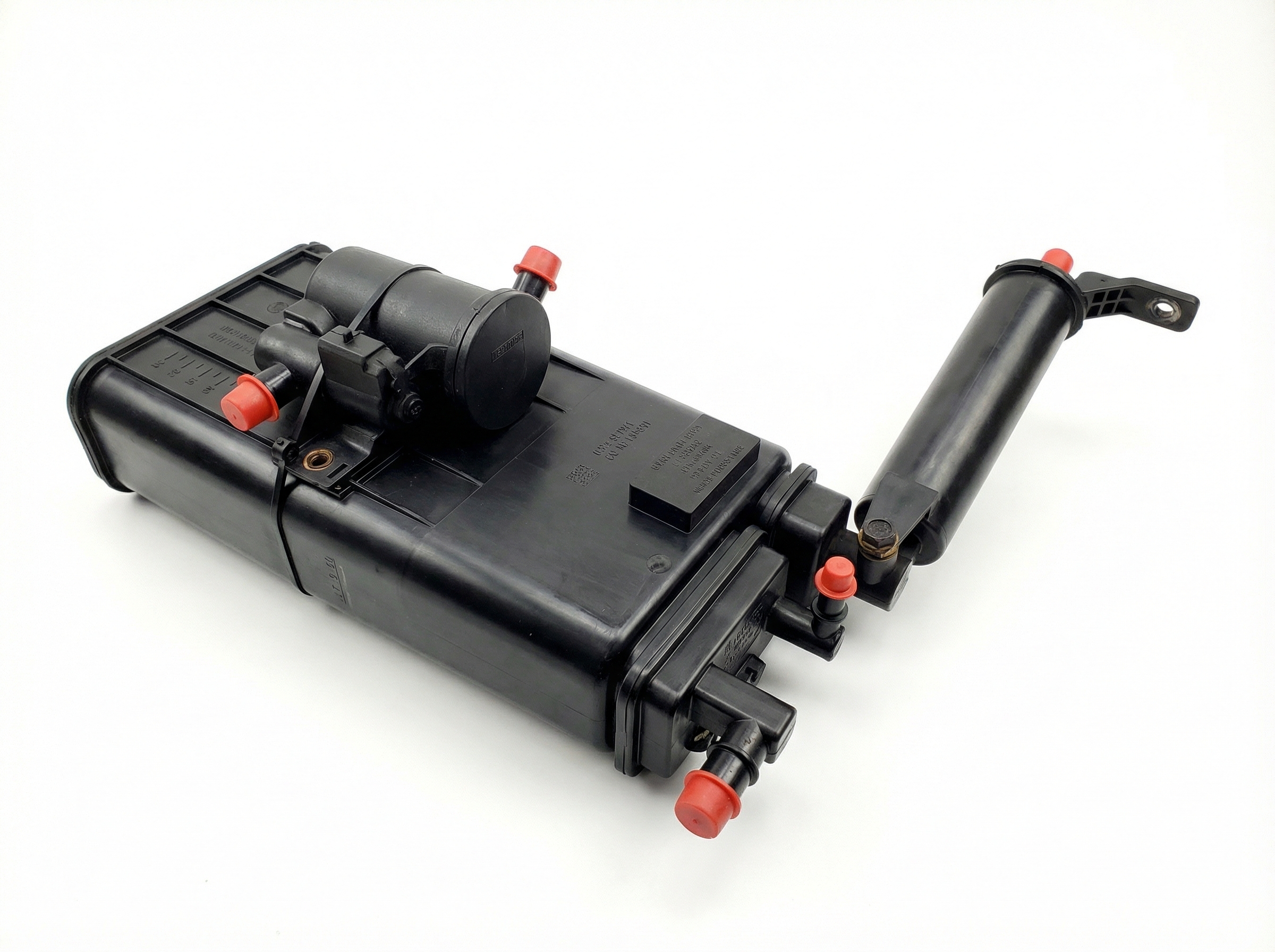
(OEM #31420-D3500)— This part can fail if saturated with fuel from overfilling the tank, or if the integrated vent valve fails. It is a much less common but possible cause.
Trusted brands: Hyundai (OEM)
OEM price range: $350-$450
Aftermarket price range: $200-$300
Platform-Specific Known Issues
- Intermittent Code in Spring: A 2017 Tucson owner on Reddit reported the P0441 code appears intermittently every spring (March/April), suggesting a potential sensitivity to moisture or temperature changes in an EVAP system component or connection.
Mechanic-Grade Diagnostic Values
- Canister Purge Valve (Solenoid) Coil Resistance — expected: 16 ± 2 Ω at 20°C / 68°F. Failure: A reading significantly outside this range indicates a faulty solenoid coil.
- Canister Purge Valve Connector Voltage (Key On, Engine Off) — expected: One pin should show battery voltage (approx. 12V). The other pin is the ground control from the ECM and will show near 0V when the valve is commanded on.. Failure: No voltage on the power pin indicates a wiring or fuse issue. Voltage on the control pin when not commanded on can indicate a short.
Scan Tool Commands That Help
- Hyundai GDS (Global Diagnostic System): EVAP System Leak Test / Purge Control Solenoid Valve Actuation Test — This function allows a technician to manually command the purge valve open and closed while monitoring system pressure. It's used to confirm if the valve is physically responding to the ECM's commands, which helps differentiate between a bad valve, a wiring problem, or a clog in the system.
Wiring & Ground Locations
- Canister Purge Valve Connector — On top of the engine, mounted to the intake manifold, after removing the plastic engine cover.. This is the connection point for testing voltage and resistance of the most common failure part. Pin 1 is typically the control wire from the ECM, and Pin 2 is the 12V power supply from the main relay.
Real Owner Repair Stories
- YouTube channel 'Oz Mechanics' (2013 Hyundai (model not specified, but demonstrates common Hyundai/Kia issue)) — P0441 code present.
❌ Tried (didn't work) The customer had already replaced the gas cap and the purge valve with an aftermarket part.
✅ What actually fixed it The aftermarket purge valve was faulty out of the box. It initially worked but then failed, sticking and not responding to the ECM's duty cycle command. Replacing it with a genuine OEM Hyundai/Kia part resolved the issue. - NHTSA ODI #11468646 — An owner reported that after the check engine light illuminated, a mechanic retrieved several codes including P0441, P0014, P0300, and P0301, and was informed that the engine needed to be replaced.
Diagnostic Flowchart
Other Known Issues on This Vehicle
Issues unrelated to this code that are worth knowing about as an owner of this generation:
- Engine Failure, Excessive Oil Consumption, and Fires 🔴 High — Widespread across models with Theta II, Nu, and Gamma GDI engines. Multiple class-action lawsuits and recalls have been issued. Can occur at various mileages. (Ref: NHTSA Recall 21V-727 (for 2017 2.0L Nu engine bearing wear); TSB 23-EM-008H (Oil Consumption Test); Lifetime Warranty extension for certain engine failures.)
- 7-Speed Dual-Clutch Transmission (DCT) Hesitation and Jerkiness 🟠 Medium — Common complaint on models equipped with the 1.6L Turbo engine. Owners report hesitation when accelerating from a stop and jerky/lurching behavior in low-speed, stop-and-go traffic. (Ref: Various software updates were released, but owner complaints persist. No single recall addresses all drivability complaints.)
- ABS Module Electrical Short and Fire Risk 🔴 High — Affects a large number of vehicles across the 2016-2021 model years. The defect can cause a fire even when the vehicle is parked and turned off. (Ref: NHTSA Recall 20V-520 and the expanded 22V-056. Owners are advised to park outdoors and away from structures until the recall repair is completed.)
Used vs. New Parts: Buying Guide for This Vehicle
When a used part is the smart pick: For this repair, buying a used OEM purge valve from a low-mileage donor vehicle can be a cost-effective option. Since the part is electronic but simple, failure is often due to high cycle count rather than age alone. Hoses and clamps are also good candidates for used parts if they are pliable and free of cracks.
Donor-vehicle mileage cap: roughly under 60000 miles for the part to have meaningful remaining life.
What to inspect on the donor part:
- For a purge valve, ensure the connector pins are clean and not corroded.
- Check that the plastic housing of the valve is not cracked or brittle.
- For hoses, squeeze them to ensure they are still flexible and not hardened or mushy.
- Visually inspect for any cracks, especially at the connection points.
OEM-only on this vehicle (don't cheap out):
- Canister Purge Valve
Aftermarket brands forum-validated for this vehicle:
- Bosch
- Standard Motor Products (SMP)
Brands owners have reported issues with on this vehicle:
- Unbranded, no-name parts from online marketplaces have a high failure rate, sometimes being faulty right out of the box.
Real Owner Stories
Aggregated from forums and TSBs cited above. Mileages and costs reflect what owners reported in those sources.
2017 Hyundai Tucson
Symptoms: Check engine light came on for code P0441. The owner checked the gas cap multiple times but the code would not clear.
What fixed it: The owner reported the code appears every spring and clears manually 2-3 times before disappearing until the following year; mechanics were unable to replicate the fault during shop visits.
Source hint: Reddit: 2017 Hyundai Tucson, check engine light came on for code P0441
2016 Hyundai Tucson
Symptoms: The check engine light returned for the fourth time with code P0441 even after the solenoid purge valve was replaced.
What fixed it: The source indicates the purge valve replacement alone did not resolve the issue, suggesting further inspection of the canister or lines is required.
Source hint: KBB.com Q&A
Hyundai Tucson (Generic)
Symptoms: The owner experienced a sticking purge valve and attempted to clean it.
What fixed it: Cleaning the valve worked for 1,000 miles, but the component eventually failed electrically, triggering a secondary code.
Source hint: Hyundai-Forums.com: P0441 followed by P0445
Related OBD-II Codes
Frequently Asked Questions
Why does my 2017 Hyundai Tucson only show the P0441 code during the spring months?
I replaced the purge valve on my 2016 Tucson but the P0441 code keeps returning. What else should I check?
Is there a recall for the 2017 Tucson 2.0L Nu engine that might be related to my check engine light?
Can overfilling my gas tank cause the P0441 code on my Tucson?
How can I tell if the purge valve is the problem on my Tucson without a professional scanner?
Helpful Videos
![How to Fix HYUNDAI P0441 Engine Code in 3 Minutes [2 DIY Methods / Only $4.50]](https://img.youtube.com/vi/Pb-LTfC7HpE/mqdefault.jpg)
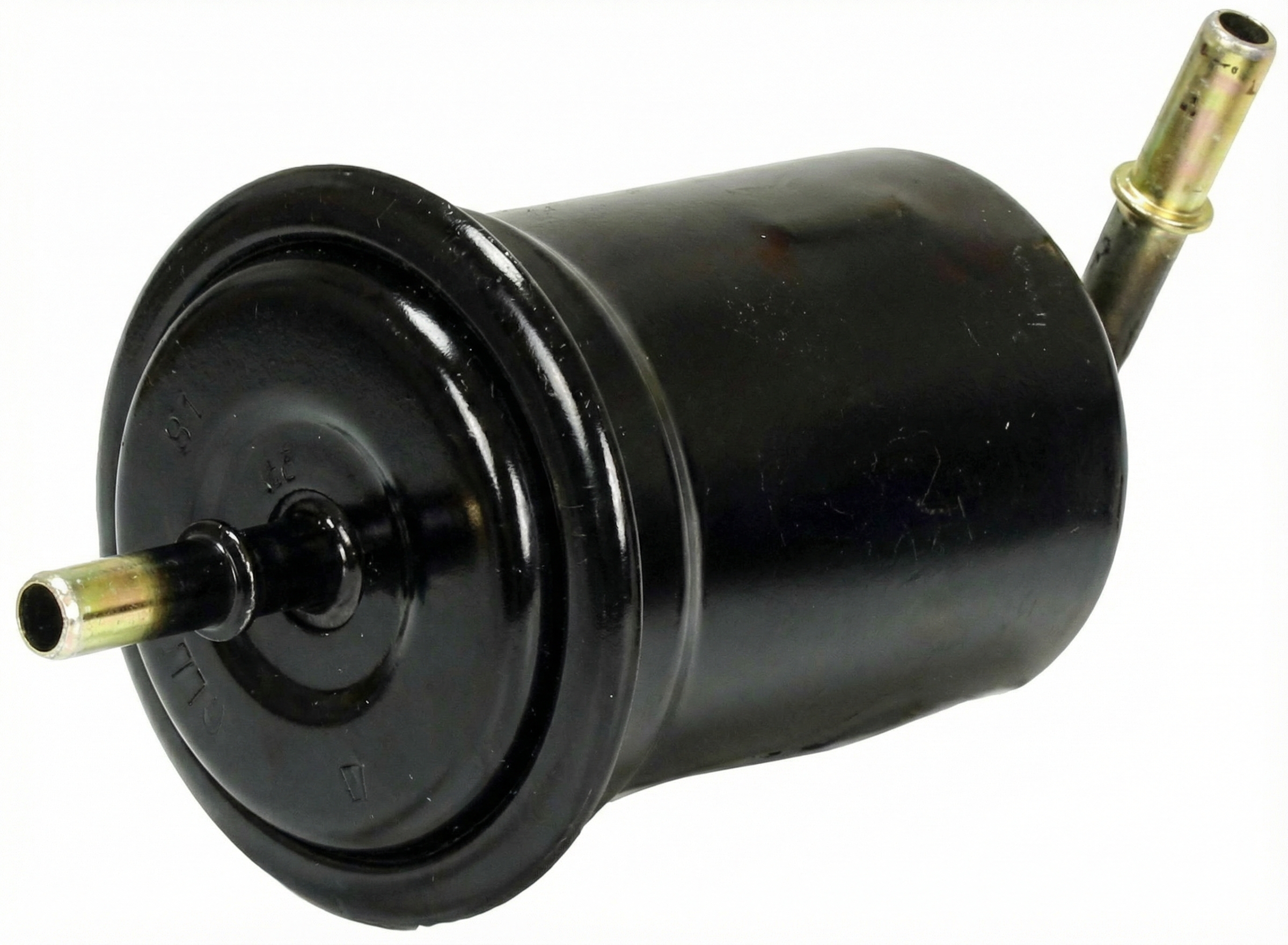
Used OEM Parts in Stock
New Aftermarket Parts Available


The information in this article is provided for general reference and educational purposes only. Vehicle specifications, procedures, and part compatibility can vary by production date, trim level, and region. Always consult your vehicle's factory service manual and verify part numbers before purchasing or performing repairs. Safety-critical components such as airbags, seat belts, and braking systems should be installed by a qualified professional.
- Hyundai Tucson:
- 🧭 Diagnostic Flowchart
- 🎬 Helpful Videos
- 🛍️ Shop This Part
- What's Unique About the 2016-2021 Hyundai Tucson
- Symptoms You May Notice
- Most Likely Causes
- Rare But Worth Checking
- Diagnosis Steps
- Parts You'll Likely Need
- Platform-Specific Known Issues
- Mechanic-Grade Diagnostic Values
- Scan Tool Commands That Help
- Wiring & Ground Locations
- Real Owner Repair Stories
- Other Known Issues on This Vehicle
- Used vs. New Parts: Buying Guide for This Vehicle
- Real Owner Stories
- 2017 Hyundai Tucson
- 2016 Hyundai Tucson
- Hyundai Tucson (Generic)
- Related OBD-II Codes
- Frequently Asked Questions
- 🎟️ Get 5% Off