

P0441 on 2007-2014 Volvo XC90 3.2L: EVAP Incorrect Purge Flow Causes and Fixes
This code almost always points to a faulty EVAP purge valve or a cracked/kinked vacuum hose connected to it. On the 3.2L engine, the purge valve is a common failure item located in the engine bay. It is relatively inexpensive and easy to replace, making it the most likely fix. Owner forums and repair videos frequently cite this as the solution.
- P0441 means the EVAP system has incorrect vapor flow, and it's not a critical issue for vehicle operation.
- The most likely cause on your XC90 is a bad EVAP purge valve, located in the engine bay.
- Before buying parts, always check the gas cap for a tight seal and inspect the vacuum hoses connected to the purge valve for kinks or cracks.
What's Unique About the 2003-2014 Volvo XC90
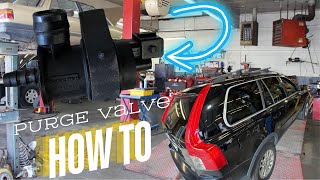
For the XC90 with the 3.2L I6 engine, the P0441 code is most often a straightforward component failure. The primary culprits are the purge valve itself or the vacuum lines attached to it, which can become brittle, crack, or kink over time. The purge valve is located near the airbox in the engine bay. A YouTube repair video specifically for an XC90 showed a severely kinked hose right at the purge valve was the root cause, highlighting the importance of checking the hoses carefully. While Volvo has issued service actions for EVAP systems, the most relevant issues for the 2007-2014 3.2L models are these simple mechanical failures.
Generation note: The user-specified range of 2003-2014 covers the entire first generation of the Volvo XC90. However, the 3.2L I6 engine (Volvo SI6) was only available from the 2007 to 2014 model years. This guide is specific to those 2007-2014 models.
Symptoms You May Notice
- Check Engine Light is on
- Slightly rough or unstable idle (if the purge valve is stuck open)
- Difficulty starting the engine immediately after refueling
- A faint fuel smell (uncommon)
- Audible clicking from the engine bay when the purge valve is commanded on by the ECM (this is normal operation, but its absence could indicate a problem)
- Replacing the fuel tank pressure sensor, as this sensor will typically set its own specific trouble code if it fails.
- Replacing the charcoal canister before thoroughly testing the purge valve and checking all associated hoses. Canister replacement is expensive and rarely the cause of P0441.
Most Likely Causes
- Faulty EVAP Purge Valve/Solenoid 🔴 High Probability → Shop Vapor Canister The purge valve is an electromechanical part that operates constantly, leading to eventual wear. It can get stuck open, closed, or become weak. This is the most common failure point for P0441 across many platforms, including this XC90.
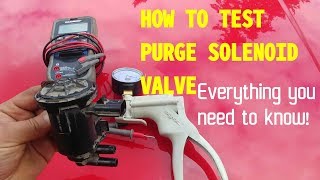
How to confirm: Locate the valve in the engine bay, near the air intake duct. With the engine off, remove the valve and try to blow through it; it should be closed and block airflow. If air passes, it's stuck open. You can also test it with a 9V battery connected to its electrical pins; you should hear a distinct click as it opens. A failure to click indicates a bad solenoid.
Typical fix: Replace the purge valve. This is a simple repair involving disconnecting two hoses and an electrical connector. A forum user on Volvo Forums described getting a P0441, replacing the purge valve, and clearing the code successfully.
Est. part cost: $50-$120 - Cracked, Kinked, or Disconnected EVAP Hoses 🟡 Medium Probability The rubber and plastic hoses in the engine bay are exposed to heat and vibration, causing them to become brittle, crack, or collapse over time. A kinked hose can directly restrict flow, causing the P0441 code.
How to confirm: Visually inspect all vacuum lines connected to and surrounding the purge valve. Pay close attention to the hose that runs from the valve towards the intake, as it can get kinked. Flex the hoses to check for hidden cracks. A user on Volvo Forums noted that after replacing the purge valve for a P0441, they later got a P0445 gross leak code, suspecting they damaged a hose during the initial repair.
Typical fix: Replace the damaged section of hose. Volvo-specific molded hoses are available, or universal vacuum hose can be used for simple repairs.
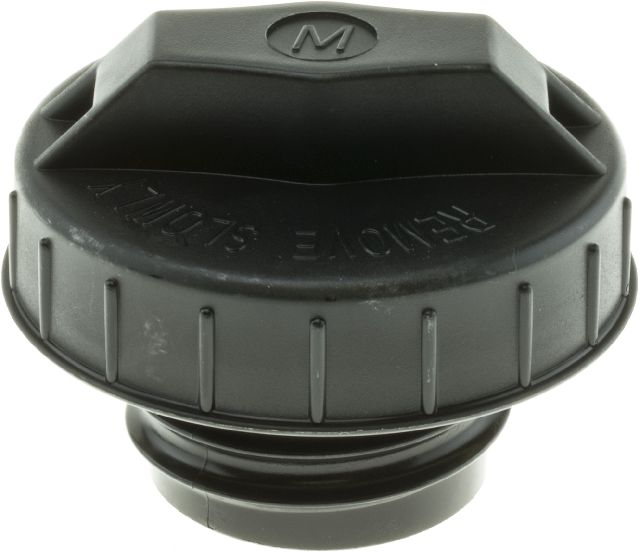
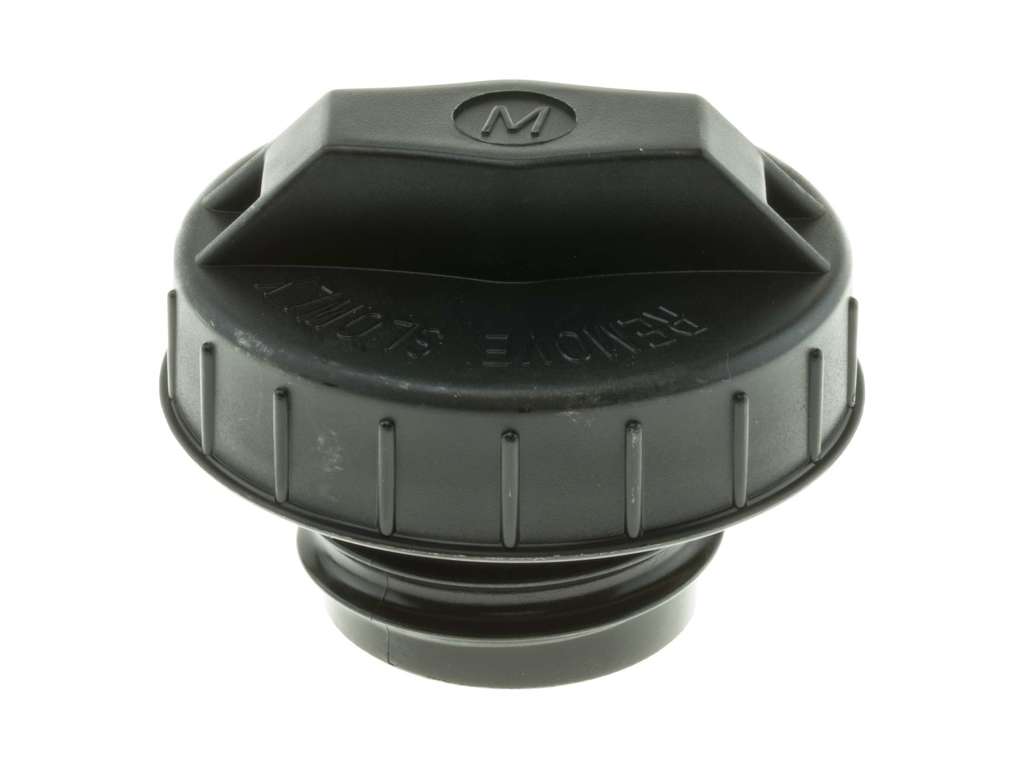
Est. part cost: $10-$50 - Loose or Faulty Gas Cap ⚪ Low Probability → Shop Fuel Tank Cap While a bad gas cap more commonly causes a small leak code (like P0456 or P0442), a completely failed seal could theoretically contribute to a flow issue under certain conditions. The cap's seal can dry out and crack with age.
How to confirm: Check that the gas cap is tightened until it clicks. Inspect the rubber O-ring seal for cracks, stiffness, or damage. An aftermarket cap is a common source of EVAP codes.
Typical fix: Replace the gas cap with an OEM or high-quality equivalent. This is an inexpensive and simple first step in diagnosis.
Est. part cost: $15-$40
Rare But Worth Checking
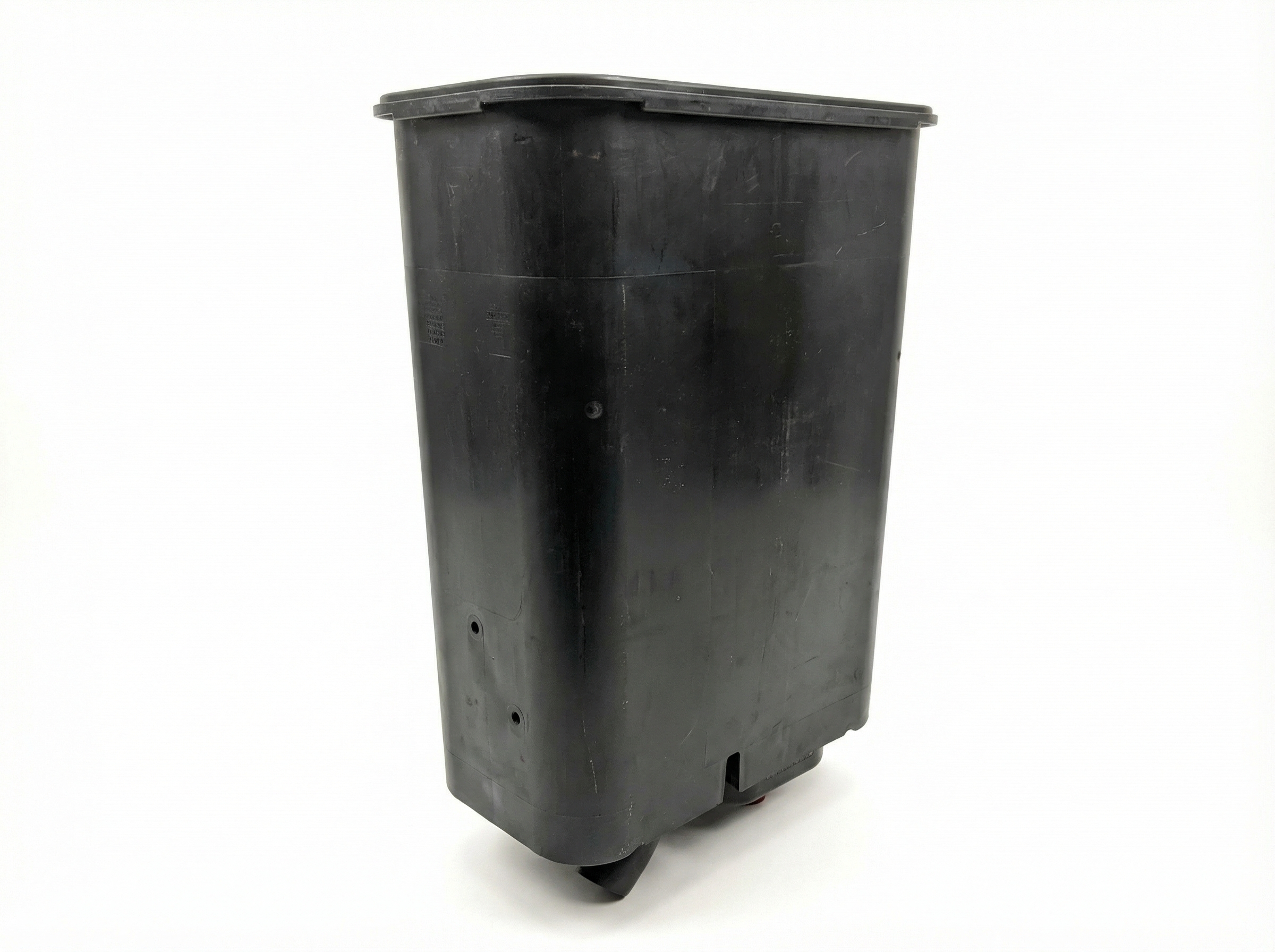
- Clogged Charcoal Canister: → Shop Vapor Canister This can happen if you frequently 'top off' your fuel tank after the pump clicks off. Liquid fuel can saturate the canister, clogging it and preventing vapor flow.
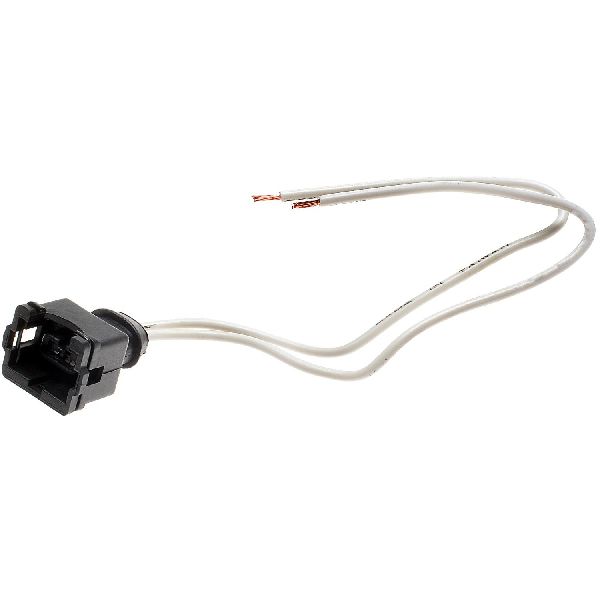
- Wiring Issue to Purge Valve: → Shop Vapor Canister The electrical connector or wiring for the purge valve can become corroded or damaged, preventing the valve from operating even if the valve itself is good. Check for power and ground at the connector with a multimeter.
- Faulty Leak Detection Pump (LDP): → Shop Evaporative Emissions System Leak Detection Pump Some EVAP systems use a Leak Detection Pump to pressurize the system for leak testing. While failure usually sets other codes, a malfunctioning LDP could potentially contribute to a flow fault under specific circumstances.
Diagnosis Steps
- Read the code with an OBD-II scanner to confirm P0441 is present. Note any other accompanying EVAP codes like P0455 or P0442, as they can point towards a leak rather than just a flow problem.
- Inspect the gas cap. Ensure it is tight and the seal is in good condition. If it's an aftermarket cap, consider replacing it with an OEM one.
- Locate the EVAP purge valve in the engine bay, typically mounted near the air intake ductwork.
- Visually inspect the EVAP purge valve and all connected vacuum hoses. Look for obvious cracks, disconnections, or sharp kinks. A kinked hose was the direct cause in one documented XC90 repair.
- Test the purge valve. With the ignition off, disconnect the valve and attempt to blow air through it. It should be sealed. If air passes, the valve is stuck open and must be replaced.
- To test the solenoid, apply power from a 9V battery to the electrical pins. You should hear an audible 'click'. No click means the solenoid is dead.
- If you have a capable scan tool, use its bidirectional controls to command the purge valve to open and close while the engine is running. You should hear it clicking and see a change in fuel trim data on the scanner.
- If the valve and hoses appear to be in good condition, the next step is a smoke test. This involves injecting pressurized smoke into the EVAP system to find any small, hard-to-see leaks.
- As a final check, inspect the charcoal canister (located near the fuel tank) for any signs of physical damage or fuel saturation.
Parts You'll Likely Need
- EVAP Canister Purge Valve
(OEM #Volvo 31338141 (replaces 8653908))— This is the most frequent failure point for a P0441 code. It's a moving part that wears out over time, getting stuck open or closed.
Trusted brands: Genuine Volvo, Bosch 0280142422
OEM price range: $90-$140
Aftermarket price range: $50-$90 - Gas Cap
(OEM #Volvo 31392044)— A faulty gas cap seal can cause EVAP system issues and is an inexpensive and easy part to replace as a first diagnostic step. Using a non-OEM cap is a frequent cause of EVAP codes.
Trusted brands: Genuine Volvo, Stant
OEM price range: $30-$45
Aftermarket price range: $15-$25 - EVAP Hose
(OEM #Volvo 31219681 (Hose with connector))— The hoses connected to the purge valve can become brittle and crack or get kinked, requiring replacement.
Trusted brands: Genuine Volvo
OEM price range: $20-$40
Aftermarket price range: $5-$15 (for universal hose)
Related Codes That Often Appear With This One
- P0455 (EVAP System Leak Detected - Gross Leak)
- P0442 (EVAP System Leak Detected - Small Leak)
- P0456 (EVAP System Leak Detected - Very Small Leak)
Technical Service Bulletins (TSBs) & Recalls
- Volvo TSB 21-9: Noise from Rear End Accessory Drive (READ) unit. (Unrelated to P0441 but a key platform issue).
Platform-Specific Known Issues
- Volvo issued a recall (R24069) for some 2005 models, including the XC90, for a software update to correct 'Poor Purge Performance', indicating that software can be a factor in EVAP issues on this platform.
Mechanic-Grade Diagnostic Values
- EVAP Purge Valve Solenoid Coil Resistance — expected: 25-40 Ohms. Failure: A reading of infinite resistance (open circuit) or a value significantly outside the expected range indicates a failed coil.
- Purge Valve Connector Voltage (Key On, Engine Running) — expected: Approximately 12V (Battery Voltage). Failure: No voltage suggests a wiring issue, blown fuse, or problem with the ECM's driver circuit.
Scan Tool Commands That Help
- Volvo VIDA (Vehicle Information & Diagnostics for Aftersales): Quick test of fuel tank system — This function, found under 'Advanced' vehicle communications, commands the EVAP system to perform a leak test. It will report if the system is 'fine' or has a 'minor leak' or 'major leak', helping to differentiate a flow problem (P0441) from a leak problem (P0455/P0456).
- Volvo VIDA (Vehicle Information & Diagnostics for Aftersales): EVAP Canister Purge Valve (CMV) Activation — This bidirectional control allows a technician to manually command the purge valve to open and close. This is used to verify the valve's mechanical function (audible clicking) and its effect on the system (e.g., watching fuel trim data) without relying on the ECM's automatic control.
Wiring & Ground Locations
- Engine Block Ground Strap — A primary ground strap connects the engine block to the vehicle's chassis. While its exact location on the 3.2L I6 can vary slightly, it's a critical connection for all engine electrical components.. A corroded or loose engine ground can cause intermittent and unpredictable electrical issues for all sensors and solenoids, including the EVAP purge valve. This can lead to incorrect operation and fault codes even if the component itself is good.
- Engine Compartment Fuse Box — Located on the driver's side of the engine bay, under a plastic cover near the positive battery terminal jump point.. The power supply for the EVAP purge valve solenoid is routed through this fuse box. A blown fuse related to engine sensors or emissions components would cut power to the valve, preventing it from opening and causing a P0441 or related circuit code.
Real Owner Repair Stories
- YouTube channel 'Nance Auto Repair' (Volvo XC90 with 3.2L engine) — Check Engine Light with code P0441 (Incorrect Purge Flow).
❌ Tried (didn't work) The video proceeds directly to diagnosing the purge valve, implying it's the first and most likely step.
✅ What actually fixed it The original purge valve was found to be stuck open, allowing air to be blown through it when it should have been closed. Replacing the faulty purge valve with a new one resolved the issue, and the P0441 code cleared on its own without needing a scanner.
OEM Part Supersession History
8653908→31338141— This is a standard part number update over the vehicle's production life. The newer part number is the current replacement.
Heads up: Part number 8653908 also appears to have replaced an even earlier number, 31104896. When ordering, using the latest number (31338141) or a cross-reference from a reputable supplier like Bosch (0280142422) is recommended to ensure you get the correct, most current version.
Model Year Variations Within This Range
- 2007+: For the 2007 model year, the XC90 received a facelift and a new base engine for the US market: the 3.2L SI6 straight-6, which replaced the previous 2.5L 5-cylinder turbo. This guide is specific to this 3.2L engine, which was available from 2007 to 2014.
Diagnostic Flowchart
Other Known Issues on This Vehicle
Issues unrelated to this code that are worth knowing about as an owner of this generation:
- Rear End Accessory Drive (READ) Unit Failure 🔴 High — A known weak point on the SI6 engine. A whirring or grinding noise from the back of the engine is a key symptom. Failure is expensive as it can require engine or transmission removal to repair. (Ref: Volvo TSB 21-9 describes noise from the READ unit drive gear.)
- Accessory/Serpentine Drive Belt System Wear 🟠 Medium — The belt, tensioner, and idler pulleys are buried deep in the engine bay and are labor-intensive to replace. Failure of the tensioner or idler pulley is common and can cause the belt to break, leading to a loss of power steering and alternator function.
- Vacuum Pump Oil Leak 🟠 Medium — The vacuum pump, integrated with the READ system, is prone to developing oil leaks from its seals. The leak often drips onto the steering rack and may not be visible from above.
- Excessive Oil Consumption 🟠 Medium — Some 3.2L engines can consume oil, sometimes up to 1-1.5 quarts between changes, as they accumulate mileage. This can be caused by issues with piston rings or a clogged PCV/oil trap system. (Ref: Volvo has addressed oil consumption issues on similar engines, sometimes with software updates and revised pistons/rings under warranty.)
- PCV / Oil Trap Clogging 🟡 Low — While not as severe as on older 5-cylinder Volvos, the PCV breather box (oil trap) on the 3.2L can still fail or clog, leading to pressure issues, oil leaks, and sometimes lean codes or a whistling noise.
Used vs. New Parts: Buying Guide for This Vehicle
When a used part is the smart pick: For this repair, using a used part is generally not recommended. The primary failure part, the EVAP purge valve, is an electromechanical component with a finite lifespan that wears out with use. A used valve from a salvage yard carries a high risk of being near the end of its own service life or already faulty.
Donor-vehicle mileage cap: roughly under 80000 miles for the part to have meaningful remaining life.
What to inspect on the donor part:
- If buying used is the only option, try to source a valve from a vehicle with the lowest possible mileage.
- Before purchasing, ask the seller if you can perform a simple blow-through test. With no power applied, you should not be able to blow air through the valve. If air passes, it is defective.
- Inspect the plastic housing for any cracks or damage, especially around the hose nipples and mounting bracket.
OEM-only on this vehicle (don't cheap out):
- Gas Cap - While not strictly 'OEM-only', aftermarket gas caps are a very common cause of EVAP system codes. Using a Genuine Volvo cap is a wise investment to avoid future diagnostic headaches.
Aftermarket brands forum-validated for this vehicle:
- Bosch - Bosch is the Original Equipment Manufacturer (OEM) for many Volvo electrical components, including this purge valve. The Bosch part (p/n 0280142422) is often identical to the Genuine Volvo part but sold at a lower price.
Brands owners have reported issues with on this vehicle:
- Unbranded, no-name parts from online marketplaces. These often have high failure rates, may not meet the precise flow specifications required by the ECM, and can cause the code to return quickly.
Real Owner Stories
Aggregated from forums and TSBs cited above. Mileages and costs reflect what owners reported in those sources.
2007 Volvo XC90 3.2L
Symptoms: Owner experienced a P0441 code.
What fixed it: Replaced the purge valve, which initially resolved the P0441. However, the owner later encountered a P0445 (gross leak) code, suspecting a hose was damaged during the initial repair.
Source hint: https://www.volvoforums.org.uk/showthread.php?t=335194
2012 Volvo S60 T5
Symptoms: Vehicle triggered a P0441 code.
What fixed it: The community advised the owner to start by checking and replacing the purge valve as the most likely culprit.
Source hint: https://www.reddit.com/r/Volvo/comments/10l251c/p0441_code_on_2012_s60_t5/
Related OBD-II Codes
Frequently Asked Questions
Is there a software update for EVAP issues on my 2005 Volvo XC90?
I hear a clicking sound coming from the engine bay of my 3.2L XC90; is this related to the P0441 code?
Can I use a 9V battery to test the purge valve on my XC90?
Where is the EVAP purge valve located on the 3.2L I6 engine?
Does the Volvo TSB 21-9 regarding the READ unit relate to my P0441 EVAP code?
Could a kinked hose be causing my P0441 code instead of a bad sensor?
Helpful Videos
![How to Fix P0441 Engine Code in 6 Minutes [4 DIY Methods / Only $3.50]](https://img.youtube.com/vi/NJYZiDhYhP8/mqdefault.jpg)

Used OEM Parts in Stock
New Aftermarket Parts Available


The information in this article is provided for general reference and educational purposes only. Vehicle specifications, procedures, and part compatibility can vary by production date, trim level, and region. Always consult your vehicle's factory service manual and verify part numbers before purchasing or performing repairs. Safety-critical components such as airbags, seat belts, and braking systems should be installed by a qualified professional.
- Volvo XC90:
- 🧭 Diagnostic Flowchart
- 🎬 Helpful Videos
- 🛍️ Shop This Part
- What's Unique About the 2003-2014 Volvo XC90
- Symptoms You May Notice
- Most Likely Causes
- Rare But Worth Checking
- Diagnosis Steps
- Parts You'll Likely Need
- Related Codes That Often Appear With This One
- Technical Service Bulletins (TSBs) & Recalls
- Platform-Specific Known Issues
- Mechanic-Grade Diagnostic Values
- Scan Tool Commands That Help
- Wiring & Ground Locations
- Real Owner Repair Stories
- OEM Part Supersession History
- Model Year Variations Within This Range
- Other Known Issues on This Vehicle
- Used vs. New Parts: Buying Guide for This Vehicle
- Real Owner Stories
- 2007 Volvo XC90 3.2L
- 2012 Volvo S60 T5
- Related OBD-II Codes
- Frequently Asked Questions
- 🎟️ Get 5% Off