

P0442 on 2012-2019 Chevrolet Suburban: EVAP Small Leak Causes and Fixes
For a 2012-2019 Suburban, a P0442 code is most often caused by a loose or worn-out gas cap. If the cap is good, the next most likely culprits are the EVAP purge or vent solenoids. A new gas cap costs $15-$40, while solenoids range from $30-$100. A smoke test is the best way to find the exact leak source.
- P0442 indicates a small leak in the fuel vapor system; it is not a critical engine problem.
- Always start by checking the gas cap. Ensure it's tight and the seal is in good condition. This is the most common and cheapest fix.
- If the gas cap isn't the issue, the EVAP purge solenoid (on the engine) or vent solenoid (near the tank) are the next most likely causes.
- A fuel smell is a key symptom that can accompany this code on a Suburban.
- While you can replace parts by guessing, a smoke test is the fastest and most accurate way to find the exact source of the leak, saving time and money.
What's Unique About the 2012-2019 Chevrolet SUBURBAN
On these Suburbans and their platform mates (Tahoe, Yukon, Escalade), the P0442 code is a very common issue. General Motors has issued several Technical Service Bulletins (TSBs) related to diagnosing these EVAP leaks, indicating a known pattern. One notable TSB for the 2013-2014 model years, #15-NA-019, specifically links code P0442 with a strong fuel odor, pointing to a fractured fuel tank filler vent hose connector as the cause. Owners frequently report this code, with many forum discussions centering on the gas cap, purge solenoid, and vent solenoid as the primary culprits.
Diagnostic Flowchart
Tap your situation to follow the diagnostic path that matches what you're seeing on this vehicle.
Generation note: This year range covers two generations: the 10th Gen (2012-2014, GMT900 platform) and the 11th Gen (2015-2019, K2XX platform). While the causes for P0442 are similar, the exact location and part numbers for components like the vent and purge solenoids differ between these generations. For example, the vent solenoid is a common failure point on both, but the specific part and its included hoses may vary. The K2XX generation (2015+) may also feature a capless fuel filler system, which introduces a different potential leak point at the filler neck flap.
Symptoms You May Notice
- Check Engine Light is on.
- A noticeable smell of gasoline, particularly after refueling or while the vehicle is idling. TSB #15-NA-019 directly addresses this symptom.
- No noticeable change in engine performance or drivability.
- A "Tighten Gas Cap" message may appear on the driver information center.
- Replacing the charcoal canister when the actual fault is a less expensive solenoid or hose.
- Replacing oxygen sensors, which are unrelated to the EVAP system.
- Assuming the gas cap is the problem without inspecting it properly, leading to frustration when the code returns.
Most Likely Causes
- Loose, Worn, or Incorrect Gas Cap 🔴 High Probability → Shop Fuel Tank Cap The gas cap is a frequently used part and its rubber O-ring seal can dry out, crack, or become dirty over time, preventing a proper seal. Using a non-OEM cap can also cause sealing issues.
How to confirm: First, ensure the cap is tightened until it clicks several times. If it is tight, remove it and inspect the rubber seal for any cracks, stiffness, or debris. The filler neck sealing surface should also be clean and free of rust.
Typical fix: Tighten the cap. If the seal is damaged or you are using an aftermarket cap, replace it with a new OEM (ACDelco) or equivalent part.
Est. part cost: $15-$40 - Faulty EVAP Purge Solenoid/Valve 🟡 Medium Probability → Shop Vapor Canister This valve, located in the engine bay, cycles frequently, leading to wear. It can get stuck open or closed, or develop a crack in its housing, causing a leak. It is one of the most common failure points discussed in owner forums for the Suburban and its platform mates.
How to confirm: The purge valve is typically on top of the engine's intake manifold. With the engine off, you can remove the valve and try to blow through it; no air should pass as it is normally closed. A handheld vacuum tester can also be used; it should hold a vacuum. A smoke test will definitively show a leak if the valve is cracked or stuck open.
Typical fix: Replacement of the purge solenoid. This is generally an easy 10-minute DIY job with a single 10mm bolt and two connections.
Est. part cost: $30-$100 - Faulty EVAP Vent Solenoid/Valve 🟡 Medium Probability → Shop Vapor Canister Located near the fuel tank and charcoal canister, this valve is exposed to road debris and weather, which can cause it to fail or its filter to clog with dust. It can get stuck open, preventing the system from sealing for its pressure test.
How to confirm: The vent solenoid is usually found above the spare tire, mounted near the charcoal canister. A smoke test is the most effective way to confirm a leak. It can also be tested with a scan tool or by applying 12V power to see if the valve actuates (it is normally open and should close when powered).
Typical fix: Replace the vent solenoid assembly, which often includes the valve, hoses, and a filter box. This requires lowering the spare tire for access.
Est. part cost: $40-$120 - Cracked or Disconnected EVAP Hoses ⚪ Low Probability The plastic and rubber lines that make up the EVAP system can become brittle with age and exposure to heat and cold, leading to small cracks or loose connections, particularly at the connection points to the solenoids or canister.
How to confirm: A thorough visual inspection of all EVAP lines between the engine, charcoal canister, and fuel tank may reveal obvious damage. However, a smoke test is the most reliable method to find small cracks that are not visible to the naked eye.
Typical fix: Replace the cracked section of hose or re-secure the connection. Sometimes a cracked end can be trimmed and re-secured if there is enough slack.
Est. part cost: $10-$50
Rare But Worth Checking
- Cracked EVAP Charcoal Canister: → Shop Vapor Canister The canister itself can be damaged by road debris or develop cracks from age, causing a leak. This is less common than a solenoid failure but should be checked during a smoke test.
- Leaking Fuel Tank Filler Neck: → Shop Fuel Tank Corrosion or damage to the metal filler neck where the gas cap seals can create a small leak path. TSB #15-NA-019 points to a fractured vent hose connector on the filler neck assembly for 2013-14 models. On older models, rust on the neck itself is a known cause.
- Faulty Fuel Tank Pressure (FTP) Sensor: → Shop Fuel Tank The FTP sensor reports the pressure or vacuum inside the fuel tank to the ECM. If the sensor provides an incorrect reading, it can cause the ECM to falsely trigger a P0442 code even if no leak exists. This is often a last-resort diagnosis after all other components have been verified.
Diagnosis Steps
- Read the code with an OBD-II scanner to confirm P0442 is present. Note any other codes, as they can help pinpoint the issue (e.g., P0449, P0496).
- Inspect the gas cap. Remove it, check the seal for cracks or damage, and ensure the filler neck is clean and free of rust. Tighten it until it clicks multiple times.
- If the gas cap looks worn, replace it with an OEM part. Clear the code and drive for a few days to see if the light returns. This is the cheapest and easiest first step.
- If the code returns, perform a visual inspection of the EVAP system hoses and components. Per TSB #21-NA-124, check all line connections first. Look for obvious cracks or damage, especially on the purge valve in the engine bay and the vent valve/canister area near the tank.
- Test the purge and vent solenoids. The purge valve (engine bay) should be normally closed and hold vacuum. The vent valve (near tank) is normally open and should close when 12V is applied.
- The most definitive diagnostic step is to have an EVAP smoke test performed. A mechanic will inject smoke into the system's service port. Smoke will exit from the location of the leak, making it easy to pinpoint whether it's a hose, solenoid, canister, or filler neck.
Parts You'll Likely Need
- Vapor Canister Purge Valve
(OEM #12690512 (supersedes 12610560))— This valve, located on the engine, frequently gets stuck or cracks, causing a small leak. It's a common failure point across many GM vehicles and often fixes P0442 and P0496 codes.
Trusted brands: ACDelco, Standard Motor Products
OEM price range: $40-$70
Aftermarket price range: $25-$50 - Vapor Canister Vent Solenoid
(OEM #23481275)— This solenoid, located near the fuel tank, fails due to exposure to the elements, getting stuck open and preventing the system from sealing. Part number 23481275 is a common replacement for this generation and supersedes many previous numbers. An older common number for the GMT900 platform is also superseded by this part.
Trusted brands: ACDelco, Dorman
OEM price range: $70-$120
Aftermarket price range: $40-$80
Related Codes That Often Appear With This One
- P0455 — This code indicates a large EVAP leak. It can appear with P0442 if a small leak worsens or if the gas cap is left very loose or off. Several TSBs mention these codes appearing together.
- P0449 — This code points to a fault in the EVAP vent solenoid's electrical circuit. An electrical problem can prevent the valve from closing, which in turn causes a leak detected as P0442 or P0455.
- P0496 — This code indicates 'EVAP Flow During a Non-Purge Condition,' which almost always points to a purge valve that is stuck open. A stuck-open purge valve is a type of leak, which can also trigger a P0442.
Technical Service Bulletins (TSBs) & Recalls
- Provides a diagnostic order for P0442/P0455. It advises technicians to first inspect all EVAP lines for proper seating and damage, then test the vent valve for a stuck-open condition, and finally, investigate the purge valve.
- Addresses a fuel odor and P0442/P0455 codes on 2013-2014 models. The cause is identified as a fractured or broken fuel tank filler vent hose connector. The fix is to inspect and replace the hose assembly (Part No. 22802075 for Suburban/Yukon XL).
- An informational bulletin directing technicians to a Techlink article about proper use of the EVAP system tester for diagnosing code P0442.
Platform-Specific Known Issues
- A known issue, documented in TSB #15-NA-019 for 2013-2014 models, involves a fuel odor and P0442/P0455 codes caused by a fractured connector on the fuel tank filler vent hose. The recommended fix is to inspect and replace the entire hose assembly (part #22802075).
- Forum discussions indicate that the P0442 test monitor on these vehicles is sensitive to fuel level, often running and setting the code only when the tank is between 1/4 and 3/4 full, which is a normal condition for the test.
Mechanic-Grade Diagnostic Values
- Fuel Tank Pressure (FTP) Sensor Voltage — expected: Approximately 1.5V with the gas cap off (at atmospheric pressure). The voltage should decrease as vacuum is applied. The normal operating signal range is typically between 0.5V and 4.5V.. Failure: A voltage that is stuck at 1.5V and does not change when vacuum is applied, or a reading that is stuck high (near 4.5V) or low (near 0.5V), can indicate a faulty sensor or wiring issue.
Scan Tool Commands That Help
- GDS2/Tech2: EVAP Service Bay Test — This is a bidirectional command that allows a technician to manually command the EVAP system components (purge valve, vent valve) to open and close. It's used to seal the system and then monitor the FTP sensor to verify if the system can hold a vacuum, which is essential for diagnosing a P0442 leak without a smoke machine.
- GDS2/Tech2: Purge/Seal — This function commands the vent solenoid closed and the purge solenoid open, allowing the technician to monitor FTP sensor data to see if the system builds vacuum from the engine. It helps isolate whether the leak is present when the system is sealed.
Wiring & Ground Locations
- EVAP Canister Vent Solenoid Connector (K2XX Platform) — For the 2015-2019 generation, the vent solenoid is often located underneath the driver's side of the vehicle, below the door area, attached to the canister.. The wiring to this solenoid is exposed and can break inside the insulation, especially near the connector. A visual inspection may not be enough; pulling gently on the wires can reveal a hidden break that causes an intermittent connection, leading to EVAP codes like P0449 and contributing to P0442.
Real Owner Repair Stories
- Tahoe Yukon Forum (Yukon (Suburban platform-mate)) — A persistent P0442 code that would return about two weeks after being cleared.
❌ Tried (didn't work) New fuel tank, New filler neck, New fuel pump and pressure sensor, New vent valve, New charcoal canister, Multiple solenoids, New gas cap, New vacuum lines and wiring harnesses, Numerous smoke tests that found no leaks
✅ What actually fixed it The user found a bizarre but repeatable pattern: the code would only set when the fuel level dropped to exactly 1/4 tank, or if the vehicle was parked on a slight incline with the passenger side lower than the driver's side. While no final component fix was identified, keeping the tank above 1/4 full and parking on level ground prevented the code from setting, pointing towards a very specific and conditional leak related to fuel level or tank pressure dynamics.
"I Checked Everything" — The Actual Cause
- A technician on a diagnostic forum noted that sometimes a purge or vent valve will pass a pressure test from a smoke machine but will fail to seal properly under vacuum, which is how the ECM actually tests the system. The fix is to test the solenoids by applying a few inches of mercury ("Hg) of vacuum with a hand pump to see if they leak, even if they passed the smoke test.
OEM Part Supersession History
Multiple (e.g., 10382080, 15893884, 25932566)→23481275— GM consolidated numerous older part numbers for the EVAP vent solenoid into a single service part for a wide range of vehicles, including the GMT900 and K2XX Suburban.
Heads up: Some older vehicle applications using this new part number may require a new wiring harness connector pigtail to adapt to the updated solenoid design. It is important to verify by VIN if the connector update is needed.
Model Year Variations Within This Range
- 2015-2019 (K2XX Platform): The K2XX generation introduced the possibility of a capless fuel filler system. This replaces the traditional gas cap with a spring-loaded flap. A P0442 on these models could be caused by debris preventing this flap from sealing properly, a function that the gas cap served on earlier models.
- 2012-2014 (GMT900) vs 2015-2019 (K2XX): The physical location of the EVAP vent solenoid differs. On many GMT900 trucks, it is mounted near the charcoal canister above the spare tire. On some K2XX models, the assembly is located further forward, underneath the driver's side door area, making access slightly different.
Helpful Videos
![How to Fix P0442 Engine Code in 7 Minutes [6 DIY Methods / Under $3.67]](https://img.youtube.com/vi/KISPTedKJmQ/mqdefault.jpg)


We Have This Part in Stock

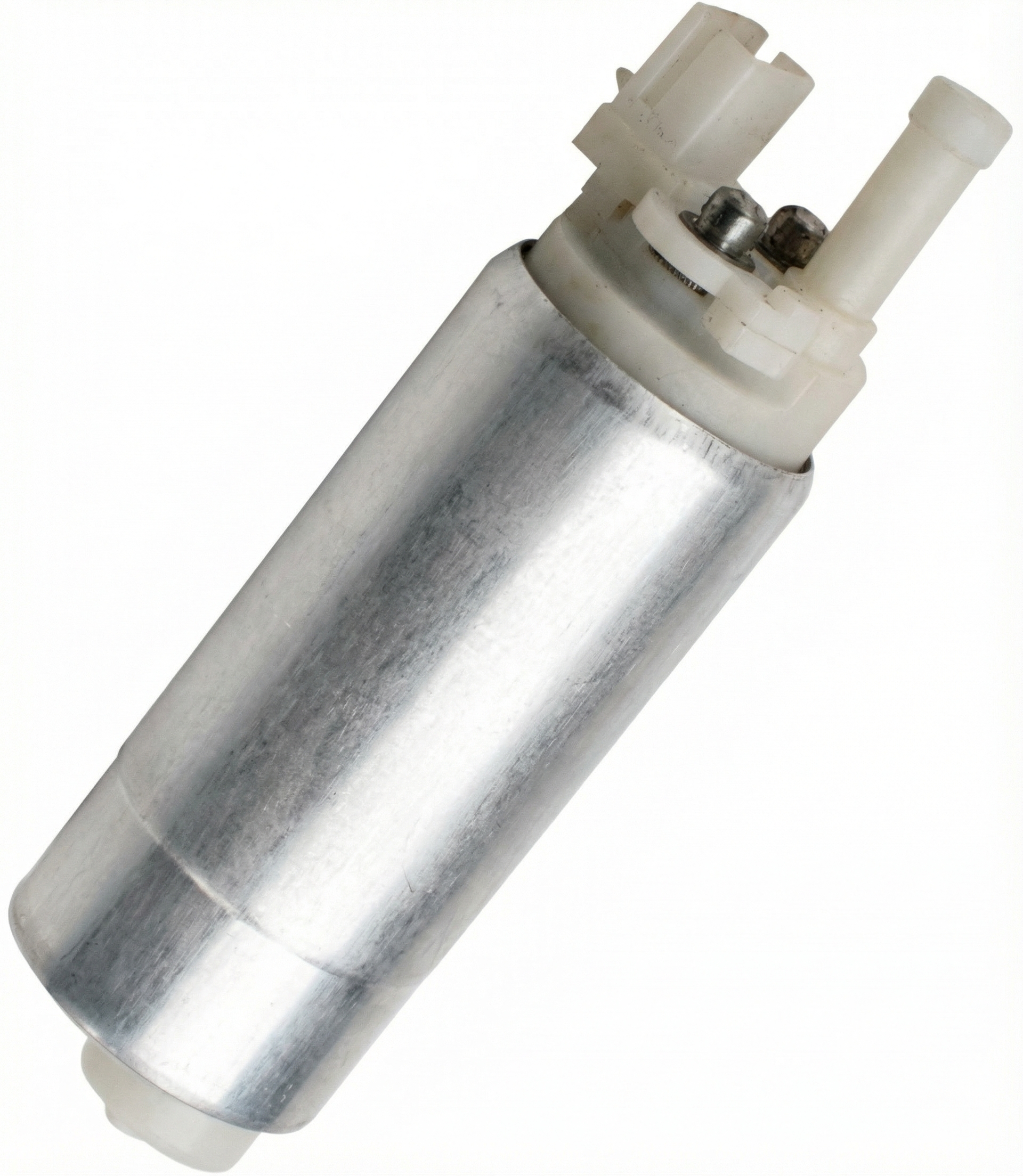
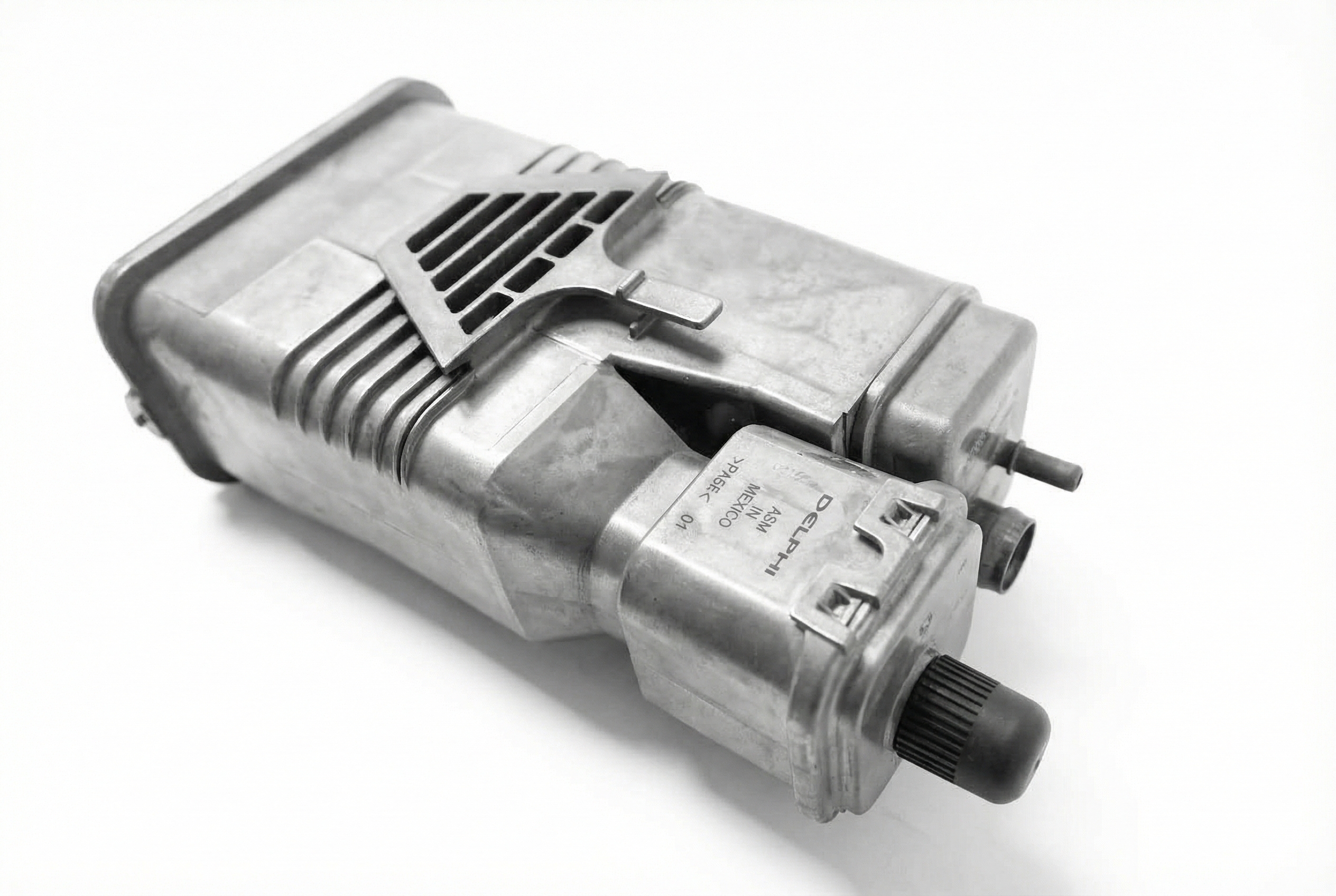

The information in this article is provided for general reference and educational purposes only. Vehicle specifications, procedures, and part compatibility can vary by production date, trim level, and region. Always consult your vehicle's factory service manual and verify part numbers before purchasing or performing repairs. Safety-critical components such as airbags, seat belts, and braking systems should be installed by a qualified professional.
- Chevrolet SUBURBAN:
- 🧭 Diagnostic Flowchart
- 🎬 Helpful Videos
- 🛍️ Shop This Part
- What's Unique About the 2012-2019 Chevrolet SUBURBAN
- Symptoms You May Notice
- Most Likely Causes
- Rare But Worth Checking
- Diagnosis Steps
- Parts You'll Likely Need
- Related Codes That Often Appear With This One
- Technical Service Bulletins (TSBs) & Recalls
- Platform-Specific Known Issues
- Mechanic-Grade Diagnostic Values
- Scan Tool Commands That Help
- Wiring & Ground Locations
- Real Owner Repair Stories
- "I Checked Everything" — The Actual Cause
- OEM Part Supersession History
- Model Year Variations Within This Range
- 🎟️ Get 5% Off