

P0442 on 2015-2019 GMC Yukon Denali: EVAP Small Leak Causes and Fixes
For a 2015-2019 GMC Yukon Denali, code P0442 most often points to a faulty EVAP purge valve on the engine or a bad EVAP vent valve near the fuel tank. Before buying parts, check the capless fuel filler neck for debris that could prevent a proper seal. An extended engine crank time after refueling is a strong indicator that the purge valve is stuck open.
- P0442 means your Yukon has a small leak in the fuel vapor recovery system.
- The most likely cause is a faulty EVAP purge valve on the engine or a bad vent valve near the tank.
- Before replacing parts, inspect the capless fuel filler neck for debris that could prevent a good seal.
- A professional smoke test is the fastest and most accurate way to find the source of the leak.
- This code will not stop you from driving but will cause an automatic failure on an emissions test.
What's Unique About the 2015-2019 Gmc YUKON DENALI
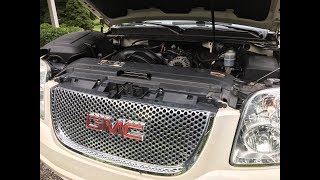
On this generation of Yukon, which features a capless fuel filler system, the traditional 'loose gas cap' cause is replaced by issues with the seal on the filler neck's flap. However, the most frequent culprits are the EVAP purge and vent valves. Forum discussions among owners reveal that the purge valve, located on the intake manifold, can be a recurring problem, with some owners reporting extremely high failure rates even with OEM parts. GM has also issued a Technical Service Bulletin (TSB #21-NA-124) that provides specific diagnostic advice for this code, emphasizing the need to check for malfunctioning valves and improperly seated EVAP lines in a specific order.
Diagnostic Flowchart
Tap your situation to follow the diagnostic path that matches what you're seeing on this vehicle.
Symptoms You May Notice
- Check Engine Light is on
- A faint smell of fuel, particularly after filling up or when parked in a garage.
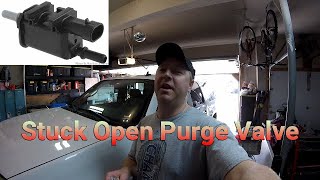
- Extended crank time (4-6 seconds) or rough idle immediately after refueling (a classic sign of a purge valve stuck open, allowing fuel vapors to flood the engine).
- "Tighten Fuel Cap" message on the driver information center, even with the capless system.
- Replacing the O2 sensors, as they are not related to the EVAP system.
- Replacing the catalytic converter, which is an expensive repair for a different emissions issue (P0420/P0430).
- Repeatedly replacing the purge valve without checking for other system leaks, as a real leak elsewhere can mimic a valve issue.
Most Likely Causes
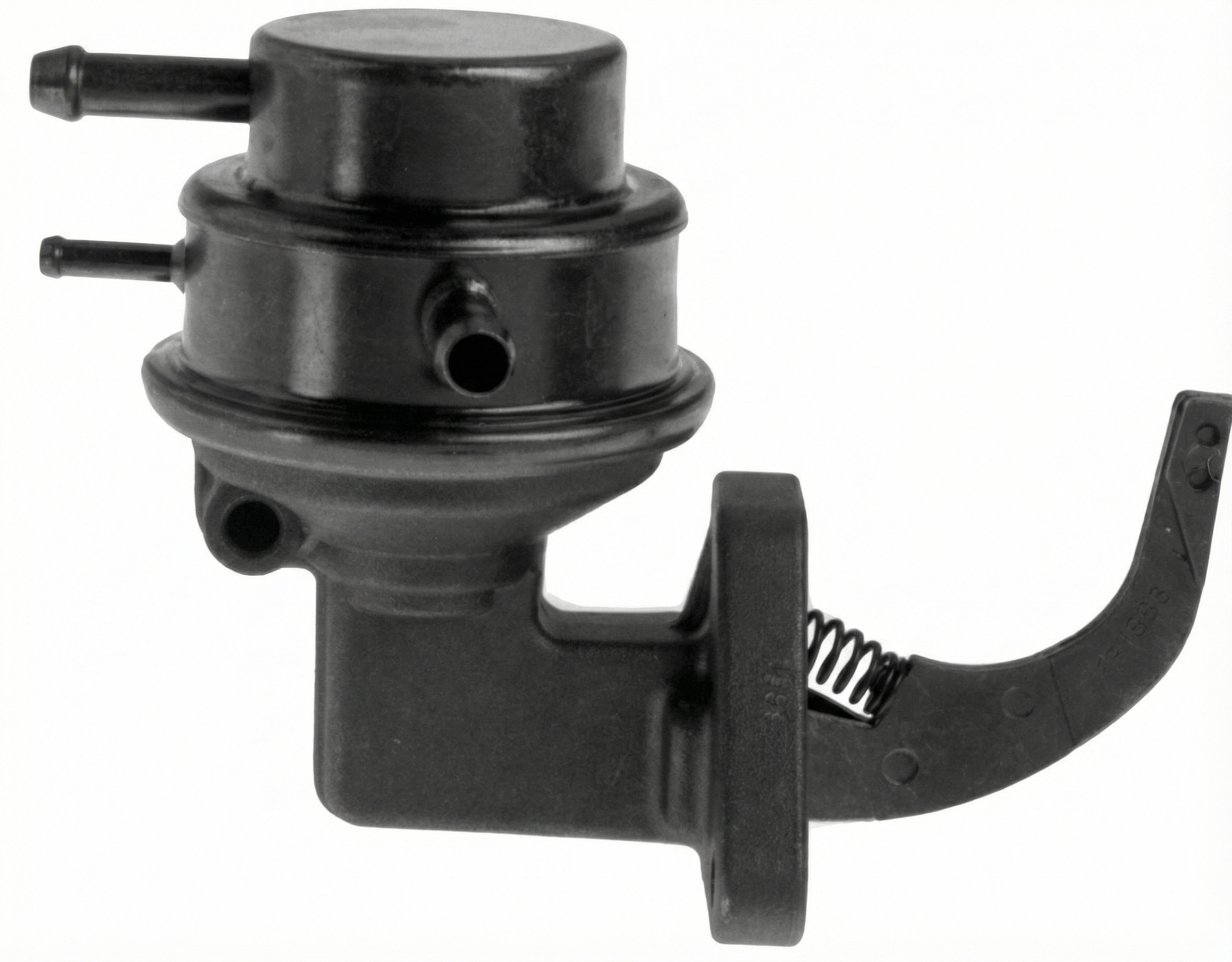
- Faulty EVAP Purge Valve (Solenoid) 🔴 High Probability → Shop Vapor Canister This is a very common failure item on many GM trucks and SUVs. The valve's internal diaphragm can fail or it can get stuck open or closed. Some owners on forums report replacing this part multiple times, with some aftermarket and even OEM parts failing prematurely, possibly due to engine heat causing the plastic to crack or warp.
How to confirm: With the engine off, disconnect the valve and try to blow through it. It should be closed and not allow air to pass. A long crank after refueling is a strong symptom. A scan tool can also command it open and closed to check for an audible click and response.
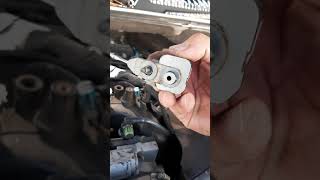
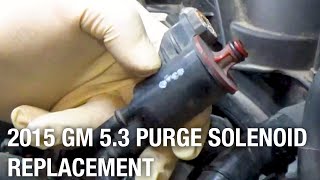
Typical fix: Replace the purge valve located on the engine's intake manifold. This is often a tool-free or single-bolt replacement. 🎬 Watch: Step-by-step guide to replacing the purge solenoid.
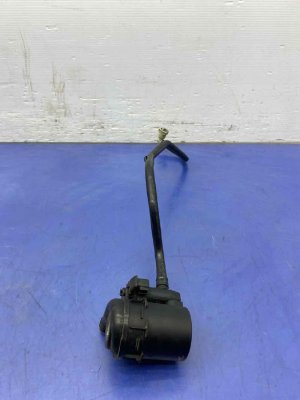
Est. part cost: $25-$50 - Faulty EVAP Vent Valve (Solenoid) 🔴 High Probability → Shop Vapor Canister Vent Valve Located near the charcoal canister by the rear differential, this valve is exposed to a harsh under-vehicle environment. It can get stuck open due to dirt and debris or simply fail electrically, causing the system to fail its leak test.
How to confirm: The vent valve is normally open. Use a scan tool to command it closed. If it doesn't close, or if it's stuck closed, it needs replacement. 🎬 See the vent valve location and replacement process. A smoke test will show smoke exiting a stuck-open vent valve unless it is commanded closed. Dust and dirt falling out of the valve upon removal is a good sign it has failed.
Typical fix: Replace the vent valve. On some models, an adapter harness (GM P/N 19257603) may be needed if replacing an older design with an updated part.
Est. part cost: $30-$70 - Improperly Sealed Capless Fuel Filler Neck 🟡 Medium Probability → Shop Fuel Filler Neck Instead of a traditional gas cap, these vehicles have a spring-loaded flap. Debris, dirt, or rust on the sealing surface can prevent it from closing tightly, creating a small leak.
How to confirm: Visually inspect the fuel filler opening for any debris, dirt, or damage. Clean the sealing surface carefully with a rag and some solvent. Ensure the flap snaps shut securely.
Typical fix: Clean the filler neck opening. If the spring mechanism or seal is damaged, the entire fuel filler neck assembly may need to be replaced.
Est. part cost: $5-$150 - Cracked or Disconnected EVAP Hose 🟡 Medium Probability The plastic and rubber hoses in the EVAP system can become brittle over time due to heat and age, leading to small cracks or loose connections, especially at the 90-degree nipples on valves.
How to confirm: The most effective method is an EVAP smoke test, which forces smoke through the system, making even tiny leaks visible. Pay close attention to all connection points and areas where lines might rub against the frame or other components.
Typical fix: Replace the cracked hose or re-secure the loose connection. Small sections can be repaired, but full line replacement is often better for long-term reliability.
Est. part cost: $10-$40
Rare But Worth Checking
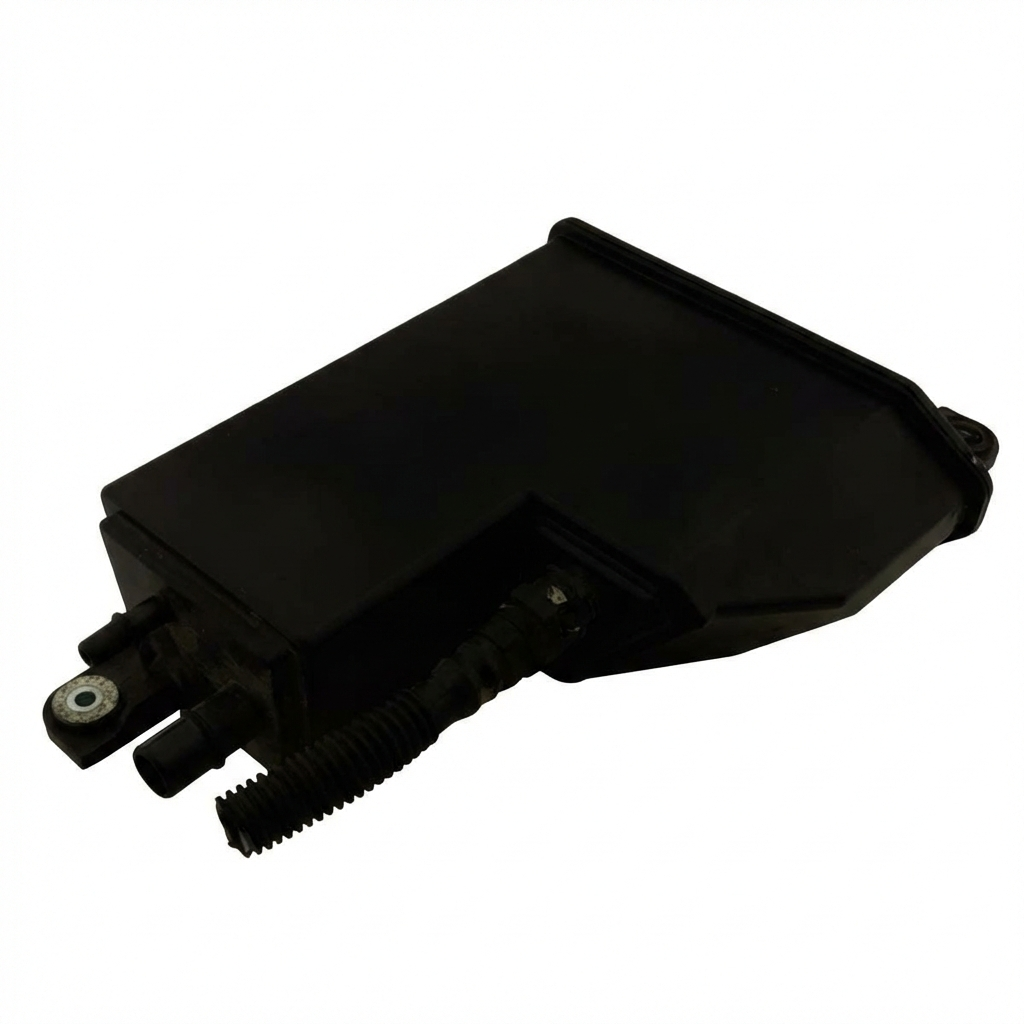
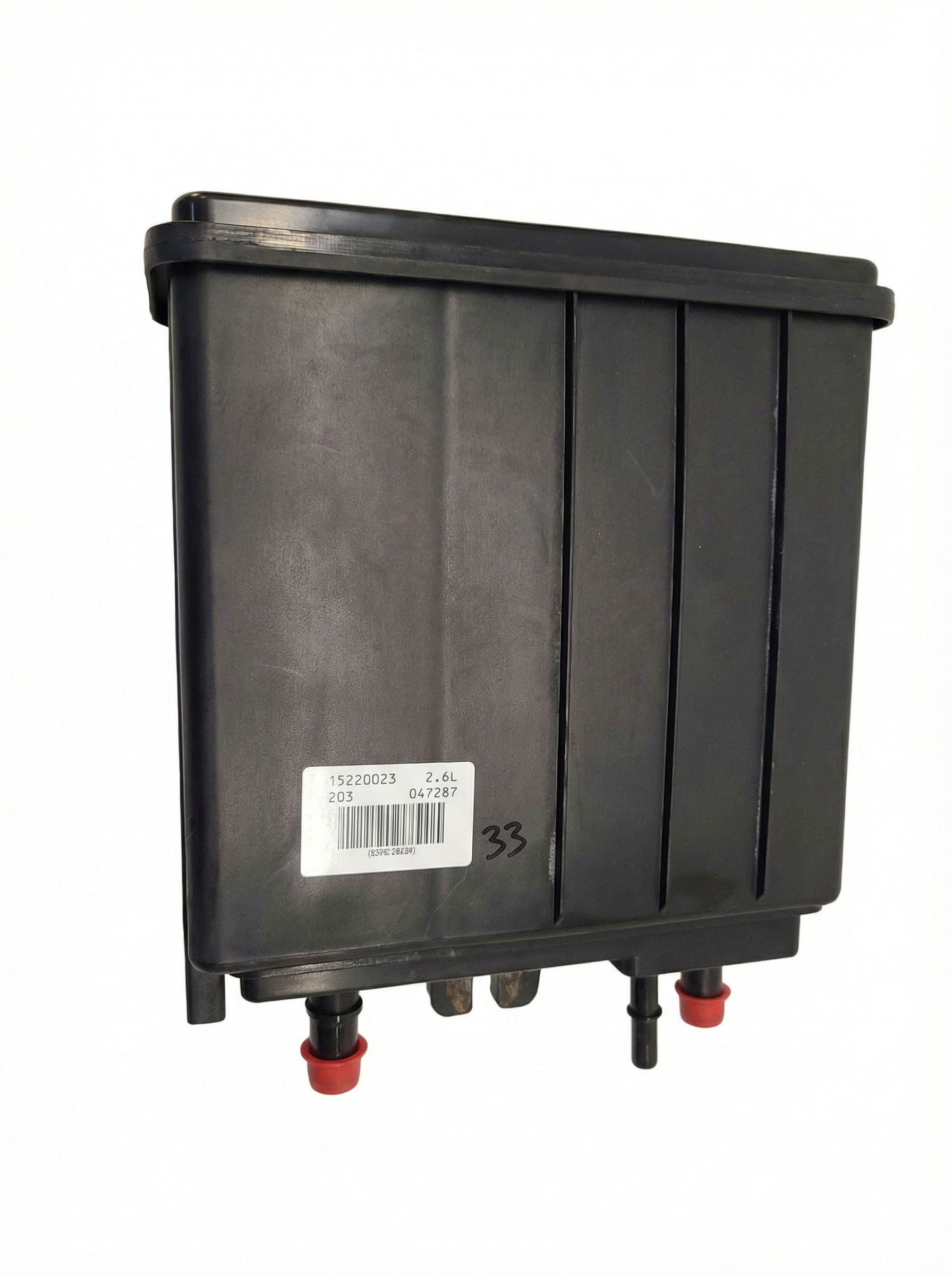
- Cracked EVAP Charcoal Canister: → Shop Vapor Canister The plastic body of the canister itself can develop a hairline crack, causing a leak that is often difficult to find without a smoke test. Sometimes this happens when charcoal pellets from a failing canister clog the system.
- Leaking Fuel Tank Pressure Sensor: → Shop Fuel Tank The sensor that monitors system pressure can fail, or the seal where it mounts to the fuel tank/pump module can leak. This sensor provides the data the ECM uses to detect the leak, and if it's faulty, it can give a false reading.
- Leaking Fuel Pump Module Gasket: → Shop Fuel Pump In a documented case on the Tahoe Yukon Forum, an owner chased a persistent P0442 code, replacing multiple EVAP parts to no avail. The final culprit was a leaky gasket on the fuel pump module, which sits on top of the gas tank. This required dropping the tank and performing a smoke test to finally identify.
Diagnosis Steps
- Check the Check Engine Light code with an OBD-II scanner to confirm P0442.
- Inspect the capless fuel filler neck. Ensure the flap moves freely and the sealing surface is clean and free of debris or rust.
- Per GM TSB 21-NA-124, begin with a visual inspection of all EVAP lines, ensuring they are properly installed and fully seated. Look for any signs of damage, cracks, or wear.
- If no obvious line damage is found, test the EVAP vent valve (near the fuel tank). It is normally open. Use a scan tool to command it closed and listen for a click. A smoke test is most effective here; with the valve commanded closed, no smoke should escape from it.
- If the vent valve is good, test the EVAP purge valve (on the engine). It is normally closed. With the engine off, remove it and try to blow through it; no air should pass. A faulty valve may allow air through or be stuck open, causing a long crank after refueling.
- If the valves test good and no visual issues are present, a professional smoke test is the next step. 🎬 Watch: How to perform a smoke test for small leaks. Connect a smoke machine to the EVAP service port and watch for smoke escaping from any part of the system (hoses, canister, filler neck, or fuel tank seals).
- Note the conditions for the EVAP self-test: The code often sets after a cold start when the fuel level is between 1/4 and 3/4 full. This can explain why the light appears intermittently.
Parts You'll Likely Need
- EVAP Canister Purge Valve
(OEM #12703198 (supersedes 12690512))— This is the most common part to fail for this code on GM trucks. It gets stuck open or closed, causing a leak in the system. A stuck-open valve is a primary cause of a long crank after filling the fuel tank.
Trusted brands: ACDelco, Dorman
OEM price range: $30-$50
Aftermarket price range: $20-$40 - EVAP Canister Vent Valve Solenoid
(OEM #23481275)— This valve is exposed to the elements under the truck and often fails by getting stuck open with dirt and debris, which the system detects as a leak. This part number is a widely used replacement for many previous versions.
Trusted brands: ACDelco, Dorman
OEM price range: $50-$70
Aftermarket price range: $30-$50
Related Codes That Often Appear With This One
- P0455 — P0455 indicates a large EVAP leak. If a component fails significantly (like a valve sticking wide open or a hose coming completely off), you may see both codes as the system tries to diagnose the fault.
- P0449 — This code specifically points to a fault in the EVAP vent valve solenoid circuit. If you see P0442 and P0449 together, the vent valve or its wiring is almost certainly the problem.
- P0496 — This code indicates 'EVAP Flow During a Non-Purge Condition,' which almost always points directly to a faulty purge valve that is stuck open or leaking when it should be closed.
Technical Service Bulletins (TSBs) & Recalls
- 21-NA-124: Provides diagnostic tips for finding EVAP leaks causing P0442 or P0455. It recommends a specific diagnostic order: 1) Inspect all EVAP lines for proper seating and damage. 2) Investigate for a malfunctioning (stuck open) vent valve. 3) Investigate for a malfunctioning purge valve.
Platform-Specific Known Issues
- The EVAP purge valve on the intake manifold is a known high-failure part, with some owners on the Tahoe Yukon Forum reporting having to replace it multiple times in a single year, citing poor quality control even on OEM parts.
- The capless fuel filler system can be sensitive to dirt and debris, preventing a proper seal and triggering this code.
Mechanic-Grade Diagnostic Values
- EVAP Purge Valve Solenoid Resistance — expected: 30 to 38 ohms (when engine is cool). Failure: A reading outside this range indicates a faulty solenoid coil.
- EVAP Vent Valve Solenoid Resistance — expected: 48 to 65 ohms. Failure: A reading outside this range, or infinite resistance (open circuit), points to a failed solenoid. Some forum users report functional valves testing around 20 ohms.
- Fuel Tank Pressure (FTP) Sensor Voltage — expected: Approximately 1.45-1.50V with Key On, Engine Off (KOEO) and the fuel cap removed (system at atmospheric pressure).. Failure: A sensor that is stuck at a specific voltage and does not change when vacuum is applied to the system can cause false leak codes.
Hidden / Shadow Codes Worth Checking
- Mode 6, Test ID $05: On some older GM Class 2 systems, Mode 6 data can provide raw test results for the EVAP system. A failed result under Test ID $05 could point towards the component that failed the leak test, though interpreting this data often requires specific manufacturer charts. (see via An advanced OBD-II scanner capable of displaying Mode 6 data.)
Scan Tool Commands That Help
- GDS2/Tech2: EVAP Service Bay Test — This is a comprehensive, guided test that commands the system to seal (by closing the vent valve) and then uses the purge valve to draw a vacuum, monitoring for decay. It's the dealer-level method to confirm a leak exists and test valve functionality.
- GDS2/Tech2 or high-end bidirectional scanner: Vent Valve Solenoid Activation Test — This command directly toggles the vent valve between open (venting) and closed (not venting). It's used to confirm if the solenoid is responding electrically (audible click) and sealing the system, which is critical before performing a smoke test.
- GDS2/Tech2 or high-end bidirectional scanner: Purge Valve Solenoid Activation — This command allows the technician to open and close the purge valve on command to check for an audible click and to see its effect on fuel trims or system pressure, helping to identify a sticky or non-responsive valve.
Wiring & Ground Locations
- G114 — Left rear of the engine.. This is a common ground point for several engine components. While not directly tied to the EVAP valves in all diagrams, a poor ground here can cause a variety of erratic sensor readings and module behavior, potentially leading to incorrect diagnoses.
- EVAP Vent Valve Connector — At the EVAP vent valve, near the charcoal canister by the spare tire.. Technicians report finding low voltage (e.g., 1.2V) on the ground side of the connector, indicating a wiring issue between the valve and its ground point. In other cases, the power wire coming from the underhood fuse block can be broken somewhere along the frame, causing a P0449 (circuit code) which can be related to a P0442.
Real Owner Repair Stories
- Tahoe Yukon Forum (Chevy Tahoe/GMC Yukon (platform equivalent)) — Persistent P0442 code that would set overnight.
❌ Tried (didn't work) Running bidirectional tests with a Tech-2 scanner, which showed no leak between the purge and vent valves.
✅ What actually fixed it The issue was intermittent and eventually accompanied by a P0452 (Fuel Tank Pressure Sensor) code. The owner concluded the FTP sensor was providing faulty starting values for the EVAP leak test, requiring the fuel tank to be dropped for replacement.
"I Checked Everything" — The Actual Cause
- A user on the ScannerDanner forum described a scenario where a smoke test (which uses pressure) might not find a leak, but the vehicle's self-test (which uses vacuum) fails. The cause can be a purge or vent valve that seals under pressure but leaks under the slight vacuum created by the EVAP self-test. The fix is to test the valves by applying a slight vacuum with a hand pump to see if they hold.
OEM Part Supersession History
Multiple (e.g., 10382080, 15893884, 25932566)→23481275— GM has consolidated numerous older part numbers for the EVAP vent valve into this single, widely used replacement part.
Heads up: This part number (23481275) is one of the most commonly replaced parts for EVAP codes on GM trucks and SUVs from this era. It has superseded at least 15 other part numbers.
Helpful Videos

Used OEM Parts in Stock
New Aftermarket Parts Available


The information in this article is provided for general reference and educational purposes only. Vehicle specifications, procedures, and part compatibility can vary by production date, trim level, and region. Always consult your vehicle's factory service manual and verify part numbers before purchasing or performing repairs. Safety-critical components such as airbags, seat belts, and braking systems should be installed by a qualified professional.
- Gmc YUKON DENALI:
- 🧭 Diagnostic Flowchart
- 🎬 Helpful Videos
- 🛍️ Shop This Part
- What's Unique About the 2015-2019 Gmc YUKON DENALI
- Symptoms You May Notice
- Most Likely Causes
- Rare But Worth Checking
- Diagnosis Steps
- Parts You'll Likely Need
- Related Codes That Often Appear With This One
- Technical Service Bulletins (TSBs) & Recalls
- Platform-Specific Known Issues
- Mechanic-Grade Diagnostic Values
- Hidden / Shadow Codes Worth Checking
- Scan Tool Commands That Help
- Wiring & Ground Locations
- Real Owner Repair Stories
- "I Checked Everything" — The Actual Cause
- OEM Part Supersession History
- 🎟️ Get 5% Off