

P0442 on 2015-2020 Nissan Pathfinder: EVAP Small Leak Causes and Fixes
For a 2015-2020 Nissan Pathfinder, code P0442 most often means you have a loose or faulty gas cap. Before buying any parts, tighten the cap until it clicks and clear the code. If it returns, the next most likely causes are a faulty EVAP vent control solenoid located at the rear of the vehicle on the charcoal canister, or a faulty purge valve in the engine bay.
- Always check the gas cap first. Make sure it's tight and the seal is intact before attempting any other repairs.
- Do not replace parts randomly. The most common fixes are the gas cap, the vent solenoid (rear of vehicle), or the purge valve (engine bay).
- A smoke test is the best way to find the leak if the gas cap isn't the issue.
- This code will not leave you stranded, but it will cause you to fail an emissions test.
- Use an OEM (original equipment manufacturer) gas cap if a replacement is needed, as aftermarket caps can sometimes cause the same code.
What's Unique About the 2015-2020 Nissan PATHFINDER
On the 2015-2020 Pathfinder, like most modern Nissans, the EVAP system is sensitive, and the manufacturer has issued several Technical Service Bulletins (TSBs) regarding leak codes like P0442. These bulletins emphasize that a loose fuel cap is a very common trigger and that specific diagnostic steps should be followed, rather than just replacing parts. The EVAP vent control solenoid, located at the rear of the vehicle on the charcoal canister, is also a frequent failure point due to its exposure to road debris and moisture, which can cause corrosion and failure of the valve or its electrical connector.
Diagnostic Flowchart
Tap your situation to follow the diagnostic path that matches what you're seeing on this vehicle.
Symptoms You May Notice
- Check Engine Light is on
- A faint smell of fuel (less common).
- Difficulty refueling (gas pump shuts off repeatedly), though this is more common with a faulty vent solenoid.
- A 'Loose Fuel Cap' warning message on the dashboard.
- Replacing the O2 sensors. Oxygen sensors are not part of the EVAP system and will not cause a P0442 code.
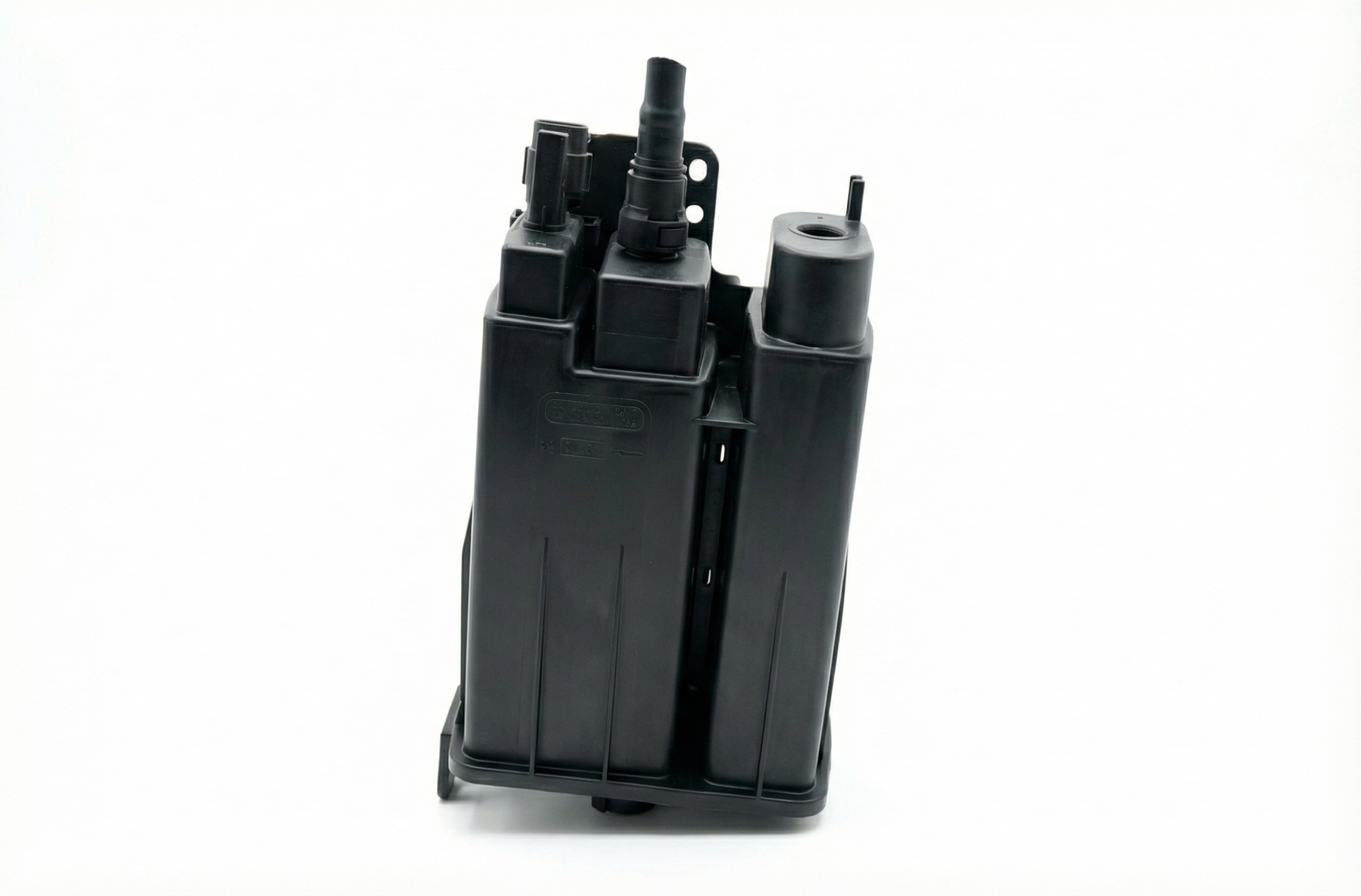
- Replacing the charcoal canister when only the vent valve is bad. The vent valve is often sold separately and is a much more common failure point than the entire canister assembly.
Most Likely Causes
- Loose or Faulty Gas Cap 🔴 High Probability → Shop Fuel Tank Cap Nissan TSBs NTB13-097J and NTB13-097g specifically call out a loose fuel filler cap as a primary cause for P0442 across all 2012+ models. The rubber O-ring on the cap can also wear out, crack, or become stiff over time, preventing a proper seal. Using a non-OEM cap can also cause sealing issues.
How to confirm: Ensure the gas cap is tightened until it clicks several times. Inspect the rubber seal on the cap for cracks, stiffness, or damage. Check the fuel filler neck for rust or debris on the sealing surface.
Typical fix: Tighten the cap, clear the code, and drive for a few days. If the code returns or the seal is bad, replace the gas cap with a new OEM part (Nissan P/N: 17251-3JA0A) to ensure a proper seal.
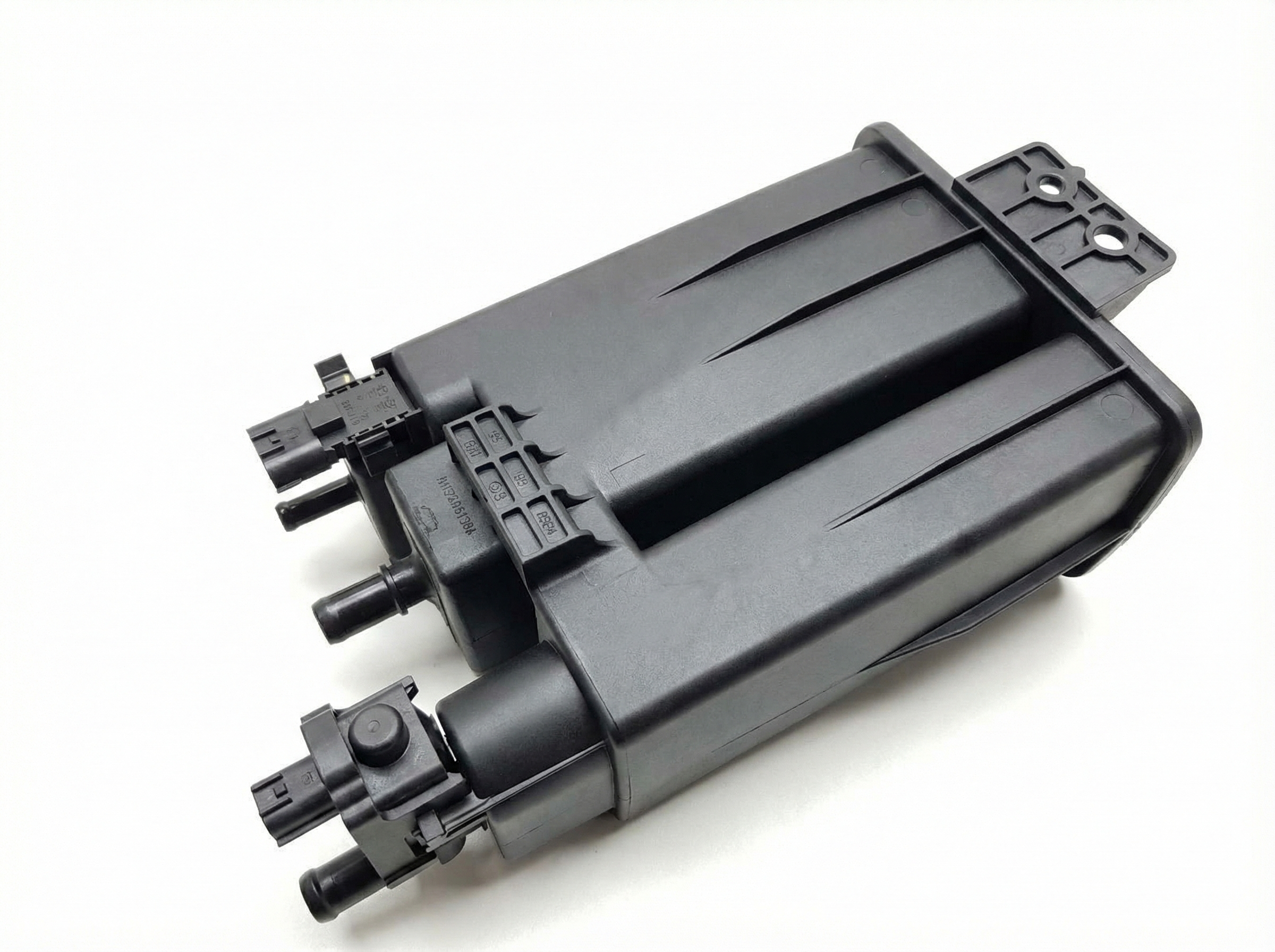
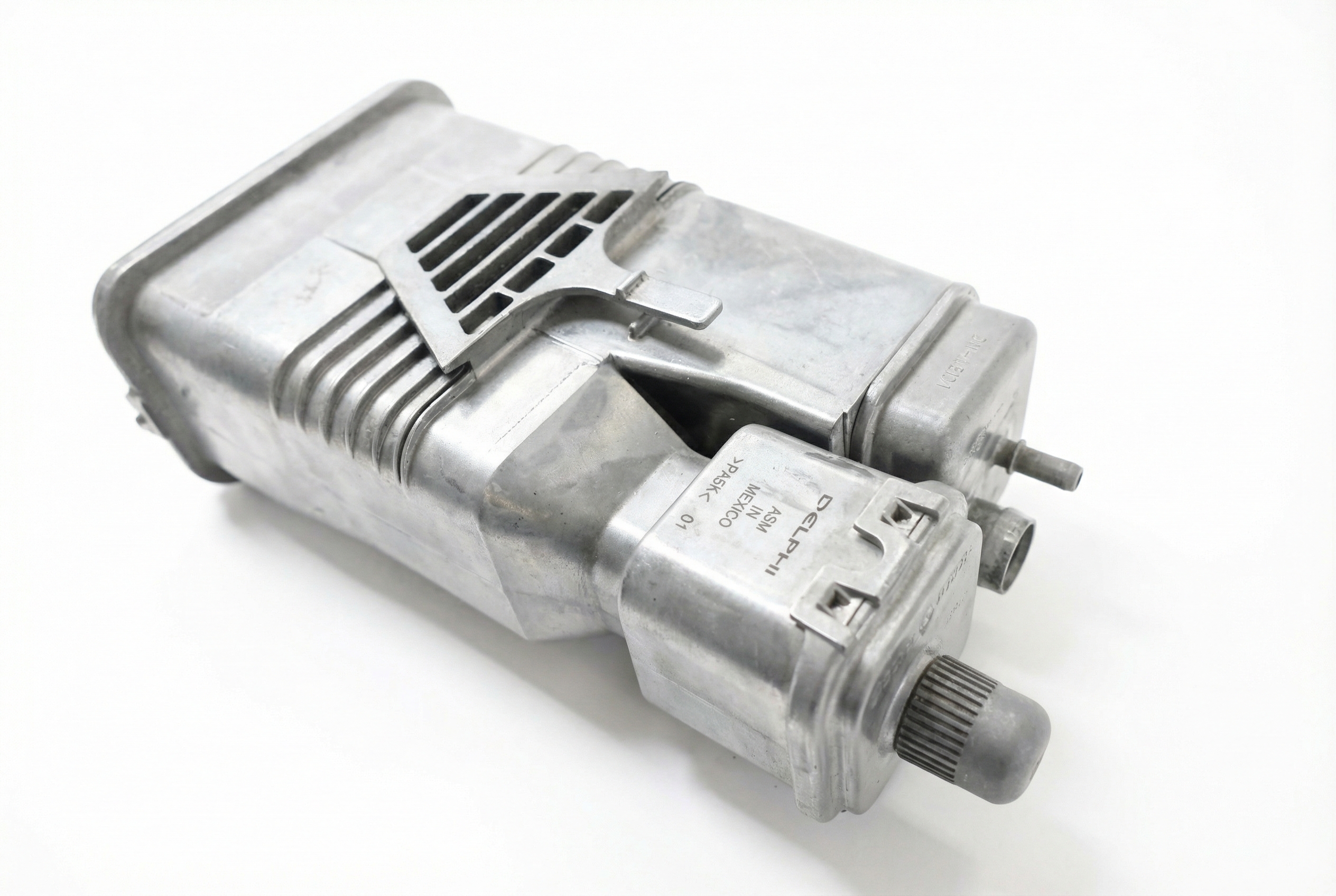
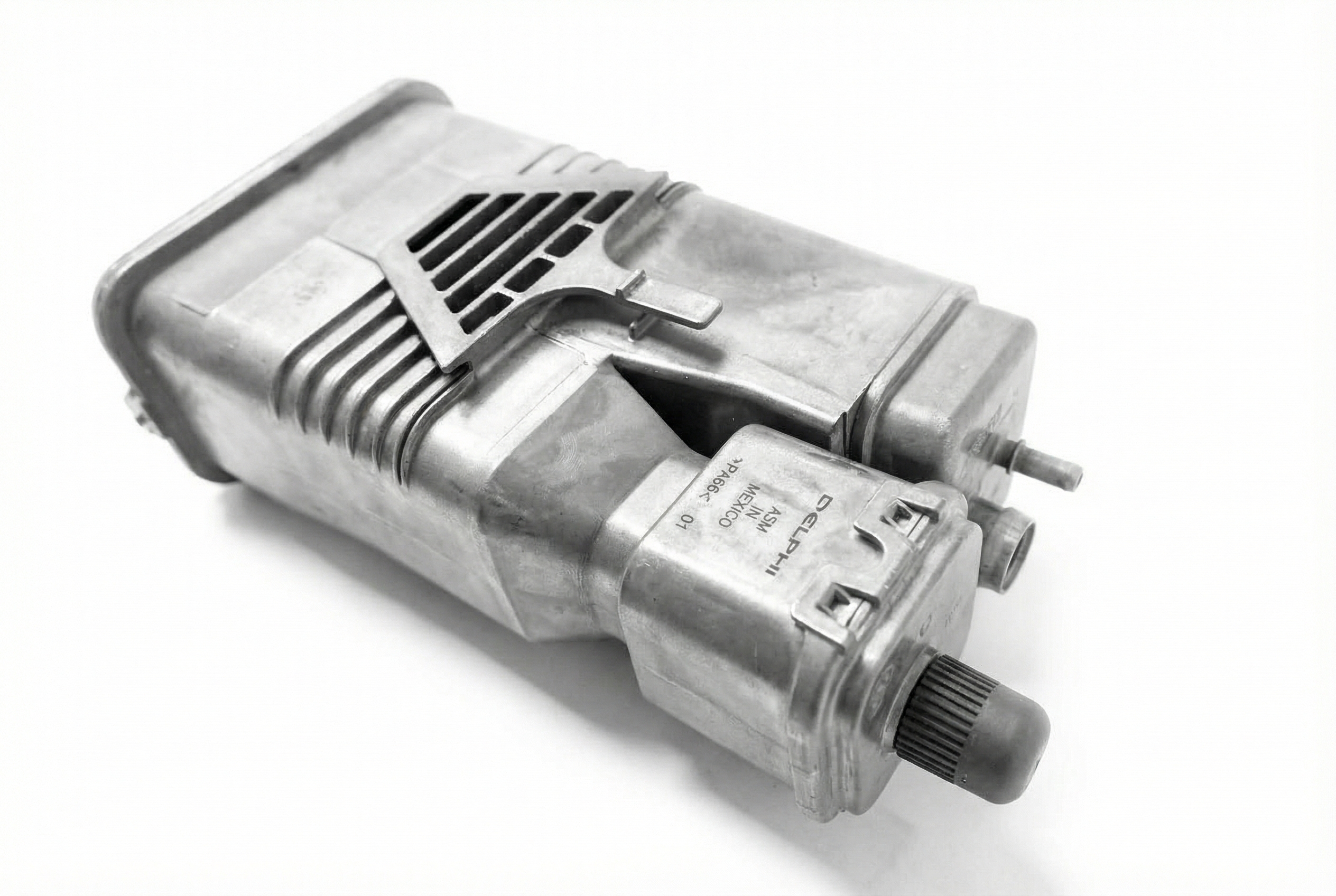
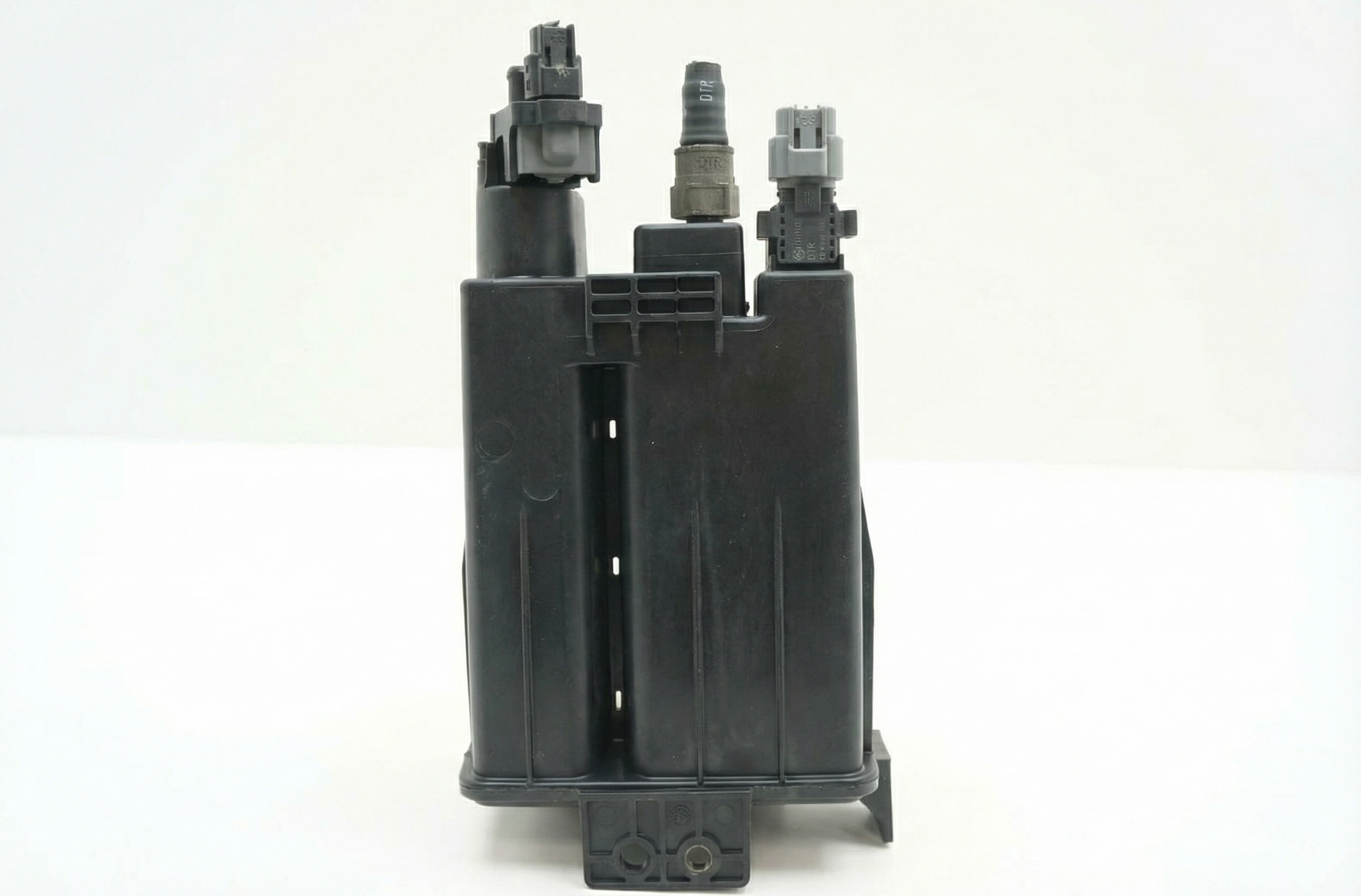
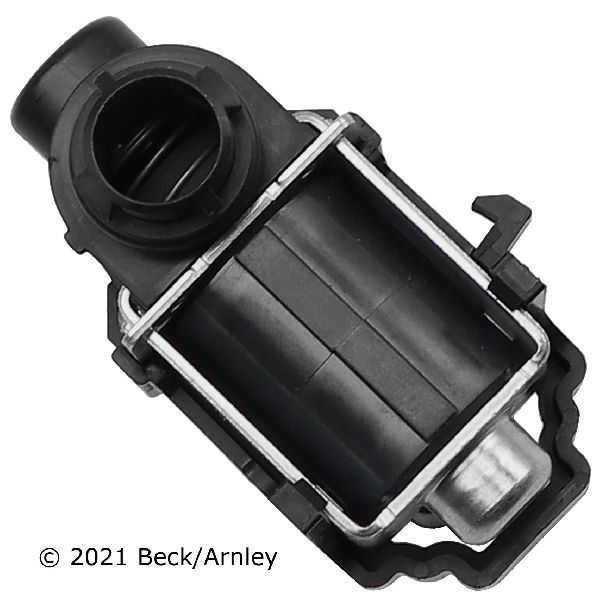
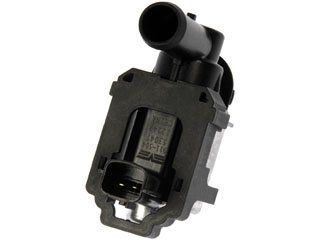
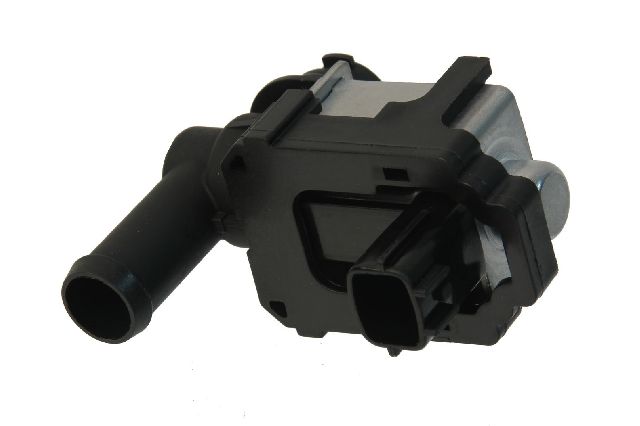
Est. part cost: $20-$40 - Faulty EVAP Vent Control Solenoid 🟡 Medium Probability → Shop Vapor Canister This solenoid is located on the EVAP canister behind the driver's side rear wheel, where it is exposed to road grime, water, and salt, leading to corrosion and failure. It can get stuck open or closed, causing a leak. TSB NTB17-082E specifically addresses leaks from the O-ring of this valve.
How to confirm: A mechanic can command the valve to open and close with a bi-directional scan tool and listen for a click. A DIY method is to apply 12V directly to the solenoid's pins to see if it actuates. A smoke test will definitively show a leak from this valve. Visually inspect the electrical connector for corrosion.
Typical fix: Replacement of the vent control solenoid. It twists into the charcoal canister, but the plastic locking tabs can become brittle and break during removal.
Est. part cost: $35-$90 - Faulty EVAP Canister Purge Volume Control Solenoid 🟡 Medium Probability → Shop Vapor Canister This valve is located in the engine bay and controls the flow of fuel vapors from the canister to the engine. It can fail by sticking partially open, creating a constant small leak path that the system detects during self-tests.
How to confirm: With the engine off, disconnect the hose from the valve that leads to the intake manifold and see if you can blow through it or if it holds a vacuum with a hand pump; it should be closed when not powered. A professional smoke test will also identify a leaking purge valve.
Typical fix: Replace the purge control solenoid. This is generally an easy repair with two bolts and two hose connections on top of the engine.
Est. part cost: $40-$100 - Cracked or Disconnected EVAP Hoses ⚪ Low Probability Over time, the rubber and plastic hoses that make up the EVAP system can become brittle and crack, especially at connection points or where they are exposed to the elements under the vehicle.
How to confirm: Visually inspect all accessible EVAP lines running from the engine bay to the fuel tank area. A smoke test is the most effective way to find a small crack that isn't visible.
Typical fix: Replace the cracked section of hose or re-secure the connection.
Est. part cost: $10-$50
Rare But Worth Checking
- Leaking Charcoal Canister: → Shop Vapor Canister The plastic housing of the canister itself can develop hairline cracks from debris impact or age. It can also become saturated with fuel from repeatedly overfilling the gas tank, which can damage it internally and cause various EVAP codes.
- Cracked Fuel Filler Neck: → Shop Fuel Filler Neck Rust or physical damage can cause a small crack in the metal pipe leading to the gas tank, which will cause a leak that is very difficult to spot without a smoke test.
Diagnosis Steps
- Read the code with an OBD-II scanner to confirm P0442 is present.
- Inspect the gas cap. Remove it, check the seal for damage, and reinstall it, ensuring it clicks multiple times. If the seal is suspect, replace it with an OEM cap.
- Clear the code with the scanner and drive the vehicle for a few days to see if the Check Engine Light returns. Per Nissan TSBs, a test drive is not an effective way to confirm the repair; the EVAP monitor runs under specific conditions.
- If the light returns, perform a visual inspection of all accessible EVAP hoses and lines between the engine bay and the fuel tank. Look for obvious cracks, damage, or loose connections.
- Locate the EVAP vent control solenoid on the charcoal canister, behind the driver's side rear wheel. Check its electrical connector for corrosion and ensure it's secure.
- Locate the EVAP purge valve in the engine bay. Check its connections and test if it's stuck open.
- If no obvious issues are found, the most effective next step is to have a professional perform a smoke test. This involves injecting pressurized smoke into the EVAP system to pinpoint the exact location of the leak. This service typically costs between $100-$200.
Parts You'll Likely Need
- Fuel Filler Cap
(OEM #17251-3JA0A)— This is the most common cause of P0442, as confirmed by Nissan's own service bulletins. The seal wears out over time.
Trusted brands: Nissan OE
OEM price range: $25-$40
Aftermarket price range: $15-$25 - Vapor Canister Vent Solenoid
(OEM #14935-JF02C)— A very common failure item on Pathfinders due to its exposed location. It gets stuck or fails electronically, causing a leak. This part number supersedes several previous versions.
Trusted brands: Bosch, Delphi, Hitachi, Nissan OE
OEM price range: $70-$110
Aftermarket price range: $35-$90 - Vapor Canister Purge Solenoid / Valve
(OEM #14935-JF00B)— This valve in the engine bay controls vapor flow and can stick open, creating a leak path. Note that several part numbers exist, but this is a common replacement.
Trusted brands: Denso, Dorman, Nissan OE
OEM price range: $80-$120
Aftermarket price range: $40-$70
Related Codes That Often Appear With This One
- P0456 — P0456 indicates a 'Very Small Leak'. These codes are very similar, and a leak on the borderline of the computer's threshold may trigger one or the other, or both. It's common to see them together.
- P0455 — P0455 indicates a 'Gross Leak'. While less common to see with P0442, a component that is failing intermittently, like a sticking vent valve, could cause the computer to detect different leak sizes at different times.
Technical Service Bulletins (TSBs) & Recalls
- NTB13-097J: EVAP LEAK DTC P0442, P0455, P0456 INFORMATION (dated 2022-02-07). This is the most recent version, confirming the issue applies to newer models and reiterating the diagnostic procedure.
- NTB13-097g: ALL MODEL YEAR 2012 AND NEWER NISSAN VEHICLES; EVAP LEAK DTC P0442, P0455, P0456 INFORMATION (dated 2019-01-29). An earlier version of the same bulletin.
- NTB17-082E: DTC P0456 CAUSED BY EVAP LEAK AT VENT CONTROL VALVE O-RING. This TSB is for a related code but highlights a known failure point (the vent valve O-ring) that can also cause a P0442.
Platform-Specific Known Issues
- Nissan has issued multiple versions of a Technical Service Bulletin (NTB13-097) for P0442, P0455, and P0456 codes on all 2012 and newer vehicles. The bulletin strongly advises checking the fuel cap first and provides a specific diagnostic flowchart for technicians to follow, warning that simply test-driving the vehicle is a waste of time for this issue.
- Another TSB, NTB17-082E, specifically points to the O-ring on the vent control valve as a source for P0456 (very small leak), which is closely related to P0442 and indicates the valve's susceptibility to leaks.
Mechanic-Grade Diagnostic Values
- EVAP Canister Purge Valve Resistance — expected: 20 - 50 Ohms (approximate, typical value). Failure: A reading far outside this range, or an open circuit (infinite resistance), indicates a failed internal coil.
- EVAP Vent Control Solenoid Resistance — expected: 20 - 50 Ohms (typical range). Failure: A reading outside this range suggests the solenoid's internal coil is faulty. An open or shorted reading confirms failure.
- EVAP Vent Control Solenoid Power Supply — expected: 12V (Battery Voltage) at the power supply wire with the ignition ON. Failure: No voltage indicates a wiring issue, blown fuse, or problem with the power distribution module. The ECU controls the valve via the ground side.
Scan Tool Commands That Help
- Nissan CONSULT or advanced bidirectional scanner: EVAP System Leak Test / Activation Test — This function allows a technician to command the EVAP vent and purge solenoids to open or close, which is essential for sealing the system to perform a smoke test or pressure test without manually accessing and powering the components.
- Nissan CONSULT or advanced bidirectional scanner: Vent Valve Control — Used to manually close the normally-open vent valve. This seals the EVAP system, allowing a smoke machine to build pressure and reveal leaks. It also simultaneously tests if the vent valve is responding to the command.
Real Owner Repair Stories
- NPORA Forums User (2012 Nissan Pathfinder (R51, similar EVAP principles)) — P0456 (Very Small Leak) followed by P0442 (Small Leak).
❌ Tried (didn't work) Replaced gas cap with OEM part., Performed a smoke test which showed no visible leaks., Bench-tested the vent control solenoid (it clicked with 12V)., Bench-tested the purge control valve (it held vacuum).
✅ What actually fixed it The user suspected the plastic clip holding the vent control valve into the canister was not providing enough sealing force for the O-ring, even though the valve itself seemed to function. The final resolution was not posted, but the focus on the quality of the seal rather than just the part's function is a key insight for a smoke-test-negative scenario.
"I Checked Everything" — The Actual Cause
- In a documented case on a similar Nissan platform, a user passed a smoke test and confirmed both the purge and vent valves actuated correctly when tested off the vehicle. The P0442/P0456 codes kept returning. The user noted that while the vent valve clicked, the plastic clip holding it in the charcoal canister was weak, suggesting the O-ring seal was insufficient under real-world vacuum/pressure even though it didn't leak smoke under a low-pressure test. This points to an intermittent mechanical seal failure at the vent valve O-ring that a static smoke test can miss.
OEM Part Supersession History
14935-JF00A, 14935-JF00B, 14935-JF00C, 14935-JF00D, 14935-JF00E, 14935-JF01B, 14935-JF01C→14935-JF02C— These are previous versions of the EVAP Vent Control Solenoid. The newest part number reflects design updates for improved reliability.
Heads up: The part is listed as non-reusable, meaning once it is removed from the canister, it should be replaced with a new one to ensure a proper seal.
Helpful Videos
Used OEM Parts in Stock

New Aftermarket Parts Available


The information in this article is provided for general reference and educational purposes only. Vehicle specifications, procedures, and part compatibility can vary by production date, trim level, and region. Always consult your vehicle's factory service manual and verify part numbers before purchasing or performing repairs. Safety-critical components such as airbags, seat belts, and braking systems should be installed by a qualified professional.
- Nissan PATHFINDER:
- 🧭 Diagnostic Flowchart
- 🎬 Helpful Videos
- 🛍️ Shop This Part
- What's Unique About the 2015-2020 Nissan PATHFINDER
- Symptoms You May Notice
- Most Likely Causes
- Rare But Worth Checking
- Diagnosis Steps
- Parts You'll Likely Need
- Related Codes That Often Appear With This One
- Technical Service Bulletins (TSBs) & Recalls
- Platform-Specific Known Issues
- Mechanic-Grade Diagnostic Values
- Scan Tool Commands That Help
- Real Owner Repair Stories
- "I Checked Everything" — The Actual Cause
- OEM Part Supersession History
- 🎟️ Get 5% Off