

P0442 on 2006 Pontiac Pursuit: EVAP Small Leak Causes and Fixes
For a 2006 Pontiac Pursuit, a P0442 code almost always points to a loose or faulty gas cap. If tightening or replacing the cap (around $25) doesn't solve it, the next most common culprits are the EVAP purge or vent solenoids, which can cost between $30 and $80. These vehicles are known for these specific failures.
- P0442 indicates a small leak in the EVAP emissions system.
- Always check the gas cap first; make sure it's tight and the seal is in good condition. This is the most common and cheapest fix.
- If the gas cap isn't the issue, the EVAP purge valve (on the engine) or the vent valve (near the gas tank) are the next most likely culprits.
- While you can drive with this code, your car will not pass an emissions inspection.
- A professional smoke test is the fastest and most accurate way to find the leak if it's not obvious.
What's Unique About the 2006-2006 Pontiac PURSUIT
The 2006 Pontiac Pursuit is the Canadian-market version of the Chevrolet Cobalt, sharing the same GM Delta platform. This platform also includes the Pontiac G5 and Saturn Ion. On these vehicles, the P0442 code is a very common issue. While the gas cap is the number one cause, the plastic EVAP purge and vent solenoids are well-known failure points that become brittle and leak over time. Many owners strongly recommend using only genuine OEM gas caps, as aftermarket versions are a frequent source of sealing problems.
Diagnostic Flowchart
Tap your situation to follow the diagnostic path that matches what you're seeing on this vehicle.
Symptoms You May Notice
- Check Engine Light is on.
- A faint fuel smell may be noticeable, especially near the gas cap, in a garage, or even through the A/C vents at idle.
- Difficulty starting the car immediately after refueling (if the purge valve is stuck open).
- A "Check Gas Cap" message may appear on the Driver Information Center (DIC).
- Replacing the charcoal canister when the leak is actually in a connected solenoid or hose.
- Replacing the fuel tank pressure sensor, which typically sets its own specific codes (e.g., P0452, P0453) if it fails.
- Immediately replacing the purge valve without first checking the gas cap, which is the most common and cheapest fix.
Most Likely Causes
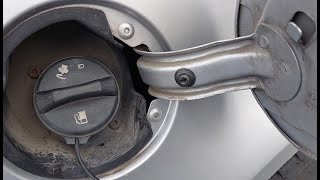
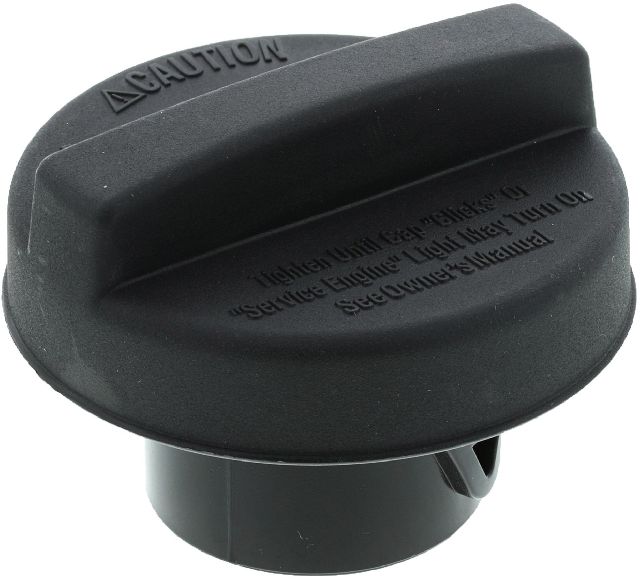
- Loose or Faulty Gas Cap 🔴 High Probability → Shop Fuel Tank Cap This is the most common cause for any EVAP leak code on any vehicle. The rubber seal on the cap can crack, dry out, or get dirty, preventing a proper seal. On the Cobalt/Pursuit platform, many owners report that aftermarket gas caps, especially locking ones, fail to seal properly and recommend using only an OEM ACDelco cap.
How to confirm: Ensure the gas cap is tightened until it clicks several times. Inspect the rubber O-ring on the cap for any cracks, stiffness, or debris. Clean the cap and the fuel filler neck where the seal makes contact. If the cap's tether is broken, it's a good sign the cap is old and may need replacement.
Typical fix: If tightening the cap doesn't work, replace it with a new, high-quality OEM-equivalent cap (ACDelco GT288). Aftermarket caps are a known cause of this code on this platform.
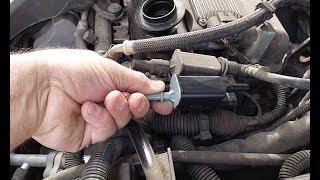
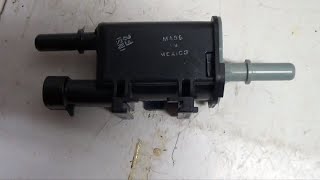
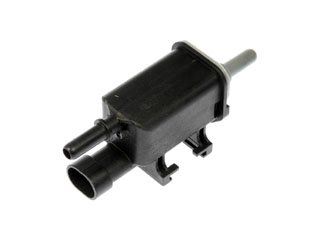
Est. part cost: $15-$35 - EVAP Purge Valve Solenoid Failure 🟡 Medium Probability → Shop Vapor Canister This plastic valve, located on the engine intake manifold, is a frequent failure point on GM vehicles of this era. It can get stuck open or closed, creating a leak in the system. A stuck-open valve allows un-metered fuel vapor into the engine, which can cause rough running and hard starts after refueling.
How to confirm: With the engine off, remove the valve and try to blow through it; it should be closed and not allow air to pass. A stuck-open valve is a definitive failure. A scan tool can also be used to command the valve to open and close to check for an audible click. A DIY video for the Chevy Cobalt shows the exact location and replacement process.
Typical fix: Replacement of the purge valve solenoid. This is a relatively easy DIY job located on top of the engine.
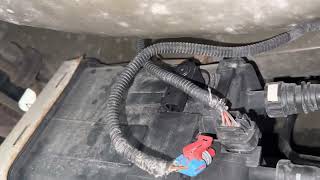
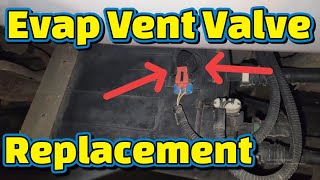
Est. part cost: $30-$70 - EVAP Vent Valve Solenoid Failure 🟡 Medium Probability → Shop Vapor Canister Located near the charcoal canister by the fuel tank, this valve can get stuck open due to dirt, dust, or internal failure, preventing the system from sealing during its self-test. Its location under the car makes it susceptible to road grime.
How to confirm: This valve is normally open and closes when commanded by the ECM during a test. A professional smoke test is the most effective way to confirm a leak at the vent valve. Sometimes a P0449 code, which specifically points to the vent valve circuit, will accompany the P0442.
Typical fix: Replace the vent valve solenoid. Accessing it requires safely raising the rear of the vehicle. On some models, the wiring harness for the replacement part may be different, requiring an adapter.
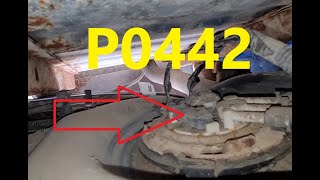
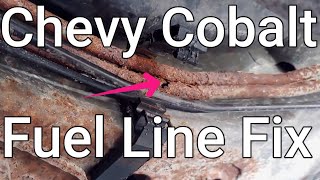
Est. part cost: $40-$80 - Cracked or Disconnected EVAP Hoses ⚪ Low Probability Over time, the rubber and plastic hoses that make up the EVAP system can become brittle, dry rot, and develop small cracks. A common failure point on the Cobalt/Pursuit is the EVAP line that runs along the fuel lines, which can rust through where it is shielded by heat tape near the rear wheel.
How to confirm: Visually inspect all accessible EVAP lines running from the gas tank, to the charcoal canister, and up to the engine bay. Pay special attention to the lines near the left rear wheel, cutting away the heat shielding if necessary to inspect for rust and swelling. A smoke test is the most reliable method to find a small hose leak.
Typical fix: Replace the cracked or rusted section of hose or the entire hose assembly. Aftermarket kits are available for the known rusty line issue.
Est. part cost: $10-$100
Rare But Worth Checking
- Cracked Charcoal Canister: → Shop Vapor Canister The canister itself can develop hairline cracks, especially if the vehicle has been exposed to harsh road conditions or debris. A smoke test is the best way to identify a leak from the canister body.
- Leaking Fuel Filler Neck: → Shop Fuel Filler Neck Rust and corrosion around the fuel filler neck can create small holes that allow vapor to escape. This is more common in regions that use road salt. One Cobalt owner reported that after replacing the gas cap and purge valve, the P0442 code was finally fixed by replacing a badly corroded fuel filler neck.
Diagnosis Steps
- Check the Gas Cap: This is the number one cause. Ensure it is tight and clicks. Remove it and inspect the seal for cracks or damage. Clean the seal and filler neck. Many owners recommend replacing it with a genuine OEM cap (ACDelco) as the first step, as aftermarket caps are a known issue. Clear the code and drive for a few days to see if it returns.
- Visual Inspection: Carefully inspect all visible EVAP hoses in the engine bay and under the car near the fuel tank for obvious cracks, disconnections, or damage. Pay close attention to the metal EVAP line that runs alongside the fuel lines near the driver's side rear wheel, as they are known to rust under the heat shield on this platform.
- Inspect Purge Valve: Locate the purge valve on the engine. A key symptom of a failed-open purge valve is difficulty starting the engine right after refueling. You can test it by removing it and trying to blow through it; it should be sealed when not energized.
- Inspect Vent Valve: Locate the vent valve near the charcoal canister at the rear of the vehicle. Check for dirt or debris that might be holding it open. It is normally open and should close when voltage is applied.
- Perform a Smoke Test: This is the most definitive diagnostic step. A smoke machine forces low-pressure smoke into the EVAP system via a service port, often near the purge valve. Smoke will exit from the location of any leak, making it easy to pinpoint the faulty component or hose. The NHTSA TSB PIT4943D specifically refers to using an "Evaporative Emissions System Tester," which is a smoke machine, for this diagnosis.
Parts You'll Likely Need
- Vapor Canister Purge Valve
(OEM #12597567)— This is a very common failure point on the 2.2L Ecotec engine. It gets stuck, causing a constant small leak. Fitment is confirmed for the 2005-2006 Pontiac Pursuit.
Trusted brands: ACDelco (GM Genuine), Dorman (911-032), Standard Motor Products (CP471)
OEM price range: $40-$60
Aftermarket price range: $25-$45 - Vapor Canister Vent Solenoid
(OEM #25932571)— Located near the fuel tank, this valve fails by getting stuck open, often due to dirt ingress, preventing the system from sealing. This part is shared with many other GM vehicles.
Trusted brands: ACDelco (214-2149), Dorman (911-238)
OEM price range: $50-$80
Aftermarket price range: $40-$60 - Fuel Tank Cap
(OEM #GT288)— The seal on the gas cap is the most common and simplest cause of a P0442 code. An OEM-spec cap is highly recommended for a reliable seal, as aftermarket caps are a known problem on this platform.
Trusted brands: ACDelco (GM Genuine), Gates
OEM price range: $20-$35
Aftermarket price range: $15-$25
Related Codes That Often Appear With This One
- P0455 — A large leak was detected. Sometimes a component failure can initially register as a small leak (P0442) and then worsen to a large leak (P0455), or a loose gas cap can trigger either code depending on the seal.
- P0449 — This code specifically points to a fault in the EVAP vent valve solenoid circuit, which can accompany a P0442 if the valve is the source of the leak.
Technical Service Bulletins (TSBs) & Recalls
- PIT4943D: Advises technicians to use an Evaporative Emissions System Tester (smoke machine) by following a specific Techlink article from May 2013 to properly diagnose DTC P0442. This confirms a smoke test is the manufacturer-approved method for finding the leak source.
Platform-Specific Known Issues
- Rusted EVAP Line Under Heat Shield: A well-documented issue on CobaltSS.net involves the metal EVAP line (and fuel lines) rusting out where they are covered by a silver heat tape/shield, just in front of the driver's side rear wheel. This can cause a small, hard-to-find leak. Owners recommend cutting off the shield to inspect the lines if other common causes have been ruled out.
Mechanic-Grade Diagnostic Values
- Fuel Tank Pressure (FTP) Sensor Voltage — expected: Approximately 1.5V with the gas cap off (at atmospheric pressure). Similar GM systems operate in a 1.3V to 1.7V range.. Failure: A voltage stuck high near 4.8V-5.0V or low near 0V indicates a sensor or wiring fault. A 2006 Cobalt with a faulty sensor read 4.80V.
Scan Tool Commands That Help
- Tech2 / Professional Scan Tool: EVAP Vent Valve Control (or System Seal) — This command is used to close the normally-open vent solenoid. This is a required first step before performing a smoke test to ensure the system is sealed. If the system fails to hold pressure after commanding the valve closed, the vent valve itself may be faulty.
- Tech2 / Professional Scan Tool: EVAP Purge Valve Control — This command allows you to manually open and close the normally-closed purge valve. You can use this to check for an audible click from the solenoid, indicating it is activating. It can also be used with a smoke machine to confirm if the valve is leaking when it is commanded closed.
Wiring & Ground Locations
- G101 — Located at the front of the engine, on the lower block.. This is a primary ground location for the Engine Control Module (ECM). A poor connection at G101 could cause erratic behavior from the ECM, which is responsible for operating the EVAP system components and interpreting sensor data.
"I Checked Everything" — The Actual Cause
- If a comprehensive smoke test is performed with the vent solenoid correctly sealed and no smoke is seen leaking from any lines, the canister, the filler neck, or the gas cap, the most likely cause is a faulty EVAP purge valve. The purge valve can leak internally, allowing smoke (or fuel vapor) to be drawn into the engine's intake manifold where it will not be visible externally. The valve is normally closed and should not allow any air or smoke to pass through when the engine is off.
OEM Part Supersession History
12597567 (Purge Valve)→12735397— Standard part evolution and consolidation.
Heads up: The original part number also replaces several older numbers, including 12606684, 12597566, and 12570469.25932571 (Vent Solenoid)→This part number itself replaces 10382105, 15750484, and 22728634.— Part redesign and consolidation.
Heads up: CRITICAL: Some parts distributors note that this part has been redesigned and may not be correct for all original applications. It is highly recommended to verify the correct part number with a VIN before purchasing to avoid fitment or function issues.
Helpful Videos
Used OEM Parts in Stock
New Aftermarket Parts Available


The information in this article is provided for general reference and educational purposes only. Vehicle specifications, procedures, and part compatibility can vary by production date, trim level, and region. Always consult your vehicle's factory service manual and verify part numbers before purchasing or performing repairs. Safety-critical components such as airbags, seat belts, and braking systems should be installed by a qualified professional.
- Pontiac PURSUIT:
- 🧭 Diagnostic Flowchart
- 🎬 Helpful Videos
- 🛍️ Shop This Part
- What's Unique About the 2006-2006 Pontiac PURSUIT
- Symptoms You May Notice
- Most Likely Causes
- Rare But Worth Checking
- Diagnosis Steps
- Parts You'll Likely Need
- Related Codes That Often Appear With This One
- Technical Service Bulletins (TSBs) & Recalls
- Platform-Specific Known Issues
- Mechanic-Grade Diagnostic Values
- Scan Tool Commands That Help
- Wiring & Ground Locations
- "I Checked Everything" — The Actual Cause
- OEM Part Supersession History
- 🎟️ Get 5% Off