

P0443 on 2015-2019 Hyundai Sonata: EVAP Purge Valve Circuit Causes and Fixes
On a 2015-2019 Sonata, P0443 almost always points to a failed canister purge valve. This is an easy and affordable DIY fix, with the part typically costing between $30 and $70. The most common OEM part numbers are 28910-2E000 and 28910-3C200.
- P0443 is an electrical circuit code, not a system leak code; do not replace the gas cap.
- The most common cause is a failed canister purge valve solenoid, which is a simple and inexpensive DIY replacement.
- A key symptom pointing to a bad purge valve is difficulty starting the engine immediately after refueling.
- Always test the valve's resistance (should be 15-30 ohms) and check for voltage at the connector before replacing parts.
What's Unique About the 2015-2019 Hyundai Sonata
The 2015-2019 Hyundai Sonata (LF generation) uses a common and relatively simple EVAP system design. Like many modern vehicles, the canister purge valve is a frequent failure point. The good news for owners is that on both the 2.4L and 2.0T Sonata engines from this era, the valve is located in a very accessible spot on or near the intake manifold, making it one of the more straightforward DIY repairs.
Symptoms You May Notice
- Check Engine Light is on
- Slightly rough idle
- Difficulty starting the engine, especially right after refueling. 🎬 See why a bad valve causes starting issues after fueling.
- Slight decrease in fuel economy.
- A faint fuel odor.
- Replacing the gas cap. P0443 is an electrical circuit code, not an EVAP leak code (like P0455 or P0456). A bad gas cap will not cause P0443.
Most Likely Causes
- Faulty Canister Purge Valve (Solenoid) 🔴 High Probability → Shop Vapor Canister The internal coil of the solenoid can fail over time due to heat and vibration, creating an open or shorted circuit. This is a very common failure mode for this part across many Hyundai/Kia platforms.
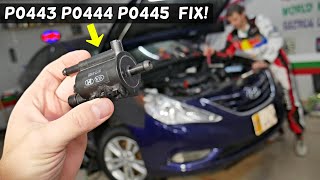
How to confirm: Unplug the valve and measure the resistance between its two electrical pins 🎬 Watch: How to test and fix P0443 circuit codes. using a multimeter. A healthy valve should read between 15 and 30 ohms. A reading of infinite resistance (open) or near-zero resistance (short) indicates a bad valve. You can also apply 12V directly to the pins; a healthy valve will make an audible click.
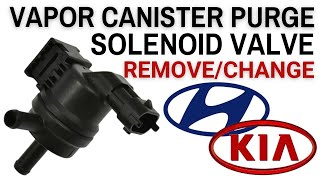
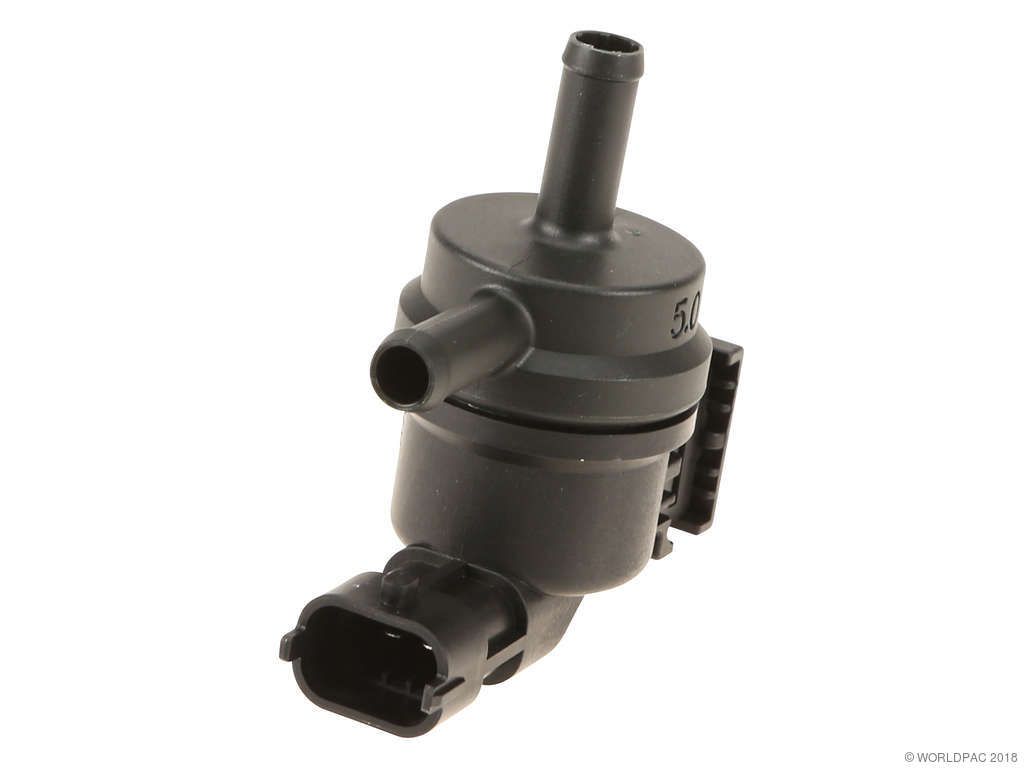
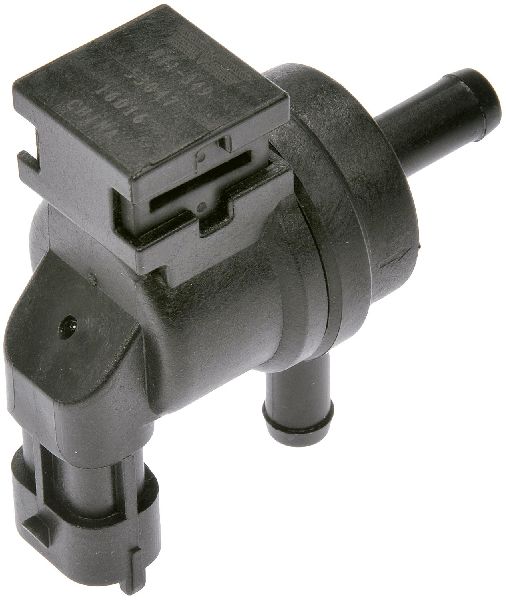
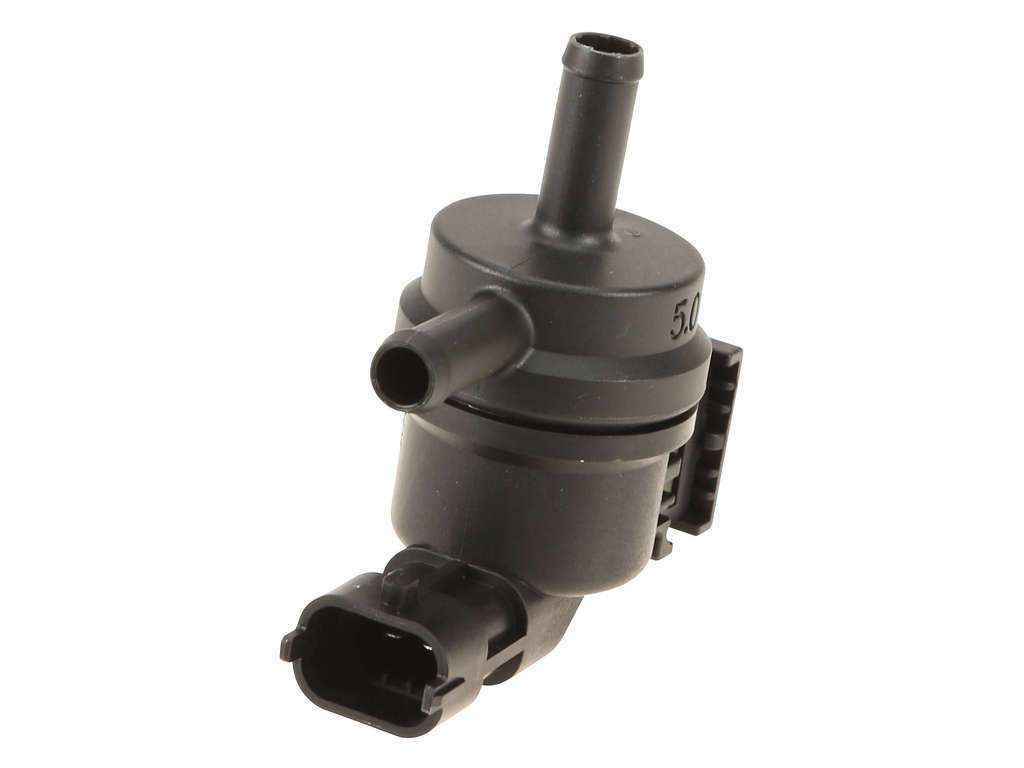
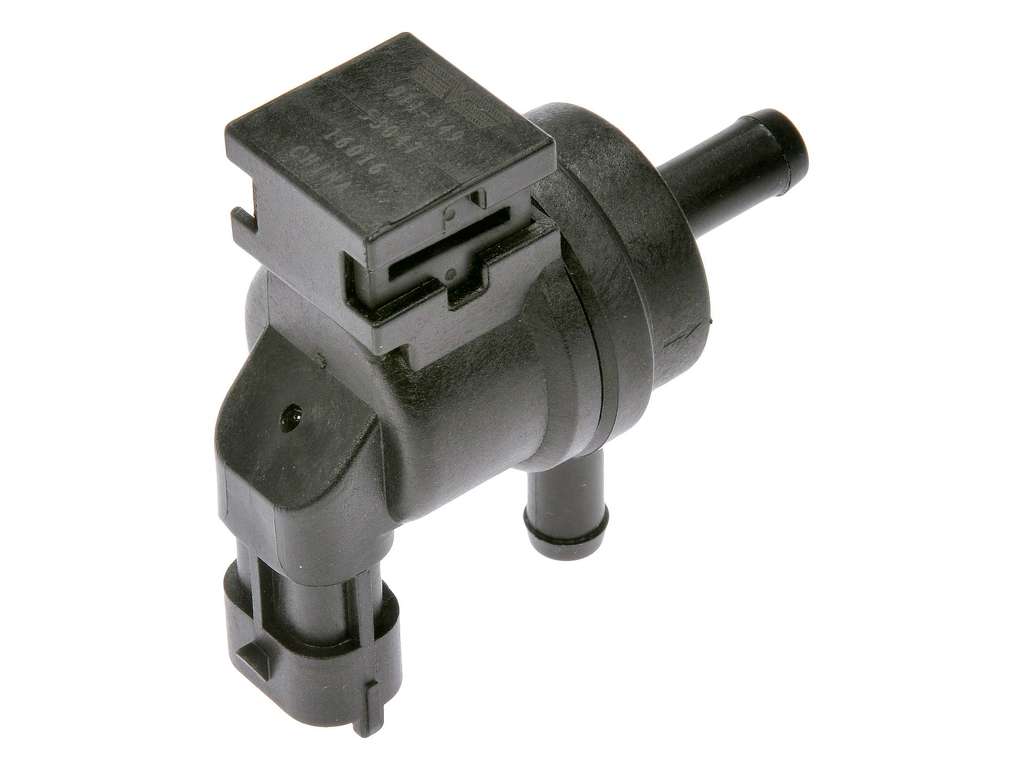
Typical fix: Replace the canister purge valve. It is typically mounted on the engine's intake manifold with two small bolts and has one electrical connector and two hoses attached.
Est. part cost: $30-$70 - Damaged Wiring or Connector 🟡 Medium Probability The wiring harness in the engine bay is exposed to heat and vibration, which can cause wires to become brittle, chafe, or break over time. The connector itself can also become corroded or damaged.
How to confirm: Visually inspect the wiring harness leading to the purge valve for any signs of cracking, melting, or chafing. Check the electrical connector for corrosion, bent pins, or a loose fit. Use a multimeter to check for battery voltage at the connector with the key on. One pin should have ~12V.
Typical fix: Repair the damaged section of wire or replace the connector pigtail.
Est. part cost: $5-$25 - Blown Fuse ⚪ Low Probability
How to confirm: Locate the fuse for the EVAP system or emissions components in the vehicle's fuse box (check both the engine bay and interior fuse panels). It may be labeled 'EMISSIONS' or be part of a shared sensor fuse. Visually inspect the fuse to see if it is blown.
Typical fix: Replace the blown fuse. If the new fuse blows immediately, it indicates a short circuit in the purge valve or its wiring that must be found and fixed.
Est. part cost: $1-$5
Rare But Worth Checking
- Faulty Powertrain Control Module (PCM): → Shop Engine Control Module (ECM) This is extremely rare. The PCM should only be considered after all other possibilities, including the valve, wiring, and fuses, have been thoroughly tested and ruled out.
Diagnosis Steps
- Scan the vehicle for codes to confirm P0443 is present and check for any other related codes.
- Perform a visual inspection of the canister purge valve, its connector, and the wiring harness for any obvious signs of damage, corrosion, or loose connections.
- Check the fuse for the EVAP system (often labeled 'EMISSIONS' or 'SENSOR'). If it's blown, replace it and see if the code returns.
- Disconnect the purge valve's electrical connector. With the ignition on, use a multimeter to verify that one pin has battery voltage (~12V).
- With the connector still unplugged, measure the resistance across the two pins on the purge valve itself. Compare this reading to the manufacturer's specification, which is typically between 15-30 ohms for this platform. An open circuit (infinite resistance) or short circuit (near-zero resistance) confirms the valve is bad.
- If resistance is normal, test the valve's mechanical function. Apply 12V and ground directly to the valve's pins; you should hear a distinct click as it opens. No click means it's mechanically seized.
- If the valve and power supply are good, check the ground-side control wire for continuity between the valve connector and the PCM. A break in this wire is a possible but less common cause.
- If all wiring and the valve test good, the fault may lie within the PCM, but this is very uncommon and should be the last resort.
Parts You'll Likely Need
- Canister Purge Valve / Solenoid
(OEM #28910-2E000 or 28910-3C200)— This is the most common failure point for the P0443 code. The internal solenoid coil fails electrically, triggering the circuit malfunction code. Part number 28910-3C200 is a common replacement for 28910-2E000 on many Hyundai/Kia models.
Trusted brands: Hyundai (OEM), Bosch, Delphi, Dorman
OEM price range: $50-$70
Aftermarket price range: $30-$50
Related Codes That Often Appear With This One
- P0444 — This code indicates an 'Open Circuit' and is a more specific version of P0443, often pointing directly to a broken wire or a failed-open coil inside the purge valve solenoid.
- P0445 — This code indicates a 'Shorted Circuit' and is another specific version of P0443, pointing to a short-to-ground in the wiring or a shorted coil in the valve.
- P0171 — This 'System Too Lean' code can appear if the purge valve is mechanically stuck open, allowing unmetered fuel vapor into the engine and creating a vacuum leak that disrupts the air-fuel ratio.
Platform-Specific Known Issues
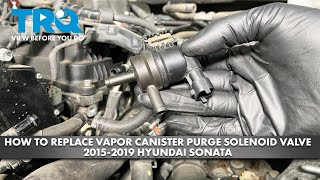
- Owner Experience: Easy DIY Fix: A user on hyundai-forums.com with a 2015 Sonata 2.4L reported getting a P0443 code at 85,000 miles. They purchased an OEM purge valve (part #28910-2E000) for around $40 online. The replacement took less than 10 minutes, 🎬 See this quick walkthrough on replacing the purge valve. requiring only the removal of the engine cover and swapping the valve, which is held by two 10mm bolts. The Check Engine Light cleared after the fix.
Mechanic-Grade Diagnostic Values
- Purge Control Valve Solenoid Coil Resistance — expected: 15 - 30 Ω. Failure: A reading of OL (infinite resistance) indicates an open coil. A reading near 0 Ω indicates a shorted coil.
- Purge Valve Connector Power Pin Voltage — expected: Battery Voltage (~12V) with Key On, Engine Off.. Failure: 0V or significantly low voltage points to a blown fuse or an open in the power supply wire from the main relay.
- Purge Valve Connector Control Pin Voltage (Back-probed) — expected: Near battery voltage when commanded OFF; drops to near 0V when commanded ON by the PCM (which provides a pulsed ground).. Failure: Voltage does not change when the valve is commanded by a scan tool, indicating a break in the control wire to the PCM or a faulty PCM driver.
- Ground Path Integrity (Voltage Drop) — expected: < 0.5 V. Failure: Voltage greater than 0.5V between the valve's ground wire and a known good chassis ground indicates high resistance in the ground circuit.
Scan Tool Commands That Help
- Hyundai GDS (or equivalent bidirectional scanner): EVAP Purge Solenoid Actuation Test / Vapor Management Valve Command — This command allows a technician to manually cycle the purge valve on and off. It is used to verify if the valve clicks audibly and to confirm the PCM is capable of sending the command. While monitoring the control pin voltage, this test proves whether the entire circuit (PCM driver, wiring, and valve coil) is functional.
Wiring & Ground Locations
- Purge Valve Connector Pin 1 (Power) — On the two-pin connector for the canister purge valve, located on or near the intake manifold.. This pin supplies battery voltage to the solenoid. A lack of voltage here is the first electrical check after confirming the fuse is good. It should have ~12V with the key on.
- Purge Valve Connector Pin 2 (Control) — On the two-pin connector for the canister purge valve, located on or near the intake manifold.. This is the ground-side control wire that runs to the PCM. The PCM pulses a ground signal on this pin to open the valve. Checking for this signal with a test light or multimeter while using a scan tool to actuate the valve confirms if the PCM and wiring are working correctly.
OEM Part Supersession History
28910-2E000→28910-3C200— Part consolidation and potential design update. 28910-3C200 is a widely used purge valve across many Hyundai and Kia models and years, serving as a common replacement for earlier numbers.
Heads up: For the 2015-2019 Sonata, 28910-3C200 is a direct, compatible replacement for 28910-2E000. The 1.6L Turbo engine may use a different part (28910-3L000).
Model Year Variations Within This Range
- 2015-2019: While the P0443 diagnosis is consistent, the specific OEM purge valve part number can vary by engine. The 2.4L and 2.0T engines commonly use 28910-2E000 or its successor 28910-3C200. The 1.6T engine may use part number 28910-3L000. The Hybrid models may use a different part number, such as 28910-2E600. Always verify the part number with the vehicle's VIN.
Diagnostic Flowchart
Other Known Issues on This Vehicle
Issues unrelated to this code that are worth knowing about as an owner of this generation:
- Theta II Engine Seizure/Failure 🔴 High — Widespread across 2.0L and 2.4L GDI engines. Manufacturing debris can lead to premature connecting rod bearing wear, causing a knocking noise that progresses to catastrophic engine failure. (Ref: Subject of multiple recalls (e.g., NHTSA 15V-568, 17V-226) and a class-action lawsuit settlement that extended the powertrain warranty for original and subsequent owners who had a Knock Sensor Detection System (KSDS) software update performed.)
- Excessive Oil Consumption 🟠 Medium — Commonly reported on the 2.4L GDI engine, often starting after 60,000 miles. Owners may need to add oil between changes. This can be a precursor to more serious engine problems. (Ref: Related to the broader Theta II engine issues. Hyundai has issued TSBs regarding oil consumption tests and potential piston ring replacement, often covered under the extended warranty if criteria are met.)
- Knock Sensor Detection System (KSDS) Faults 🟠 Medium — The KSDS was a software update intended to detect early signs of engine failure. However, the sensor itself or its wiring can fail, sometimes due to moisture, putting the car into limp mode unnecessarily. (Ref: This system was part of Recall Campaign 953. A subsequent TSB (20-FL-001H) was issued to address KSDS logic and prevent false positives.)
- Peeling/Chipping Paint 🟡 Low — Particularly common on cars with white paint. Owners report bubbling and peeling on the roof and hood. (Ref: Hyundai extended the warranty for this issue on certain models and colors under TSB 19-BD-005H.)
- Steering Column Noise 🟡 Low — A clicking or popping noise from the steering column when turning is often caused by a worn flexible steering coupler. This is a relatively common issue as the cars age. (Ref: Hyundai issued a TSB (17-ST-002-1) and extended the warranty for this specific part (Part No. 56315-2K000-FFF).)
Used vs. New Parts: Buying Guide for This Vehicle
When a used part is the smart pick: Never. The canister purge valve is a known high-failure-rate item with a low cost for a new part (typically $30-$70). The internal solenoid coil wears out from heat and use. A used part from a junkyard has unknown remaining life and is not worth the labor to install, even for a DIYer.
What to inspect on the donor part:
- Not applicable, as buying used is not recommended.
Aftermarket brands forum-validated for this vehicle:
- Dorman (e.g., 911-349)
- Carquest Premium
- Standard Motor Products
Brands owners have reported issues with on this vehicle:
- No-name, unbranded parts from online marketplaces should be avoided due to inconsistent quality control.
Real Owner Stories
Aggregated from forums and TSBs cited above. Mileages and costs reflect what owners reported in those sources.
2015 Hyundai Sonata 2.4L — 85000 miles
Symptoms: Check Engine Light came on with code P0443.
What fixed it: Purchased an OEM purge valve (part #28910-2E000) and replaced it by removing the engine cover and two 10mm bolts.
Cost: $40-$40
Source hint: hyundai-forums.com
2011 Hyundai Sonata
Symptoms: Hard starting after refueling.
What fixed it: Diagnosed as a stuck-open purge valve.
Source hint: Car Talk Community - "Hard starting Sonata after refueling"
Related OBD-II Codes
Frequently Asked Questions
What is the specific OEM part number for the purge valve on a 2015 Sonata 2.4L?
Is there a specific resistance range I should look for when testing the purge valve on my Sonata?
My Sonata is hard to start specifically after I fill up the gas tank; is this related to P0443?
Are there any recalls for the engine in my 2015-2019 Sonata that I should be aware of while fixing this code?
Can a simple fuse cause a P0443 code on this vehicle?
Is the P0443 fix something I can do myself on a 2015-2019 Sonata?
Helpful Videos
![Hyundai Sonata hard to start after fueling [FIXED] Purge Valve replacement [HOW TO]](https://img.youtube.com/vi/FDRgXaNKGTs/mqdefault.jpg)
Used OEM Parts in Stock
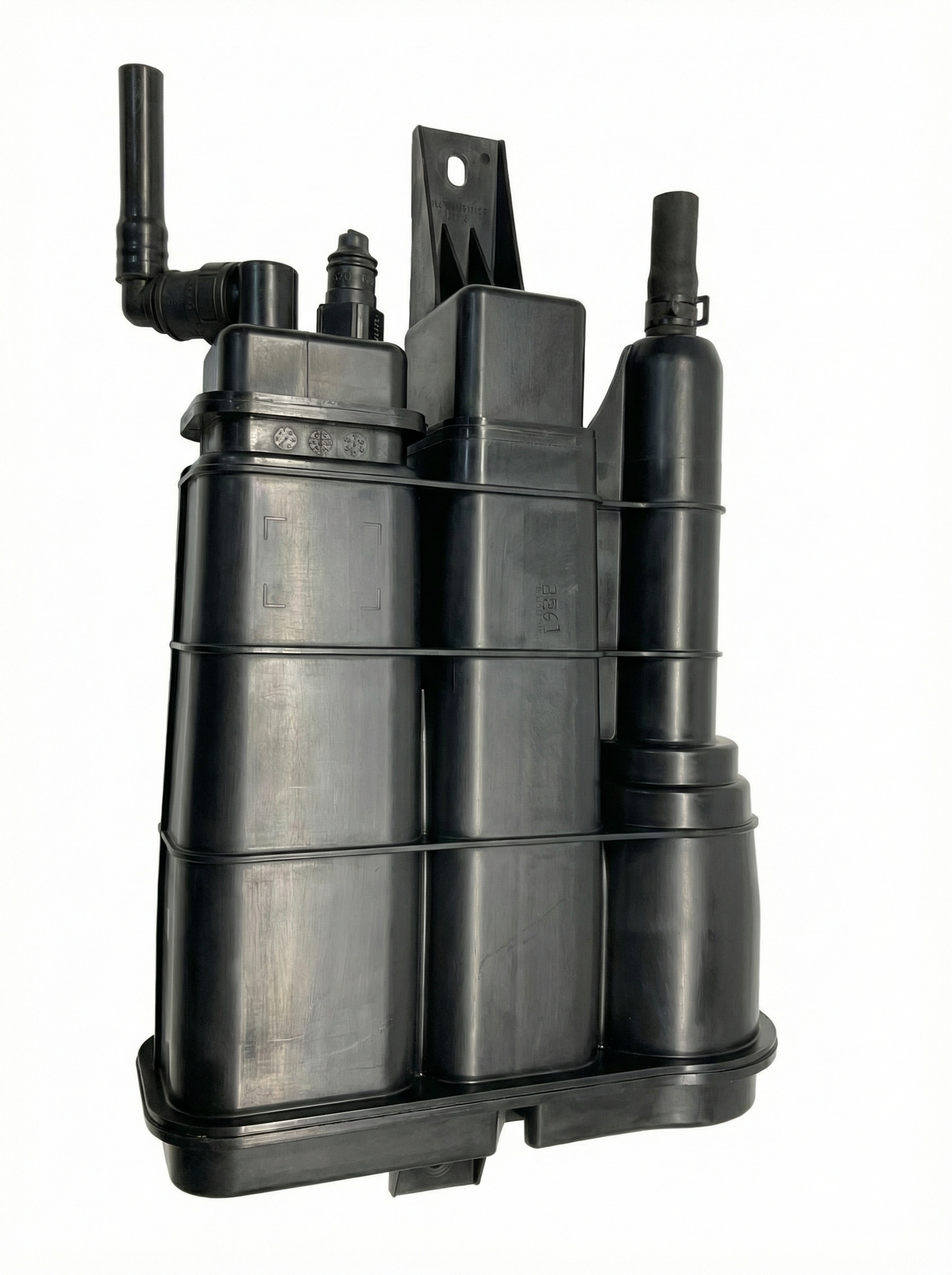
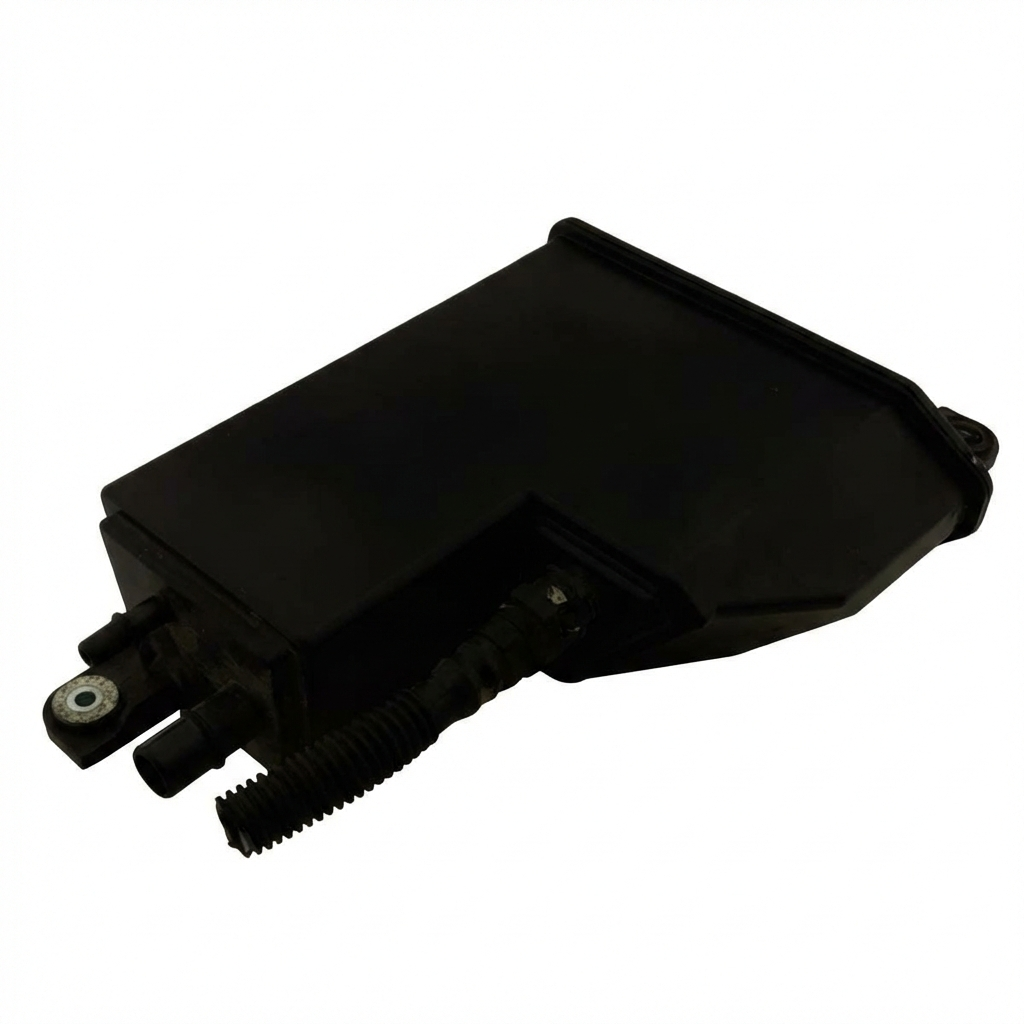
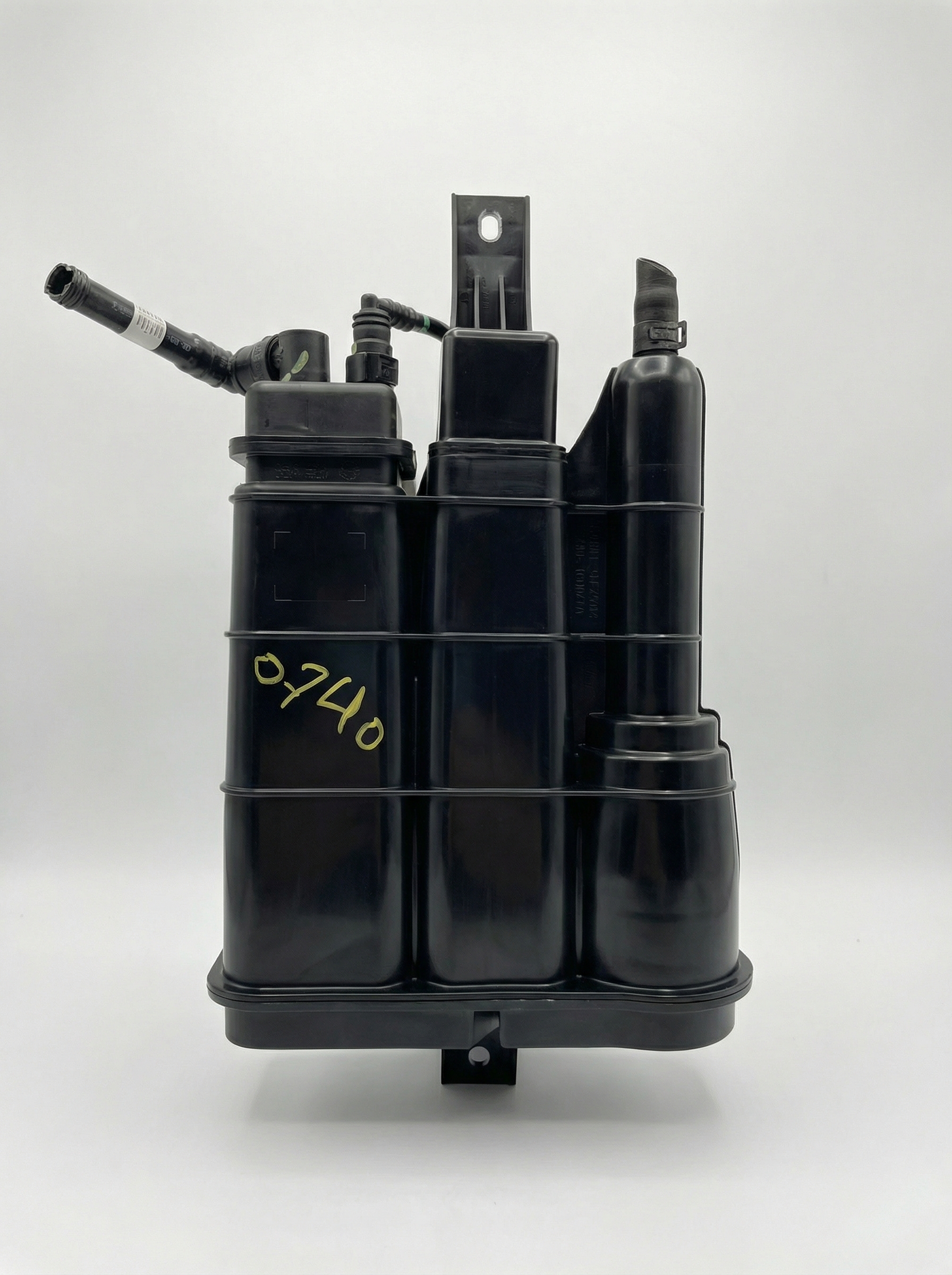
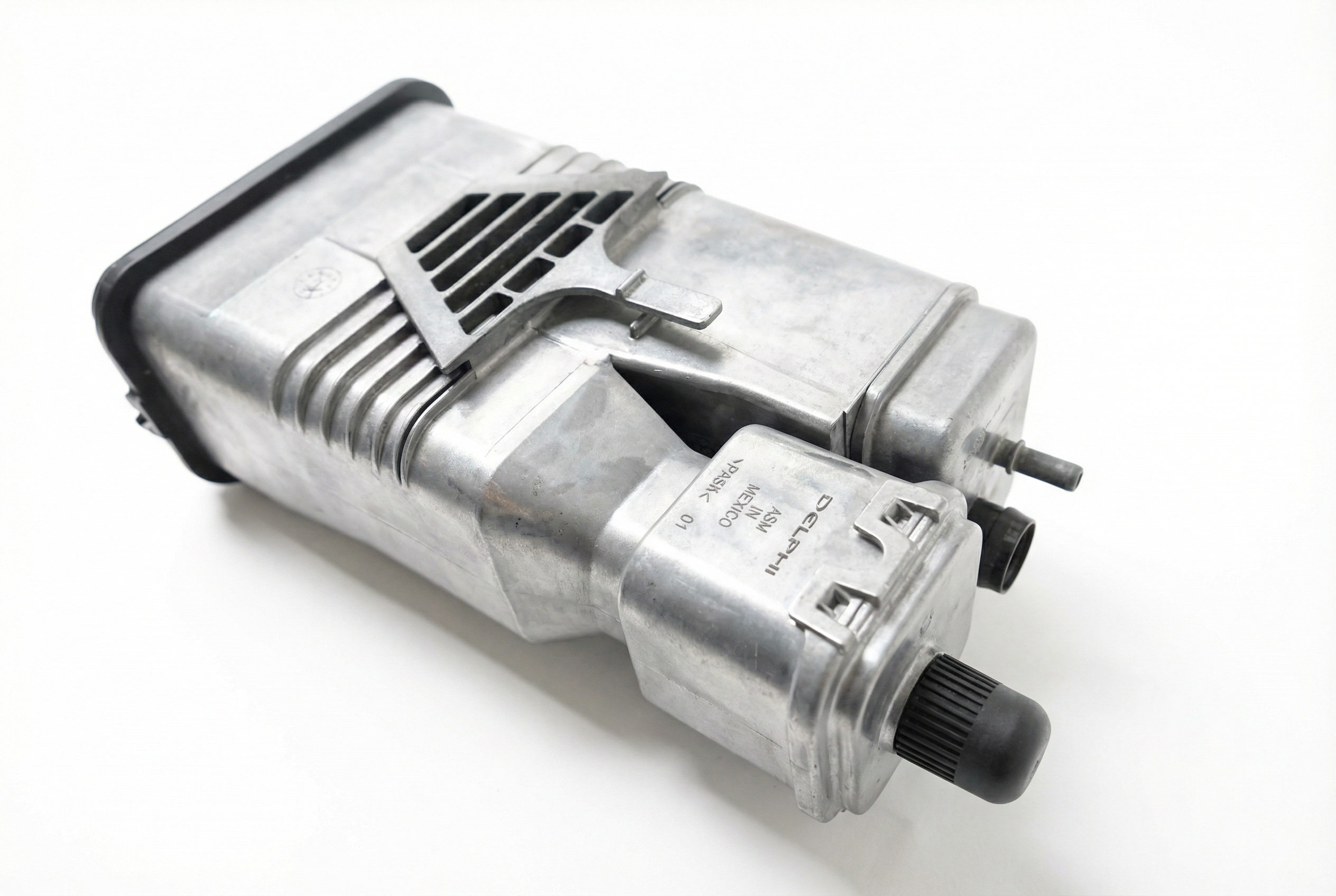
New Aftermarket Parts Available


The information in this article is provided for general reference and educational purposes only. Vehicle specifications, procedures, and part compatibility can vary by production date, trim level, and region. Always consult your vehicle's factory service manual and verify part numbers before purchasing or performing repairs. Safety-critical components such as airbags, seat belts, and braking systems should be installed by a qualified professional.
- Hyundai Sonata:
- 🧭 Diagnostic Flowchart
- 🎬 Helpful Videos
- 🛍️ Shop This Part
- What's Unique About the 2015-2019 Hyundai Sonata
- Symptoms You May Notice
- Most Likely Causes
- Rare But Worth Checking
- Diagnosis Steps
- Parts You'll Likely Need
- Related Codes That Often Appear With This One
- Platform-Specific Known Issues
- Mechanic-Grade Diagnostic Values
- Scan Tool Commands That Help
- Wiring & Ground Locations
- OEM Part Supersession History
- Model Year Variations Within This Range
- Other Known Issues on This Vehicle
- Used vs. New Parts: Buying Guide for This Vehicle
- Real Owner Stories
- 2015 Hyundai Sonata 2.4L — 85000 miles
- 2011 Hyundai Sonata
- Related OBD-II Codes
- Frequently Asked Questions
- 🎟️ Get 5% Off