

P0443 on 2012-2021 Hyundai Veloster: EVAP Purge Valve Circuit Causes and Fixes
On a 2012-2021 Hyundai Veloster, code P0443 is almost always caused by a failed canister purge valve (solenoid). This is an inexpensive part, typically costing $25-$85, and is very easy to replace yourself in under 20 minutes with basic tools. The failure is electrical within the valve, not a leak in the system.
- P0443 is an electrical circuit code, not a leak code. Do not replace the gas cap.
- The most likely cause by far is a failed canister purge valve, which is located on top of the engine.
- This is a very simple and inexpensive DIY repair that can be completed in under 20 minutes with basic tools.
- Always check the wiring and connector for damage before replacing the valve.
- Verify the correct part number for your specific engine (1.6L vs. 2.0L) before purchasing.
What's Unique About the 2012-2021 Hyundai Veloster
The P0443 code is a very common issue across many Hyundai and Kia models that share the Gamma and Nu engines, including the Veloster, Elantra, and Soul. The cause is overwhelmingly a simple failure of the purge valve solenoid itself rather than a more complex wiring or computer issue. The part is generally easy to access on top of the engine for both the 1.6L and 2.0L engines used in the Veloster, making it a popular and straightforward DIY repair for owners.
Generation note: The 2012-2021 range covers the first generation (FS, 2012-2017) and the second generation (JS, 2019-2021). The first generation used a 1.6L engine (naturally aspirated or turbo). The second generation used a 2.0L 'Nu' MPI engine for the base model and a 1.6L 'Gamma' GDI turbo for performance trims. While the cause is typically the same (purge valve failure), the exact part number differs between engine types. Always verify the part number with your vehicle's VIN.
Symptoms You May Notice
- Check Engine Light is on
- Slightly rough idle
- Minor decrease in fuel economy
- Difficulty starting the engine immediately after refueling (if the valve is stuck open)
- A slight fuel odor near the vehicle
- Replacing the gas cap. A loose or faulty gas cap will cause an EVAP leak code (like P0455 or P0456), not a circuit malfunction code like P0443.
Most Likely Causes
- Faulty Canister Purge Valve (Solenoid) 🔴 High Probability → Shop Vapor Canister The purge valve is a documented common failure item across many Hyundai/Kia models using the 1.6L Gamma and 2.0L Nu engines due to internal electrical failure of the solenoid coil over time.
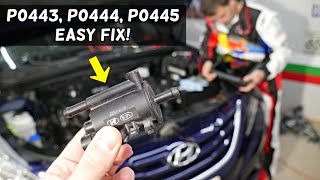
How to confirm: With the engine off, unplug the valve and measure the resistance across its two electrical pins with a multimeter. Compare the reading to the manufacturer's specification (typically 15-30 ohms). An infinite reading means an open circuit. Alternatively, use a capable scan tool to command the valve to open and close; you should hear an audible click. You can also apply 12V directly to the pins 🎬 Watch: How to diagnose and fix P0443 on your Hyundai to listen for the click.
Typical fix: Replace the canister purge valve.
Est. part cost: $25-$85 - Damaged Wiring or Connector 🟡 Medium Probability Wiring in the engine bay is exposed to heat and vibration, which can lead to chafing or broken wires over time. The connector's locking tab can also become brittle and break.
How to confirm: Visually inspect the wiring harness leading to the purge valve for any signs of cracking, melting, or rodent damage. Unplug the connector and check for corrosion or bent pins. Use a multimeter to check for 12V power on one wire (with key on, engine off) and for continuity to ground on the other wire (which is controlled by the PCM).
Typical fix: Repair the broken wire or replace the connector pigtail.
Est. part cost: $10-$30 - Blown Fuse ⚪ Low Probability
How to confirm: Consult your owner's manual to locate the fuse for the emissions system or ECU (often labeled 'EMIS' or similar). Visually inspect the fuse to see if it is blown. A blown fuse often indicates a short circuit in the wiring or the purge valve itself.
Typical fix: Replace the blown fuse. If it blows again immediately, a short circuit is present and must be diagnosed.
Est. part cost: $1-$5
Rare But Worth Checking
- Faulty Powertrain Control Module (PCM): → Shop Engine Control Module (ECM) This is extremely rare and should only be considered after all other possibilities, including the valve and its entire circuit, have been thoroughly tested and proven to be good.
Diagnosis Steps
- Read the code: Use an OBD-II scanner to confirm P0443 is the active code.
- Inspect the fuse: Check the fuse box for a blown fuse related to the emissions system. Replace if necessary.
- Locate the purge valve: On the Veloster, it's typically on top of the engine near the intake manifold, easily accessible after removing the plastic engine cover.
- Inspect the wiring and connector: Look for any obvious damage, corrosion, or loose connections at the purge valve's electrical connector.
- Test the circuit: With the key on, engine off, unplug the connector. Use a multimeter to verify that one pin has battery voltage (around 12V). The other pin is the ground side, controlled by the PCM.
- Test the valve: If power is present at the connector, test the valve itself. Measure the resistance between the two pins on the valve. A reading outside the manufacturer's spec (or an open/infinite reading) indicates a bad valve. A common range is 15-30 ohms.
- Command the valve (optional): If you have an advanced scan tool, you can command the purge valve to cycle on and off. You should hear a distinct clicking sound from the valve if it is working mechanically.
- Replace the part: If the valve fails the resistance test or doesn't click, it is faulty and needs to be replaced.
Parts You'll Likely Need
- Canister Purge Valve / Purge Control Solenoid
(OEM #For 1.6L Engines (Gen 1 & 2 Turbo): 28910-26900, 29010-2B000. For 2.0L Engines (Gen 2 Base): 29010-03AA0.)— This is the most common failure point for code P0443 on this vehicle due to internal electrical failure.
Trusted brands: Hyundai (OEM), Dorman, Standard Motor Products (SMP), Beck/Arnley, Carquest
OEM price range: $50-$85
Aftermarket price range: $25-$60
Related Codes That Often Appear With This One
- P0444 — This code indicates an 'Open Circuit' and can appear with P0443 if the wire is completely broken or the solenoid coil inside the valve has failed and broken the circuit.
- P0445 — This code indicates a 'Shorted Circuit' and can appear with P0443 if a wire is shorted to ground or the solenoid coil has shorted internally.
Platform-Specific Known Issues
- Owner Experience: 2013 Veloster Turbo P0443: A user on the Veloster.org forum reported getting a P0443 code at around 80,000 miles. After confirming power at the connector, they replaced the purge valve (part number 28910-26900) in under 10 minutes, which resolved the Check Engine Light. The post noted the part was identical to the one in their previous Elantra.
- DIY Repair Story from Reddit: On the r/veloster subreddit, a 2016 Veloster owner described symptoms of a rough idle and the P0443 code. They purchased an aftermarket purge valve online for ~$30, replaced it using only a pair of pliers to move the hose clamps, and cleared the code successfully. The entire job took 15 minutes.
Mechanic-Grade Diagnostic Values
- Canister Purge Valve Solenoid Resistance — expected: 20-30 Ω. Failure: A reading outside of 15-35 Ω, an infinite reading (open circuit), or a near-zero reading (short circuit) indicates a faulty valve coil.
- Purge Valve Connector Power Supply Pin Voltage — expected: ~11-14 V (Battery Voltage) with Key On, Engine Off.. Failure: 0V or significantly low voltage points to a blown fuse or an open in the power supply wire from the main relay.
- Purge Valve Connector Control Pin Voltage (Back-probed) — expected: Near 0V when commanded ON by a scan tool; near battery voltage when commanded OFF.. Failure: Voltage does not change when commanded by a scan tool, which suggests a wiring fault between the valve and the PCM, or a failed PCM driver.
Scan Tool Commands That Help
- Hyundai GDS (Global Diagnostic System) or equivalent advanced scanner: EVAP System Active Test / EVAP VSV ON/OFF — This bidirectional command allows a technician to manually open and close the purge valve while the engine is off or running. It is used to verify if the valve is mechanically functioning (an audible click should be heard) and to check the circuit's response without having to manually apply voltage. It's a critical step to differentiate between a failed valve and a wiring/PCM issue.
Wiring & Ground Locations
- Engine Ground Strap — Typically a braided cable connecting the engine block or transmission case to the vehicle's chassis/frame rail in the engine bay. For the 2015-2017 Veloster with an automatic transmission, a specific ground cable is part number 91880-2V121.. A poor or corroded main engine ground can cause a variety of electrical issues, including intermittent or incorrect voltage readings on sensor circuits controlled by the PCM. While not a direct cause, verifying the main grounds are clean and tight is a foundational step in diagnosing any electrical circuit code like P0443.
- Purge Valve Connector — A 2-pin male connector that plugs directly into the purge valve solenoid on top of the engine.. This is the primary point of failure for wiring issues. The connector itself can have corroded pins, and the two wires (an 18-gauge power supply and a PCM ground control wire) can break or chafe right at the connector due to engine vibration and heat.
Real Owner Repair Stories
- AutoZone Reviewer (2013 Hyundai Veloster Turbo) — Check engine light on.
✅ What actually fixed it Replaced the vapor canister purge valve with a Dorman 911-349. The owner noted improved engine response after installation and the code was resolved.
OEM Part Supersession History
28910-26900→This part number is widely used across many Hyundai/Kia 1.6L and 2.0L models and is often cross-referenced with aftermarket numbers like Dorman 911-808 and Standard Motor Products CP554. While not officially superseded by a new OEM number in all catalogs, it is functionally interchangeable with 29010-2B000 for some applications.— Part consolidation and minor revisions.29010-2B000→N/A— This is a common OEM part number for the purge valve on 1.6L Gamma engines in vehicles like the Veloster, Accent, and Soul.
Heads up: Ensure this part number is specified for your VIN, as it is similar to but distinct from other Hyundai purge valves.
Diagnostic Flowchart
Other Known Issues on This Vehicle
Issues unrelated to this code that are worth knowing about as an owner of this generation:
- Engine Connecting Rod Bearing Failure (1.6L GDI) 🔴 High — Common on 2012-2017 models, often occurring between 30,000 and 80,000 miles. Can lead to catastrophic engine failure. (Ref: Subject of recalls and class-action lawsuits related to manufacturing debris and lubrication issues.)
- Excessive Oil Consumption (2.0L Nu & 1.6L GDI) 🟠 Medium — Widespread issue across multiple Hyundai engine families. Can start as early as 60,000 miles on Nu engines. Caused by piston ring issues or carbon buildup. (Ref: Recall 21V301000 was issued for 2019-2021 Velosters with the 2.0L Nu engine for improperly heat-treated piston oil rings.)
- Dual-Clutch Transmission (DCT) Issues 🟠 Medium — Affects both 1st and 2nd gen models. Symptoms include hesitation, shuddering from a stop, jerky acceleration, and overheating warnings in traffic. (Ref: Multiple software updates (TCM logic) have been issued. Some cases require clutch pack replacement.)
- Carbon Buildup on Intake Valves (GDI Engines) 🟡 Low — An inherent issue with Gasoline Direct Injection (GDI) engines, including the 1.6L Turbo. Becomes noticeable after 60,000-100,000 miles, causing rough idle and reduced performance.
- Engine Knocking/Pinging Noises 🔴 High — Commonly reported on early models (2012-2015), often a precursor to more severe engine problems like rod bearing failure. (Ref: Related to engine failure recalls; Hyundai deployed a Knock Sensor Detection System (KSDS) software update to detect early signs of failure.)
Used vs. New Parts: Buying Guide for This Vehicle
When a used part is the smart pick: For this specific repair, buying a used part from a junkyard is NOT recommended. The purge valve is a known high-failure-rate component with a low cost for a new part. The risk of getting a used part that has already failed or is near the end of its service life is very high.
Aftermarket brands forum-validated for this vehicle:
- Dorman (e.g., 911-349, 994-917)
- Standard Motor Products (SMP)
- Beck/Arnley
Brands owners have reported issues with on this vehicle:
- Unbranded, 'no-name' parts from online marketplaces should be avoided. While extremely cheap, forum discussions and part reviews often cite premature failure within months or even days. Stick to reputable brands with warranties.
Real Owner Stories
Aggregated from forums and TSBs cited above. Mileages and costs reflect what owners reported in those sources.
2013 Veloster Turbo — 80000 miles
Symptoms: Check Engine Light (P0443) active.
What fixed it: Replaced the purge valve (part number 28910-26900).
Source hint: veloster.org forum thread titled 'P0443 Purge Control Valve Circuit'
2016 Veloster — ~70000 miles
Symptoms: Rough idle and the P0443 code.
What fixed it: Purchased an aftermarket purge valve online and replaced it using a pair of pliers to move the hose clamps.
Cost: $30-$30
Source hint: Reddit r/veloster DIY Repair Story
2019 Veloster 2.0L — ~45000 miles
Symptoms: P0443 code present.
What fixed it: Replacing the purge valve, part number 29010-03AA0.
Source hint: hyundai-forums.com discussion '2019 Veloster 2.0 P0443'
Related OBD-II Codes
Frequently Asked Questions
What is the specific OEM part number for the purge valve on a first-generation Veloster?
Does the 2019 Veloster 2.0L use the same purge valve as the older models?
Is there a recall for the 2019-2021 Veloster that might be related to engine issues?
Where is the purge valve located on the 1.6L Veloster engine?
Can I use a part from a Hyundai Elantra to fix my Veloster's P0443 code?
What electrical resistance should I see when testing the Veloster purge valve?
Helpful Videos
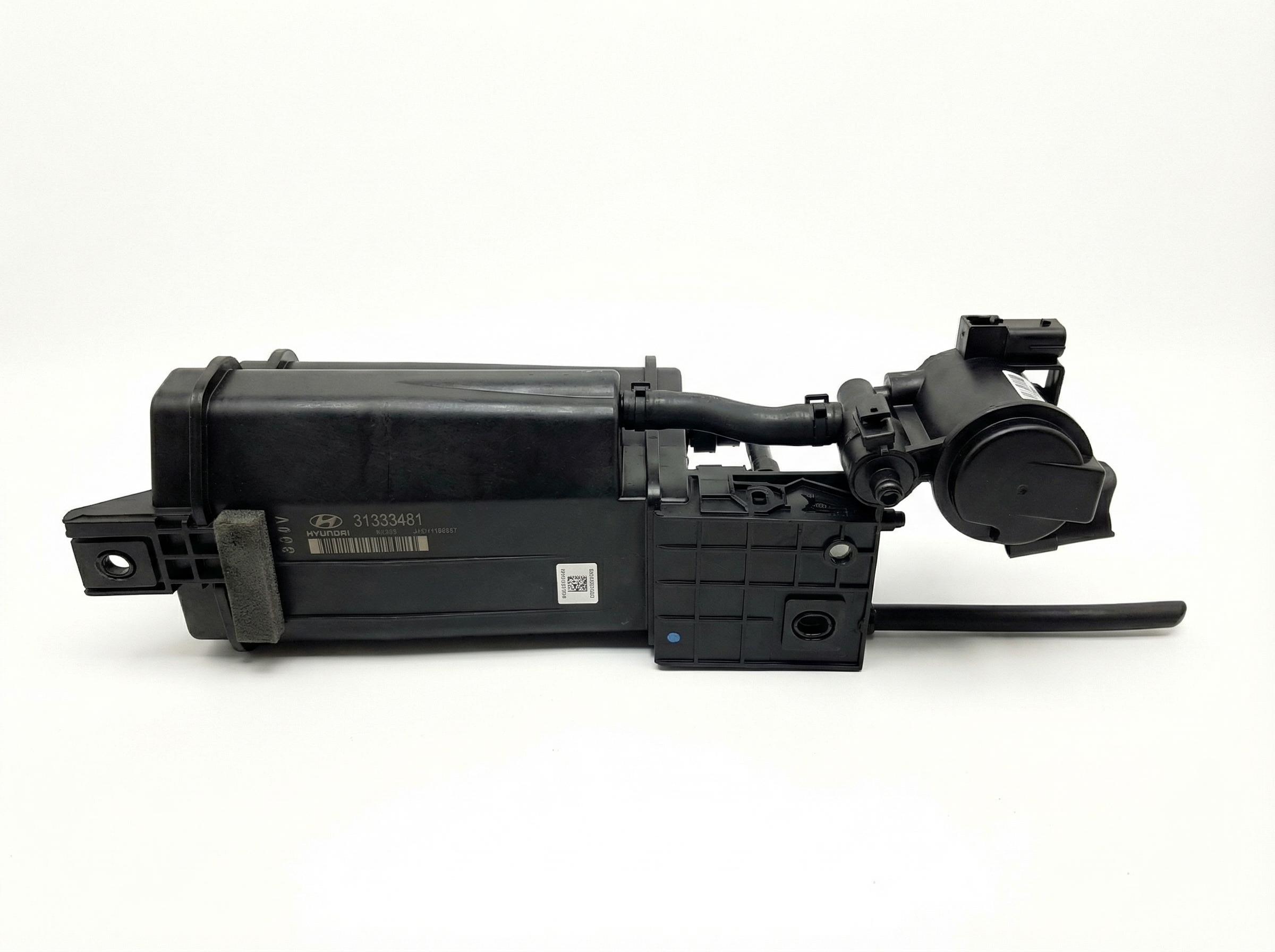
Used OEM Parts in Stock
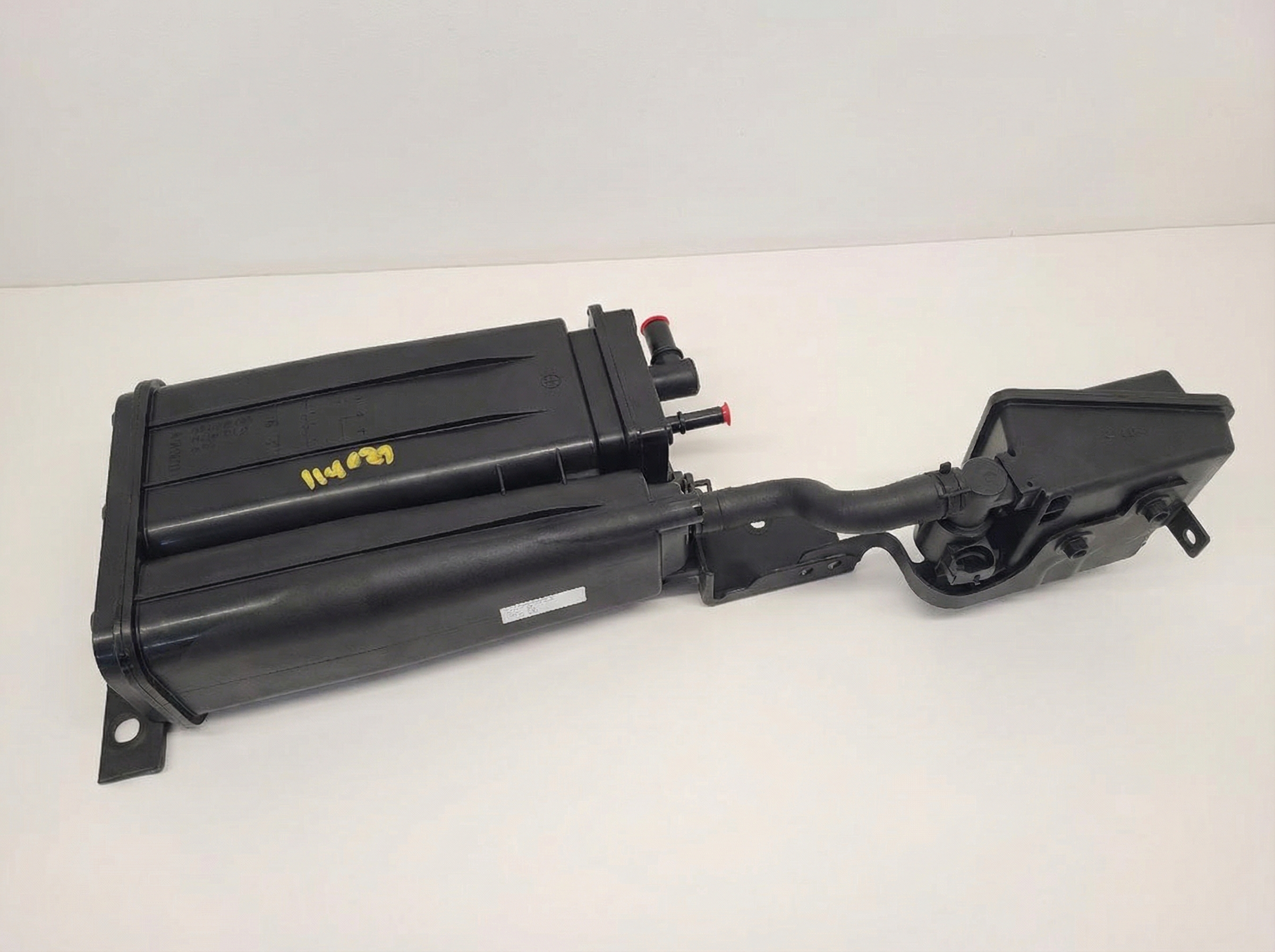
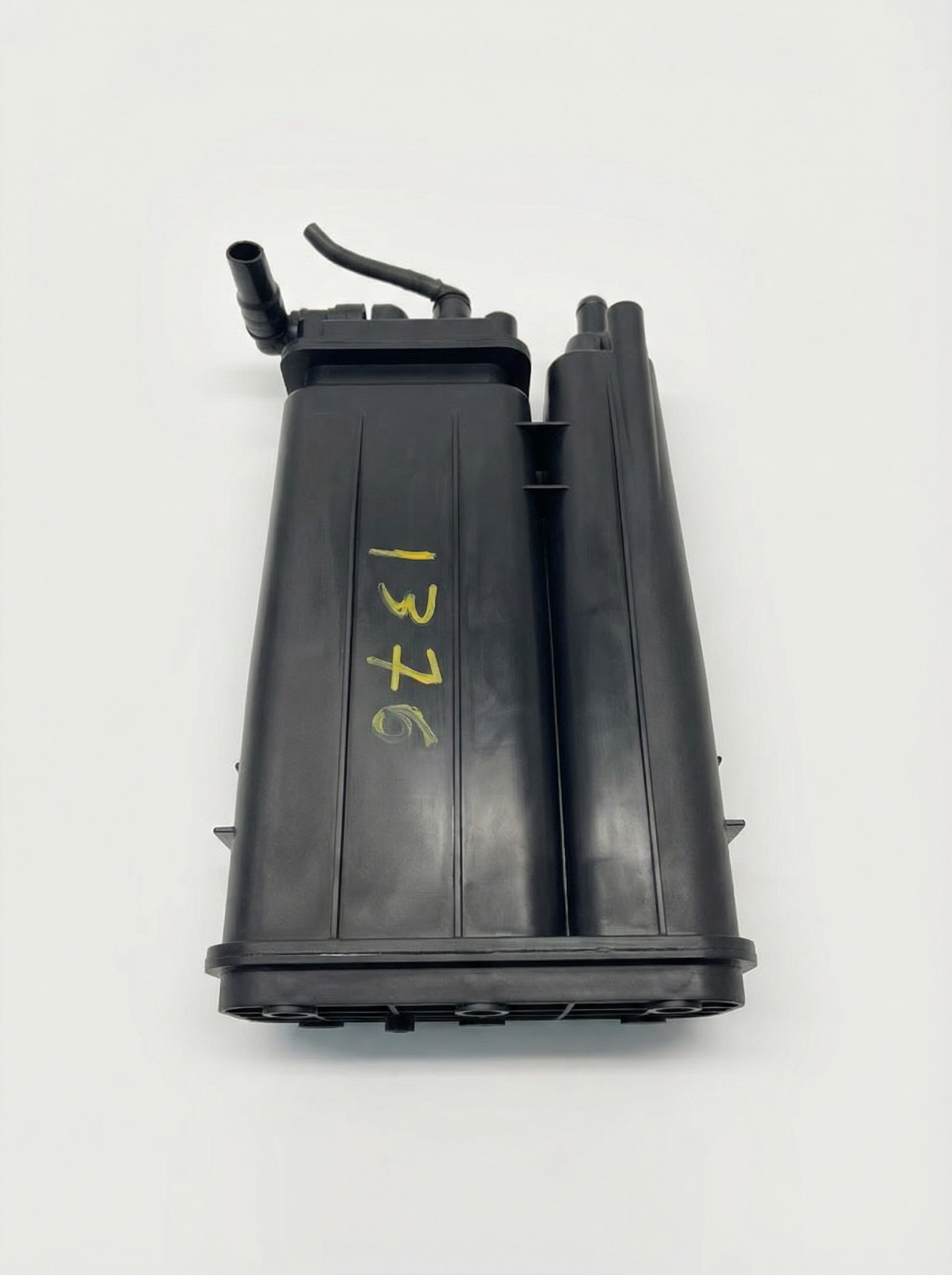
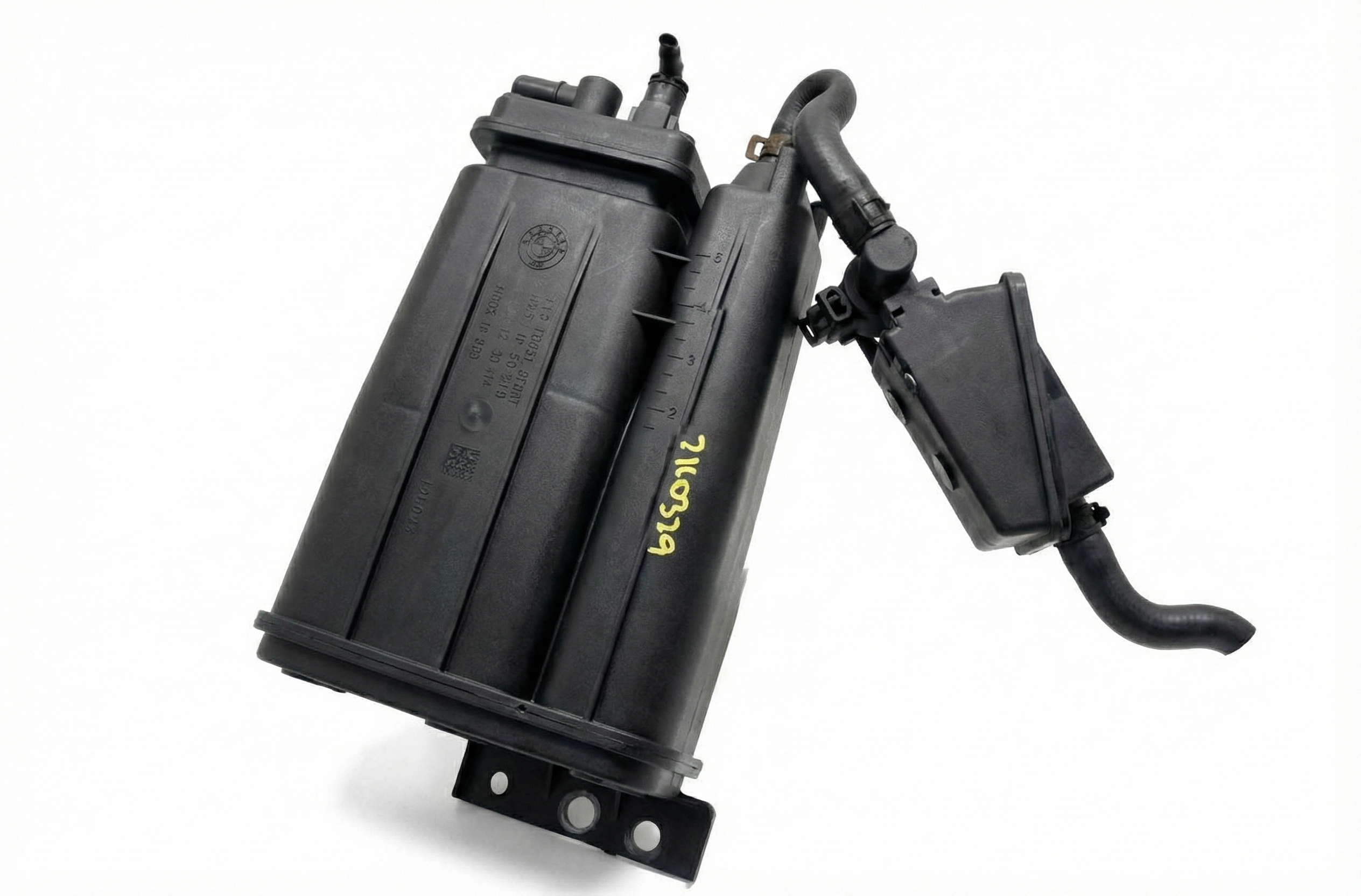
New Aftermarket Parts Available

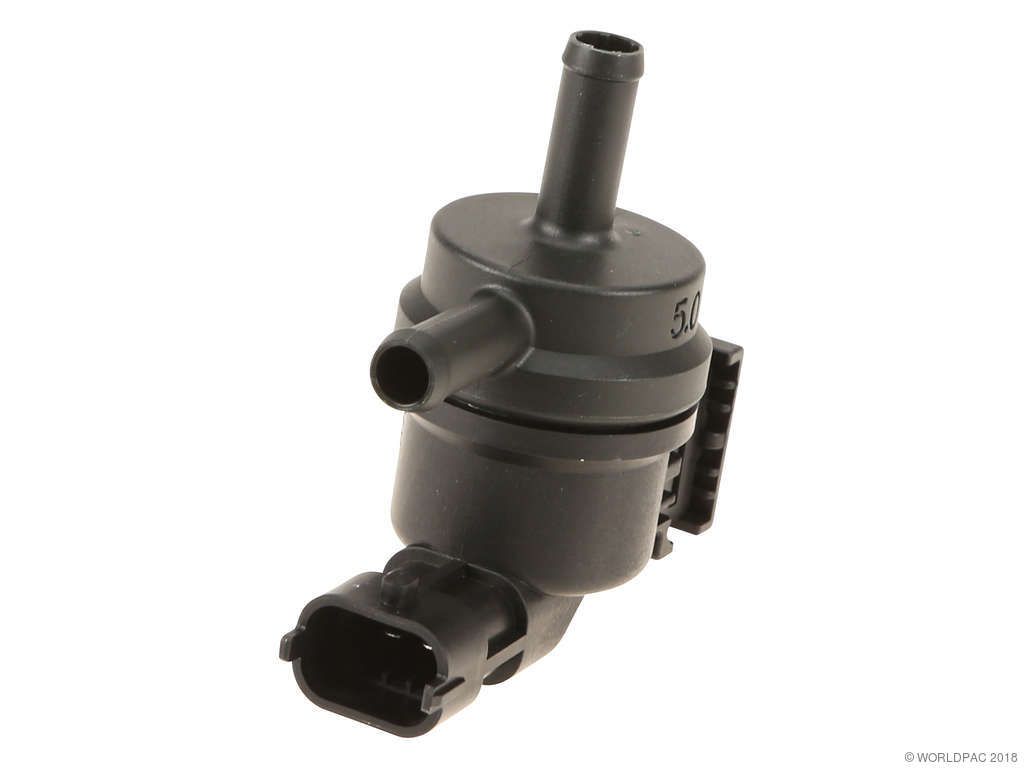
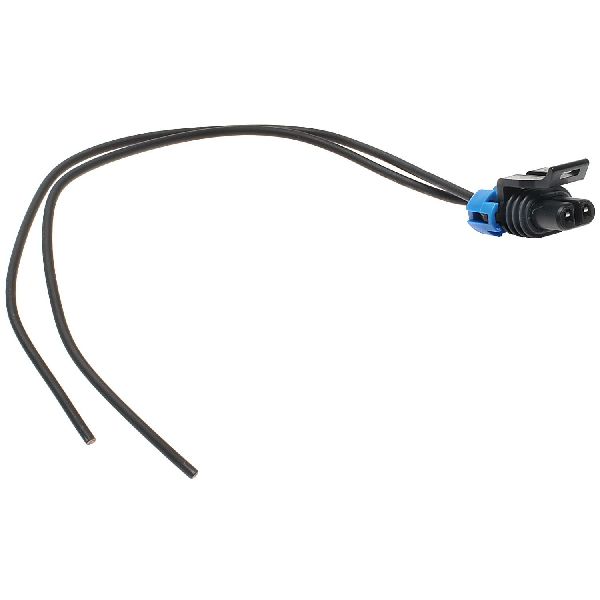
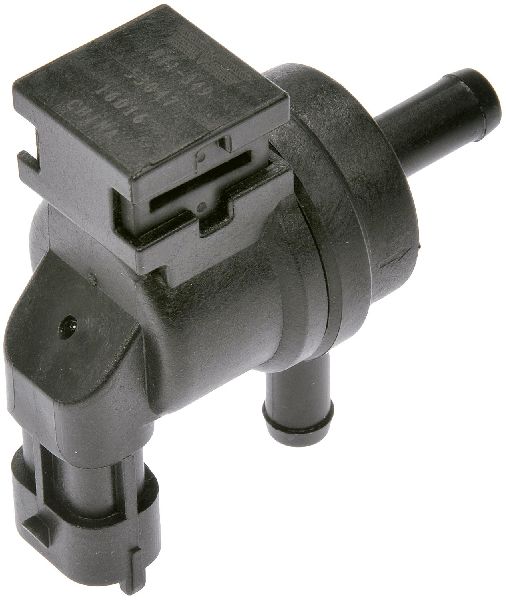

The information in this article is provided for general reference and educational purposes only. Vehicle specifications, procedures, and part compatibility can vary by production date, trim level, and region. Always consult your vehicle's factory service manual and verify part numbers before purchasing or performing repairs. Safety-critical components such as airbags, seat belts, and braking systems should be installed by a qualified professional.
- Hyundai Veloster:
- 🧭 Diagnostic Flowchart
- 🎬 Helpful Videos
- 🛍️ Shop This Part
- What's Unique About the 2012-2021 Hyundai Veloster
- Symptoms You May Notice
- Most Likely Causes
- Rare But Worth Checking
- Diagnosis Steps
- Parts You'll Likely Need
- Related Codes That Often Appear With This One
- Platform-Specific Known Issues
- Mechanic-Grade Diagnostic Values
- Scan Tool Commands That Help
- Wiring & Ground Locations
- Real Owner Repair Stories
- OEM Part Supersession History
- Other Known Issues on This Vehicle
- Used vs. New Parts: Buying Guide for This Vehicle
- Real Owner Stories
- 2013 Veloster Turbo — 80000 miles
- 2016 Veloster — ~70000 miles
- 2019 Veloster 2.0L — ~45000 miles
- Related OBD-II Codes
- Frequently Asked Questions
- 🎟️ Get 5% Off