

P0452 on 1996-2015 Honda Civic: EVAP Pressure Sensor Low Input Causes and Fixes
This code indicates a low voltage signal from the Fuel Tank Pressure (FTP) sensor. The most common cause is a faulty FTP sensor itself, followed by a loose or faulty gas cap. On 8th generation Civics (2006-2011), the sensor is often part of the fuel pump assembly inside the tank. For other generations, it's typically located on the charcoal canister under the car. Replacing the sensor is a straightforward DIY job for many owners.
- P0452 on a 1996-2015 Civic almost always points to an electrical fault in the Fuel Tank Pressure (FTP) sensor circuit, specifically a low voltage reading.
- The most probable cause is a failed FTP sensor itself.
- Before buying parts, always check that the gas cap is tight and its seal is intact.
- Diagnosing the issue involves checking the sensor's live data with a scanner and verifying the 5V reference and ground at its connector.
- The location of the sensor is the biggest variable: it's often inside the fuel tank on 8th gen models (2006-2011) and on the charcoal canister for other generations.
What's Unique About the 1996-2015 Honda Civic
Across the 1996-2015 Civic generations, the P0452 code consistently points to an electrical issue with the Fuel Tank Pressure (FTP) sensor circuit. While many vehicles can throw EVAP codes for a simple loose gas cap, on these Civics, a faulty sensor is a very frequent culprit. The sensor's location can vary significantly by generation. On many earlier models (6th and 7th gen), it's mounted on or near the charcoal canister under the car, making it relatively easy to access. However, on 8th generation models (2006-2011), the sensor is often integrated with the fuel pump assembly inside the fuel tank, which requires removing the rear seat to access. This location difference is the primary variation owners will encounter when diagnosing the problem.
Generation note: This guide covers the 6th (1996-2000), 7th (2001-2005), 8th (2006-2011), and 9th (2012-2015) generations of the Honda Civic. The primary cause, a faulty Fuel Tank Pressure (FTP) sensor, is common across all generations. However, the physical location of the sensor may differ. On 8th generation models (2006-2011), for example, the sensor is often located on the fuel pump module inside the tank. On 6th and 7th generation models, it is more commonly found on the EVAP charcoal canister under the rear of the vehicle. Owners should verify the location for their specific year before ordering parts.
Symptoms You May Notice
- Check Engine Light is on
- A faint smell of fuel, particularly around the rear of the car
- Difficulty refueling (fuel pump nozzle shuts off frequently)
- Slight decrease in fuel economy
- Replacing the charcoal canister or other EVAP solenoids. While these are part of the EVAP system, the P0452 code specifically points to an electrical circuit issue with the pressure sensor (low input voltage), not a flow or leak issue that other codes (like P0442 or P0455) would indicate.
Most Likely Causes
- Faulty Fuel Tank Pressure (FTP) Sensor 🔴 High Probability → Shop Fuel Tank The sensor's internal electronics can fail over time due to age, moisture intrusion, or contamination, leading to a persistent low voltage signal.
How to confirm: Using a scan tool, observe the FTP sensor voltage with the key on, engine off. A reading near or at zero volts (e.g., below 0.2V) points to a bad sensor or a wiring issue. A healthy sensor should provide a 5V reference signal. You can also test the sensor's voltage and ground connections at the connector with a multimeter.
Typical fix: Replace the Fuel Tank Pressure sensor.
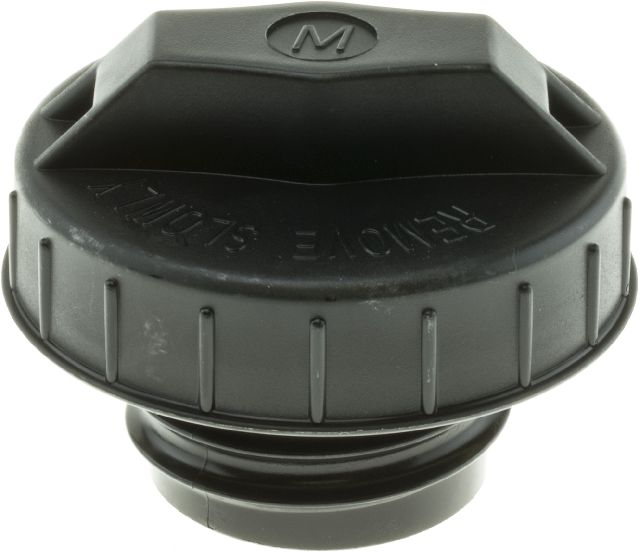
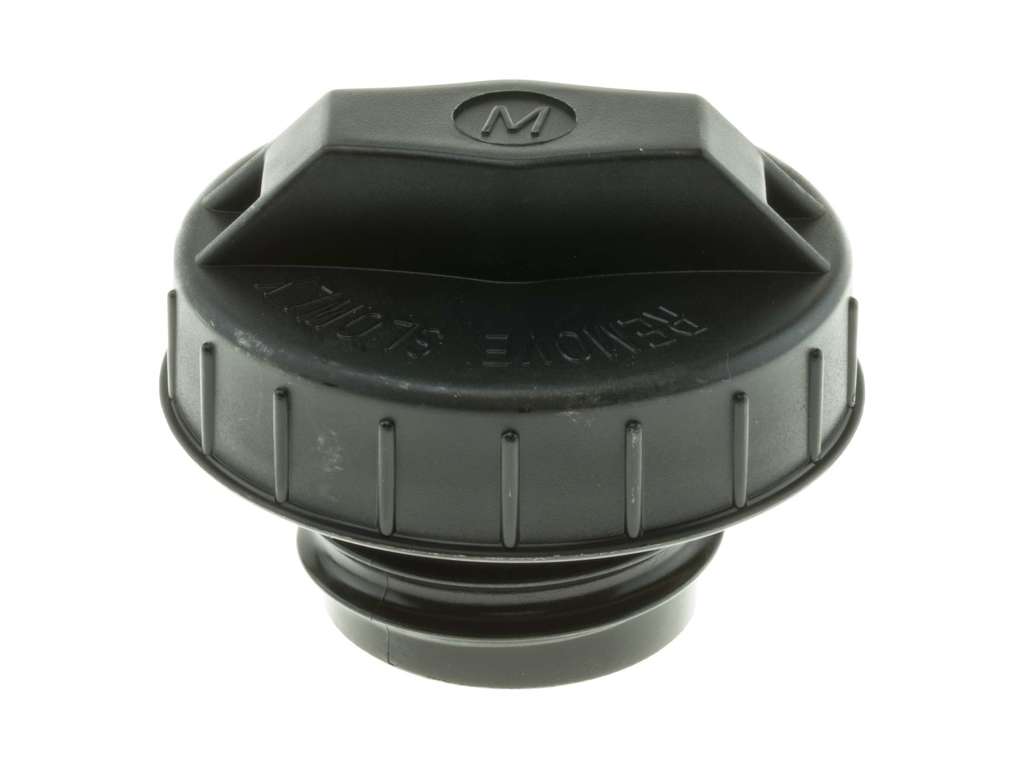
Est. part cost: $70-$150 - Loose or Faulty Gas Cap 🟡 Medium Probability → Shop Fuel Tank Cap While less common for this specific low-input electrical code than for general EVAP leak codes (like P0442 or P0455), a cap that is not sealing can sometimes contribute to out-of-range pressure readings that the PCM may interpret incorrectly over time.
How to confirm: Ensure the gas cap is tightened until it clicks at least three times. Inspect the cap's seal for cracks or damage. If it looks worn, replacement is an inexpensive test. This is often the first step recommended by mechanics due to its simplicity and low cost.
Typical fix: Tighten or replace the gas cap.
Est. part cost: $15-$30 - Damaged Wiring or Poor Connection ⚪ Low Probability The wiring harness leading to the FTP sensor is located under the vehicle (for canister-mounted sensors) or under the rear seat (for in-tank sensors) and can be susceptible to damage from road debris, corrosion, or being pinched during other repairs like a fuel pump replacement.
How to confirm: Visually inspect the wiring harness and connector going to the FTP sensor for any breaks, corrosion, or loose pins. Check for the 5-volt reference signal and a good ground at the connector with a multimeter. A short in the signal wire to ground will also cause this code.
Typical fix: Repair the damaged section of the wiring harness or clean/replace the connector.
Est. part cost: $5-$50
Rare But Worth Checking
- Faulty Powertrain Control Module (PCM): This is extremely rare. Before condemning the PCM, all other possibilities, including the sensor and its entire circuit, must be exhaustively tested. A faulty PCM might misinterpret a correct sensor signal or have a failed internal driver for the sensor circuit.
Diagnosis Steps
- Check the Gas Cap: Ensure the gas cap is tight and the seal is in good condition. A loose cap is a common cause for many EVAP codes and the easiest first step.
- Scan Tool Data: Connect an OBD-II scanner and observe the live data for the Fuel Tank Pressure (FTP) sensor. With the key on and engine off, the voltage should be stable and within the manufacturer's specified range (typically not near zero). A reading below 0.2-0.5 volts strongly suggests a circuit low condition.
- Visual Inspection: Locate the FTP sensor. For 8th gen (2006-2011), this may require removing the rear seat cushion to access the fuel pump module. For other generations, raise the vehicle and locate the charcoal canister near the fuel tank. Inspect the sensor's connector and wiring for any visible damage, corrosion, or loose connections.
- Test the Circuit: Disconnect the sensor. Using a multimeter, check for the correct reference voltage (usually 5 volts) and a good ground at the connector's terminals. If the 5V reference or ground is missing, the problem is in the wiring harness or the PCM.
- Test the Sensor Signal Wire: If the power and ground are present, check the signal wire for a short to ground. With the sensor disconnected, there should be no continuity between the signal wire and the chassis ground.
- Replace the FTP Sensor: If the wiring and connections check out, the sensor itself is the most likely culprit. After replacement, clear the code with the scanner and perform a drive cycle to see if the code returns.
Parts You'll Likely Need
- Fuel Tank Pressure Sensor
(OEM #37940-SNA-A01)— This is the most common failure point for the P0452 code on a Honda Civic, as the sensor's internal electronics fail and send a low voltage signal. Part number 37940-SNA-A01 is specific to the 2006-2011 (8th generation) Civic. Other generations use different part numbers.
Trusted brands: Honda (OEM), Denso, NTK, Dorman, Standard Motor Products
OEM price range: $150-$190
Aftermarket price range: $70-$125
Platform-Specific Known Issues
- On 8th generation Civics (2006-2011), the FTP sensor is located on top of the fuel pump module inside the fuel tank. Access requires removing the rear seat bottom cushion. 🎬 Watch: 2006-2011 Civic FTP sensor replacement walkthrough While not overly difficult, it is more labor-intensive than on other generations where the sensor is on the externally-mounted charcoal canister.
- Some owners on forums have noted that aftermarket sensors can sometimes fail prematurely or not meet OEM specifications, leading to the code returning. Using an OEM Honda or a reputable brand like Denso is often recommended for longevity.
Mechanic-Grade Diagnostic Values
- FTP Sensor Voltage (Key On, Engine Off, Gas Cap Off) — expected: ~2.5V at atmospheric pressure. Failure: Voltage is less than 0.22V - 0.3V
- FTP Sensor Reference Voltage at Connector — expected: ~5.0V. Failure: Significantly less than 5.0V, indicating a wiring or PCM issue.
- FTP Sensor Signal Voltage under Vacuum — expected: Voltage should change smoothly in proportion to vacuum applied. One user noted voltage *increasing* towards 4.78V as vacuum was applied.. Failure: Voltage is stuck low (below 0.5V) and does not change when vacuum is applied with a hand pump.
Scan Tool Commands That Help
- Honda Diagnostic System (HDS): EVAP FUNCTION TEST — This is the preliminary test recommended by Honda service literature before beginning manual troubleshooting for EVAP codes like P1456/P1457. It runs an automated system check. While P0452 is an electrical fault, running this test can help confirm if the PCM can communicate with and command the system components.
- Honda Diagnostic System (HDS): SINGLE SOLENOID TEST (e.g., BYPASS SOLENOID) — Allows a technician to manually actuate individual EVAP solenoids to confirm they are working mechanically (i.e., clicking) and that the wiring from the PCM to the component is intact. This helps rule out other system faults when chasing an electrical code like P0452.
Wiring & Ground Locations
- FTP Sensor Connector (3-Pin) — On the FTP sensor itself. For 2006-2011 models, this is on top of the fuel pump module, accessible under the rear seat. For other generations, it's typically on the EVAP charcoal canister located under the rear of the vehicle, near the fuel tank.. This is the primary test point. Technicians must verify the 5V reference, ground, and signal wire integrity at this connector to determine if the fault is the sensor, wiring, or PCM.
- PCM Connector — Typically located in the engine bay or behind the dashboard/glove box area.. This is the termination point for the FTP sensor circuit. If voltage or ground is missing at the sensor connector, a continuity test must be performed between this connector and the sensor connector to find an open or short in the harness.
Real Owner Repair Stories
- Honda-Tech forum user (2001-2005 Honda Civic (7th gen)) — P1457 EVAP leak code
❌ Tried (didn't work) Standard troubleshooting steps which all passed.
✅ What actually fixed it The user performed a detailed voltage test on the FTP sensor. While chasing a leak code, not P0452, they confirmed the sensor's operational voltage range. With no vacuum, the sensor read ~2.36V. When applying vacuum with a hand pump, the voltage correctly and smoothly increased to a maximum of ~4.78V. This story confirms the expected behavior of a healthy sensor, which is critical for diagnosing a sensor that is stuck low (P0452).
Model Year Variations Within This Range
- 2006-2011 (8th Generation): The Fuel Tank Pressure (FTP) sensor is located inside the fuel tank on top of the fuel pump module. Access requires removing the rear seat cushion. The OEM part number is 37940-SNA-A01.
- 1996-2000 (6th Gen) & 2001-2005 (7th Gen): The FTP sensor is typically located externally on or near the EVAP charcoal canister, which is mounted under the rear of the vehicle near the fuel tank. This location generally makes it easier to access than the in-tank sensor on the 8th generation.
Diagnostic Flowchart
Other Known Issues on This Vehicle
Issues unrelated to this code that are worth knowing about as an owner of this generation:
- Cracked Engine Block (R18 Engine) 🔴 High — Common on 2006-2009 models. A manufacturing defect can cause a crack to form, leading to a coolant leak and potential engine overheating. (Ref: Honda Service Bulletin 10-048 extended the engine block warranty to 10 years with no mileage limit, but this has since expired for all affected vehicles.)
- Automatic Transmission Failure 🔴 High — Very common on the 7th generation (2001-2005). Transmissions were known to fail prematurely, often before 100,000 miles, exhibiting symptoms like harsh shifting, slipping, and failure to engage gears.
- Peeling Paint / Clear Coat Failure 🟡 Low — Widespread on 8th (2006-2011) and 9th (2012-2015) generations, particularly on dark-colored vehicles. The clear coat delaminates and peels, leaving the paint unprotected. (Ref: Honda addressed this with warranty extensions (typically 7 years) for specific colors and models, but no official safety recall was issued.)
- Failing Engine Mounts 🟠 Medium — Common across multiple generations, particularly the passenger-side hydraulic mount. Failure leads to excessive engine vibration felt in the cabin and steering wheel.
- Cracked Exhaust Manifold 🟠 Medium — A known issue on 6th (1996-2000) and 7th (2001-2005) generation models. The manifold can crack, causing an exhaust leak, noise, and potentially triggering other emissions codes.
Used vs. New Parts: Buying Guide for This Vehicle
When a used part is the smart pick: For this specific repair, buying a used Fuel Tank Pressure (FTP) sensor is generally not recommended. It is an electronic component prone to failure from age and heat cycles. The cost savings are minimal compared to the labor involved, especially for in-tank sensors, and the risk of premature failure is high.
Donor-vehicle mileage cap: roughly under 50000 miles for the part to have meaningful remaining life.
What to inspect on the donor part:
- If considering a used part, source it from a vehicle with the lowest possible mileage.
- Ensure the connector pins are clean, straight, and free of any corrosion.
- Inspect the plastic housing for any cracks or signs of heat damage.
OEM-only on this vehicle (don't cheap out):
- While not strictly 'OEM-only', using a genuine Honda sensor or a direct OEM supplier like Denso is highly recommended. Forum users and mechanics report that some cheaper aftermarket sensors can be unreliable or have a short lifespan, causing the code to return.
Aftermarket brands forum-validated for this vehicle:
- Denso
- NTK (NGK)
- Standard Motor Products (SMP)
Brands owners have reported issues with on this vehicle:
- Unnamed, 'white-box' brands from online marketplaces should be avoided due to inconsistent quality control.
Real Owner Stories
Aggregated from forums and TSBs cited above. Mileages and costs reflect what owners reported in those sources.
1997 Honda Civic EX D16Y8
Symptoms: Check engine light is on; scanner indicates P0452 Evaporative Emission Control System Fuel Tank Pressure Sensor Low Input.
What fixed it: User was seeking location of the Fuel Tank Pressure Sensor to begin diagnosis; resolution not posted.
Source hint: HondaCivicForum.com thread titled 'Fuel Tank Pressure Sensor'
Related OBD-II Codes
Frequently Asked Questions
Where is the Fuel Tank Pressure (FTP) sensor located on my 2008 Honda Civic?
I have a 1997 Civic; is the sensor in the same place as the newer models?
Should I use an aftermarket sensor to fix the P0452 code on my Civic?
Is there a TSB for the cracked engine block on my 2007 Civic?
Could my P0452 code be related to the transmission issues common in 7th gen Civics?
Does the Acura CSX suffer from the same P0452 issues as the Civic?
Helpful Videos


We Have This Part in Stock


The information in this article is provided for general reference and educational purposes only. Vehicle specifications, procedures, and part compatibility can vary by production date, trim level, and region. Always consult your vehicle's factory service manual and verify part numbers before purchasing or performing repairs. Safety-critical components such as airbags, seat belts, and braking systems should be installed by a qualified professional.
- Honda Civic:
- 🧭 Diagnostic Flowchart
- 🎬 Helpful Videos
- 🛍️ Shop This Part
- What's Unique About the 1996-2015 Honda Civic
- Symptoms You May Notice
- Most Likely Causes
- Rare But Worth Checking
- Diagnosis Steps
- Parts You'll Likely Need
- Platform-Specific Known Issues
- Mechanic-Grade Diagnostic Values
- Scan Tool Commands That Help
- Wiring & Ground Locations
- Real Owner Repair Stories
- Model Year Variations Within This Range
- Other Known Issues on This Vehicle
- Used vs. New Parts: Buying Guide for This Vehicle
- Real Owner Stories
- 1997 Honda Civic EX D16Y8
- Related OBD-II Codes
- Frequently Asked Questions
- 🎟️ Get 5% Off