

P0455 on 2001-2008 Chevrolet Silverado 3500: EVAP Large Leak Causes and Fixes
P0455 on a Silverado 3500 indicates a large leak in the EVAP system. The most common cause is a loose, worn, or incorrect gas cap. If that's not the issue, the next most likely culprits are a faulty EVAP vent valve located under the truck near the spare tire, or a faulty purge valve in the engine bay.
- Always check the gas cap first; it's the most common and cheapest fix for P0455.
- If the gas cap isn't the problem, the EVAP vent valve solenoid located under the truck is the next most likely failure point.
- A smoke test is the most reliable way to find a leak if it's not an obvious component like the gas cap or a valve.
- This code will not affect how the truck drives but must be fixed to pass an emissions test.
What's Unique About the 2001-2008 Chevrolet SILVERADO 3500
On the 2001-2008 Silverado 3500, which spans the GMT800 and GMT900 generations, the EVAP components are mounted underneath the truck, exposing them to road debris, moisture, and salt. This makes components like the EVAP vent valve solenoid and the associated hoses particularly susceptible to failure. The vent valve is typically located on a cross-member near the spare tire, often mounted to the charcoal canister. Owners frequently report issues with these underbody parts, sometimes in conjunction with code P0449, which specifically points to the vent valve circuit.
🎬 Watch: A quick walkthrough for fixing P0449 and P0455 codes.Diagnostic Flowchart
Tap your situation to follow the diagnostic path that matches what you're seeing on this vehicle.
Generation note: This range covers the first generation (GMT800, 2001-2007 Classic) and the second generation (GMT900, 2007-2008). While the fundamental EVAP system design is similar, part numbers and locations for components like the vent solenoid and charcoal canister can differ slightly. For example, GM updated the vent valve design for later models, which is a common replacement for the older, failure-prone one-piece unit. The diagnostic approach remains the same for both generations. A key visual difference is that GMT800 trucks have a two-piece headlight assembly with a bar splitting the upper and lower portions, while GMT900s have a single-piece headlight.
Symptoms You May Notice
- Check Engine Light is on
- A faint smell of fuel, especially around the rear of the truck or when parked in a garage.
- A "Tighten Fuel Cap" message may appear on the driver information center.
- Difficulty refueling, where the gas pump clicks off repeatedly before the tank is full (this can happen if the vent valve is stuck closed or a vent line is clogged).
- Replacing the fuel tank pressure sensor. This sensor rarely fails in a way that causes a P0455 code; it is more likely to set its own specific circuit codes. However, it is not impossible.
- Immediately replacing the purge or vent valve without testing. A new gas cap should always be the first step, followed by a proper diagnosis like a smoke test to avoid replacing good parts.
Most Likely Causes
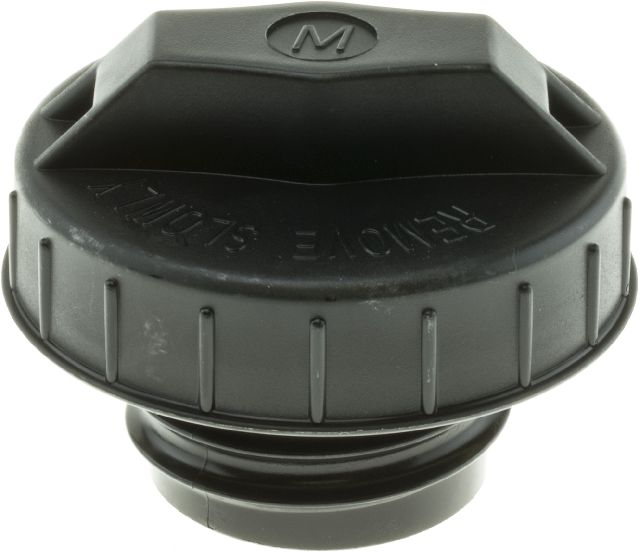
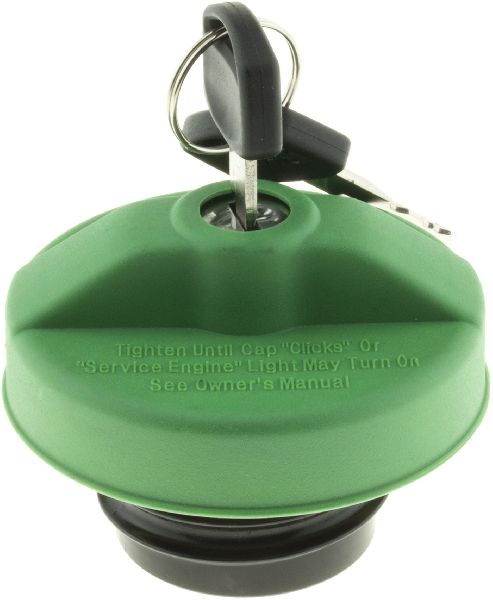
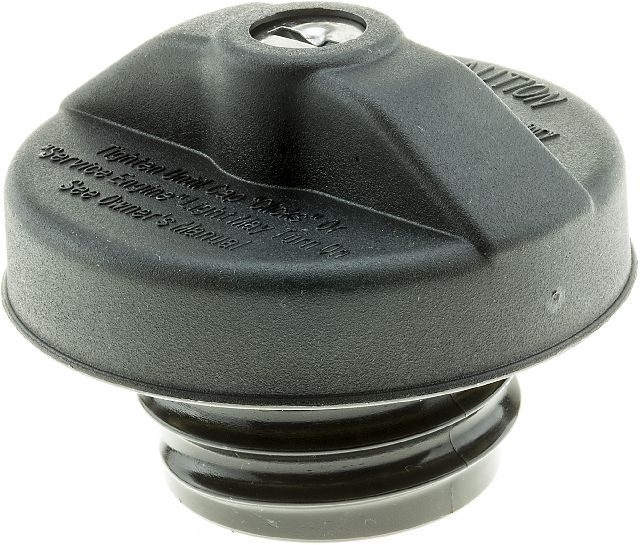
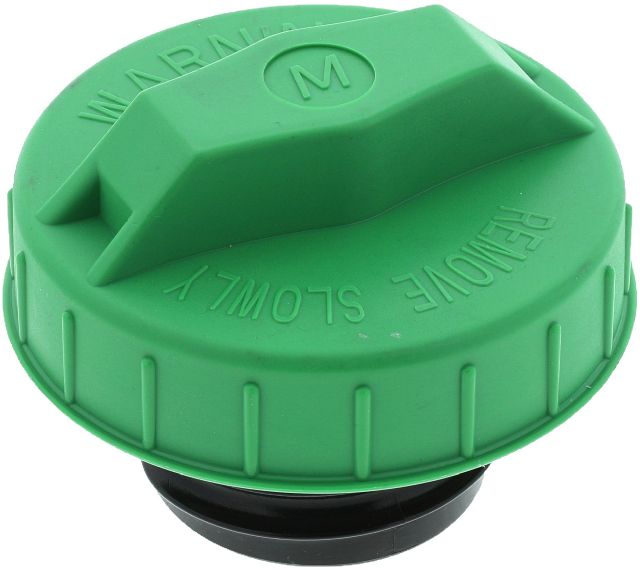
- Loose, Damaged, or Incorrect Gas Cap 🔴 High Probability → Shop Fuel Tank Cap This is the most common cause for any vehicle, accounting for over 50% of P0455 cases. The cap's seal can degrade over time, or it may not have been tightened correctly after refueling. Using a non-OEM cap can also lead to sealing issues.
How to confirm: Inspect the gas cap for cracks or a worn, brittle rubber seal. Ensure it is tightened until it clicks at least once. If in doubt, it's an inexpensive part to replace. Many forum users report fixing the code simply by replacing an old cap with a new OEM one.
Typical fix: Tighten or replace the gas cap.
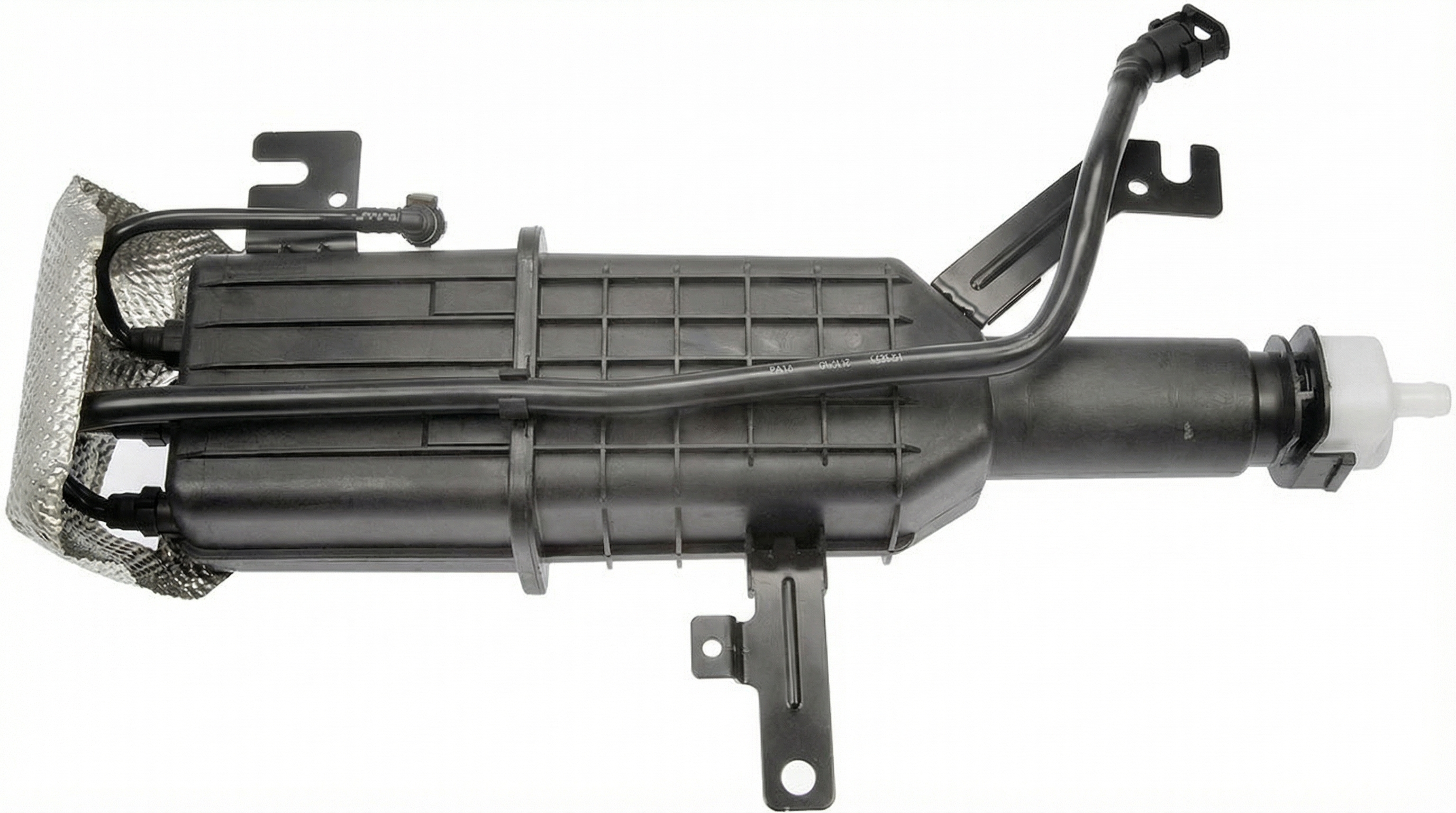
Est. part cost: $10-$25 - Faulty EVAP Vent Valve/Solenoid 🟡 Medium Probability → Shop Vapor Canister The vent valve is located near the charcoal canister under the truck, making it extremely vulnerable to dirt, moisture, and corrosion which causes the internal solenoid to stick open or closed. This is a very common failure point on GMT800/900 trucks.
How to confirm: The valve is normally open with the vehicle off. A scan tool can command it to close; if you don't hear a click or if a smoke test shows smoke exiting the valve when commanded closed, it is faulty. You can also test the solenoid for resistance with a multimeter; it should be between 48 and 65 ohms.
Typical fix: Replace the EVAP vent valve solenoid. GM released an updated part that relocates the filter to a less exposed area.
Est. part cost: $30-$70 - Faulty EVAP Purge Valve/Solenoid 🟡 Medium Probability → Shop Vapor Canister This valve is located in the engine bay, typically on the intake manifold, and can get stuck open or closed. If stuck open, it creates a constant vacuum leak into the intake manifold, which the system interprets as a large leak.
How to confirm: With the engine off, disconnect the valve and try to blow through it; no air should pass since it is a normally closed valve. With the engine running, disconnect the vapor line from the purge valve; there should be no vacuum felt at the valve port at idle until commanded on by a scan tool. A stuck valve will often not click when activated. The resistance should be between 30 and 38 ohms.
Typical fix: Replace the purge valve solenoid.
Est. part cost: $25-$50 - Cracked or Disconnected EVAP Hoses/Lines ⚪ Low Probability The plastic and rubber lines that run from the fuel tank to the engine bay can become brittle and crack over time due to age and heat cycles. Lines on top of the fuel tank are a common, but difficult to access, failure point. Rust can also corrode the metal sections of the EVAP lines.
How to confirm: Perform a thorough visual inspection of all EVAP lines, paying close attention to connection points. The most definitive way to find a leak is with a smoke test, which will make the source of the leak visible.
Typical fix: Replace the damaged section of the hose or the entire line assembly.
Est. part cost: $10-$100
Rare But Worth Checking
- Cracked Charcoal Canister: → Shop Vapor Canister The plastic housing of the canister, located under the truck, can develop cracks from impacts with road debris or simply from age, creating a large leak. A smoke test will easily reveal a cracked canister.
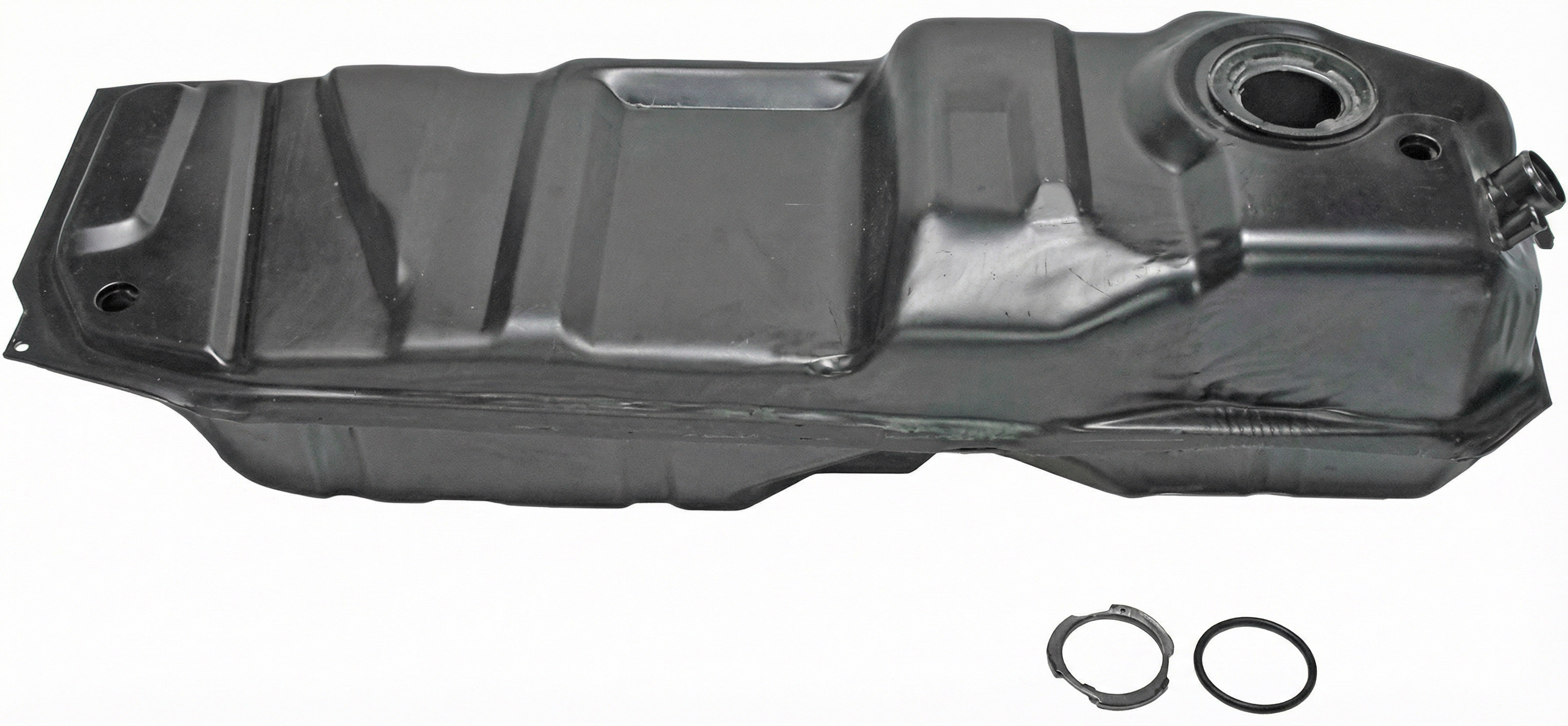
- Leaking Fuel Tank Filler Neck: → Shop Fuel Tank Rust and corrosion can perforate the metal filler neck where it connects to the fuel tank, causing a large leak that is often accompanied by a strong fuel smell after filling up. A visual inspection, especially after removing any shields, can reveal the damage.
- Faulty Fuel Tank Pressure (FTP) Sensor: → Shop Fuel Tank While rare for causing P0455 alone, a faulty FTP sensor can send incorrect readings to the ECM, causing it to believe there is a large leak when there isn't one. This failure is more likely to be accompanied by other specific sensor codes like P0452 (low voltage) or P0453 (high voltage).
- Cracked fuel pump module: → Shop Fuel Pump The plastic nipples on the top of the fuel pump module assembly, where the EVAP lines connect, can become brittle and crack. This location is on top of the fuel tank and is often missed during a visual inspection and may not show up on a smoke test unless the tank is nearly empty and the vapor level is high.
Diagnosis Steps
- Check the Gas Cap: Ensure the gas cap is tight. Remove it and inspect the seal for cracks or damage. If it looks old or worn, replace it with an OEM cap. Clear the code and drive for a few days to see if it returns.
- Visual Inspection: Inspect all visible EVAP hoses and lines under the hood and under the truck near the fuel tank. Look for obvious cracks, disconnections, or signs of damage. Pay special attention to the lines running over the frame and to the canister.
- Test the Purge Valve: Locate the purge valve on the intake manifold. With the engine off, it should be closed and not allow air to pass. With the engine running, use a scan tool to command it to 90% duty cycle; you should hear it clicking and feel vacuum on the port. If it doesn't click or pass vacuum when commanded, it's likely bad.
- Test the Vent Valve: Locate the vent valve near the charcoal canister. It is normally open when the truck is off. Use a scan tool to command it closed. You should hear a distinct click. If it doesn't click, or if it remains open when commanded closed (verified with a low-pressure air or smoke), the solenoid is faulty.
- Perform a Smoke Test: If the leak source is still not found, this is the most effective method. Connect the smoke machine to the EVAP service port (if equipped) or a disconnected line. Command the vent valve closed with a scan tool. The smoke will exit from the point of the leak, making it easy to identify cracks in hoses, the canister, or the filler neck.
Parts You'll Likely Need
- Gas Cap
(OEM #GT249 (ACDelco for 2001-2003), GT284 (ACDelco for 2004-2008))— This is the most frequent and simplest fix. The seal wears out over time, causing a large leak. Always use a quality OEM replacement.
Trusted brands: ACDelco, Stant
OEM price range: $20-$30
Aftermarket price range: $10-$20 - EVAP Canister Vent Valve Solenoid
(OEM #ACDelco 214-2149 (replaces older 214-2082, 25950499). Dorman 911-030 is a common aftermarket option.)— Its location under the truck makes it prone to failure from dirt and moisture, causing it to stick open or closed. The updated ACDelco part is a kit that helps relocate the air filter to prevent future contamination.
Trusted brands: ACDelco, Dorman, Standard Motor Products
OEM price range: $40-$70
Aftermarket price range: $25-$45 - EVAP Purge Valve Solenoid
(OEM #12597567 (ACDelco 214-1680). Dorman 911-032 is a common aftermarket cross-reference.)— Located in the engine bay, this valve can get stuck open, creating a large vacuum leak that the ECM interprets as a P0455. It can also fail to open, but that is less likely to cause a large leak code.
Trusted brands: ACDelco, Dorman
OEM price range: $25-$50
Aftermarket price range: $20-$40
Related Codes That Often Appear With This One
- P0442 — This code for a 'small' EVAP leak can appear alongside P0455 if the leak is intermittent or on the borderline between small and large. The TSB #21-NA-124 specifically mentions both codes as having similar diagnostic paths.
- P0449 — This code indicates a fault in the EVAP vent valve solenoid control circuit. Since a faulty vent valve is a common cause of P0455, these codes often appear together. P0449 points directly to an electrical problem with the vent valve (the solenoid or its wiring), while P0455 indicates the mechanical result (a large leak).
Technical Service Bulletins (TSBs) & Recalls
- 21-NA-124: Provides diagnostic tips for testing EVAP system leaks related to codes P0442 and/or P0455. It highlights checking seven critical connection points from the purge valve to the gas cap for proper seating and damage.
Platform-Specific Known Issues
- Rusted EVAP Lines: On trucks used in rust-belt states, the metal portions of the EVAP lines that run along the frame rail are known to rust through, creating a large leak. A user on Reddit with a 2013 model (similar GMT900 design) found their metal lines had rotted off near the tank and repaired them with rubber fuel line. A smoke test is the best way to confirm this.
- Vent Valve Solenoid Contamination: The original vent valve design was prone to getting clogged with dirt and dust, or failing from water intrusion, causing it to stick. GM released an updated service kit (like ACDelco 214-2149) that includes a new valve and a length of hose to relocate the filter box to a higher, more protected location inside the frame or bed side, which is considered a permanent fix.
Mechanic-Grade Diagnostic Values
- EVAP Canister Vent Valve Solenoid Resistance — expected: 48 - 65 Ohms. Failure: A reading outside this range indicates a faulty solenoid coil.
- EVAP Canister Purge Valve Solenoid Resistance — expected: 30 - 38 Ohms. Failure: A reading outside this range suggests the purge valve coil is bad.
- Fuel Tank Pressure (FTP) Sensor 5V Reference Wire — expected: ~5 Volts DC. Failure: With the sensor disconnected and ignition on, testing the gray wire to a known good ground should yield 5V. No voltage indicates a broken wire or an issue with the ECM.
- Fuel Tank Pressure (FTP) Sensor Signal Wire Voltage — expected: 1.3V - 1.7V (with gas cap off, at atmospheric pressure). Failure: A voltage significantly outside this range with the system open to atmosphere can indicate a faulty sensor. For example, a P0452 (low input) may be triggered if the voltage is stuck low.
Scan Tool Commands That Help
- Tech 2 / GDS2: EVAP Service Bay Test — This is a guided, automated test that allows a technician to force the EVAP monitor to run in the service bay without performing a full drive cycle. The tool commands the purge and vent valves to seal the system, creates a vacuum, and monitors for decay, providing a pass/fail result to confirm if a leak is present.
- Tech 2 / GDS2: Vent Valve Solenoid Control — This bidirectional command is used to manually close the normally-open vent valve. This is essential before performing a smoke test to seal the system. Hearing the valve click when commanded closed is a good initial sign, but smoke testing confirms it's actually sealing.
- Tech 2 / GDS2: Purge Valve Solenoid Control — This command allows the technician to manually open the normally-closed purge valve by a specific percentage. This is used to verify the valve is not stuck and is capable of drawing a vacuum on the system. A technician can monitor the FTP sensor voltage to see the vacuum build as the purge valve is opened.
Wiring & Ground Locations
- G103 / G104 — On the GMT800 platform, these grounds are typically located on the rear of the driver's side cylinder head or on the cowl above the brake booster. On GMT900, G103 is often on the front of the passenger side cylinder head.. These are primary ground points for the Engine Control Module (ECM) and Body Control Module (BCM). A poor or corroded ground here can cause erratic sensor readings and unpredictable behavior from components controlled by the ECM, including the EVAP purge and vent solenoids, potentially leading to false codes.
- Fuel Pump / EVAP Frame Ground — Located on the driver's side frame rail, often near the fuel tank or under the driver's door area.. The EVAP vent solenoid and Fuel Tank Pressure sensor are often grounded through a harness that ultimately connects to the frame in this area. Corrosion from road salt and moisture is common here, and a bad ground can cause the vent solenoid to fail to operate correctly, leading to P0449 or P0455 codes.
- EVAP Harness (over fuel tank) — The wiring harness that runs over the top of the fuel tank to the fuel pump module, FTP sensor, and sometimes the vent valve.. This section of the harness is susceptible to damage from rodents and chafing against the frame or top of the tank. A break in the 5V reference, ground, or signal wire for the FTP sensor can cause related codes (P0452/P0453) and prevent the EVAP monitor from running correctly.
Real Owner Repair Stories
- YouTube video by SM Auto Repair LLC (2003 Chevy Silverado 4.8L) — Check Engine Light with code P0455. Scan tool showed vent valve closed, purge at 0%, and FTP sensor at 1.2V (normal is ~1.4V at idle).
❌ Tried (didn't work) The video focuses directly on diagnosing the purge valve.
✅ What actually fixed it The purge valve was faulty. When commanded on with a scan tool, it did not create a change in the fuel tank pressure reading. Replacing the purge valve and re-testing showed the pressure correctly dropping as the valve was opened, confirming the fix. - YouTube video by New Level Auto (2020 Silverado (demonstrates a common issue applicable to older models)) — P0455 large leak code.
❌ Tried (didn't work) Initial checks of common components did not reveal the issue.
✅ What actually fixed it The leak was from a cracked plastic EVAP line on top of the fuel tank. The technician found it by pressurizing the system with low-pressure air (under 5 psi) and listening for the leak, which was a hissing sound from an area not easily visible. This required lowering the fuel tank for the final repair.
"I Checked Everything" — The Actual Cause
- A common scenario where a smoke test may not find a leak is when the crack is on the very top of the fuel pump module or a fuel tank nipple. If the fuel level is high, the liquid fuel can block the smoke from escaping, effectively masking the leak. The leak only becomes apparent when the fuel level drops. The fix is to drop the tank and replace the fuel pump module or repair the cracked line.
OEM Part Supersession History
ACDelco 214-2082 (also 25950499)→ACDelco 214-2149— The original vent valve design had an integrated filter that was highly susceptible to dirt and moisture intrusion, causing it to fail. The updated 214-2149 is a kit that includes a new valve and a length of hose to relocate the filter to a higher, more protected area, such as up in the bed side or frame rail, to prevent future contamination.
Heads up: The new valve in the 214-2149 kit may have a different electrical connector than the original part on some very early models. Some aftermarket kits, like Dorman's, may include a pigtail adapter to address this potential incompatibility.
Model Year Variations Within This Range
- 2001-2007 (GMT800 "Classic") vs 2007-2008 (GMT900): The GMT800 platform is known for its mechanical simplicity, while the GMT900 introduced a more refined interior and ride quality. For P0455 diagnosis, the key difference is the physical design and location of EVAP components. The 2007 model year is a transition year, with both "Classic" (GMT800) and new body style (GMT900) trucks sold, making it critical to identify the correct platform before ordering parts as they are not interchangeable. GMT900 trucks have a single-piece headlight assembly, while GMT800s have a two-piece design with a horizontal bar.
Helpful Videos
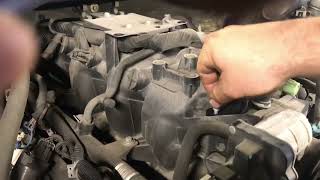
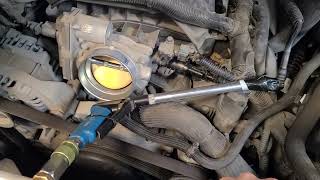
Used OEM Parts in Stock

New Aftermarket Parts Available


The information in this article is provided for general reference and educational purposes only. Vehicle specifications, procedures, and part compatibility can vary by production date, trim level, and region. Always consult your vehicle's factory service manual and verify part numbers before purchasing or performing repairs. Safety-critical components such as airbags, seat belts, and braking systems should be installed by a qualified professional.
- Chevrolet SILVERADO 3500:
- 🧭 Diagnostic Flowchart
- 🎬 Helpful Videos
- 🛍️ Shop This Part
- What's Unique About the 2001-2008 Chevrolet SILVERADO 3500
- Symptoms You May Notice
- Most Likely Causes
- Rare But Worth Checking
- Diagnosis Steps
- Parts You'll Likely Need
- Related Codes That Often Appear With This One
- Technical Service Bulletins (TSBs) & Recalls
- Platform-Specific Known Issues
- Mechanic-Grade Diagnostic Values
- Scan Tool Commands That Help
- Wiring & Ground Locations
- Real Owner Repair Stories
- "I Checked Everything" — The Actual Cause
- OEM Part Supersession History
- Model Year Variations Within This Range
- 🎟️ Get 5% Off