

P0455 on 2016-2023 GMC Sierra 1500: EVAP Large Leak Causes and Fixes
For a P0455 code on a 2016-2023 GMC Sierra, the most common causes are a loose or faulty gas cap (or capless filler neck issue) or a failed EVAP purge valve on the engine. If the gas cap isn't the issue, the purge valve is the next most likely part to fail and is a relatively inexpensive and easy DIY replacement. For trucks frequently driven in dusty conditions, the vent valve near the spare tire is also a primary suspect per GM TSB #23-NA-073.
- P0455 means your truck has a large leak in the fuel vapor system.
- Always check the gas cap or capless filler neck first; it's the most common and easiest fix.
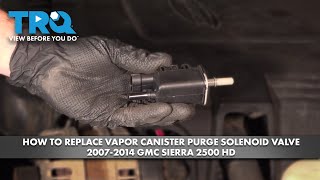
- The second most likely culprit is the EVAP purge valve located on the engine, which is a common DIY repair.
- If the issue persists, a smoke test is the best method to find the leak, which could be a faulty vent valve, a cracked canister, or a damaged hose.
- Due to TSBs, pay special attention to the canister and vent valve area near the spare tire, as it's a known weak point for dust/dirt contamination on these trucks.
What's Unique About the 2016-2023 Gmc SIERRA 1500

On these GMC Sierra trucks, the EVAP system components, particularly the vent valve and canister located near the rear axle, are susceptible to contamination from road debris and dust. This is a known issue, as highlighted by General Motors Technical Service Bulletin (TSB #23-NA-073), which directly links dust intrusion to EVAP codes like P0442, P0446, P0449, and P0455. The TSB outlines a procedure to install an auxiliary filter kit to protect the system on trucks operated in severe dusty environments. Owners who frequently drive on gravel or dirt roads may experience higher failure rates of the vent solenoid or charcoal canister. For 2019+ models, a common failure point is not the vent valve itself, but the Fuel Pump Control Module that operates 🎬 See how to fix common EVAP codes on newer Sierras. the valve's circuit, which can trigger related EVAP codes.
Diagnostic Flowchart

Tap your situation to follow the diagnostic path that matches what you're seeing on this vehicle.
Generation note: This range covers two Sierra 1500 generations: the 3rd Gen (K2XX platform, 2016-2018) and the 4th Gen (T1XX platform, 2019-2023). While the EVAP system's function is the same, the 4th Gen trucks often feature a capless fuel filler system. For these models, a 'gas cap issue' refers to a problem with the spring-loaded flap in the filler neck, not a traditional screw-on cap. Part designs and locations also differ; for example, the purge valve for a 2019+ 2.7L engine is a different part (e.g., Standard Motor Products CP912) than for the V8s of the previous generation. A significant difference in the T1XX platform is the introduction of a separate Fuel Pump Control Module that controls the EVAP vent valve; failure of this module is a known cause for EVAP circuit codes that may accompany a P0455.
Symptoms You May Notice
- Check Engine Light is on
- A faint to strong smell of fuel, especially around the rear of the truck or after refueling.
- Difficulty refueling, where the gas pump clicks off repeatedly (can be related to a blocked vent valve or saturated canister).
- Slightly reduced fuel economy in some cases.
- Audible 'whoosh' of pressure releasing when opening the gas cap, indicating the system is not purging correctly (can point to a stuck-closed purge valve).
- Replacing the fuel tank pressure sensor when the leak is actually in a nearby hose or the fuel pump module seal.
- Replacing the purge valve when the issue is a simple loose gas cap.
- Replacing the vent valve when a disconnected or cracked hose is the actual culprit.
- On 2019+ models, replacing the EVAP vent valve when the actual fault lies within the Fuel Pump Control Module that operates it.
Most Likely Causes

- Loose, Damaged, or Incorrect Gas Cap / Faulty Capless Filler Neck 🔴 High Probability → Shop Fuel Tank Cap This is the most common cause for any vehicle, accounting for a high percentage of P0455 codes. For 2019+ models with a capless system, the sealing flap can get stuck or fail to seal due to dirt, debris, or wear.
How to confirm: For traditional caps, ensure it is tightened until it clicks at least three times. Inspect the cap's rubber O-ring for cracks or damage. For capless systems, inspect the filler neck opening for debris and ensure the flap moves freely and seals shut. A funnel is often provided with the truck to help clean this area.
Typical fix: Tighten or replace the gas cap. Clean the capless filler neck seal. If the seal is damaged, the filler neck assembly may need replacement.
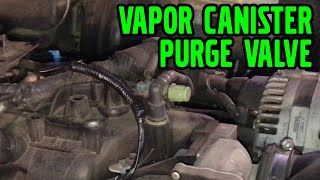
Est. part cost: $15-$40 - Failed EVAP Purge Valve (Solenoid) 🔴 High Probability → Shop Vapor Canister The purge valve is a very common failure point on many GM vehicles. It can get stuck open, creating a constant vacuum leak within the EVAP system, or stuck closed, preventing the system from drawing a vacuum during its test.
How to confirm: The valve is located on the engine's intake manifold. With the engine off, disconnect the valve's electrical connector and the line running to the canister. Try to blow through it. If air passes through, it is stuck open and has failed. A properly functioning purge valve is normally closed. A scan tool can also command it open to check for an audible click and vacuum flow with the engine running.
Typical fix: Replacement of the purge valve is straightforward, typically held by one bolt and featuring quick-disconnect fittings.
Est. part cost: $25-$60 - Failed EVAP Vent Valve (Solenoid) 🟡 Medium Probability → Shop Vapor Canister Vent Valve As noted in TSB #23-NA-073, the vent valve, located near the charcoal canister by the spare tire, is prone to failure from dust and dirt contamination, causing it to stick open and preventing the system from sealing for its test.
How to confirm: A scan tool can command the valve to close during a smoke test. If smoke immediately exits the vent hose filter, the valve is stuck open. It can also be removed and tested with a 12V power source to see if it actuates (it should make an audible click).
Typical fix: Replace the vent valve. It is often sold with a portion of the vent hose. For vehicles in dusty areas, GM recommends retrofitting a filter kit per TSB #23-NA-073.
Est. part cost: $30-$75 - Cracked or Disconnected EVAP Hoses 🟡 Medium Probability Plastic and rubber lines become brittle over time. TSB 21-NA-124 highlights that improperly seated connections are a common cause of leaks. A particularly vulnerable area on these trucks is the set of lines running over the top of the fuel tank, which are difficult to inspect visually.
How to confirm: A thorough visual inspection of all accessible lines is the first step, paying close attention to the seven critical connection points outlined in TSB 21-NA-124. The definitive method is a smoke test, which will show smoke exiting from any cracks or loose connections.
Typical fix: Replace the damaged section of hose or the entire line assembly if necessary. A specific line assembly for a 2020 model was identified with part number 85036055.
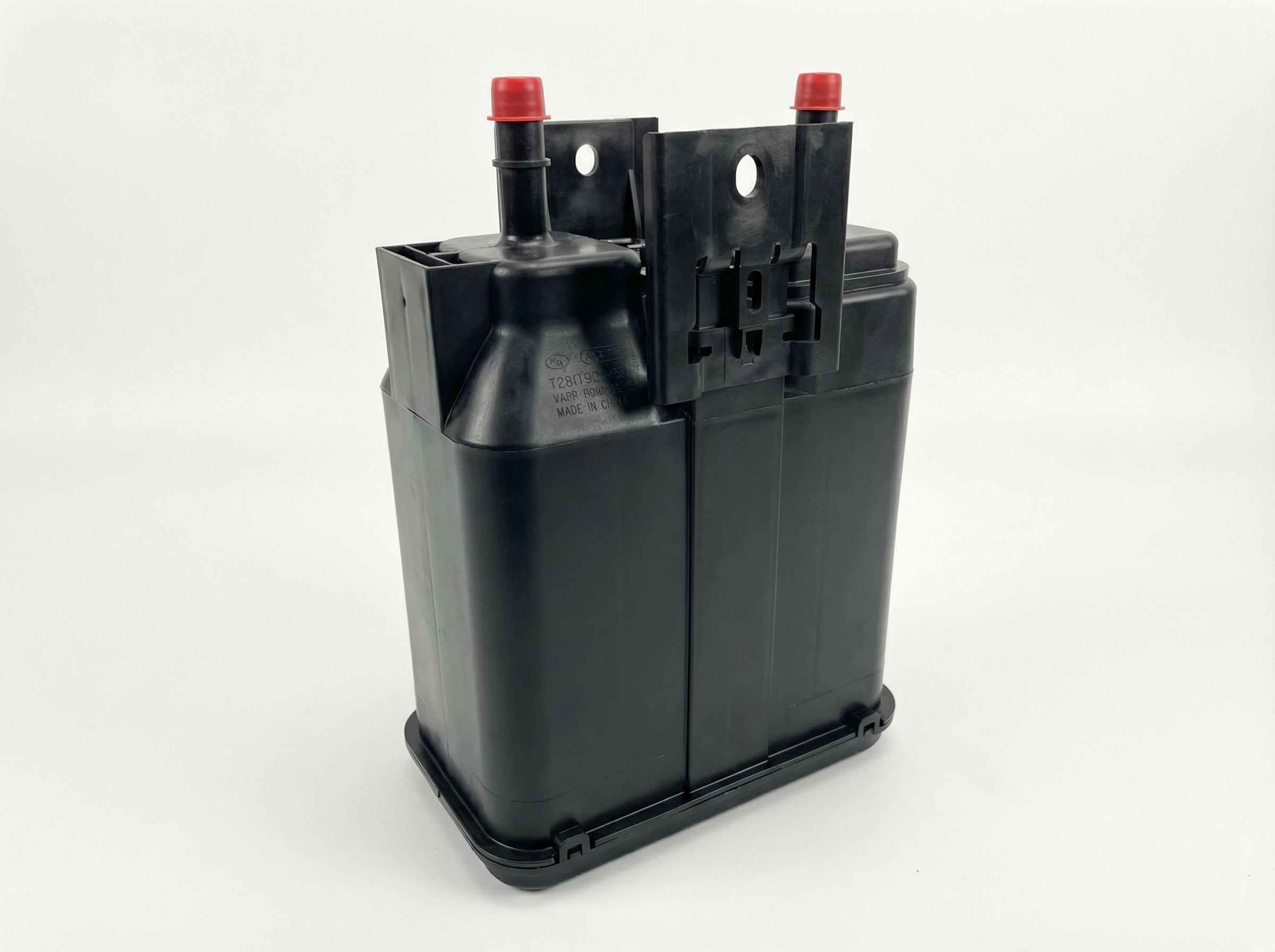
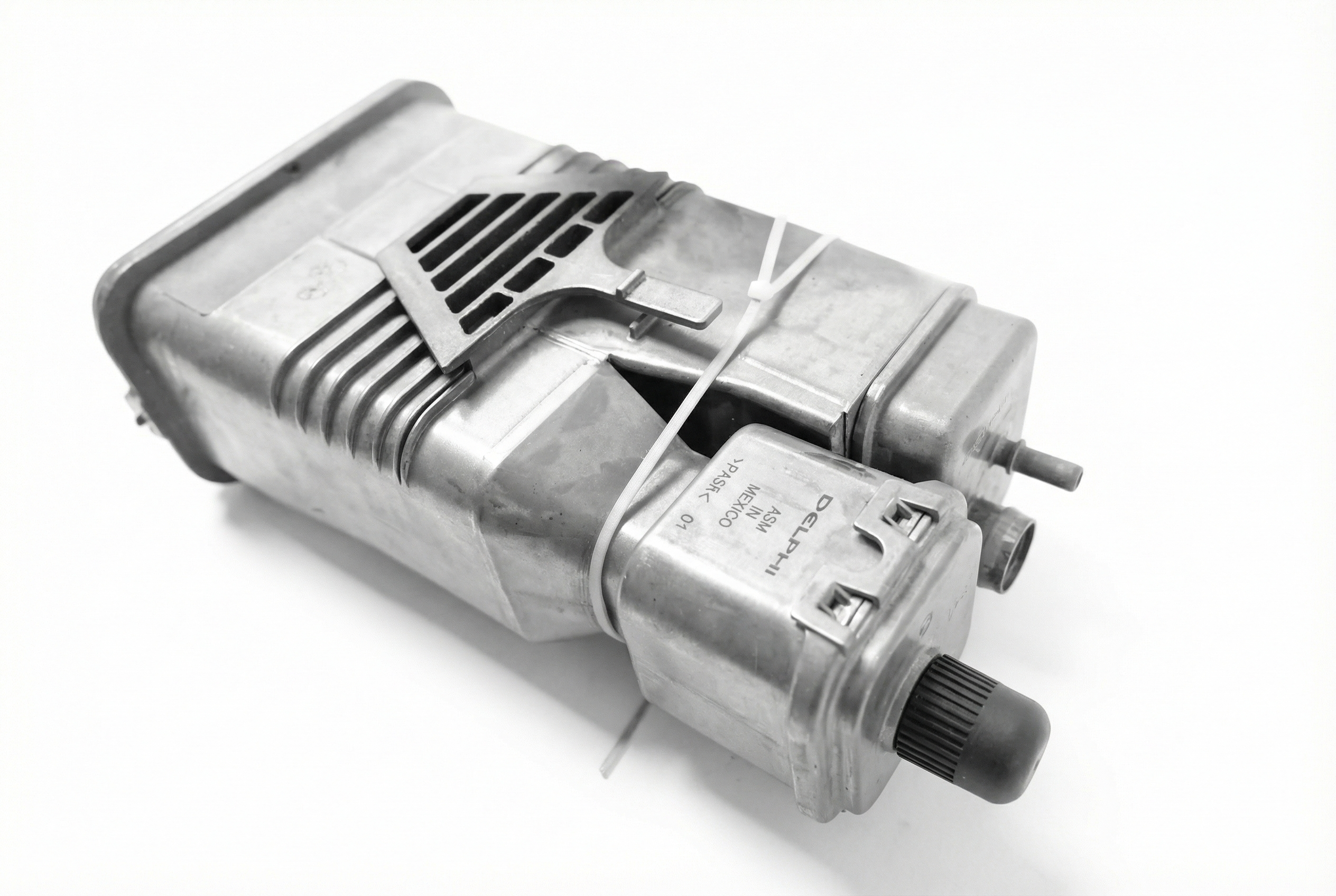
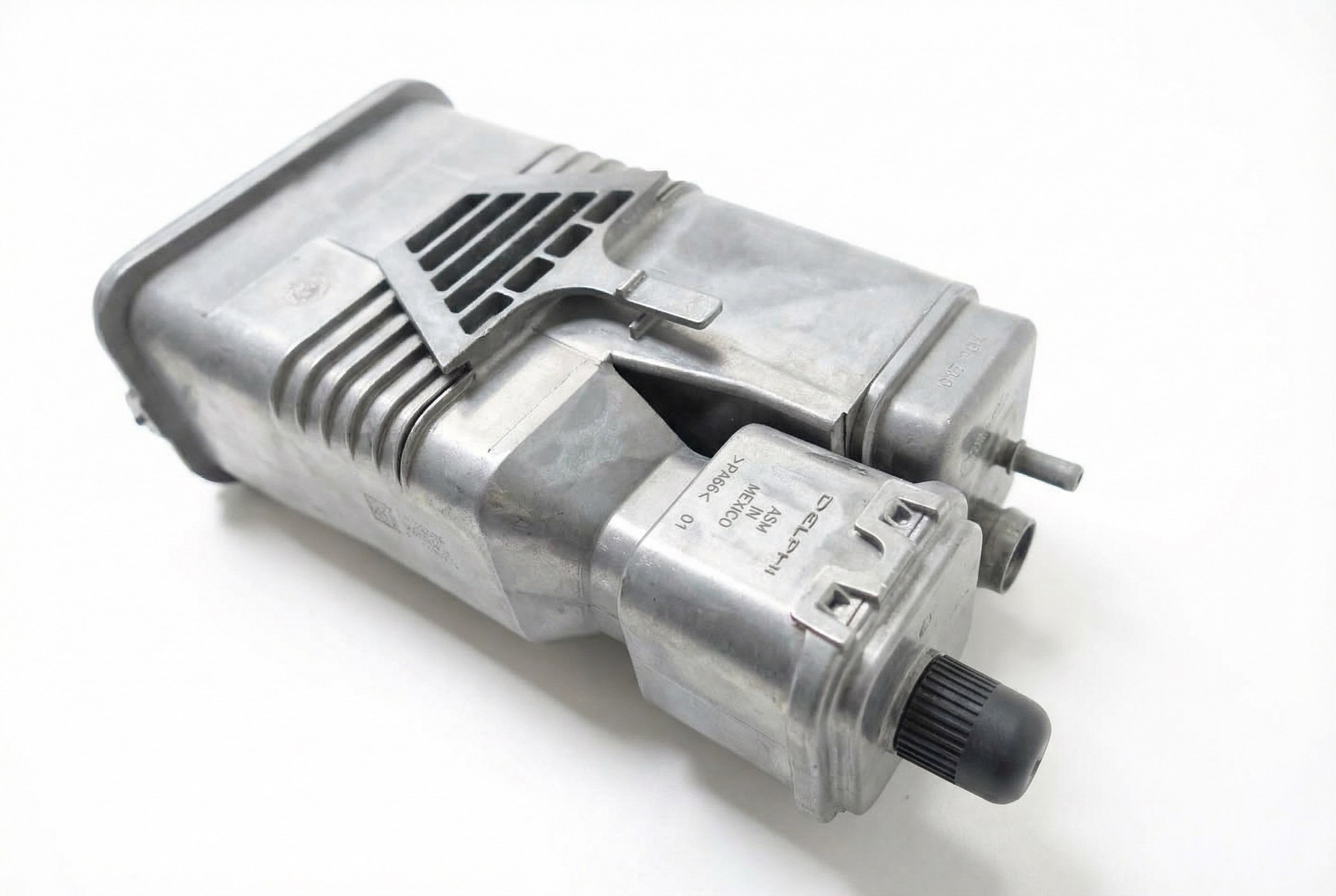
Est. part cost: $20-$150 - Cracked EVAP Charcoal Canister ⚪ Low Probability → Shop Vapor Canister The canister is a plastic box located near the fuel tank and can be damaged by road debris or develop cracks from age. TSB #23-NA-073 notes that dust intrusion can saturate and plug the canister, which can also lead to system faults.
How to confirm: Visually inspect the canister for any obvious cracks or damage. A smoke test will reveal leaks from the canister body. If the canister is saturated with fuel (feels heavy), it indicates a problem with overfilling the tank or a faulty purge valve.
Typical fix: Replace the charcoal canister assembly.
Est. part cost: $100-$250
Rare But Worth Checking
- Leaking Fuel Tank Pressure Sensor: → Shop Fuel Tank The sensor itself, or the seal where it mounts to the fuel tank or fuel pump module, can fail and create a leak. This is usually found with a smoke test showing smoke emerging from the top of the fuel tank.
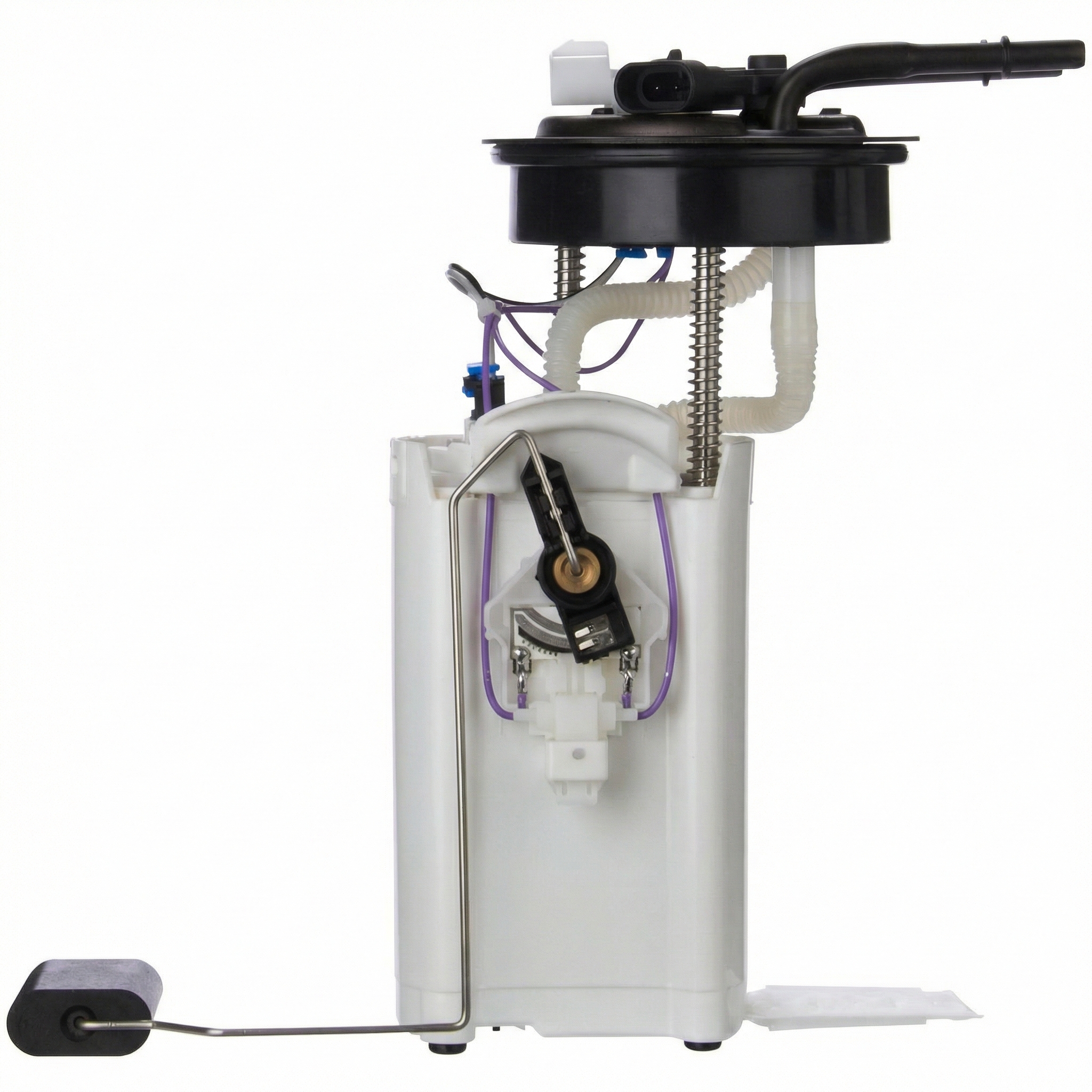
- Cracked Fuel Pump Module or Leaking Lock Ring: → Shop Fuel Pump In some cases, the plastic housing of the fuel pump module on top of the tank can crack, or the metal lock ring securing it can rust and fail, creating a large EVAP leak. This requires dropping the fuel tank or lifting the truck bed for access and is best found with a smoke test.
- Damaged Fuel Filler Neck: → Shop Fuel Filler Neck Corrosion or physical damage to the metal fuel filler neck can create a hole large enough to trigger a P0455 code. This is more common on older vehicles or those in rust-prone areas.
- Failed Fuel Pump Control Module (2019+): → Shop Fuel Pump On 2019 and newer models, the Fuel Pump Control Module (FPCM) controls the circuit for the EVAP vent valve. A failure within this module can cause codes like P0449, P0498, or P0499, and may lead to a P0455 if the system cannot seal. The vent valve itself may be functional, but the module controlling it has failed.
Diagnosis Steps
- Check the gas cap. Ensure it's tight and the seal is intact. On capless systems, check the filler neck flap for proper sealing. Clear the code and drive for a few days to see if it returns.
- If the code returns, perform a visual inspection of the EVAP purge valve on the engine and the vent valve and canister near the spare tire. Look for obvious cracks or disconnected hoses.
- Test the purge valve. With the engine off, disconnect the hose from the intake manifold side and try to blow through it. If air passes, it has failed and needs to be replaced.
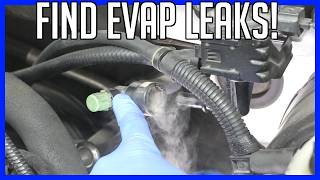
- If the purge valve is good, the next step is a smoke test. This is the most effective way to find the leak.
- Connect a smoke machine to the EVAP service port (often has a green cap under the hood).
- Use a scan tool to command the EVAP vent valve to the 'closed' (not venting) position to seal the system.
- Introduce smoke into the system and look for where it escapes. Check all lines, the canister, the vent valve, and the area around the fuel tank and filler neck. Pay close attention to the seven connection points listed in GM TSB 21-NA-124.
- Once the leak is found, replace the faulty component.
Parts You'll Likely Need
- EVAP Canister Purge Valve
(OEM #ACDelco 214-1680 (K2XX V8s), Standard CP912 (T1XX 2.7L))— This is a very common failure point on GM trucks that causes a large leak when it sticks open or fails to open for the system test.
Trusted brands: ACDelco, Bosch, Delphi, Standard Motor Products
OEM price range: $40-$70
Aftermarket price range: $25-$50 - Gas Cap
(OEM #ACDelco GT330 (example, varies by year))— The simplest and most common cause. Always check this first. Not applicable to 2019+ capless systems.
Trusted brands: ACDelco, Stant
OEM price range: $20-$40
Aftermarket price range: $15-$30 - EVAP Canister Vent Valve Solenoid
(OEM #ACDelco 214-2149 / GM 23481275 (example, varies by year))— Prone to sticking open due to dirt and dust, especially on trucks used in rural or off-road conditions, as noted in TSB 23-NA-073.
Trusted brands: ACDelco, Dorman
OEM price range: $45-$80
Aftermarket price range: $30-$60
Related Codes That Often Appear With This One
- P0442 — P0442 indicates a small EVAP leak. Sometimes a component is beginning to fail and may initially set a P0442 before the leak worsens and triggers a P0455. Both codes are mentioned in TSBs 21-NA-124 and 23-NA-073.
- P0449 — This code specifically points to a fault in the EVAP vent valve solenoid circuit. If you have P0455 and P0449 together, the vent valve is almost certainly the problem. TSB 23-NA-073 also groups these codes together as being caused by dust intrusion.
- P0496 — This code indicates 'EVAP Flow During a Non-Purge Condition,' which almost always points to a purge valve that is stuck open. It's very common to see this with P0455 on GM trucks.
- P0498 / P0499 — These codes indicate low or high voltage in the EVAP vent solenoid control circuit. On 2019+ models, these codes appearing with P0455 can point towards a faulty Fuel Pump Control Module rather than the vent solenoid itself.
Technical Service Bulletins (TSBs) & Recalls

- 23-NA-073: Diagnostic aid for DTCs P0442, P0446, P0455, or P0449 caused by dust intrusion into the EVAP canister. Recommends installing a new filter assembly.
- 21-NA-124: Diagnostic tips for finding EVAP leaks (P0442, P0455), highlighting seven critical connection points to inspect.
Platform-Specific Known Issues
- Dust Intrusion into Vent Valve: Per TSB #23-NA-073, trucks operated in dusty environments are highly prone to getting dirt sucked into the EVAP vent solenoid, causing it to stick open and trigger P0449 and P0455 codes. The official fix is a customer-pay installation of an auxiliary filter kit to relocate the air intake for the vent system.
- Capless Fuel Filler Seal: On 2019+ models, the capless fuel filler's spring-loaded door is the primary seal. Debris from the fuel pump nozzle or road grime can prevent it from closing completely, which is a common cause for a P0455 that is easily missed. Regular cleaning of the seal with the truck's supplied funnel is recommended.
Mechanic-Grade Diagnostic Values
- EVAP Purge Valve Solenoid Resistance — expected: 22 to 30 Ohms. Failure: A reading significantly outside this range, or an open circuit (infinite resistance), indicates a faulty solenoid coil.
- EVAP Vent Valve Solenoid Resistance — expected: 12 to 130 Ohms (Varies by specific part number). Failure: An open circuit (infinite resistance) or a reading outside the part's specified range indicates failure.
- Fuel Tank Pressure (FTP) Sensor Voltage (Key-On-Engine-Off, gas cap off) — expected: Approximately 1.3V to 1.7V. Failure: A reading significantly higher or lower suggests a sensor or wiring fault. A reading that does not change when a slight vacuum is applied also indicates a fault.
- Fuel Tank Pressure (FTP) Sensor Voltage during EVAP test — expected: Voltage should increase as vacuum is applied.. Failure: If the scan tool does not show an increase in voltage (up to a 3.2V abort limit) while a vacuum gauge shows vacuum is building, the FTP sensor has failed.
Scan Tool Commands That Help
- GDS2 / High-End Scan Tool: EVAP Service Bay Test — This is an automated test that commands the solenoids and monitors the FTP sensor to verify system integrity and check for leaks without a full drive cycle.
- GDS2 / High-End Scan Tool: EVAP Purge/Seal — This function allows the technician to manually command the vent valve closed and the purge valve open to check the system's ability to build and hold a vacuum, and to monitor FTP sensor response.
- GDS2 / High-End Scan Tool: Vent Valve Solenoid Command — Used to manually close the vent valve to seal the system for a smoke test. If smoke escapes from the vent filter immediately after commanding it closed, the valve is faulty.
Wiring & Ground Locations
- G110 / G114 — Locations vary, but these are key body or frame grounds. G110 is often on the engine block or near the front of the frame.. GM issued a document (PIE0548) for 2019-2020 models regarding loose connections at these grounds. A poor ground can cause erratic behavior in any electronic component, including EVAP solenoids and sensors.
- G218 — For K2XX (2014-2018) platforms, this ground is located under the driver's side dash, behind the kick panel.. This is a major interior ground point. A loose connection here can cause a wide range of seemingly unrelated electrical issues, potentially affecting the ECM's ability to correctly monitor the EVAP system.
- Fuel Pump Control Module (FPCM) Connector — On 2019+ models, this module is typically mounted on the frame rail under the truck.. This connector provides power and control signals to the EVAP vent valve. Corrosion or damage to this connector or its wiring can cause vent valve circuit codes (P0449, P0498, P0499) and prevent the system from sealing, leading to P0455.
Real Owner Repair Stories
- YouTube Video by Jon's Garage (2019-2021 GMC Sierra/Chevy Silverado 5.3L) — Check Engine Light with codes P0449, P0498, P0499 (EVAP vent circuit faults).
❌ Tried (didn't work) Replacing the EVAP vent valve solenoid.
✅ What actually fixed it The Fuel Pump Control Module (FPCM), which controls the vent valve circuit on these newer trucks, had failed internally. Replacing the FPCM and clearing the codes resolved the issue. - YouTube Video by South Main Auto Repair LLC (2018 GMC Sierra 1500) — Check Engine Light with a small EVAP leak code (P0442).
❌ Tried (didn't work) Initial visual inspection and capless filler neck check.
✅ What actually fixed it A smoke test revealed a leak from the seal of the fuel pump's metal lock ring on top of the plastic fuel tank. The fix required dropping the fuel tank and replacing the fuel pump assembly and lock ring. - GMTNation Forum Thread (2004 Trailblazer (similar GM EVAP system logic)) — P0455 (Major EVAP System Leak)
❌ Tried (didn't work) Assuming a complex leak source like the fuel filler neck recall.
✅ What actually fixed it The final cause was a simple bad seal on the gas cap. A new gas cap fixed the problem. - YouTube comment on a P0455 video (Unspecified GM truck) — P0455
❌ Tried (didn't work) Replacing EVAP solenoids.
✅ What actually fixed it The leak was ultimately found to be from a rusted fuel filler neck.
"I Checked Everything" — The Actual Cause
- In one documented case on a 2010 GMC, the truck had a P0455 code, but a smoke test passed with no visible leaks. The technician noted that while the system held pressure, the Fuel Tank Pressure (FTP) sensor was not registering any change in pressure during a commanded purge. The actual cause was a faulty FTP sensor, which is part of the fuel pump module. The problem was resolved by replacing the fuel pump assembly.
When the Usual Fixes Don't Work
- While the common causes list points to the vent valve as a primary suspect, a significant number of real-world repairs on 2019 and newer Sierras have shown that the vent valve itself is fine. The actual problem was a failed Fuel Pump Control Module (FPCM) that provides the power and control for the vent valve circuit. Owners and technicians who replaced the vent valve first found the codes (P0449, P0498, P0499) returned until the FPCM was replaced. This highlights a critical diagnostic path for newer models: if vent valve circuit codes are present, the FPCM must be considered a likely culprit before or in addition to the valve.
Model Year Variations Within This Range
- 2019-2023 (T1XX Platform): The EVAP vent valve is controlled by the Fuel Pump Control Module (FPCM), not directly by the ECM. A failure in the FPCM is a known cause of EVAP circuit codes (P0449, P0498, P0499) that can lead to a P0455, even if the vent valve itself is good. This is a common misdiagnosis where the valve is replaced unnecessarily.
- 2019-2020: A GM field report document (PIE0548) was issued for these model years to investigate issues caused by loose ground connections at G110 and/or G114. Poor grounds can cause a variety of difficult-to-diagnose electrical faults in the EVAP system.
- 2016-2018 (K2XX Platform): These models use a traditional gas cap and do not have the separate Fuel Pump Control Module controlling the vent valve in the same way as the 2019+ models. Diagnosis is more traditional, focusing on the cap, purge valve, vent valve, and lines.
Helpful Videos

Used OEM Parts in Stock

New Aftermarket Parts Available


The information in this article is provided for general reference and educational purposes only. Vehicle specifications, procedures, and part compatibility can vary by production date, trim level, and region. Always consult your vehicle's factory service manual and verify part numbers before purchasing or performing repairs. Safety-critical components such as airbags, seat belts, and braking systems should be installed by a qualified professional.
- Gmc SIERRA 1500:
- 🧭 Diagnostic Flowchart
- 🎬 Helpful Videos
- 🛍️ Shop This Part
- What's Unique About the 2016-2023 Gmc SIERRA 1500
- Symptoms You May Notice
- Most Likely Causes
- Rare But Worth Checking
- Diagnosis Steps
- Parts You'll Likely Need
- Related Codes That Often Appear With This One
- Technical Service Bulletins (TSBs) & Recalls
- Platform-Specific Known Issues
- Mechanic-Grade Diagnostic Values
- Scan Tool Commands That Help
- Wiring & Ground Locations
- Real Owner Repair Stories
- "I Checked Everything" — The Actual Cause
- When the Usual Fixes Don't Work
- Model Year Variations Within This Range
- 🎟️ Get 5% Off