

P0455 on 2012-2019 GMC Yukon XL: EVAP Large Leak Causes and Fixes
For a 2012-2019 GMC Yukon XL, the P0455 code almost always points to a loose gas cap, a faulty EVAP purge valve on the engine, or a bad vent solenoid near the tank. Checking the gas cap is free, while replacing either valve typically costs between $25 and $70 for the part. If the gas pump constantly clicks off when refueling, suspect the vent solenoid first.
- Always check your gas cap first for a P0455 code. It's the most common and cheapest fix.
- On the 2012-2019 Yukon XL, the top two suspects after the gas cap are the purge valve (on the engine) and the vent valve (by the tank).
- If you have trouble starting your truck right after getting gas, the purge valve is almost certainly stuck open.
- A 'Tighten Gas Cap' message on the dash does not always mean the gas cap is the problem; it's a generic alert for this type of leak.
- A smoke test is the most reliable way to find a physical leak in a hose or the charcoal canister if the valves and gas cap check out.
What's Unique About the 2012-2019 Gmc YUKON XL
On this generation of GM trucks, including the Yukon XL, the two most common electronic failure points for a P0455 code are the purge valve solenoid (on the engine) and the vent valve solenoid (by the tank). Owners often experience a "Tighten Gas Cap" message on the dash, which can be misleading if the actual fault is one of these valves. While a loose gas cap is the number one cause across all vehicles, on these specific trucks, the purge and vent valves have a high failure rate and should be the next items to inspect closely. TSB 21-NA-124 confirms that a stuck-closed purge valve or a stuck-open vent valve are primary causes for this code on GM trucks.
Diagnostic Flowchart
Tap your situation to follow the diagnostic path that matches what you're seeing on this vehicle.
Generation note: This range covers two generations of the GMC Yukon XL: the third generation (2012-2014, GMT900 platform) and the fourth generation (2015-2019, K2XX platform). While the function of the EVAP system is the same, the specific part numbers and locations for components like the vent solenoid and charcoal canister may differ slightly between these two generations. Always verify the part with your vehicle's VIN.
Symptoms You May Notice
- Check Engine Light is on
- A "Tighten Gas Cap" message may appear on the driver information center
- A faint to strong fuel odor, especially around the rear of the vehicle or after refueling
- Difficulty starting the engine immediately after filling the gas tank (a classic sign of a stuck-open purge valve)
- Slight decrease in fuel economy
- Gas pump nozzle clicks off repeatedly during refueling (a classic sign of a stuck-closed EVAP vent solenoid)
- Replacing the charcoal canister when the actual problem is a much cheaper and easier-to-replace vent or purge solenoid.
- Immediately assuming a complex leak exists before thoroughly checking the gas cap seal and tightness.
- Replacing the vent valve near the tank when the symptom is 'hard start after refueling,' which more commonly points to the purge valve on the engine.
Most Likely Causes
- Loose, Damaged, or Incorrect Gas Cap 🔴 High Probability → Shop Fuel Tank Cap This is the most frequent cause on any vehicle. The rubber seal on the cap can dry out and crack over time, or the cap may simply not have been tightened correctly after refueling.
How to confirm: Inspect the gas cap for any visible cracks on the rubber O-ring or damage to the cap itself. Ensure it is tightened until it clicks at least once. A key diagnostic tip: if you hear a loud 'whoosh' of pressure when removing the cap, the cap is likely sealing correctly, and the pressure buildup may be caused by a faulty purge valve that isn't venting the tank vapors to the engine.
Typical fix: Tighten the cap and clear the code. 🎬 Watch: A quick DIY guide to fixing the P0455 code. If the code returns, replace the gas cap with a new OEM or high-quality aftermarket part.
Est. part cost: $15-$30 - Faulty EVAP Vent Valve Solenoid 🟡 Medium Probability → Shop Vapor Canister This solenoid, located near the charcoal canister by the spare tire, is exposed to road debris and moisture, causing it to fail. It can get stuck open (causing a P0455 leak) or stuck closed (causing difficulty when refueling).
How to confirm: Use a bidirectional scan tool to command the vent valve closed; if the system still won't hold a vacuum, the valve is likely faulty. A smoke test will show smoke exiting the vent valve if it's stuck open. If the gas pump constantly clicks off, the valve is likely stuck closed. You can also apply 12V directly to the solenoid; you should hear an audible click as it actuates.
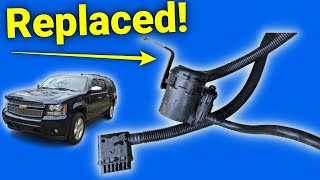
Typical fix: Replace the EVAP vent valve solenoid. The quick-disconnect hoses can be difficult to remove; wiggling while pressing the release tab is required. 🎬 See this walkthrough for replacing the vent valve near the tank.
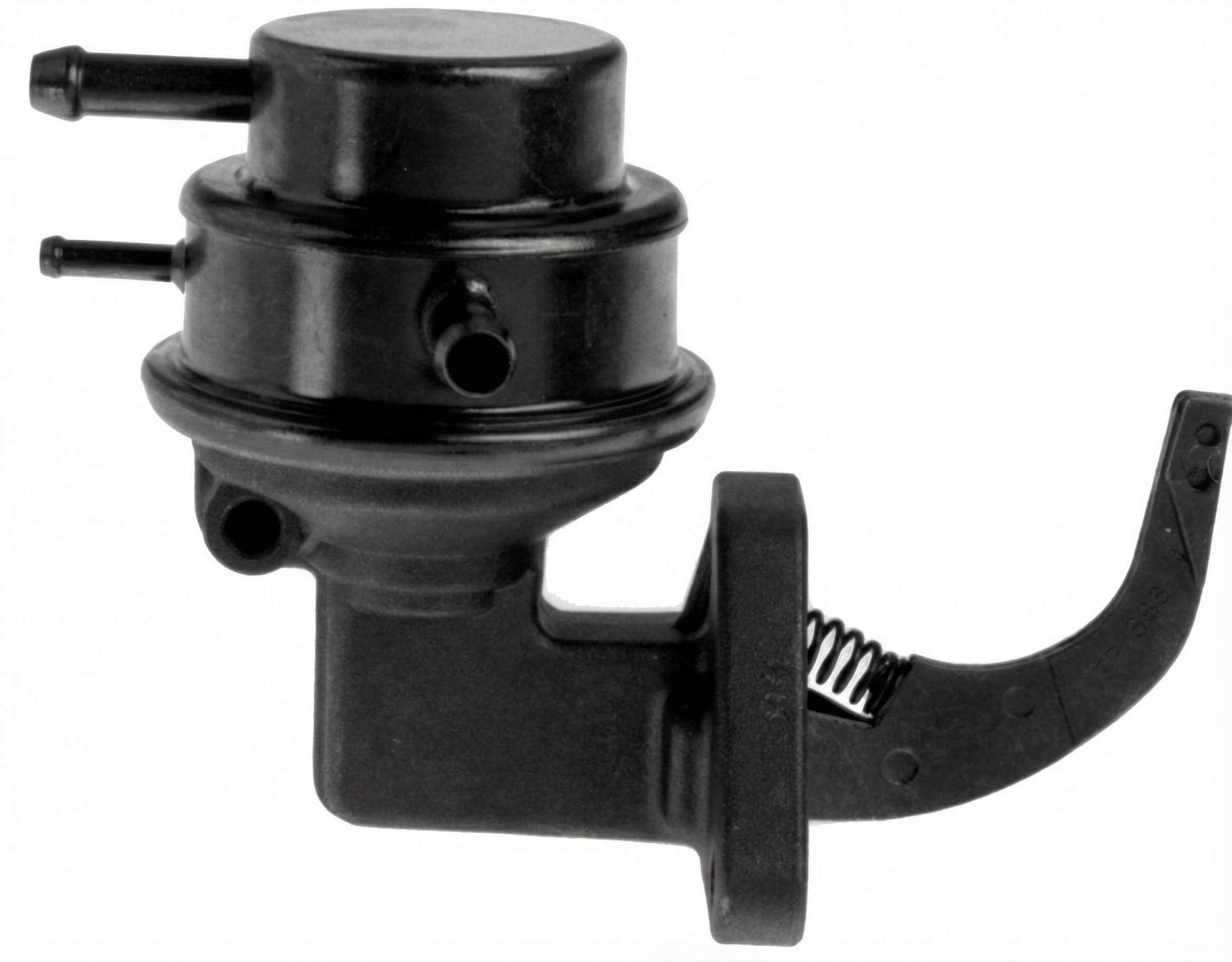
Est. part cost: $30-$70 - Faulty EVAP Purge Valve Solenoid 🟡 Medium Probability → Shop Vapor Canister This valve, located on the engine's intake manifold, can get stuck open or closed. A stuck-open valve allows un-metered vacuum into the EVAP system, which the ECM interprets as a large leak. TSB #21-NA-124 also notes a stuck-closed purge valve can cause P0455 by preventing the system from drawing a vacuum during its self-test. Many owners on forums report this part as the ultimate fix after replacing the gas cap and vent valve.
How to confirm: Remove the valve from the engine. With the vehicle off, try to blow through it. If air passes through, it is stuck open and has failed. A stuck-open valve is also a primary cause of difficulty starting after refueling.
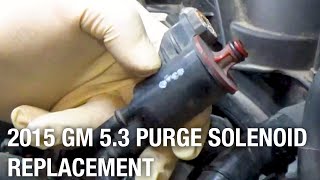
Typical fix: Replace the purge valve solenoid. This is often a very simple repair requiring an 8mm or 10mm socket and takes less than 15 minutes. 🎬 Watch: How to replace the purge solenoid on a 2015 model.
Est. part cost: $25-$60 - Cracked or Disconnected EVAP Hoses/Lines ⚪ Low Probability Over time, the plastic and rubber lines that make up the EVAP system can become brittle and crack, especially in harsh climates. Connections can also become loose.
How to confirm: A thorough visual inspection may reveal an obvious crack or disconnected line. TSB #21-NA-124 recommends this as the first diagnostic step. The most effective method is to use an automotive smoke machine to fill the system with smoke and watch for where it leaks out.
Typical fix: Replace the damaged section of hose or reconnect the loose line.
Est. part cost: $10-$50
Rare But Worth Checking
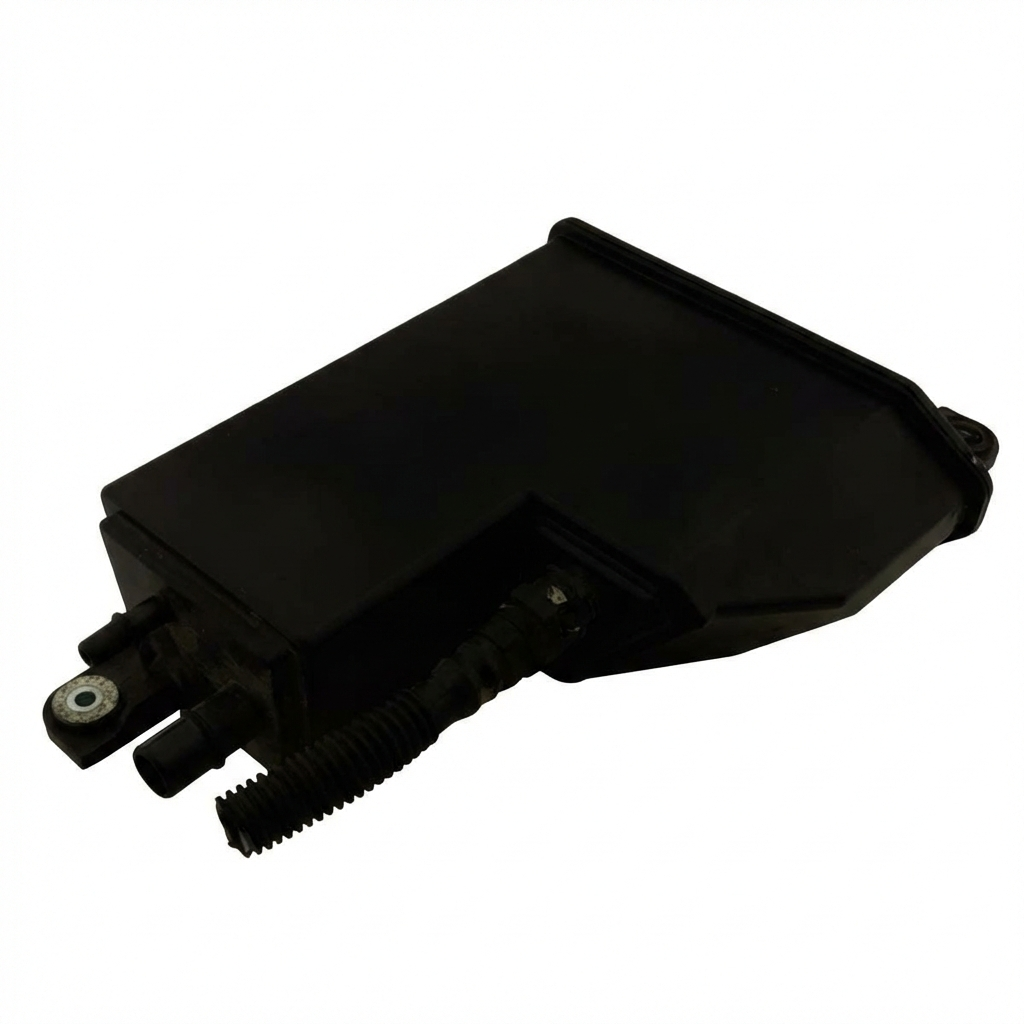
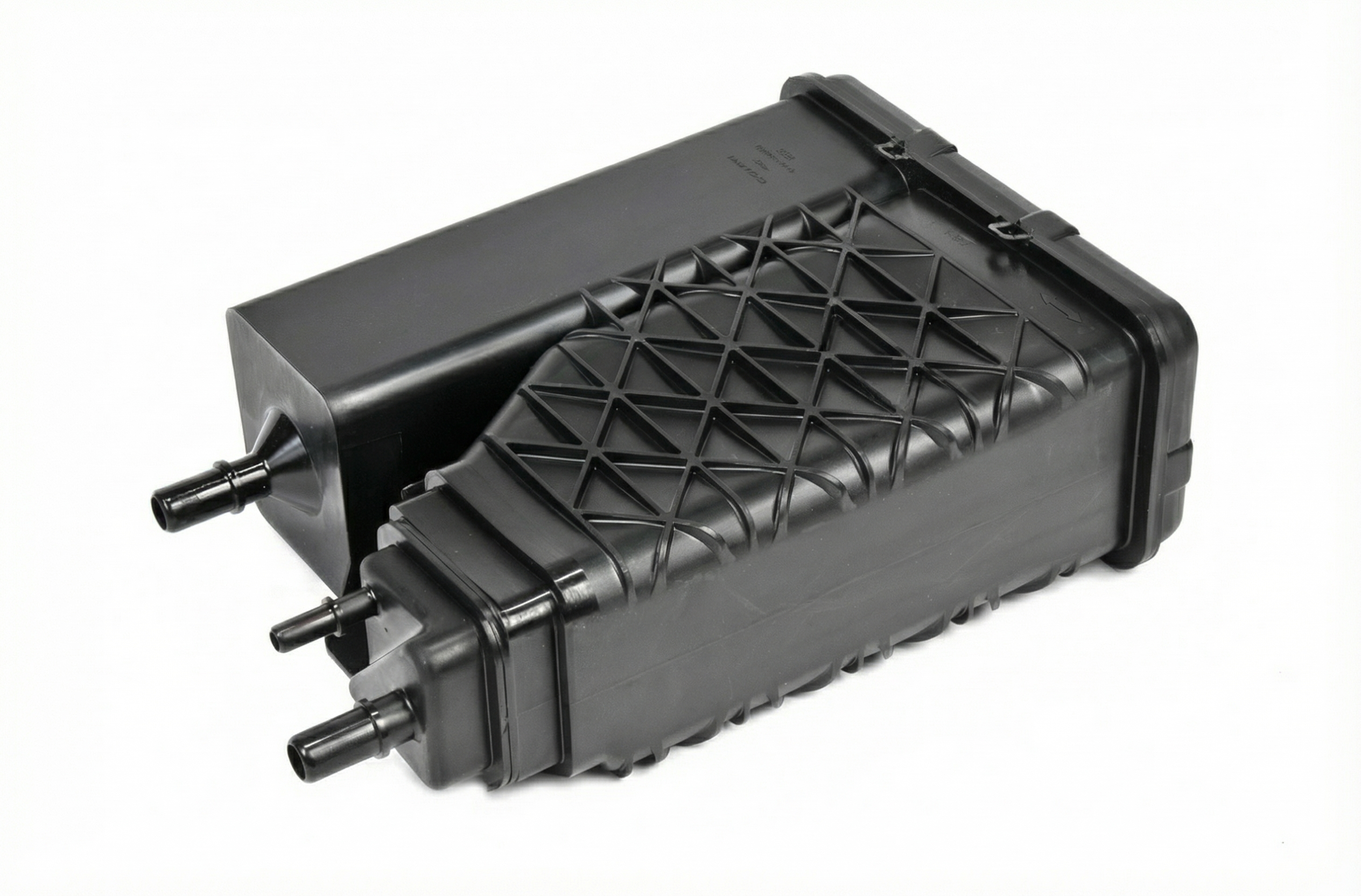
- Cracked Charcoal Canister: → Shop Vapor Canister The plastic housing of the canister itself can develop a crack from road debris or age, creating a large leak. This is usually found during a smoke test after all solenoids have been checked.
- Damaged Fuel Filler Neck / Vent Hose: → Shop Fuel Filler Neck Rust or physical damage to the metal filler neck can prevent the gas cap from creating a proper seal. More specifically for 2013-2014 models, TSB #15-NA-019 points to a fractured vent hose connector on the filler neck assembly, which requires replacing the hose (Part #22802075 for Yukon XL).
- Faulty Fuel Tank Pressure Sensor: → Shop Fuel Tank In rare cases, the sensor that measures pressure in the tank can fail and send incorrect readings to the ECM, tricking it into thinking there is a leak when there isn't one.
Diagnosis Steps
- Check the Gas Cap: This is the first and easiest step. Remove the cap, inspect the seal for cracks or wear, and reinstall it, making sure it clicks several times. Clear the code. Note: If you hear a loud 'whoosh' of air when removing the cap, it's likely sealing properly, and you should investigate the purge and vent valves next.
- Visual Inspection: Per TSB #21-NA-124, visually inspect all accessible EVAP lines and connections between the engine and the tank for obvious cracks, damage, or disconnections.
- Test the Purge Valve: Locate the purge valve on the engine intake manifold. Disconnect it and try to blow through it. If air passes, it's stuck open and needs to be replaced. This is a very common failure point.
- Evaluate Refueling Symptoms: If your main complaint is the gas pump clicking off constantly, the EVAP vent valve is the most likely cause.
- Test the Vent Valve: If you have a bidirectional scan tool, command the vent valve to close. If you don't, you can remove it (located near the spare tire) and apply 12-volt power to its terminals to see if it clicks. No click means it's dead.
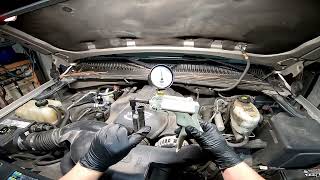
- Perform a Smoke Test: If the cause is still not obvious, the definitive test is with an automotive smoke machine. This tool fills the EVAP system with a visible vapor, and any leak from a cracked hose, filler neck, or canister will be quickly revealed by a stream of smoke.
- Check for TSBs: Review Technical Service Bulletins, like #21-NA-124 (diagnostic tips) and #15-NA-019 (filler neck hose issue on 2013-14 models), which provide specific guidance for these codes on GM vehicles.
Parts You'll Likely Need
- Gas Cap
(OEM #ACDelco GT295 (2012-2014), ACDelco GT334 (2015-2019))— This is the most common cause of a P0455 code due to a worn seal or improper tightening.
Trusted brands: ACDelco, Stant
OEM price range: $20-$35
Aftermarket price range: $15-$25 - Vapor Canister Purge Valve / Solenoid
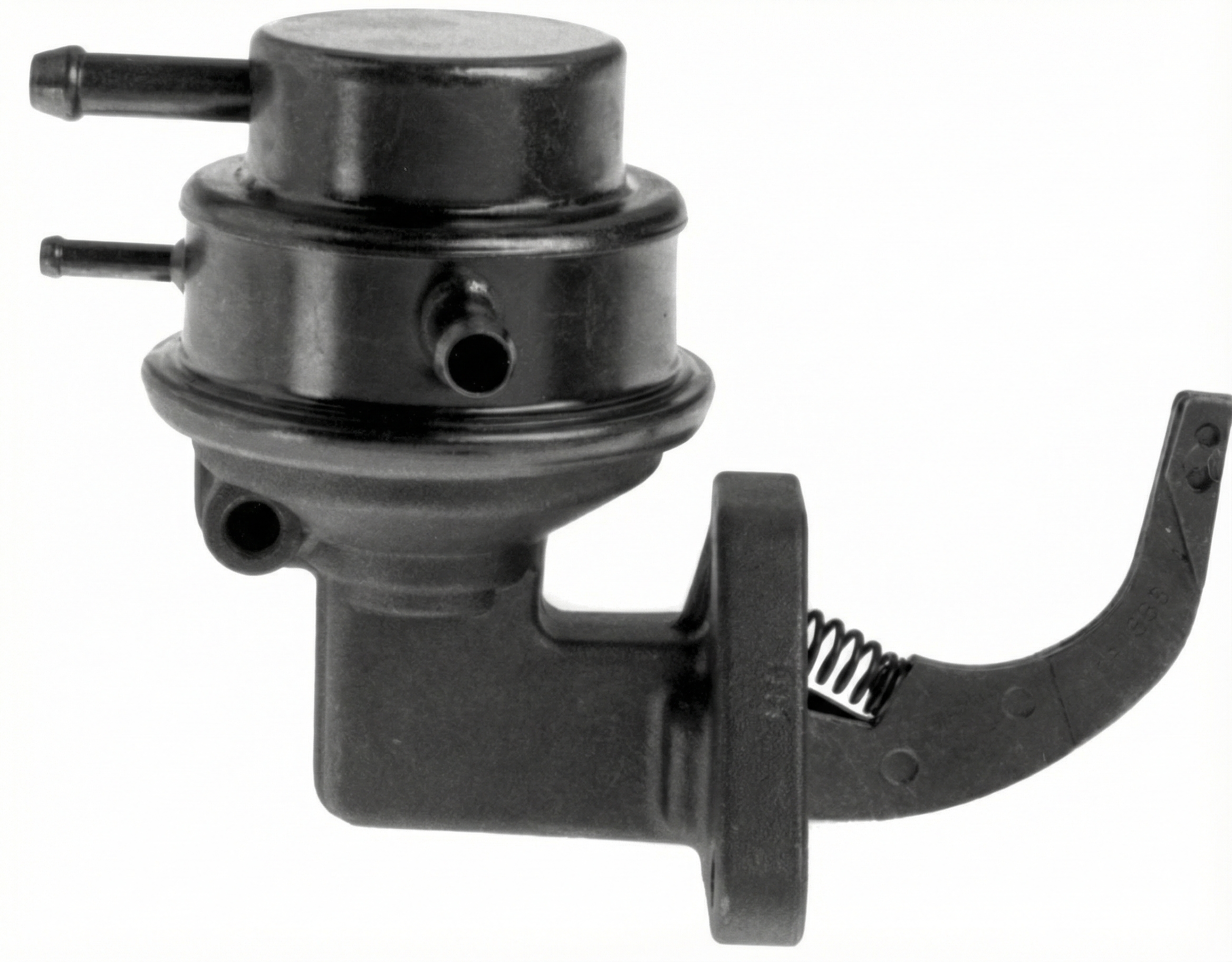
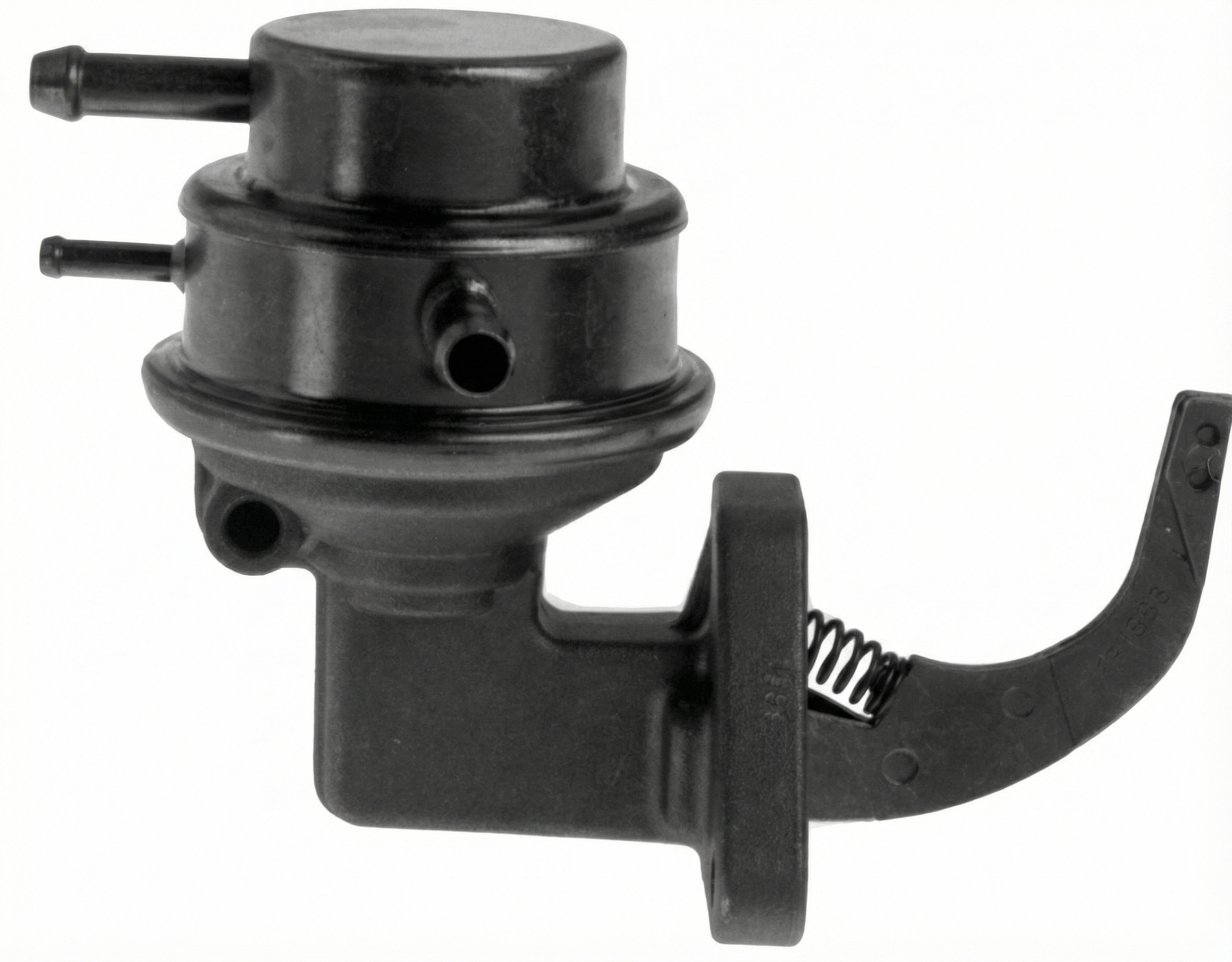
(OEM #ACDelco 12597567 (2012-2014) / ACDelco 12690512 (2015-2019))— A very common failure point on GM trucks, located on the engine intake. Often gets stuck open or closed, causing P0455 and sometimes P0496.
Trusted brands: ACDelco, Dorman, Standard Motor Products (SMP)
OEM price range: $35-$60
Aftermarket price range: $25-$50
Related Codes That Often Appear With This One
- P0442 — P0442 is for a 'small' EVAP leak. You might see this code appear alongside or intermittently with P0455 as a leak begins or if the ECM's testing parameters vary.
- P0496 — This code means 'EVAP Flow During a Non-Purge Condition' and very commonly points to a purge valve solenoid that is stuck open. If you see P0496 with P0455, the purge valve is the most likely culprit.
- P0449 — This code specifically relates to the EVAP vent solenoid control circuit. If you have P0455 and P0449 together, it strongly suggests the problem is with the vent solenoid near the tank or its wiring.
Technical Service Bulletins (TSBs) & Recalls
- 21-NA-124: Provides diagnostic tips for P0442 and P0455, suggesting checks of EVAP line connections and testing for stuck purge or vent valves. [Bulletin #21-NA-124]
- 15-NA-019: Notes that a fuel odor and P0455/P0442 codes on some 2013 models may be caused by a fracture in the fuel system. [Bulletin #15-NA-019]
Platform-Specific Known Issues
- Fractured Fuel Filler Neck Vent Hose Connector (TSB 15-NA-019): → Shop Fuel Filler Neck GM issued Technical Service Bulletin #15-NA-019 specifically for 2013-2014 Yukon/Yukon XL models (among others) that may experience a fuel odor and P0455/P0442 codes. The cause is a fracture in the fuel tank filler vent hose connector. The fix is to inspect and replace the entire hose assembly. The part number for the Yukon XL is GM #22802075.
Mechanic-Grade Diagnostic Values
- Fuel Tank Pressure (FTP) Sensor Voltage — expected: ~1.5 Volts with the system at rest and open to atmosphere (e.g., gas cap off).. Failure: A voltage significantly different from 1.5V with the system unsealed can indicate a biased or failed sensor. During a test, failure for the voltage to change when vacuum is applied indicates a leak or a faulty sensor.
- Purge or Vent Solenoid Actuation Test — expected: An audible 'click' when 12V is applied to the solenoid's terminals.. Failure: No click indicates the solenoid is seized or electrically failed and must be replaced.
Scan Tool Commands That Help
- GDS2 / Tech2 or equivalent bidirectional scanner: EVAP Purge/Seal Test — This is a primary diagnostic function used to verify system integrity. The tool commands the vent solenoid to close (seal the system) and the purge solenoid to open, applying engine vacuum. The scan tool then monitors the Fuel Tank Pressure (FTP) sensor voltage to see if the system can achieve and hold a vacuum, quickly identifying if a leak is present.
- GDS2 / Tech2 or equivalent bidirectional scanner: Vent Solenoid Control — This command allows a technician to manually open and close the vent solenoid. It's used to confirm the solenoid is responding to the ECM's command and to seal the system for a smoke test. If the command is sent but the solenoid doesn't click or seal, the solenoid or its wiring is faulty.
Wiring & Ground Locations
- Fuel Filler Neck Ground Strap — A braided metal strap connecting the metal fuel filler neck to the vehicle's frame or body, located behind the fuel door assembly.. This strap's primary purpose is to prevent static electricity buildup during refueling. However, its corrosion or breakage is common in salt-belt regions. A poor ground in this area could potentially cause erratic readings from the nearby Fuel Tank Pressure (FTP) sensor, leading to incorrect EVAP codes.
- Rear Frame Ground (G4xx series) — Typically located on the frame rail near the rear of the vehicle, often above the spare tire or near the rear bumper.. The EVAP vent solenoid and charcoal canister are located in the rear of the Yukon XL. A corroded or loose rear frame ground can cause the vent solenoid to fail to operate correctly, preventing the EVAP system from sealing and directly causing a P0455 or P0449 code.
- Main ECM/PCM Ground — On many GM trucks, a critical ground for the Powertrain Control Module (PCM) is located on the engine block, often from a main wiring harness near the firewall.. While a failure here would likely cause multiple issues beyond just a P0455, a poor PCM ground can lead to all sorts of incorrect sensor readings and actuator commands, including those for the EVAP system.
Real Owner Repair Stories
- YouTube video by a vehicle owner (GM SUV (logic applies to Yukon)) — Check Engine Light with code P0455.
❌ Tried (didn't work) Searching for vacuum leaks in hoses.
✅ What actually fixed it The owner tested the EVAP vent solenoid by applying 12V power and heard no click. The old solenoid was clogged with debris. Replacing the vent solenoid, which then clicked when tested, resolved the P0455 code. - YouTube video by a professional technician (GM vehicle (logic applies to Yukon)) — Check Engine Light with code P0455, despite having a new gas cap.
❌ Tried (didn't work) Replacing the gas cap multiple times.
✅ What actually fixed it The technician diagnosed a stuck-closed purge valve. The ECM commanded the purge valve to open to draw a vacuum for the self-test, but since it was stuck shut, no vacuum was created. The ECM interpreted this lack of vacuum change as a massive leak, setting the P0455 code. Replacing the purge valve fixed the issue. - YouTube video by a DIYer (2004 GMC Yukon (older GMT800 platform, but diagnostic logic is sound)) — P0455 code and a loud 'whoosh' of pressure when removing the gas cap.
❌ Tried (didn't work) Initially suspected the gas cap, but the pressure release indicated it was sealing.
✅ What actually fixed it The owner correctly deduced that the pressure buildup meant the EVAP system was not purging vapors to the engine. They replaced the vapor canister purge valve on the engine, which resolved the code.
"I Checked Everything" — The Actual Cause
- A common but confusing scenario for P0455 is a faulty purge valve that is stuck *closed*. When the ECM runs its self-test, it commands the purge valve to open to draw engine vacuum into the EVAP system. If the valve fails to open, no vacuum is generated. The Fuel Tank Pressure sensor reports no change, which the ECM software interprets as a massive leak (i.e., it can't pull a vacuum because air is rushing in from a large hole). However, if a mechanic performs a smoke test, the system will be perfectly sealed because the purge valve is already closed, leading to a 'No Leak Found' diagnosis. The actual cause is the failed purge valve, not a physical leak.
OEM Part Supersession History
ACDelco 12610560→ACDelco 12690512— Likely an updated design for improved reliability or manufacturing efficiency.
Heads up: Some sources also show 12690512 being replaced by 12737252, always verify the latest part number with a VIN.
Model Year Variations Within This Range
- 2012-2014 (GMT900) vs. 2015-2019 (K2XX): The EVAP system components, while functionally similar, have different part numbers and may have different locations. The purge valve for GMT900 is typically #12597567, while for K2XX it is #12690512. The vent solenoid and canister assembly also changed, with some replacement parts for older models requiring a wiring harness adapter to fit newer vehicle connectors, indicating a change in electrical design.
Helpful Videos
We Have This Part in Stock

The information in this article is provided for general reference and educational purposes only. Vehicle specifications, procedures, and part compatibility can vary by production date, trim level, and region. Always consult your vehicle's factory service manual and verify part numbers before purchasing or performing repairs. Safety-critical components such as airbags, seat belts, and braking systems should be installed by a qualified professional.
- Gmc YUKON XL:
- 🧭 Diagnostic Flowchart
- 🎬 Helpful Videos
- 🛍️ Shop This Part
- What's Unique About the 2012-2019 Gmc YUKON XL
- Symptoms You May Notice
- Most Likely Causes
- Rare But Worth Checking
- Diagnosis Steps
- Parts You'll Likely Need
- Related Codes That Often Appear With This One
- Technical Service Bulletins (TSBs) & Recalls
- Platform-Specific Known Issues
- Mechanic-Grade Diagnostic Values
- Scan Tool Commands That Help
- Wiring & Ground Locations
- Real Owner Repair Stories
- "I Checked Everything" — The Actual Cause
- OEM Part Supersession History
- Model Year Variations Within This Range
- 🎟️ Get 5% Off