

P0455 on 2013-2017 Honda Accord: EVAP Large Leak Causes and Fixes
For a 2013-2017 Honda Accord, P0455 is most often caused by a loose, worn, or non-OEM gas cap. Always check this first. If the cap is good, the next most likely culprit is a faulty canister purge valve, which gets stuck open. A new OEM gas cap (Part No. 17670-T3W-A01) costs around $25-$40, while a purge valve is about $50-$100.
- Always start by checking the gas cap. Make sure it's tight and the seal is in good condition. For Hondas, an OEM cap is the best bet.
- If the gas cap isn't the issue, the canister purge valve in the engine bay is the next most likely part to fail.
- This code does not indicate a serious mechanical problem and is safe to drive with in the short term, but you will fail an emissions test.
- A smoke test is the most reliable way to find a leak if it's not one of the common, easily accessible components.
What's Unique About the 2013-2017 Honda Accord
On the 9th generation Honda Accord, the P0455 code is very common and frequently traced back to simple, inexpensive parts. While many vehicles have this issue, Hondas are particularly sensitive to the gas cap seal; many owners in forums report that only a genuine OEM Honda gas cap will reliably solve the problem, as aftermarket caps may not seal perfectly. After the gas cap, the canister purge valve is a very common failure point on this platform, often sticking open with age and mileage. Some Hondas are also known for developing small pinhole leaks in the fuel filler neck, which can eventually trigger a P0455 code.
Symptoms You May Notice
- Check Engine Light is on
- A faint smell of raw gasoline, often noticeable around the rear of the car or near the fuel cap.
- Slightly reduced fuel economy in some cases, as fuel vapors are escaping instead of being burned by the engine.
- A "CHECK FUEL CAP" message may appear on the multi-information display before the Check Engine Light illuminates. 🎬 Watch: A complete overview of P0455 on this Honda Accord generation.
- Replacing the charcoal canister when the actual problem is a small leak in a hose or a faulty valve. The canister is expensive and rarely the root cause unless physically damaged.
- Immediately assuming a complex leak and ordering a smoke test before checking the gas cap, which is the most common and cheapest fix.
- Replacing other EVAP components when the issue is an aftermarket gas cap that doesn't seal to Honda's specifications.
Most Likely Causes
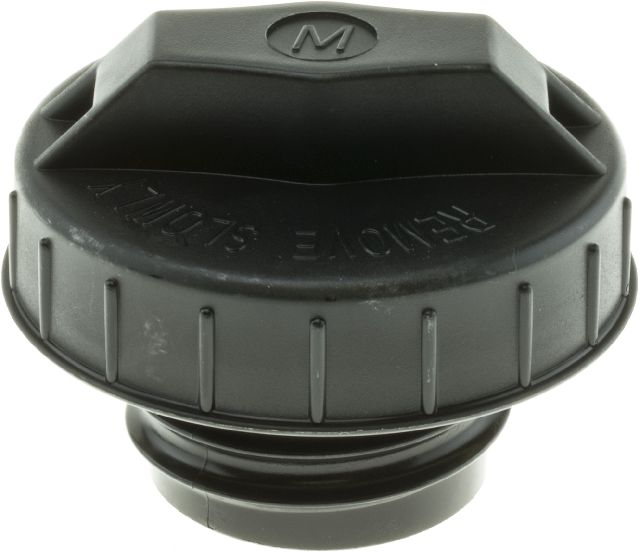
- Loose, Damaged, or Incorrect Gas Cap 🔴 High Probability → Shop Fuel Tank Cap The EVAP system is sensitive, and the gas cap is the most frequently removed and reinstalled component. Aftermarket caps often do not meet the precise sealing requirements of the Honda system, leading to persistent codes even after replacement.
How to confirm: Ensure the cap is tightened until it clicks at least once. Inspect the rubber seal on the cap for cracks, stiffness, or debris. If it's an aftermarket cap, consider it the prime suspect. Many owners on forums like Reddit have confirmed that switching from a problematic aftermarket cap to an OEM one resolved the issue.
Typical fix: Tighten the existing cap. If the seal is bad or it's an aftermarket cap, replace it with a genuine OEM Honda gas cap (Part No. 17670-T3W-A01).
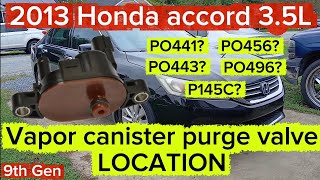
Est. part cost: $25-$40 - Faulty Canister Purge Valve 🟡 Medium Probability → Shop Vapor Canister This valve cycles frequently and can wear out, commonly getting stuck open. It's a well-documented failure item on many Honda models, including the V6 Accords where it is a very common culprit. 🎬 See this video to find the purge valve on V6 models.
How to confirm: The purge valve is located in the engine bay, connected to the intake manifold. It is a normally-closed valve. Disconnect it and try to blow through it; if air passes, it's stuck open and needs replacement. You may also find code P0497 (Low Purge Flow) or P145C stored alongside P0455, which strongly points to this valve.
Typical fix: Replace the canister purge valve. This is a straightforward DIY job with basic tools, typically a 10mm socket and pliers.
Est. part cost: $50-$100 - Cracked or Disconnected EVAP Hose ⚪ Low Probability Rubber hoses become brittle over time due to heat cycles in the engine bay and exposure under the car, leading to cracks.
How to confirm: Visually inspect all accessible EVAP lines, from the engine bay (near the purge valve) to the underside of the car (around the charcoal canister). Look for obvious cracks, breaks, or disconnected fittings. A smoke test is the most effective way to find a hard-to-see leak.
Typical fix: Replace the damaged section of hose or re-secure a loose clamp.
Est. part cost: $10-$50 - Failed Canister Vent Valve/Solenoid ⚪ Low Probability → Shop Vapor Canister Located under the vehicle near the charcoal canister, this part is exposed to road debris and moisture, which can cause it to fail, typically by getting stuck open or closed.
How to confirm: The vent valve is normally open. When it fails, it can get stuck open (causing a P0455) or stuck closed (can cause issues fueling). To test, you can apply 12-volt power to its terminals; you should hear it click closed. If it doesn't operate, or if a smoke test shows smoke exiting the valve when it's commanded closed by a scan tool, it is faulty. Resistance should be between 20 and 30 ohms.
Typical fix: Replace the canister vent valve. It often twists into the charcoal canister with a locking ring.
Est. part cost: $40-$90
Rare But Worth Checking
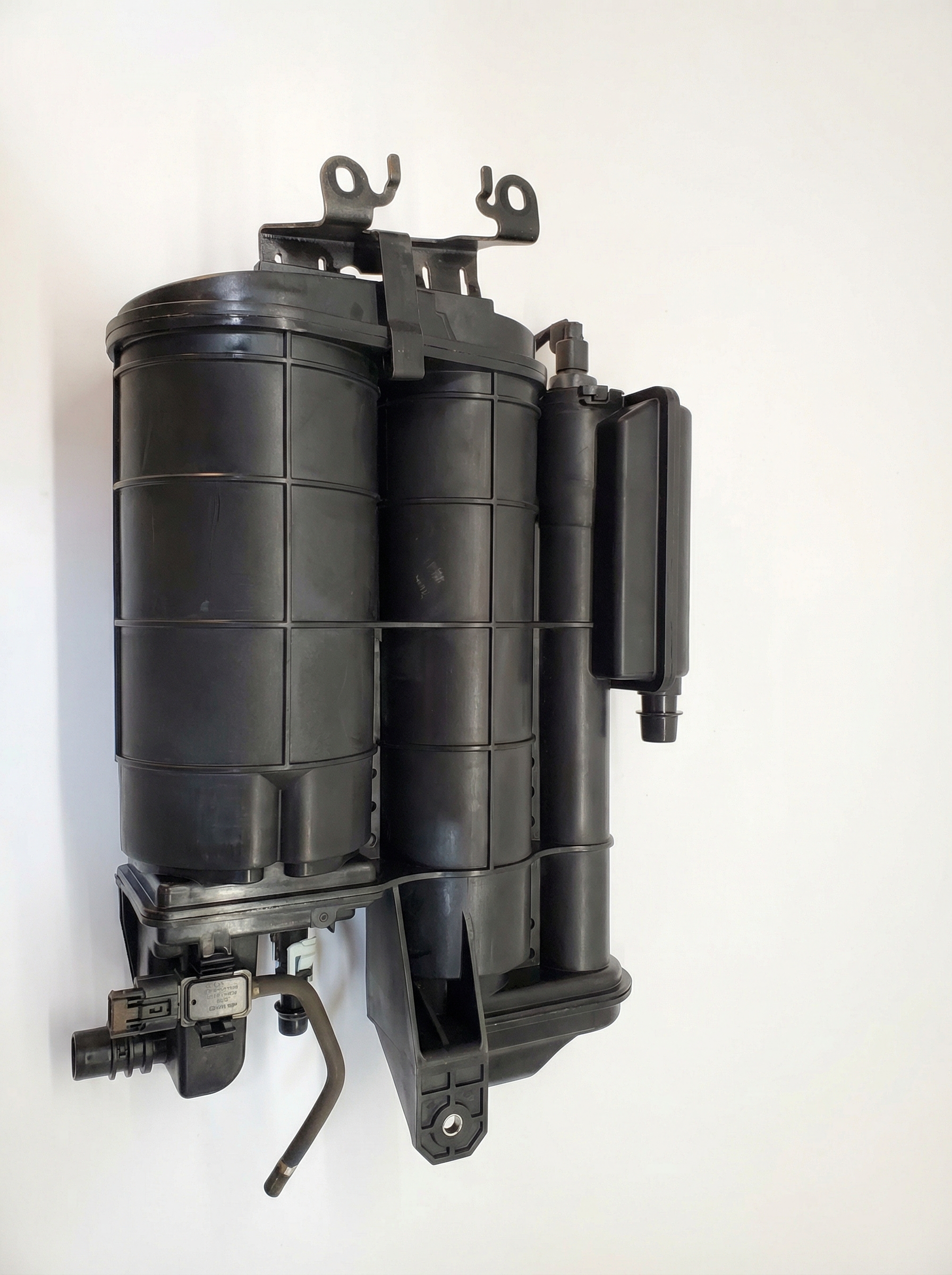
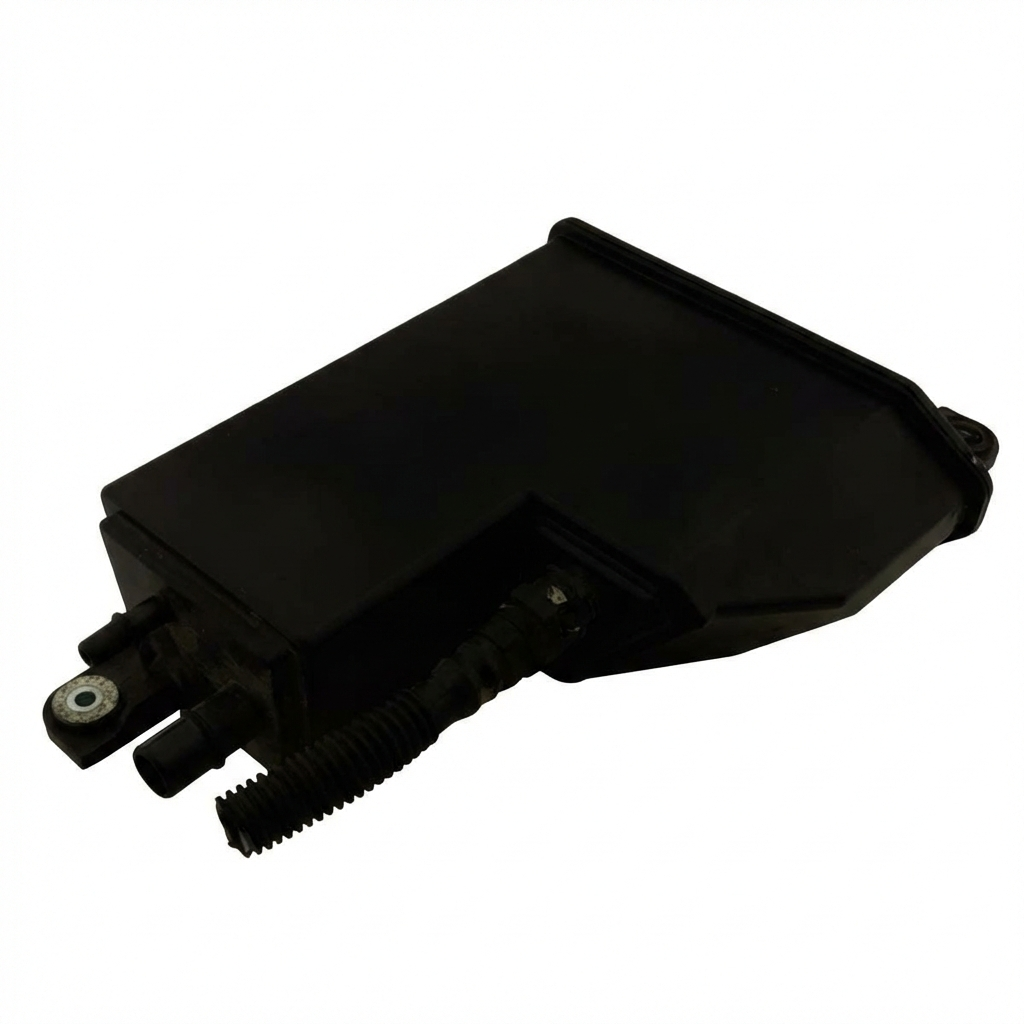
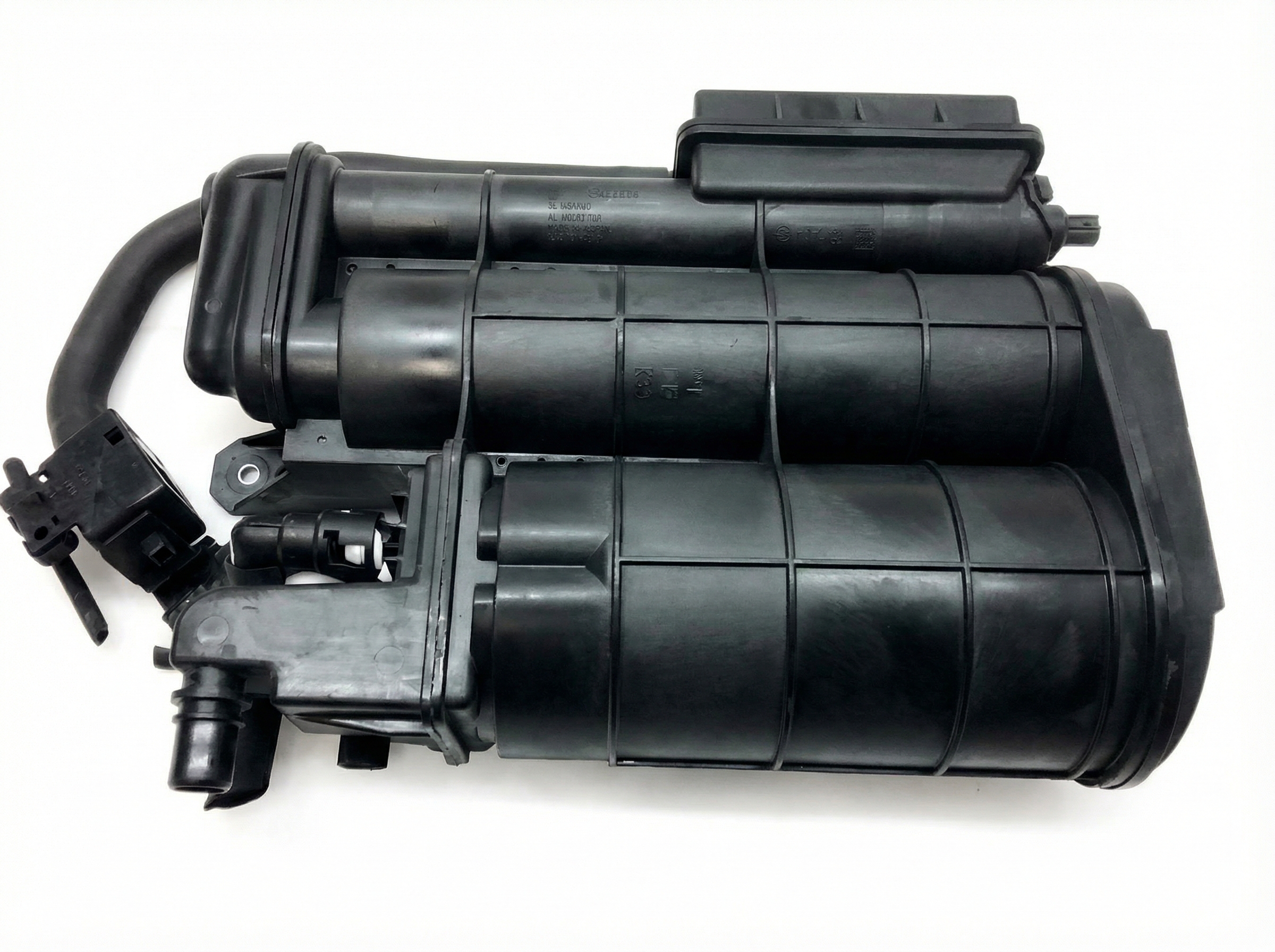
- Cracked Charcoal Canister: → Shop Vapor Canister The plastic housing of the canister can be damaged by road debris or become brittle with age, causing a large leak. This is usually found with a smoke test and is an expensive part to replace.
- Leaking Fuel Tank or Filler Neck: → Shop Fuel Tank While rare, rust or damage can cause leaks in the filler neck. A safety recall (NHTSA Campaign Number: 13V288000, Honda TSB 13-054) was issued for some 2013 models for a fuel tank that could leak at the fuel tank unit mounting point due to a manufacturing defect, potentially causing a P0455 code.
Diagnosis Steps
- Read the code with an OBD-II scanner to confirm P0455 is present. Check for any other related codes like P0456, P0497, or P145C.
- Inspect the gas cap. Ensure it is tight and clicks at least three times. Remove it and check the rubber gasket for cracks or wear. If it's not a genuine OEM Honda cap, it is the primary suspect.
- Clear the code, tighten the cap, and drive for a few days (the EVAP monitor runs under specific conditions, often with the fuel tank between 15% and 85%). If the code does not return, the gas cap was the issue.
- If the code returns, perform a visual inspection of the EVAP purge valve and hoses in the engine bay. Look for any obvious cracks or disconnected lines.
- Test the purge valve. With the vehicle off, disconnect the valve and try to blow through it. If air passes, the valve is stuck open and must be replaced. For a more advanced test, a vacuum gauge can be used to see if it holds vacuum.
- Visually inspect the underside of the vehicle for the charcoal canister, vent valve, and associated hoses. Check for any visible damage, rust on the filler neck, or corrosion.
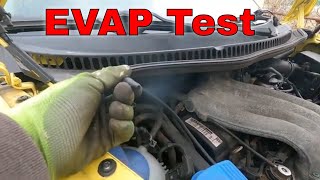
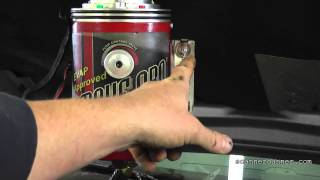
- If no obvious issues are found, the most definitive way to find the leak is with a smoke test. This involves injecting low-pressure smoke into the EVAP system (usually via a service port) and watching for where it escapes. 🎬 Watch: How to use a smoke machine to find hidden leaks. This is the best method for finding cracked hoses, a bad vent valve, or a leaking fuel tank/filler neck.
Parts You'll Likely Need
- Fuel Filler Cap
(OEM #17670-T3W-A01)— This is the most common cause of a P0455 code. The seal wears out or an aftermarket cap fails to seal properly. Using an OEM cap is highly recommended by mechanics and owners.
Trusted brands: Honda (Genuine OEM)
OEM price range: $25-$40
Aftermarket price range: $10-$25 - Vapor Canister Purge Valve
(OEM #36162-RNA-A01)— The second most common failure. It gets stuck open, creating a constant leak in the EVAP system. This part is often shared with other Honda models like the Civic.
Trusted brands: Honda (Genuine OEM), Dorman, Standard Motor Products
OEM price range: $50-$80
Aftermarket price range: $30-$60
Related Codes That Often Appear With This One
- P0456 — This code indicates a small EVAP leak. Sometimes a problem can be intermittent or on the border between small and large, causing either code to appear. It's common to see both when a gas cap seal is failing.
- P0497 — This code indicates low purge flow, which often points directly to a problem with the canister purge valve, a common cause of P0455.
- P145C — This is a Honda-specific code that can also be related to the purge valve performance and may appear alongside P0455 and P0497, strongly indicating a faulty purge valve.
Technical Service Bulletins (TSBs) & Recalls
- 13-054 - Safety Recall: Fuel Tank Leaking at Fuel Tank Unit. This TSB details the procedure for replacing the fuel tank on affected 2013 models. It explicitly notes that if the vehicle comes in with a P0455 or P0456, the technician should check for fuel leaks around the fuel tank unit as the likely cause.
- Bulletin #Service Bulletin (2014-02-18) - This bulletin notes that the MIL comes on and DTC P0455 and/or P0456 is set, and the fuel fill cap (gas cap) may be loose or have a sticking seal.
- Bulletin #ATS170206 (2017-06-23) - A tech line summary article regarding EVAP system leaks from the filler neck; it advises that if P0455 or P0456 is set, technicians should replace the mis-installed component rather than the entire fuel fill pipe.
Platform-Specific Known Issues
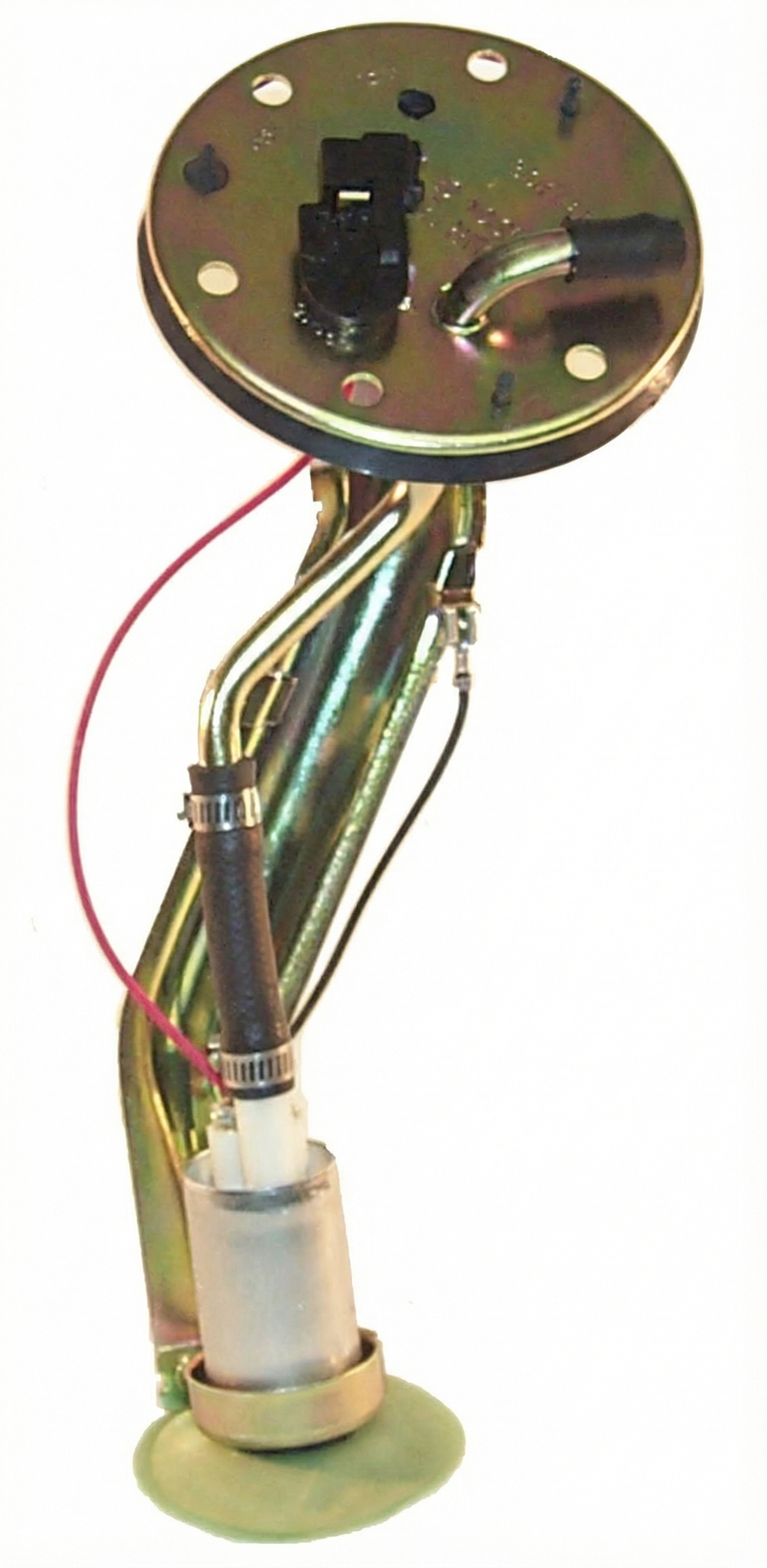
- Safety Recall 13-054 (NHTSA 13V288000): Some 2013 Accord models were recalled because the fuel tank may leak where the fuel pump module is installed due to a manufacturing defect. This can trigger EVAP codes P0455 or P0456. The fix is to replace the entire fuel tank.
Mechanic-Grade Diagnostic Values
- EVAP Canister Vent Valve Solenoid Resistance — expected: 20 to 30 Ohms. Failure: A reading outside this range indicates a damaged solenoid winding.
- Fuel Tank Pressure (FTP) Sensor Voltage (Normal/Atmospheric) — expected: Approximately 1.5V (acceptable range 1.3V to 1.7V). Failure: A reading stuck high (near 5V) or low (near 0.3V) can indicate a faulty sensor or wiring issue. A high voltage reading above a specific threshold (e.g., >8 kPa) for several seconds can trigger code P0453.
Scan Tool Commands That Help
- Honda Diagnostic System (HDS): EVAP System Test — This is a guided, automated test function within the dealer-level software that commands valves to open and close, applies vacuum, and monitors the FTP sensor to pinpoint a leak's location or a faulty component. It should be initiated after basic checks (like the gas cap) are complete.
- Honda Diagnostic System (HDS) or advanced bidirectional scanner: EVAP Canister Vent Shut (CVS) Valve ON/OFF — This command allows a technician to manually close the normally-open vent valve. This is a critical step before performing a smoke test, as it seals the system, allowing smoke to build pressure and reveal leaks.
Wiring & Ground Locations
- EVAP Canister Vent Shut Valve Connector — On the EVAP canister assembly, which is located under the vehicle, in front of the driver's side rear wheel.. This 2-pin connector provides power and control to the vent valve. Damage or corrosion at this exposed, under-vehicle location can prevent the valve from closing during a system self-test, creating a large leak condition and triggering P0455.
- Under-dash Fuse Box — Located under the driver's side dashboard, with fuse locations shown on the side kick panel label.. The power for the EVAP vent valve originates from a fuse in this panel. A wiring diagram for a similar model shows a Black/Yellow wire providing power from this location. A blown fuse would cause the vent valve to fail its circuit check.
Real Owner Repair Stories
- Pine Hollow Auto Diagnostics on YouTube (2018 Honda Accord Turbo (10th gen, but demonstrates a common failure pattern)) — Check Engine Light with codes P0455 and P0456.
❌ Tried (didn't work) The dealership performed a smoke test and quoted $1,100 to replace the entire fuel tank, suspecting a leak at the tank itself.
✅ What actually fixed it A follow-up smoke test revealed the leak was not the tank, but a fuel line running from the tank to the EVAP canister that had been chewed by rodents. The line was repaired with a new section of hose, fixing the leak and clearing the codes for a fraction of the cost. - NHTSA ODI #11488601 — An owner reported that after being diagnosed with a P0455 EVAP Emission Control System Leak, they tightened the fuel tank cap as recommended, but the check engine light remained illuminated.
- NHTSA ODI #11442825 — A report for a similar Honda model describes an EVAP leak where the system was stuck open, triggering both P0455 and P0456 codes.
OEM Part Supersession History
36162-RNA-A01→None found, this part number remains current for the specified application.— N/A
Heads up: This part number (36162-RNA-A01) is listed for the 2008-2012 Accord and 2006-2015 Civic, but is also widely cited as the correct purge valve for the 2013-2017 Accord. Always verify fitment with a VIN, but it appears to be a widely used part across generations.
Model Year Variations Within This Range
- 2016-2017: The 9th generation Accord received a facelift for the 2016 model year. While this involved styling and feature updates, Honda Service Bulletin 15-010 (related to a different EVAP code, P2422) was updated to include the 2016 models, indicating the core EVAP system components and potential issues remained consistent through the end of the generation.
Diagnostic Flowchart
Real Owner Stories
Aggregated from forums and TSBs cited above. Mileages and costs reflect what owners reported in those sources.
2017 Honda Accord Sport — 112000 miles
Symptoms: Check engine light with codes P0455 and P0456.
What fixed it: The dealer diagnosed a pinhole leak in a pressure valve tubing attached to the fuel tank and recommended replacing the entire fuel tank.
Cost: $4500
Source hint: reddit.com - r/AskAMechanic
Honda Accord
Symptoms: P0455 and P0456 EVAP leak codes.
What fixed it: A smoke check revealed a leaking plastic line under the car at one of the ribs. The technician recommended replacing the fuel tank, strap, and plate.
Cost: $1100
Source hint: YouTube comment - Pine Hollow Auto Diagnostics
2017 Honda Accord
Symptoms: Check Engine Light on with codes P0455 and P0456.
What fixed it: Replacing the problematic gas cap with a genuine OEM Honda cap.
Source hint: reddit.com/r/accord thread 'Is it really the cap?'
Related OBD-II Codes
Frequently Asked Questions
Does Safety Recall 13-054 apply to my Honda Accord for code P0455?
I replaced the gas cap on my Accord but P0455 came back. What should I do?
Why does my Accord display a 'CHECK FUEL CAP' message before the Check Engine Light comes on?
How can I test the canister purge valve on my V6 Accord?
How long do I need to drive my Accord to clear the P0455 code after tightening the gas cap?
Helpful Videos
Used OEM Parts in Stock
New Aftermarket Parts Available


The information in this article is provided for general reference and educational purposes only. Vehicle specifications, procedures, and part compatibility can vary by production date, trim level, and region. Always consult your vehicle's factory service manual and verify part numbers before purchasing or performing repairs. Safety-critical components such as airbags, seat belts, and braking systems should be installed by a qualified professional.
- Honda Accord:
- 🧭 Diagnostic Flowchart
- 🎬 Helpful Videos
- 🛍️ Shop This Part
- What's Unique About the 2013-2017 Honda Accord
- Symptoms You May Notice
- Most Likely Causes
- Rare But Worth Checking
- Diagnosis Steps
- Parts You'll Likely Need
- Related Codes That Often Appear With This One
- Technical Service Bulletins (TSBs) & Recalls
- Platform-Specific Known Issues
- Mechanic-Grade Diagnostic Values
- Scan Tool Commands That Help
- Wiring & Ground Locations
- Real Owner Repair Stories
- OEM Part Supersession History
- Model Year Variations Within This Range
- Real Owner Stories
- 2017 Honda Accord Sport — 112000 miles
- Honda Accord
- 2017 Honda Accord
- Related OBD-II Codes
- Frequently Asked Questions
- 🎟️ Get 5% Off