

P0455 on 2007-2014 Nissan Sentra: EVAP Gross Leak Causes and Fixes
For a 2007-2014 Nissan Sentra, the P0455 code is most often caused by a loose or faulty gas cap. If tightening or replacing the cap (~$10-$25) doesn't fix it, the next most likely culprit is a failed EVAP canister vent control valve, located near the charcoal canister at the rear of the car. This valve is a known failure point on many Nissans and can get stuck open.
- P0455 indicates a large leak in the emissions system, not a mechanical engine problem.
- Always start with the simplest fix: check that your gas cap is tight. If it's old, replace it.
- If the gas cap isn't the issue, the EVAP canister vent control valve (near the rear wheel) is the next most likely part to have failed.
- You can safely drive with this code, but you won't pass an emissions test until the leak is repaired.
- A professional smoke test is the fastest way to pinpoint the exact location of a leak if it's not the gas cap or a visually obvious cracked hose.
What's Unique About the 2007-2014 Nissan SENTRA
On this generation of Nissan Sentra, the two most dominant causes for a P0455 code are extremely common and well-documented: a loose gas cap and a failed EVAP vent control valve. Nissan has issued multiple Technical Service Bulletins (TSBs) acknowledging EVAP leak codes across its vehicle lineup, with NTB09-020F specifically citing a loose fuel fill cap as a primary cause on 2007-2011 models. 🎬 Watch: A quick overview of P0455 causes and common fixes. The vent control valve is also a known failure point that can get stuck open due to exposure to road debris and moisture, creating the large leak the system detects.
Diagnostic Flowchart
Tap your situation to follow the diagnostic path that matches what you're seeing on this vehicle.
Generation note: This range covers two Sentra generations: the B16 (2007-2012) and the B17 (2013-2014). While the fundamental causes of P0455 are the same for both, the exact part numbers and locations for components like the purge valve and vent valve may differ slightly. Always verify parts for your specific model year. For example, the B16 uses the MR20DE engine and the B17 uses the MRA8DE engine.
Symptoms You May Notice
- Check Engine Light is on
- A noticeable smell of fuel, especially around the rear of the vehicle or after it has been parked in a garage.
- A 'loose gas cap' warning on the dashboard, if equipped.
- Difficulty starting the engine immediately after refueling.
- Gas pump nozzle clicks off repeatedly when trying to fill the tank.
- Replacing the purge valve in the engine bay when the more common failure is the vent control valve at the rear of the car.
- Repeatedly replacing the gas cap when the issue is actually the vent valve or a cracked hose.
Most Likely Causes
- Loose, Damaged, or Incorrect Gas Cap 🔴 High Probability → Shop Fuel Tank Cap This is the most common and simple cause for any EVAP leak code. It is specifically cited by Nissan in TSB #NTB09-020F for 2007-2011 models and TSB #NTB13-097J for 2012+ models. The cap's seal can wear out, or it may simply not have been tightened correctly after refueling. Using a non-OEM cap can also cause sealing issues.
How to confirm: Inspect the gas cap for cracks or a worn, brittle rubber seal. Ensure it is tightened until it clicks at least once. A YouTube video on a 2009 Sentra showed how a worn original cap had excessive play compared to a new one, which resolved the code. If the cap looks old or damaged, replacement is a cheap and effective first step.
Typical fix: Tighten the gas cap. If the code returns or the cap is visibly worn, replace the gas cap with a genuine OEM part if possible.
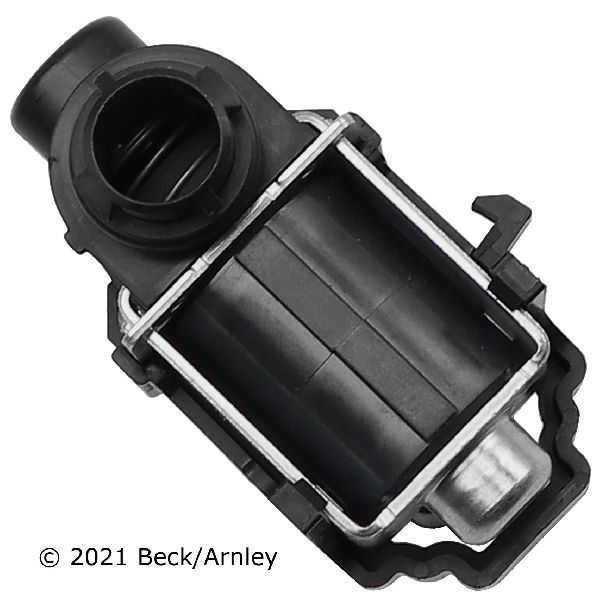
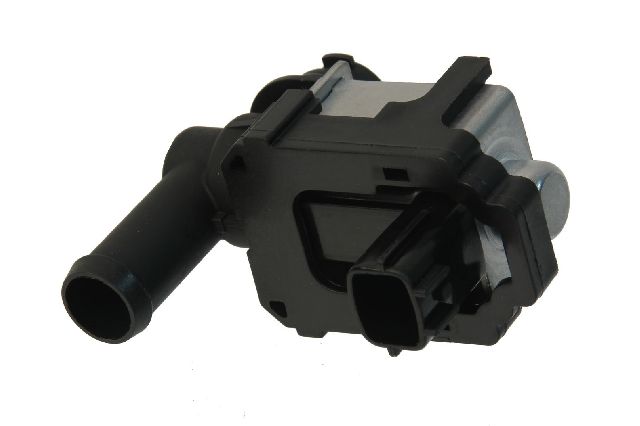
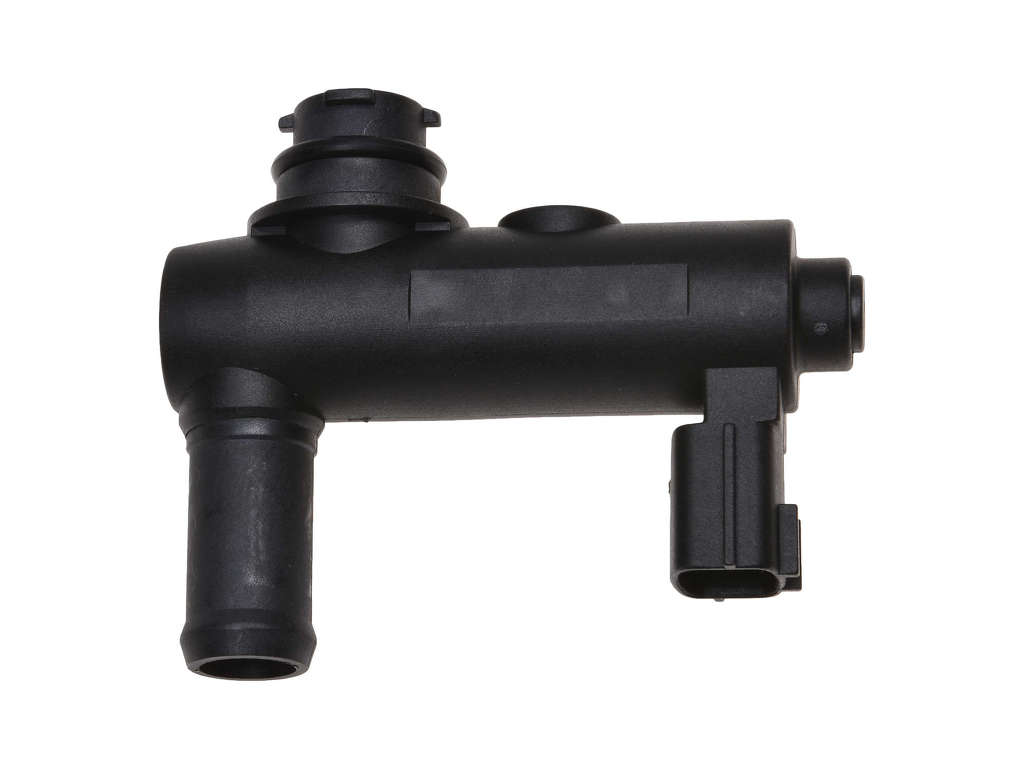
Est. part cost: $10-$30 - Failed EVAP Canister Vent Control Valve (Vent Solenoid) 🟡 Medium Probability → Shop Vapor Canister Vent Valve This valve is a very common failure point on many Nissan vehicles, including the Sentra. It is located near the EVAP charcoal canister at the rear of the car and is exposed to road debris and moisture. It can get stuck open due to dirt or corrosion, creating a large, permanent leak path to the atmosphere.
How to confirm: The valve is normally open and should close when voltage is applied. A mechanic can command it closed with a scan tool during a smoke test to see if it seals. A DIY method involves removing the valve and applying 12V power from the car battery to its terminals to see if it audibly clicks and closes. If it doesn't click or remains open, it has failed.
Typical fix: Replace the EVAP canister vent control valve. It is typically mounted on or near the charcoal canister at the rear of the vehicle.
Est. part cost: $30-$90 - Failed EVAP Purge Valve/Solenoid ⚪ Low Probability → Shop Vapor Canister The purge valve is located in the engine bay and is less exposed than the vent valve, but can still fail by getting stuck open, creating a leak path into the engine intake. A stuck-open purge valve can also cause rough running or difficulty starting after a fill-up.
How to confirm: This valve is normally closed when the engine is off. Disconnect the valve's hoses and try to blow through it. If air passes through, it is stuck open and needs to be replaced.
Typical fix: Replace the purge valve. It is usually found in the engine compartment with two hoses and an electrical connector attached.
Est. part cost: $25-$75 - Cracked or Disconnected EVAP Hoses ⚪ Low Probability Rubber hoses can become brittle and crack over time due to age and heat cycles. A large crack or a hose that has popped off a fitting, particularly around the canister or filler neck, will cause a P0455 code.
How to confirm: Visually inspect all accessible EVAP lines between the engine bay, the charcoal canister, and the fuel tank. The most definitive way to find a leak is with a smoke test, which forces low-pressure smoke into the EVAP system's service port. Smoke will exit from the source of the leak.
Typical fix: Replace the cracked section of hose or re-secure a disconnected hose.
Est. part cost: $5-$30
Rare But Worth Checking
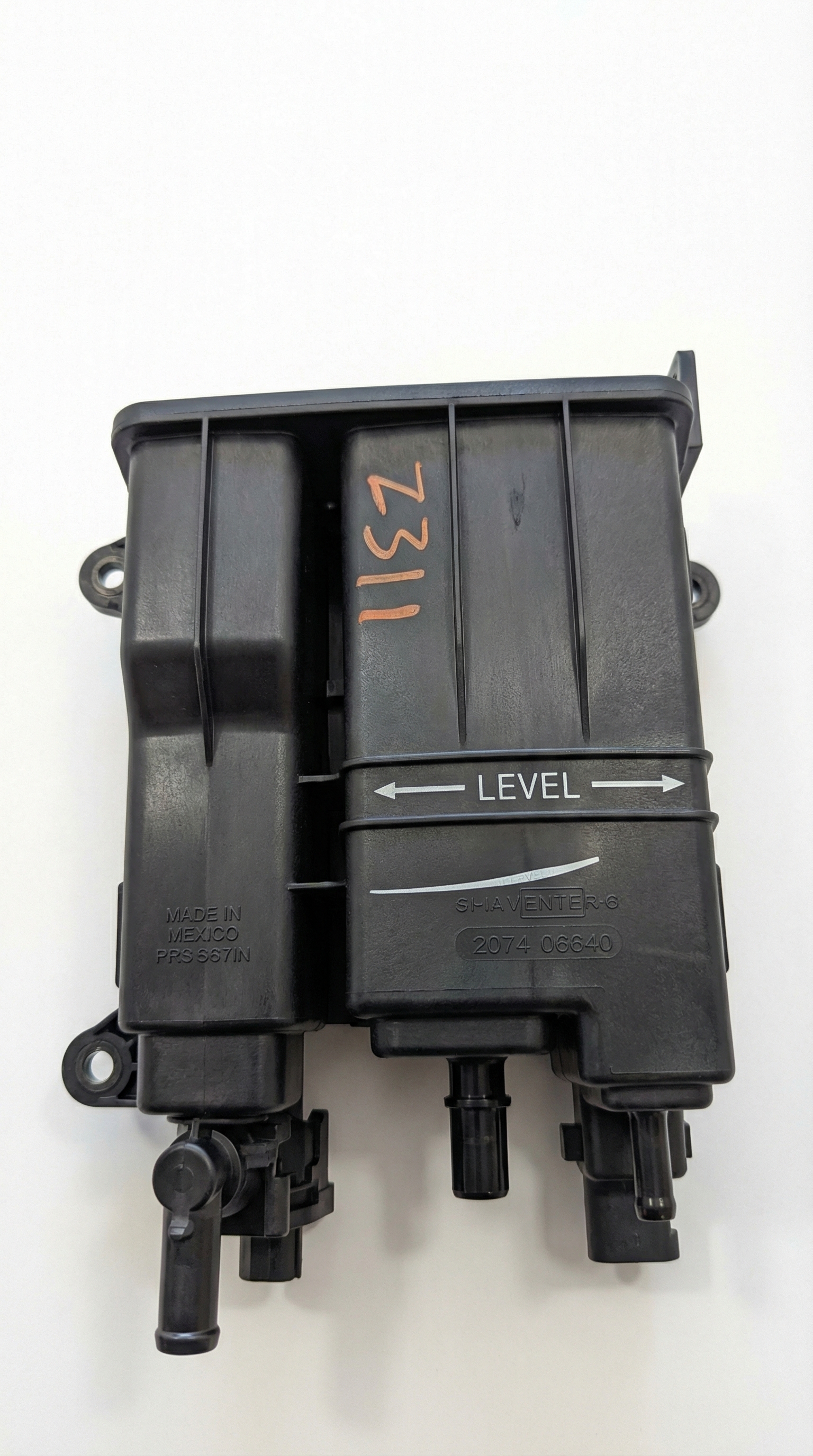
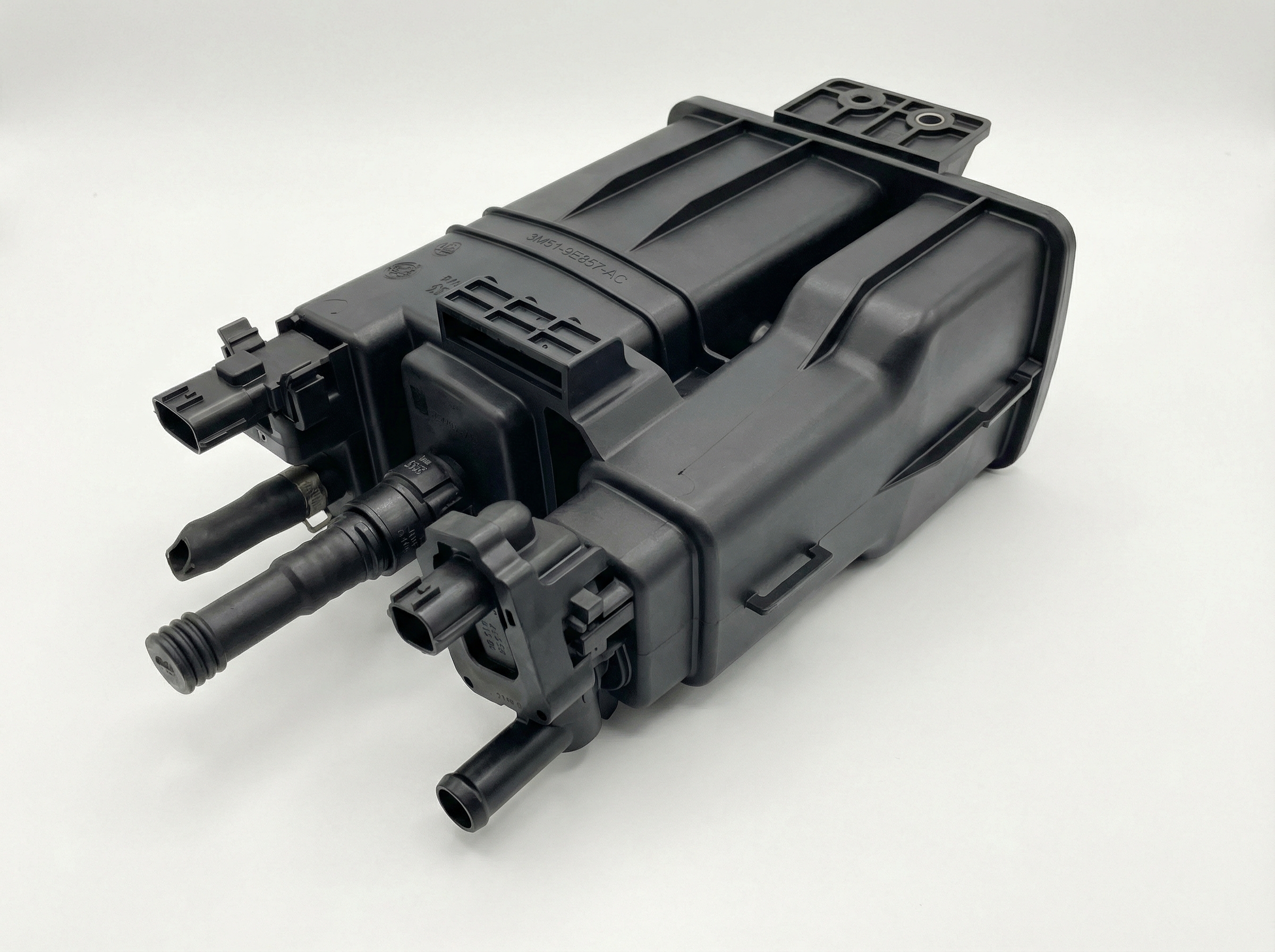
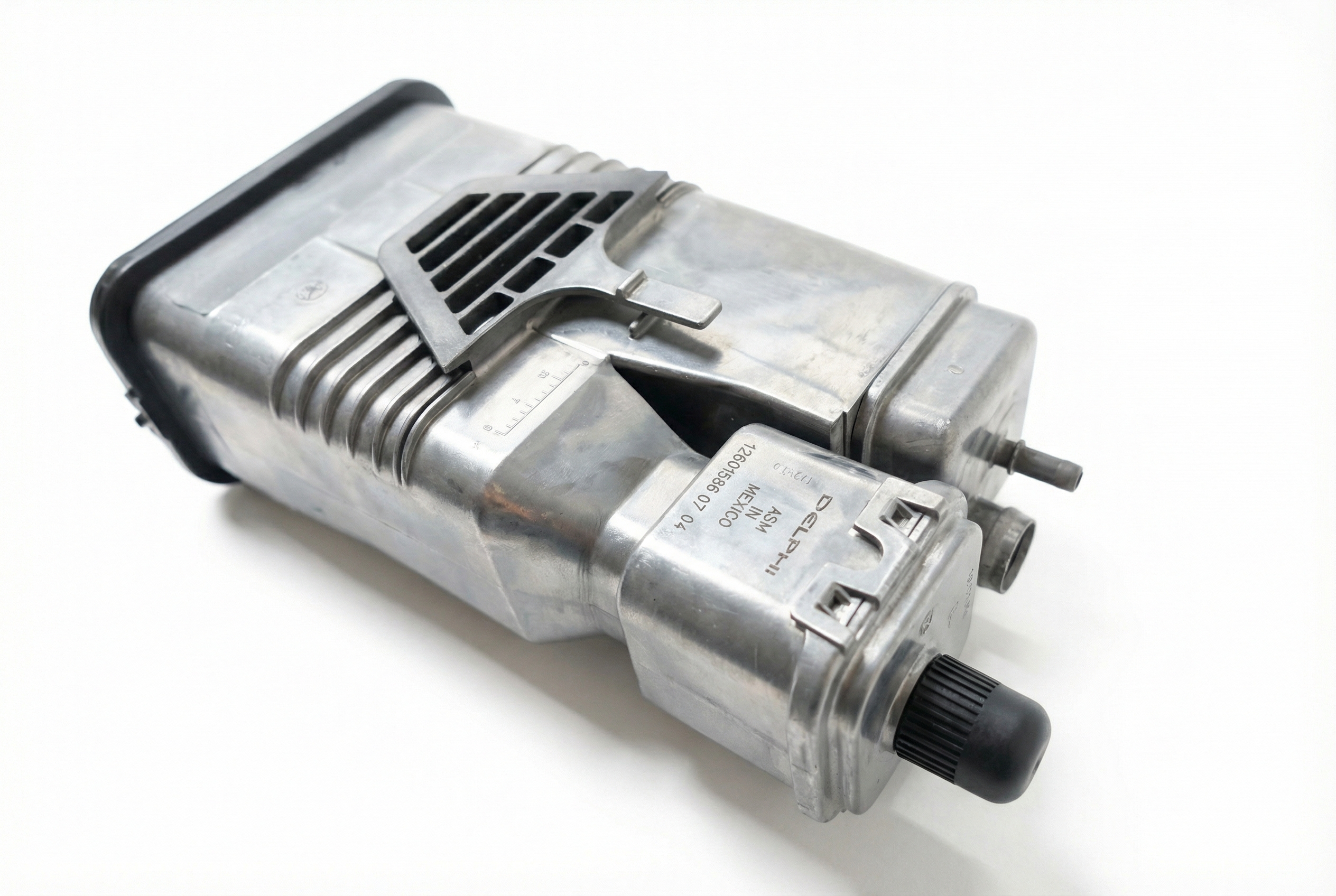
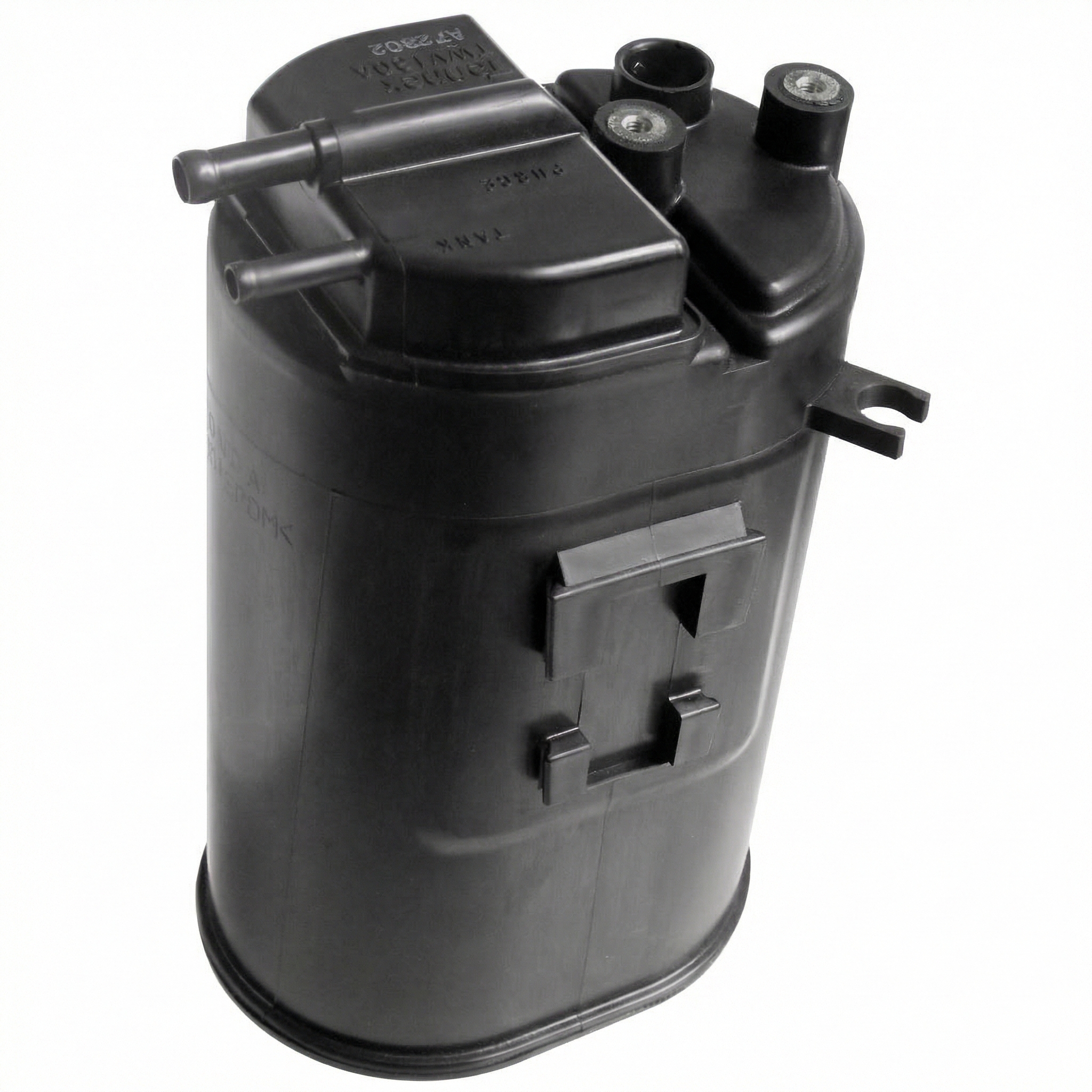
- Cracked Charcoal Canister: → Shop Vapor Canister The plastic housing of the canister itself can crack from road debris, impact, or age, creating a large leak. This is usually found during a smoke test when smoke is seen emitting from the body of the canister itself.
- Leaking Fuel Tank or Filler Neck: → Shop Fuel Tank Rust or physical damage can cause a leak in the fuel tank or the metal filler neck where you insert the gas nozzle. This is a serious issue that will often be accompanied by a strong fuel smell and is best found with a smoke test. One Sentra owner on Reddit suspected the metal flap in the filler neck was missing, which could also cause a gross leak.
Diagnosis Steps
- Read the code with an OBD-II scanner to confirm P0455 is present.
- Inspect the gas cap. Ensure it is tight and clicks when closed. Check the rubber O-ring for cracks or damage. A worn cap may have excessive wobble even when tight. If in doubt, replace it (OEM is recommended), clear the code, and drive for a few days to see if it returns.
- Per Nissan TSB NTB13-097g, do not test drive the vehicle to confirm the repair, as this will only waste time; the EVAP monitor runs under specific conditions, not just normal driving.
- If the code comes back, perform a thorough visual inspection of all visible EVAP hoses in the engine bay and around the charcoal canister/fuel tank area for obvious cracks, rot, or disconnections.
- Locate the EVAP canister vent control valve. On B17 models (2013-2014), this is under the left rear of the vehicle. On B16 models, it is more commonly found at the right rear. Check its electrical connection and ensure it's not physically damaged.
- The most effective next step is to perform a smoke test. This involves feeding low-pressure smoke into the EVAP system's service port. Smoke will exit from the location of the leak, making it easy to identify the faulty component (e.g., hose, canister, vent valve, or filler neck).
- During the smoke test, if smoke billows out of the vent valve, use a capable scan tool to command it closed. If it still leaks, the valve is bad. If it closes and the leak stops, the valve's control circuit may have an issue, or the leak is elsewhere.
- If no obvious leak is found, test the purge valve in the engine bay. With the engine off, disconnect the hoses and check if you can blow air through it. It should be closed, and no air should pass.
Parts You'll Likely Need
- Fuel Filler Cap
(OEM #17251-1F20A (verify by VIN))— This is the most frequent and cheapest cause. The seal wears out, causing a large leak that the system detects.
Trusted brands: Nissan OE, Stant
OEM price range: $20-$30
Aftermarket price range: $10-$20 - EVAP Canister Vent Control Valve
(OEM #14935-JF00B (or superseding part numbers like 14935-JF00A, 14935-JF00C, etc. Verify by VIN))— A very common failure point on Nissans. It gets stuck open from dirt and corrosion, causing a constant leak path to the atmosphere. Aftermarket sellers confirm this part fits Sentra models from 2009-2013.
Trusted brands: Nissan OE, Bosch, Dorman
OEM price range: $70-$120
Aftermarket price range: $30-$90 - EVAP Canister Purge Valve
(OEM #14930-1KC1A (verify by VIN, fits 2011-2019 models))— Less common than the vent valve, but can fail by getting stuck open, creating a leak path into the engine intake and potentially causing starting issues after refueling.
Trusted brands: Nissan OE, Hitachi
OEM price range: $50-$80
Aftermarket price range: $25-$60
Related Codes That Often Appear With This One
- P0442 — Small EVAP Leak. You might see this code appear before or after a P0455 as a leak changes in size or as one component begins to fail intermittently. Nissan TSBs group these codes together.
- P0456 — Very Small EVAP Leak. Similar to P0442, this may indicate an intermittent or developing issue within the EVAP system. It is often caused by the same components.
Technical Service Bulletins (TSBs) & Recalls
- NTB09-020F: For 2007-2011 Nissan vehicles, this TSB explicitly states that if P0442, P0455, or P0456 are stored, a loose fuel fill cap may be the cause. It advises technicians to perform standard diagnostic procedures and inform the customer about proper cap installation.
- NTB13-097J: Superseding earlier versions, this bulletin for 2012 and newer Nissans provides a diagnostic flowchart for EVAP codes P0442, P0455, and P0456. It emphasizes that a loose cap is a likely cause and warns against unnecessary test drives, stating the diagnostic procedure must be followed for an effective repair.
Platform-Specific Known Issues
- Temporary Fix from Gas Cap Replacement: → Shop Fuel Tank Cap A user on Reddit with a 2010 Sentra reported that replacing the gas cap fixed the P0455 code, but the code later returned. This highlights that while the gas cap is a great first step, a recurring code points to a more persistent issue like a failing vent valve or a crack in a hose.
Mechanic-Grade Diagnostic Values
- EVAP Canister Vent Control Valve Solenoid Resistance — expected: 20 - 50 Ohms. Failure: A reading outside this range, an open circuit (infinite resistance), or a short (near zero ohms) indicates a failed solenoid coil.
- EVAP Canister Purge Valve Solenoid Resistance — expected: 20 - 50 Ohms. Failure: A reading outside this range suggests the purge valve solenoid is faulty.
- Fuel Tank Pressure (FTP) Sensor Voltage — expected: ~1.5V with the gas cap off (atmospheric pressure). Failure: A voltage that is stuck high or low regardless of tank pressure, or does not change when a vacuum/pressure is applied, points to a failed sensor.
Scan Tool Commands That Help
- Nissan CONSULT or capable bidirectional scanner: EVAP System Leak Test / Vent Valve Control — This function is used during a smoke test to command the normally-open vent valve to close. If smoke is seen exiting the vent valve and stops when the valve is commanded shut, it confirms the valve is functioning electrically. If smoke continues to leak, the valve is physically stuck open and has failed.
Wiring & Ground Locations
- EVAP Canister Vent Control Valve & Pressure Sensor — For the 2014 Sentra (B17), wiring diagrams show these components located under the left rear of the vehicle, near the EVAP canister.. Knowing the correct location is critical for visual inspection, testing, and replacement. This location is exposed to road debris and moisture, making the wiring and connectors a potential point of failure due to corrosion or damage.
Real Owner Repair Stories
- YouTube channel 'Garrett Grantham' (2013 Nissan Sentra (non-turbo), 133,000 miles) — P0456 (small EVAP leak), but the cause is relevant to large leaks as well.
❌ Tried (didn't work) Replaced EVAP vent valve, Replaced charcoal canister, Replaced fuel cap
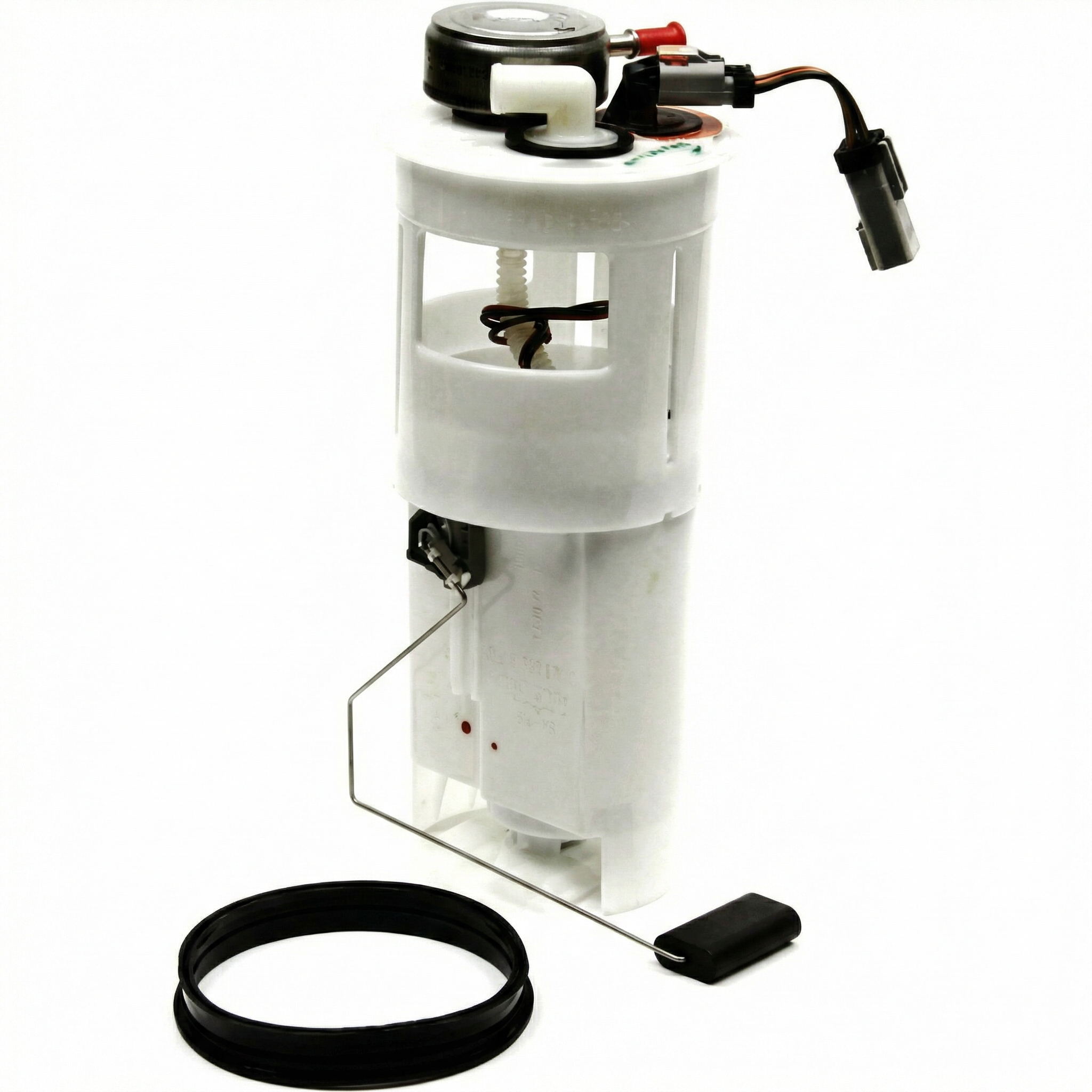
✅ What actually fixed it The fuel pump assembly was replaced. The technician found a small melted hole on the top of the plastic fuel pump housing ('fuel hat'), right by the electrical connector. Heat from the aging pump motor working harder caused the plastic to melt, creating a leak that was extremely difficult to find. - Reddit user 'tildraev' (2010 Nissan Sentra (B16)) — P0455
❌ Tried (didn't work) Replacing the gas cap (worked temporarily, but code returned)
✅ What actually fixed it The user did not post a final resolution, but their last suspicion was that the small, circular metal flap inside the fuel filler neck had broken off and fallen into the tank, creating a permanent large leak that a new gas cap could not seal.
"I Checked Everything" — The Actual Cause
- A faulty Fuel Tank Pressure (FTP) sensor can send incorrect data to the computer, making it believe there is a leak when the system is perfectly sealed. In this case, a smoke test would show no leaks, but the code would persist until the sensor is replaced.
- On a 2013 Sentra, a P0456 code (related to P0455) was caused by a tiny melted hole on top of the fuel pump assembly, which can be missed during a standard smoke test if the area isn't specifically inspected under the rear seat.
When the Usual Fixes Don't Work
- While replacing the gas cap and vent control valve fixes the vast majority of P0455 codes on these vehicles, there are documented cases where the issue was far more obscure. In one instance involving a 2013 Sentra, after a shop replaced the cap, canister, and vent valve without success, the root cause was discovered to be a tiny hole melted into the top of the fuel pump assembly itself, a location completely separate from the typical EVAP components. This demonstrates that if the common fixes fail, the leak could be in a very unexpected place, requiring more in-depth diagnostics than a standard visual inspection or smoke test might cover.
OEM Part Supersession History
14935-JF00A, 14935-AM600, 14935-AM60A, 14935-AM60B→14935-JF00B (and subsequent revisions like -JF00C, -JF00E)— Likely design improvements to increase durability and prevent the common 'stuck open' failure mode.
Model Year Variations Within This Range
- 2007-2012 (B16) vs. 2013-2014 (B17): The location of the EVAP canister and vent control valve may differ. On the B17 (2013-2014), diagrams place it under the left-rear of the vehicle. On many B16 models and other Nissans of the era, it is commonly found on the right-rear (passenger side) near the muffler. Always visually confirm the location before ordering parts.
- 2007-2012 (B16) vs. 2013-2014 (B17): The gas cap part numbers may be different between the two generations. Using the wrong cap can cause sealing issues and trigger a P0455 code.
Helpful Videos

Used OEM Parts in Stock
New Aftermarket Parts Available


The information in this article is provided for general reference and educational purposes only. Vehicle specifications, procedures, and part compatibility can vary by production date, trim level, and region. Always consult your vehicle's factory service manual and verify part numbers before purchasing or performing repairs. Safety-critical components such as airbags, seat belts, and braking systems should be installed by a qualified professional.
- Nissan SENTRA:
- 🧭 Diagnostic Flowchart
- 🎬 Helpful Videos
- 🛍️ Shop This Part
- What's Unique About the 2007-2014 Nissan SENTRA
- Symptoms You May Notice
- Most Likely Causes
- Rare But Worth Checking
- Diagnosis Steps
- Parts You'll Likely Need
- Related Codes That Often Appear With This One
- Technical Service Bulletins (TSBs) & Recalls
- Platform-Specific Known Issues
- Mechanic-Grade Diagnostic Values
- Scan Tool Commands That Help
- Wiring & Ground Locations
- Real Owner Repair Stories
- "I Checked Everything" — The Actual Cause
- When the Usual Fixes Don't Work
- OEM Part Supersession History
- Model Year Variations Within This Range
- 🎟️ Get 5% Off