

P0456 on 2009-2013 Infiniti FX50: EVAP Small Leak Causes and Fixes
For the 2009-2013 Infiniti FX50, a P0456 code is most often caused by a loose or faulty gas cap. If tightening the cap doesn't resolve the issue, the next most likely culprit is a failed EVAP canister vent control valve, a known issue cited in Infiniti TSBs. A new OEM gas cap is around $35-$50, while replacing the entire vent control valve assembly (part #14935-JF00E or a successor) can range from $100 to $250.
- Always check the gas cap first for a P0456 code. Ensure it is tight and the seal is in good condition. This is the simplest and most common fix.
- If the gas cap is not the issue, the EVAP canister vent control valve is the next most likely culprit on an FX50.
- Using a genuine Infiniti (OEM) gas cap is recommended, as some aftermarket caps may not seal properly and can cause the code to persist.
- A smoke test is the most reliable and efficient way to find the exact location of a small EVAP leak, saving time and preventing the unnecessary replacement of parts.
- This code will not stop you from driving the car, but it will cause an automatic failure on an emissions test.
What's Unique About the 2009-2013 Infiniti FX50
On this Infiniti platform (S51), the P0456 code is exceptionally common. Infiniti has released multiple Technical Service Bulletins (TSBs) specifically addressing this code. The TSBs point first to a loose fuel filler cap as a primary cause. If the cap is not the issue, another TSB, ITB17-042, highlights a failing O-ring on the EVAP vent control valve as a frequent source of the leak, a known weak point across many Infiniti models of this era. Later revisions of this TSB advise replacing the entire valve assembly, as the O-ring is no longer sold as a separate part.
Diagnostic Flowchart
Tap your situation to follow the diagnostic path that matches what you're seeing on this vehicle.
Symptoms You May Notice
- Check Engine Light is on
- A faint fuel smell, possibly near the rear of the vehicle after parking.
- Difficulty filling the fuel tank (fuel nozzle clicks off prematurely) if the vent valve is stuck closed.
- Loss of the 'hiss' sound when opening the gas cap, indicating the system is not holding pressure.
- Replacing the expensive charcoal canister (upwards of $350-$480 for an OEM part) when the actual fault is a much cheaper, easy-to-replace vent control valve or hose connected to it.
- Replacing other EVAP components before checking if the gas cap was simply loose or had a worn seal.
Most Likely Causes
- Loose or Faulty Gas Cap 🔴 High Probability → Shop Fuel Tank Cap This is the most common cause across all vehicles and is specifically highlighted in Infiniti TSBs #ITB09012F and #ITB13-044 for this platform. Many owners on Reddit and forums report this as the first recommended step.
How to confirm: Inspect the gas cap's rubber seal for cracks or wear. Remove and reinstall the cap, ensuring it clicks several times. Clear the code and drive for a few days to see if it returns. A persistent 'LOOSE FUEL CAP' message on the dash is a strong indicator.
Typical fix: Replace the gas cap with a genuine OEM part 🎬 Watch: Two simple DIY methods to fix a P0456 code. to ensure a proper seal. Aftermarket caps can sometimes cause sealing issues.
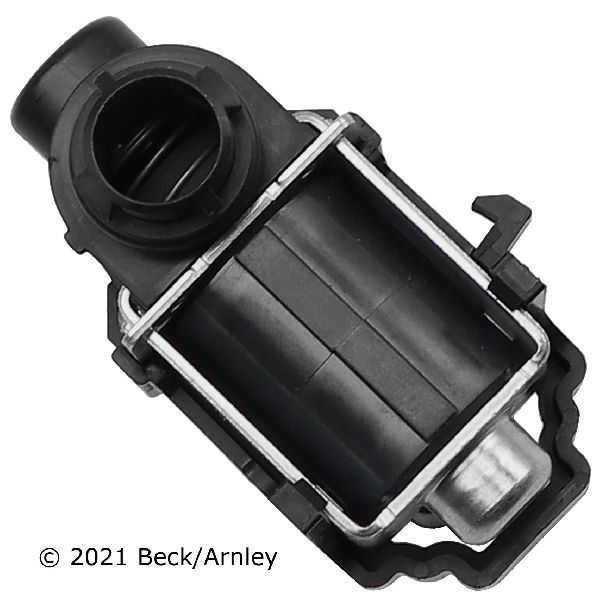
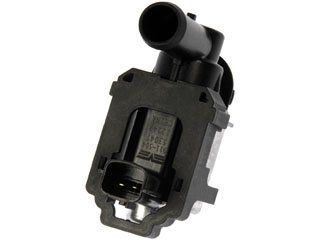
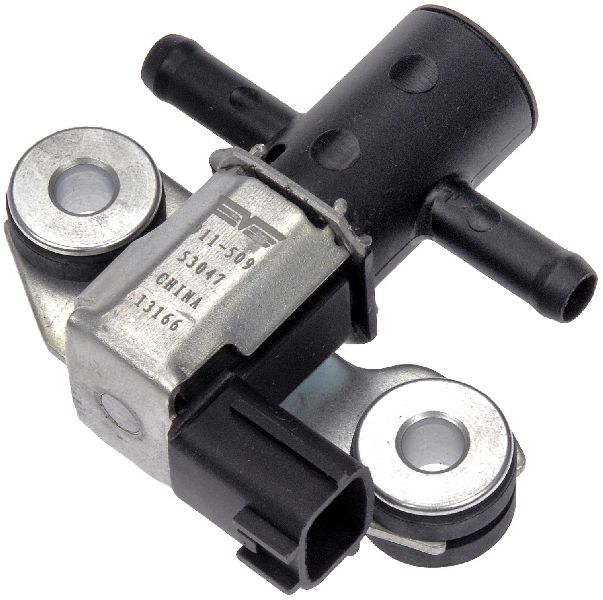
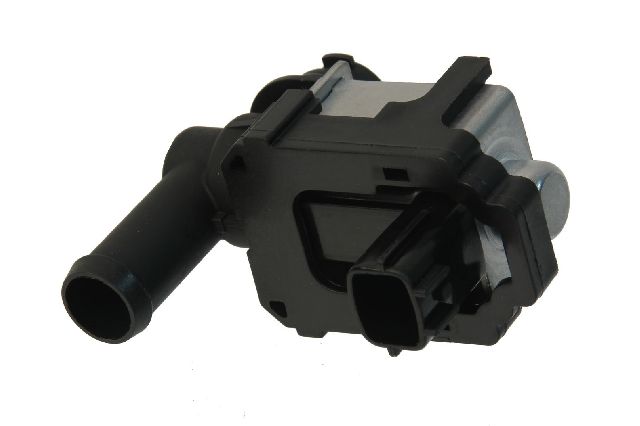
Est. part cost: $25 - $50 - Failing EVAP Canister Vent Control Valve or O-ring 🔴 High Probability → Shop Vapor Canister Vent Valve Infiniti TSB #ITB17-042b and its successors identify a leak at the vent control valve O-ring as a common cause for P0456 on the S51 platform (which includes the FX50) when the gas cap isn't the issue. The valve is mounted on the charcoal canister at the rear of the vehicle, where it is exposed to the elements.
How to confirm: A smoke test is the most effective method. Smoke is introduced into the EVAP system, and if it escapes from the vent control valve area (located near the charcoal canister at the rear of the vehicle), the valve or its seal is the culprit. A technician can also command the valve to close with a scan tool and check if it holds pressure.
Typical fix: Early TSBs advised replacing only the O-ring (part #16618-JF00A). However, later bulletins (like ITB17-042D) and common practice now recommend replacing the entire vent control valve assembly 🎬 Watch: Step-by-step guide to replacing the vent control valve., as the O-ring may no longer be sold separately and the valve itself is a common failure point.
Est. part cost: $65 - $120 - Cracked or Disconnected EVAP Hoses 🟡 Medium Probability Over time, rubber hoses can become brittle and develop small cracks due to heat and age. On related Infiniti platforms, users on MyG37 forums have specifically found the fuel vent return line near the filler neck can rust at a holding bracket and cause a P0456 leak.
How to confirm: Visually inspect all accessible EVAP lines between the fuel tank, charcoal canister, and engine bay for cracks, loose connections, or deterioration. A smoke test will definitively reveal leaks from hoses.
Typical fix: Replace the cracked section of the hose. In one forum instance, a user found a missing hose clamp on a canister hose to be the culprit after a smoke test indicated a leak at the canister.
Est. part cost: $10 - $40 - Failing EVAP Canister Purge Volume Control Solenoid/Valve ⚪ Low Probability → Shop Vapor Canister This valve, located in the engine bay, controls the flow of vapors to the engine. While less common for a *small* leak code, it can get stuck slightly open, causing a P0456. A Reddit user with a G37 reported replacing this part in their troubleshooting journey, though it did not solve their specific issue.
How to confirm: With the engine off, the valve should be closed. You can test this by removing the valve and trying to blow through it; no air should pass. A scan tool can also perform an active test to command the valve on and off.
Typical fix: Replace the purge volume control solenoid.
Est. part cost: $50 - $100
Rare But Worth Checking
- Cracked Charcoal Canister: → Shop Vapor Canister The plastic housing of the canister itself can develop hairline cracks, leading to a small leak. This is usually found only with a smoke test after all other components have been checked. The canister is located at the rear of the vehicle, sometimes behind a protective shield that is prone to rusted bolts, complicating inspection.
- Faulty Fuel Tank Pressure Sensor: → Shop Fuel Tank In rare cases, the sensor that detects the pressure in the system can malfunction and send incorrect data to the ECM, falsely triggering a leak code. This often appears with other codes related to the sensor itself and may be suspected if a smoke test reveals no physical leaks.
- Cracked Fuel Filler Neck: → Shop Fuel Filler Neck Though uncommon, corrosion or damage to the fuel filler neck (the pipe leading to the gas tank) can prevent the gas cap from sealing properly, causing a persistent P0456 code even with a new cap. This would be revealed during a smoke test.
Diagnosis Steps
- Check the Gas Cap: Remove and inspect the gas cap seal for damage. Re-tighten it until it clicks multiple times. Clear the code.
- Wait and See: Drive the vehicle for several days. The EVAP monitor runs under specific conditions, so it may take time for the light to either stay off or come back on.
- Visual Inspection: If the light returns, visually inspect all accessible EVAP hoses and lines from the engine bay to the rear of the vehicle for obvious cracks or disconnections. Pay special attention to the fuel vent return line that runs along the frame near the filler neck, as it can rust at its mounting brackets.
- Perform a Smoke Test: This is the most definitive diagnostic step. A smoke machine is connected to the EVAP system service port, which on this platform is located in the engine bay. 🎬 See how to perform a professional EVAP smoke test. The system is filled with a harmless, visible smoke under low pressure. Any leaks will be revealed by smoke escaping from the faulty component (hose, valve, canister, etc.).
- Test Solenoids: If a smoke test is inconclusive, use a capable OBD-II scanner to perform an active test on the purge and vent solenoids, commanding them to open and close to verify their function.
- Replace the Faulty Part: Based on the smoke test or active test results, replace the identified leaking component. Given the TSBs, if the gas cap is good, the vent control valve is the next highest probability part to replace.
Parts You'll Likely Need
- Fuel Filler Cap
(OEM #17251-4BA0B)— This is the most frequent cause of P0456, as confirmed by Infiniti TSBs. The seal wears out over time. Part number confirmed to fit the 2010-2013 FX50.
Trusted brands: Genuine Infiniti, Stant, Gates
OEM price range: $35 - $50
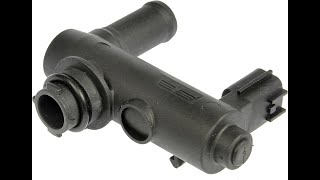
Aftermarket price range: $15 - $30 - EVAP Canister Vent Control Valve / Solenoid
(OEM #14935-JF00E)— A known failure point on this platform, specifically cited in TSBs for causing P0456 when the gas cap is not the issue. Note: This part number may be superseded by newer versions like 14935-JF02C.
Trusted brands: Genuine Infiniti/Nissan, Hitachi, Dorman, Standard Motor Products
OEM price range: $80 - $120
Aftermarket price range: $65 - $100 - EVAP Canister Purge Volume Control Solenoid
(OEM #14935-JF00B)— Located in the engine bay, this valve can stick and cause a small leak. It's a less common cause than the vent valve but still a possibility.
Trusted brands: Genuine Infiniti/Nissan, Dorman, TRQ
OEM price range: $70 - $110
Aftermarket price range: $40 - $80
Related Codes That Often Appear With This One
- P0442 — P0442 indicates a 'small leak,' which is slightly larger than the 'very small leak' of P0456. They often share the same causes, and a worsening P0456 leak can eventually trigger a P0442.
- P0455 — P0455 indicates a 'large leak.' This code can appear with P0456 if there are multiple leaks or if a component fails intermittently, such as a vent valve sticking wide open.
Technical Service Bulletins (TSBs) & Recalls
- ITB13-044J: General information bulletin for EVAP leak codes P0442, P0455, and P0456, advising to check for a loose fuel cap first.
- ITB09012F: Service information bulletin noting that a loose fuel fill cap is a likely cause for P0442, P0455, and P0456. [NHTSA]
- ITB17-042b: Specifically identifies a leak at the EVAP vent control valve O-ring as the cause for P0456 if the fuel cap is not loose. This TSB advised replacing only the O-ring.
- ITB17-042D: A later revision that supersedes ITB17-042b. It revises the procedure to replace the entire vent control valve assembly.
Platform-Specific Known Issues
- The 2009-2013 Infiniti FX50 is covered under multiple TSBs for P0456, pointing directly to the gas cap and the EVAP vent control valve O-ring as the most common culprits, making diagnosis more straightforward than on other vehicles.
Mechanic-Grade Diagnostic Values
- EVAP Canister Purge Volume Control Solenoid Resistance — expected: Approximately 29-30 Ohms. Failure: A reading significantly outside this range, or an open circuit (infinite resistance), indicates a failed solenoid coil.
- EVAP Canister Vent Control Valve Resistance — expected: Approximately 14-22 Ohms. Failure: An open circuit (no reading) or a reading far outside the expected range indicates the internal coil has failed. Also, if applying 12V power does not produce an audible 'click' or close the valve, it is faulty.
- Fuel Tank Pressure (FTP) Sensor Voltage — expected: Operational range of 0.5V to 4.5V. With the gas cap off (at atmospheric pressure), the voltage should be stable, often around 1.5V.. Failure: Voltage that is stuck high, low, or does not change when pressure/vacuum is applied to the system indicates a faulty sensor.
- Mode $06, TID $82 (Tank Vent Valve Check) — expected: The test value should be below the maximum limit specified by the scan tool.. Failure: A test value that is very close to or exceeds the maximum limit suggests a borderline or failing vent valve, even if a code has not yet been set.
Scan Tool Commands That Help
- Infiniti CONSULT-II / CONSULT-III plus: EVAP System Leak Test (Active Test) — This function is used to command the EVAP system's valves to close, sealing the system. The technician can then use special tool J-42909 to apply low pressure and monitor for a pressure drop on the tool's gauge or the scan tool's live data screen, confirming a leak without a smoke machine.
- Infiniti CONSULT-II / CONSULT-III plus: Purge Volume Cont/V (Active Test) — This allows a technician to command the purge volume control solenoid to open by a specific percentage. While monitoring short-term fuel trim, opening the valve should cause the fuel trim to go negative (indicating a richer mixture), confirming the valve is opening and vapors are flowing. No change in fuel trim suggests a stuck valve or a blockage.
- Infiniti CONSULT-II / CONSULT-III plus: Vent Control Valve (Active Test) — This command toggles the normally-open vent control valve to the closed position. It is the first step in any professional diagnostic test (smoke or pressure) to seal the EVAP system. If the system cannot be sealed, the valve is likely faulty.
Wiring & Ground Locations
- ECM (Engine Control Module) — Located at the right end of the dash / passenger kick panel area.. The ECM controls and monitors all EVAP system solenoids and sensors. A poor connection or corrosion at the ECM connectors could mimic a component failure.
- BCM (Body Control Module) Ground — The BCM is located at the right end of the dash. A primary ground point for it and other interior systems (G103) is on the cowl at the left rear of the engine compartment.. While the ECM directly controls the EVAP system, the BCM is involved in the CAN network and can sometimes be related to communication errors that may present as phantom codes. Ensuring main body grounds are secure is a good practice when chasing electrical issues.
- EVAP Canister Purge Volume Control Solenoid Connector — In the engine bay, mounted near the intake manifold. It has a harness connector that receives a 12V power supply and a control signal from the ECM.. This connector is a primary test point. Technicians check for battery voltage at one pin with the key on and check for continuity on the other wire back to the ECM.
- EVAP Canister Vent Control Valve Connector — At the rear of the vehicle, on the EVAP canister assembly, which is often behind a protective shield near the passenger side rear wheel.. This connector's location makes it susceptible to moisture and corrosion. A bad connection here will prevent the valve from closing during a system self-test, causing a P0456 leak code. The circuit should be tested for power and for a complete ground path back to the ECM.
Real Owner Repair Stories
- Reddit user comment (Infiniti (model not specified, but EVAP system is similar)) — Check Engine Light with P0456 code.
❌ Tried (didn't work) The user did not specify other attempts.
✅ What actually fixed it The user applied Vaseline to the gas cap's rubber O-ring to create a better seal. This resolved the code, indicating the final fix was to simply replace the worn gas cap.
OEM Part Supersession History
14935-AM60A / 14935-AM60B→14935-JF00A, 14935-JF00B, 14935-JF00C, 14935-JF00E, 14935-JF02C— Standard design revisions and improvements by the manufacturer over time to increase reliability.
Heads up: The listed part numbers are generally interchangeable for this application, with the latest number being the recommended replacement. Always verify fitment with an OEM parts dealer using the vehicle's VIN.
Helpful Videos
![How to Fix P0456 Engine Code in 3 Minutes [2 DIY Methods / Only $4.44]](https://img.youtube.com/vi/v_QDSjd1-Lw/mqdefault.jpg)
We Have This Part in Stock


The information in this article is provided for general reference and educational purposes only. Vehicle specifications, procedures, and part compatibility can vary by production date, trim level, and region. Always consult your vehicle's factory service manual and verify part numbers before purchasing or performing repairs. Safety-critical components such as airbags, seat belts, and braking systems should be installed by a qualified professional.
- Infiniti FX50:
- 🧭 Diagnostic Flowchart
- 🎬 Helpful Videos
- 🛍️ Shop This Part
- What's Unique About the 2009-2013 Infiniti FX50
- Symptoms You May Notice
- Most Likely Causes
- Rare But Worth Checking
- Diagnosis Steps
- Parts You'll Likely Need
- Related Codes That Often Appear With This One
- Technical Service Bulletins (TSBs) & Recalls
- Platform-Specific Known Issues
- Mechanic-Grade Diagnostic Values
- Scan Tool Commands That Help
- Wiring & Ground Locations
- Real Owner Repair Stories
- OEM Part Supersession History
- 🎟️ Get 5% Off