

P0456 on 2016-2019 Kia Optima Hybrid: EVAP Small Leak Causes and Fixes
For a P0456 code on a 2016-2019 Kia Optima Hybrid, the most likely causes are a loose gas cap, a faulty Natural Vacuum Leak Detector (NVLD), or a damaged fuel pump seal, as noted in Kia's own service bulletins. Always check the gas cap first before moving to more complex repairs. TSBs SA421 and FUE046 specifically address the NVLD and its associated air filter as a known failure point on this model.
- P0456 is a 'very small leak' in the EVAP system and is not a critical issue, but it will cause a failed emissions test.
- Always start with the simplest fix: check that your gas cap is tight and the seal is not cracked. Replace it with an OEM cap if in doubt.
- This specific vehicle has known issues documented by Kia. The Natural Vacuum Leak Detector (NVLD) and the fuel pump seal are the most probable causes if the gas cap isn't the problem.
- A smoke test is the most reliable method to pinpoint the exact location of a small EVAP leak.
- Referencing TSB #TSB_FUE046 and #PS567_R2 with your mechanic can help speed up diagnosis by pointing them toward the most likely failure points.
What's Unique About the 2016-2019 Kia OPTIMA HYBRID
The 2016-2019 Kia Optima Hybrid (generation JF) is specifically called out in manufacturer Technical Service Bulletins (TSBs) for issues that cause the P0456 code. The most notable problems are with the Natural Vacuum Leak Detector (NVLD) and the fuel pump seal. TSB FUE046/SA421 details a service campaign to replace the fuel tank air filter and, if the code is active, the NVLD itself due to a known design susceptibility to debris. This makes these components high-probability causes after the simple gas cap check, not just generic possibilities. A TSB for the identical Hyundai Sonata Hybrid platform clarifies that salt particulates, especially in coastal climates, can contaminate the NVLD sensor and cause this code.
Diagnostic Flowchart
Tap your situation to follow the diagnostic path that matches what you're seeing on this vehicle.
Symptoms You May Notice
- Check Engine Light is on
- A faint fuel odor, in some cases, if the leak is from a component like the fuel pump seal or fuel filler neck.
- Replacing the purge valve or charcoal canister before thoroughly checking the gas cap and investigating the known TSB-related issues (NVLD, fuel pump seal).
- Replacing the entire fuel pump assembly when only the fuel pump seal is leaking, as discussed by users on Reddit.
Most Likely Causes
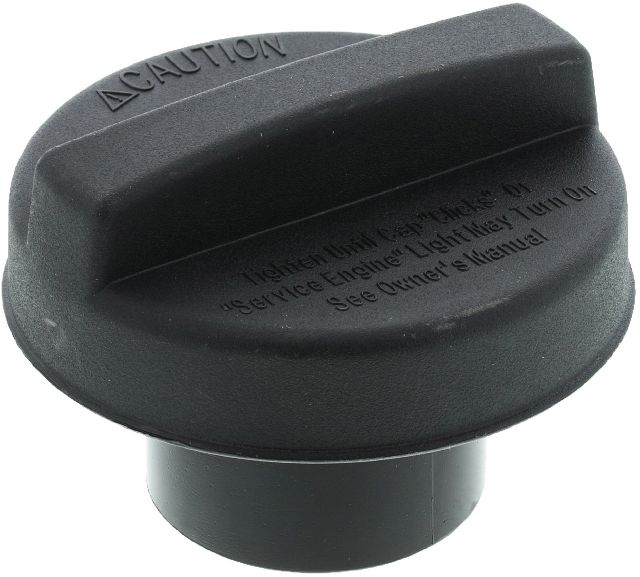
- Loose or Faulty Gas Cap 🔴 High Probability → Shop Fuel Tank Cap This is the most common cause for any vehicle. The gas cap seal can degrade over time or may not have been tightened correctly after refueling. Owners often report the 'clicking' sound disappears when the cap is worn out.
How to confirm: Ensure the gas cap is tightened until it clicks several times. Inspect the rubber seal on the cap for cracks, dirt, or signs of wear. If it looks worn, it's a cheap first part to replace.
Typical fix: Tighten or replace the gas cap. It is highly recommended to use an OEM part to ensure a proper seal, as aftermarket caps can be unreliable. The OEM part number is 31010-3L600 or 31010-E6800 for some 2016-2020 models.
Est. part cost: $20-$40 - Faulty Natural Vacuum Leak Detector (NVLD) 🔴 High Probability → Shop Evaporative Emissions System Leak Detection Pump Kia issued TSB #TSB_FUE046 (Service Action SA421) specifically for 2016-2019 Optima Hybrids, indicating a known issue with the NVLD causing P0456. The related Hyundai TSB explains that salt particulates and debris can clog the valve, especially in coastal areas, preventing it from sealing properly.
How to confirm: Diagnosis requires a smoke test to see if the NVLD is leaking. A technician can also command the valve to close with a diagnostic tool to test its function. The TSB recommends an evaporative leakage test with a Kia Diagnostic System (KDS); if a leak is detected and P0456 is active, the NVLD is the likely culprit.
Typical fix: Replace the Natural Vacuum Leak Detector (NVLD) and the associated fuel tank air filter, as outlined in Service Action SA421. The NVLD is located near the charcoal canister and is accessed by removing the left rear wheel and inner fender liner.
Est. part cost: $70-$150 - Damaged Fuel Pump Seal 🟡 Medium Probability → Shop Fuel Pump Kia TSB #PS567_R2 points to fuel pump seal damage as a cause for P0456 on these vehicles. The seal is a large O-ring that seals the fuel pump assembly to the top of the gas tank. Over time it can become brittle or get damaged during fuel pump service.
How to confirm: This leak is best found with a smoke test. A technician introduces smoke into the EVAP system and looks for it escaping from the fuel pump area, which is accessed by removing the lower rear seat cushion. 🎬 Watch: How to access and replace the fuel pump assembly A faint fuel smell inside the cabin can also be an indicator.
Typical fix: Access the fuel pump under the rear seat, remove the locking ring, and replace the fuel pump seal/O-ring.
Est. part cost: $20-$50 - Faulty Purge Control Valve (PCSV) ⚪ Low Probability
How to confirm: The purge valve is normally closed when the engine is off. Disconnect the valve (located in the engine bay) and try to blow through it. If air passes through, it's stuck open and needs replacement.
Typical fix: Replace the purge control solenoid valve.
Est. part cost: $40-$80
Rare But Worth Checking
- Cracked or Disconnected EVAP Hoses: While less common than component failure, a visual inspection of all accessible EVAP hoses for cracks, brittleness, or loose connections is always a good idea. A smoke test is the definitive way to find a hose leak.
- Cracked Charcoal Canister: → Shop Vapor Canister The charcoal canister itself can develop cracks, especially in regions with harsh weather or road salt. This was a known issue on the previous generation Optima Hybrid and is still a possibility. A smoke test will easily reveal a crack in the canister housing.
- Rusted or Cracked Fuel Filler Neck: → Shop Fuel Filler Neck Corrosion can create pinhole leaks in the metal fuel filler neck, often hidden under a mounting clamp or bracket. 🎬 Watch: A mechanic finds a hidden leak on a 2019 Optima A detailed diagnostic video on a 2019 Optima with P0456 found this to be the exact cause, which was only visible during a smoke test. In a similar case on an older Optima, the fuel tank itself had rusted and cracked around the fuel pump opening, requiring tank replacement.
Diagnosis Steps
- Read the code with an OBD-II scanner to confirm P0456 is present.
- Inspect the gas cap. Remove it, check the seal for damage, and retighten it until it clicks multiple times. Clear the code and drive for a few days to see if it returns.
- If the code returns, replace the gas cap with an OEM part (like Kia P/N 31010-3L600) as a cheap and easy potential fix.
- Visually inspect all accessible EVAP hoses in the engine bay and under the vehicle for obvious cracks or disconnections.
- If you have access to a bidirectional scan tool, command the canister close valve (part of the NVLD) to close and listen for a click.
- The most effective next step is to perform a smoke test. A mechanic will feed low-pressure smoke into the EVAP system's service port. The smoke will escape from the point of the leak, making it visible. 🎬 See how to perform a professional EVAP smoke test
- Based on the TSBs, pay close attention to the Natural Vacuum Leak Detector (NVLD) area (behind the left rear wheel) and the top of the fuel tank around the fuel pump seal during the smoke test.
- Check the vehicle's VIN for eligibility for Service Action SA421. A Kia dealer can do this. If eligible, the TSB procedure should be followed.
- If a leak is confirmed at the NVLD, replace it and the fuel tank air filter per TSB #TSB_FUE046 / SA421.
- If a leak is found at the fuel pump seal, replace the seal per TSB #PS567_R2.
Parts You'll Likely Need
- Gas Cap
(OEM #31010-3L600 or 31010-E6800)— This is the simplest and most frequent cause of a P0456 code due to a worn seal or improper tightening.
Trusted brands: Kia (OEM)
OEM price range: $25-$40
Aftermarket price range: $15-$25 - Natural Vacuum Leak Detector (NVLD)
(OEM #31480-4R100QQH (per Hyundai TSB for shared platform))— This is a known failure point on 2016-2019 Optima Hybrids, as documented by Kia in TSB #TSB_FUE046. The fix often includes the associated air filter kit.
Trusted brands: Kia/Hyundai (OEM), Bosch
OEM price range: $100-$150
Aftermarket price range: $70-$120 - Fuel Pump Seal / Gasket — Identified as a potential cause of P0456 in Kia TSB #PS567_R2.
Trusted brands: Kia (OEM)
OEM price range: $20-$50
Aftermarket price range: $15-$30
Related Codes That Often Appear With This One
- P0442 — P0442 indicates a 'small leak detected,' which is a slightly larger leak than P0456 ('very small leak'). They share the same causes, and a worsening P0456 leak can eventually trigger a P0442. TSB #PS567_R2 mentions both codes together.
Technical Service Bulletins (TSBs) & Recalls
- TSB_FUE046 / SA421: Notes an evaporative leak concern with DTC P0456 on Optima (JF HEV) vehicles from June 2016 - Jan 2019 related to the NVLD and its air filter.
- PS567_R2: Links DTC P0456/P0442 to potential fuel pump seal damage.
- TSB_FUE049 / SA447: Mentions P0456 concerns related to the Natural Vacuum Leak Detector (NVLD) on earlier 2011-2016 Kia Optima Hybrid vehicles, showing a pattern of failure for this component.
- PS469: Recommends a manual EVAP test for hard-to-find P0456 leaks.
Platform-Specific Known Issues
- TSB #TSB_FUE046 / SA421: Specifically for Optima Hybrids from June 27, 2016, to January 7, 2019, this service action addresses P0456 by replacing the fuel tank air filter. If the code is active ('found stored in the Engine Control Module'), the procedure also requires replacing the Natural Vacuum Leak Detector (NVLD).
- TSB #PS567_R2: This bulletin notes that DTC P0456 (along with P0442) can be caused by damage to the fuel pump seal, which is located under the rear seat.
- Platform-Mate TSB 20-01-020H (Hyundai): Provides valuable context, explaining that on the identical Sonata Hybrid system, salt particulate deposits can form inside the NVLD sensor, causing the P0456 code, especially in coastal climates.
Scan Tool Commands That Help
- Kia KDS/GDS (OEM Scan Tool): Evap. Leakage Test — This is the manufacturer-specified automated test to check the integrity of the entire EVAP system after basic checks like the gas cap have been performed. The command path is Home → S/W Management → Engine Control → Evap. Leakage Test.
- Professional Bi-Directional Scanner (e.g., Autel, Snap-on): Canister Close Valve (CCV) / Vent Valve Command — This command is used to manually close the vent valve (part of the NVLD assembly). A technician can then monitor system pressure or listen for a 'click' to confirm the valve is physically responding to the command, helping to isolate a faulty valve.
Wiring & Ground Locations
- SENSOR 2 Fuse — In the engine compartment fuse box.. On related Kia models, the EVAP canister valve solenoid is powered by a 10-amp fuse labeled 'SENSOR 2'. A blown fuse would prevent the valve from operating, potentially causing system test failures. While this was documented on a slightly older Optima, it is a quick and valuable electrical check to perform.
Real Owner Repair Stories
- South Main Auto Repair YouTube Channel (2019 Kia Optima) — Check Engine Light with code P0456.
❌ Tried (didn't work) An initial smoke test did not immediately reveal a leak.
✅ What actually fixed it After letting the smoke machine pressurize the system for an extended period, a very small leak was found at the fuel filler neck, originating from under a clamp. The fix involved cleaning corrosion from the filler neck and repositioning the clamp to create a proper seal. - Go-Parts Article / Technician Diagnosis (2011-2018 Kia Optima) — Persistent P0456 after standard checks.
❌ Tried (didn't work) Standard smoke test showed no external leaks.
✅ What actually fixed it Following consultation with Kia corporate engineering, the cause was identified as a malfunctioning internal one-way check valve within the Fuel Tank Pressure Sensor (FTPS) itself. The sensor was bleeding off pressure internally. Replacing the FTPS (OEM part 31435-2J000) resolved the code. - Reddit user on r/KiaNiro (Kia Niro (CPO, shares EVAP components)) — Check Engine Light with code P0456 shortly after purchase.
✅ What actually fixed it The dealership replaced the faulty NVLD (pressure sensor assembly), part number 31480-4R100, under warranty to resolve the issue.
"I Checked Everything" — The Actual Cause
- In one documented case on a 2019 Optima, the initial smoke test passed. The technician had to let the system sit under pressure for a while before a very small leak from corrosion under the fuel filler neck clamp became visible.
- A persistent P0456 with a clean smoke test was traced to an internal failure of the Fuel Tank Pressure Sensor (FTPS). The sensor's internal check valve was bleeding off pressure, which a smoke test cannot detect as there is no external escape path for the smoke.
OEM Part Supersession History
31480-4R000, 31480-4R100AQQK→31480-4R100— Part revision and update by the manufacturer.
Heads up: The newer part number 31480-4R100 is the correct replacement for the older versions on applicable models. The -QQH suffix (e.g., 31480-4R100QQH) often denotes a kit or a part supplied for a service campaign.
Model Year Variations Within This Range
- 2016-2019 (specifically June 27, 2016 to Jan 7, 2019): Vehicles produced in this date range are subject to TSB #TSB_FUE046 / Service Action SA421 for the NVLD and fuel tank air filter issue. Vehicles produced after this date may have updated parts from the factory, making this specific failure less likely.
- 2016-2019: The NVLD failure is noted to be more prevalent in coastal regions or areas with marine cloud cover due to salt particulates entering the EVAP system and contaminating the sensor.
Helpful Videos
![How to Fix KIA P0456 Engine Code in 3 Minutes [2 DIY Methods / Only $4.44]](https://img.youtube.com/vi/SbOPVLctNtg/mqdefault.jpg)
Used OEM Parts in Stock
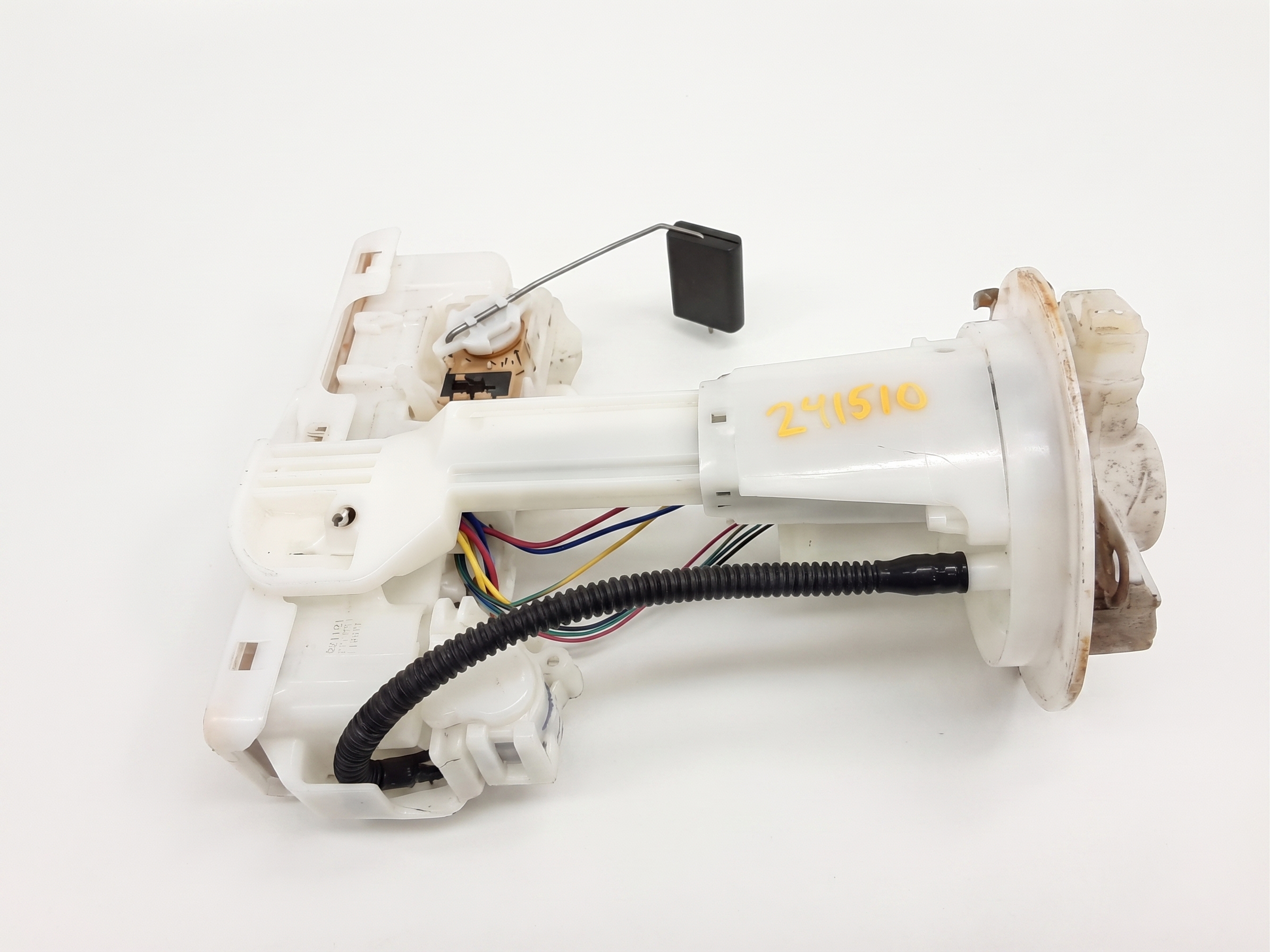
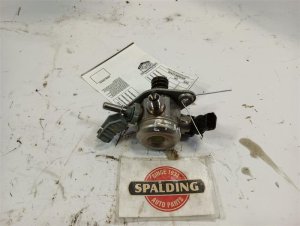
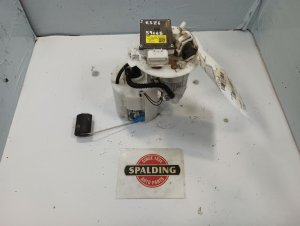
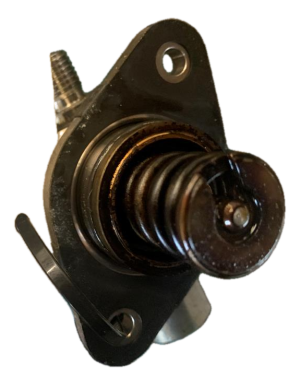
New Aftermarket Parts Available

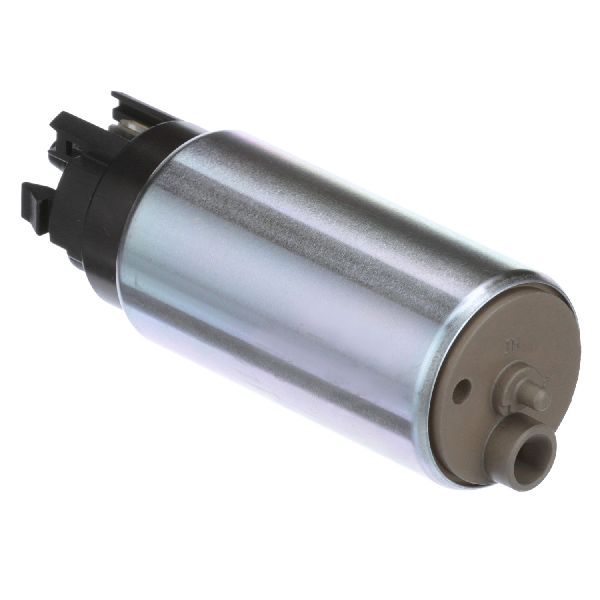

The information in this article is provided for general reference and educational purposes only. Vehicle specifications, procedures, and part compatibility can vary by production date, trim level, and region. Always consult your vehicle's factory service manual and verify part numbers before purchasing or performing repairs. Safety-critical components such as airbags, seat belts, and braking systems should be installed by a qualified professional.
- Kia OPTIMA HYBRID:
- 🧭 Diagnostic Flowchart
- 🎬 Helpful Videos
- 🛍️ Shop This Part
- What's Unique About the 2016-2019 Kia OPTIMA HYBRID
- Symptoms You May Notice
- Most Likely Causes
- Rare But Worth Checking
- Diagnosis Steps
- Parts You'll Likely Need
- Related Codes That Often Appear With This One
- Technical Service Bulletins (TSBs) & Recalls
- Platform-Specific Known Issues
- Scan Tool Commands That Help
- Wiring & Ground Locations
- Real Owner Repair Stories
- "I Checked Everything" — The Actual Cause
- OEM Part Supersession History
- Model Year Variations Within This Range
- 🎟️ Get 5% Off