

P0457 on 2001-2024 Toyota RAV4: EVAP Leak (Loose Gas Cap) Causes and Fixes
On a Toyota RAV4, code P0457 almost always means the gas cap is loose, off, or has a bad seal. Before buying any parts, tighten the cap until it clicks, clear the code, and drive. If it returns, a new OEM gas cap is the next step and costs around $25-$40. Persistent issues may point to a clogged purge valve or a failing charcoal canister, a known issue on these vehicles.
- P0457 on a RAV4 is most likely a loose or bad gas cap. Always check, tighten, and if necessary, replace the cap before attempting any other repairs.
- Only use an OEM (from Toyota or a brand like Denso) gas cap for replacement; aftermarket caps are a frequent source of sealing problems.
- If a new gas cap doesn't fix the code, the next most likely culprit is the purge valve located in the engine bay.
- A persistent code that isn't fixed by a cap or purge valve could point to a more serious (and expensive) issue with the charcoal canister failing, a known problem on this platform.
What's Unique About the 2001-2024 Toyota RAV4
Across its generations, the Toyota RAV4's EVAP system is generally reliable, but it has a known weakness. The charcoal canister, a key part of the system, can degrade internally over time. When this happens, small black charcoal pellets can break free and travel through the EVAP hoses, clogging the purge and vent valves. This failure is well-documented in owner forums for multiple Toyota models sharing this platform. While P0457 most often points to a simple gas cap issue, a persistent code that isn't fixed by a new cap may be related to this more complex and expensive canister failure, which has been noted by owners and addressed in Toyota service bulletins for related EVAP codes (like P0441, P0446, P2401, etc.).
Generation note: The 2001-2024 range covers five RAV4 generations: XA20 (2001-2005), XA30 (2006-2012), XA40 (2013-2018), and XA50 (2019-2024). The fundamental cause, a loose gas cap, is the same for all. However, the location and design of other EVAP components like the purge valve and charcoal canister vary. The issue of charcoal canisters degrading and clogging the system has been reported across multiple generations, from the XA30 through the XA50. For example, a 2011 RAV4 owner on Reddit reported being quoted $750 for a charcoal canister replacement due to this exact issue.
Symptoms You May Notice
- Check Engine Light is on
- A faint smell of gasoline, especially around the rear of the vehicle.
- Slight decrease in fuel economy (1-2 MPG) over time.
- For capless fuel filler systems (on some newer models), difficulty inserting the fuel nozzle or a filler flap that doesn't seal properly.
- Replacing the oxygen (O2) sensors. O2 sensors are not related to the EVAP system and will not cause a P0457 code.
- Immediately replacing the expensive charcoal canister without first checking the gas cap and purge valve.
Most Likely Causes
- Loose, Damaged, or Incorrect Gas Cap 🔴 High Probability → Shop Fuel Tank Cap This is the most common cause for any vehicle with this code, as it's often set by user error (not tightening the cap enough) or simple wear and tear of the cap's seal. Using a non-OEM (aftermarket) cap can also lead to an improper seal.
How to confirm: Ensure the cap is tightened until it clicks at least once. Inspect the rubber O-ring seal on the cap for cracks, dirt, or stiffness. If the seal is compromised or the cap is from a third-party brand, it may not seal correctly.
Typical fix: Tighten the cap, clear the code, and drive for a few days. If the code returns, replace the gas cap with a new OEM (Original Equipment Manufacturer) part. This is a cheap and highly effective first step.
Est. part cost: $25-$40 - Faulty Vapor Canister Purge Valve/Solenoid 🟡 Medium Probability → Shop Vapor Canister This valve cycles frequently and can get stuck open or closed over time. It can also become clogged with charcoal pellets from a failing canister, a known RAV4 issue.
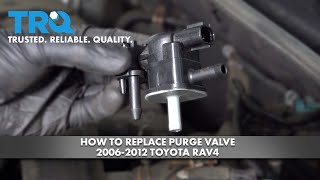
How to confirm: The purge valve is located in the engine bay and is relatively easy to access on all RAV4 generations. 🎬 Watch: How to replace the purge valve on 2006-2012 models. You can test it with a handheld vacuum pump or by applying 12V to see if the solenoid clicks. A visual inspection of the hoses connected to it may reveal black dust, indicating canister failure.
Typical fix: Replacement of the purge valve assembly. This is a common DIY repair.
Est. part cost: $40-$150 - Cracked or Failing Charcoal Canister Assembly ⚪ Low Probability → Shop Vapor Canister As noted, some RAV4 canisters can break down internally, releasing charcoal that clogs the system. Physical damage from road debris can also cause cracks. This is a widely discussed problem in forums for persistent EVAP issues.
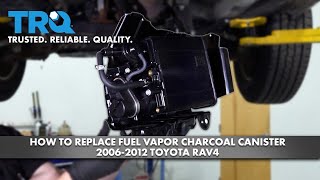
How to confirm: This is harder to diagnose. The canister is located under the rear of the vehicle near the fuel tank. 🎬 See this walkthrough for replacing the charcoal canister assembly. A mechanic may need to perform a smoke test or disconnect hoses to check for charcoal debris. This failure often throws other codes like P0441, P0446, P2401, or P2402 as well.
Typical fix: Replacement of the entire charcoal canister assembly, which often includes the vent valve and leak detection pump. The EVAP lines may also need to be cleaned out.
Est. part cost: $400-$800 - Cracked or Disconnected EVAP Hoses ⚪ Low Probability
How to confirm: Visually inspect all accessible EVAP lines between the engine bay, fuel tank, and charcoal canister. A professional smoke test is the most effective way to find a hard-to-see crack or leak.
Typical fix: Replace the damaged section of hose.
Est. part cost: $10-$50
Rare But Worth Checking
- Rusted or Damaged Fuel Filler Neck: → Shop Fuel Filler Neck If the metal neck where the gas cap seals is rusted or bent, even a new cap won't be able to create a proper seal. This is more common in areas with heavy road salt usage.
- Faulty Fuel Tank Pressure Sensor: → Shop Fuel Tank A rare but possible cause is a faulty fuel tank pressure sensor that sends incorrect data to the ECM, making it believe there is a leak when there isn't one.
Diagnosis Steps
- Check the Gas Cap: Remove and inspect the gas cap. Look for cracks in the cap or its rubber seal. Clean any dirt from the seal and the fuel filler neck. Reinstall the cap and tighten it until you hear at least one click.
- Clear the Code: Use an OBD-II scanner to clear the trouble code.
- Drive the Vehicle: Drive for a few days to allow the car's computer to re-run the EVAP system test. This may take several drive cycles (a combination of cold starts and varied driving). If the light stays off, the problem is solved.
- Replace the Gas Cap: If the light returns, replace the gas cap with a new, high-quality OEM part (e.g., from Denso or Toyota). Aftermarket caps are a common source of sealing issues. Clear the code and drive again.
- Inspect the Purge Valve: If the code persists, locate the purge valve in the engine bay. Check its connected hoses for cracks or black dust (a sign of canister failure). Test the valve's operation if you have the tools (e.g., apply 12V and listen for a click).
- Visual Inspection of Canister Area: Look under the vehicle near the fuel tank for the charcoal canister. Check for any obvious cracks or damage to the canister and its hoses.
- Perform a Smoke Test: If the leak source is still not found, the most reliable next step is a professional smoke test. This involves injecting pressurized smoke into the EVAP system to pinpoint the exact location of the leak. 🎬 Watch: Professional tips for diagnosing and testing the EVAP system.
Parts You'll Likely Need
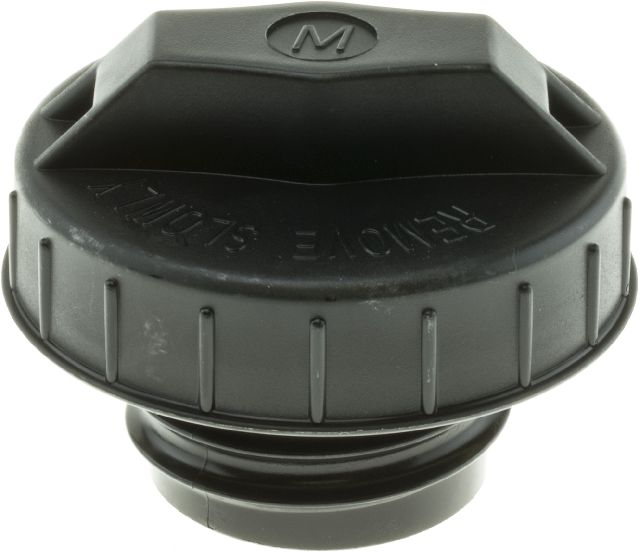
- Fuel Tank Cap
(OEM #77300-07010 (2013-2015), 77300-07040 (some 2019+), 77300-06090 (other modern variants). Note: Part numbers vary significantly by year and build location (Japan vs. North America). Always verify with VIN.)— This is the most frequent cause of P0457. The seal wears out over time or the cap is not tightened properly.
Trusted brands: Toyota (OEM), Denso
OEM price range: $25-$40
Aftermarket price range: $15-$30 - Vapor Canister Purge Valve / Solenoid
(OEM #25860-0V140 (2013-2018), 25860-F0010 (2019-2024). Note: Varies by generation. Always verify with VIN.)— A common failure point that can get stuck or clogged, causing various EVAP codes.
Trusted brands: Toyota (OEM), Denso, Aisin
OEM price range: $90-$160
Aftermarket price range: $40-$80 - Charcoal Canister Assembly
(OEM #77740-0R020 (2013-2018). Note: This is a large, expensive assembly that often includes multiple components. Always verify with VIN.)— This part can fail internally on RAV4s, releasing charcoal that clogs the system. It's the most expensive and least likely cause for P0457 alone, but a known issue for persistent problems.
Trusted brands: Toyota (OEM)
OEM price range: $400-$800
Aftermarket price range: $250-$500
Related Codes That Often Appear With This One
- P0455 — P0455 indicates a 'Gross EVAP Leak'. P0457 is a more specific version of P0455 that points directly to the fuel cap as the likely source based on post-refueling diagnostics.
- P0441 — P0441 indicates 'Incorrect Purge Flow'. This can appear alongside P0457 if the purge valve is stuck or if the system is clogged by charcoal from a failing canister.
- P0446 — Indicates a 'Vent Control Circuit Malfunction'. This can be triggered if the vent valve, often part of the charcoal canister assembly, is clogged with charcoal pellets.
- P2401, P2402, P043E, P043F — These codes relate to the EVAP system's leak detection pump and reference orifice. They are often seen together on RAV4s when the charcoal canister assembly fails.
Technical Service Bulletins (TSBs) & Recalls
- T-SB-0046-10: A service bulletin for 2006-2010 RAV4s that addresses a group of EVAP codes (P043E, P043F, P2401, P2402, P2419) and rough idle caused by fuel getting into the EVAP system. While not directly for P0457, it points to the known sensitivity and complexity of the RAV4's EVAP canister and pump module.
Platform-Specific Known Issues
- A known issue on some 2006-2012 and newer RAV4s involves the charcoal canister failing internally. This releases charcoal pellets into the EVAP lines, which can clog the
Mechanic-Grade Diagnostic Values
- Vapor Canister Purge Valve / Vent Valve Solenoid Resistance — expected: 15 - 50 Ohms (general specification). Failure: A reading of 0 Ohms (short circuit) or infinite/OL (open circuit) indicates a failed solenoid coil.
- Vent Valve Power Source Voltage (at ECM Connector) — expected: 11 - 14 V (Ignition ON). Failure: Voltage below 11V could indicate a wiring or power supply issue.
- Leak Detection Pump Signal Voltage (at ECM Connector) — expected: Below 3V (Pump OFF), 11 - 14V (Pump ON). Failure: Voltage that doesn't change when the pump is commanded on/off via a scan tool points to a pump or wiring failure.
Scan Tool Commands That Help
- Toyota Techstream (or equivalent professional scanner): Evaporative System Check (Automatic Mode) — This is a critical bidirectional function to verify a repair without waiting 5+ hours for the automatic monitor to run. It forces the ECM to activate the EVAP pump and valves to test the system for leaks and will set a pending code if a fault is detected. The path is typically: Powertrain / Engine -> Utility -> Evaporative System Check.
Wiring & Ground Locations
- EVAP System Component Connectors — Purge Valve: In the engine bay, connected to the intake manifold. Canister/Pump Assembly: Under the vehicle, typically near the rear axle/fuel tank, sometimes under the driver's side area on older models.. Corroded or loose connectors at the purge valve, vent valve, or leak detection pump can cause intermittent operation and trigger codes. The wiring harness leading to the under-vehicle components is susceptible to damage from road debris.
- General Ground Point Location Codes — Toyota wiring diagrams use prefixes for location: 'E' for Engine Compartment, 'I' for Instrument Panel area, and 'B' for the Body.. A corroded or loose body ground ('B' prefix) near the canister assembly can cause faulty operation of the leak detection pump and vent valve, leading to incorrect test results and codes.
Real Owner Repair Stories
- YouTube user repairing their own vehicle (2011 Toyota RAV4 (XA30 generation)) — Check Engine, 4WD, and Traction Control lights all on. Cruise control inoperative. OBD codes P043E, P043F, P2401, P2402, P2419.
❌ Tried (didn't work) Checking the gas cap.
✅ What actually fixed it The Leak Detection Pump was replaced. Upon disassembly, the old pump was found to be completely filled with rusty water, causing the internal electric motor to fail. This was the second time the owner had to replace this specific part on the vehicle. - CarGurus forum user 'Oppyusa' (2012 Toyota RAV4 (XA30 generation), 91,000 miles) — Check Engine Light with an EVAP error code.
❌ Tried (didn't work) Replacing the gas cap with an OEM part., A professional smoke test, which came back 'indeterminate' with no leak found., Replacing the entire charcoal canister assembly and the purge valve ($1300 repair).
✅ What actually fixed it The problem was NOT resolved. Even after replacing the gas cap, purge valve, and entire canister assembly, the Check Engine Light returned two days later. This indicates the actual cause was more elusive, possibly a hairline crack in a hose that only opens under specific conditions, a faulty fuel filler neck, or an electrical issue. - Reddit user in r/Toyota (2017 Toyota RAV4 (XA40 generation)) — Check Engine Light for purge flow, car struggled to start after refueling.
❌ Tried (didn't work) Replacing the purge valve with an aftermarket part from O'Reilly. The code was cleared but returned about two weeks later., Replacing the aftermarket purge valve again under warranty. The code returned again.
✅ What actually fixed it The final resolution was not posted, but other users strongly advised the owner to stop using aftermarket purge valves. The consensus was that Toyota vehicles are notoriously sensitive to non-OEM electronic parts in the EVAP system, and that only a genuine OEM (Toyota/Denso/Aisin) part would likely provide a permanent fix.
"I Checked Everything" — The Actual Cause
- In a documented case for a 2012 RAV4, a professional smoke test found no leaks in the EVAP system. Despite this, the P0457 code (and related EVAP codes) persisted. The owner proceeded to replace the gas cap, purge valve, and the entire charcoal canister assembly, yet the code still returned. This is a classic master tech scenario where the fault is not a simple static leak. The cause is likely intermittent, such as a hairline crack that only opens with temperature changes or vehicle flex, a faulty sensor giving false readings, or an electrical issue in the monitoring circuit itself.
When the Usual Fixes Don't Work
- While replacing the gas cap and purge valve are the most common fixes, they are not a silver bullet. One 2012 RAV4 owner had a persistent EVAP code even after a smoke test showed no leaks. They proceeded to replace the OEM gas cap, the purge valve, and the entire charcoal canister assembly at significant cost, only for the check engine light to return two days later. This demonstrates that for persistent issues, the fault can be more complex than the main components, potentially involving wiring, the fuel filler neck, or the ECM's monitoring circuit. Simply 'throwing parts at it,' even the correct ones, may not solve the problem.
OEM Part Supersession History
77300-74010→77300-07010— Part revision/update for fuel tank cap.25860-36090→25860-0V140— Part revision/update for vapor canister purge solenoid.
Model Year Variations Within This Range
- 2006-2012 (XA30 Generation): This generation uses a separate Leak Detection Pump (LDP) mounted to the charcoal canister assembly. This specific pump design has been documented to be susceptible to water intrusion, leading to internal rust and failure, often triggering a host of codes like P043E, P2401, and P2402.
- 2013-2024 (XA40 & XA50 Generations): These later generations use an integrated 'Canister Pump Module'. This module combines the leak detection pump, vent valve, and pressure sensor into a single, non-serviceable unit. While more compact, a failure of any internal component requires replacement of the entire expensive module.
- 2019+ (some XA50 models): Some newer models may feature a capless fuel filler system. While P0457 specifically references a 'loose cap', a similar fault can be logged if the spring-loaded flap in the filler neck is not sealing correctly due to debris or damage.
Diagnostic Flowchart
Other Known Issues on This Vehicle
Issues unrelated to this code that are worth knowing about as an owner of this generation:
- Excessive Oil Consumption (2AZ-FE Engine) 🔴 High — Very common on 2006-2008 RAV4 models with the 2.4L 2AZ-FE engine. Typically appears after 60,000 miles. Caused by defective piston ring design. (Ref: T-SB-0094-11 and a subsequent warranty enhancement program (now expired) addressed this issue.)
- Torque Converter Shudder (XA40) 🟠 Medium — Common on 2013-2015 RAV4s. Owners report a brief shudder or vibration under light throttle between 25-50 mph. (Ref: T-SB-0023-15 (later revised) and a Warranty Enhancement Program (ZH1) were issued, involving an ECM reprogram and potential torque converter replacement.)
- Steering Shaft Clunk/Noise 🟡 Low — Affects many 2006-2012 (XA30) RAV4s. A clunking or popping noise is heard from the lower steering column when turning the wheel. Caused by a faulty intermediate steering shaft. (Ref: Toyota acknowledged the issue, and many owners have replaced the intermediate shaft to fix it.)
- Low-Pressure Fuel Pump Failure (XA50) 🔴 High — Widespread on 2019-2020 RAV4 models. The fuel pump can fail suddenly, causing the engine to stall while driving. (Ref: Toyota issued a major safety recall (20TA02) to replace the faulty fuel pump assembly free of charge.)
- Engine Block Coolant Leak (XA50) 🔴 High — Affected some 2019-2020 RAV4s with the 2.5L engine due to porosity in the engine block casting, leading to internal or external coolant leaks. (Ref: A recall was issued to replace the entire engine assembly on affected vehicles.)
Used vs. New Parts: Buying Guide for This Vehicle
When a used part is the smart pick: For this specific repair, buying used parts is generally not recommended. The primary failure components (canister, valves, pump) are either wear items or known to have internal failure modes that are not externally visible. A used charcoal canister could already be shedding charcoal pellets internally. The only exception might be a simple plastic hose or bracket from a low-mileage donor vehicle.
Donor-vehicle mileage cap: roughly under 50000 miles for the part to have meaningful remaining life.
What to inspect on the donor part:
- For a charcoal canister, there should be absolutely no loose charcoal dust or pellets coming out of the ports when shaken.
- Inspect plastic housings for hairline cracks, especially around mounting tabs and hose connections.
- Check electrical connectors for any signs of corrosion, bent pins, or broken locking tabs.
OEM-only on this vehicle (don't cheap out):
- Vapor Canister Purge Valve / Solenoid
- Leak Detection Pump / Canister Pump Module
- Gas Cap
Aftermarket brands forum-validated for this vehicle:
- Denso (often the OEM supplier for Toyota)
- Aisin (often the OEM supplier for Toyota)
Brands owners have reported issues with on this vehicle:
- Generic or 'white-box' parts store brands for electronic components like the purge valve. Forum users report high failure rates and incompatibility with Toyota's sensitive EVAP monitoring system.
Real Owner Stories
Aggregated from forums and TSBs cited above. Mileages and costs reflect what owners reported in those sources.
2016 RAV4
Symptoms: Owner was experiencing persistent EVAP codes (P0441, P0446, P24xx series) and found black pellets in the EVAP lines.
What fixed it: The issue was resolved by replacing the entire charcoal canister assembly, specifically part number 77740-0R020.
Source hint: rav4world.com
2010 RAV4
Symptoms: Owner was having general EVAP system issues, and their mechanic identified that charcoal pellets from a failing canister were clogging the purge valve.
What fixed it: The diagnosis pointed to a failed charcoal canister. The fix for this condition involves replacing the canister assembly and cleaning or replacing the clogged purge valve and lines.
Source hint: reddit.com/r/Toyota
Related OBD-II Codes
Frequently Asked Questions
Is the charcoal canister a known failure point on the Toyota RAV4 that can cause a P0457 code?
I found black dust in the EVAP hose near the engine. What does this mean for my RAV4?
I replaced the gas cap with a cheap one from an auto parts store and the P0457 code came back. Why?
My mechanic mentioned T-SB-0046-10 for my 2008 RAV4's EVAP problem. Does this apply to code P0457?
What's the most likely cause of P0457 on my RAV4 besides the gas cap?
Are other Toyota models like the Camry or Highlander also prone to this EVAP issue?
Helpful Videos
Used OEM Parts in Stock
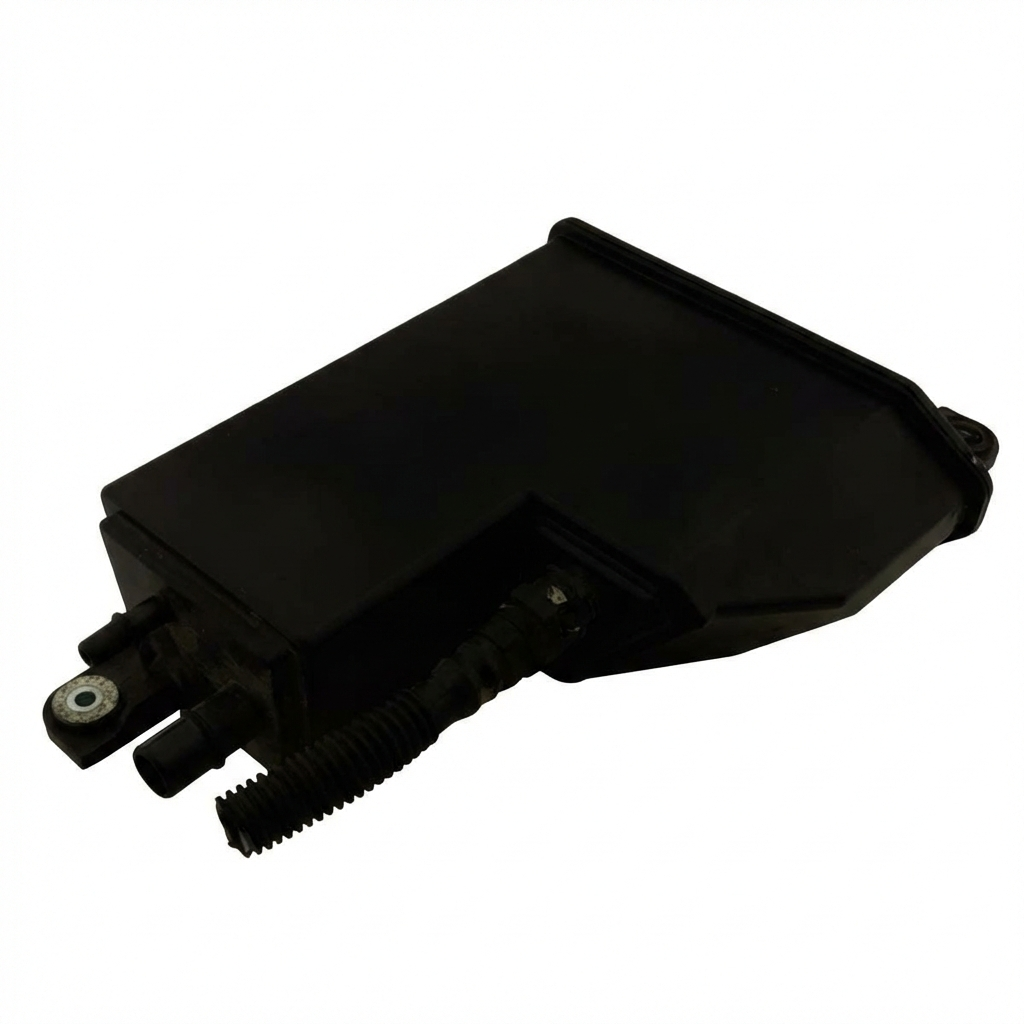
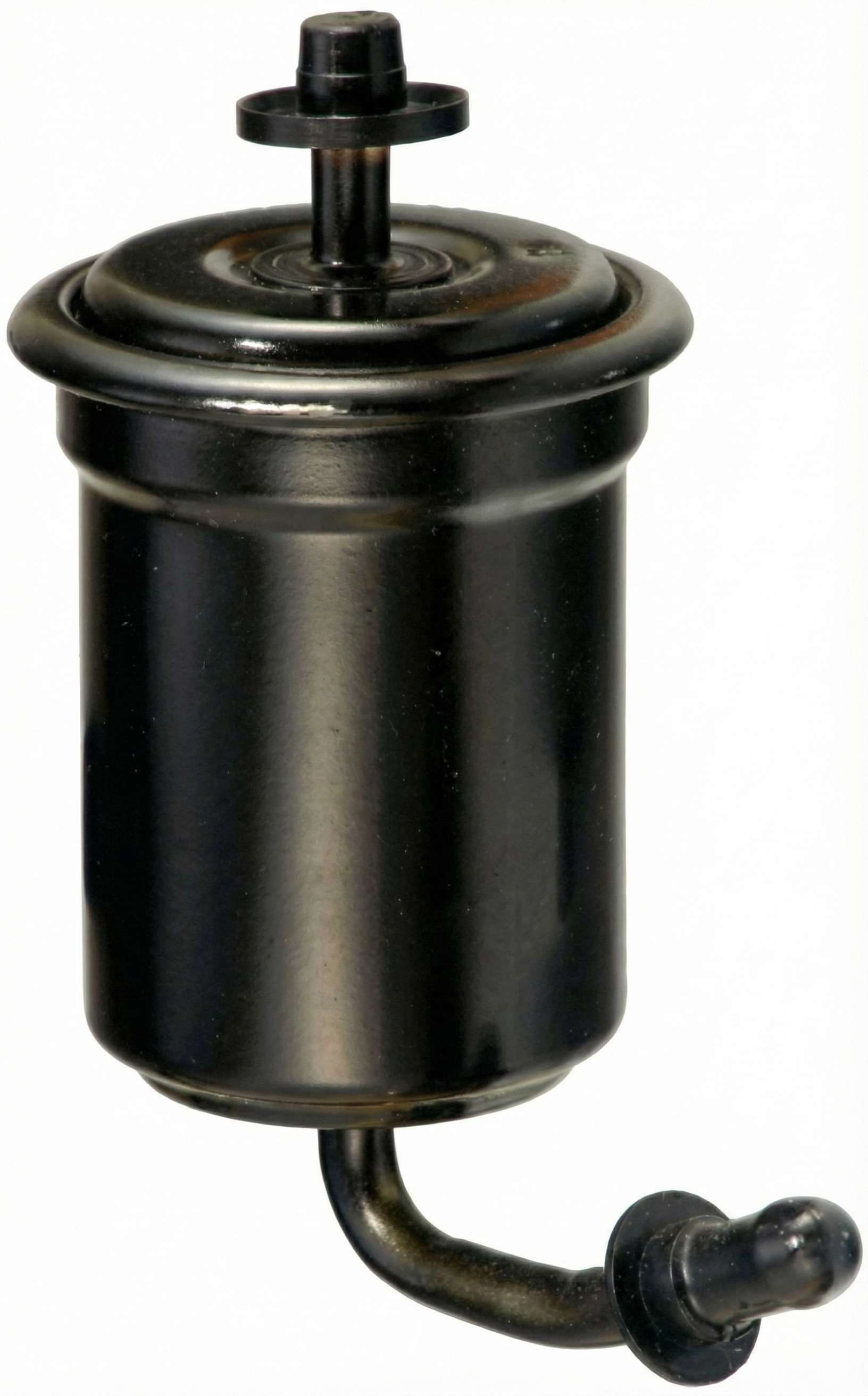
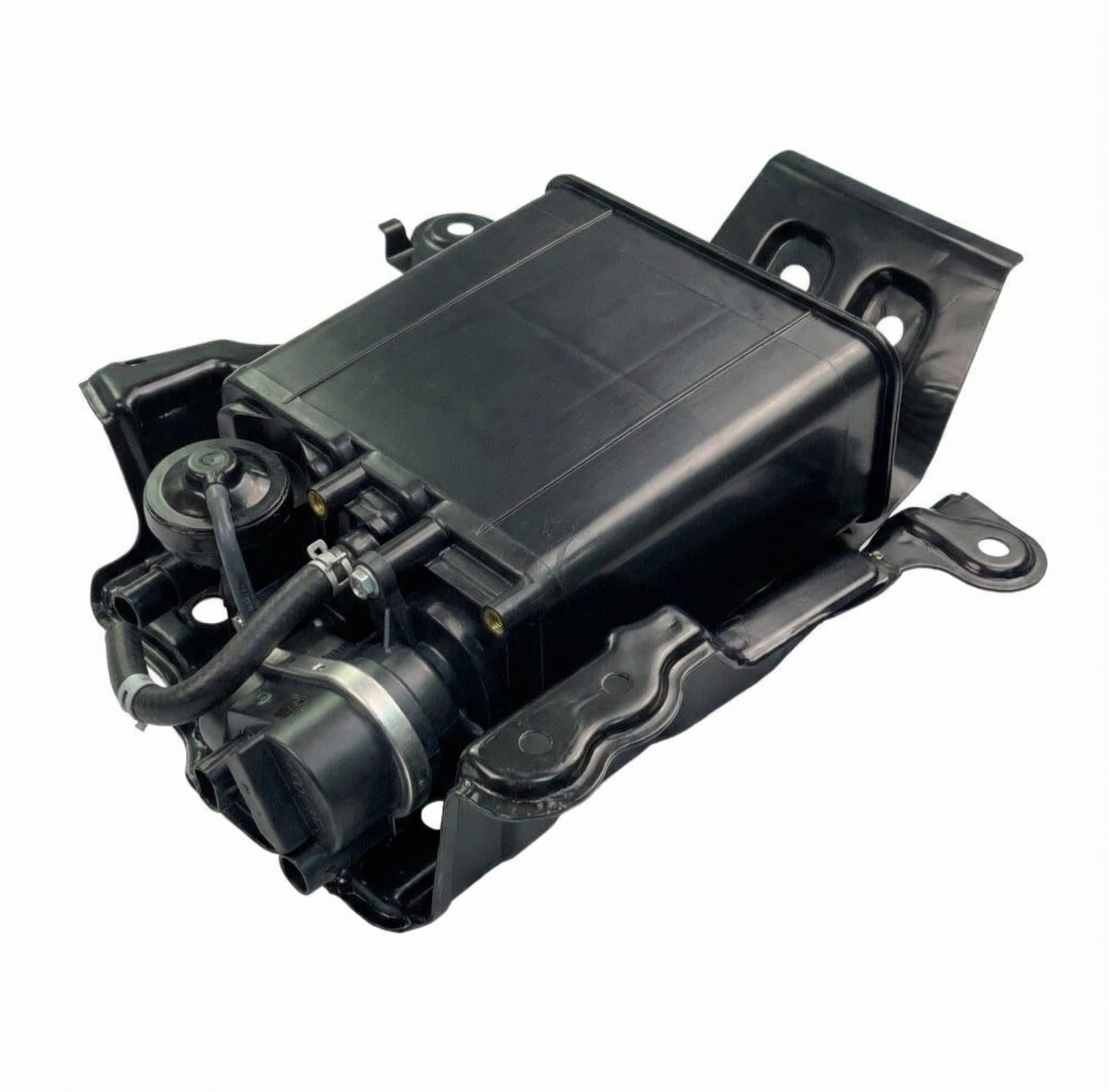
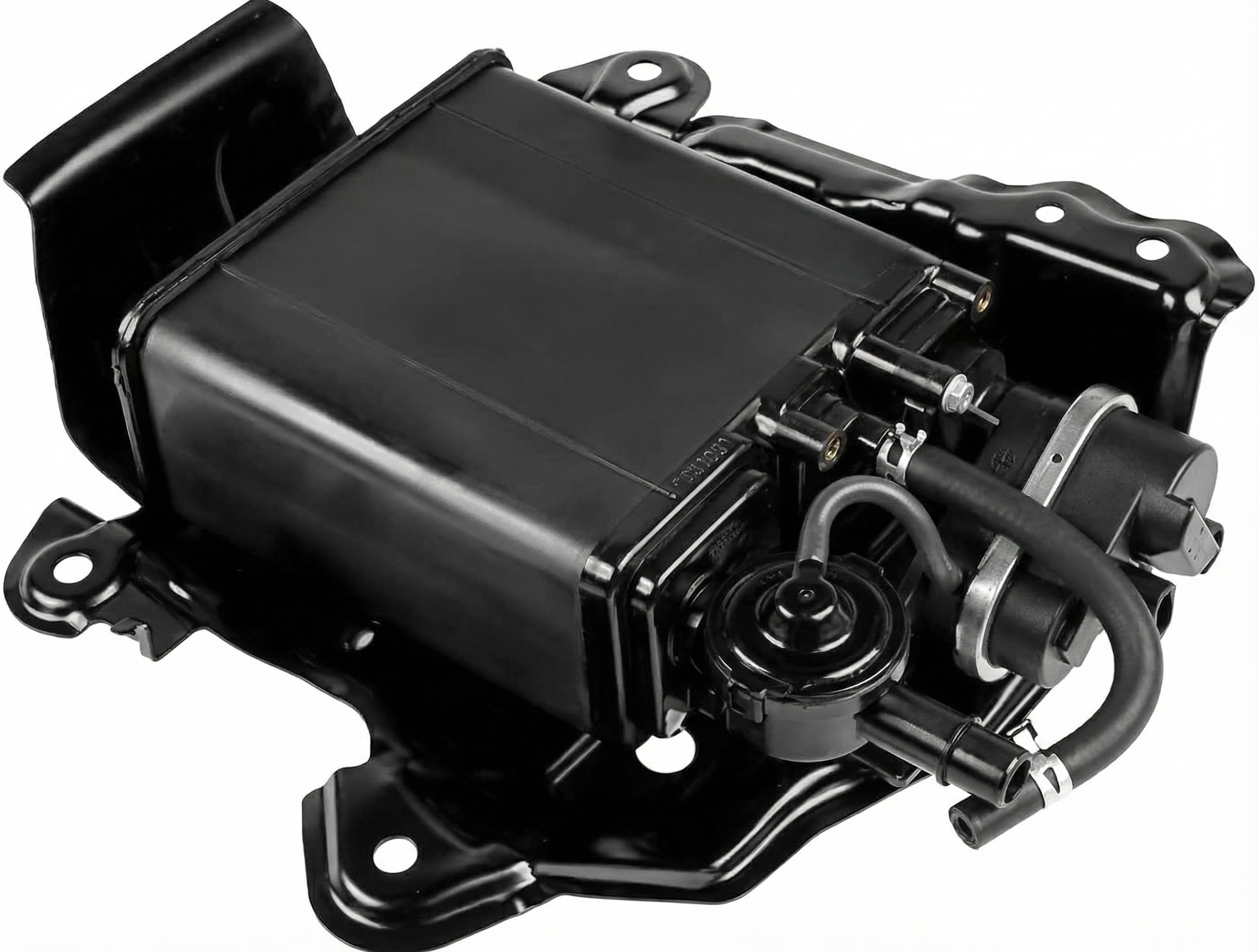
New Aftermarket Parts Available


The information in this article is provided for general reference and educational purposes only. Vehicle specifications, procedures, and part compatibility can vary by production date, trim level, and region. Always consult your vehicle's factory service manual and verify part numbers before purchasing or performing repairs. Safety-critical components such as airbags, seat belts, and braking systems should be installed by a qualified professional.
- Toyota RAV4:
- 🧭 Diagnostic Flowchart
- 🎬 Helpful Videos
- 🛍️ Shop This Part
- What's Unique About the 2001-2024 Toyota RAV4
- Symptoms You May Notice
- Most Likely Causes
- Rare But Worth Checking
- Diagnosis Steps
- Parts You'll Likely Need
- Related Codes That Often Appear With This One
- Technical Service Bulletins (TSBs) & Recalls
- Platform-Specific Known Issues
- Mechanic-Grade Diagnostic Values
- Scan Tool Commands That Help
- Wiring & Ground Locations
- Real Owner Repair Stories
- "I Checked Everything" — The Actual Cause
- When the Usual Fixes Don't Work
- OEM Part Supersession History
- Model Year Variations Within This Range
- Other Known Issues on This Vehicle
- Used vs. New Parts: Buying Guide for This Vehicle
- Real Owner Stories
- 2016 RAV4
- 2010 RAV4
- Related OBD-II Codes
- Frequently Asked Questions
- 🎟️ Get 5% Off