

P0460 on 2003-2014 Chevrolet Tahoe: Causes for Fuel Gauge Circuit Malfunction and Fixes
On a 2003-2014 Tahoe, P0460 is most often caused by a failed stepper motor in the instrument cluster, not the sensor in the tank. This is a very common GM issue from this era. A DIY stepper motor replacement costs under $30 in parts but requires soldering. The second most likely cause is a bad fuel level sensor, which is part of the fuel pump module and requires dropping the tank to replace, costing $250-$700 for the part.
- For a P0460 on a 2003-2014 Tahoe, suspect the instrument cluster's stepper motor before the fuel pump.
- A bidirectional scan tool that can perform a 'gauge sweep test' is the most important tool for diagnosing this code correctly.
- If you are comfortable with soldering, replacing the stepper motors yourself is a very cost-effective repair.
- Do not trust the fuel gauge until this issue is fixed; track your mileage to avoid running out of gas and damaging the fuel pump.
What's Unique About the 2003-2014 Chevrolet Tahoe
For this generation of Chevrolet Tahoe and other GM trucks (GMT800 and GMT900 platforms), this code is uniquely and frequently caused by a failure inside the dashboard itself. Defective stepper motors that drive the physical needles in the instrument cluster were a widespread problem. Owners often mistakenly replace the expensive fuel pump assembly in the tank when the real, and often cheaper, fault lies with a small motor on the cluster's circuit board. This issue was so common it led to class-action lawsuits and a Special Coverage Adjustment from GM (Program #07033), though it has long since expired.
Generation note: This guide covers two Tahoe generations: the GMT800 (2003-2006) and the GMT900 (2007-2014). The common causes, particularly the instrument cluster stepper motor failure and fuel level sensor failure, are prevalent across both generations. The stepper motor issue is especially common on the 2003-2006 models.
Symptoms You May Notice
- Check Engine Light is on
- Fuel gauge is inaccurate, erratic, or stuck (on full, empty, or anywhere in between).
- Fuel gauge needle fluctuates rapidly while driving or idling.
- Low fuel warning light illuminates at the wrong time or not at all.
- Other gauges (speedometer, tachometer, etc.) may also be behaving erratically if multiple stepper motors are failing.
- Replacing the entire fuel pump module when the problem is a simple and cheap stepper motor in the instrument cluster. Performing a gauge sweep test is the critical step to avoid this expensive mistake.
Most Likely Causes
- Faulty Instrument Cluster Stepper Motor 🔴 High Probability → Shop Instrument Cluster GM used defective stepper motors (part numbers XC5.168 and X15.168) across millions of trucks and SUVs in this era, causing widespread gauge failures. The fuel gauge is one of the most commonly affected. The issue was the subject of a class-action lawsuit and a GM Special Coverage Adjustment.
How to confirm: Use a bidirectional scan tool to perform a 'gauge sweep test'. The tool commands the cluster to move all gauges through their full range. If the fuel gauge fails to move correctly or acts erratically during the test while other gauges work, the stepper motor is bad. This definitively isolates the fault to the cluster.
Typical fix: The instrument cluster must be removed from the dashboard, disassembled, and the faulty stepper motor for the fuel gauge must be desoldered from the circuit board and replaced with a new one. It is best practice to replace all stepper motors (for all gauges) at the same time, as the others are likely original and prone to future failure.
Est. part cost: $15-$40 for a full set of new, updated stepper motors (e.g., Switec X27.168). - Faulty Fuel Level Sensor (Sending Unit) 🟡 Medium Probability → Shop Fuel Tank Sending Unit The sensor's resistor card can wear out over time or become contaminated by sulfur in the fuel, leading to incorrect resistance readings. The float arm can also stick or fail.
How to confirm: If the gauge sweep test passes, the cluster is good. The next step is to test the sensor circuit. Access the fuel pump module connector on top of the fuel tank. Measure the resistance (ohms) of the sending unit across the two sensor wires (typically purple and a black or gray/black wire). On most GM trucks of this era, the resistance should be approximately 40 ohms when empty and 250 ohms when full. An open circuit (infinite resistance) or a value that is stuck and doesn't change when rocking the vehicle indicates a bad sensor.
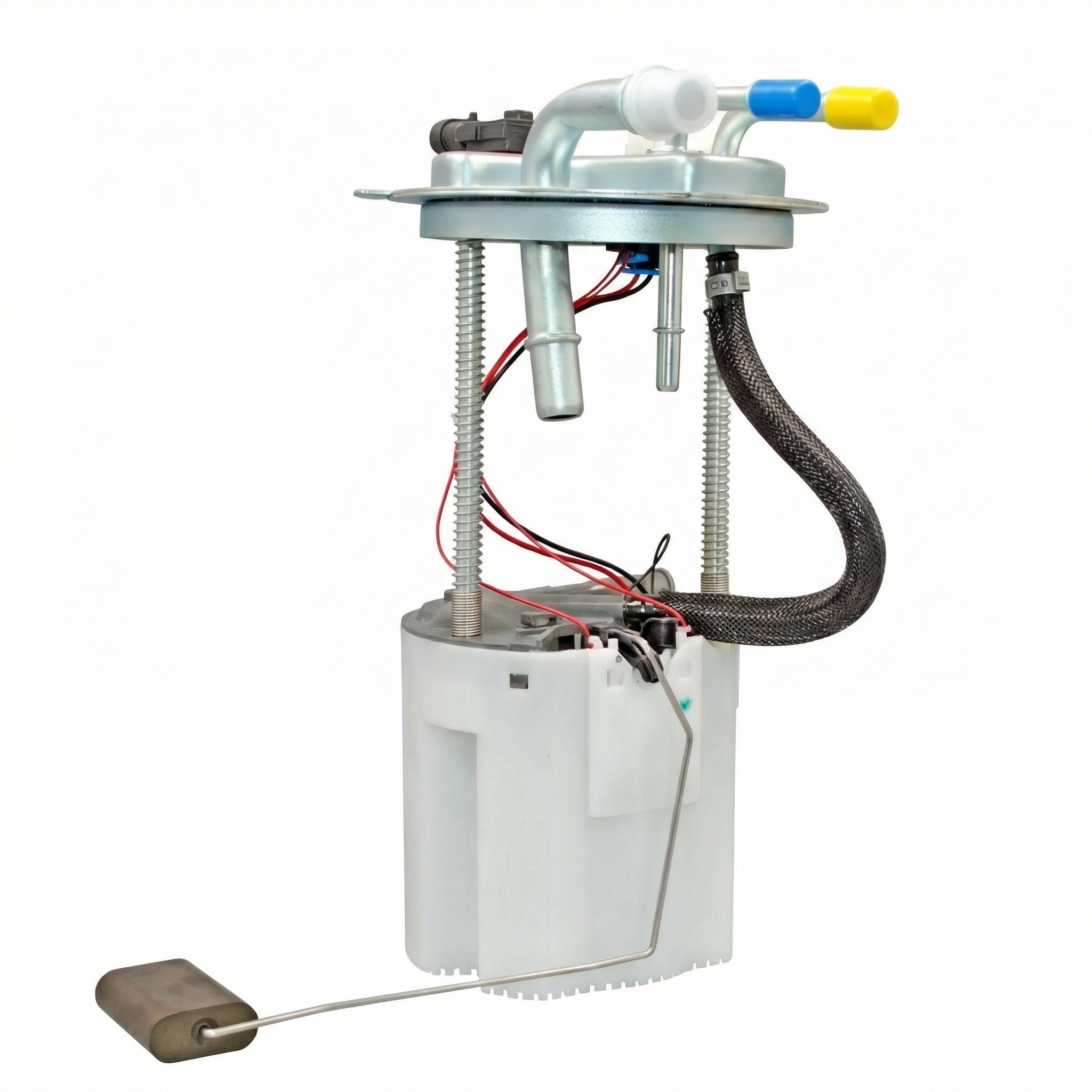
Typical fix: The fuel level sensor is integrated into the fuel pump module inside the fuel tank. The entire module is typically replaced as a single unit. This requires the fuel tank to be dropped for access, which is a significant job.
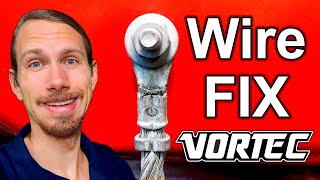
Est. part cost: $250-$700 for a complete fuel pump module assembly from a reputable brand like ACDelco or Delphi. - Damaged or Corroded Wiring/Connectors ⚪ Low Probability The wiring harness running to the fuel tank is exposed to road salt, moisture, and debris. The main connector on top of the fuel pump module is a common point for corrosion to develop, causing high resistance or an open circuit. This is especially true in regions that use road salt in winter. The ground wire for the fuel pump assembly, which bolts directly to the frame rail on the driver's side, is a known failure point due to corrosion. 🎬 Watch: How to find and fix common GM frame ground issues.
How to confirm: Visually inspect the wiring harness from the frame to the fuel tank. Unplug the connector at the fuel pump module and check for green or white corrosion, bent pins, or water intrusion. Locate the fuel pump ground on the driver's side frame rail and check for rust or looseness. Perform a continuity test on the signal and ground wires between the PCM and the fuel pump connector to check for breaks in the wire.
Typical fix: Clean the connector terminals with an electrical contact cleaner and a small brush. Apply dielectric grease before reconnecting to prevent future corrosion. If the wiring is damaged, splice in a new section of wire or replace the connector pigtail. Thoroughly clean the frame ground connection point to bare metal and re-secure it.
Est. part cost: $10-$50 for a new connector pigtail or wiring repair supplies.
Rare But Worth Checking
- Faulty Instrument Cluster Circuit Board: → Shop Instrument Cluster While the stepper motors are the most common failure point, it is possible for the cluster's main circuit board to fail in a way that affects the fuel gauge logic, even if the motor itself is good. This is very rare and usually requires sending the cluster to a specialist for repair.
- Faulty Powertrain Control Module (PCM): → Shop Engine Control Module (ECM) A failure of the PCM's internal driver for the fuel level sensor circuit is extremely rare. This should only be considered after all other possibilities (cluster, sensor, and wiring) have been exhaustively ruled out.
- Faulty Fuel Pump Control Module (FPCM) - GMT900 Only: → Shop Fuel Pump On 2007-2014 GMT900 models, a separate Fuel Pump Control Module (FPCM), often located on the frame rail near the spare tire, can fail due to corrosion. While this typically causes starting/stalling issues and codes like P069E, it can sometimes affect the fuel level signal processing. This is an unlikely cause for P0460 alone but worth noting.
Diagnosis Steps
- Connect a bidirectional OBD-II scanner and check for any other codes, especially P0462 or P0463. Note the freeze frame data for P0460.
- Command a 'Gauge Sweep Test' using the scan tool.
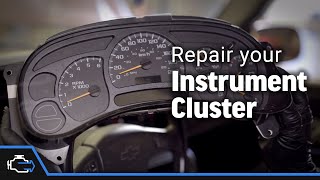
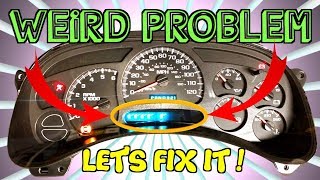
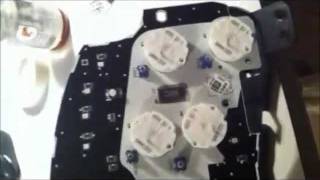
- If the fuel gauge needle fails to sweep correctly: The problem is in the instrument cluster. Remove the cluster and replace the faulty stepper motor(s). This requires soldering skills. Many YouTube tutorials 🎬 Watch: How to disassemble the cluster and replace stepper motors. demonstrate this process.
- If the fuel gauge needle sweeps correctly: The cluster is likely good. The problem is in the sending unit or the wiring.
- Lower the spare tire to gain better access to the top of the fuel tank. Visually inspect the wiring harness and the main connector on the fuel pump module for any signs of corrosion, damage, or loose connections.
- If the wiring looks good, disconnect the connector. Use a multimeter set to Ohms (Ω) to measure the resistance of the fuel level sensor across the appropriate pins (usually purple and black). Compare the reading to specifications: approx. 40Ω (empty) to 250Ω (full). An open circuit (OL) or a reading that is stuck indicates a failed sending unit.
- If the sensor resistance seems plausible, perform a continuity and voltage drop test on the signal and ground wires between the fuel pump connector and the PCM to rule out a wiring issue. A voltage drop of more than 0.5V on the circuit indicates a problem.
- If the sensor is confirmed to be faulty, the fuel tank must be dropped to replace the fuel pump module assembly. 🎬 See this walkthrough for replacing the fuel pump on 07-14 models. This is a large job that may be best left to a professional if you are not experienced.
- For 2007-2014 models, if all else fails, inspect the Fuel Pump Control Module (FPCM) on the frame rail for corrosion or damage.
Parts You'll Likely Need
- Instrument Cluster Stepper Motor Kit
(OEM #Switec X27.168 (updated replacement))— This is the most probable cause of P0460 on these Tahoes, especially 2003-2006 models. The original motors (XC5.168, X15.168) were defective and prone to failure.
Trusted brands: Switec, Juken
OEM price range: $5-$8 per motor
Aftermarket price range: $15-$40 for a kit of 6-7 motors - Fuel Pump Module Assembly
(OEM #ACDelco MU1613 (for many 2005-2007 models) or ACDelco M10177 (for many 2008 models). Part numbers vary significantly by year and specific configuration (e.g., Flex Fuel).)— This is the second most common cause. The assembly contains the fuel pump, pressure regulator, and the integrated fuel level sensor (sending unit). It is replaced as one piece.
Trusted brands: ACDelco (OEM), Delphi (OEM), Spectra Premium, Carter
OEM price range: $400-$700
Aftermarket price range: $250-$500
Related Codes That Often Appear With This One
- P0462 (Fuel Level Sensor 'A' Circuit Low Input)
- P0463 (Fuel Level Sensor 'A' Circuit High Input)
Technical Service Bulletins (TSBs) & Recalls
- GM Special Coverage Adjustment #07033 - This was not a traditional TSB but a special warranty extension program specifically for the faulty instrument panel cluster gauges on 2003-2006 full-size trucks and SUVs. It has expired.
Platform-Specific Known Issues
- A well-documented class-action lawsuit (*In re: General Motors Speedometer Litigation*) resulted in a settlement for this exact instrument cluster failure on many 2003-2006 GM vehicles. GM also issued Special Coverage Adjustment #07033, which extended the warranty for this specific problem to 7 years or 70,000-80,000 miles, but this has long since expired.
Mechanic-Grade Diagnostic Values
- Fuel Level Sensor Resistance (at sensor connector) — expected: Approximately 40 Ω when tank is empty, 250 Ω when tank is full.. Failure: An open circuit (OL), short (near 0 Ω), or a value that is stuck and does not change when the fuel level changes.
- Fuel Level Sensor Signal Voltage (at PCM) — expected: Approximately 0.5V (empty) to 4.5V (full). This is a typical range for a 5V reference circuit.. Failure: Voltage is stuck at 0V, 5V, or does not correlate with the known fuel level.
- Voltage Drop on Fuel Level Sensor Circuit — expected: Less than 0.5V (500mV).. Failure: A voltage drop greater than 0.5V indicates excessive resistance in the wiring or connectors, often due to corrosion.
Scan Tool Commands That Help
- Tech 2 / GDS2: Instrument Panel Cluster (IPC) > Special Functions > Gauge Sweep Test — This is the primary and most effective first step to determine if the fault lies within the instrument cluster (stepper motor) or elsewhere in the circuit (wiring/sensor). It commands all gauges to move through their full range of motion.
- Tech 2 / GDS2: Body Control Module (BCM) or PCM > Data Display > Fuel Tank Level Sensor Voltage/Resistance — After confirming the cluster is good with a sweep test, this allows you to see the raw data the computer is receiving from the sensor. You can monitor this data while performing a 'wiggle test' on the harness or rocking the vehicle to check for intermittent connections or a stuck float.
Wiring & Ground Locations
- Fuel Pump/Sender Ground — Bolted directly to the outside of the driver-side frame rail, typically near the area of the driver's door or slightly behind it.. This is the primary ground for the entire fuel pump module, including the fuel level sender. It is highly susceptible to rust and corrosion, which creates high resistance and can cause erratic readings and the P0460 code. This is a very common failure point.
- Fuel Pump Module Connector (at the tank) — On top of the fuel pump module, accessed by lowering the fuel tank.. This 4-pin connector contains the wires for both the fuel pump motor and the level sensor. The sensor wires are typically smaller gauge. Pin assignments are: Gray (12V+ for pump), Black (Pump Ground), Purple (Fuel Level Signal), and a second Black or Orange/Black (Sensor Ground/Reference). Corrosion here is common.
- Fuel Level Signal Wire — Purple wire running from the fuel pump module connector to the PCM.. This wire carries the variable resistance/voltage signal. A short to ground or an open circuit (break) in this wire will cause a P0460, P0462, or P0463 code. On some vehicles, this signal passes through a large bulkhead connector (like C230) behind the passenger kick panel before going to the PCM, which can be another point of failure.
Real Owner Repair Stories
- PerformanceTrucks.net Forums (2006 Chevy Silverado 1500 4.8L Vortec V8) — Fuel pump problems, implied to include sending unit issues.
❌ Tried (didn't work) Not specified, but the focus was on diagnosing a bad ground before replacing parts.
✅ What actually fixed it The user identified the fuel pump ground wire on the driver's side frame rail as a common point of failure due to rust and corrosion. The fix is to remove the bolt, clean the contact point on the frame to bare metal, clean the wire's ring terminal, and re-secure it, applying dielectric grease to prevent future corrosion.
OEM Part Supersession History
XC5.168, X15.168→X27.168— The original stepper motors used in 2003-2006 GM instrument clusters were defective and prone to premature failure. The X27.168 is a redesigned, more robust replacement motor.
Heads up: The X27.168 is a direct, drop-in replacement that requires soldering. It is considered the standard repair part for this known issue.
Model Year Variations Within This Range
- 2003-2004 vs 2005-2006 (GMT800): While the stepper motor failure is common to all, the instrument cluster circuit boards and software have slight differences. A cluster from an '05-'06 model installed in an '03-'04 may result in a non-functional transmission temperature gauge or warning lights related to features the older truck doesn't have (like TPMS). Direct swaps are only recommended between '03-'04 and '05-'06, not across these sub-generations without reprogramming.
- 2007-2014 (GMT900): These models use a Fuel Pump Control Module (FPCM) mounted on the frame rail. While the primary cause of P0460 is still often the cluster or sender, corrosion and failure of the FPCM or its connector can introduce electrical issues that may, in rare cases, contribute to or cause a P0460 code. The wiring from the PCM to the FPCM is a critical check point if other tests are inconclusive.
Diagnostic Flowchart
Other Known Issues on This Vehicle
Issues unrelated to this code that are worth knowing about as an owner of this generation:
- Cracked Dashboard (GMT900) 🟠 Medium — Extremely common on 2007-2014 models. Cracks typically form above the passenger airbag and on the instrument cluster hood. (Ref: No recall was ever issued, and a class-action lawsuit was dismissed.)
- Active Fuel Management (AFM) Lifter Failure 🔴 High — Common on 5.3L and 6.2L V8 engines, particularly from 2007 onwards. Can occur at any mileage, leading to misfires (P0300), engine noise, and potential camshaft damage. (Ref: Multiple TSBs exist, such as 15-06-01-002M, which detail diagnosis and repair procedures.)
- Excessive Oil Consumption 🔴 High — Widespread on 2007-2014 models with the 5.3L V8, often related to the AFM system and piston ring design. Can lead to fouled spark plugs and internal engine damage if not monitored. (Ref: Subject of multiple lawsuits, some of which resulted in settlements for owners.)
- Broken Exhaust Manifold Bolts 🟠 Medium — A notorious issue on the 4.8L, 5.3L, and 6.0L V8 engines where the rearmost or foremost bolts snap, causing an exhaust leak and ticking noise, especially when cold.
- Power Door Lock Actuator Failure 🟡 Low — Common across all years. The actuators in one or more doors will fail, causing the power locks to become inoperative for that door.
- Low Oil Pressure Warning / Clogged Oil Pickup Screen 🟠 Medium — On high-mileage engines, the oil pressure sensor filter screen, located under the oil pressure sensor, can become clogged with sludge, causing an inaccurate low oil pressure reading on the gauge.
Used vs. New Parts: Buying Guide for This Vehicle
When a used part is the smart pick: A used instrument cluster from a junkyard can be a viable option if you are unwilling or unable to perform the soldering required to replace the individual stepper motors. It is often a direct plug-and-play swap, especially if from the same model year range.
Donor-vehicle mileage cap: roughly under 150000 miles for the part to have meaningful remaining life.
What to inspect on the donor part:
- Match the part number exactly if possible.
- For GMT800, try to match '03-'04 with '03-'04 and '05-'06 with '05-'06 to avoid feature mismatches.
- Inspect the clear plastic lens for deep scratches or hazing.
- Ask if the donor vehicle's mileage is known. The cluster will display the mileage of the donor vehicle, not your own. This must be disclosed if you sell the vehicle.
OEM-only on this vehicle (don't cheap out):
- Fuel Pump Module Assembly
Aftermarket brands forum-validated for this vehicle:
- Switec / Juken (for X27.168 stepper motors)
- Delphi (often the OEM supplier for the fuel pump module)
- ACDelco (OEM)
Brands owners have reported issues with on this vehicle:
- Unnamed, no-brand 'white box' fuel pump assemblies are frequently reported to have inaccurate sending units or premature pump failure.
Real Owner Stories
Aggregated from forums and TSBs cited above. Mileages and costs reflect what owners reported in those sources.
2005 Chevrolet Tahoe
Symptoms: My fuel gauge was going crazy, bouncing all over the place and showing the wrong level. The truck threw a P0460 code.
What fixed it: The problem was the stepper motor in the instrument cluster. I had all the stepper motors replaced and the gauge works perfectly now.
Source hint: tahoeyukonforum.com - Numerous threads on this forum corroborate that the instrument cluster stepper motors are a primary cause of erratic fuel gauge behavior and associated codes on GMT800 and GMT900 platforms.
2004 Chevrolet Tahoe — ~75000 miles
Symptoms: The fuel gauge and speedometer were both failing, giving completely inaccurate readings. This was a well-known issue.
What fixed it: The issue was the defective stepper motors in the instrument cluster, which was the subject of a class-action lawsuit. The fix was to replace the motors.
Source hint: A well-documented class-action lawsuit (*In re: General Motors Speedometer Litigation*) resulted in a settlement for this exact instrument cluster failure on many 2003-2006 GM vehicles.
2008 Chevrolet Tahoe
Symptoms: The Check Engine Light came on for code P0460 and the fuel gauge was stuck and inaccurate.
What fixed it: The ultimate resolution was replacing the stepper motors in the instrument cluster. Many owners have posted DIY instructions for this exact repair.
Source hint: chevytrucks.org - Similar to the Tahoe/Yukon forum, this site is filled with discussions about P0460 where the ultimate resolution was replacing the stepper motors in the instrument cluster, often with detailed DIY instructions.
Related OBD-II Codes
Frequently Asked Questions
I heard there was a recall or warranty extension for the faulty gauges on my 2004 Tahoe. Is it still active?
How can I be sure the problem is the instrument cluster and not the fuel sensor in the tank?
If my fuel gauge stepper motor is bad, should I replace the motors for my other gauges too?
What is the correct part number for the replacement stepper motors?
Do I have to drop the fuel tank to fix a P0460 code?
My speedometer is also acting erratically along with the fuel gauge. Is this related?
Where is the fuel pump ground wire located on my Tahoe?
Helpful Videos

Used OEM Parts in Stock
New Aftermarket Parts Available

The information in this article is provided for general reference and educational purposes only. Vehicle specifications, procedures, and part compatibility can vary by production date, trim level, and region. Always consult your vehicle's factory service manual and verify part numbers before purchasing or performing repairs. Safety-critical components such as airbags, seat belts, and braking systems should be installed by a qualified professional.
- Chevrolet Tahoe:
- 🧭 Diagnostic Flowchart
- 🎬 Helpful Videos
- 🛍️ Shop This Part
- What's Unique About the 2003-2014 Chevrolet Tahoe
- Symptoms You May Notice
- Most Likely Causes
- Rare But Worth Checking
- Diagnosis Steps
- Parts You'll Likely Need
- Related Codes That Often Appear With This One
- Technical Service Bulletins (TSBs) & Recalls
- Platform-Specific Known Issues
- Mechanic-Grade Diagnostic Values
- Scan Tool Commands That Help
- Wiring & Ground Locations
- Real Owner Repair Stories
- OEM Part Supersession History
- Model Year Variations Within This Range
- Other Known Issues on This Vehicle
- Used vs. New Parts: Buying Guide for This Vehicle
- Real Owner Stories
- 2005 Chevrolet Tahoe
- 2004 Chevrolet Tahoe — ~75000 miles
- 2008 Chevrolet Tahoe
- Related OBD-II Codes
- Frequently Asked Questions
- 🎟️ Get 5% Off