

P0501 on 2010-2015 Hyundai Tucson: Vehicle Speed Sensor Causes and Fixes
On a 2010-2015 Tucson, P0501 is almost always caused by a faulty ABS wheel speed sensor or its wiring. Expect symptoms like an erratic speedometer, harsh shifting, and ABS/ESC lights. The most likely fix is replacing the faulty wheel speed sensor, which costs about $40-$100 for the part. Diagnosis is much easier if a 'C' code (like C1206) is also present, as it will identify the specific wheel.
- P0501 on a 2010-2015 Tucson points to a problem with a wheel speed sensor, not a transmission sensor.
- The most common symptoms are an erratic speedometer and ABS/ESC warning lights.
- The easiest way to diagnose the issue is with a scan tool that can read live data from all four wheel speed sensors.
- The most likely fix is replacing one of the four ABS wheel speed sensors, which is a DIY-friendly job for those with basic tools.
What's Unique About the 2010-2015 Hyundai Tucson
A common point of confusion for this code is the location of the sensor. Unlike older vehicles that use a single Vehicle Speed Sensor (VSS) on the transmission, the 2010-2015 Tucson derives its speed reading from the ABS wheel speed sensors located at each wheel hub. This means a P0501 code is an issue within the ABS system, and diagnosis should focus on the wheel speed sensors and their circuits, not the transmission. Often, this powertrain code will be accompanied by a chassis code (C-code) that can pinpoint the exact faulty wheel sensor, such as C1206 for the Left Rear sensor.
Symptoms You May Notice
- Check Engine Light is on
- ABS and/or Electronic Stability Control (ESC) warning lights are on 🎬 See how to fix ABS and traction control lights
- Speedometer is erratic, reads 0, or is inaccurate
- Automatic transmission may shift harshly, late, or at incorrect times
- Cruise control will not engage or will disengage unexpectedly
- Potential loss of power due to incorrect transmission shifting
- Replacing the transmission output speed sensor. On this vehicle, the P0501 code is related to the wheel speed sensors, not a sensor on the transmission. This is a common point of confusion for technicians unfamiliar with this specific platform.
Most Likely Causes
- Faulty Wheel Speed Sensor 🔴 High Probability → Shop ABS Wheel Speed Sensor Wheel speed sensors are exposed to harsh conditions (water, salt, dirt, vibration) at the wheel hubs, leading to corrosion and eventual failure. A Hyundai TSB for other models (17-01-009-2) notes that saltwater intrusion can specifically cause signal interruption in rear sensors in coastal areas.
How to confirm: Use a scan tool capable of reading live ABS data. Monitor the speed from all four wheels while driving. The sensor that reads 0 MPH or has an erratic signal compared to the others is the faulty one. Often, a specific ABS code like C1206 (Left Rear Wheel Speed Sensor Circuit Open/Short) will be present, directly identifying the failed sensor.
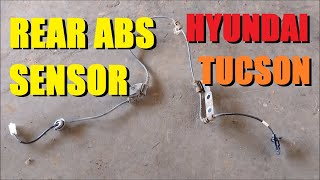
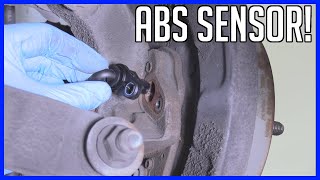
Typical fix: Replace the faulty wheel speed sensor. The sensor is typically held in by a single 10mm bolt but can become seized in the wheel hub, requiring penetrating oil and careful prying to remove.
Est. part cost: $40-$100 - Damaged Wiring or Connector 🟡 Medium Probability The sensor wiring runs along the suspension and is vulnerable to being snagged, stretched, or damaged by road debris or during previous repairs. A forum user reported their wire had rubbed through on the tire after an alignment, causing the P0501 code. In another documented case, the wire was found to be broken higher up in the harness near the wheel well.
How to confirm: Visually inspect the entire length of the wiring harness from the suspect sensor back to the main loom. Check for breaks, chafing, or corrosion in the connector pins. A multimeter can be used to check for continuity between the sensor connector and the ABS module connector.
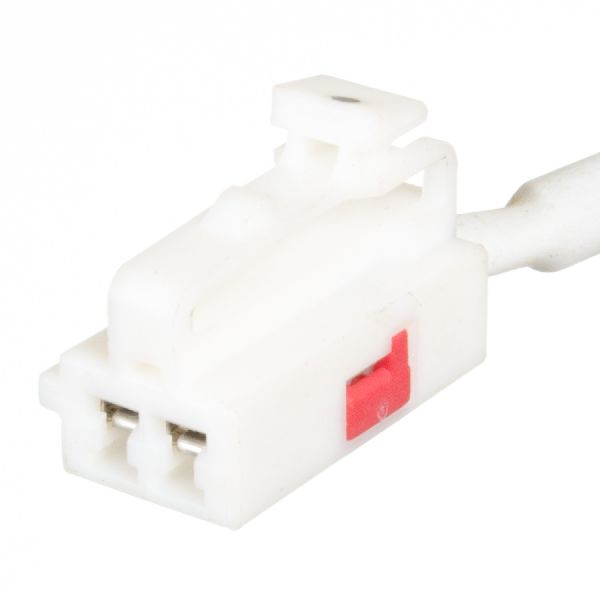
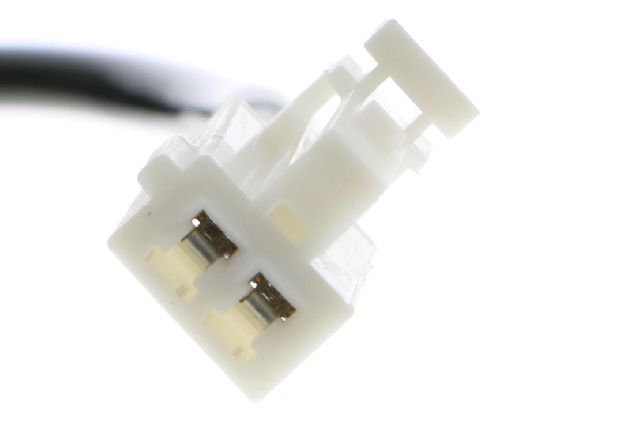
Typical fix: Repair the broken section of wire or replace the connector pigtail. Ensure the repair is sealed against moisture using heat-shrink tubing.
Est. part cost: $10-$30 - Damaged or Obstructed Tone Ring ⚪ Low Probability The tone ring, which is integrated into the wheel hub/bearing assembly on this vehicle, can become cracked, damaged, or covered in heavy rust or debris, preventing the sensor from getting a clean reading.
How to confirm: After removing the wheel speed sensor, visually inspect the tone ring through the sensor hole or by removing the brake rotor. Look for missing teeth, cracks, or heavy contamination. Spin the hub to check for runout or wobble.
Typical fix: The tone ring is part of the wheel hub/bearing assembly. The entire hub assembly must be replaced if the tone ring is damaged. 🎬 Watch this guide on replacing a Hyundai SUV sensor and brakes
Est. part cost: $150-$300
Rare But Worth Checking
- Faulty ABS Control Module: If all sensors and wiring test good, the module that processes the signals could be at fault. This is rare and should be the last item to check. Note that this generation of Tucson was subject to a major recall (NHTSA 23V651000, Hyundai #251) for the ABS module leaking brake fluid internally, causing an electrical short and fire risk. While this recall addresses a fire risk, a faulty module could also cause performance issues like this code.
- Faulty Powertrain Control Module (PCM): → Shop Engine Control Module (ECM) Extremely rare. The PCM is the last resort in diagnosis after all other possibilities, including the ABS module, have been eliminated.
Diagnosis Steps
- Connect an OBD-II scanner and check for any other codes, especially 'C' codes from the ABS module. The presence of a code like C1206, for example, will immediately point you to the specific corner of the vehicle (Left Rear).
- If no 'C' codes are present, use the scanner's live data function to monitor the vehicle speed as reported by all four wheel speed sensors.
- Drive the vehicle slowly (or spin the wheels with the vehicle safely on a lift) and observe the data. Identify any sensor that reads 0, is erratic, or doesn't match the others.
- Raise and secure the vehicle. Visually inspect the suspect wheel speed sensor, its wiring, and its connector for any obvious signs of damage, corrosion, or looseness. Pay close attention to where the wire flexes with suspension travel.
- Inspect the tone ring (part of the wheel hub) for damage, rust buildup, or debris that could interfere with the sensor's reading.
- If the wiring appears damaged, repair it and re-test. If wiring is intact, replace the suspect wheel speed sensor. They are often seized and may require force to remove.
- If a new sensor and confirmed good wiring do not resolve the code, the issue may lie with the wheel hub/tone ring or, in rare cases, the ABS control module.
Parts You'll Likely Need
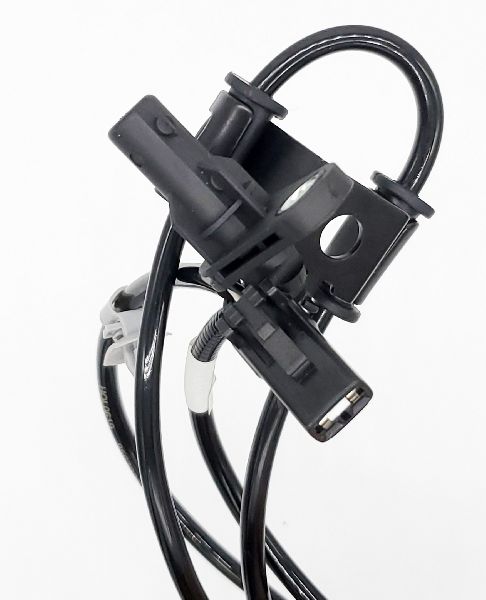
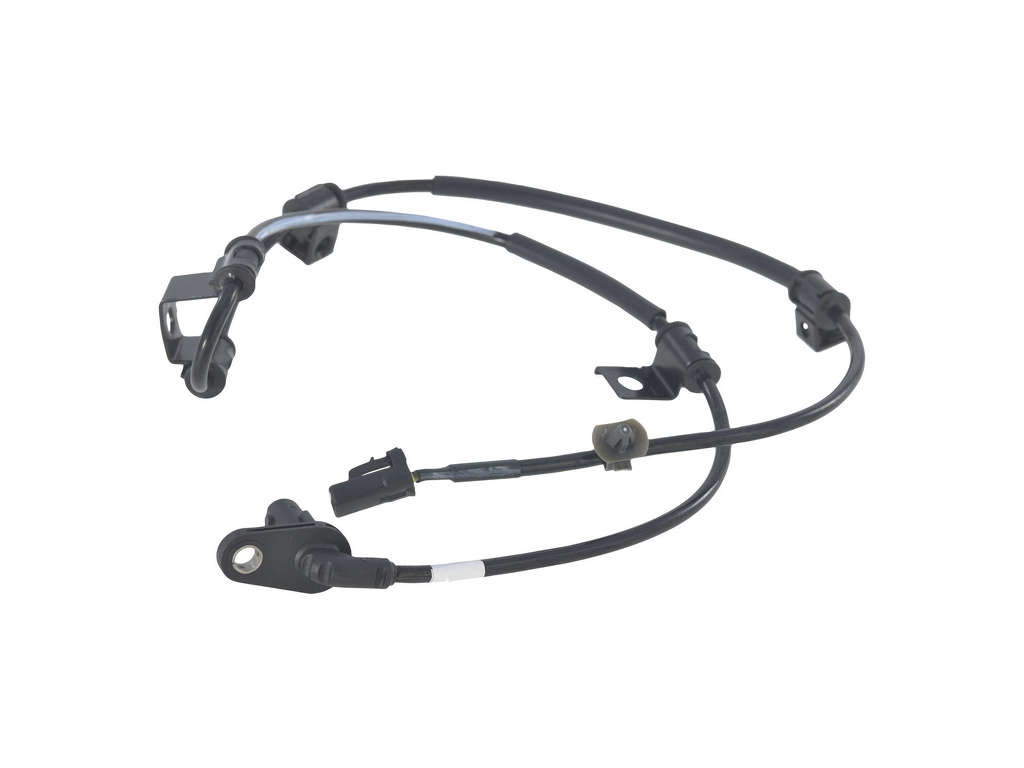
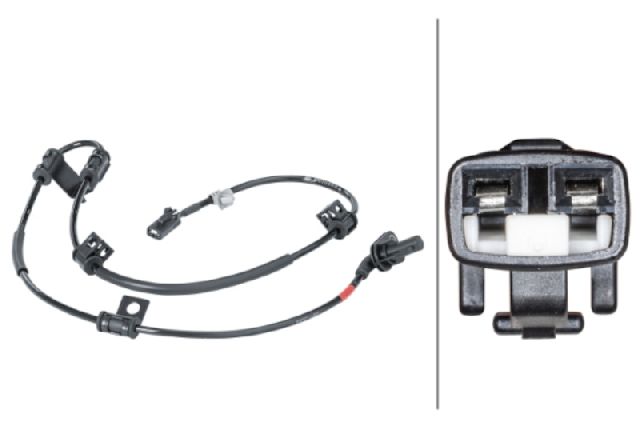
- Wheel Speed Sensor (ABS Sensor)
(OEM #Front Left: 95670-2S300; Front Right: 95671-2S300; Rear Left: 95680-2S300; Rear Right: 95681-2S300)— This is the most common failure point for code P0501 on this platform, as it is an exposed electronic component that fails from wear and environmental exposure.
Trusted brands: Bosch, Delphi, Standard Motor Products (SMP), Hyundai OE, Duralast
OEM price range: $170-$215
Aftermarket price range: $30-$100
Related Codes That Often Appear With This One
- C1206, C1207, C1208, C1209 — These are Hyundai-specific ABS codes that directly indicate a fault with a specific wheel speed sensor circuit (e.g., C1206 for Left-Rear Wheel Speed Sensor Circuit Open/Short). A 'C' code will often accompany P0501 and make diagnosis much faster by pinpointing the exact corner of the vehicle.
Technical Service Bulletins (TSBs) & Recalls
- NHTSA ID #10155093 / Hyundai TSB #19-BR-001H-1: While for other Hyundai SUVs, this TSB notes that the rear wheel speed sensor is available as a separate service part from the hub assembly, encouraging targeted replacement.
- NHTSA ID #10109033 / Hyundai TSB #17-01-009-2: Describes a service campaign for Santa Fe models where saltwater intrusion into the rear wheel speed sensor can cause signal loss. The fix involves applying silicone spray or replacing the sensor cap.
Platform-Specific Known Issues
- ABS Module Fire Risk Recall: Many 2010-2013 Tucsons were part of Hyundai recall 251 (NHTSA 23V651000). The ABS module could leak brake fluid internally, causing an electrical short and increasing fire risk, even when parked. Owners were advised to park outside until the recall, which involved replacing the ABS fuse, was completed. While this recall addresses a fire risk, a faulty module could also cause performance issues like this code.
- Water Intrusion TSB: While not for the Tucson specifically, Hyundai TSB 17-01-009-2 for the Santa Fe Sport (which shares some components) details how saltwater can enter the rear wheel speed sensor housing, interrupting the signal and illuminating ABS/ESC lights. This is relevant for Tucson owners in coastal or heavy-salt areas.
Mechanic-Grade Diagnostic Values
- Wheel Speed Sensor (Passive Type) Internal Resistance — expected: 1,000 - 2,500 Ohms (1.0kΩ - 2.5kΩ). Failure: A reading of infinite resistance (Open Loop) or near zero resistance (short circuit) indicates a failed sensor. Compare the reading to the other sensors on the vehicle; a significant deviation points to a problem.
- Wheel Speed Sensor (Passive Type) AC Voltage Output — expected: 0.1 - 2.0+ Volts AC. Failure: When spinning the wheel by hand, the sensor should generate a small AC voltage that increases with speed. A reading of 0V or a voltage that doesn't increase as the wheel spins faster indicates a faulty sensor or a problem with the tone ring.
Scan Tool Commands That Help
- Hyundai GDS (Global Diagnostic System): Current Data / Live Data Analysis — This is the primary function for diagnosing P0501. It allows a technician to view the speed signal from all four wheels simultaneously while the vehicle is driven or the wheels are spun on a lift. The faulty sensor will show a reading of 0 or a value that is erratic compared to the other three.
- Hyundai GDS (Global Diagnostic System): Actuation Test — While less common for this specific code, actuation tests can be used to command the ABS module and check its response, helping to rule out a module failure after sensors and wiring have been confirmed as good.
Wiring & Ground Locations
- ABS Control Module / ESC Module — Located in the left front corner of the engine compartment, under the hood.. This module receives the signals from all four wheel speed sensors and sends the calculated vehicle speed to the PCM. All sensor wiring harnesses terminate here, making it a central point for checking continuity from the sensor connectors.
- GHG05 Ground — Located on the left rear of the engine compartment.. This is a key ground point for the engine control system. While not directly for the ABS sensors themselves, a poor ground here can cause a variety of erratic electronic issues and fault codes, including communication problems between the ABS module and PCM.
Real Owner Repair Stories
- Reddit user in /r/HyundaiTucson (Hyundai Tucson (year not specified, but within a recent generation)) — Multiple warning lights (ABS, ESC) appeared two days after having a wheel bearing replaced under warranty.
✅ What actually fixed it The implied cause, though not explicitly confirmed by a follow-up, is that the wheel speed sensor was damaged or not installed correctly during the wheel bearing replacement. This is a common scenario as the sensor must be removed to replace the bearing.
OEM Part Supersession History
95671-2S000 (Front Right)→95671-2S300— Standard part revision and update by the manufacturer.58920-2S820 (ABS Module)→58920-2S840— Part update for 2014-2015 model years.
Heads up: The ABS module part number changed for the 2014 model year facelift. Using a pre-2014 module on a 2014-2015 vehicle may result in communication or function errors.
Model Year Variations Within This Range
- 2014-2015: The 2014 model year received a facelift which included updates to the electronics. The ABS Control Module part number was changed to 58920-2S820 and then 58920-2S840. While the function is the same, using a module from a 2010-2013 model on a 2014-2015 is not recommended due to potential internal software and hardware differences.
Diagnostic Flowchart
Other Known Issues on This Vehicle
Issues unrelated to this code that are worth knowing about as an owner of this generation:
- Theta II Engine Failure 🔴 High — Widespread issue affecting 2.0L and 2.4L engines, particularly in 2011-2014 models. Failure can occur at various mileages, often starting with knocking noises. (Ref: Subject of multiple recalls, lawsuits, and a lifetime warranty extension for the engine short block. (e.g., NHTSA 19V063000 for oil pan leaks).)
- ABS Module Fire Risk 🔴 High — Affects 2010-2013 models. An internal brake fluid leak can short circuit the module, causing a fire even when parked. (Ref: Hyundai Recall 251 / NHTSA Recall 23V651000.)
- Faulty Clock Spring 🟠 Medium — Common failure leading to the airbag warning light illuminating and loss of steering wheel controls (cruise, audio). (Ref: Hyundai extended the warranty for this component to 15 years/unlimited miles for many affected vehicles.)
- Rough/Delayed Transmission Shifting 🟡 Low → Shop Transmission Assembly — Some owners report jerky or delayed shifting. Often can be addressed with a software recalibration by the dealer.
- A/C Compressor Failure 🟠 Medium — A notable number of owners report A/C system failures, often traced back to a faulty compressor or leaks in the system.
Used vs. New Parts: Buying Guide for This Vehicle
When a used part is the smart pick: A used ABS control module from a reputable salvage yard can be a cost-effective option, especially given the high price of a new OEM unit (often over $1,000). Ensure the part number matches exactly and check the donor vehicle's history for flood or fire damage.
Donor-vehicle mileage cap: roughly under 100000 miles for the part to have meaningful remaining life.
What to inspect on the donor part:
- Verify the part number on the used ABS module matches your original part number exactly.
- Inspect the electrical connector pins for any signs of corrosion, bending, or brake fluid contamination.
- Ask for the VIN of the donor vehicle to check its history and confirm it was not part of a flood or fire incident.
- Avoid modules that show heavy external corrosion or physical damage to the pump body or bracket.
OEM-only on this vehicle (don't cheap out):
- ABS Control Module: While a used OEM part is viable, it is strongly recommended to avoid aftermarket or remanufactured ABS modules for this vehicle due to the complexity of the system and potential for software incompatibility and safety system malfunction.
Aftermarket brands forum-validated for this vehicle:
- For Wheel Speed Sensors: Bosch, Delphi, and Standard Motor Products (SMP) are frequently cited as reliable alternatives to OEM.
- For Wheel Hub/Bearing Assemblies: Moog is a well-regarded brand known for quality bearings.
Brands owners have reported issues with on this vehicle:
- Ultra-low-cost, unbranded wheel speed sensors from online marketplaces can have high failure rates and poor-quality wiring, leading to a repeat repair.
Real Owner Stories
Aggregated from forums and TSBs cited above. Mileages and costs reflect what owners reported in those sources.
2010-2015 Hyundai Tucson
Symptoms: Check engine code P0501; discovered an ABS sensor wire had been rubbing on the tire and wore through.
What fixed it: Splicing the damaged wire fixed the issue and cleared the Check Engine Light.
Source hint: Hyundai-Forums.com thread titled 'check-engine-code-p0501-speed-sensor'
2010-2015 Hyundai Tucson
Symptoms: P0501 error code along with ABS/ESC lights; replacing the sensor did not fix the issue.
What fixed it: The problem remained unresolved after a simple sensor swap, highlighting that the issue may lie in the wiring or the integrated tone ring in the hub.
Source hint: Hyundai-Forums.com thread titled 'p0501-error-code'
Related OBD-II Codes
Frequently Asked Questions
Is there a recall for the ABS system on my 2010-2013 Hyundai Tucson that could be related to the P0501 code?
I live in a coastal area and have ABS/ESC lights on; is there a specific issue for this?
Can I replace just the rear wheel speed sensor on my Tucson, or do I need the whole hub?
Why is my cruise control not working and my transmission shifting harshly along with the P0501 code?
Is the clock spring failure related to the P0501 speed sensor code?
How can I tell if the P0501 code is caused by the sensor or the tone ring?
Helpful Videos
We Have This Part in Stock


The information in this article is provided for general reference and educational purposes only. Vehicle specifications, procedures, and part compatibility can vary by production date, trim level, and region. Always consult your vehicle's factory service manual and verify part numbers before purchasing or performing repairs. Safety-critical components such as airbags, seat belts, and braking systems should be installed by a qualified professional.
- Hyundai Tucson:
- 🧭 Diagnostic Flowchart
- 🎬 Helpful Videos
- 🛍️ Shop This Part
- What's Unique About the 2010-2015 Hyundai Tucson
- Symptoms You May Notice
- Most Likely Causes
- Rare But Worth Checking
- Diagnosis Steps
- Parts You'll Likely Need
- Related Codes That Often Appear With This One
- Technical Service Bulletins (TSBs) & Recalls
- Platform-Specific Known Issues
- Mechanic-Grade Diagnostic Values
- Scan Tool Commands That Help
- Wiring & Ground Locations
- Real Owner Repair Stories
- OEM Part Supersession History
- Model Year Variations Within This Range
- Other Known Issues on This Vehicle
- Used vs. New Parts: Buying Guide for This Vehicle
- Real Owner Stories
- 2010-2015 Hyundai Tucson
- 2010-2015 Hyundai Tucson
- Related OBD-II Codes
- Frequently Asked Questions
- 🎟️ Get 5% Off