

P0505 on 2009-2016 Jaguar XF: Idle Control System Fault Causes and Fixes
On a 2009-2016 Jaguar XF, code P0505 is most often caused by an unmetered air leak (vacuum leak) in the intake system. A very common failure point is a ruptured PCV valve diaphragm on the camshaft cover. Before replacing any expensive parts, perform a smoke test and inspect the PCV system, as cracked hoses or a simple diaphragm kit are typically inexpensive to fix.
- P0505 on a 2009-2016 Jaguar XF strongly suggests a vacuum leak, as confirmed by a manufacturer TSB.
- Do not replace expensive parts like the throttle body until you have performed a smoke test to rule out simple leaks.
- Common symptoms include a rough or stalling idle, a hissing sound from the engine, and poor fuel economy.
- This code is often accompanied by lean codes (P0171, P0174, P2187, P2189), which further confirms an unmetered air issue.
- The most likely fix is replacing a cracked vacuum hose or a failed intake gasket.
What's Unique About the 2009-2016 Jaguar XF
Unlike many vehicles where P0505 immediately points to a faulty Idle Air Control (IAC) valve, on the Jaguar XF platform, the manufacturer has specifically guided technicians to first suspect an air intake leak. This is documented in TSB SSM74375, which identifies a ruptured PCV valve diaphragm as a specific cause. These engines use an electronic throttle body to manage idle, making vacuum integrity critical. A torn PCV diaphragm is a very common failure, creating a large vacuum leak that owners often report as a hissing noise, accompanied by poor fuel economy and lean codes (P0171/P0174).
Diagnostic Flowchart
Tap your situation to follow the diagnostic path that matches what you're seeing on this vehicle.
Symptoms You May Notice
- Rough, erratic, or fluctuating idle.
- Engine stalling, especially when coming to a stop.
- Idle speed is too high or too low.
- Audible hissing or whistling noise from the engine bay, particularly near the valve covers.
- Illuminated Check Engine Light.
- Decreased fuel economy.
- Engine revs limited to 3000 RPM in Park or Neutral (a protective measure).
- Replacing the throttle body before checking for vacuum leaks. A simple, inexpensive hose or PCV diaphragm replacement often solves the problem, while a new throttle body will not fix a leak elsewhere.
Most Likely Causes
- Ruptured PCV Valve Diaphragm 🔴 High Probability → Shop PCV Valve The rubber diaphragm inside the PCV valve, located on the camshaft cover, becomes brittle with heat and age and tears. This is a well-documented failure point for the AJ133 V8 and AJ126 V6 engines. Jaguar issued TSB SSM74375 specifically for this issue, which creates a significant vacuum leak.
How to confirm: With the engine running, a hissing sound may be audible from the round, black PCV valve cap on the valve cover. Spraying a small amount of brake cleaner near the cap may cause the engine idle to change. A smoke test will show smoke being drawn into the valve's vent hole. The plastic tabs on the cap are fragile and will likely break upon removal, so have a replacement part ready.
Typical fix: Replace the PCV valve diaphragm and cap. Jaguar provides a repair kit (Part No. C2D60163) as an alternative to replacing the entire camshaft cover assembly. 🎬 Watch this detailed DIY guide for replacing the PCV diaphragm.
Est. part cost: $25-$75 for the repair kit. - Vacuum Leak from Hoses or Gaskets 🔴 High Probability As vehicles age, rubber and plastic components in the engine bay become brittle and crack. Common leak points include the brake booster vacuum line, intake air ducts, the oil dipstick O-ring, and various small hoses under the intake manifold.
How to confirm: The most effective method is to use a smoke machine to introduce smoke into the intake system and watch for where it escapes. 🎬 See how to find and fix vacuum leaks fast. A visual inspection of all vacuum lines and intake components for obvious cracks or disconnections is a good first step. Listening for hissing sounds can also help pinpoint the leak.
Typical fix: Replace the cracked hose, leaking gasket (e.g., intake manifold gasket), or faulty seal.
Est. part cost: $10-$150 - Dirty or Faulty Electronic Throttle Body 🟡 Medium Probability → Shop Fuel Injection Throttle Body The electronic throttle body controls idle speed. Carbon buildup around the throttle plate can restrict its movement, preventing the PCM from accurately controlling idle.
How to confirm: Remove the air intake tube connected to the throttle body and visually inspect the throttle plate and bore for carbon deposits.
Typical fix: Clean the throttle body bore and plate with a dedicated throttle body cleaner and a soft cloth. An idle relearn procedure may be required after cleaning. If cleaning doesn't resolve the issue, the throttle body assembly may need replacement.
Est. part cost: $5-$20 (cleaner), $300-$700 (replacement)
Rare But Worth Checking
- Leaking Brake Vacuum Pump: The engine-driven brake vacuum pump can develop vacuum leaks (or oil leaks) from its seals. This can cause a hissing noise and may affect brake pedal feel in addition to causing idle issues.
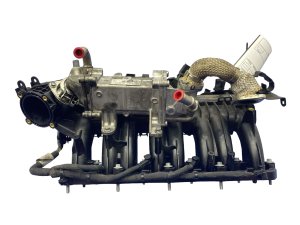
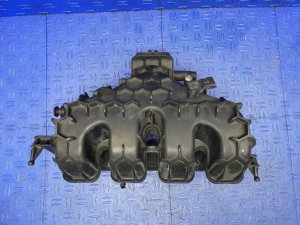
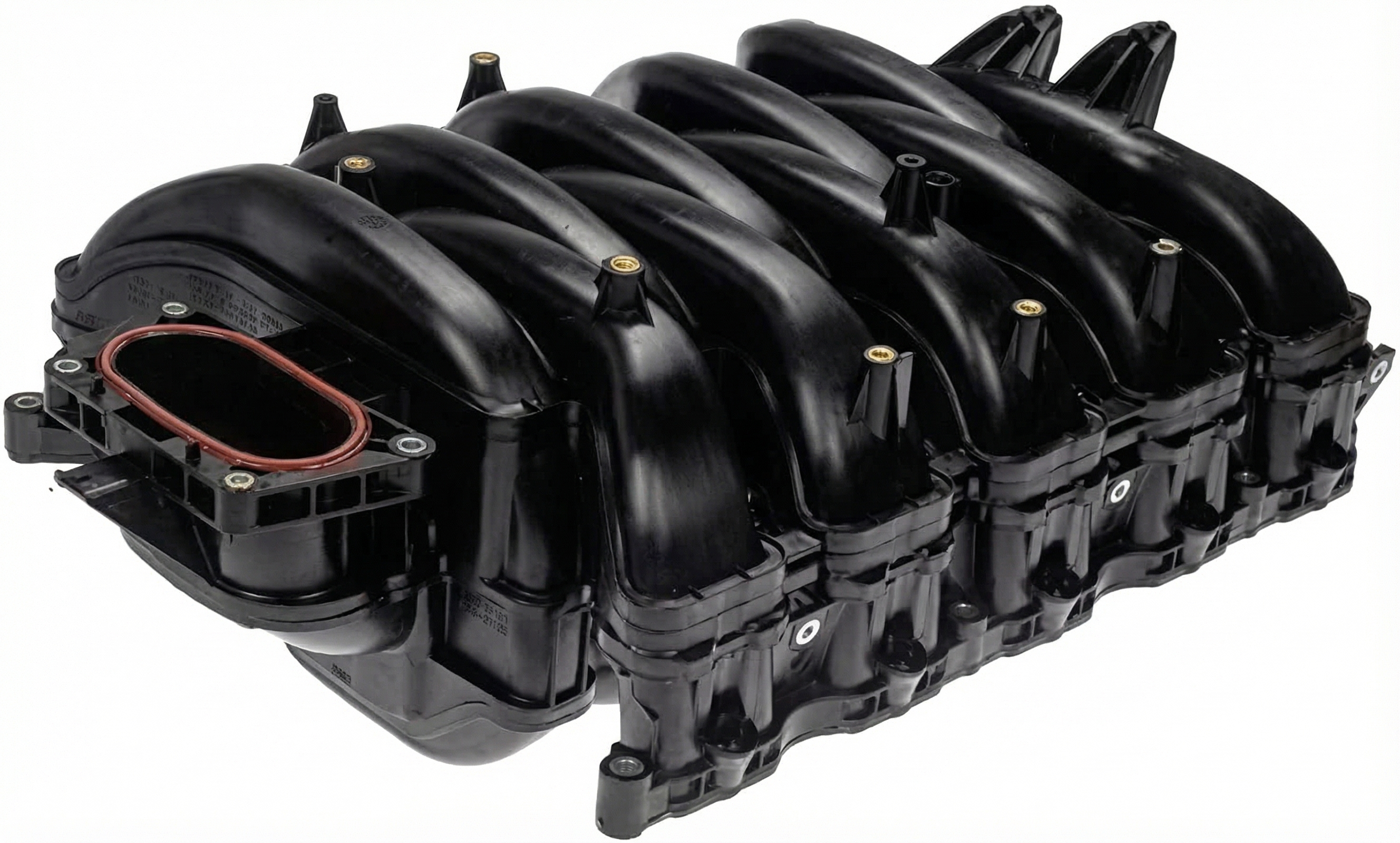
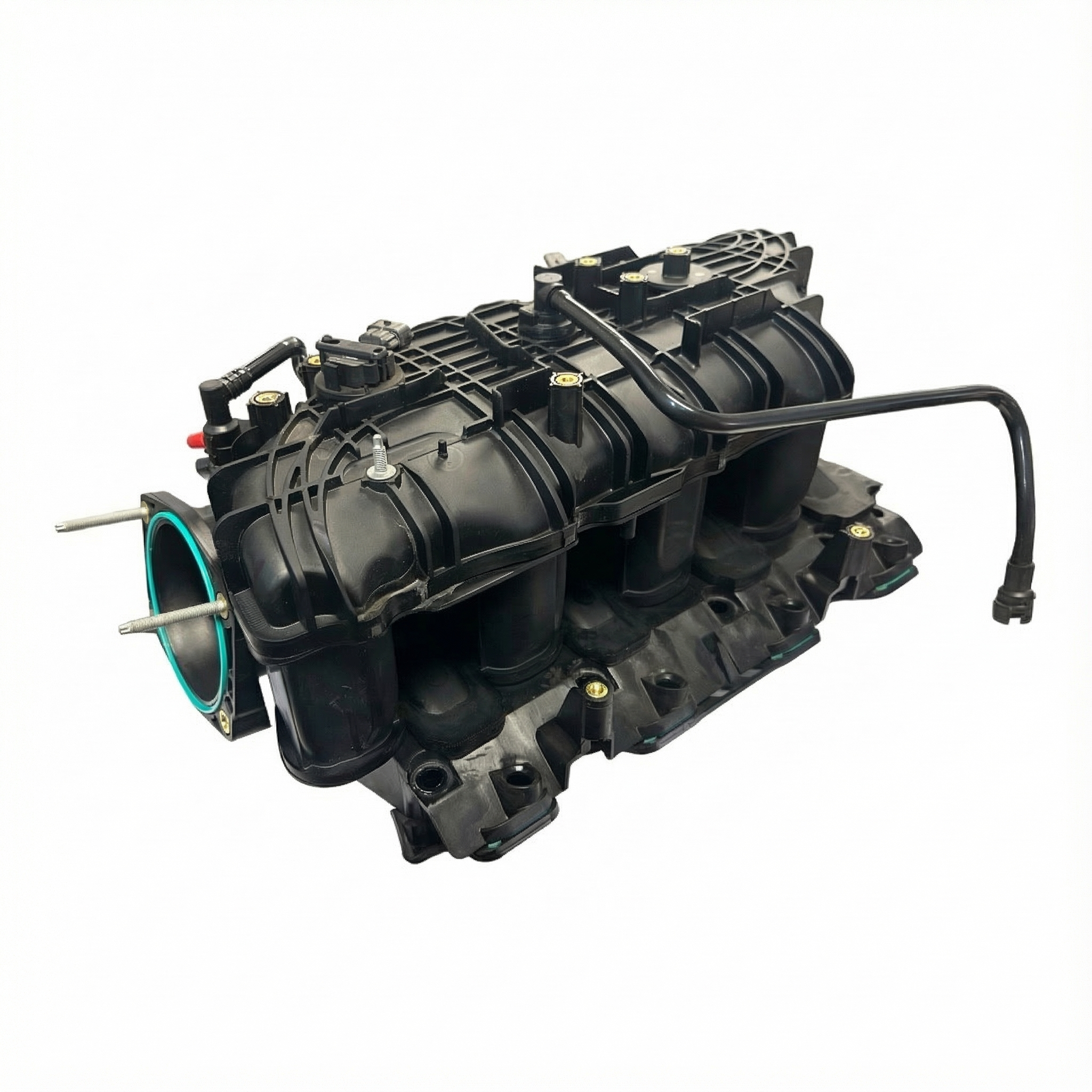
- Cracked Intake Manifold: → Shop Engine Intake Manifold While rare, the plastic intake manifold itself can develop a crack, leading to a significant and hard-to-diagnose vacuum leak. This was confirmed by one owner after multiple other attempted fixes failed.
- Powertrain Control Module (PCM) Fault: → Shop Engine Control Module (ECM) This is extremely rare. Before considering PCM replacement, all other possibilities, especially vacuum leaks and throttle body issues, must be exhaustively ruled out.
Diagnosis Steps
- Scan for all diagnostic trouble codes. Note any other codes present, especially lean codes (P0171, P0174, P2187, P2189) or other idle codes (P0507).
- With the engine running, listen carefully for any hissing or whistling sounds from the engine bay, paying close attention to the PCV valves on the cam covers and the brake vacuum pump area.
- Perform a thorough visual inspection of all vacuum hoses, the air intake ducting, and the intake manifold gaskets for any visible cracks, damage, or loose connections. Check the oil dipstick O-ring for a snug fit.
- Conduct a smoke test. This is the most reliable way to find hard-to-see vacuum leaks. Feed smoke into the intake system and watch for where it escapes, paying special attention to the PCV valves, intake manifold seams, and brake booster hose.
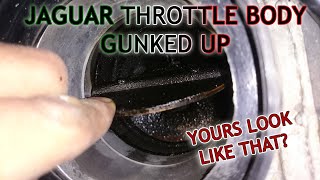
- If no vacuum leaks are found, inspect the electronic throttle body for carbon buildup. Clean it thoroughly with appropriate cleaner. 🎬 Watch this video to see what a dirty throttle body looks like. Be prepared to perform an idle relearn procedure afterward.
- Inspect the brake vacuum pump and its associated hoses for signs of leaks.
- If all else fails, the issue could be related to wiring or, in very rare cases, the PCM itself, which may require professional diagnosis.
Parts You'll Likely Need
- PCV Valve Diaphragm Repair Kit
(OEM #C2D60163)— This is the most common failure point causing a vacuum leak on the 5.0L V8 and 3.0L V6 engines, as documented in TSB SSM74375.
Trusted brands: Genuine Jaguar, RKX
OEM price range: $50-$75
Aftermarket price range: $25-$40 - Vacuum Hose — Rubber and plastic hoses are a common failure point for vacuum leaks due to heat and age. The brake booster hose and other small lines are frequent culprits.
Trusted brands: Genuine Jaguar, Uro Parts
OEM price range: $30-$100
Aftermarket price range: $10-$50 - Intake Manifold Gasket — If a smoke test reveals a leak at the base of the intake manifold, the gaskets have failed and must be replaced.
Trusted brands: Genuine Jaguar, Mahle, Victor Reinz
OEM price range: $50-$150
Aftermarket price range: $30-$90
Related Codes That Often Appear With This One
- P2187 — System Too Lean at Idle (Bank 1). This code directly indicates too much unmetered air is entering the engine, which strongly supports a vacuum leak diagnosis. It is cited in the same TSB as P0505.
- P2189 — System Too Lean at Idle (Bank 2). Similar to P2187, but for the opposite cylinder bank, also pointing to a vacuum leak. It is cited in the same TSB as P0505.
- P0507 — Idle Air Control System RPM Higher Than Expected. This code indicates the idle is stuck high, which is a common symptom of a vacuum leak. It is cited in the same TSB as P0505.
- P0171 / P0174 — System Too Lean (Bank 1 / Bank 2). These are general lean codes that are very commonly triggered by a vacuum leak, especially a torn PCV diaphragm, affecting the engine's air-fuel mixture.
Technical Service Bulletins (TSBs) & Recalls
- SSM74375: States that DTCs including P0505 could indicate an air intake system leak from a ruptured PCV valve diaphragm on the camshaft cover. Provides a repair kit part number (C2D60163).
Platform-Specific Known Issues
- Jaguar issued Technical Service Bulletin #SSM74375 which explicitly states that DTCs P0505, P2187, P2189, or P0507 could be stored due to an 'air leak from the right hand camshaft cover assembly due to a split diaphragm within the pressure control valve'.
- The bulletin provides a part number for a repair kit, C2D60163, allowing for the replacement of just the diaphragm and cap instead of the entire expensive camshaft cover.
- Owner forums are filled with repair stories confirming this PCV diaphragm failure on the 5.0L V8 and 3.0L V6 engines. The repair is considered straightforward for a DIYer, though the plastic retaining tabs on the old cap almost always break during removal.
Mechanic-Grade Diagnostic Values
- Throttle Position Sensor (TPS) Signal Voltage at Idle — expected: Approximately 0.95V (close to 1V).. Failure: Voltage that is significantly different, or does not increase smoothly and steadily as the throttle is opened.
- Throttle Position Sensor (TPS) Signal Voltage at Wide Open Throttle (WOT) — expected: Approximately 4.6V.. Failure: Voltage that does not reach this approximate level, or shows jumps/drops while opening the throttle.
- Engine Ground Voltage Drop — expected: Well under 0.5V (500mV) while cranking the engine.. Failure: A reading higher than 0.5V indicates a poor ground connection, which can cause erratic sensor readings and drivability issues.
- Long Term Fuel Trims (LTFT) at Idle — expected: Close to 0%, typically within +/- 5%.. Failure: High positive numbers (e.g., +10% or higher) on both banks strongly suggest a vacuum leak, as the PCM is adding fuel to compensate for unmetered air.
Scan Tool Commands That Help
- JLR SDD (Symptom Driven Diagnostics): Powertrain - Air path set-up routine — This function is required after cleaning or replacing the electronic throttle body. It resets the learned positions of the throttle valve, EGR, and wastegate to prevent high idle or erratic running.
- iCarsoft LR V4.0 (or similar advanced scanner): Service -> ETC (Electronic Throttle Control) -> Reset Adaptation Values — Use this after cleaning the throttle body to erase the old compensation values the ECU learned for the carbon buildup. Failure to do this is a common cause of high or hunting idle after a physical cleaning.
Wiring & Ground Locations
- Main Engine Ground Strap — Located on the right (passenger) side, connecting the transmission/engine area to the chassis frame rail, often directly under the starter motor area.. A poor main engine ground can cause voltage drop issues for all engine sensors, including the electronic throttle body and its position sensors, leading to incorrect readings and idle control faults.
- G1D123 — A ground point located at the left rear of the engine compartment.. This is one of the ground points used by the Engine Control Module (ECM). A corroded or loose connection here can directly impact ECM operation and its ability to control the idle system.
- G1D120 — A ground point located at the right rear of the engine compartment, near the ECM.. This is another primary ground for the ECM. Ensuring this connection is clean and tight is critical for stable engine management.
- Electronic Throttle Body Connector — The electrical connector on the electronic throttle body assembly, located at the front of the intake manifold.. Corrosion or damage to the pins in this connector can interrupt signals between the ECM and the throttle motor/position sensors, directly causing idle control faults.
Real Owner Repair Stories
- JaguarForums.com user 'Jon89' (Jaguar S-Type (similar platform/engine logic)) — Codes P0171 and P0174 with 'Restricted Performance' message.
❌ Tried (didn't work) Checked for vacuum leaks, Cleaned MAF sensor, Checked air filter and air box seal, Checked gas cap
✅ What actually fixed it Replacing the electronic throttle body. The user noted that these throttle bodies are known to be sensitive. - JaguarForums.com user 'Sienlee' (2003 Jaguar X-Type (different platform but same codes and a common vacuum leak source)) — Codes P0171 and P0174 present for a year, unable to solve.
❌ Tried (didn't work) Multiple unspecified attempts to fix the lean codes.
✅ What actually fixed it Replacing the brake booster vacuum hose. A leak was found on the back side of the hose which was not obvious on initial inspection because the rest of the hose looked new.
"I Checked Everything" — The Actual Cause
- In a case with lean codes (P0171/P0174) that often accompany P0505, a user reported that after checking for vacuum leaks, cleaning the MAF, and other steps, the final cause was a faulty electronic throttle body which was not discoverable with a smoke test.
- A user with lean codes found the culprit to be a hidden leak in the brake booster hose that was not immediately obvious, demonstrating that the source of a vacuum leak may not always be in the most common areas checked during a smoke test.
OEM Part Supersession History
C2D60163→No direct supersession found, but this is the service kit part number itself.— This part was created as a repair solution to avoid replacing the entire camshaft cover for a failed PCV diaphragm.
Heads up: This is a Genuine Jaguar part number for the repair kit. Aftermarket versions are available from brands like Britpart (C2D60163-R) and RKX.
Model Year Variations Within This Range
- 2013-2016: The 3.0L Supercharged V6 (AJ126) engine was introduced, which is based on the 5.0L V8 (AJ133) architecture. It shares the same PCV diaphragm design and is prone to the exact same failure causing P0505 and associated lean codes.
- 2009-2012: Early XF models primarily used the 5.0L V8 engine (naturally aspirated and supercharged), which is the engine for which the PCV diaphragm issue is most widely documented in TSBs and forums.
Helpful Videos
We Have This Part in Stock

The information in this article is provided for general reference and educational purposes only. Vehicle specifications, procedures, and part compatibility can vary by production date, trim level, and region. Always consult your vehicle's factory service manual and verify part numbers before purchasing or performing repairs. Safety-critical components such as airbags, seat belts, and braking systems should be installed by a qualified professional.
- Jaguar XF:
- 🧭 Diagnostic Flowchart
- 🎬 Helpful Videos
- 🛍️ Shop This Part
- What's Unique About the 2009-2016 Jaguar XF
- Symptoms You May Notice
- Most Likely Causes
- Rare But Worth Checking
- Diagnosis Steps
- Parts You'll Likely Need
- Related Codes That Often Appear With This One
- Technical Service Bulletins (TSBs) & Recalls
- Platform-Specific Known Issues
- Mechanic-Grade Diagnostic Values
- Scan Tool Commands That Help
- Wiring & Ground Locations
- Real Owner Repair Stories
- "I Checked Everything" — The Actual Cause
- OEM Part Supersession History
- Model Year Variations Within This Range
- 🎟️ Get 5% Off