

P0505 on 2010-2017 Jaguar XJ: Idle Control System Malfunction Causes and Fixes
On a 2010-2017 Jaguar XJ, code P0505 is almost always caused by an unmetered air (vacuum) leak in the intake system. The most common culprit is a ruptured PCV valve diaphragm integrated into the passenger-side valve cover. A professional smoke test is the most reliable diagnostic method, and the fix is often an inexpensive diaphragm replacement kit (OEM Part No. C2D60163).
- P0505 on a 2010-2017 Jaguar XJ almost always points to a vacuum leak.
- Do not replace expensive parts like the throttle body before performing a smoke test to rule out leaks.
- This code is often accompanied by lean codes (P2187, P2189), which further confirms an unmetered air leak.
- Common sources of leaks are cracked PCV hoses and aged intake manifold gaskets.
- Symptoms include a rough or stalling engine at idle.
What's Unique About the 2010-2017 Jaguar XJ
The 2010-2017 (X351) Jaguar XJ does not use a traditional Idle Air Control (IAC) valve; idle speed is managed by the electronic throttle body. A Jaguar Technical Service Bulletin (TSB #SSM74375) directly links P0505 to air intake system leaks, specifically a ruptured diaphragm in the PCV (Positive Crankcase Ventilation) system. This is a critical diagnostic clue, as it tells technicians that this idle control code is often a symptom of unmetered air entering the engine, which can also trigger lean condition codes like P2187 and P2189.
Diagnostic Flowchart
Tap your situation to follow the diagnostic path that matches what you're seeing on this vehicle.
Symptoms You May Notice
- Rough, erratic, or fluctuating idle speed
- Engine stalling when coming to a stop or at idle
- Idle speed is unusually high or low
- Difficulty starting the engine without applying the throttle
- Hissing noises from the engine bay, particularly from the passenger-side valve cover area
- Check Engine Light is on with P0505 and often lean codes (P2187, P2189) 🎬 Watch: Diagnosing these specific lean codes on a 2013 XJ
- Replacing the throttle body when the actual cause is a simple, inexpensive vacuum leak from a cracked hose or PCV diaphragm.
- Replacing oxygen sensors due to the accompanying lean codes (P2187/P2189) without first checking for the root cause, which is typically a vacuum leak.
Most Likely Causes
- Ruptured PCV Valve Diaphragm(s) 🔴 High Probability → Shop PCV Valve As confirmed by Jaguar TSB #SSM74375, the rubber diaphragms in the PCV system, which are integrated into the valve covers, become brittle and tear over time. This creates a significant vacuum leak that the PCM cannot compensate for at idle. The 5.0L V8 has two of these diaphragms on the passenger-side bank, while the 3.0L V6 has one.
How to confirm: The most effective method is a smoke test, which will show smoke being drawn into the circular PCV valve caps on the passenger-side valve cover. A simpler, though less definitive, test is to listen for a distinct hissing sound from this area while the engine is running. You may also notice strong suction if you try to remove the oil filler cap while the engine is idling.
Typical fix: Previously, the entire valve cover had to be replaced. Jaguar now provides a lower-level repair kit (OEM Part No. C2D60163) containing the new diaphragm and cap. The old cap is pried off (often breaking the tabs), the old diaphragm and spring are removed, and the new parts are snapped into place. The 5.0L V8 engine has two such valves on the right-hand cover, and it is recommended to replace both at the same time.
Est. part cost: $20-$50 for a diaphragm repair kit. - Other Vacuum Leaks (Hoses/Gaskets) 🟡 Medium Probability Beyond the PCV diaphragms, other plastic and rubber components in the intake and vacuum systems can crack with age and heat exposure. This includes the air intake ducts, intake manifold gaskets, and smaller vacuum lines for accessories.
How to confirm: A professional smoke test is the most reliable way to find leaks from hoses or gaskets. A visual inspection of all accessible vacuum lines and intake components for obvious cracks or damage is a good first step.
Typical fix: Replace the failed hose, gasket, or seal. Common culprits include the brake booster vacuum hose, small actuator hoses near the supercharger, and intake manifold gaskets.
Est. part cost: $20-$300 - Dirty or Faulty Electronic Throttle Body ⚪ Low Probability → Shop Fuel Injection Throttle Body Carbon and oil vapor from the PCV system can build up in the throttle body bore and on the throttle plate. This buildup can restrict airflow or cause the plate to stick, preventing the fine movements needed for precise idle control.
How to confirm: Remove the intake ducting connected to the throttle body and visually inspect for heavy carbon deposits. If cleaning doesn't resolve the issue, the internal electronics may have failed, which requires testing with an advanced diagnostic scanner.
Typical fix: Thoroughly clean the throttle body bore and plate with a dedicated throttle body cleaner and a soft cloth. Do not spray cleaner directly into the electronics. If the unit is electronically faulty, the entire throttle body assembly must be replaced.
Est. part cost: $250-$700
Rare But Worth Checking
- Leaking Brake Booster or Vacuum Hose: → Shop Vacuum Hose The brake booster is powered by engine vacuum. A leak in the booster's internal diaphragm or the hose connecting it to the intake manifold can create a large, unmetered air leak, leading to a high idle and a P0505 code. This can sometimes be diagnosed by hearing a hissing sound from the brake pedal area inside the cabin.
- Faulty Powertrain Control Module (PCM): → Shop Engine Control Module (ECM) This is an uncommon cause. The PCM should only be suspected after all other possibilities, especially vacuum leaks and throttle body issues, have been thoroughly ruled out. A PCM failure can sometimes cause this code if the driver circuit that controls the throttle body has failed.
Diagnosis Steps
- Check for other DTCs: Scan the PCM for any other codes. The presence of P2187 and P2189 alongside P0505 is a very strong indicator of a vacuum leak.
- Listen for Leaks: With the engine running, carefully listen for hissing sounds around the engine bay, paying close attention to the passenger-side valve cover where the PCV valves are located.
- Perform a Smoke Test: This is the most crucial step. Connect a smoke machine to the intake system to pressurize it with smoke. Watch for smoke escaping from the circular PCV caps, leaking gaskets (intake manifold, throttle body), cracked hoses, or other seals.
- Inspect PCV Diaphragms: If smoke emerges from the PCV caps, the diaphragms have failed. Order the appropriate repair kit.
- Inspect and Clean Throttle Body: If no vacuum leaks are found, remove the air intake tube from the throttle body. Inspect the throttle plate and bore for carbon buildup. If dirty, clean it carefully with throttle body cleaner and a soft rag. Do not spray cleaner directly into the electronics or move the plate manually on an electronic throttle body.
- Test Throttle Body Function: Using a high-end scan tool, monitor the desired vs. actual throttle position at idle. If the values do not match or are erratic after cleaning, the throttle body's internal motor or position sensor may be faulty.
- Check PCM: If all other steps fail to identify the problem, the issue may lie with the PCM itself, though this is rare. This step should be performed by a qualified professional.
Parts You'll Likely Need
- PCV Valve Diaphragm Repair Kit
(OEM #C2D60163)— This is the most common failure point. The rubber diaphragm tears, creating a vacuum leak. This kit allows for replacement of just the diaphragm and cap, per TSB SSM74375.
Trusted brands: Jaguar OE, RKX, Euro-Amp
OEM price range: $30-$50
Aftermarket price range: $15-$30 - Throttle Body Heater Hose
(OEM #AJ813565)— This hose, particularly on supercharged models, contains plastic components that can become brittle and crack, causing coolant and/or vacuum leaks near the throttle body.
Trusted brands: Jaguar OE, Euro AMP
OEM price range: $70-$100
Aftermarket price range: $40-$80 - Electronic Throttle Body — If cleaning does not resolve the idle issue, the internal electronic components may have failed, requiring replacement of the entire assembly.
Trusted brands: Bosch, Jaguar OE
OEM price range: $500-$800
Aftermarket price range: $250-$500
Related Codes That Often Appear With This One
- P0507 — Stands for 'Idle Air Control System RPM Higher Than Expected.' This code is often triggered by the same vacuum leak that causes P0505.
- P2187 — Stands for 'System Too Lean at Idle (Bank 1).' A vacuum leak introduces unmetered air, creating a lean air/fuel mixture that the PCM detects at idle.
- P2189 — Stands for 'System Too Lean at Idle (Bank 2).' This is the same as P2187 but for the opposite cylinder bank, strongly indicating a vacuum leak affecting the entire engine.
Technical Service Bulletins (TSBs) & Recalls
- SSM74375: Indicates that an air leak from the right-hand camshaft cover assembly due to a split diaphragm in the pressure control valve can cause DTCs P2187, P2189, P0505, or P0507. It authorizes the use of repair kit C2D60163 instead of replacing the whole cam cover.
Platform-Specific Known Issues
- PCV Diaphragm Failure (TSB SSM74375): A Technical Service Bulletin (TSB #SSM74375) issued by Jaguar explicitly states that DTCs P0505, P0507, P2187, or P2189 are likely caused by a ruptured PCV diaphragm. The bulletin introduces a repair kit (C2D60163) as an alternative to replacing the entire expensive camshaft cover.
- Supercharger Actuator Vacuum Hoses: → Shop Vacuum Hose On supercharged 5.0L V8 models, there are small rubber vacuum hoses connected to an actuator on the supercharger itself. These hoses are subject to intense heat and can become brittle, crack, and create a vacuum leak. They are inexpensive to replace with a small piece of high-quality vacuum hose.
Mechanic-Grade Diagnostic Values
- Short-Term (STFT) and Long-Term (LTFT) Fuel Trims at Idle — expected: Within +/- 5% at idle.. Failure: Consistently positive values, especially above +10% on both banks, indicate the PCM is adding fuel to compensate for unmetered air (a vacuum leak). The P0505 code may set when the PCM's ability to adjust idle speed is maxed out by the leak.
- Injector Pulse Width at Idle (5.0L S/C) — expected: Approximately 1.21 to 1.24 ms.. Failure: Significantly lower pulse width on one bank (e.g., 1.14 to 1.18 ms) can indicate an imbalance, though this is the PCM's reaction to other inputs. It's a data point, not a direct cause of P0505, but useful when diagnosing with other codes.
- Electronic Throttle Body Motor Resistance — expected: Approximately 1.2 Ohms.. Failure: A reading significantly higher or lower than 1.2 Ohms may indicate a fault within the throttle body's internal motor.
Scan Tool Commands That Help
- Jaguar SDD (Symptom Driven Diagnostics) or equivalent high-end scanner: Throttle Valve Closed Position Learning / Idle Air Volume Learning — This function must be performed after cleaning or replacing the electronic throttle body. Failure to do so can cause the P0505 code to persist or return, as the PCM's learned values for the dirty throttle plate position will be incorrect for the clean one.
- Jaguar SDD or equivalent high-end scanner: Reset Fuel Trim Adaptations — After repairing a vacuum leak (like a PCV diaphragm), the long-term fuel trim values will still be highly positive. Resetting the adaptations forces the PCM to relearn the fuel mixture from a neutral baseline, which can resolve idle instability faster.
Wiring & Ground Locations
- Engine Ground Strap (Bellhousing to Body) — Connects the transmission bellhousing area to the vehicle's underbody/chassis.. This is a primary ground path for the engine and its sensors. It is exposed to road spray and corrosion. A poor connection here can cause erratic sensor readings and unpredictable behavior from the PCM and throttle body, potentially contributing to idle control faults.
- Alternator Bracket Ground Path — The path from the alternator housing, through its mounting bracket, to the engine block.. An often-overlooked ground path. Corrosion or looseness here can affect the stability of the entire vehicle electrical system, including the voltage supplied to the PCM and electronic throttle body. Cleaning the contact points is recommended for resolving stubborn electronic issues.
- Throttle Body Electrical Connector — Directly on the electronic throttle body assembly at the rear of the engine.. The plastic connectors can become brittle from heat and crumble when disconnected. A poor connection at the throttle position sensor or throttle motor pins can directly cause idle control faults. The connector has a locking tab that must be carefully lifted to release.
Real Owner Repair Stories
- Jaguar Forums user 'lotusespritse' (2014 Land Rover Range Rover Sport (shares 3.0L V6 Supercharged engine with the XJ)) — Lean and misfire codes.
❌ Tried (didn't work) Not specified, but the user identified the root cause.
✅ What actually fixed it The vehicle was equipped with a 'fake engine noise generator' (symposer). A hose for this system developed a leak, causing unmetered air to enter the intake and triggering the codes. This is a specific type of vacuum leak to check for on supercharged models.
OEM Part Supersession History
AJ812453, LR011856→C2Z28258, LR049990, AJ813565— Revised design for the throttle body heater hose assembly. Aftermarket versions often feature an upgraded copper elbow to replace the original plastic one which was prone to breaking.
Heads up: The hose assembly AJ813565 is for supercharged engines (3.0L V6 and 5.0L V8) and does NOT fit the naturally aspirated 5.0L V8.N/A→C2D60163— This part kit was created by Jaguar as a service solution per TSB SSM74375 to avoid replacing the entire valve cover for a failed PCV diaphragm.
Model Year Variations Within This Range
- 2010-2019: The 5.0L V8 engine has two PCV diaphragms on the passenger side valve cover, whereas the 3.0L V6 has only one. Both are serviced by the same kit, C2D60163.
Helpful Videos
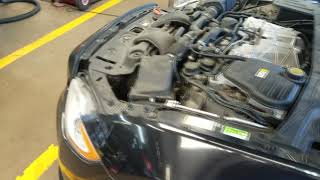
Used OEM Parts in Stock
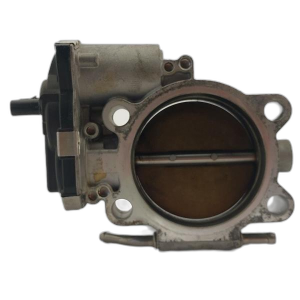
New Aftermarket Parts Available


The information in this article is provided for general reference and educational purposes only. Vehicle specifications, procedures, and part compatibility can vary by production date, trim level, and region. Always consult your vehicle's factory service manual and verify part numbers before purchasing or performing repairs. Safety-critical components such as airbags, seat belts, and braking systems should be installed by a qualified professional.
- Jaguar XJ:
- 🧭 Diagnostic Flowchart
- 🎬 Helpful Videos
- 🛍️ Shop This Part
- What's Unique About the 2010-2017 Jaguar XJ
- Symptoms You May Notice
- Most Likely Causes
- Rare But Worth Checking
- Diagnosis Steps
- Parts You'll Likely Need
- Related Codes That Often Appear With This One
- Technical Service Bulletins (TSBs) & Recalls
- Platform-Specific Known Issues
- Mechanic-Grade Diagnostic Values
- Scan Tool Commands That Help
- Wiring & Ground Locations
- Real Owner Repair Stories
- OEM Part Supersession History
- Model Year Variations Within This Range
- 🎟️ Get 5% Off