

P0505 on 2001-2006 Kia Optima 2.7L V6: Idle Control System Malfunction Causes and Fixes
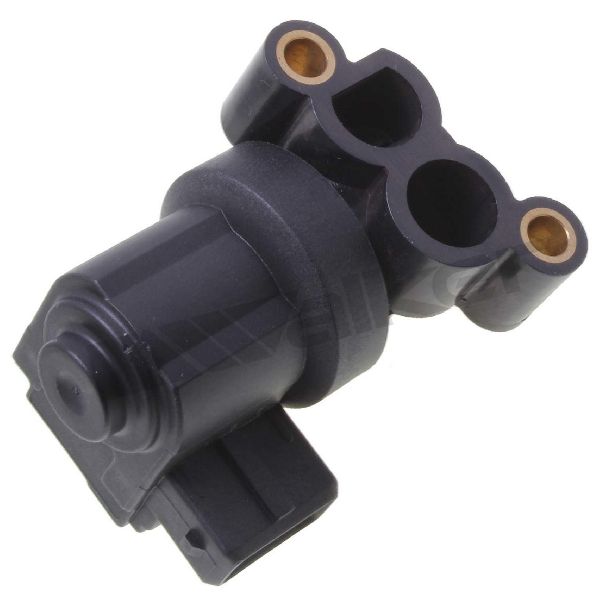
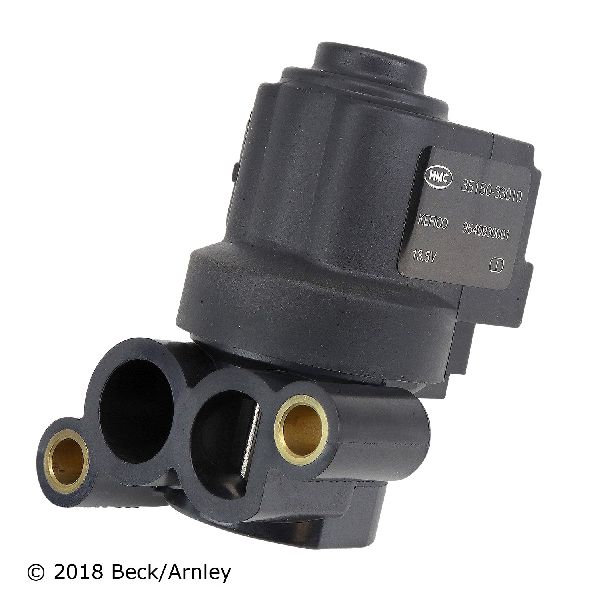
On a 2001-2006 Kia Optima with the 2.7L V6, code P0505 is almost always caused by a faulty or carbon-clogged Idle Air Control (IAC) valve. Cleaning the valve and throttle body passages may provide a temporary fix, but replacement is the most reliable solution. The most common fix is replacing the IAC valve (OEM part 35150-33010, which supersedes 35150-33001) and its gasket. Expect to pay $30-$80 for an aftermarket part and around $150-$200 for an OEM part. It's a DIY-friendly job with a difficul
- P0505 on the 2.7L V6 Optima almost always points to the Idle Air Control (IAC) valve.
- Before replacing the valve, try cleaning it and the throttle body first, as this is a low-cost first step that can sometimes work.
- Always use a new gasket (part #35156-33271) when reinstalling or replacing the IAC valve to prevent a future vacuum leak.
- The correct OEM replacement part number for the IAC valve is 35150-33010.
- Do not drive with this code for long periods, as the engine can stall in traffic, creating a safety risk.
What's Unique About the 2001-2006 Kia Optima
The 2.7L Delta V6 engine in the first-generation Kia Optima is shared with many other Hyundai and Kia vehicles of the era, including the Santa Fe, Sonata, Tucson, Tiburon, and Sportage. Because of this, P0505 is a very common and well-documented problem across this entire engine family. The failure pattern is remarkably consistent: the Idle Air Control (IAC) valve becomes clogged with carbon from the PCV system or its internal motor fails. There are no unique design flaws on the Optima itself that cause this; it's simply a common failure point for the specific IAC valve used on this widely-produced engine.
Generation note: The 2001-2006 year range covers the first generation (MS, 2001-2005) and the first model year of the second generation (MG, 2006). The G6BA 2.7L V6 engine and the associated Idle Air Control system are consistent across this entire range, so the causes and fixes are the same.
Symptoms You May Notice
- Engine stalling, especially when coming to a stop or with the A/C on.
- Idle speed is erratic, fluctuating up and down (surging).
- Idle speed is consistently too high (e.g., over 1000 RPM).
- Idle speed is consistently too low, causing the engine to stumble (e.g., below 600 RPM).
- Difficulty starting the engine without giving it some gas.
- Check Engine Light is illuminated.
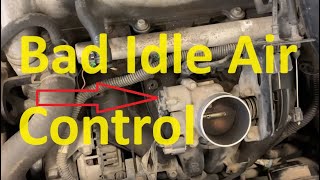
- Shaking or vibration while parked in gear. 🎬 Watch: Common symptoms of a failing Idle Air Control valve.
- Replacing the throttle position sensor (TPS). A bad TPS has different symptoms and codes (like P0120-P0125) and does not typically cause P0505 on its own.
- Replacing the mass airflow (MAF) sensor. This engine does not have a MAF sensor; it uses a MAP (Manifold Absolute Pressure) sensor. A MAP sensor issue would present different codes and symptoms.
- Assuming a new IAC valve is good without testing. Some owners report issues with cheap aftermarket IAC valves not working correctly out of the box.
Most Likely Causes
- Dirty or Failed Idle Air Control (IAC) Valve 🔴 High Probability → Shop Idle Air Control Valve The design of the intake and PCV system on the 2.7L V6 makes the IAC valve susceptible to carbon and oil vapor buildup over time, causing the internal rotary gate or pintle to stick, or the internal stepper motor to fail. This is the most common cause for P0505 on this engine family.
How to confirm: Remove the IAC valve from the throttle body (typically held by two Phillips head or 10mm bolts). Inspect the valve and the air passages in the throttle body for heavy, black carbon buildup. Tapping on the IAC valve body with the handle of a screwdriver while the engine is running may cause a change in idle, indicating it is sticking. A definitive test involves checking resistance across the motor coils with a multimeter to see if it's within spec.
Typical fix: Replace the Idle Air Control valve and the corresponding gasket. It is highly recommended to clean the throttle body and its air passages at the same time. While cleaning the original valve may work temporarily, failure of the internal motor is common, and replacement is often the permanent solution.
Est. part cost: $30 - $200 - Vacuum Leak 🟡 Medium Probability Over time, rubber vacuum hoses, especially the PCV hose and brake booster hose, can become brittle and crack, creating a source of unmetered air that disrupts the idle. Intake manifold gaskets can also become brittle and leak.
How to confirm: Visually inspect all vacuum hoses connected to the intake manifold for cracks, splits, or loose connections. Listen for a hissing sound with the engine running. A professional smoke test is the most effective method to pinpoint a leak in the intake manifold gasket or other hard-to-see areas. Spraying soapy water on suspected areas and looking for bubbles is another common diagnostic technique.
Typical fix: Replace the cracked or leaking vacuum hose(s) or intake gasket(s).
Est. part cost: $10 - $50 - Dirty Throttle Body 🟡 Medium Probability → Shop Fuel Injection Throttle Body
How to confirm: Visually inspect the throttle plate and the bore of the throttle body. If there is a significant ring of black carbon where the throttle plate closes, it can restrict airflow and interfere with the IAC system's fine adjustments, especially the small bypass passages.
Typical fix: Clean the throttle body bore, plate, and IAC passages thoroughly with a dedicated throttle body cleaner and a soft brush or rag. This is often done at the same time as cleaning or replacing the IAC valve.
Est. part cost: $5 - $15 - IAC Valve Circuit Issue ⚪ Low Probability
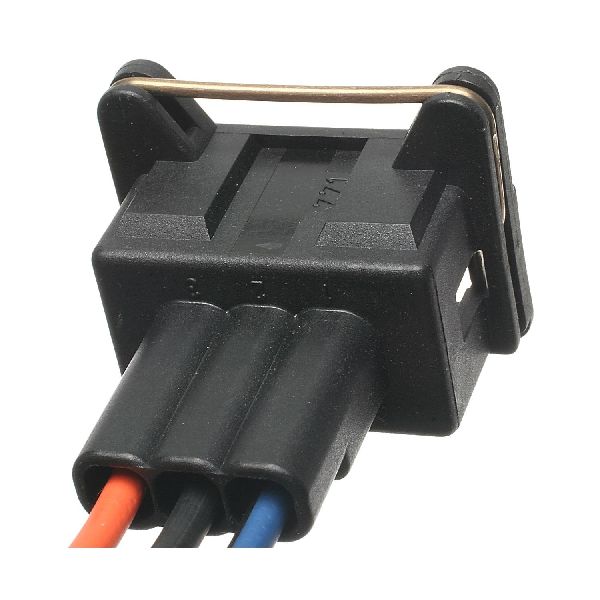
How to confirm: With the key on and engine off, use a multimeter to check for 12V power on the appropriate pin of the IAC valve's 3-pin electrical connector (typically the center pin). Inspect the connector for corrosion and the wiring harness for any visible damage, melting, or poor ground connections.
Typical fix: Repair the damaged wiring or clean/replace the connector.
Est. part cost: $5 - $100
Rare But Worth Checking
- Faulty Powertrain Control Module (PCM): → Shop Engine Control Module (ECM) This is very rare. The PCM should only be considered after all other possibilities, including the IAC valve, vacuum leaks, and wiring, have been definitively ruled out. A PCM failure can sometimes be caused by a shorted IAC valve motor, so it's critical to fix the root cause before replacing the PCM.
Diagnosis Steps
- Read the code with an OBD-II scanner and note any other codes present.
- Inspect the air intake hose between the air filter box and the throttle body for any cracks or loose clamps.
- Visually inspect all accessible vacuum lines connected to the intake manifold for obvious cracks, especially the PCV hose and brake booster hose.
- With the engine running, carefully listen for hissing sounds that could indicate a vacuum leak. Tapping the IAC valve body may also alter the idle, pointing to a sticking valve.
- Disconnect the battery. Remove the plastic engine cover and locate the throttle body. The IAC valve is mounted to its side, typically with two Phillips head or 10mm bolts and a 3-pin electrical connector.
- Remove the IAC valve. Inspect the valve and the air passages within the throttle body for heavy carbon buildup.
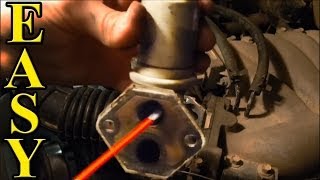
- Thoroughly clean the IAC valve and throttle body passages with throttle body cleaner and a small brush. Reinstall with a NEW gasket. Reconnect the battery. Start the engine and let it idle for 10-15 minutes to allow the PCM to relearn idle parameters. This may solve the issue. 🎬 See how to properly clean your IAC valve and passages.
- If the problem persists after cleaning, the IAC valve's internal motor is likely faulty. Replacement with a quality OEM or aftermarket part is the next step.
- If a new IAC valve does not fix the issue, perform a smoke test to check for hidden vacuum leaks (e.g., intake manifold gasket).
- As a final check, inspect the IAC valve connector for 12V power (key on, engine off) and the wiring harness for damage before considering a rare PCM issue.
Parts You'll Likely Need
- Idle Air Control Valve
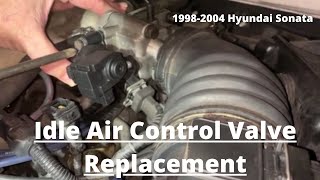
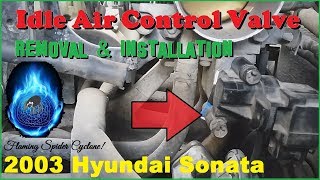
(OEM #35150-33010)— This is the most common failure part for code P0505 on this engine. The internal motor fails or the valve gets stuck with carbon, preventing the computer from controlling the idle speed. This part number supersedes the older 35150-33001. 🎬 Watch this step-by-step guide to replacing the IAC valve.
Trusted brands: Kia/Hyundai (OEM), Bosch (0280140571), Standard Motor Products (AC409), Walker Products
OEM price range: $150-$200
Aftermarket price range: $30-$80 - Idle Air Control Valve Gasket
(OEM #35156-33271)— A new gasket is required anytime the IAC valve is removed to prevent a vacuum leak. The old gasket is often brittle and will not seal properly if reused. Some aftermarket valves include a new gasket.
Trusted brands: Kia/Hyundai (OEM), Fel-Pro (61245), Mahle, Victor Reinz
OEM price range: $5-$10
Aftermarket price range: $2-$5
Related Codes That Often Appear With This One
- P0506 — This code for 'Idle Air Control System RPM Lower Than Expected' can appear if the IAC valve is stuck closed or heavily clogged, causing a low idle or stalling.
- P0507 — This code for 'Idle Air Control System RPM Higher Than Expected' can appear if the IAC valve is stuck open or if a significant vacuum leak is present, causing a high idle.
- P0171 / P0174 — These lean codes for Bank 1 and Bank 2 can appear if a vacuum leak is the root cause of the idle problem, as the unmetered air creates a lean air/fuel mixture.
Technical Service Bulletins (TSBs) & Recalls
- While no specific TSB for P0505 on the Optima was found, the issue is widely documented across the entire 2.7L Delta V6 platform in forums and repair databases.
Mechanic-Grade Diagnostic Values
- IAC Valve Internal Coil Resistance — expected: ~11-16 Ω between the center pin (Pin 2) and each outer pin (Pin 1 and Pin 3).. Failure: A reading of infinity (OL) indicates an open coil, while a reading near zero ohms indicates a shorted coil. Either requires valve replacement.
- IAC Valve Connector Power Supply Voltage — expected: Approximately 12V (Battery Voltage) at the center pin (Pin 2) with the ignition key in the 'ON' position, engine off.. Failure: No voltage indicates a problem with the power supply fuse or wiring from the engine fuse box.
Scan Tool Commands That Help
- Kia GDS (Global Diagnostic System): Actuation Test for Idle Speed Actuator (ISA) — To command the IAC valve to open and close while observing engine RPM or listening for valve operation. This confirms if the PCM can control the valve and if the valve responds, helping to isolate a faulty valve from a wiring or PCM driver issue.
- Kia GDS (Global Diagnostic System): Idle Relearn / Adaptive Memory Reset — After replacing the IAC valve or cleaning the throttle body, this function resets the learned idle values in the PCM, forcing it to establish a new baseline with the new/clean components. This can resolve high or low idle issues that persist after the repair.
Wiring & Ground Locations
- IAC Connector Pin 2 (Power) — The center pin on the 3-pin electrical connector that plugs into the Idle Air Control valve, mounted on the throttle body.. This pin must have 12V with the key on for the IAC motor to have power. Lack of power here points to a fuse or wiring issue, not a faulty IAC valve.
- IAC Connector Pins 1 & 3 (Control) — The two outer pins on the 3-pin IAC electrical connector.. These wires are the ground-side control lines from the PCM. The PCM pulses ground on these pins to command the stepper motor to open or close. A break or short in these wires will prevent the IAC from being controlled.
- Main Engine Ground Strap — A thick, typically braided cable connecting the engine block to the vehicle's chassis/firewall.. While not specific to the IAC circuit, a poor main engine ground can cause a host of erratic electrical issues, including incorrect sensor readings and improper actuator function, potentially contributing to a P0505 code. Ensure it is clean and tight.
OEM Part Supersession History
35150-33001→35150-33010— Likely an internal revision for improved reliability or manufacturing consistency. The failure of the original part is extremely common.
Diagnostic Flowchart
Other Known Issues on This Vehicle
Issues unrelated to this code that are worth knowing about as an owner of this generation:
- Crankshaft Position Sensor (CPS) Failure 🔴 High — Very common failure across the 2.7L Delta V6 platform. Sensor often fails when hot, causing a sudden engine stall or a crank-no-start condition. Codes P0335-P0339 are typical. (Ref: A recall (01V303000) was issued for some 2001 models for this issue. Owners often report that only OEM sensors work reliably.)
- Automatic Transmission Issues 🟠 Medium — Owners report harsh shifting, slipping, or the transmission getting stuck in one gear (limp mode). Sticking to Kia-approved transmission fluid is often cited as critical to longevity. (Ref: A software update was made available to correct some transmission shift quality issues. A recall (09V183000) was issued for 2006-2008 models for a detached shift cable.)
- Ignition Coil Failure 🟠 Medium — Ignition coils are a common wear item, leading to misfires (P0300-P0306), rough idle, and poor acceleration. The rear bank coils are more prone to failure due to higher heat.
- Front Subframe Corrosion 🔴 High — Primarily affects vehicles in the 'Salt Belt' states. Road salt can cause severe corrosion of the front subframe, potentially leading to structural failure near the lower control arm mounts. (Ref: Recall 04V180000 (NHTSA Campaign ID) was issued for 2001-2004 models in specific states to address this.)
- Timing Belt Maintenance 🔴 High — The G6BA is an interference engine. The timing belt has a 60,000-mile replacement interval. Failure to replace it can lead to catastrophic engine damage if the belt snaps.
Used vs. New Parts: Buying Guide for This Vehicle
When a used part is the smart pick: A used OEM IAC valve from a low-mileage donor vehicle can be a cost-effective alternative to a new aftermarket part, which can have questionable quality. Given the high failure rate, it's a gamble, but a working OEM part is often better than a new, non-OEM part.
Donor-vehicle mileage cap: roughly under 80000 miles for the part to have meaningful remaining life.
What to inspect on the donor part:
- Verify the donor vehicle's mileage if possible.
- Inspect the valve's air passages for excessive carbon buildup; a cleaner valve suggests better engine condition.
- Check the electrical connector pins for any signs of corrosion or damage.
- If possible, test the resistance of the coils with a multimeter before purchase (~11-16 ohms).
OEM-only on this vehicle (don't cheap out):
- While not strictly 'OEM-only', many forum users report immediate or premature failure from no-name, cheap aftermarket IAC valves. Sticking to the OEM/Hyundai Mobis part is the most reliable, if expensive, option.
Aftermarket brands forum-validated for this vehicle:
- Bosch (0280140571)
- Standard Motor Products (AC409)
- Walker Products (215-2066)
Brands owners have reported issues with on this vehicle:
- Unbranded, 'white box' parts from online marketplaces are frequently cited as being dead-on-arrival or failing within a few months.
Real Owner Stories
Aggregated from forums and TSBs cited above. Mileages and costs reflect what owners reported in those sources.
2001-2006 Kia Optima 2.7L V6
Symptoms: The engine was stalling when coming to a stop or when the A/C was turned on. The idle was also erratic and surging.
What fixed it: Replacement of the Idle Air Control (IAC) valve and the corresponding gasket, along with cleaning the throttle body and its air passages.
Source hint: Kia-Forums.com and Hyundai-Forums.com discussions regarding the 2.7L Delta V6 platform
Related OBD-II Codes
Frequently Asked Questions
Is there a specific TSB for the P0505 code on my 2.7L Delta V6 Optima?
Can I just clean the IAC valve on my Kia 2.7L V6 to fix the P0505 code?
Why is my Optima stalling specifically when I turn the A/C on or come to a stop?
What is the recommended part for replacing the IAC valve on this vehicle?
Are there any recalls for the 2006 Optima that might be related to my shifting and idle issues?
Helpful Videos
We Have This Part in Stock



The information in this article is provided for general reference and educational purposes only. Vehicle specifications, procedures, and part compatibility can vary by production date, trim level, and region. Always consult your vehicle's factory service manual and verify part numbers before purchasing or performing repairs. Safety-critical components such as airbags, seat belts, and braking systems should be installed by a qualified professional.
- Kia Optima:
- 🧭 Diagnostic Flowchart
- 🎬 Helpful Videos
- 🛍️ Shop This Part
- What's Unique About the 2001-2006 Kia Optima
- Symptoms You May Notice
- Most Likely Causes
- Rare But Worth Checking
- Diagnosis Steps
- Parts You'll Likely Need
- Related Codes That Often Appear With This One
- Technical Service Bulletins (TSBs) & Recalls
- Mechanic-Grade Diagnostic Values
- Scan Tool Commands That Help
- Wiring & Ground Locations
- OEM Part Supersession History
- Other Known Issues on This Vehicle
- Used vs. New Parts: Buying Guide for This Vehicle
- Real Owner Stories
- 2001-2006 Kia Optima 2.7L V6
- Related OBD-II Codes
- Frequently Asked Questions
- 🎟️ Get 5% Off