

P0521 on 2013-2020 Chevrolet Trax: Engine Oil Pressure Sensor Performance Issues and Fixes
On a 2013-2020 Chevy Trax, code P0521 is most often caused by a faulty engine oil pressure sensor, low oil level, or incorrect oil. However, be aware of manufacturer bulletins that point to a faulty engine camshaft cover or oil pump issues as more specific and serious potential causes for this platform.
- Do not ignore this code. Immediately check your engine oil level. If the level is low, top it up and see if the code clears.
- If the oil level is correct, the most likely cause is a faulty oil pressure sensor. However, you must confirm actual oil pressure with a mechanical gauge before replacing parts.
- Be aware of GM Technical Service Bulletins (TSBs). On this specific vehicle, P0521 can be caused by a failing camshaft cover or require specific oil pump diagnostics.
- Driving with an active P0521 code is a major risk. If the code represents true low oil pressure, you could destroy your engine.
What's Unique About the 2013-2020 Chevrolet TRAX
The 1.4L Turbo LUV engine in the first-generation Trax and its platform mates (Chevy Sonic/Cruze, Buick Encore) is known for specific issues that can trigger a P0521 code. Beyond the usual suspects like a bad sensor, GM has issued Technical Service Bulletins (TSBs) for this platform that link the code to more unique problems. These include a faulty engine camshaft cover with an integrated, non-serviceable PCV valve that can fail, causing various codes including P0521. Additionally, potential issues with the engine oil pump or related wiring require specific diagnostic tests outlined in other bulletins.
Diagnostic Flowchart
Tap your situation to follow the diagnostic path that matches what you're seeing on this vehicle.
Symptoms You May Notice
- Check Engine Light is on
- Low Oil Pressure warning light or message on the instrument cluster [PIP4786C]
- Oil pressure gauge reading abnormally low, high, or erratically.
- Engine running rough, misfiring, or surging at idle [PIP5947C, 7]
- Blue smoke from the exhaust [PIP5947B]
- Engine ticking or knocking noises.
- Visible oil leak from the oil pressure sensor itself.
- Replacing the oil pressure sensor without first verifying the actual oil pressure with a mechanical gauge.
- Replacing the ECM when the fault is in the wiring or the sensor itself.
- Immediately assuming the engine is failing when a dealer suggests engine replacement, without first investigating the more common, cheaper causes like the sensor or camshaft cover.
Most Likely Causes
- Low Engine Oil Level or Incorrect Oil Viscosity 🔴 High Probability Universal to all vehicles, but the 1.4L turbo can be sensitive to oil level and quality. Using oil that does not meet GM's dexos specification or the wrong viscosity can trigger this code.
How to confirm: Physically check the engine oil dipstick for level and inspect the oil's condition. Verify the oil viscosity used matches the manufacturer's specification (typically 5W-30 synthetic meeting dexos1 Gen 2 spec, found on the oil cap or in the owner's manual).
Typical fix: Top up the oil to the correct level or perform a complete oil and filter change with the manufacturer-specified grade of oil.
Est. part cost: $40-$80 - Faulty Engine Oil Pressure Sensor 🔴 High Probability Sensors are a common failure item across many GM vehicles and are often the primary cause of a P0521 code when oil level is correct. The sensor can fail internally, providing incorrect readings, or it can leak oil into its own electrical connector, disrupting the signal.
How to confirm: The best method is to connect a mechanical oil pressure gauge and compare its reading to the sensor's output on a scan tool. If the mechanical gauge shows good, stable pressure while the scan tool shows erratic or incorrect readings, the sensor is bad. Also, visually inspect the sensor's electrical connector for oil contamination.
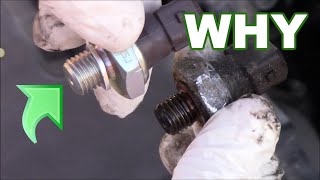
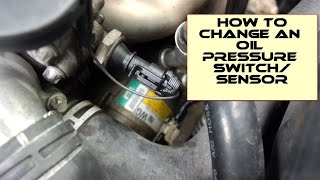
Typical fix: Replace the engine oil pressure sensor and the small filter screen located in the block beneath it. If the connector is full of oil, clean it thoroughly with electrical contact cleaner before installing the new sensor. 🎬 Watch: Step-by-step oil pressure sensor replacement for the 1.4L engine.
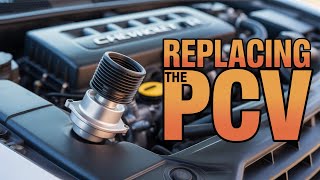
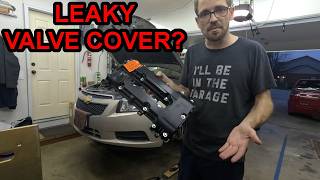
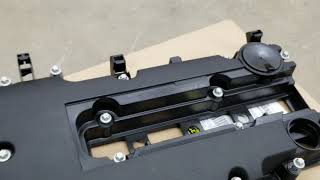
Est. part cost: $25-$90 - Faulty Engine Camshaft Cover (Valve Cover) 🟡 Medium Probability → Shop Engine Camshaft A specific TSB (#PIP5947C) for this platform indicates that a failure of the integrated PCV valve diaphragm within the camshaft cover can lead to a P0521 code, often accompanied by misfires (P0300) or blue smoke. This is a well-documented failure on the 1.4L LUV engine.
How to confirm: This is difficult to confirm without following the specific diagnostic procedures outlined in the TSB, which involve checking for oil-fouled spark plugs across all cylinders. A hissing sound from the engine bay at idle can also indicate a ruptured PCV diaphragm.
Typical fix: Replacement of the entire engine camshaft cover assembly, as the PCV diaphragm is not sold separately by GM.
Est. part cost: $100-$220 - Wiring Harness or Connector Issue ⚪ Low Probability TSB #PIP5932C specifically calls for wiring harness inspections between the sensor and the ECM. The wiring is located near hot exhaust components and can become brittle or damaged over time.
How to confirm: Visually inspect the wiring and connector at the oil pressure sensor for damage, corrosion, or oil contamination. Perform a continuity test on the signal wire between the sensor connector and the ECM. Flex the harness while testing to check for intermittent breaks.
Typical fix: Repair the damaged section of the wiring harness or replace the connector pigtail.
Est. part cost: $15-$50
Rare But Worth Checking
- Failing Engine Oil Pump or Sticking Relief Valve: → Shop Engine Oil Pump While less common, TSBs #PIP5932C and #20-NA-161 mention this as a possible cause, sometimes accompanied by code P06DE. If a mechanical gauge confirms genuinely low oil pressure, and all other causes are ruled out, the oil pump becomes a primary suspect. 🎬 Watch: How to diagnose and fix a P0521 low pressure code.
- Ice or Sludge in PCV or Intake System in Cold Weather: A GM TechLink article mentions that in extremely cold weather, ice can form in the crankcase vent tubes or intake, leading to pressure issues and codes like P0521 on the 1.4L LUV engine. This can also be caused by sludge from infrequent oil changes restricting oil passages.
- Incorrect or Clogged Oil Filter: → Shop Engine Oil Filter Adapter Using a low-quality oil filter or one that has become clogged can restrict oil flow and trigger a P0521 code. One owner on a forum reported that switching to a specific high-quality filter (Mobil 1 M1-113A) resolved their recurring P0521 issue.
Diagnosis Steps
- Check the engine oil level and condition using the dipstick. Ensure it's at the full mark and the oil is not overly dirty. Top up or change if necessary.
- Verify the correct oil filter and oil viscosity are being used per the owner's manual (dexos1 Gen 2 5W-30).
- Connect a scan tool to read the live oil pressure data from the ECM. Note the pressure at idle and various RPMs.
- Crucially, connect a mechanical oil pressure gauge to the engine. On the 1.4L LUV, the sensor port is located on the back of the engine block, near the oil filter housing, and can be difficult to access.
- If mechanical pressure is good and stable, but the scan tool data is erratic or incorrect, the problem is the oil pressure sensor or its wiring.
- Inspect the oil pressure sensor's connector and wiring for any signs of damage, corrosion, or oil saturation from a leaking sensor.
- If the sensor and wiring are good, but codes like P0300 or P1101 are also present, investigate the camshaft cover for a failed PCV diaphragm per TSB #PIP5947C.
- If mechanical pressure is genuinely low or unstable, further investigation into the oil pump, oil pump control solenoid, or internal engine blockages is required, potentially following the diagnostic steps in TSB #PIP5932C.
- Consult TSBs #PIP5947C, #PIP4786C, and #PIP5932C for vehicle-specific diagnostic procedures.
Parts You'll Likely Need
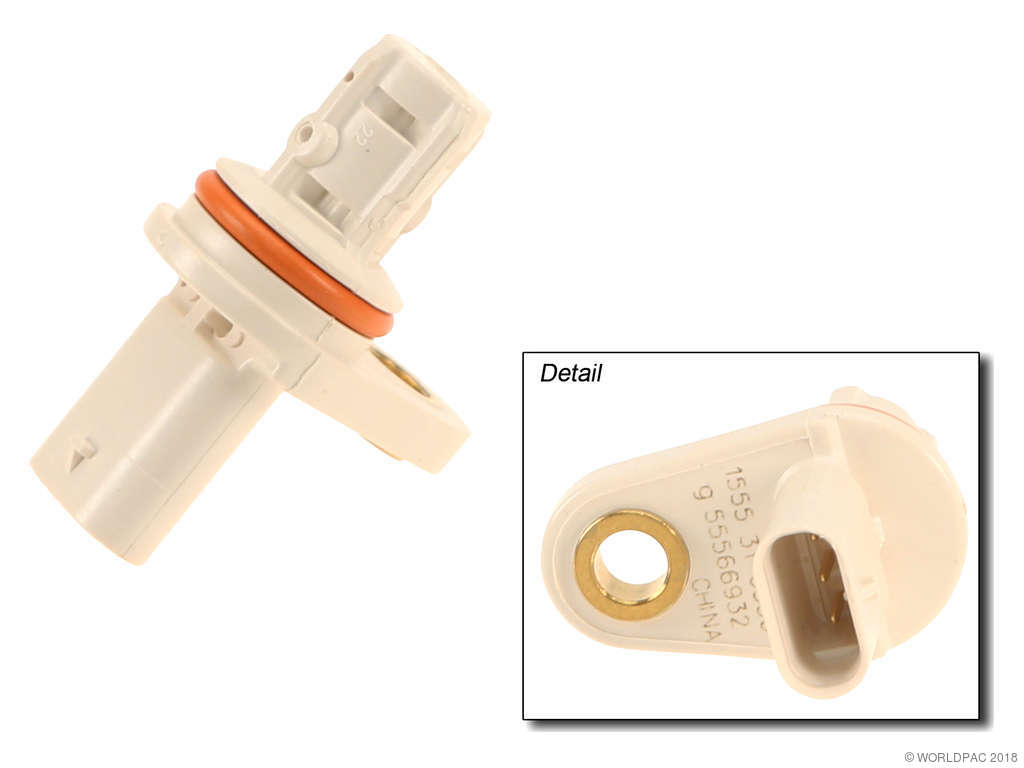
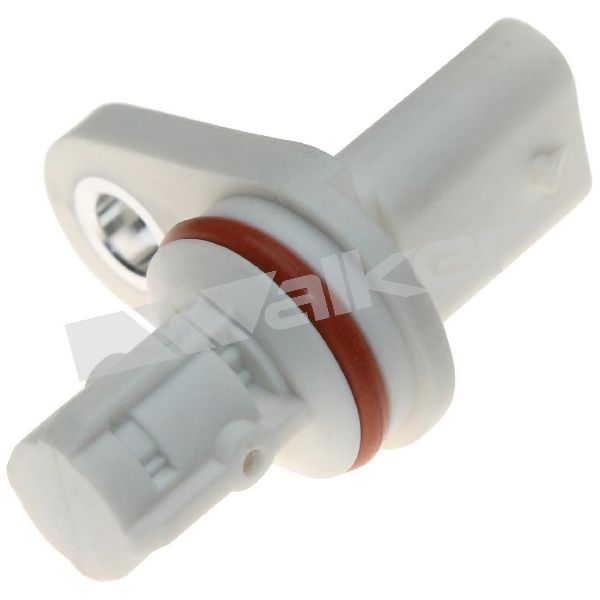
- Engine Oil Pressure Sensor
(OEM #12673134)— This is the most frequent point of failure for this code when the oil level and condition are correct. It is recommended to also replace the small filter screen underneath it at the same time.
Trusted brands: ACDelco, Bosch, Standard Motor Products
OEM price range: $50-$90
Aftermarket price range: $25-$60 - Engine Camshaft Cover
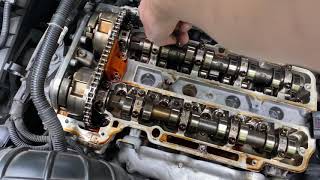
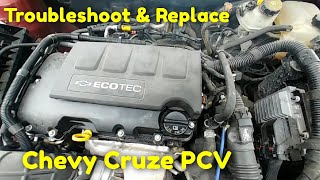
(OEM #25198874)— A known issue documented in TSB #PIP5947C where an internal PCV diaphragm failure can cause P0521 along with other symptoms like misfires or smoke. The entire cover must be replaced. 🎬 See this walkthrough for replacing the 1.4L turbo camshaft cover.
Trusted brands: ACDelco (GM Genuine), Dorman
OEM price range: $150-$220
Aftermarket price range: $80-$150 - Oil Pressure Sensor Filter Screen
(OEM #12585328 (Dorman 917-143 is a common aftermarket equivalent))— This small screen sits below the sensor and can become clogged with debris, leading to false readings. It is best practice to replace it with the sensor.
Related Codes That Often Appear With This One
- P0300 — A random misfire code can appear with P0521 if the issue is related to the camshaft cover failure, as noted in TSB #PIP5947C, which causes oil to foul the spark plugs.
- P06DE — This code for 'Engine Oil Pressure Control Solenoid Valve Stuck On' can appear alongside P0521, pointing towards a more complex issue with the oil pump or its control system, as detailed in TSB #PIP5932C.
- P1101 — This code related to the Mass Airflow Sensor can be set in conjunction with the camshaft cover failure, as mentioned in TSB #PIP5947C.
Technical Service Bulletins (TSBs) & Recalls
- PIP5947C: Advises inspections for potential engine camshaft cover replacement when P0521 is present with misfires or smoke.
- PIP4786C: Notes that a low oil pressure message may be accompanied by DTC P0521.
- PIP5947B: An earlier version of PIP5947C, also linking P0521 to camshaft cover issues.
- PIP5932C: Details diagnostic testing for the engine wiring harness and oil pump related to P0521.
Platform-Specific Known Issues
- TSB #PIP4786C: Explicitly links P0521 to a 'LOW OIL PRESSURE' message on the dash for the 2013 Trax and advises following standard diagnostic procedures.
- TSB #PIP5947C: Warns that a faulty engine camshaft cover (due to internal PCV failure) can cause P0521, possibly with misfires (P0300) or blue smoke, requiring inspection and potential replacement of the cover.
- TSB #PIP5932C: Points technicians towards inspecting the engine wiring harness and performing specific oil pump diagnostic tests when a P0521 code is present, often with P06DE or P06DD.
Mechanic-Grade Diagnostic Values
- 5-Volt Reference Circuit Voltage (at sensor connector) — expected: 4.8V to 5.2V with ignition ON, engine OFF.. Failure: Voltage outside this range points to a wiring issue or a fault in the ECM.
- Low Reference Circuit Resistance (at sensor connector) — expected: Less than 10 Ω between the low reference circuit terminal and a known good ground.. Failure: Resistance higher than 10 Ω indicates a poor ground connection or a break in the wire.
- Engine Oil Pressure Sensor Signal Voltage — expected: Varies with engine RPM. A typical reading at hot idle is around 1.3V.. Failure: The ECM may set P0521 if the voltage is less than 0.1V or greater than 4.4V for more than 10 seconds. A stuck voltage reading also indicates a failure.
- Minimum Hot Oil Pressure (Mechanical Gauge) — expected: At least 6 psi at 1,000 RPM and 18 psi at 2,000 RPM.. Failure: Pressure below these minimums, after ruling out sensor/wiring issues, indicates a mechanical engine problem (e.g., oil pump, worn bearings).
Scan Tool Commands That Help
- GDS2: Engine Oil Pump Screening Test — This is a specific GM diagnostic procedure used when P0521 (or P06DD/P06DE) is suspected but not easily repeatable. The tech runs the engine through a specific cycle of RPM changes to try and induce the fault and set the code, which then points towards oil pump replacement.
Wiring & Ground Locations
- Engine Harness to ECM — The oil pressure sensor is located on the back of the engine block, near the oil filter housing. Its wiring harness runs from this location to the Engine Control Module (ECM).. The wiring harness is exposed to heat and vibration, making it susceptible to chafing or damage, which can cause an open or short in the sensor circuit, triggering P0521. TSB PIP5932C specifically calls for harness inspection.
- Main Engine Ground — There are several main grounds, including a primary ground strap from the battery negative terminal to the chassis and another from the chassis to the engine block.. A poor engine ground can create electrical noise and voltage offsets throughout the engine's sensor network. While not a direct cause, a faulty ground can contribute to erratic sensor readings, including from the oil pressure sensor.
Real Owner Repair Stories
- Reddit user on r/ChevyTrucks (2013 Chevrolet Tahoe (similar GM V8 platform, common issue)) — Recurring P0521 code every 1000-1500 miles after an oil change.
❌ Tried (didn't work) Multiple oil changes., Replacing the oil pressure sensor.
✅ What actually fixed it Switching to a Mobil 1 M1-113A oil filter and ensuring the oil level was consistently full resolved the recurring code. The user noted the engine burned oil, and the code would appear when the level dropped, suggesting the system was sensitive to both filter type and oil level. - Reddit user on r/ChevyTrucks (Chevrolet HHR (similar GM platform)) — Persistent P0521 code after initial sensor replacement.
❌ Tried (didn't work) Replacing the oil pressure sensor with an aftermarket part from a local auto parts store.
✅ What actually fixed it Replacing the new aftermarket sensor with a genuine OEM AC Delco sensor finally resolved the issue.
OEM Part Supersession History
55488247→12727099— Standard part revision and update by the manufacturer.12635397→12727099— Part consolidation and revision.
Helpful Videos

We Have This Part in Stock


The information in this article is provided for general reference and educational purposes only. Vehicle specifications, procedures, and part compatibility can vary by production date, trim level, and region. Always consult your vehicle's factory service manual and verify part numbers before purchasing or performing repairs. Safety-critical components such as airbags, seat belts, and braking systems should be installed by a qualified professional.
- Chevrolet TRAX:
- 🧭 Diagnostic Flowchart
- 🎬 Helpful Videos
- 🛍️ Shop This Part
- What's Unique About the 2013-2020 Chevrolet TRAX
- Symptoms You May Notice
- Most Likely Causes
- Rare But Worth Checking
- Diagnosis Steps
- Parts You'll Likely Need
- Related Codes That Often Appear With This One
- Technical Service Bulletins (TSBs) & Recalls
- Platform-Specific Known Issues
- Mechanic-Grade Diagnostic Values
- Scan Tool Commands That Help
- Wiring & Ground Locations
- Real Owner Repair Stories
- OEM Part Supersession History
- 🎟️ Get 5% Off