

P0521 on 2017-2019 GMC Sierra Denali: Oil Pressure Sensor Causes and Fixes
P0521 on a GMC Sierra Denali indicates an oil pressure sensor performance issue. The most common fixes are replacing a faulty oil pressure sensor and the small screen beneath it, or using the correct ACDelco PF63E oil filter. However, this code can also signal severe mechanical problems like a failing oil pump or damaged engine bearings, so it must be diagnosed immediately.
- P0521 is a critical code. Do not drive the vehicle until it is diagnosed.
- The first and easiest checks are to verify the oil level is correct and that a genuine ACDelco oil filter is installed.
- The most common repair is replacing the oil pressure sensor and the small filter screen located beneath it.
- Always confirm the engine's actual oil pressure with a mechanical gauge before performing expensive repairs.
- Be aware that this code can, in some cases, indicate a severe internal engine problem like a failing oil pump or damaged bearings, as documented in GM service bulletins.
What's Unique About the 2017-2019 Gmc SIERRA DENALI
GM trucks with these Gen V V8 engines have a well-documented history with code P0521. 🎬 Watch: A breakdown of P0521 causes and common fixes. The Active Fuel Management (AFM) and Dynamic Fuel Management (DFM) systems, which deactivate cylinders to save fuel, are highly dependent on precise oil pressure to operate the lifters. This sensitivity makes the engines prone to setting P0521 from causes ranging from simple maintenance items to severe mechanical failures. Manufacturer bulletins specifically point to incorrect aftermarket oil filters as a common trigger. More alarmingly, TSBs like #PIP5630D and 20-NA-161 warn that this code can be the first sign of a sticking oil pump relief valve or, in the worst-case scenario, a damaged #1 main bearing, requiring immediate and expert attention.
Diagnostic Flowchart
Tap your situation to follow the diagnostic path that matches what you're seeing on this vehicle.
Generation note: The 2017-2018 models belong to the third generation (K2XX). The 2019 model year was a split, with both the K2XX generation (as the 'Sierra 1500 Limited') and the new fourth-generation (T1 platform) being sold. The common engines (5.3L L83, 6.2L L86) and the nature of the P0521 code are relevant to both generations, but part numbers and specific TSB applicability may vary. The 2019 T1 platform introduced the updated L84/L87 engines with Dynamic Fuel Management (DFM), which has different oiling system complexities, though the root causes for P0521 remain similar.
Symptoms You May Notice
- Check Engine Light is on
- Low Oil Pressure warning light or message on the instrument panel
- Oil pressure gauge reading abnormally low (near zero) or abnormally high (stuck at max)
- Oil pressure gauge dropping to zero at idle and then rising as RPMs increase
- Engine ticking, knocking, or rattling noises
- Replacing the instrument cluster due to a faulty gauge reading, when the issue is with the sensor or actual oil pressure.
- Assuming the engine is failing without first verifying the oil pressure with a mechanical gauge to rule out a simple sensor fault.
- Replacing the oil pump before thoroughly diagnosing the sensor, screen, wiring, and confirming with a mechanical gauge that pressure is actually low.
Most Likely Causes
- Faulty Engine Oil Pressure Sensor 🔴 High Probability The sensor is located in a high-heat, difficult-to-access area at the back of the engine valley, making it prone to failure. It's a very common failure point on these GM V8 engines, and using aftermarket sensors is known to cause repeat failures.
How to confirm: After verifying actual oil pressure with a mechanical gauge, if the gauge shows good pressure but the scan tool shows an erratic or incorrect reading, the sensor is faulty.
Typical fix: Replace the engine oil pressure sensor and the small filter screen located beneath it. This is a labor-intensive job due to the location.
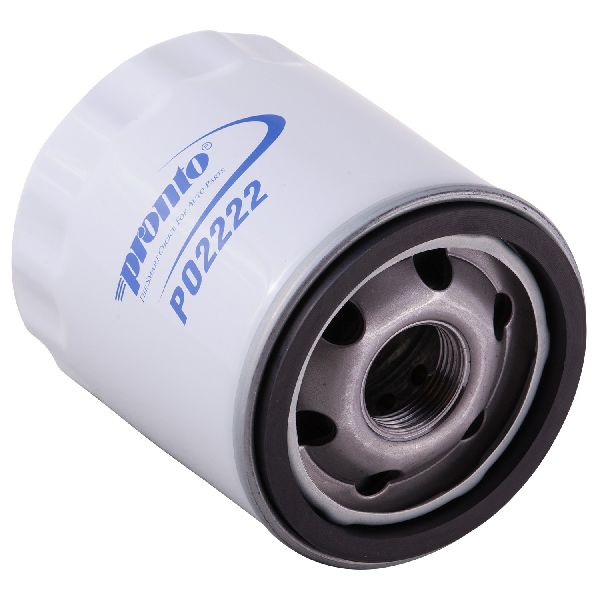
Est. part cost: $40-$100 - Incorrect or Clogged Engine Oil Filter 🔴 High Probability → Shop Engine Oil Filter Adapter GM has issued Technical Service Bulletins (TSBs) specifically stating that using an oil filter other than the recommended ACDelco part can trigger a P0521 code. Aftermarket filters may have different bypass valve specs or flow characteristics that the sensitive system detects.
How to confirm: Check the brand and part number of the installed oil filter. If it is not the specified ACDelco PF63E filter, replace it. Some owners have fixed a persistent P0521 simply by switching back to the OEM filter.
Typical fix: Change the engine oil and replace the filter with a genuine ACDelco PF63E.
Est. part cost: $10-$15 - Low or Incorrect Viscosity Engine Oil 🟡 Medium Probability These engines are sensitive to oil level and type. The Dynamic Fuel Management (DFM) system relies on proper oil pressure to function, and low or incorrect oil (e.g., using 5W-30 instead of the specified 0W-20) can cause pressure deviations that set the code.
How to confirm: Check the engine oil level on the dipstick. Verify that the oil viscosity used matches the manufacturer's recommendation (e.g., 0W-20 for many models).
Typical fix: Top off the oil to the correct level or perform a full oil and filter change with the correct viscosity oil.
Est. part cost: $50-$100 - Clogged Oil Pressure Sensor Filter Screen 🟡 Medium Probability → Shop Engine Oil Pressure Sensor A small, thimble-sized filter screen is located in the block directly under the oil pressure sensor. Sludge or debris from the engine can clog this screen, restricting oil flow to the sensor and causing a false low-reading and a P0521 code. The presence of debris in this screen can be an early indicator of other engine health issues. Note: Some 2019+ models on the T1XX platform may not have this screen from the factory.
How to confirm: This is typically found during the replacement of the oil pressure sensor. The screen will be visibly blocked with dark, sludgy debris.
Typical fix: Remove and replace the small filter screen. It is highly recommended to replace this screen anytime the sensor is replaced.
Est. part cost: $5-$15
Rare But Worth Checking
- Sticking Oil Pump Pressure Relief Valve: → Shop Engine Oil Pump A known issue documented in TSB #PIP5630D and #20-NA-161. The valve inside the oil pump can stick, causing intermittent or consistently low oil pressure, which sets the P0521 code. This is a serious mechanical issue requiring oil pump replacement, a major repair that can cost thousands.
- Damaged #1 Main Bearing: This is a worst-case scenario mentioned in TSB #20-NA-161. If the oil pressure is confirmed to be low with a mechanical gauge, the TSB directs technicians to inspect the #1 main bearing for damage. A spun or damaged bearing requires major engine repair or complete engine replacement.
- Wiring Harness or Connector Issue: The wiring to the sensor is in a hot, difficult-to-reach area. The connector can become brittle, or wires can chafe against the firewall or intake manifold, causing a short or open circuit that mimics a sensor failure.
Diagnosis Steps
- Check the engine oil level and condition. Top up or change if necessary, ensuring the correct viscosity (usually 0W-20) is used.
- Verify that the correct, manufacturer-specified oil filter is installed (ACDelco PF63E). If not, replace it.
- Connect a scan tool to read the oil pressure value reported by the ECM. Note the value at idle and at higher RPMs (e.g., 2500 RPM).
- Crucially, connect a mechanical oil pressure gauge to the engine to measure the actual oil pressure. The port is where the sensor is located. Compare the mechanical reading to the scan tool reading.
- If the mechanical pressure is good (e.g., >22-24 PSI at hot idle @ 1000 RPM) but the scan tool reading is low, high, or erratic, the problem is likely the oil pressure sensor, its filter screen, or the wiring.
- Inspect the sensor's wiring and connector for damage. If the wiring is good, replace the oil pressure sensor and the small filter screen underneath it (if applicable). This is a difficult job due to the sensor's location behind the intake manifold.
- If the mechanical pressure is confirmed to be low (e.g., <20 PSI at hot idle), this indicates a serious mechanical problem. Per TSB #20-NA-161 and #24-NA-173, the next step is to inspect the oil pump (for a sticking relief valve) and the #1 main bearing for damage, which requires dropping the oil pan.
Parts You'll Likely Need
- Engine Oil Pressure Sensor
(OEM #12673134)— This sensor is the most common point of failure for a P0521 code when actual oil pressure is normal. It is known to fail frequently. This part number supersedes older versions like 12621234 and 12596951.
Trusted brands: ACDelco (OEM recommended)
OEM price range: $50-$70
Aftermarket price range: $30-$50 - Engine Oil Pressure Sensor Filter Screen
(OEM #12585328)— This small screen under the sensor often gets clogged with sludge, causing a false reading. It should always be replaced with the sensor. Note: May not be present on 2019+ T1XX platform trucks.
Trusted brands: ACDelco, Dorman
OEM price range: $5-$15
Aftermarket price range: $3-$10 - Engine Oil Filter
(OEM #PF63E)— GM TSBs specifically mention that using non-OEM filters can cause this code. The 'E' version has an upgraded bypass valve design to meet the pressure requirements of modern GM engines.
Trusted brands: ACDelco
OEM price range: $10-$15
Aftermarket price range: $5-$12
Related Codes That Often Appear With This One
- P06DD - Engine Oil Pressure Control Circuit Stuck Off: This code is often seen with P0521 and points more directly toward a problem with the oil pump or its control solenoid.
Technical Service Bulletins (TSBs) & Recalls
- TSB #PIP5630D: Warns that for a P0521 code, a sticking oil pump relief valve or a damaged #1 main bearing are potential causes that must be investigated if low oil pressure is confirmed.
- TSB #20-NA-161: Supersedes earlier bulletins, providing a clear diagnostic path for P0521. It states the condition may be caused by a sticking oil pressure relief valve. It directs technicians to check the #1 main bearing for damage if low pressure is confirmed, and outlines repair paths from oil pump replacement to full engine replacement depending on the findings.
- TSB #PIP5276F: An older bulletin that highlights the importance of using the correct ACDelco oil filter to prevent P0521 codes.
- TSB #24-NA-173: A recent bulletin (2024) that reiterates that a stuck oil pressure relief valve is a primary cause for P0521, especially if the sensor has been replaced previously without resolving the issue. It advises a mechanical pressure test at the sensor port.
Platform-Specific Known Issues
- TSB #20-NA-161 and #PIP5630D warn that for a P0521 code, a sticking oil pump relief valve or a damaged #1 main bearing are potential causes that must be investigated if a mechanical gauge confirms low pressure.
Mechanic-Grade Diagnostic Values
- Minimum Engine Oil Pressure (5.3L V8, engine at operating temp) — expected: For VIN '3' engines (common in this range): 24 PSI @ 1000 RPM, 35 PSI @ 2000 RPM, 38 PSI @ 3000 RPM.. Failure: Pressure readings below these minimums on a mechanical gauge indicate an internal engine issue (e.g., pump, bearings). A reading under 20 PSI at hot idle is a strong indicator of a sticking oil pump relief valve.
- Engine Oil Pressure Sensor Circuit Voltages (Key On, Engine Off) — expected: The 3-wire connector should show: ~5V on the reference wire (Gray or Green), a good ground (<100mV) on the ground wire (Black), and 0V on the signal wire (Tan/White).. Failure: Missing 5V reference or ground indicates a wiring or ECM issue. Voltage on the signal wire with the sensor disconnected suggests a short to power.
- ECM Comparison Threshold — expected: The ECM compares the actual sensor reading to a predicted value based on engine speed and temperature.. Failure: A P0521 code is set when the difference between the predicted and actual oil pressure is greater than 7.3 PSI or less than -6.8 PSI.
Scan Tool Commands That Help
- GDS2 (GM Dealer Scan Tool): Oil Pressure Control Solenoid (OCV) On/Off Command — This is used when diagnosing a related code P06DD (Engine Oil Pressure Control Circuit Stuck Off). A technician can command the two-stage oil pump's solenoid on and off at specific RPMs (e.g., 1400 and 2500 RPM) to verify the pump is changing pressure stages correctly. This helps isolate a faulty oil pump solenoid from other issues.
Wiring & Ground Locations
- Engine Oil Pressure Sensor Connector — At the back of the engine block, below the intake manifold, near the firewall.. This 3-pin connector and its wiring are common failure points due to heat and vibration. Wires can chafe, and the connector can become brittle or contaminated with oil, causing a poor signal.
- ECM Connector J2, Pin 60 — On the Engine Control Module (ECM).. This is the specific pin where the Engine Oil Pressure Sensor Signal (LT BLU/RED wire in some diagrams) terminates. A continuity test between this pin and the sensor connector can verify the integrity of the signal wire.
Real Owner Repair Stories
- Reddit user in r/ChevyTrucks (Chevrolet Truck with recurring P0521) — Check engine light with P0521 would return 100-1000 miles after clearing.
❌ Tried (didn't work) Replacing the oil pressure sensor multiple times., Removing the sensor filter screen.
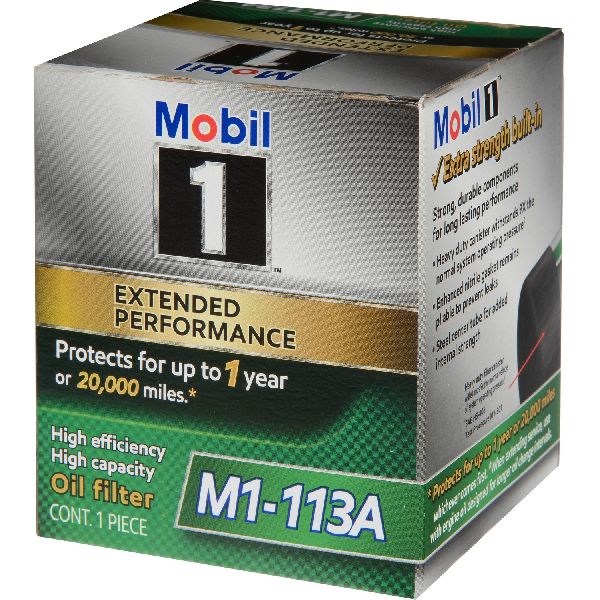
✅ What actually fixed it Switching to a Mobil 1 M1-113A oil filter resolved the issue permanently. This highlights the system's sensitivity to filter specifications. - Reddit user in r/ChevyTrucks (Chevrolet Truck with P0521) — Check engine light with P0521 returned after replacing the sensor.
❌ Tried (didn't work) Replacing the sensor with an aftermarket part from a local auto parts store.
✅ What actually fixed it The problem was only resolved after replacing the aftermarket sensor with a genuine OEM (ACDelco) sensor. This is a common theme reported by many owners and technicians.
OEM Part Supersession History
PF63→PF63E— The PF63E has an improved bypass valve design with a higher opening pressure (22 PSI vs 15 PSI) to meet the demands of newer engines with tighter tolerances and higher oil pressures.
Heads up: Using a non-'E' version or an incorrect aftermarket filter with different bypass specs is a known cause of P0521.12621234, 12596951→12673134— GM regularly updates part designs to integrate new materials and technologies for improved reliability and performance.
Heads up: While older numbers may fit, using the latest superseded part number (12673134) is highly recommended to prevent repeat failures, a common issue with aftermarket or older versions of this sensor.PF63E (older design)→PF63 (new design, 2023+ box)— A 2024 design change for the PF63 filter (no 'E' on the box) features a redesigned baseplate for what appears to be improved flow, possibly to better service a wider range of engines including the L5P Duramax. The internal media and construction remain similar.
Model Year Variations Within This Range
- 2019+: Some technicians and owners report that on the 2019+ T1XX platform trucks (new body style), the small filter screen (PN 12585328) located underneath the oil pressure sensor is no longer installed from the factory. When servicing, do not be alarmed if it is missing.
- 2017-2018 (K2XX) vs. 2019 (T1): The location of the oil pressure sensor changed between generations. On pre-2014 LS engines, it was at the top-rear of the engine. On 2014-2019 L83/L86 engines, it is located at the front of the engine, under the intake manifold, near the throttle body, making access different.
Helpful Videos



![Error Code P0521-GMC Sierra/Silverado Circa 2010 Models Interpretation&What to do [Error Code P0521]](https://img.youtube.com/vi/f-9vNaiw8-8/mqdefault.jpg)
We Have This Part in Stock


The information in this article is provided for general reference and educational purposes only. Vehicle specifications, procedures, and part compatibility can vary by production date, trim level, and region. Always consult your vehicle's factory service manual and verify part numbers before purchasing or performing repairs. Safety-critical components such as airbags, seat belts, and braking systems should be installed by a qualified professional.
- Gmc SIERRA DENALI:
- 🧭 Diagnostic Flowchart
- 🎬 Helpful Videos
- 🛍️ Shop This Part
- What's Unique About the 2017-2019 Gmc SIERRA DENALI
- Symptoms You May Notice
- Most Likely Causes
- Rare But Worth Checking
- Diagnosis Steps
- Parts You'll Likely Need
- Related Codes That Often Appear With This One
- Technical Service Bulletins (TSBs) & Recalls
- Platform-Specific Known Issues
- Mechanic-Grade Diagnostic Values
- Scan Tool Commands That Help
- Wiring & Ground Locations
- Real Owner Repair Stories
- OEM Part Supersession History
- Model Year Variations Within This Range
- 🎟️ Get 5% Off