

P0562 on 2011-2016 Kia Sportage: System Voltage Low Causes and Fixes
On a 2011-2016 Kia Sportage, code P0562 almost always means the alternator is failing or the battery is old and weak. Start by testing the battery, but expect to replace the alternator. A new alternator costs roughly $150-$300 for the part, and it's a moderately easy DIY job (2/5 difficulty). Driving is not recommended as the vehicle can stall unexpectedly.
- P0562 means your vehicle's electrical system voltage is dangerously low.
- Do not drive the vehicle, as it can stall without warning, creating a major safety risk.
- The most likely cause is a failed alternator, followed closely by a weak or dead battery.
- Always test both the battery (with a load tester) and the alternator's output voltage before replacing any parts to avoid misdiagnosis.
- Also, check for simple fixes first, like cleaning corroded battery terminals and ensuring all connections are tight.
What's Unique About the 2011-2016 Kia Sportage
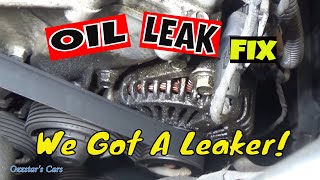
For the third-generation Kia Sportage (2011-2016), the P0562 code is a straightforward electrical issue with no unique platform-specific quirks. The charging system design is conventional for this era. The most common culprits are simply an alternator or battery that has reached the end of its service life, which is typical for vehicles of this age. There are no widespread, documented factory defects related to the charging system that make this model unusually prone to this code. However, its platform-mate, the Hyundai Tucson, has a known issue where oil leaks from the valve cover gasket can drip onto and damage the alternator, which is something to look for.
Generation note: The 2011-2016 model years all fall within the third generation (SL) of the Kia Sportage, so there are no generational differences to consider for this code.
Symptoms You May Notice
- Check Engine Light is on
- Battery warning light is on
- Dimming or flickering headlights and interior lights
- Engine stalling, especially at idle
- Difficulty starting the engine or a no-start condition
- Erratic behavior from electrical components like the radio or power windows
- Loss of power steering as it is electric.
- Whining or grinding noise from the alternator
- Instrument cluster gauges behaving erratically or going dark.
- Transmission not shifting properly.
- Replacing the battery when the alternator is the actual cause. It's crucial to test both components before buying parts. A new battery will quickly be drained by a faulty alternator, leaving you stranded again.
Most Likely Causes
- Failing Alternator 🔴 High Probability → Shop Alternator Alternators have a finite lifespan, typically around 8 years or 100,000-150,000 miles. Vehicles in this year range are at an age where alternator failure due to worn internal components (like brushes or the voltage regulator) is common.
How to confirm: With the engine running, use a multimeter to test the voltage at the battery terminals. A healthy alternator should produce between 13.7 and 14.7 volts. If the voltage is below 13V or doesn't increase when the engine is running, the alternator is likely faulty. Many auto parts stores can perform a more comprehensive charging system test for free.
Typical fix: Replace the alternator. In some cases, only the voltage regulator on the back of the alternator needs replacement, which is a cheaper but more involved repair.
Est. part cost: $150-$350 - Weak or Old Battery 🔴 High Probability → Shop Vehicle Battery Car batteries typically last 3-5 years. A battery that can no longer hold a proper charge will cause the system voltage to drop, especially under load. A fully discharged battery can also suffer permanent damage and may not recover to full capacity.
How to confirm: Test the battery with a multimeter when the engine is off. A healthy battery should read about 12.6 volts. Have a load test performed at an auto parts store; this is the most definitive way to confirm a weak battery. A voltage drop below 9.6 volts during startup also indicates a weak battery.
Typical fix: Replace the battery.
Est. part cost: $150-$250 - Corroded or Loose Battery Terminals/Cables 🟡 Medium Probability → Shop Vehicle Battery
How to confirm: Visually inspect the battery terminals for white or greenish corrosion. Check that both the positive and negative cable clamps are tight and cannot be moved by hand. Also check the other end of the cables, especially the main ground to the chassis and the positive cable to the starter/fuse box.
Typical fix: Disconnect the battery (negative first) and clean the terminals and cable clamps with a wire brush and a baking soda/water solution. Reconnect and tighten securely.
Est. part cost: $1-$10 for cleaning supplies - Poor Ground Connection ⚪ Low Probability
How to confirm: Inspect the main engine-to-chassis ground strap for corrosion, damage, or looseness. You can test for a bad ground by connecting a jumper cable from the negative battery terminal to a clean metal point on the engine block and checking if the voltage reading improves.
Typical fix: Clean the contact points of the ground strap with a wire brush or sandpaper and ensure it is securely fastened. Replace the strap if it is frayed or damaged.
Est. part cost: $15-$40
Rare But Worth Checking
- Slipping or Worn Serpentine Belt: → Shop Serpentine Belt If the belt that drives the alternator is slipping, the alternator cannot spin at the proper speed to generate sufficient voltage. This is often accompanied by a squealing noise during startup or acceleration.
- Parasitic Battery Drain: → Shop Vehicle Battery A faulty module, relay, or aftermarket accessory can sometimes stay on after the car is turned off, slowly draining the battery and potentially causing a P0562 code upon startup.
- Oil Leak onto Alternator: → Shop Alternator On the related Hyundai Tucson, a leaking valve cover gasket can drip oil directly onto the alternator, causing premature failure. While not widely reported on the Sportage, it's a possibility worth checking due to the shared platform.
Diagnosis Steps
- Read the codes: Use an OBD-II scanner to confirm P0562 is the primary code.
- Inspect visually: Check the battery terminals for corrosion and tightness. Inspect the serpentine belt for cracks, fraying, or looseness. Look for any obvious damage to the alternator wiring. Check for oil leaking from the valve cover onto the alternator. 🎬 Watch how a leaking valve cover gasket ruins alternators
- Test the battery (engine off): 🎬 See how to test the battery with a multimeter Use a multimeter to check the battery's static voltage. A reading of 12.4V-12.6V is healthy. Below 12V indicates a discharged or failing battery.
- Perform a battery load test: The most reliable way to check battery health. Most auto parts stores will do this for free.
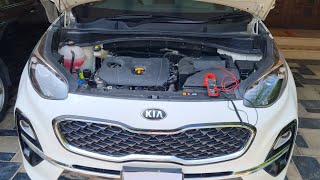
- Test the charging system (engine running): Start the engine and measure the voltage at the battery terminals. It should be between 13.7V and 14.7V. If the voltage is low or unchanged from the static reading, the alternator is not charging.
- Check ground connections: Ensure the main ground strap from the engine/transmission to the chassis is clean and tight.
- If all else tests good, investigate for a parasitic drain, which may require more advanced diagnostics.
Parts You'll Likely Need
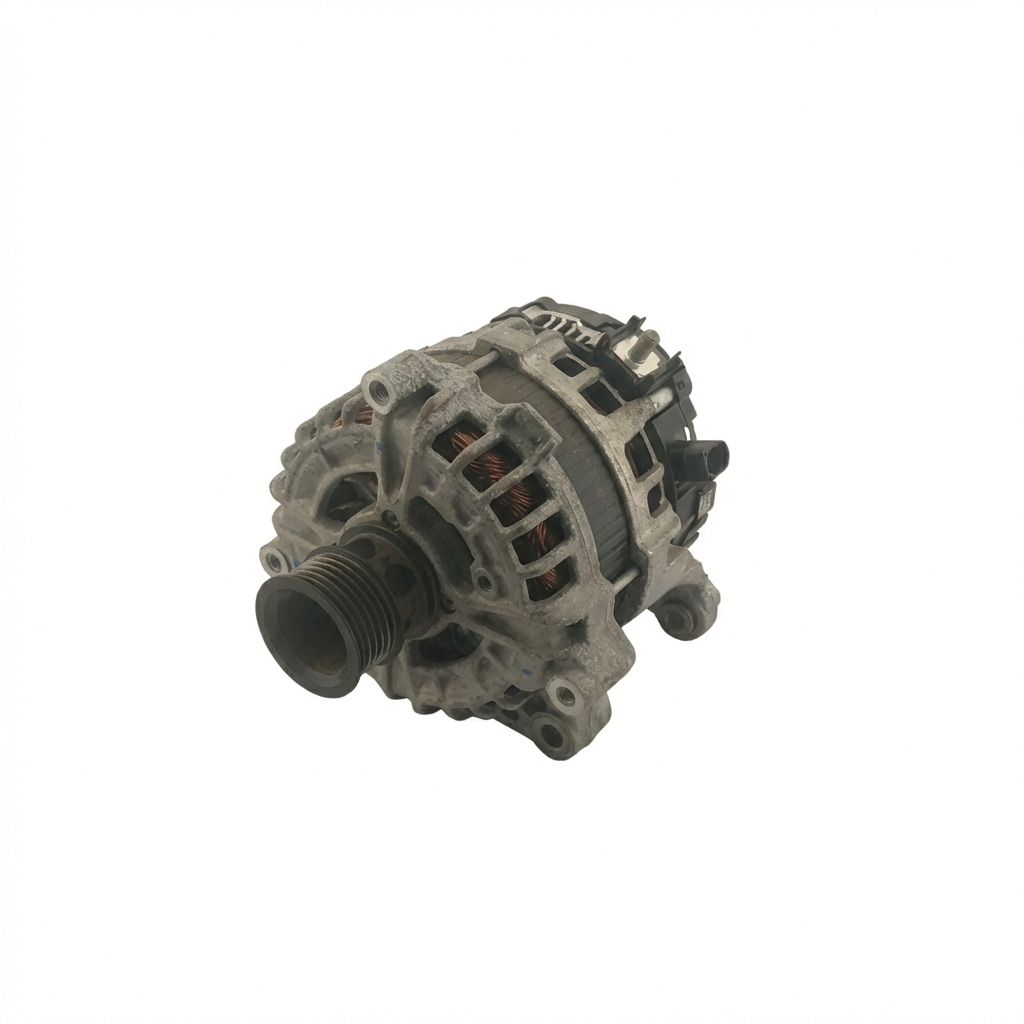
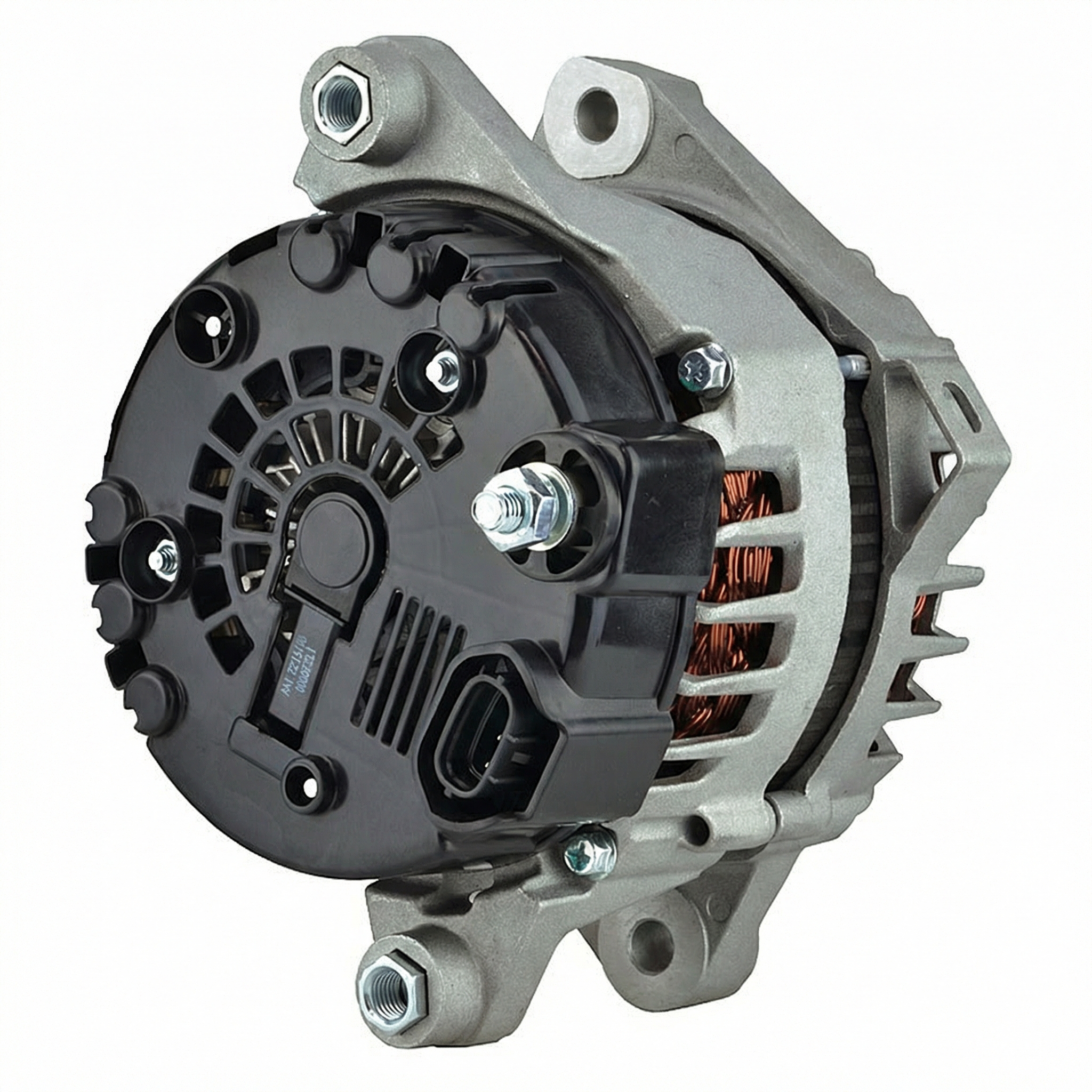
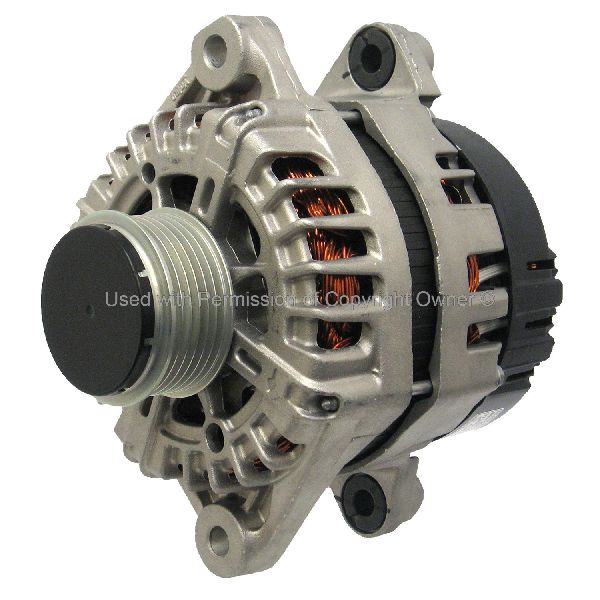
- Alternator
(OEM #37300-25700 (2011-2013), 37300-2G750RU (2014-2016 Remanufactured).)— This is the most common component to fail and directly cause the P0562 code by not providing adequate voltage to charge the battery and run the vehicle's electronics.
Trusted brands: Mando, Bosch, Denso, TYC
OEM price range: $300-$500
Aftermarket price range: $150-$300 - Battery — An old battery that can no longer hold a charge is the second most likely cause. A bad alternator can also permanently damage a battery, requiring replacement of both parts.
Trusted brands: DieHard, Duralast, Interstate
OEM price range: $200-$300
Aftermarket price range: $150-$250
Technical Service Bulletins (TSBs) & Recalls
- While no TSBs directly address the P0562 code, several exist for related electrical and software issues. For example, TSB CS2302 involves a Body Control Module (BCM) software upgrade for anti-theft logic on 2011-2016 models. It's always wise to check for the latest software updates during any electrical diagnosis.
Mechanic-Grade Diagnostic Values
- Voltage Drop: Alternator B+ Post to Positive Battery Terminal — expected: < 0.5 Volts (ideally < 0.2V) with engine running and electrical loads on (headlights, blower fan).. Failure: A reading higher than 0.5V indicates excessive resistance in the main charging cable or its connections, possibly at the main fusible link.
- Voltage Drop: Alternator Case to Negative Battery Terminal — expected: < 0.2 Volts with engine running and electrical loads on.. Failure: A reading higher than 0.2V indicates a poor ground connection between the alternator/engine and the battery/chassis.
- Scan Tool Live Data: Alternator Field Duty Cycle — expected: Varies with electrical load, but should not be consistently at 99-100% while charging voltage remains low.. Failure: A high duty cycle command (e.g., >90%) from the PCM without a corresponding increase in system voltage (staying below 13V) strongly suggests a faulty alternator that cannot meet the commanded output.
Scan Tool Commands That Help
- Kia GDS (Global Diagnostic System): Live Data / Current Data (Engine) — Use this function to monitor 'Battery Voltage' and 'Alternator Field Duty Cycle' PIDs in real-time. This helps determine if the PCM is commanding the alternator to charge and what the resulting system voltage is, which is crucial for distinguishing between a faulty alternator and a PCM/wiring issue.
Wiring & Ground Locations
- Engine Block to Chassis Ground — A primary ground strap typically runs from the engine block or transmission housing to the vehicle's frame rail or inner fender, often near the driver's side.. This is the main ground path for the alternator. High resistance or a break in this strap will prevent the alternator from effectively charging the battery, causing a system-wide voltage drop and triggering P0562 even if the alternator itself is healthy.
- Battery to Chassis Ground — The main negative battery cable connects directly to a grounding point on the chassis, usually on the inner fender wall near the battery tray.. This is the primary ground for the entire vehicle's electrical system. Corrosion or a loose connection here will affect all electronic modules and can be a root cause of low system voltage.
- Main Fusible Link / Multi-Fuse Block — Located in the engine compartment fuse box, often attached directly to the positive battery terminal clamp.. This block contains the main high-amperage fuse (e.g., 150A-175A) that protects the charging circuit. The alternator's main output wire connects here. A hairline crack or internal corrosion in this fuse can create high resistance or an open circuit, preventing charging current from reaching the battery.
Real Owner Repair Stories
- Kia-Forums user post (2012 Kia Sportage) — P0562 code, battery light on, vehicle would die intermittently. All symptoms of a bad alternator.
❌ Tried (didn't work) Replaced the battery., Replaced the alternator with an aftermarket unit.
✅ What actually fixed it The main 150A fusible link in the fuse box was found to have a hairline crack that was not obvious on visual inspection. Replacing the multi-fuse block resolved the charging issue and cleared the P0562 code permanently. - NHTSA ODI #11702693 — In a related Kia model, an owner reported that after the vehicle was diagnosed, multiple DTCs were retrieved including P0562, C1260, and several other chassis and engine codes, highlighting how low system voltage can trigger a cascade of unrelated error codes across different modules.
Model Year Variations Within This Range
- 2011-2013: These pre-facelift models typically use alternator part number 37300-25700.
- 2014-2016: The facelift models, particularly those with the 2.4L GDI engine, use a different alternator, with the remanufactured OEM part number often being 37300-2G750RU. It is critical to verify the correct part number by VIN, as using the wrong alternator can lead to charging issues or improper fitment.
Diagnostic Flowchart
Other Known Issues on This Vehicle
Issues unrelated to this code that are worth knowing about as an owner of this generation:
- Theta II Engine Failure 🔴 High — Widespread across multiple Kia/Hyundai models with the 2.0L and 2.4L GDI engines. Can occur at various mileages, often due to connecting rod bearing failure from manufacturing debris restricting oil flow. (Ref: Multiple recalls and a class-action lawsuit have been issued. Kia extended engine warranty coverage for this issue.)
- Excessive Oil Consumption 🟠 Medium — Common on the 2.4L Theta II engine, often starting after 100,000 miles. It is sometimes attributed to carbon buildup on piston rings. If unchecked, it can lead to oil starvation and engine failure. (Ref: TSB ENG222 addresses excessive oil consumption diagnosis.)
- Vehicle Theft Vulnerability 🔴 High — Affects models not equipped with a push-button start and immobilizer. These vehicles are susceptible to theft using a simple USB cable. (Ref: TSB CS2302 provides a software update to the Body Control Module to add an anti-theft logic to the ignition system.)
Used vs. New Parts: Buying Guide for This Vehicle
When a used part is the smart pick: A used OEM alternator from a reputable salvage yard can be a cost-effective option if the budget is tight. It is generally a better choice than a new, no-name aftermarket part from an online marketplace.
Donor-vehicle mileage cap: roughly under 80000 miles for the part to have meaningful remaining life.
What to inspect on the donor part:
- Check for a clean pulley that spins freely and quietly with no bearing noise or roughness.
- Inspect the housing for any signs of oil contamination, which can lead to premature failure.
- Ensure the electrical connectors and the main B+ terminal stud are not corroded or damaged.
- Ask for the donor vehicle's mileage and, if possible, a short warranty (30-90 days) from the salvage yard.
Aftermarket brands forum-validated for this vehicle:
- Mando (often the original equipment manufacturer for Kia)
- Denso
- Bosch (Remanufactured)
Brands owners have reported issues with on this vehicle:
- Generic, unbranded "new" alternators from online marketplaces often have high failure rates and may not meet OEM charging specifications.
Real Owner Stories
Aggregated from forums and TSBs cited above. Mileages and costs reflect what owners reported in those sources.
2011 Kia Sportage
Symptoms: The gauge cluster was behaving erratically, accessories were losing power, and the electric power steering locked up while driving.
What fixed it: The owner investigated the battery and alternator, though the symptoms pointed toward a complex wiring or ground issue.
Source hint: Reddit r/MechanicAdvice - 2011 Kia Sportage Electrical Issue
Related OBD-II Codes
Frequently Asked Questions
Could an oil leak from my valve cover be causing the P0562 code on my Kia Sportage?
Is there a TSB for the electrical issues and gauge cluster behavior I'm seeing on my 2011-2016 Sportage?
My electric power steering stopped working along with the battery light; is this related to P0562?
Which alternator brands are recommended for a 2011-2016 Kia Sportage replacement?
Can I use an alternator from a Hyundai Tucson to fix my Sportage?
How can I tell if my P0562 code is just a bad ground strap?
Helpful Videos
Used OEM Parts in Stock
New Aftermarket Parts Available



The information in this article is provided for general reference and educational purposes only. Vehicle specifications, procedures, and part compatibility can vary by production date, trim level, and region. Always consult your vehicle's factory service manual and verify part numbers before purchasing or performing repairs. Safety-critical components such as airbags, seat belts, and braking systems should be installed by a qualified professional.
- Kia Sportage:
- 🧭 Diagnostic Flowchart
- 🎬 Helpful Videos
- 🛍️ Shop This Part
- What's Unique About the 2011-2016 Kia Sportage
- Symptoms You May Notice
- Most Likely Causes
- Rare But Worth Checking
- Diagnosis Steps
- Parts You'll Likely Need
- Technical Service Bulletins (TSBs) & Recalls
- Mechanic-Grade Diagnostic Values
- Scan Tool Commands That Help
- Wiring & Ground Locations
- Real Owner Repair Stories
- Model Year Variations Within This Range
- Other Known Issues on This Vehicle
- Used vs. New Parts: Buying Guide for This Vehicle
- Real Owner Stories
- 2011 Kia Sportage
- Related OBD-II Codes
- Frequently Asked Questions
- 🎟️ Get 5% Off