

P0562 on 2013-2018 Nissan Altima: System Voltage Low Causes and Fixes
On a 2013-2018 Nissan Altima, code P0562 almost always points to a failing alternator or a weak battery. Start by testing both components; replacement of one or the other is the most common fix. Expect to pay $200-$400 for a new alternator and $150-$250 for a new battery.
- P0562 on a 2013-2018 Altima means the electrical system voltage is too low.
- The most likely causes are a bad alternator or a failing battery.
- Do not ignore this code. It can lead to stalling and is a significant safety risk.
What's Unique About the 2013-2018 Nissan Altima
For the 2013-2018 Altima (L33 generation), the P0562 code does not point to a uniquely common design flaw or a pattern of premature failure outside the norm. The causes are typical for most modern vehicles, centering on the battery and alternator. Unlike some vehicles with complex battery management systems that can complicate diagnosis, troubleshooting on the Altima is generally straightforward, focusing on the fundamental components of the charging system. However, owners should be aware that intermittent electrical issues, or 'gremlins,' are a general complaint for this platform, which can sometimes complicate a diagnosis if the root cause isn't a simple battery or alternator failure.
Symptoms You May Notice
- Check Engine Light is on
- Battery warning light is on
- Dimming or flickering headlights and interior lights
- Difficulty starting the engine, or a no-start condition
- Engine stalling, especially at idle
- Erratic behavior from electrical components like the radio or power windows
- Poor transmission shifting performance
- Whining noise from the alternator that changes with engine RPM
- Replacing the battery when the alternator is the actual cause of the problem. If a new battery fixes the issue temporarily but the code returns, the alternator is likely not charging the new battery.
- Overlooking a bad ground connection. A corroded or loose engine or chassis ground strap can create high resistance and prevent the charging system from working correctly, mimicking a failed alternator.
Most Likely Causes
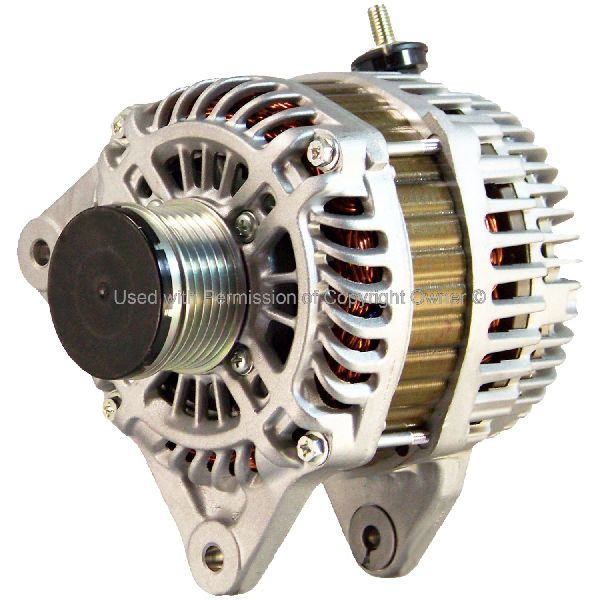
- Failing Alternator 🔴 High Probability → Shop Alternator Alternators are wear-and-tear items, and failure is common as vehicles age and accumulate mileage. There is no specific design flaw making the Altima more prone, but it's the most likely culprit for a charging system issue that triggers P0562 while the engine is running.
How to confirm: With the engine running, use a multimeter to test the voltage at the battery terminals. A healthy alternator should produce between 13.7 and 14.7 volts. If the voltage is below this range or near battery voltage (around 12.6V), the alternator is likely faulty. Most auto parts stores can also test your alternator for free.
Typical fix: Replace the alternator. This involves removing the serpentine belt, disconnecting the electrical connectors, and unbolting the unit.
Est. part cost: $200 - $400 - Weak or Defective Battery 🔴 High Probability → Shop Vehicle Battery Car batteries typically last 3-5 years. A battery that can no longer hold a proper charge will cause the system voltage to be low, especially during startup.
How to confirm: With the engine off, test the battery voltage with a multimeter. A healthy battery should read approximately 12.6 volts. If it's below 12.4V, it may be discharged or failing. A load test, which can be performed at most auto parts stores, is the definitive way to confirm a bad battery.
Typical fix: Replace the battery.
Est. part cost: $150 - $250 - Corroded or Loose Battery Terminals/Cables 🟡 Medium Probability → Shop Vehicle Battery Corrosion is a common issue on all vehicles, creating resistance that prevents the battery from receiving a full charge from the alternator or delivering proper voltage to the system.
How to confirm: Visually inspect the battery terminals for white or greenish buildup. Check that the cable clamps are tight and cannot be moved by hand. Inspect the full length of the positive and negative cables for damage or corrosion.
Typical fix: Clean the battery terminals and cable ends with a wire brush. If the cables are damaged, they must be replaced.
Est. part cost: $5 - $50
Rare But Worth Checking
- Damaged Wiring to the Alternator: → Shop Alternator The wiring harness or connectors for the alternator can become damaged or corroded, leading to a loss of charging voltage. This is worth checking before replacing an alternator that tests good.
- Parasitic Battery Drain: → Shop Vehicle Battery An electrical component that doesn't shut off when the car is off can drain the battery, causing a low voltage state on startup. This can trigger P0562, though it's often accompanied by a dead battery after sitting overnight.
- Faulty Intelligent Power Distribution Module (IPDM): → Shop Fuse Box The IPDM, located in the engine bay fuse box, acts as a central electrical hub. Corrosion or internal failure of its non-serviceable relays can cause a variety of electrical issues, including symptoms that could lead to a P0562 code, such as no-start conditions.
- Faulty Powertrain Control Module (PCM): This is extremely rare. The PCM itself can fail and misinterpret the voltage reading, but all other possibilities should be exhausted before considering this.
Diagnosis Steps
- Read the Code: Use an OBD-II scanner 🎬 See how to fix code P0562 in 5 simple steps. to confirm P0562 is the only code present. If other codes exist, address them as they may be related.
- Visual Inspection: Inspect the battery terminals for corrosion and ensure they are tight. Check the alternator drive belt for proper tension and condition. A slipping belt can cause undercharging.
- Test the Battery: With the engine off, use a multimeter to check the battery's static voltage. A reading of 12.6V indicates a full charge, while 12.4V is about 75% charged. Anything lower warrants a recharge and load test.
- Test the Alternator: Start the engine and measure the voltage across the battery terminals. The reading should be between 13.7V and 14.7V. If the voltage is low, remains at battery voltage, or doesn't increase when the engine is revved, the alternator is likely faulty.
- Check Connections: If the battery and alternator test good, inspect the main battery cables and the ground strap from the engine to the chassis for corrosion or damage. Ensure the alternator's electrical connector is secure.
- Check for Parasitic Drain: If the battery repeatedly dies, perform a parasitic drain test using a multimeter to find a circuit that is drawing power when the vehicle is off.
- Clear Code and Test Drive: After performing repairs, clear the P0562 code with the scanner and test drive the vehicle to ensure the code does not return.
Parts You'll Likely Need
- Alternator
(OEM #23100-3TA1A, 23100-3TA1B (superseded by 2310M-3TA1BRW for remanufactured unit))— The alternator is the most common point of failure in the charging system that leads to a persistent low voltage condition while the engine is running.
Trusted brands: Hitachi, Bosch, Denso, Valeo, DB Electrical
OEM price range: $350-$500
Aftermarket price range: $200-$400 - Battery — A battery that is old or has failed internally cannot hold a sufficient charge, causing the system voltage to drop and trigger the P0562 code.
Trusted brands: Interstate, DieHard, Duralast, ACDelco
OEM price range: $200-$300
Aftermarket price range: $150-$250
Platform-Specific Known Issues
- Owner Experiences: Multiple owners on forums and in repair videos confirm that the P0562 code on the L33 Altima is overwhelmingly caused by a failed alternator. A typical repair story involves noticing dimming lights and the battery light, testing the system to find charging voltage below 13V, and successfully resolving the issue by replacing the alternator. A DIY replacement is considered manageable for those with moderate experience.
Diagnostic Flowchart
Other Known Issues on This Vehicle
Issues unrelated to this code that are worth knowing about as an owner of this generation:
- Continuously Variable Transmission (CVT) Failure 🔴 High — Widespread issue, particularly in 2013-2016 models. Symptoms like shuddering, hesitation, and whining can appear well before 100,000 miles. (Ref: Multiple TSBs issued, including NTB17-039k, NTB15-084e, and NTB15-102, to address judder, whining, and stored DTCs. A class-action lawsuit was also settled for 2013-2016 models.)
- Dimming Halogen Headlights 🟠 Medium — Very common across the entire 2013-2018 model range. The reflective coating inside the headlamp assembly delaminates, causing progressively dimmer low beams. (Ref: A class-action lawsuit resulted in a settlement that extended the warranty for this specific issue to six years. Nissan will replace affected headlamps for free under this program.)
- Failing Secondary Hood Latch 🔴 High — Affects all 2013-2018 models. Corrosion can cause the secondary latch to fail, potentially allowing the hood to fly open while driving if the primary latch is not engaged. (Ref: NHTSA Recall #20V315000 was issued to address this safety-critical problem.)
- Premature Suspension Wear 🟠 Medium — Owners report premature wear of components like control arms and bushings. A recall was issued for 2013 models for loose suspension bolts. (Ref: Recall for loose bolts on 2013 models.)
- Failing A/C Compressor 🟠 Medium — A notable number of owners report A/C compressor failures, sometimes due to rubbing against the vehicle's frame, leading to expensive repairs.
Real Owner Stories
Aggregated from forums and TSBs cited above. Mileages and costs reflect what owners reported in those sources.
2013-2017 Nissan Altima
Symptoms: Dashboard started flickering during cold starts. The OBD-II scanner kept showing P0562 – System Voltage Low, but the battery (12.6V static) and alternator (13.8–14.4V) looked normal.
What fixed it: Replacing the battery current sensor.
Source hint: Nissan-specific diagnostic forums (aggregated) in owner_reports
2013-2018 Nissan Altima (L33)
Symptoms: Noticing dimming lights and the battery light; testing the system found charging voltage below 13V.
What fixed it: Replacing the alternator.
Source hint: Owner Experiences description in vehicle_specific_issues
Related OBD-II Codes
Frequently Asked Questions
My 2013 Altima has a P0562 code and the transmission is shuddering; are these related?
Could the P0562 code be caused by the headlight issues common on the 2013-2018 Altima?
Is there a recall for the electrical issues causing P0562 on my Altima?
My battery and alternator tested fine, but I still have a P0562 on my 2015 Altima. What else could it be?
How much should I expect to pay to fix a P0562 on my Altima?
Helpful Videos

![2013-2018 Nissan Altima Alternator Replacement [2.5L QR25DE]](https://img.youtube.com/vi/GzKIwE6bfA0/mqdefault.jpg)
![How to [EASILY] Replace the Battery - Nissan Altima (2013-2018)](https://img.youtube.com/vi/4GYgD1Jl17U/mqdefault.jpg)
Used OEM Parts in Stock
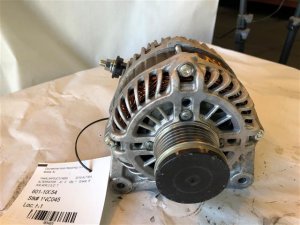
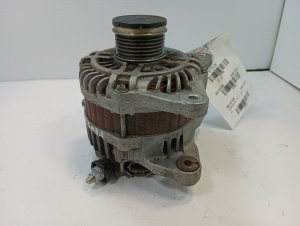
New Aftermarket Parts Available

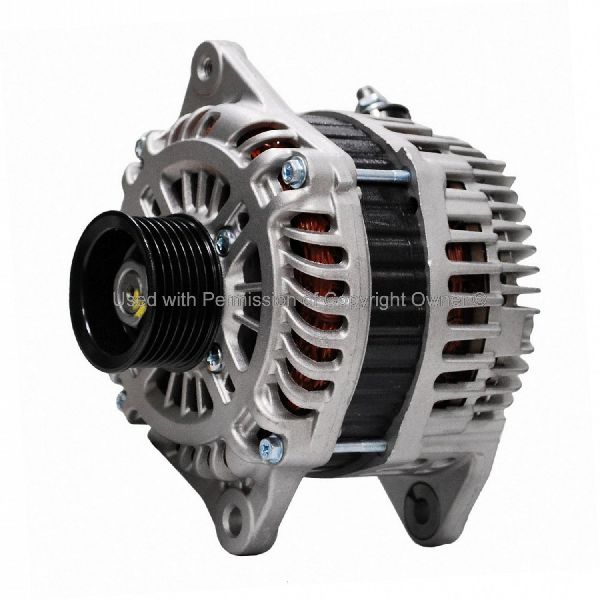

The information in this article is provided for general reference and educational purposes only. Vehicle specifications, procedures, and part compatibility can vary by production date, trim level, and region. Always consult your vehicle's factory service manual and verify part numbers before purchasing or performing repairs. Safety-critical components such as airbags, seat belts, and braking systems should be installed by a qualified professional.
- Nissan Altima:
- 🧭 Diagnostic Flowchart
- 🎬 Helpful Videos
- 🛍️ Shop This Part
- What's Unique About the 2013-2018 Nissan Altima
- Symptoms You May Notice
- Most Likely Causes
- Rare But Worth Checking
- Diagnosis Steps
- Parts You'll Likely Need
- Platform-Specific Known Issues
- Other Known Issues on This Vehicle
- Real Owner Stories
- 2013-2017 Nissan Altima
- 2013-2018 Nissan Altima (L33)
- Related OBD-II Codes
- Frequently Asked Questions
- 🎟️ Get 5% Off