

P0562 on 2017-2023 Volkswagen Jetta: System Voltage Low Causes and Fixes
P0562 on a VW Jetta means the electrical system voltage is too low. This is most often caused by a failing battery or a bad alternator. On modern Jettas with start-stop systems, a weak battery can trigger this code, and battery replacement requires a system adaptation. Expect to test the battery and alternator first; a new battery is the most common fix.
- P0562 indicates a serious low voltage problem. Do not drive the vehicle, as it may stall or lose power to critical safety systems.
- The most likely causes are a weak battery or a failing alternator.
- A simple diagnosis can be performed with a multimeter to test the battery voltage (engine off) and the alternator output (engine on).
- Always check for simple fixes first, such as loose or corroded battery terminals and the condition of the serpentine belt, before replacing expensive components.
- If the battery and alternator test good, you may have a parasitic drain that requires more in-depth diagnosis.
What's Unique About the 2017-2023 Volkswagen Jetta
The 2017-2023 Jetta range spans the end of the A6 (Mk6) and the entirety of the A7 (Mk7) generations, the latter of which is built on the VW MQB platform. This platform has a more complex electrical system, often including a Battery Management System (BMS) and start-stop technology. This means that after replacing a battery, the new battery must be 'coded' or 'adapted' to the BMS to ensure proper charging and prevent premature wear. Failure to do so can lead to the P0562 code returning. While the root causes (battery, alternator) are typical, the repair procedure is more involved than on older vehicles.
Generation note: The 2017-2023 range covers the end of the Jetta A6 (Mk6) generation (2017-2018 models) and the A7 (Mk7) generation (2019-2023 models). The diagnostic process is similar, but the Mk7's reliance on the MQB platform means battery replacements require a diagnostic tool for BMS adaptation. The Mk6 uses a 1.4L, 1.8L, or 2.0L engine, while the Mk7 primarily uses a 1.4L or updated 1.5L engine.
Symptoms You May Notice
- Check Engine Light is on
- Battery warning light is on
- Multiple other warning lights may appear on the dash
- Dimming or flickering headlights and interior lights
- Difficulty starting the engine, or a no-start condition
- Engine may stall while driving, especially at idle
- Erratic behavior from electrical components like the radio or power windows
- Automatic transmission may not shift properly
- Start-Stop system unavailable or error message displayed
- Replacing the alternator when the true cause is a bad battery or a loose serpentine belt.
- Replacing the battery when the alternator is not charging it properly.
- Replacing the battery on a Mk7 Jetta without performing the required BMS adaptation, leading to the code's return.
Most Likely Causes
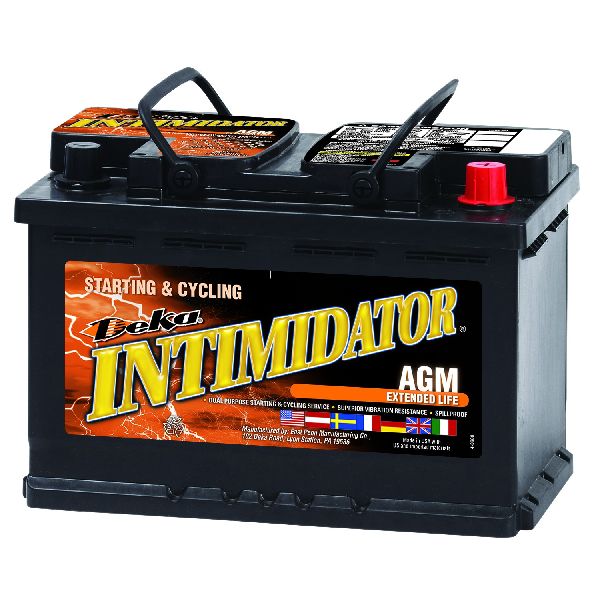
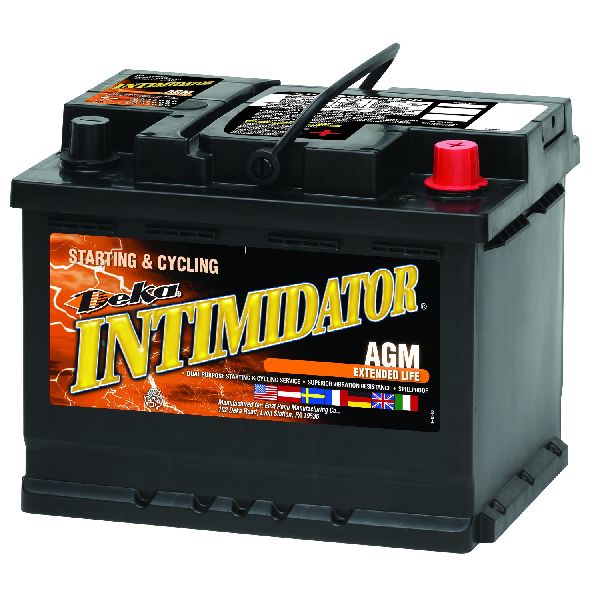
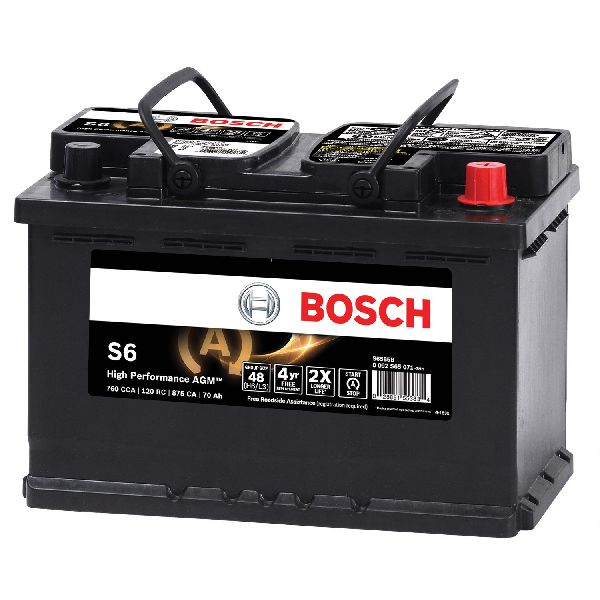
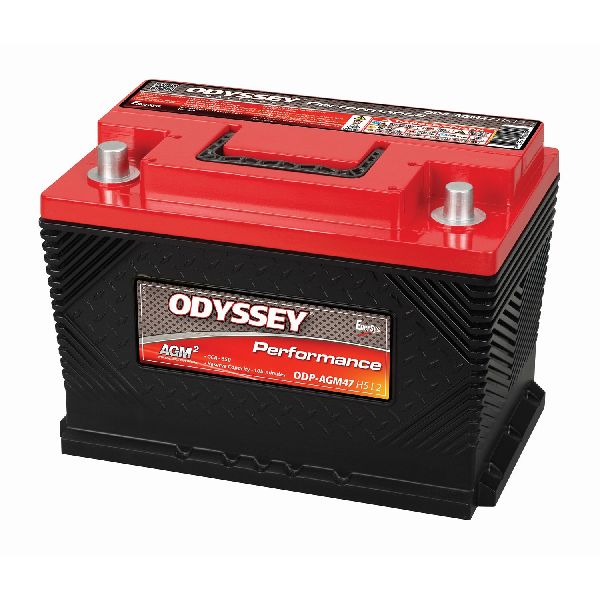
- Failing or Dead Battery 🔴 High Probability → Shop Vehicle Battery Batteries are consumable items with a typical lifespan of 3-5 years. A battery that can no longer hold a sufficient charge is the most frequent trigger for P0562. Jettas with start-stop systems use EFB (Enhanced Flooded Battery) or AGM batteries, which can be more sensitive to degradation.
How to confirm: Test the battery voltage with the engine off using a multimeter; a healthy battery should read around 12.6 volts. If it's below 12.4V, charge it and re-test. If it won't hold a charge, it needs replacement. Most auto parts stores can perform a load test to confirm its health. For Jettas with a BMS, a special diagnostic tool is needed to read the battery's state of health.
Typical fix: Replace the vehicle's battery. On Mk7 Jettas (2019+), this MUST be followed by a Battery Management System (BMS) adaptation/coding procedure using a compatible diagnostic tool (like VCDS or OBDeleven) 🎬 See how to adapt and code your new battery. to inform the vehicle of the new battery's specifications.
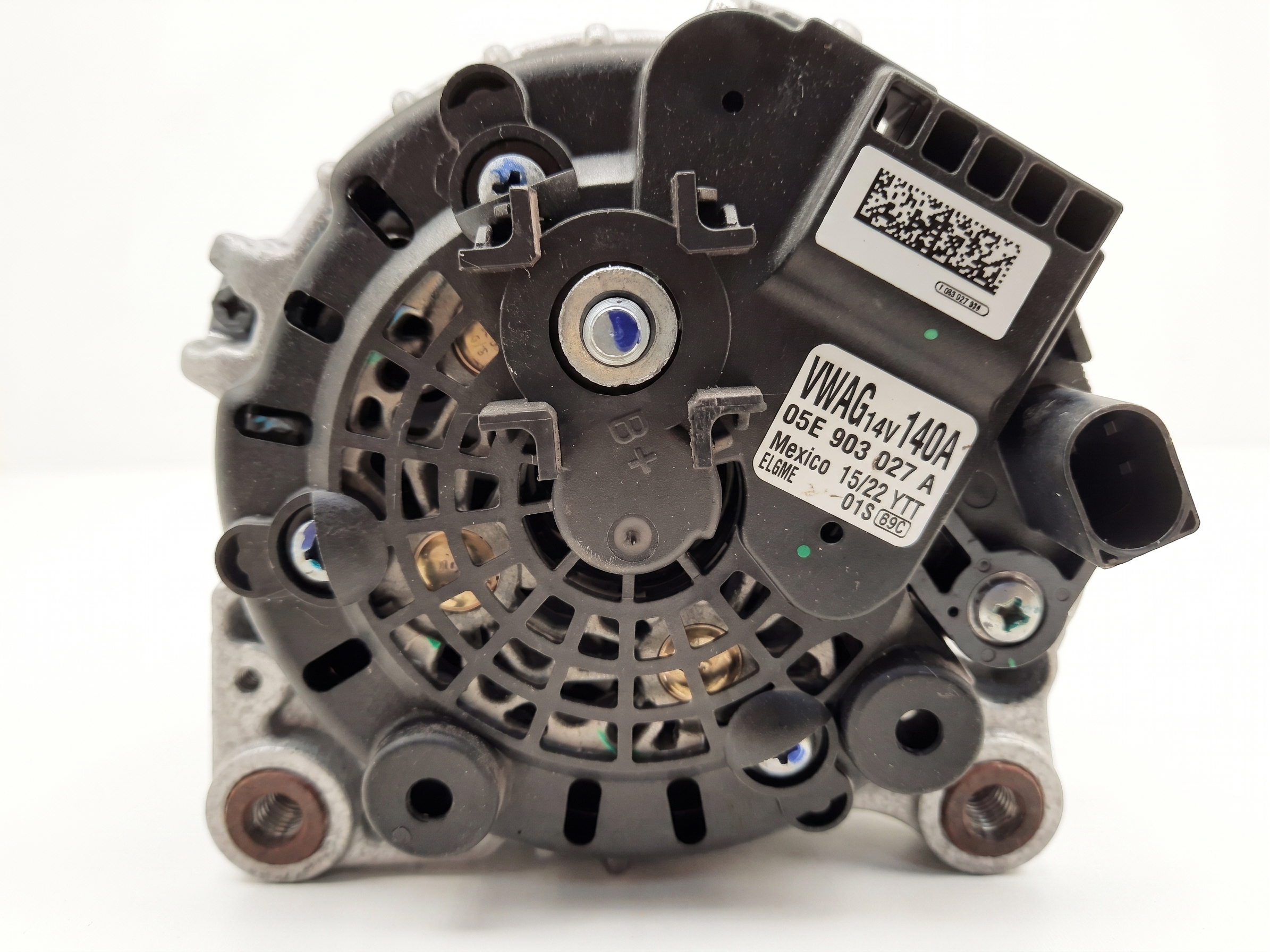
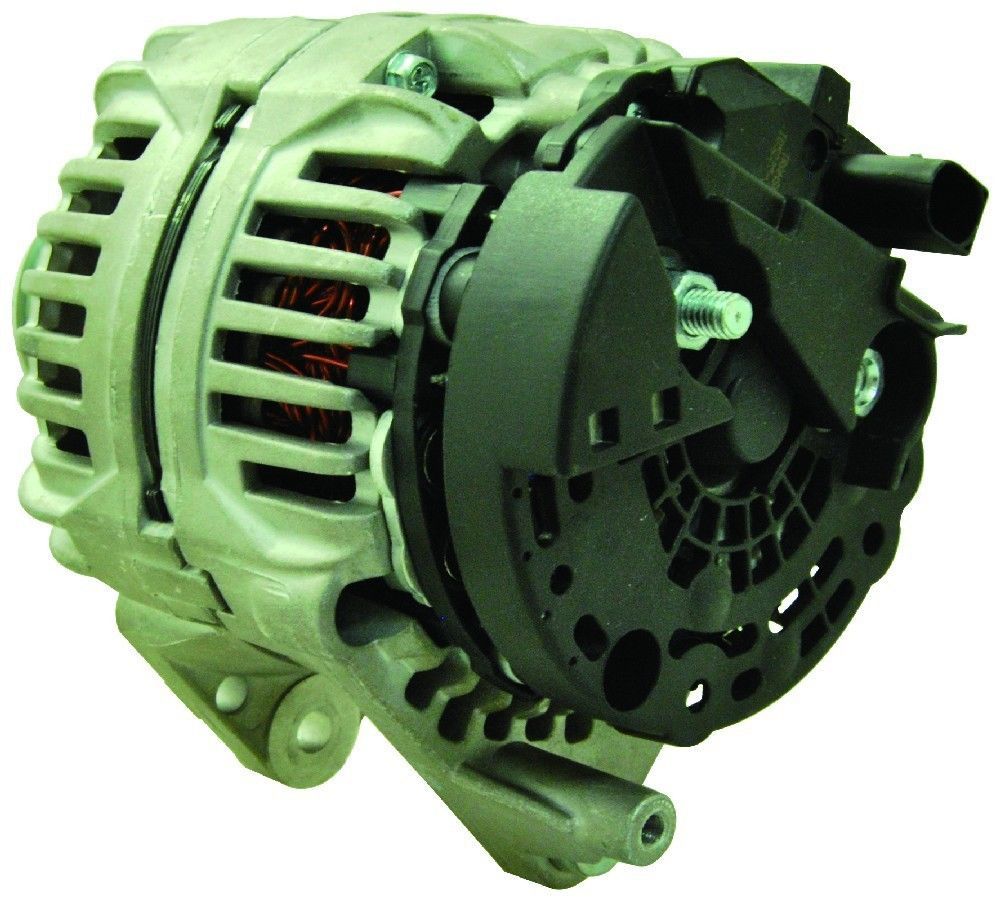
Est. part cost: $170-$350 - Failing Alternator 🟡 Medium Probability → Shop Alternator The alternator recharges the battery and powers the car's electronics when the engine is running. If it fails, the battery will quickly drain, causing the system voltage to drop. The internal voltage regulator is a common failure point.
How to confirm: With the engine running, test the voltage at the battery terminals with a multimeter. A healthy alternator should produce between 13.5 and 14.5 volts. If the voltage is low (near 12V or dropping) or not increasing from the engine-off reading, the alternator is likely faulty.
Typical fix: Replace the alternator. This is a more involved job than the battery.
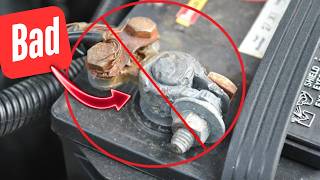
Est. part cost: $250-$700 - Loose or Corroded Battery Terminals/Cables ⚪ Low Probability → Shop Vehicle Battery Corrosion or loose connections create high resistance, preventing the proper flow of electricity from the battery and alternator. The main engine-to-chassis ground strap is a known point of corrosion on Volkswagens.
How to confirm: Visually inspect the battery terminals for white or greenish corrosion. Ensure the cable clamps are tight and cannot be moved by hand. Trace the main ground cable from the battery to the chassis and the engine block, checking for tightness and corrosion. A voltage drop test across the cables can pinpoint high resistance.
Typical fix: Clean the battery terminals and cable ends with a wire brush. Tighten all connections. Replace corroded ground straps or cable ends if necessary.
Est. part cost: $5-$50
Rare But Worth Checking
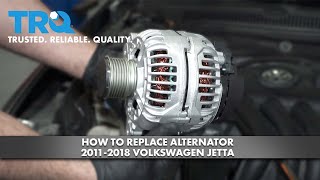
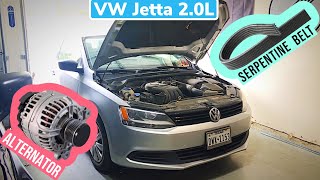
- Slipping or Broken Serpentine Belt: → Shop Serpentine Belt The alternator is driven by the serpentine belt. If the belt is loose, worn, or broken, it cannot spin the alternator pulley effectively, leading to a lack of charging. Check this before replacing the alternator itself.
- Parasitic Battery Drain: → Shop Vehicle Battery An electrical component may not be shutting off when the car is turned off, slowly draining the battery overnight. This can cause a P0562 code upon startup. Common culprits can be aftermarket accessories or failing control modules.
- Faulty Powertrain Control Module (PCM) or Wiring: In very rare cases, the PCM itself may be faulty and incorrectly reading the system voltage. More likely is a wiring issue, such as water ingress into the ECU plenum chamber on some models, causing corrosion and voltage irregularities.
- Blown Fuse or Fusible Link: A main fuse related to the charging system or a fusible link on the positive battery cable could be blown, interrupting the flow of power. On many VWs, the fuse box on top of the battery contains several high-amperage fusible links that can fail or develop high resistance due to corrosion.
Diagnosis Steps
- Read the fault codes with an OBD-II scanner to confirm P0562 and any other related codes are present.
- Visually inspect the battery terminals, main power cables, and ground straps for corrosion, damage, or looseness. Clean and tighten as necessary.
- With the engine off, measure the battery voltage using a multimeter. A reading of ~12.6V is healthy. Below 12.4V indicates a discharged or weak battery that needs charging and re-testing.
- Have the battery professionally load-tested to confirm its ability to hold a charge under load.
- Start the engine. Measure the voltage at the battery terminals again. The reading should rise to between 13.5V and 14.5V.
- If the voltage does not rise or stays below 13V, the charging system is faulty. Inspect the serpentine belt for condition and tension.
- If the belt is okay, the alternator is the primary suspect and should be tested.
- If both the battery and alternator test good, investigate for a parasitic drain using an ammeter or check for voltage drops across main power and ground cables.
- If a new battery is installed on a 2019+ model, perform the BMS adaptation with a compatible scan tool.
Parts You'll Likely Need
- Battery
(OEM #000915105DL (Example OEM for AGM))— The battery is the most common failure point for this code, as it has a limited service life of 3-5 years. Modern Jettas often require an EFB or AGM type battery.
Trusted brands: Varta, Bosch, Interstate, DieHard
OEM price range: $250-$400
Aftermarket price range: $170-$350 - Alternator
(OEM #04C903023M (Example for 1.4T w/ Start-Stop))— If the battery is good, the alternator is the next most likely component to fail, as it is responsible for charging the battery and powering the vehicle's electronics.
Trusted brands: Bosch, Valeo, Denso
OEM price range: $600-$900
Aftermarket price range: $250-$700 - Positive Battery Cable/Harness
(OEM #5Q0971228P (Example for 2019 1.4T))— In some cases, corrosion or a failure of the integrated fusible link block on the battery terminal requires replacement of the entire cable end or harness section.
Trusted brands: Genuine Volkswagen
OEM price range: $50-$150
Related Codes That Often Appear With This One
- P068A — This code relates to the ECM/PCM Power Relay De-Energized Too Early. A low voltage condition can cause control modules to shut down improperly, triggering this code alongside P0562.
- U-series codes (e.g., U0100) — Low system voltage can disrupt communication between various control modules on the CAN bus network, leading to a variety of communication-related U-codes.
- 00532 — This is a VW-specific fault code for 'Supply Voltage B+: Signal too Low', which is often stored in multiple control modules simultaneously when a P0562 is present in the engine controller.
Platform-Specific Known Issues
- On Mk7 Jettas (2019+), failing to code the new battery to the Battery Management System (BMS) after replacement is a very common reason for P0562 to reappear. The system may overcharge or undercharge the new battery if it doesn't know its specifications.
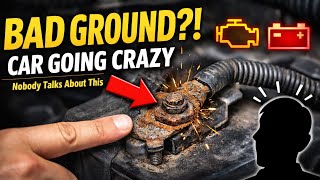
- The main engine-to-chassis ground strap, often located under the battery tray or near the transmission, is a known weak point for corrosion on many VW models, leading to high resistance and voltage drop issues.
Mechanic-Grade Diagnostic Values
- Parasitic Current Draw — expected: < 50 milliamps (mA). Failure: A stable reading above 50-100 mA after the vehicle's modules have gone to sleep (wait at least 20-30 minutes) indicates a parasitic draw.
- Ground Cable Voltage Drop — expected: 0 to 0.1 Volts DC. Failure: A reading above 0.2 Volts when testing between the negative battery post and a chassis or engine ground point (with the engine running) indicates a poor ground connection.
- Ground Cable Resistance — expected: 0.0 – 0.5 Ohms (Ω). Failure: A reading above 0.5 Ohms between the negative battery post and a clean chassis/engine ground point indicates high resistance in the ground path.
Scan Tool Commands That Help
- VCDS (Ross-Tech) or OBDeleven: Battery Adaptation / Battery Coding — This is mandatory after replacing the battery on 2019+ Mk7 Jettas with a Battery Management System (BMS). It is accessed through the '19-CAN Gateway' module. The function requires entering the new battery's capacity (Ah), manufacturer code (e.g., VA0 for Varta, JCB for Johnson Controls), and a 10-digit serial number. Failing to perform this adaptation can cause the P0562 code to return, as the BMS will not charge the new battery correctly.
- VCDS (Ross-Tech) or OBDeleven: Window Pinch Protection Reset — After disconnecting and reconnecting the battery, the one-touch auto up/down window function will be disabled. To reset it, for each window, hold the switch down until the window is fully open, release, then press and hold down again for a second. Repeat this process for closing the window (hold up, release, hold up again).
Wiring & Ground Locations
- Main Battery Ground Strap — Connects from the negative battery terminal to a ground point on the chassis, typically on the strut tower or frame rail directly below or next to the battery tray.. This is the primary ground for the entire vehicle's electrical system. Corrosion or looseness here creates high resistance, causing system-wide low voltage.
- Engine/Transmission Ground Strap — A braided strap connecting the engine block or transmission case to the vehicle's chassis/frame, often located under the battery tray or near a motor mount.. This ground is critical for the starter and alternator. A poor connection here can cause slow cranking and prevent the alternator from effectively charging the battery, directly leading to P0562.
- Battery-Top Fuse Box (Fuse Holder A/SA) — A black plastic box mounted directly on top of the positive battery terminal.. This box contains the main fusible links for the vehicle, including the primary feed from the alternator. The internal connections can corrode or the links themselves can fail, severing the connection between the alternator and the battery.
Model Year Variations Within This Range
- 2019-2023 (Mk7): These models, built on the MQB platform, have a mandatory Battery Management System (BMS). When replacing the battery, it must be 'coded' using a diagnostic tool like VCDS or OBDeleven. The tool is used to enter the new battery's capacity, technology (AGM/EFB), and serial number into the CAN Gateway module.
- 2017-2018 (Mk6): While some later Mk6 models may have advanced electrical systems, most do not require the mandatory BMS coding procedure after a battery replacement, making the process simpler than on the Mk7.
Diagnostic Flowchart
Other Known Issues on This Vehicle
Issues unrelated to this code that are worth knowing about as an owner of this generation:
- Leaking Water Pump / Thermostat Housing 🔴 High — Common on EA211 (1.4T/1.5T) and EA888 engines, often noticed between 30,000-80,000 miles. The plastic housing can crack or the seal can fail.
- Leaking Panoramic Sunroof 🔴 High — Widespread issue on many VW models with panoramic sunroofs from this era. The drain tubes can clog or become disconnected, or the frame itself can leak, causing water to enter the cabin, potentially damaging electronics and the headliner. (Ref: Multiple TSBs exist, e.g., TSB 2045816, and class-action lawsuits have been filed.)
- Premature Brake Noise / Wear 🟡 Low — Many owners report grinding, squealing, or groaning noises from the brakes, sometimes at low mileage. This can be due to pad material, surface rust on rotors, or caliper issues. (Ref: TSB 46-19-01 and 46-19-02 address brake noise/pulsation during the PDI process or early ownership.)
- Infotainment System Glitches 🟡 Low — Owners report issues like the screen freezing, unresponsiveness, or problems with Apple CarPlay/Android Auto connectivity. Usually resolved by a system reset or software update.
- Faulty Hill-Hold Assist / Engine Stalling 🟠 Medium — Some complaints on 2023 models indicate a malfunction where the hill-hold feature engages improperly, causing the engine to stall when trying to accelerate from a stop on an incline.
Used vs. New Parts: Buying Guide for This Vehicle
When a used part is the smart pick: A used alternator from a low-mileage, accident-damaged vehicle can be a cost-effective option. Wiring harnesses and the battery-top fuse box are also good candidates for used parts, provided the connectors are clean and the plastic is not brittle.
Donor-vehicle mileage cap: roughly under 60000 miles for the part to have meaningful remaining life.
What to inspect on the donor part:
- For an alternator, spin the pulley by hand to check for smooth bearing operation with no grinding or roughness.
- Inspect electrical terminals on any part for corrosion, melting, or damage.
- For wiring, ensure all connector tabs are intact and the loom shows no signs of previous repairs, cuts, or heat damage.
OEM-only on this vehicle (don't cheap out):
- Battery: A new battery is essential. A used battery has a shortened lifespan and unknown history. For Mk7 models, a new battery with a scannable BEM code (or known specs) is required for proper BMS coding.
Aftermarket brands forum-validated for this vehicle:
- Alternator: Bosch, Valeo (often the Original Equipment Manufacturer).
- Battery: Varta, Bosch, Interstate, Optima.
Brands owners have reported issues with on this vehicle:
- Unbranded, 'white-box' alternators from online marketplaces are frequently cited on forums for premature failure or not meeting the specified amperage output under load.
Real Owner Stories
Aggregated from forums and TSBs cited above. Mileages and costs reflect what owners reported in those sources.
2017-2023 Volkswagen Jetta 2.0 TDI
Symptoms: The alternator was showing good voltage, but the warning light returned intermittently.
What fixed it: Cleaning the main engine-to-chassis earth cable and checking specific fuses in the engine bay fusebox for corrosion.
Source hint: BRISKODA Forum: Fault code p0562.
2019-2023 Volkswagen Jetta (Mk7)
Symptoms: P0562 code reappeared immediately after a battery replacement.
What fixed it: Performing a Battery Management System (BMS) adaptation/coding procedure using a diagnostic tool to inform the vehicle of the new battery specifications.
Source hint: vehicle_specific_issues
2019 Volkswagen Jetta
Symptoms: An owner reported that a diagnostic test retrieved code P0562 (System Voltage Low) along with P0733 (Gear 3 Incorrect Ratio) and P072B00 (Stuck In Reverse).
What fixed it: NHTSA ODI #11535913 describes these symptoms occurring in conjunction with power train issues, highlighting how low voltage can trigger multiple transmission-related faults.
Source hint: NHTSA ODI #11535913
Related OBD-II Codes
Frequently Asked Questions
I just replaced the battery in my 2019 Jetta; why is the P0562 code still appearing?
Could a leak from my Jetta's panoramic sunroof cause electrical codes like P0562?
Is there a specific ground point I should check on my Volkswagen for this low voltage issue?
My Jetta's Start-Stop system is showing an error; is this related to P0562?
Can a failing water pump on my 1.4T Jetta cause charging system issues?
Helpful Videos


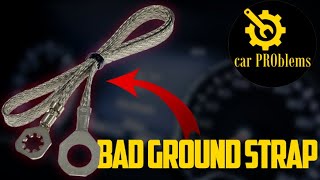
![How to [EASILY] Replace the Battery - Volkswagen Jetta (2019-2024)](https://img.youtube.com/vi/N4sAtJ7uZ4o/mqdefault.jpg)
Used OEM Parts in Stock
New Aftermarket Parts Available


The information in this article is provided for general reference and educational purposes only. Vehicle specifications, procedures, and part compatibility can vary by production date, trim level, and region. Always consult your vehicle's factory service manual and verify part numbers before purchasing or performing repairs. Safety-critical components such as airbags, seat belts, and braking systems should be installed by a qualified professional.
- Volkswagen Jetta:
- 🧭 Diagnostic Flowchart
- 🎬 Helpful Videos
- 🛍️ Shop This Part
- What's Unique About the 2017-2023 Volkswagen Jetta
- Symptoms You May Notice
- Most Likely Causes
- Rare But Worth Checking
- Diagnosis Steps
- Parts You'll Likely Need
- Related Codes That Often Appear With This One
- Platform-Specific Known Issues
- Mechanic-Grade Diagnostic Values
- Scan Tool Commands That Help
- Wiring & Ground Locations
- Model Year Variations Within This Range
- Other Known Issues on This Vehicle
- Used vs. New Parts: Buying Guide for This Vehicle
- Real Owner Stories
- 2017-2023 Volkswagen Jetta 2.0 TDI
- 2019-2023 Volkswagen Jetta (Mk7)
- 2019 Volkswagen Jetta
- Related OBD-II Codes
- Frequently Asked Questions
- 🎟️ Get 5% Off