

P0563 on 2005-2010 Chevrolet Cobalt: System High Voltage Causes and Fixes
On a 2005-2010 Chevrolet Cobalt, code P0563 almost always means the alternator is failing and overcharging the electrical system. The internal voltage regulator is the typical point of failure. A voltage reading consistently over 15.5V with the engine running confirms this. Expect to replace the entire alternator assembly for about $150-$350 in parts, with a DIY difficulty of 3/5.
- P0563 on a Cobalt means the system voltage is too high, almost always due to a failed internal voltage regulator within the alternator.
- Confirm the issue with a multimeter at the battery; a reading over 15.5V with the engine running points to a bad alternator.
- Before replacing the alternator, always inspect and clean the main ground connections, especially the one on the transmission case, as this is a known problem area on Cobalts.
- Driving with this condition can cause expensive damage to other electronic components, so it should be addressed promptly.
What's Unique About the 2005-2010 Chevrolet Cobalt
The Chevrolet Cobalt uses a modern charging system where the voltage regulator is built directly into the alternator and controlled by the PCM. This design means that when the regulator fails and causes the P0563 high voltage code, the entire alternator assembly must be replaced. Owners often first notice the issue through flickering or unusually bright lights, or frequently burned-out bulbs before the Check Engine Light appears, a common symptom of the voltage spikes caused by the failing regulator on this platform. Poor ground connections, particularly the main ground on the transmission case, are also a known weak point on Cobalts and can cause erratic voltage readings.
Symptoms You May Notice
- Check Engine Light is on
- Battery or charging system warning light is illuminated on the dashboard.
- Headlights and interior lights appear unusually bright, or flicker and dim intermittently.
- Erratic behavior from electrical components like power door locks cycling on their own or gauges sweeping randomly.
- Frequent burning out of headlights or other bulbs.
- A swelling or bloated battery case, possibly with a rotten egg smell, indicating the battery is overheating and boiling.
- Transmission may shift improperly or the vehicle may enter 'limp mode'.
- Engine may stall or have difficulty starting.
- Blown fuses for various components.
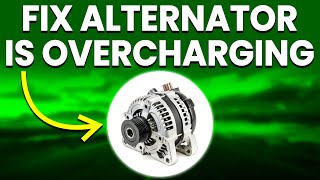
- Replacing the battery without testing the alternator. A new battery will be quickly damaged or destroyed by a persistent overcharging condition. 🎬 Watch: How to diagnose an overcharging alternator
- Replacing the PCM. This is an expensive part and is very rarely the actual cause of a P0563 code.
Most Likely Causes
- Faulty Alternator / Internal Voltage Regulator 🔴 High Probability → Shop Voltage Regulator The voltage regulator is internal to the alternator. When it fails in an over-voltage state, it cannot be replaced separately. This is the most common failure mode that triggers P0563.
How to confirm: With the engine running, use a multimeter to measure the DC voltage across the battery terminals. A reading that is consistently above 15.0 volts (and especially over 15.5V) confirms an overcharging condition caused by the alternator. Many auto parts stores will test the charging system for free.
Typical fix: Replace the entire alternator assembly. It is recommended to use a quality new or remanufactured unit from a reputable brand like ACDelco or Delphi. Ensure the replacement has the correct amperage for your vehicle's options.
Est. part cost: $150 - $350 - Poor Ground Connections 🟡 Medium Probability Over time, ground straps from the engine to the chassis or from the battery to the body can corrode or become loose, creating resistance in the electrical system. On the Cobalt, the ground on the lower left front of the transmission case is a common point of failure, known to become heavily corroded and cause various electrical issues.
How to confirm: Visually inspect the main ground cable from the battery's negative terminal to the chassis and the engine-to-transmission ground strap (G105/G107). Check for looseness, corrosion, or fraying. Use a multimeter to perform a voltage drop test on the ground side; a significant drop (greater than 0.1-0.2 volts) under load indicates high resistance.
Typical fix: Clean the contact points of the ground connections with a wire brush until they are shiny. Tighten all bolts and terminals securely. Replace any corroded or damaged cables. For the transmission ground, removal, thorough cleaning of the terminal and mounting surface, and re-securing is necessary.
Est. part cost: $5 - $30 - Failing Battery ⚪ Low Probability → Shop Vehicle Battery An old or failing battery with an internal short can sometimes confuse the charging system, causing it to overcompensate and produce excessive voltage. While less common than the alternator, a bad battery can't properly buffer the electrical system.
How to confirm: Have the battery professionally tested using a load tester. A simple voltage check is not sufficient. Most auto parts stores perform this service for free.
Typical fix: Replace the battery if it fails the load test.
Est. part cost: $100 - $200
Rare But Worth Checking
- Damaged Wiring Harness: A short circuit in the wiring to the alternator, particularly the field circuit or voltage sense wire, can cause it to go to maximum output, leading to an overcharge condition. This is rare but can happen due to physical damage or chafing against other components.
- Faulty Powertrain Control Module (PCM): → Shop Engine Control Module (ECM) In very rare instances, the PCM's internal voltage sensing circuit can fail, causing it to incorrectly report high voltage. This should only be considered after all other possibilities, especially the alternator and grounds, have been exhaustively ruled out.
Diagnosis Steps
- Verify the code with a reliable OBD-II scanner. Note any other codes present and check freeze-frame data to see the voltage level when the code was set.
- Perform a visual inspection of the battery, terminals, and all main power and ground cables. Look for corrosion, loose connections, or physical damage.
- Specifically locate and inspect the main engine/transmission ground strap, often found on the transmission case (G105/G107), for corrosion or looseness.
- With the engine off, check the battery's static voltage with a multimeter. It should be around 12.4-12.6V.
- Start the engine. Measure the voltage at the battery terminals with the multimeter.
- A healthy charging system will read between 13.2V and 14.8V.
- If the voltage is consistently above 15.0V (especially over 15.5V), the alternator's internal voltage regulator has most likely failed. The alternator needs to be replaced.
- If the voltage is normal, the issue might be intermittent. Try to load the electrical system by turning on the headlights, blower fan, and rear defroster, and watch for voltage spikes.
- If the alternator and battery test good, perform a voltage drop test on the main power and ground cables to check for high resistance that could be causing voltage irregularities.
Parts You'll Likely Need
- Alternator
(OEM #ACDelco 335-1304 (115A, for 2.2L), ACDelco 84009358 (145A), ACDelco 13536552)— This is the most common cause. The internal voltage regulator fails, causing the overcharging condition. The entire assembly must be replaced.
Trusted brands: ACDelco, Delphi, Denso
OEM price range: $250-$400
Aftermarket price range: $150-$250
Platform-Specific Known Issues
- Owners on forums like Cobalt SS Network have reported flickering lights and various warning lights appearing due to alternator issues, corroborating this as a common platform problem.
- Electrical 'gremlins' such as erratic gauges, power locks cycling, and transmission shifting problems have been linked to failing alternators or bad Body Control Modules (BCM) on the Cobalt platform, which can be triggered by the unstable voltage of a P0563 condition.
- A key failure point for electrical issues on the Cobalt is the main ground point on the transmission housing. A YouTube video by 'Grim Repair' highlights that a loose connection at the starter, where the alternator and battery cables meet, can also cause charging system warnings.
Technical Service Bulletins (TSBs) & Recalls
- TSB Bulletin #24-NA-050: While specifically referencing other Chevrolet models like the Silverado, this manufacturer bulletin notes that P0563 can sometimes set in conjunction with DTC P0606, providing repair information to correct these specific customer concerns regarding the electrical system.
Mechanic-Grade Diagnostic Values
- Battery Static Voltage (Engine Off) — expected: 12.4V - 12.6V. Failure: Below 12.4V indicates a discharged or failing battery.
- Charging System Voltage (Engine Running, No Load) — expected: 13.2V - 14.8V. Failure: Consistently above 15.0V, and especially over 15.5V, indicates a failed voltage regulator.
- Ground Side Voltage Drop (Engine Running, High Load) — expected: < 0.2V (200mV). Failure: A reading greater than 0.2V between the alternator case and the negative battery terminal indicates high resistance in the ground path.
- Alternator B+ Post to Battery Positive Post Voltage Drop (Engine Running, High Load) — expected: < 0.5V. Failure: A reading greater than 0.5V indicates high resistance in the main power cable from the alternator, possibly at the starter junction point.
Scan Tool Commands That Help
- GM Tech 2 / GDS2: BCM Data Display -> Door Lock Switch Status — If chasing an intermittent electrical issue or parasitic drain alongside P0563, a stuck door lock switch input can prevent the BCM from entering sleep mode, causing battery drain. This is a known issue on the Cobalt platform.
- GM Tech 2 / GDS2: Charging System Test (within BCM or PCM menus) — This function allows the technician to view the desired voltage commanded by the BCM/PCM versus the actual output reported by the generator. A large discrepancy where actual voltage is much higher than desired voltage points directly to a failed internal regulator in the alternator.
Wiring & Ground Locations
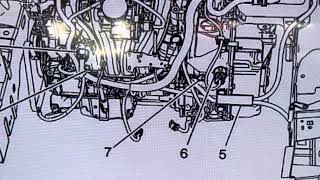
- G105 / G107 — On the lower left front of the transmission case. Note: Some diagrams show G107 on the right rear of the cylinder head for the 2.2L LS model. Always verify on the specific vehicle.. This is the main engine/transmission to chassis ground. Corrosion or looseness here is a very common cause of various electrical faults on the Cobalt, including erratic voltage readings that could be misinterpreted by the PCM.
- G111 — Front of the engine compartment, near the cooling fans.. Grounds several components in the engine bay, including cooling fans. While not a primary cause for P0563, ensuring all engine bay grounds are clean is good practice.
- Starter Solenoid Main Lug — On the starter motor, where the large gauge cable from the alternator and the large gauge cable from the battery meet.. This is a critical junction point. The main output cable from the alternator runs to the starter, not directly to the battery. A loose or corroded connection here can cause high resistance, leading to charging system faults that mimic a bad alternator.
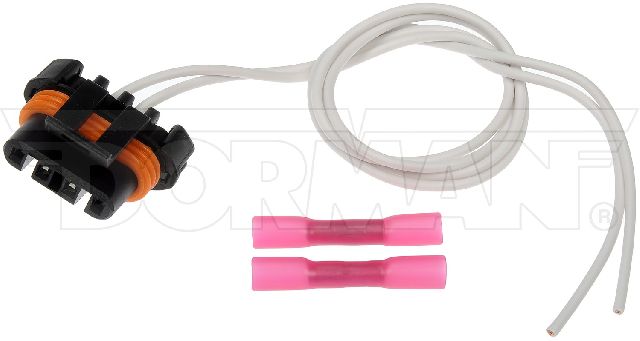
- Alternator Connector — The multi-pin plug on the back of the alternator.. This connector contains the signal wire from the PCM that commands the alternator's output. Damage or corrosion on these pins can cause the alternator to default to a high-charge state, triggering P0563.
Real Owner Repair Stories
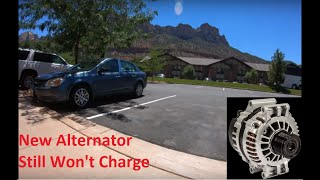
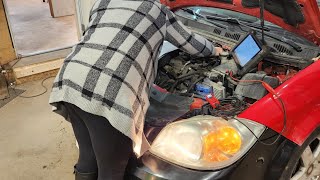
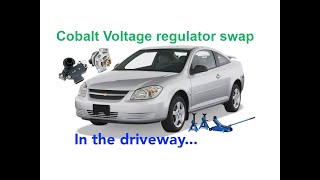
- YouTube video by 'Grim Repair' (Chevrolet Cobalt (year not specified, but within the 2005-2010 range)) — Check Charge System message on the dash, despite having a recently replaced remanufactured alternator and a good battery.
❌ Tried (didn't work) Initially assumed the remanufactured alternator was faulty.
✅ What actually fixed it The problem was a loose connection on the starter solenoid lug, where the main cable from the alternator and the cable to the battery meet. Tightening this connection resolved the charging system warning. - YouTube video by 'ZachTracer' (2006-2008 Chevrolet Cobalt / Pontiac G5) — Power steering failure, no speedometer/odometer, incorrect transmission shifting, multiple warning lights.
❌ Tried (didn't work) Inspecting and cleaning module connectors.
✅ What actually fixed it The issue was traced to a poor ground for the TCM/BCM module located under the hood near the fuse box. The fix demonstrated was to add a supplementary ground wire from one of the module's mounting bolts directly to a known good chassis ground point. This suggests that the original grounding path for the control modules can become insufficient.
Model Year Variations Within This Range
- 2005-2007: The high-performance Cobalt SS model used a 2.0L LSJ supercharged engine. This may use a different alternator with a different amperage rating compared to the base 2.2L or 2.4L engines.
- 2008-2010: The high-performance Cobalt SS model switched to a 2.0L LNF turbocharged engine. This version will have different charging system requirements and potentially a different alternator part number than the earlier SS and base models.
- 2009-2010: The base 2.2L Ecotec engine received a power boost from 145 hp to 155 hp. While not a direct charging system change, this engine revision could be accompanied by minor changes to accessories or wiring.
Diagnostic Flowchart
Other Known Issues on This Vehicle
Issues unrelated to this code that are worth knowing about as an owner of this generation:
- Electric Power Steering (EPS) Motor Failure 🔴 High — Very common across all model years. Can occur at any mileage, leading to a sudden loss of power steering assist. (Ref: NHTSA Campaign ID: 10V073000 (Recall 10023). GM issued a major safety recall to replace the EPS motor.)
- Fuel Leaks from Fuel Pump Module or Lines 🔴 High — Common, particularly in warmer climates or areas with road salt. Plastic ports on the fuel pump module can crack, and fuel lines can corrode near the rear wheel well. (Ref: NHTSA Campaign ID: 09V419000 (Recall 09226) and GM Special Coverage 12191 / 14728 addressed cracked fuel pump modules and tank inlets.)
- Ignition Switch Failure 🔴 High — Extremely widespread and subject of a massive, high-profile safety recall. The switch can move out of the 'Run' position, disabling the engine, power steering, and airbags while driving. (Ref: Part of the infamous GM ignition switch recall (GM Recall 14299).)
- Timing Chain Wear and Tensioner Failure (2.2L Ecotec) 🟠 Medium — More prevalent on earlier 2005-2006 models but can occur on later models with poor oil maintenance. Symptoms include rattling noises on startup or acceleration. (Ref: No specific recall, but it is a widely documented engine issue. Failure can lead to engine damage as it is an interference engine.)
Used vs. New Parts: Buying Guide for This Vehicle
When a used part is the smart pick: A used alternator is generally a poor choice for this repair. The primary failure mode for P0563 is the internal voltage regulator, which is a wear component. A used alternator from a junkyard carries a high risk of having the same or an impending failure. Given the labor involved, a new or quality remanufactured unit is a much smarter investment.
Donor-vehicle mileage cap: roughly under 50000 miles for the part to have meaningful remaining life.
What to inspect on the donor part:
- Check for a clean, dry unit with no signs of oil leaks from the engine it was attached to.
- Spin the pulley by hand; it should be smooth with no grinding or excessive noise.
- Inspect the electrical connector for any signs of melting, corrosion, or broken plastic.
- Ask for the vehicle's mileage if possible; avoid high-mileage donors.
OEM-only on this vehicle (don't cheap out):
- While not strictly 'OEM-only', using a reputable brand for the alternator is critical. Cheap, no-name aftermarket alternators are a common source of repeat failures.
Aftermarket brands forum-validated for this vehicle:
- ACDelco (GM's own brand, available as new or remanufactured)
- Denso
- Delphi
- Bosch
Brands owners have reported issues with on this vehicle:
- Avoid generic, unbranded 'white box' parts from online marketplaces. Forum discussions frequently attribute repeat failures to low-quality remanufactured units with cheap internal components.
Real Owner Stories
Aggregated from forums and TSBs cited above. Mileages and costs reflect what owners reported in those sources.
2006 Chevrolet Cobalt
Symptoms: Widespread electrical issues including gauges sweeping, power locks cycling, and transmission shifting problems.
What fixed it: The issues were attributed to a failing alternator causing voltage ripples or a bad Body Control Module (BCM).
Source hint: Car Talk Community - A 2021 thread about a 2006 Cobalt with widespread electrical issues (gauges, locks, shifting) led to suggestions of a failing alternator causing voltage ripples or a bad BCM
2009 Chevrolet Cobalt
Symptoms: Flickering lights, ABS and battery lights illuminated, and an erratic idle.
What fixed it: The community suggested the cause was either the alternator or a grounding issue.
Source hint: Cobalt SS Network - A thread from 2009 described flickering lights, ABS and battery lights, and erratic idle
2005-2010 Chevrolet Cobalt
Symptoms: Charging system warnings and electrical instability.
What fixed it: Tightening a loose connection at the starter where the alternator and battery cables meet.
Source hint: A YouTube video by 'Grim Repair' highlights that a loose connection at the starter, where the alternator and battery cables meet, can also cause charging system warnings.
Related OBD-II Codes
Frequently Asked Questions
My 2005-2010 Cobalt is showing P0563 and the power locks are cycling on their own. Is this related?
I've heard the Cobalt has a specific ground wire issue that causes electrical 'gremlins'. Where should I look?
Can I just replace the voltage regulator on my Cobalt's alternator to fix the over-voltage?
Is there a specific brand of alternator recommended for the Chevrolet Cobalt?
Could a loose connection at the starter cause my charging system warning light and P0563?
Does the Cobalt have any recalls that might be related to these electrical symptoms?
Helpful Videos

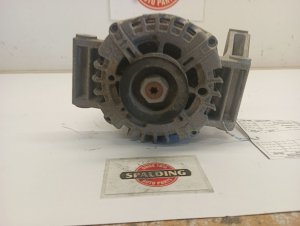
Used OEM Parts in Stock
New Aftermarket Parts Available

The information in this article is provided for general reference and educational purposes only. Vehicle specifications, procedures, and part compatibility can vary by production date, trim level, and region. Always consult your vehicle's factory service manual and verify part numbers before purchasing or performing repairs. Safety-critical components such as airbags, seat belts, and braking systems should be installed by a qualified professional.
- Chevrolet Cobalt:
- 🧭 Diagnostic Flowchart
- 🎬 Helpful Videos
- 🛍️ Shop This Part
- What's Unique About the 2005-2010 Chevrolet Cobalt
- Symptoms You May Notice
- Most Likely Causes
- Rare But Worth Checking
- Diagnosis Steps
- Parts You'll Likely Need
- Platform-Specific Known Issues
- Technical Service Bulletins (TSBs) & Recalls
- Mechanic-Grade Diagnostic Values
- Scan Tool Commands That Help
- Wiring & Ground Locations
- Real Owner Repair Stories
- Model Year Variations Within This Range
- Other Known Issues on This Vehicle
- Used vs. New Parts: Buying Guide for This Vehicle
- Real Owner Stories
- 2006 Chevrolet Cobalt
- 2009 Chevrolet Cobalt
- 2005-2010 Chevrolet Cobalt
- Related OBD-II Codes
- Frequently Asked Questions
- 🎟️ Get 5% Off