

P0601 on 2007-2016 Audi A5 2.0L TFSI: ECM Memory Error Causes and Fixes
P0601 on a 2007-2016 Audi A5 almost always indicates a fatal internal failure of the Engine Control Module (ECM). Before replacing the ECM, check for a potential software update via a Technical Service Bulletin (TSB 2017905). Replacement is a costly professional repair requiring programming. Always inspect for water intrusion in the plenum chamber as a potential root cause.
- P0601 is a critical fault code that almost always points to a failed Engine Control Module (ECM).
- Before replacing the ECM, have a dealer check for an available software update as per TSB 2017905 / 24-08-82, which can sometimes fix the issue.
- Inspect the area around the ECM for signs of water damage, a known problem on the Audi A5.
- Do not drive the vehicle. The risk of stalling is high, posing a serious safety hazard.
- ECM replacement is not a DIY job. It requires expensive, specialized equipment to program the new module to your car's anti-theft system.
What's Unique About the 2007-2016 Audi A5
For the Audi A5 with the 2.0L TFSI engine, a P0601 code is a strong indicator of a failed ECM. However, Volkswagen Auto Group (VAG) has issued Technical Service Bulletins (TSBs) for this exact code on this engine family, which in some cases can be resolved with a dealer software update. Another known issue on this platform is water intrusion into the plenum chamber (the area below the windshield), which can damage the ECM and cause this fault. Clogged drains in this area are a well-documented problem on the A4/A5 platform. Therefore, while the code points to an internal error, external factors like software and water damage are important considerations specific to this vehicle.
Symptoms You May Notice
- Check Engine Light is on
- EPC (Electronic Power Control) light may be on 🎬 See this guide on fixing and resetting the EPC light
- Engine will crank but not start
- Intermittent stalling or engine shutting off while driving
- Significant loss of power or vehicle entering 'limp mode'
- Rough or unstable idle
- Scan tool cannot communicate with the ECM
- Car will not start at all, no crank
- Replacing sensors or other components. The P0601 code is very specific to an internal module error. While other codes may be present, P0601 points directly at the ECM itself or its core programming/power supply.
Most Likely Causes
- Internal ECM Failure 🔴 High Probability The code P0601 is specifically designed to report an internal, non-recoverable memory error within the control module itself. The Bosch MED17.1 ECU used in these vehicles is susceptible to this failure.
How to confirm: After ruling out all other possibilities (power/ground issues, software updates, water damage), the diagnosis is made by exclusion. If the code persists after a battery reset and checking external factors, the ECM is faulty.
Typical fix: The ECM must be replaced and programmed by a dealer or a qualified specialist with access to Audi's ODIS software. Remanufactured units are available but still require programming.
Est. part cost: $200-$800 for a used/remanufactured unit, $1000-$2200+ for a new OEM unit. - Corrupted or Outdated ECM Software 🟡 Medium Probability Audi has released a TSB (2017905 / 24-08-82) for some 2.0L TFSI engines that log the P0601 code, which can be fixed with a software update. This is a known issue across several VAG models with this engine family.
How to confirm: A dealer or specialist with Audi-specific tools (like VCDS or ODIS) can check the current software version of the ECM against the TSB to see if an update is available and applicable to the vehicle's VIN.
Typical fix: Reprogramming the ECM with the latest factory software at an Audi dealership or certified independent shop.
Est. part cost: $0 (if under warranty/campaign) to $200-$400 for a dealer reflash service. - Low Battery Voltage or Power Supply Issues ⚪ Low Probability → Shop Vehicle Battery Voltage spikes or drops during cranking or from a failing alternator can sometimes corrupt the ECM's memory check process, triggering the code. While less common as the primary cause, it's a critical first check.
How to confirm: Test the battery's state of health and charge. With the engine running, check the alternator output (typically 13.5-14.5 volts). Inspect battery terminals and main ECM power/ground wires for corrosion or looseness.
Typical fix: Replace a weak battery, fix faulty charging system components, or clean/repair wiring connections. A new battery costs around $150-$350.
Est. part cost: $150-$350 for a new battery.
Rare But Worth Checking
- Water Intrusion: The ECM on the A5 is located in the plenum area under the windshield. Clogged plenum drains can cause water to pool and seep into the ECM connector or the unit itself, causing short circuits and corrosion that lead to a P0601 code. This is a very common failure point on the B8 platform and should be one of the first physical inspections.
- Failed Aftermarket Tune/Programming: A botched or incompatible software flash from a third-party tuner can corrupt the ECM's memory and trigger this code. If the car was recently tuned and then failed to start, this is a likely cause.
Diagnosis Steps
- Scan for Codes: Confirm P0601 is present. Note any other codes, but prioritize P0601 as it often indicates the root cause.
- Check Technical Service Bulletins (TSBs): Ask an Audi dealer or specialist to check if TSB 2017905 / 24-08-82 applies to your vehicle's VIN. A software update may fix the issue.
- Inspect for Water Damage: THOROUGHLY inspect the plenum chamber under the windshield for signs of standing water, corrosion, or debris. Clear the drains, which are rubber grommets located under the battery and brake servo area. Many owners remove the grommets entirely to prevent future clogs. 🎬 Watch: How to find and clean your plenum drain plugs
- Inspect Battery and Charging System: Test the battery's health and voltage. Ensure the alternator is charging correctly (13.5-14.5V). Clean and tighten battery terminals and check the main ground connections.
- Verify Power and Ground to ECM: Using a multimeter and wiring diagram, confirm the ECM is receiving stable battery voltage and has a solid ground connection. A voltage drop can indicate a wiring problem.
- Attempt ECM Reflash: If a software update is available, have it performed. If the code returns, the hardware is likely faulty. If the car has an aftermarket tune, attempt to flash it back to the stock file.
- Replace ECM: If all previous steps fail, the ECM has an internal fault and must be replaced. The new module must be programmed to the car's immobilizer system.
Parts You'll Likely Need
- Engine Control Module (ECM)
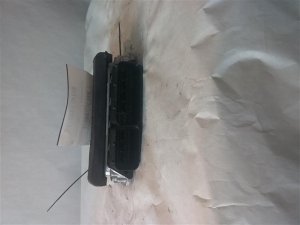
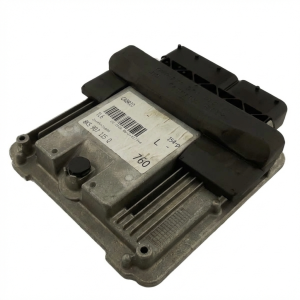
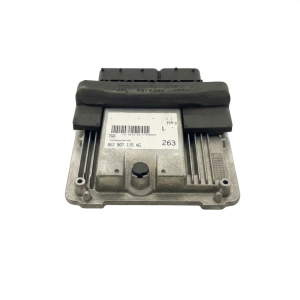
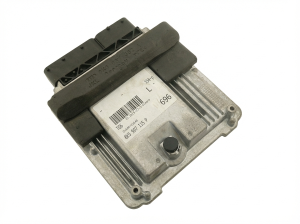
(OEM #8K2907115AF, 8K2907115AA (Varies by year/options, check with dealer))— This code indicates a fatal internal memory error, and in most cases, the module itself has failed and requires replacement.
Trusted brands: Bosch (OEM)
OEM price range: $1000-$2206+
Aftermarket price range: $250-$800 (Remanufactured/Used)
Related Codes That Often Appear With This One
- P0606 — This code indicates a 'PCM Processor Fault'. Like P0601, it points to a critical internal failure of the Engine Control Module.
- 01314 — This is an Audi-specific code meaning 'Engine Control Module: No Communication'. It often appears when the ECM has failed completely and can no longer communicate with a diagnostic scan tool.
Technical Service Bulletins (TSBs) & Recalls
- Audi TSB 2017905 / 24-08-82: Addresses P0601 on some 2.0L TFSI engines, potentially resolving the fault with an ECM software update. This applies to A3/A4/A6 models and is relevant to the A5's shared engine.
Platform-Specific Known Issues
- Water damage to the ECM due to clogged plenum drains is a known issue on this platform and can directly cause a P0601 fault.
- The B8/B8.5 platform is known for several chronic issues unrelated to P0601, such as excessive oil consumption and timing chain tensioner failures, which owners should be aware of.
Mechanic-Grade Diagnostic Values
- Alternator Output Voltage — expected: 13.5 - 14.5 Volts with engine running.. Failure: Voltage below 13.2V or above 14.8V can indicate a failing alternator or regulator, potentially causing electrical issues that can trigger P0601.
- Engine-to-Chassis Ground Voltage Drop — expected: Less than 0.15 Volts at idle.. Failure: A reading higher than 0.15V indicates a degraded engine ground strap, a common issue that can cause unstable power to the ECU.
- Sensor Reference Voltage (5V Circuit) — expected: Approximately 5.0 Volts at the sensor connector with key-on, engine-off.. Failure: A significantly lower voltage, such as 0.99V as seen in one documented case, can indicate a shorted component on that circuit (e.g., a turbo actuator) which can cause widespread ECU issues.
Hidden / Shadow Codes Worth Checking
- 16985 / 001537: These are VAG-specific representations of the generic P0601 fault code. '16985' is the fault code number in the VAG system, and '001537' is another identifier. Seeing these confirms the P0601 code on a VAG-specific tool. (see via VCDS (VAG-COM) by Ross-Tech or the dealer ODIS software.)
Scan Tool Commands That Help
- ODIS (Official Dealer Software): Component Protection Removal / Adaptation — This is a mandatory, guided function required after installing a new or used ECM. It uses an online connection (GEKO) to synchronize the replacement module with the vehicle's immobilizer and gateway. Without this, the car will not start and/or various features will be disabled.
- VCDS or ODIS: Read Measuring Value Blocks (MVBs) / Advanced ID — Used to check the current software part number and version of the installed ECM. This information is critical to compare against known TSBs to determine if a software update is a potential fix for the P0601 code before replacing the hardware.
- Aftermarket (e.g., AVDI Abrites, Autel with specific online access): Component Protection Adaptation — Some advanced aftermarket tools claim to perform Component Protection removal for specific generations of VAG vehicles. This is an alternative to the dealer but requires specialized equipment and expertise, and success can vary.
Wiring & Ground Locations
- ECM Location — In the plenum chamber (the box in the engine bay at the base of the windshield, under a plastic cover), often near the washer fluid reservoir.. This location is prone to water ingress from clogged plenum drains, which is a primary cause of ECM failure and the P0601 code on this platform.
- Plenum Chamber Ground — A repair manual indicates a ground point located 'Between suspension strut chamber and plenum chamber, front left'.. A corroded ground in this specific area, especially if affected by water intrusion, can cause unstable power supply directly to the nearby ECM.
- G105 (Engine-to-Firewall Ground) — A ground strap connecting the engine block to the vehicle's firewall.. This is a primary ground path. Degradation from heat and vibration can cause a voltage drop, leading to unpredictable behavior from the ECU.
- ECM Fuses — There are typically three fuses for the engine control module located in the engine bay fuse box, which is inside the same plenum chamber as the ECM.. A blown fuse will cut power to the ECM. While this usually results in a no-communication error, intermittent contact or a partial short could potentially trigger memory-related faults before complete failure.
Real Owner Repair Stories
- Audi-Sport.net forum user (Audi with 2.0L TFSI engine) — EPC light on, MIL on after 3rd startup, P0601 code present.
❌ Tried (didn't work) Installed a new, re-coded ECU, which initially showed a P0106 (MAP sensor) code., Replaced the MAP sensor.
✅ What actually fixed it The original P0601 code returned even after replacing the ECU and MAP sensor. The user was left questioning if the re-coded ECU was faulty or if another issue was present. This story highlights that even an ECU replacement is not a guaranteed fix and that underlying issues or improper coding can cause the code to persist.
OEM Part Supersession History
8K2907115AF, 8K2907115AA→Varies / Check with Dealer— Part numbers are frequently updated for hardware revisions or software changes.
Heads up: It is absolutely critical to match the OEM part number exactly when sourcing a used or remanufactured ECU. Even a single letter difference can indicate incompatible hardware or software. Do not rely on visual similarity; always verify the number on the sticker of the original unit.
Model Year Variations Within This Range
- 2007-2015: These models typically use 'Generation 2' Component Protection. This system links the ECU, infotainment, and gateway modules to the car. Replacement requires online adaptation with dealer or specialized tools.
- 2012-2016 (B8.5 Facelift): While still part of the B8 platform, the B8.5 facelift models may have different ECU hardware and software versions compared to the earlier B8 models (2007-2011). When sourcing a used ECU or checking for software updates, it is crucial to specify the correct model generation (B8 or B8.5) as parts are generally not interchangeable.
Diagnostic Flowchart
Other Known Issues on This Vehicle
Issues unrelated to this code that are worth knowing about as an owner of this generation:
- Excessive Oil Consumption 🔴 High — Very common on early 2.0L TFSI engines (approx. 2009-2011), often starting around 50k-80k miles. Caused by faulty piston ring design. (Ref: Subject of multiple class-action lawsuits and settlements.)
- Timing Chain Tensioner Failure 🔴 High — Common on 2008-2012 models with the original tensioner design. Failure can be catastrophic, leading to piston-valve contact. Recommended preventative replacement. (Ref: No official recall, but updated parts were released. Failure can occur with little warning.)
- Intake Valve Carbon Buildup 🟠 Medium — Inevitable on all direct-injection engines, including the 2.0L TFSI. Typically requires cleaning every 60k-100k miles to prevent misfires, rough idle, and power loss.
- Water Pump Failure 🟠 Medium — The plastic water pump housing is prone to cracking and leaking coolant. Often fails between 60k-100k miles. Oil leaks from above can accelerate failure.
- PCV Valve Failure 🟡 Low — The diaphragm in the Positive Crankcase Ventilation (PCV) valve can tear, leading to a high-pitched squealing noise, rough idle, and oil leaks. Relatively common and an inexpensive fix.
Used vs. New Parts: Buying Guide for This Vehicle
When a used part is the smart pick: A used ECU is a very common and sensible choice for this repair, as a new OEM unit is exceptionally expensive. The cost savings can be over 75%. However, the savings on the part are only realized if you have a viable plan for programming.
Donor-vehicle mileage cap: roughly under 150000 miles for the part to have meaningful remaining life.
What to inspect on the donor part:
- Part number on the used ECU's sticker MUST exactly match your original ECU's part number.
- Inspect the connector pins for any signs of corrosion (green or white powder), which indicates past water damage. Do not buy if corrosion is present.
- Purchase from a reputable auto recycler that offers a warranty (30-90 days) and a clear return policy.
- Ensure the casing is not dented or physically damaged.
OEM-only on this vehicle (don't cheap out):
- The Engine Control Module (ECM/ECU) itself is an OEM-manufactured part (Bosch). There are no third-party 'aftermarket' ECUs. The choice is between New OEM, Remanufactured OEM, or Used OEM.
Aftermarket brands forum-validated for this vehicle:
- For ECU replacement services, companies specializing in VAG vehicles that can perform 'Component Protection' removal are required. This is a service, not a part brand.
- For ECU repair/cloning, services that can transfer data from your old ECU to the donor ECU can bypass the need for Component Protection adaptation.
- For diagnostic tools, Ross-Tech VCDS is the most trusted tool for enthusiasts and independent shops to perform diagnostics before replacement.
Brands owners have reported issues with on this vehicle:
- Avoid sellers of used ECUs on platforms like eBay or from private parties who do not provide a warranty or have a no-returns policy.
- Be cautious of any service that promises a 'plug-and-play' used ECU without either cloning your original data or confirming they will perform online Component Protection adaptation. For this vehicle, a simple swap will not work.
Real Owner Stories
Aggregated from forums and TSBs cited above. Mileages and costs reflect what owners reported in those sources.
2007 Audi A5 2.0L TFSI
Symptoms: Initially thought it was a sensor issue, but the Check Engine Light was on and the car faced performance problems.
What fixed it: The owner initially investigated the issue as a potential sensor fault, though the context suggests the ECM is the primary failure point for this code.
Source hint: Carly Community owner report
2009-2011 Audi A4 (B8) 2.0L TFSI — ~65000 miles
Symptoms: The vehicle experienced identical P0601 failures as the A5, often linked to water intrusion.
What fixed it: Clearing the rubber grommet drains in the plenum chamber under the battery and brake servo to prevent standing water from damaging the ECM.
Source hint: vehicle_specific_issues and platform_mates context for B8 chassis
Related OBD-II Codes
Frequently Asked Questions
Does Audi TSB 2017905 / 24-08-82 apply to my A5 with the 2.0L TFSI engine?
Can clogged drains in the plenum chamber cause a P0601 on my Audi A5?
If I need to replace the Bosch MED17.1 ECU in my A5, can I just plug in a used one?
Will a weak battery trigger a P0601 internal memory check sum error on this vehicle?
Is the P0601 code related to the common oil consumption or timing chain issues on the B8 A5?
How much does it cost to fix the P0601 software issue at an Audi dealership?
Helpful Videos
We Have This Part in Stock

The information in this article is provided for general reference and educational purposes only. Vehicle specifications, procedures, and part compatibility can vary by production date, trim level, and region. Always consult your vehicle's factory service manual and verify part numbers before purchasing or performing repairs. Safety-critical components such as airbags, seat belts, and braking systems should be installed by a qualified professional.
- Audi A5:
- 🧭 Diagnostic Flowchart
- 🎬 Helpful Videos
- 🛍️ Shop This Part
- What's Unique About the 2007-2016 Audi A5
- Symptoms You May Notice
- Most Likely Causes
- Rare But Worth Checking
- Diagnosis Steps
- Parts You'll Likely Need
- Related Codes That Often Appear With This One
- Technical Service Bulletins (TSBs) & Recalls
- Platform-Specific Known Issues
- Mechanic-Grade Diagnostic Values
- Hidden / Shadow Codes Worth Checking
- Scan Tool Commands That Help
- Wiring & Ground Locations
- Real Owner Repair Stories
- OEM Part Supersession History
- Model Year Variations Within This Range
- Other Known Issues on This Vehicle
- Used vs. New Parts: Buying Guide for This Vehicle
- Real Owner Stories
- 2007 Audi A5 2.0L TFSI
- 2009-2011 Audi A4 (B8) 2.0L TFSI — ~65000 miles
- Related OBD-II Codes
- Frequently Asked Questions
- 🎟️ Get 5% Off