

P0602 on 2008-2014 Mercedes-Benz C-Class: Control Module Programming Error Causes and Fixes
P0602 on a W204 C-Class indicates a programming or internal error in a control module, most often the Engine Control Module (ECM) or Transmission Control Module (TCM). The fix almost always requires professional reprogramming or replacement of the module by a dealer or specialist with Mercedes-specific tools like XENTRY. This is not a DIY repair. A weak battery is a common trigger, but often the module requires a re-flash even after the battery is replaced.
- P0602 is a critical error indicating a software or hardware fault within a major control module, not a simple sensor failure.
- Do not drive the vehicle. There is a high risk of stalling or entering a no-start condition.
- This is not a DIY repair. The fix requires specialized, expensive equipment to reprogram or replace the affected module.
- Before condemning the module, ensure the vehicle's battery and charging system are in perfect health, as low or unstable voltage is a common trigger for this code on Mercedes-Benz vehicles.
- If a module has been recently replaced, it is the most likely cause, as it requires VIN-specific programming to function.
What's Unique About the 2008-2014 Mercedes-Benz C-Class
On the W204 C-Class, which often features the 7G-Tronic (722.9) transmission, this code can sometimes point specifically to the Transmission Conductor Plate/TCM assembly (also known as VGS). These modules are known to fail internally due to heat and vibration, causing speed sensor faults that can manifest alongside or trigger programming errors. Furthermore, all Mercedes control modules are highly sensitive to voltage fluctuations. A weak battery, failing alternator, or even an interrupted software update can corrupt the module's programming, leading to this code. Unlike generic vehicles, fixing this on a Mercedes requires proprietary tools like STAR/XENTRY for diagnosis and SCN (Software Calibration Number) coding, making dealer or specialist intervention necessary.
Symptoms You May Notice
- Check Engine Light is on
- Vehicle will not start (cranks but does not fire)
- Engine stalls unexpectedly
- Vehicle enters 'limp mode' with severely reduced power
- Harsh or erratic automatic transmission shifting
- Inability to shift gears or getting stuck in one gear
- Multiple warning lights on the instrument cluster (e.g., ESP, ABS)
- Loss of communication with the control module when using a scan tool
- Replacing sensors like the crankshaft or camshaft position sensor. P0602 specifically points to a module programming issue, not a sensor input fault.
- Replacing the battery without addressing the underlying code. While a bad battery can cause the code, the module's software may remain corrupted and require reprogramming even after the battery is replaced.
Most Likely Causes
- Control Module Software Corruption 🔴 High Probability Mercedes control modules are highly sensitive to system voltage. A weak battery, failing alternator, or voltage surge can corrupt the software during normal operation or, more commonly, during a failed update attempt.
How to confirm: After confirming the battery and charging system are healthy, a technician must use a Mercedes-specific scan tool (XENTRY) to check the software and coding status of the modules. If the software version is mismatched or shows as corrupt, this is the cause.
Typical fix: The affected module (ECM or TCM) must be reprogrammed (re-flashed) with the correct, latest software from Mercedes-Benz. This requires a stable power supply connected to the vehicle during the procedure.
Est. part cost: $0 (if re-flash is successful) - Failed or Incorrectly Programmed Replacement Module 🟡 Medium Probability Control modules are VIN-locked. If a new or used module was installed without being properly programmed and coded to the specific vehicle's VIN and options (a process called SCN coding), it will trigger P0602. This is a common issue when owners try to use a second-hand module without 'cloning' the data from the original.
How to confirm: Use a diagnostic tool like XENTRY to read the VIN stored in the control module. If it does not match the vehicle's actual VIN, or is blank, the module is not programmed correctly.
Typical fix: The module must be correctly SCN coded to the vehicle by a dealer or a qualified independent shop with the proper equipment. Alternatively, specialist services can 'clone' the original module's data to the replacement.
Est. part cost: $0 (programming labor is separate) - Internal Failure of the Transmission Conductor Plate (TCM) 🟡 Medium Probability → Shop Transmission Assembly For the 7G-Tronic (722.9) transmission, the TCM is integrated into the conductor plate inside the transmission. It is prone to failure from heat and vibration, which can cause internal faults leading to P0602 or related transmission speed sensor codes.
How to confirm: If reprogramming attempts fail repeatedly despite good voltage and correct procedures, and advanced diagnostics with XENTRY show persistent internal faults or speed sensor errors (e.g., 0717, 0718), the conductor plate has likely failed.
Typical fix: The transmission conductor plate assembly must be replaced and then programmed to the vehicle. Some specialists offer a repair service for the original plate.
Est. part cost: $800-$2000 - Weak Battery or Failing Alternator ⚪ Low Probability → Shop Alternator Low system voltage can cause a temporary glitch in the control module's self-check, triggering a P0602 code even if the programming isn't permanently corrupted. Mercedes electronics are notoriously sensitive to low voltage.
How to confirm: Test the battery's state of health and the alternator's output under load. A voltage reading below 12.4V at rest or unstable voltage while running indicates a problem.
Typical fix: Replace the weak battery and/or faulty alternator. After replacement, clear the codes and see if P0602 returns. A preventative re-flash may still be recommended if the module shows signs of corruption.
Est. part cost: $200-$800
Rare But Worth Checking
- Aftermarket Tuning/Performance Chip: If a non-OEM performance tune has been loaded onto the ECM, it can cause conflicts with other modules or fail its internal checksum, resulting in a P0602 code. Reverting to the factory software is the first step in diagnosis.
- Wiring Harness or Connector Issue: While less common for this specific code, damage to the wiring harness or corrosion in the main connectors for the ECM/TCM can interrupt power or data signals, mimicking an internal module failure. A thorough visual inspection is warranted before replacing an expensive module, especially checking for signs of water intrusion or physical damage.
Diagnosis Steps
- Verify the battery is fully charged and the charging system is functioning correctly. System voltage should be stable and between 13.5V and 14.5V when the engine is running.
- Using a standard OBD-II scanner, check for any other codes and document them. Attempt to clear the P0602 code.
- If the code returns immediately, the vehicle must be scanned with a Mercedes-Benz specific tool (like XENTRY or a high-level iCarsoft).
- Using the advanced scanner, check the programming and coding status of the Engine Control Module (ECM) and Transmission Control Module (TCM). Verify that the VIN stored in the modules matches the vehicle.
- If the software is found to be corrupt or incorrect, attempt to re-flash the module with the latest OEM software. This must be done with a stable power supply (>=12.6V) connected to the vehicle.
- If the re-flash procedure fails, inspect the wiring and connectors to the affected module for any signs of damage, corrosion, or loose pins.
- If the wiring is confirmed to be good and the module cannot be reprogrammed, the control module has an internal hardware failure and must be replaced and then programmed. For the transmission, this often means replacing the conductor plate.
Parts You'll Likely Need
- Engine Control Module (ECM) — This is the engine's main computer. If it fails internally or its software becomes corrupt, it is the direct cause of P0602. Replacement requires professional programming (SCN Coding or cloning).
Trusted brands: Bosch, Genuine Mercedes-Benz
OEM price range: $1500-$2500
Aftermarket price range: $800-$1500 (Remanufactured/Cloned) - Transmission Conductor Plate (TCM)
(OEM #A0002702600, A0034460310, A0335457332)— On models with the 722.9 (7G-Tronic) transmission, the Transmission Control Module is integrated into the conductor plate and is a common failure item causing harsh shifting, limp mode, and codes like P0602.
Trusted brands: Genuine Mercedes-Benz, Siemens VDO
OEM price range: $1000-$2000
Aftermarket price range: $400-$800 (Remanufactured)
Related Codes That Often Appear With This One
- U0100 — This code means 'Lost Communication With ECM/PCM'. It often appears in other modules because the P0602 fault in the ECM prevents it from communicating correctly on the vehicle's network.
- P0601 — This code for 'Internal Control Module Memory Check Sum Error' is a close relative of P0602. Both point to a critical internal memory or software integrity problem within the control module.
- P0562 — 'System Voltage Low'. This code is a strong clue that a weak battery or failing alternator may be the root cause of the module's programming error.
- 0717, 0718 — These are transmission-specific codes for 'Turbine Speed Sensor (VGS) signal not available' or 'defective'. They are very common when the 722.9 conductor plate is failing and can accompany a P0602.
Mechanic-Grade Diagnostic Values
- ECM Power Supply Voltage at ECU Connector Pins — expected: 12V (Ignition ON), ~13.5-14.5V (Engine Running). Failure: Voltage below 12V with ignition on, or unstable voltage when running, points to a fault in the battery, alternator, or power supply wiring/SAM module.
- Minimum System Voltage During Programming/Flashing — expected: A stable voltage above 12.6V, typically maintained with an external power supply.. Failure: Voltage dropping below this threshold during a flash can corrupt the module's memory and cause the procedure to fail, triggering P0602.
Hidden / Shadow Codes Worth Checking
- Event Codes (e.g., P0611E9): These are Mercedes-specific sub-codes that provide more detail than the generic OBD-II code. While not directly P0602, they can indicate related internal faults within the ECU that are only visible with advanced scanners. (see via Mercedes XENTRY/DAS or other high-level diagnostic tools capable of reading manufacturer-specific event memory.)
- Fault Status 'F' vs. 'f': In XENTRY, a capital 'F' indicates a 'current and stored' fault that is actively occurring. A lowercase 'f' indicates a 'stored' fault that is not currently active. This helps distinguish between a hard internal failure and an intermittent issue (like a past voltage drop) that may have caused the P0602 code. (see via Mercedes XENTRY/DAS diagnostic software.)
Scan Tool Commands That Help
- Mercedes XENTRY/DAS: SCN (Software Calibration Number) Coding — This is mandatory when installing a new or virginized ECM or TCM. It downloads vehicle-specific software from Mercedes servers to marry the module to the car's VIN and configuration, preventing P0602.
- Mercedes XENTRY/DAS: Initial Startup — Used after installing a new or virginized control unit. This function performs the initial teach-in and personalization process, writing the VIN and activating the module within the vehicle's security system.
- Mercedes XENTRY/DAS: Control unit update / Re-flash — This is the primary function used to attempt to fix a P0602 caused by software corruption on the existing module. It rewrites the module's software with a fresh version.
- Specialized EEPROM Programmers (e.g., XGecu, VVDI): Virginize / Renew ECU — This is an advanced, off-board procedure used on a donor (used) ECU. It involves reading the EEPROM chip, erasing the VIN and security data to return it to a 'virgin' state, after which it can be installed and programmed to a new vehicle using XENTRY's 'Initial Startup'.
Wiring & Ground Locations
- Front SAM (Signal Acquisition and Actuation Module) — Located in the main fuse box assembly in the engine bay, typically on the driver's side.. The Front SAM acts as a smart power distribution center for many components, including providing power to the ECU. Water intrusion from clogged drains or internal failure of the SAM can cause voltage fluctuations or spikes to the ECU, leading to software corruption and a P0602 code. It is a commonly missed root cause when the battery and alternator test fine.
- ECU/ME-SFI Main Ground — The main engine ground points for the W204 are typically located on the chassis rails in the engine bay and on the engine block itself. A specific ground strap connects the engine to the chassis.. A corroded or loose main ground for the engine control unit (ME-SFI) can cause unstable voltage supply and reference, leading to internal processing errors that manifest as P0602. Verifying ground integrity is a critical step before condemning the ECU.
OEM Part Supersession History
VGS1 / VGS2 Conductor Plate (722.9 TCM)→VGS3 Conductor Plate— VGS1 and VGS2 plates had higher failure rates. VGS3 is a more robust design.
Heads up: Early VGS1 units often required replacement of the entire valve body along with the conductor plate. While VGS2 and VGS3 plates can often be replaced independently, you cannot simply swap a VGS2 for a VGS3 without ensuring the correct software flashing and SCN coding is performed, as the hardware is different.
Model Year Variations Within This Range
- 2012-2014 (Facelift models): The W204 received a major facelift for the 2012 model year, which included a completely redesigned interior and updated electronics. The COMAND/Audio system changed from NTG 4.0 to NTG 4.5, which has a different user interface and underlying hardware. While the P0602 fault remains fundamentally the same, technicians must ensure they are using the correct software versions for flashing based on whether the vehicle is pre or post-facelift, as the module software is not interchangeable.
Diagnostic Flowchart
Other Known Issues on This Vehicle
Issues unrelated to this code that are worth knowing about as an owner of this generation:
- M271/M272 Engine Timing Chain Stretch 🔴 High — Common on petrol models, especially M271 CGI engines, from 80,000-150,000 km. A key symptom is a rattling noise on a cold start lasting for a few seconds. (Ref: No official recall, but it is a widely documented problem.)
- Rear Subframe Corrosion/Failure 🔴 High — Affects earlier models in regions with road salt. The subframe can rust to the point of structural failure. Mercedes has extended the warranty to 20 years with unlimited miles for this specific issue. (Ref: Mercedes-Benz Extended Warranty Program)
- Electronic Steering Lock (ESL) Failure 🔴 High — A common issue where the ESL motor fails, resulting in a no-crank, no-start condition. The key will turn, but the steering remains locked and the engine will not start. Often occurs after 80,000 km.
- 7G-Tronic (722.9) Conductor Plate/Valve Body Failure 🟠 Medium — The integrated Transmission Control Module (TCM) on the conductor plate fails, causing harsh shifting, limp mode, or complete loss of gears. This is a very common issue across many Mercedes models with this transmission.
- Interior Door Handle Breakage 🟡 Low — The plastic interior door handles can become brittle and snap. This is a cosmetic and convenience issue rather than a mechanical one.
Used vs. New Parts: Buying Guide for This Vehicle
When a used part is the smart pick: A used Engine Control Module (ECM/ME) or Transmission Conductor Plate (TCM/VGS) can be a cost-effective option ONLY if you have access to a reputable specialist service that can either 'clone' your original module's data onto the used part or 'virginize' the used part so it can be programmed to your car from scratch using dealer tools.
Donor-vehicle mileage cap: roughly under 100000 miles for the part to have meaningful remaining life.
What to inspect on the donor part:
- Verify the part number on the donor module matches your original EXACTLY. For TCMs, check if it's a VGS2 or VGS3 and match accordingly.
- Inspect the connectors for any signs of corrosion, bent pins, or physical damage.
- Ask the seller for the VIN of the donor car to check for any history of major electrical problems or floods.
- For ECUs (ME 9.7), ensure the casing has not been pried open carelessly, as this can damage the circuit board.
OEM-only on this vehicle (don't cheap out):
- Transmission Conductor Plate (TCM/VGS): While remanufactured units exist, buying a new Genuine Mercedes-Benz part and having it SCN coded by a dealer or authorized specialist is the most reliable, albeit expensive, repair. This avoids issues with faulty clones or incompatible used parts.
Aftermarket brands forum-validated for this vehicle:
- For ECU/TCM repair services (cloning/virginizing): Look for established providers with positive reviews on forums and eBay, such as FixECM or other specialists who explicitly mention working with Mercedes ME9.7 ECUs and 722.9 TCMs.
Brands owners have reported issues with on this vehicle:
- Avoid any generic, pre-programmed or 'plug-and-play' modules from unknown sellers. Due to the VIN-locking (theft-relevant part status) on Mercedes, these modules will not work without proper SCN coding or cloning of the original data.
Real Owner Stories
Aggregated from forums and TSBs cited above. Mileages and costs reflect what owners reported in those sources.
2009 Mercedes-Benz C300
Symptoms: Sudden onset of multiple ECU faults, limp mode, and an alternator interface issue after jacking up the car.
What fixed it: The issue pointed toward an intermittent connection or voltage problem, as it temporarily resolved itself, highlighting the sensitivity of the control modules to voltage stability.
Source hint: MBWorld.org Forums thread titled 'ECU Faults - MBWorld.org Forums'
Mercedes-Benz C250 CGI (W204)
Symptoms: Vehicle failed to start and displayed a code stating the transmission and combustion engine control units were not compatible and the component was not programmed.
What fixed it: This was identified as a programming error between modules, likely requiring SCN coding or a replacement transmission conductor plate that is properly programmed to the VIN.
Source hint: MBWorld.org Forums thread titled 'W204 C250 CGI: Fail Start due to multiple Fault code'
Mercedes-Benz C250
Symptoms: Check engine light followed by the vehicle entering limp mode with severely reduced power.
What fixed it: The vehicle entered limp mode, a common protective state for W204 models when control module or transmission faults are detected.
Source hint: MBWorld.org Forums thread titled 'Check engine then limp mode'
Related OBD-II Codes
Frequently Asked Questions
Can I use a used control module from another W204 C-Class to fix my P0602 code?
Is the P0602 code related to the common 7G-Tronic transmission issues on the C-Class?
Could a weak battery in my 2008-2014 C-Class cause a P0602 software error?
What specific tool is needed to diagnose P0602 on my Mercedes?
Is there a warranty extension for the rear subframe corrosion that might be related to my warning lights?
Helpful Videos
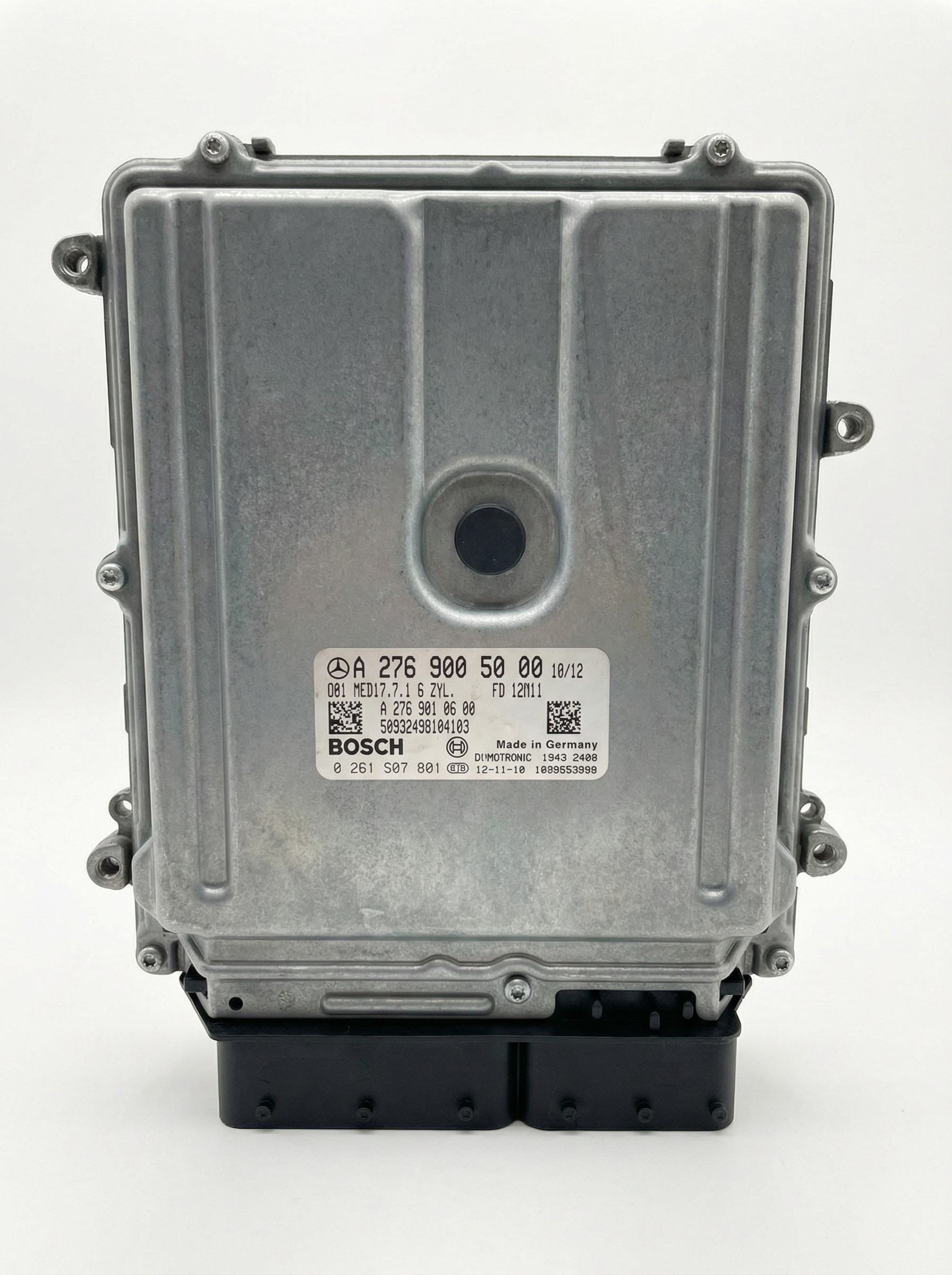
Used OEM Parts in Stock
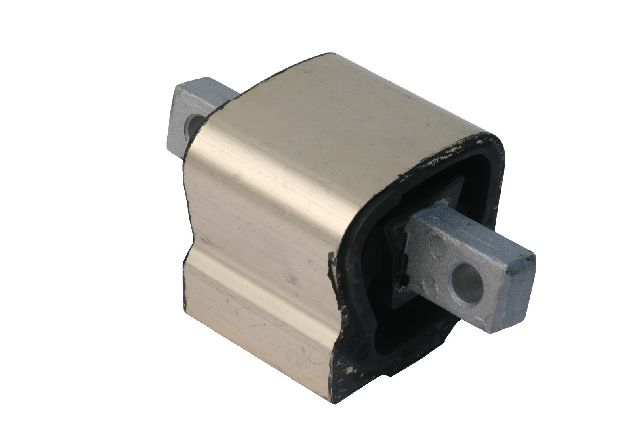
New Aftermarket Parts Available

The information in this article is provided for general reference and educational purposes only. Vehicle specifications, procedures, and part compatibility can vary by production date, trim level, and region. Always consult your vehicle's factory service manual and verify part numbers before purchasing or performing repairs. Safety-critical components such as airbags, seat belts, and braking systems should be installed by a qualified professional.
- Mercedes-Benz C-Class:
- 🧭 Diagnostic Flowchart
- 🎬 Helpful Videos
- 🛍️ Shop This Part
- What's Unique About the 2008-2014 Mercedes-Benz C-Class
- Symptoms You May Notice
- Most Likely Causes
- Rare But Worth Checking
- Diagnosis Steps
- Parts You'll Likely Need
- Related Codes That Often Appear With This One
- Mechanic-Grade Diagnostic Values
- Hidden / Shadow Codes Worth Checking
- Scan Tool Commands That Help
- Wiring & Ground Locations
- OEM Part Supersession History
- Model Year Variations Within This Range
- Other Known Issues on This Vehicle
- Used vs. New Parts: Buying Guide for This Vehicle
- Real Owner Stories
- 2009 Mercedes-Benz C300
- Mercedes-Benz C250 CGI (W204)
- Mercedes-Benz C250
- Related OBD-II Codes
- Frequently Asked Questions
- 🎟️ Get 5% Off