

P0607 on 2018-2022 Ford Escape 1.5L: Control Module Performance Causes and Fixes
P0607 on a 2018-2022 Ford Escape indicates an internal error in the Powertrain Control Module (PCM). The most common causes are not the PCM itself, but a weak battery, failing alternator, or poor ground connections. Always test the battery and charging system before suspecting the expensive PCM. Water intrusion at the PCM connector is also a known vulnerability on this platform.
- P0607 is a critical code. Do not drive the vehicle as it may stall at any time.
- The most common causes are simple electrical issues. ALWAYS test the battery, alternator, and check all power and ground connections before considering PCM replacement.
- PCM replacement is the absolute last step in diagnosis and requires professional programming.
- For 2018-2019 models, be aware of potential moisture in the engine bay from known coolant leak issues that could damage electronics.
- If other codes are present, especially P0562 (Low Voltage), they provide crucial clues that the PCM is likely not the root cause.
What's Unique About the 2018-2022 Ford Escape
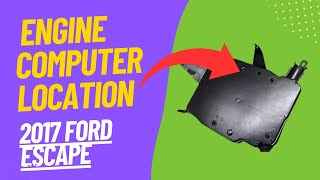
The 2018-2022 Ford Escape spans two different generations with two different 1.5L engines. The 2018-2019 models use a 1.5L 4-cylinder EcoBoost known for potential coolant intrusion issues (TSB 19-2139) 🎬 Watch: Learn more about the 1.5L coolant intrusion TSB, which can cause moisture damage to nearby electronics like the PCM. The 2020-2022 models use a newer 1.5L 3-cylinder EcoBoost. For both, P0607 is frequently a symptom of an underlying electrical issue, like a weak battery or bad ground, rather than a true PCM failure. Water intrusion into the PCM connector, located under the driver's side fender area 🎬 Watch: Locate the engine computer on your Escape, is a known issue on Escapes and can be caused by cowl or A-pillar leaks.
Generation note: The 2018-2019 Escape is the 3rd generation, using a 1.5L 4-cylinder EcoBoost. The 2020-2022 Escape is the 4th generation, using a 1.5L 3-cylinder EcoBoost. While the code's meaning is the same, the 3rd gen's known coolant leak issues (TSB 19-2139, Customer Satisfaction Program 21N12) add a specific diagnostic check for moisture near the PCM. The 4th gen has specific ground points (G101, G102 near the airbox) that are known to cause issues if loose.
Symptoms You May Notice
- Check Engine Light is on
- Engine stalling or shutting off while driving
- Vehicle may not start or is hard to start
- Reduced engine power or 'Limp Mode'
- Erratic or harsh transmission shifting
- Erratic gauge behavior
- Loss of communication with the OBD-II scan tool
- Replacing the PCM without first performing a complete battery and charging system test. Many P0607 codes are caused by low voltage, and replacing the expensive PCM will not fix the root problem.
- Failing to inspect PCM connectors for corrosion. On the Escape, water intrusion is a known issue and cleaning a corroded connector may resolve the fault without PCM replacement.
Most Likely Causes
- Weak or Failing Battery 🔴 High Probability → Shop Vehicle Battery Modern vehicles like the Escape are highly sensitive to voltage. A battery providing less than 12.4V at rest or with poor load capacity can cause control modules to fail their startup self-tests, falsely triggering P0607.
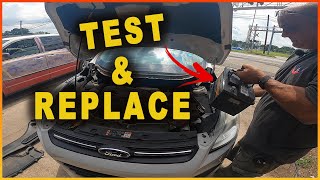
How to confirm: Test the battery with a multimeter. It should read above 12.4V with the engine off. A professional load test is the most definitive way to confirm battery health. 🎬 See this video on testing and replacing a dead Escape battery Check for a manufacturing date on the battery; they typically last 3-5 years.
Typical fix: Replace the battery. The Battery Management System (BMS) may need to be reset after replacement.
Est. part cost: $150-$300 - Poor Power/Ground Connections 🟡 Medium Probability Engine vibration and exposure to the elements can cause battery terminals to corrode or main PCM ground straps to loosen over time. Specific ground points on the 4th gen Escape (G101, G102, G103) are known weak points.
How to confirm: Visually inspect battery terminals for white or greenish corrosion. Follow the negative battery cable to the chassis and engine block, inspecting for tightness and corrosion. For 4th gen models, check grounds near the driver-side airbox. Resistance on a ground wire should be below 0.1 Ω.
Typical fix: Clean battery terminals and posts with a wire brush. Tighten or replace corroded ground straps.
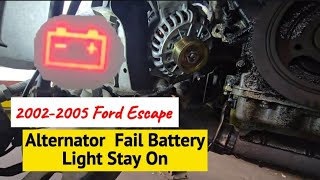
Est. part cost: $5-$50 - Failing Alternator 🟡 Medium Probability → Shop Alternator An alternator providing unstable voltage (too high or too low) can disrupt the PCM's operation and trigger a performance fault.
How to confirm: With the engine running, test the voltage at the battery terminals. It should be stable between 13.5V and 14.7V. Fluctuations or readings outside this range indicate a problem.
Typical fix: Replace the alternator.
Est. part cost: $300-$600 - Internal PCM Failure ⚪ Low Probability While less common, internal hardware failure from thermal stress or water intrusion can occur. Water leaking into the engine bay, particularly from a known cowl/A-pillar leak path on Escapes, can corrode PCM connectors and the module itself.
How to confirm: This is a last-resort diagnosis. A professional must first verify with 100% certainty that the PCM is receiving proper, stable voltage (12.2V ± 0.5V) and has solid ground connections (below 0.1 Ω) at its harness connector.
Typical fix: Replace and reprogram the Powertrain Control Module.
Est. part cost: $800-$1200
Rare But Worth Checking
- Corrupted PCM Software: A voltage spike from an improper jump-start or a failed update can corrupt the PCM's software. Ford has issued TSBs for other models where a PCM reflash is the fix for P0607, establishing it as a possibility. A reflash should be attempted by a dealer before hardware replacement.
- Water Intrusion at PCM Connector: Specific to the Escape platform, water can leak from the cowl or A-pillar area and wick into the PCM connector, causing pin corrosion and triggering P0607 even if the PCM itself is not internally damaged. A visual inspection of the connectors is crucial.
Diagnosis Steps
- Scan for all DTCs. Note if P0562, P0606, or U-codes are present, as they provide critical diagnostic context.
- Perform a complete battery health check using a professional load tester. A simple voltage check is not enough.
- With the engine running, measure the alternator output voltage at the battery terminals. It should be stable, between 13.5V and 14.7V.
- Disconnect the battery. Thoroughly inspect and clean the battery terminals, posts, and cable ends. Ensure connections are tight.
- Locate and inspect the main engine and chassis ground straps. For 4th gen models, pay special attention to grounds G101/G102 near the airbox. Ensure they are clean, tight, and free of corrosion. Test resistance to chassis (should be <0.1 Ohms).
- Carefully inspect the PCM and its connectors for any signs of physical damage, corrosion, or water intrusion. This is a known issue on Escapes. If corrosion is found, clean with electrical contact cleaner and apply dielectric grease before reconnecting.
- If all the above steps check out, the issue may be a software glitch or a failing PCM. At this point, professional diagnosis is required to test the PCM's power/ground circuits directly at the harness and attempt a software reflash before condemning the module.
Parts You'll Likely Need
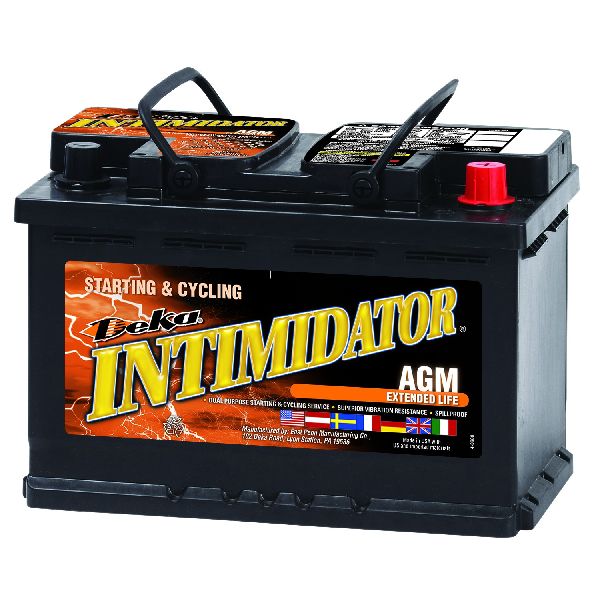
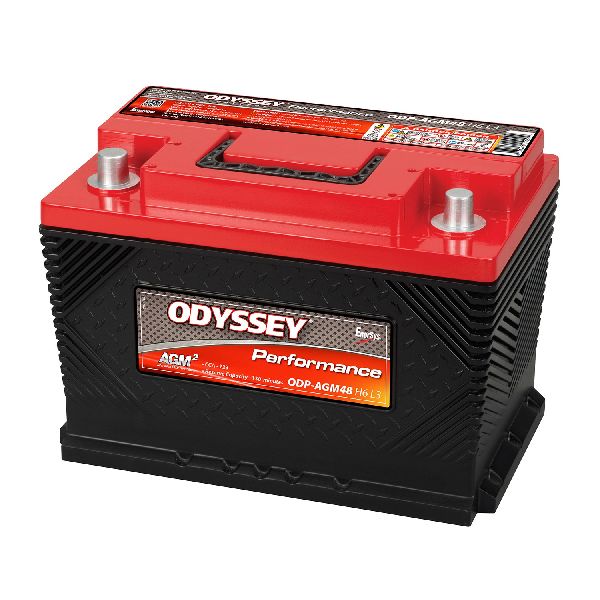
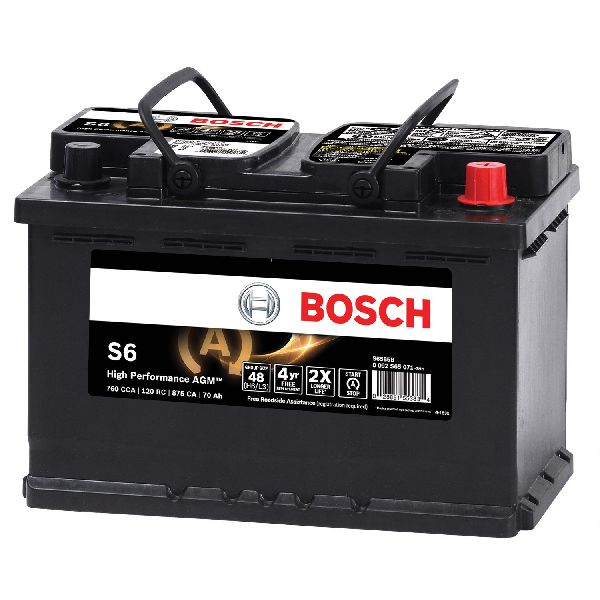
- Vehicle Battery
(OEM #BXT-96R-590 (Group 96R, 590 CCA) or BAGM-48H6-760 (AGM, Group H6, 760 CCA))— A weak or failing battery is the most common trigger for a false P0607 code on modern, voltage-sensitive vehicles.
Trusted brands: Motorcraft, Interstate, DieHard
OEM price range: $200-$300
Aftermarket price range: $150-$250 - Powertrain Control Module (PCM)
(OEM #LX6A-12A650-YA, KK1A-12B684-JA, KK1Z-12A650-JANP (Varies by year and specific configuration))— If all power, ground, and wiring issues have been ruled out, the PCM itself has likely failed and requires replacement. This is a last resort.
Trusted brands: Motorcraft
OEM price range: $900-$1200
Aftermarket price range: $600-$900
Related Codes That Often Appear With This One
- P0606 — This code for 'PCM Processor Fault' is very similar and, when seen with P0607, strongly suggests an internal PCM hardware or software failure.
- P0562 — This code for 'System Voltage Low' is a direct indicator of a power supply problem. If you see this with P0607, the P0607 is almost certainly a symptom, and the root cause is the low voltage condition.
- U0100 — This code means 'Lost Communication With ECM/PCM'. It can appear if the PCM is failing intermittently and dropping off the vehicle's communication network.
Technical Service Bulletins (TSBs) & Recalls
- TSB 19-2139: Addresses coolant intrusion for 2017-2019 Escapes with the 1.5L 4-cyl engine. While the TSB focuses on misfire codes (P0300-P0304), the underlying issue of coolant leaks in the engine bay is relevant as moisture can damage nearby electronics.
- TSB 21-2086 (for F-150): While not for the Escape, it establishes a precedent that a PCM reflash can be a valid fix for P0607, making it a worthwhile step before hardware replacement. This bulletin notes that P0607 may be stored in the PCM due to various software parameters.
- TSB 24-2310: A manufacturer bulletin for vehicles with the 2.3L EcoBoost engine notes that P0607:45 may be stored in the PCM with no other driveability symptoms, often accompanied by an illuminated MIL or wrench indicator.
Platform-Specific Known Issues
- For 2018-2019 models with the 1.5L 4-cylinder, be aware of Customer Satisfaction Program 21N12 which addresses coolant intrusion into the cylinders. While not a direct cause of P0607, the associated TSB 19-2139 confirms coolant leaks in the engine bay can lead to moisture damage on the PCM or its wiring.
- Water intrusion into the PCM connector has been noted as a potential issue on Ford Escapes, leading to corrosion and this code. The PCM is located in a vulnerable area under the driver's side fender where water from the cowl can collect.
- For 4th generation models (2020-2022), specific ground studs near the driver-side airbox (G101, G102) and on the injector harness (G103) are known to loosen or corrode, causing a variety of electrical faults including P0607.
Mechanic-Grade Diagnostic Values
- PCM Power Supply Voltage (Key On, Engine Off) — expected: 12.2V ± 0.5V. Failure: Voltage below 11.7V points to a weak battery, corroded terminal, or wiring issue before the PCM.
- PCM Ground Circuit Resistance — expected: Below 0.1 Ω. Failure: Resistance higher than 0.1 Ω indicates a loose, corroded, or damaged ground strap/wire, which can starve the module and cause performance errors.
- Sensor Reference Voltage (VREF) — expected: Stable between 4.5V and 5.5V. Failure: Voltage outside this range, or that is unstable, can indicate an internal PCM fault or a short circuit in a sensor or its wiring that is pulling the reference voltage down.
- CAN Bus Idle Voltage — expected: Approximately 2.5V on both CAN High and CAN Low lines.. Failure: Abnormal voltage or a lack of signal suggests a communication bus issue, which can interrupt data flow and cause the PCM to report a performance error.
Scan Tool Commands That Help
- Ford IDS/FJDS: Programmable Module Installation (PMI) — This is the primary function used when installing a new or used PCM. It guides the technician through transferring vehicle configuration data (As-Built data) from the old module to the new one.
- Ford IDS/FJDS: Module Reprogramming — Used to update an existing PCM with the latest factory software calibration. This should be attempted to fix potential software glitches before condemning the hardware.
- Ford IDS/FJDS: Parameter Reset (PATS Function) — This is a mandatory security function after replacing a PCM. It allows the new module to 'handshake' with the vehicle's immobilizer system and learn the existing keys. A failure to perform this step will result in a no-start condition.
- FORScan: Module Configuration (As-Built format) — Advanced DIYers use FORScan to manually write the vehicle's As-Built data to a used PCM, effectively programming it to the car. This can also be used to change the VIN in a used ABS module, which can sometimes resolve communication conflicts.
Wiring & Ground Locations
- PCM Location — Under the driver's side fender area, often requiring removal of the wheel and fender liner to access.. This location makes it vulnerable to water intrusion from cowl or A-pillar leaks, which can corrode the connectors and cause P0607.
- C175B — The main, large electrical connector at the Powertrain Control Module (PCM).. This is the single most important point for diagnosis. All power, ground, and data signals for the PCM pass through here. Checking for corrosion, moisture, and testing pin voltage/resistance here is critical.
- C175B Pins 47, 48, 49, 50 — Specific pins within the main C175B connector at the PCM.. These are the primary ground pins for the PCM. Performing a voltage drop test directly on these pins is the most accurate way to confirm the integrity of the ground circuit, a very common cause of false P0607 codes.
- G101 / G102 — On the 4th gen (2020-2022), these are critical ground studs located near the driver-side airbox in the engine compartment. On other Ford platforms, G101 is often at the left front of the engine compartment.. These grounds are essential for the PCM and related engine sensors. A loose or corroded connection here is a known cause of intermittent electrical faults, including P0607.
- G103 — On the 4th gen (2020-2022), this ground is located on the engine block, often associated with the injector harness.. Provides a direct ground path for critical engine components. A fault here can introduce electrical noise and instability, leading to PCM performance codes.
Real Owner Repair Stories
- PowerStrokeArmy forum user (2010 Ford 6.4L Powerstroke (context on Ford module failure logic applies)) — P0607 code present, intermittent shifting issues.
❌ Tried (didn't work) Checking both batteries, Swapping batteries with known-good ones, Checking PCM and TCM connections, Cleaning all visible grounds and battery cables
✅ What actually fixed it The P0607 code was being set by a failed Transmission Control Module (TCM), not the PCM. Replacing the TCM with a remanufactured unit resolved the code without needing dealer flashing. - PowerStrokeArmy forum user (Ford Powerstroke truck with an SCT tuner) — P0607 code appeared after the truck sat and the batteries died.
❌ Tried (didn't work) Replacing batteries, Clearing the code (it would return instantly on next start)
✅ What actually fixed it The low battery voltage during cranking was suspected to have corrupted the aftermarket tune file. The owner returned the truck's software to the stock tune, then re-applied the aftermarket tune. The code did not return after this process. - NHTSA ODI #11383975 — An owner reported a P0607 code indicating control module failure or corruption. Despite having new battery cables and over 14 volts charging from the alternator to the battery, the issue persisted.
- NHTSA ODI #11715240 — A report describes erratic and harsh shifting while on the highway, with P0607 and P0606 (PCM Processor Faults) stored alongside transmission range sensor codes.
- NHTSA ODI #11029690 — A vehicle was found with diagnostic codes P0607, P060A, P1674, and P2105, requiring repairs that the owner felt should have been covered under a recall.
Model Year Variations Within This Range
- 2020-2022: The 4th generation Escape with the 1.5L 3-cylinder engine has specifically identified weak ground points G101, G102 (near the airbox), and G103 (on the engine block) that are common culprits for electrical issues. While the 3rd gen (2018-2019) also relies on good grounds, these specific locations are a primary focus for the 4th gen.
- 2018-2019: The 3rd generation Escape with the 1.5L 4-cylinder is subject to TSB 19-2139 and Customer Satisfaction Program 21N12 for coolant intrusion. This makes any diagnosis of P0607 on these specific years require an extra check for moisture in the engine bay that could have damaged the PCM or its wiring.
Diagnostic Flowchart
Other Known Issues on This Vehicle
Issues unrelated to this code that are worth knowing about as an owner of this generation:
- 1.5L 4-Cyl Coolant Intrusion 🔴 High — Common on 2017-2019 models. Can occur anytime but often reported between 60,000-90,000 miles. Leads to misfires and eventual engine failure. (Ref: TSB 19-2139, TSB 20-2100, Customer Satisfaction Program 21N12.)
- Transmission Failure / Harsh Shifting 🟠 Medium — Reported on both 3rd gen (6F35 transmission) and early 4th gen (8F35 transmission) models. Can manifest as shuddering, hesitation, or complete failure at low mileage. (Ref: Recall 20S49 for 2020 models regarding loose accumulator bolts, but broader complaints about shift quality persist.)
- Cracked Fuel Injector (4th Gen) 🔴 High — A known issue on 2020-2022 models, particularly the 1.5L 3-cylinder, that can cause fuel leaks in the engine bay, posing a significant fire risk. (Ref: NHTSA Campaign Number 22V859000 (Ford Recall 22S73).)
- Delamination of Rear Window Adhesive 🟡 Low — Affects 2020-2022 models, where the rear quarter glass or liftgate glass may not be properly bonded, potentially allowing it to detach. (Ref: NHTSA Campaign Number 23V358000 (Ford Recall 23S22).)
Used vs. New Parts: Buying Guide for This Vehicle
When a used part is the smart pick: A used PCM from a junkyard can be a cost-effective option ONLY if you have a confirmed path for programming. It is not a simple plug-and-play part. Other related components like ground straps or battery cables are excellent candidates for used parts.
Donor-vehicle mileage cap: roughly under 80000 miles for the part to have meaningful remaining life.
What to inspect on the donor part:
- For a used PCM, verify the part number (tear tag) is an exact match to the original.
- Ensure the donor vehicle was not in a flood or had significant front-end damage near the PCM location.
- Inspect the connector pins on the used PCM for any signs of corrosion, moisture, or physical damage before purchase.
OEM-only on this vehicle (don't cheap out):
- Powertrain Control Module (PCM) - While aftermarket/remanufactured units exist, an OEM Motorcraft PCM (new or properly programmed used) is the highest probability for a successful, long-term repair due to complex software and security integration.
Aftermarket brands forum-validated for this vehicle:
- For batteries: Motorcraft, Interstate, DieHard are consistently reliable choices.
- For remanufactured modules: Companies specializing in module repair, like 'Module Experts', have been reported by users to successfully resolve issues.
Brands owners have reported issues with on this vehicle:
- Avoid unbranded, no-name PCMs from online marketplaces. These often have programming issues, are not correctly matched to the vehicle's calibration, and lack warranty support.
Real Owner Stories
Aggregated from forums and TSBs cited above. Mileages and costs reflect what owners reported in those sources.
2019 Ford Fusion 1.5L EcoBoost
Symptoms: The owner experienced misfire codes and initially replaced the battery. The vehicle was suffering from the 1.5L coolant intrusion issue.
What fixed it: The engine was replaced for free under Customer Satisfaction Program 21N12.
Source hint: Ford Fusion Forum: Customer Satisfaction Program 21N12 - 1.5L Coolant Intrusion
2020 Ford Escape Titanium AWD
Symptoms: The owner described a module failure and noted the existence of a 'customer satisfaction program' that was not a formal recall.
What fixed it: The owner had to proactively communicate with the dealer and Ford corporate to address the module fault.
Source hint: Reddit r/fordescape: 2020 escape titanium awd module fault.
Related OBD-II Codes
Frequently Asked Questions
Does Customer Satisfaction Program 21N12 apply to my 2018 Ford Escape 1.5L with a P0607 code?
Where are the common ground points that cause electrical faults on the 2020-2022 Ford Escape?
Can a simple battery replacement fix a P0607 on my Escape?
Is there a recall for the PCM on the 2020 Ford Escape?
Why is my Escape stalling and losing communication with my scan tool?
What voltage should I see from my Escape's alternator to rule out a PCM performance code?
Helpful Videos


Used OEM Parts in Stock
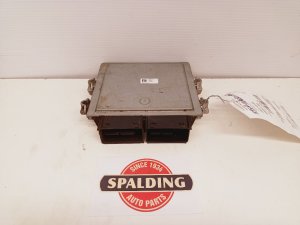
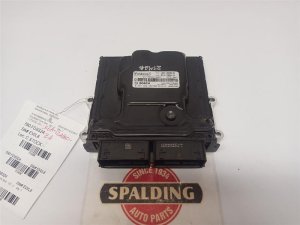
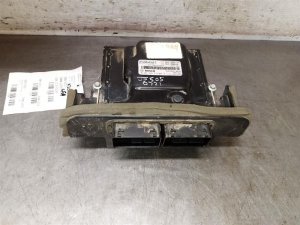
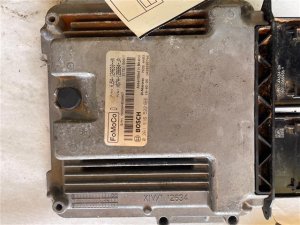
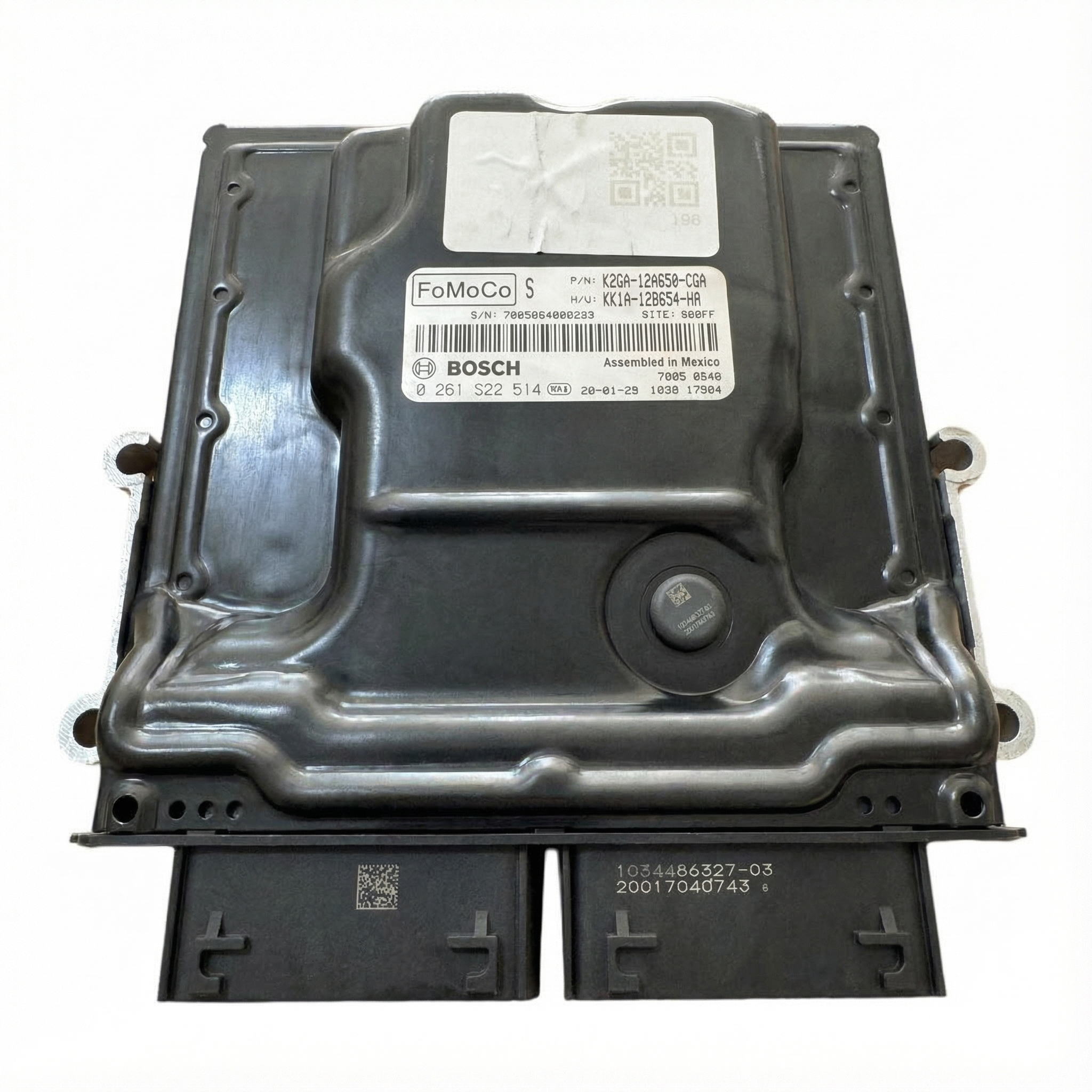
New Aftermarket Parts Available


The information in this article is provided for general reference and educational purposes only. Vehicle specifications, procedures, and part compatibility can vary by production date, trim level, and region. Always consult your vehicle's factory service manual and verify part numbers before purchasing or performing repairs. Safety-critical components such as airbags, seat belts, and braking systems should be installed by a qualified professional.
- Ford Escape:
- 🧭 Diagnostic Flowchart
- 🎬 Helpful Videos
- 🛍️ Shop This Part
- What's Unique About the 2018-2022 Ford Escape
- Symptoms You May Notice
- Most Likely Causes
- Rare But Worth Checking
- Diagnosis Steps
- Parts You'll Likely Need
- Related Codes That Often Appear With This One
- Technical Service Bulletins (TSBs) & Recalls
- Platform-Specific Known Issues
- Mechanic-Grade Diagnostic Values
- Scan Tool Commands That Help
- Wiring & Ground Locations
- Real Owner Repair Stories
- Model Year Variations Within This Range
- Other Known Issues on This Vehicle
- Used vs. New Parts: Buying Guide for This Vehicle
- Real Owner Stories
- 2019 Ford Fusion 1.5L EcoBoost
- 2020 Ford Escape Titanium AWD
- Related OBD-II Codes
- Frequently Asked Questions
- 🎟️ Get 5% Off