

P0626 on 2010-2015 Hyundai Tucson: Generator Field Circuit High Causes and Fixes
P0626 on a 2010-2015 Tucson almost always means the alternator is failing due to an internal voltage regulator fault. Before replacing it, check for oil leaking from the valve cover gasket above, as this is a common root cause of failure on this vehicle. Expect to replace the alternator assembly (OEM Part No. 37300-2G400 for 2.4L). Using a new OEM (Valeo) or high-quality new aftermarket part is strongly recommended, as owners report that cheaper remanufactured units can cause the code to return.
- P0626 on your Tucson points to a serious charging system fault, most likely a failed alternator that is overcharging.
- Before replacing any parts, check for an oil leak from the valve cover gasket dripping onto the alternator; this is a known failure pattern for this vehicle.
- A simple voltage test at the battery with the engine running is the best diagnostic step. A reading over 15.0 volts is a clear sign the alternator is bad.
- Do not drive the vehicle extensively with this code, as the overcharging can damage the battery and other expensive electronics.
What's Unique About the 2010-2015 Hyundai Tucson
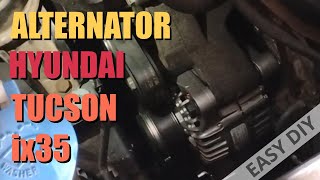
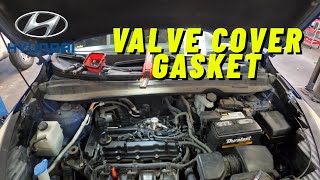
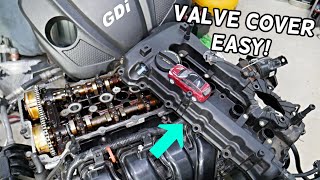
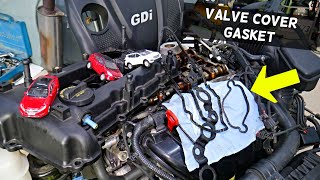
The second-generation (LM) Hyundai Tucson uses a modern, ECM-controlled charging system where the alternator's output is precisely managed via the 'FR' or 'F' terminal. A critical issue specific to this platform, which uses the Theta II engine, is the location of the alternator directly below the engine's valve cover. A leaking valve cover gasket, a known problem for this engine, can drip oil directly onto the alternator. This oil saturation contaminates the internal components, leading to premature failure of the voltage regulator and triggering codes like P0626. 🎬 Watch: Understanding P0626 causes and solutions This makes inspecting for oil leaks a mandatory first step in diagnosis.
Symptoms You May Notice
- Battery warning light illuminated on the dashboard
- Headlights and interior lights are flickering or appear unusually bright
- Engine stalling, especially at idle
- Electrical accessories malfunctioning (e.g., slow power windows, radio problems)
- A whining or grinding noise coming from the engine bay that changes with RPM
- A dead or discharged battery, or difficulty starting the engine
- A faint burning smell from the battery (from overcharging) or the alternator
- Harsh automatic transmission shifting
- Replacing the battery without testing the charging system. A new battery will be quickly damaged by an overcharging alternator or will not stay charged if the alternator has failed completely.
- Using a cheap remanufactured alternator. Many owners report that the P0626 code returns as a 'pending' fault with non-OEM units, even if the check engine light does not illuminate.
Most Likely Causes
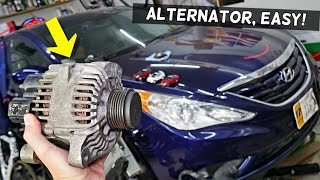
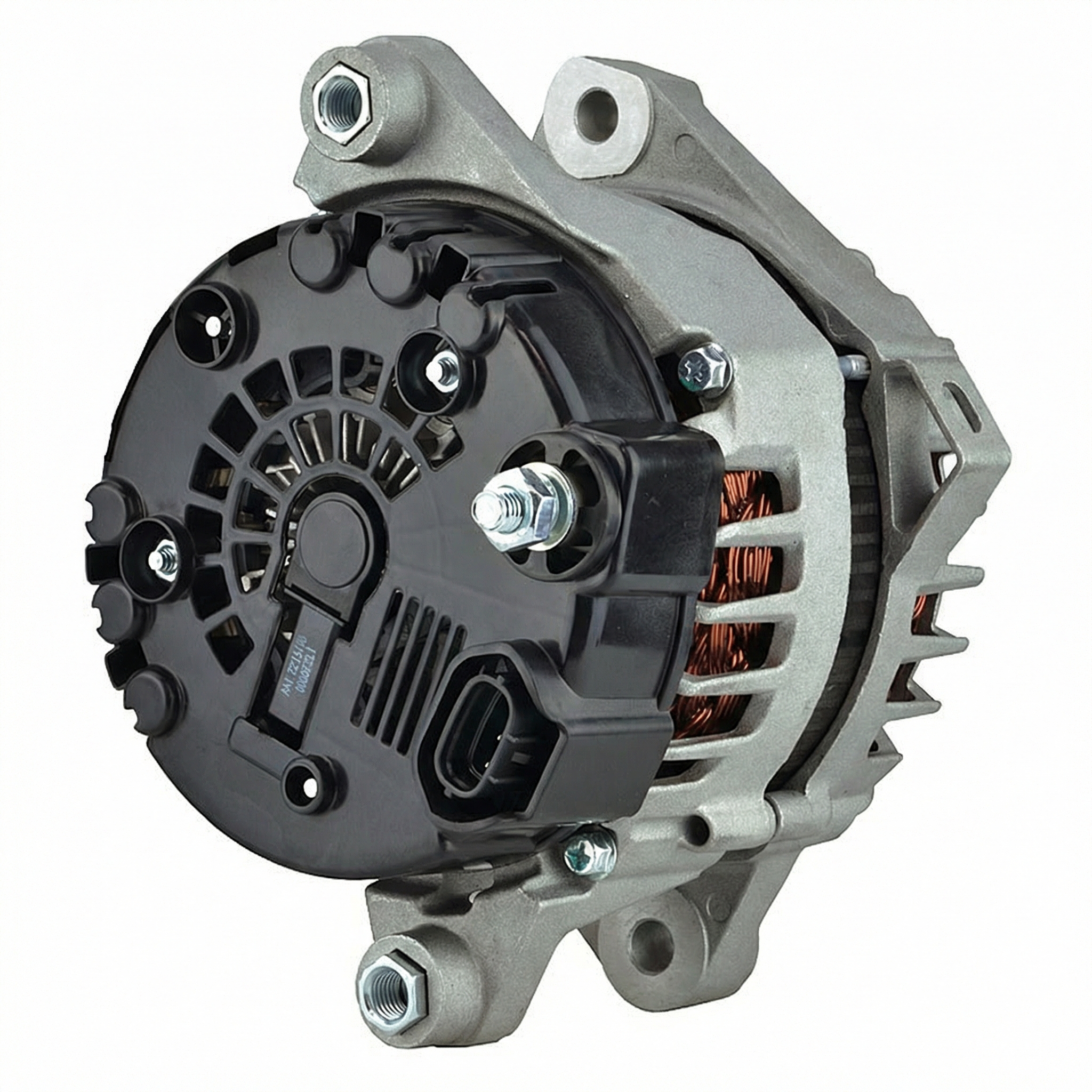
- Failed Alternator (Internal Voltage Regulator) 🔴 High Probability → Shop Alternator The internal voltage regulator is the most common failure point within the alternator that leads to an overcharging condition and a P0626 code. Owner forums and mechanic reports consistently show that replacing the alternator is the definitive fix. Many owners report that using cheaper, remanufactured aftermarket alternators can cause a 'pending' P0626 code to return, even if the charging system appears to work.
How to confirm: With the engine running, use a multimeter to test the voltage at the battery terminals. A reading above 15.0 volts confirms an overcharging condition, strongly indicating a faulty alternator. Many auto parts stores can also bench-test the alternator if it's removed from the vehicle, though this is not always conclusive.
Typical fix: Replace the entire alternator assembly. The voltage regulator is integrated and not sold separately. It is highly recommended to use a new OEM (Valeo is the original supplier) or a high-quality new aftermarket unit to avoid persistent codes.
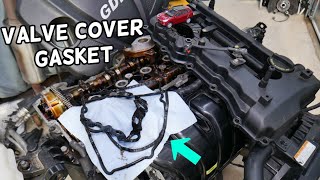
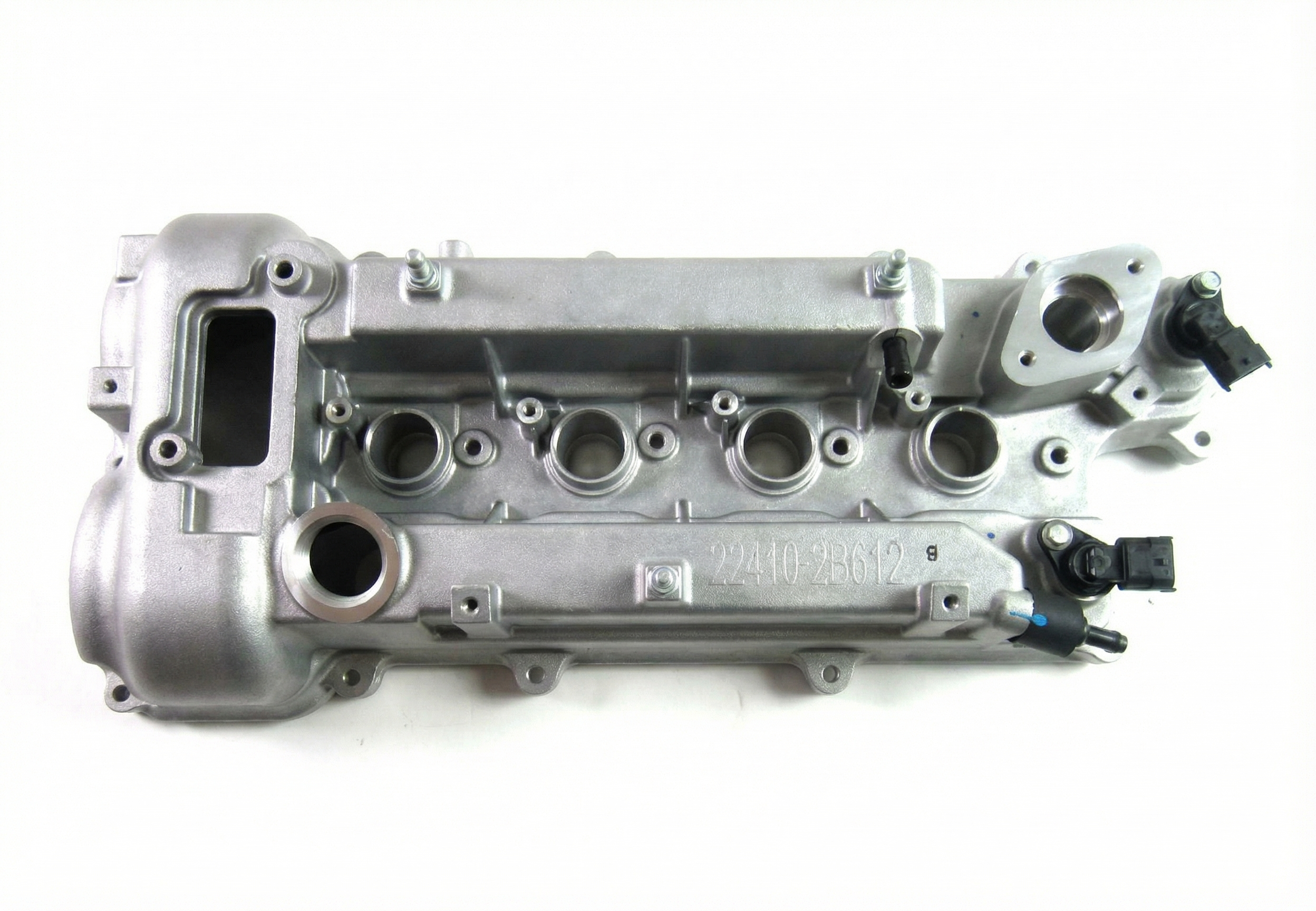
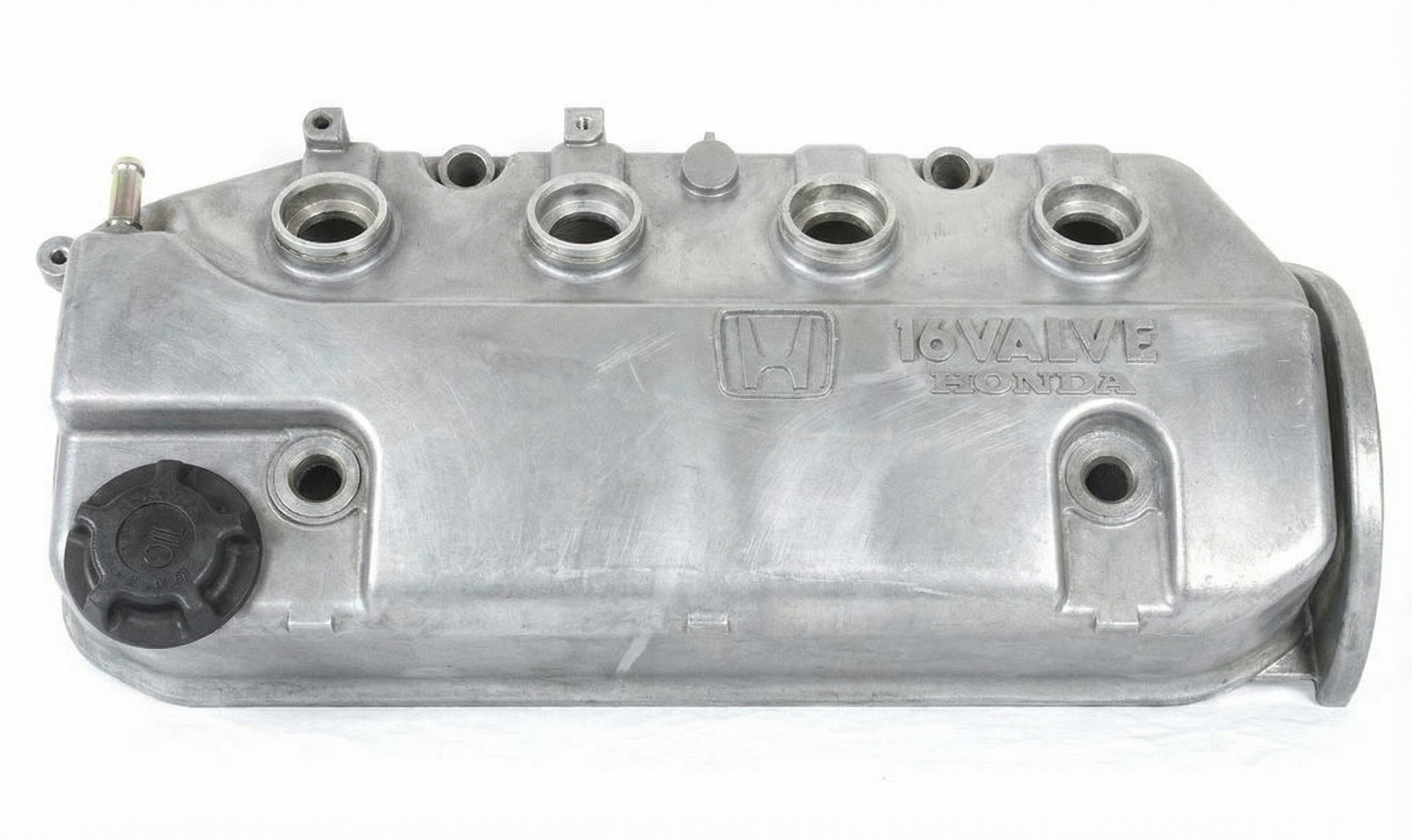
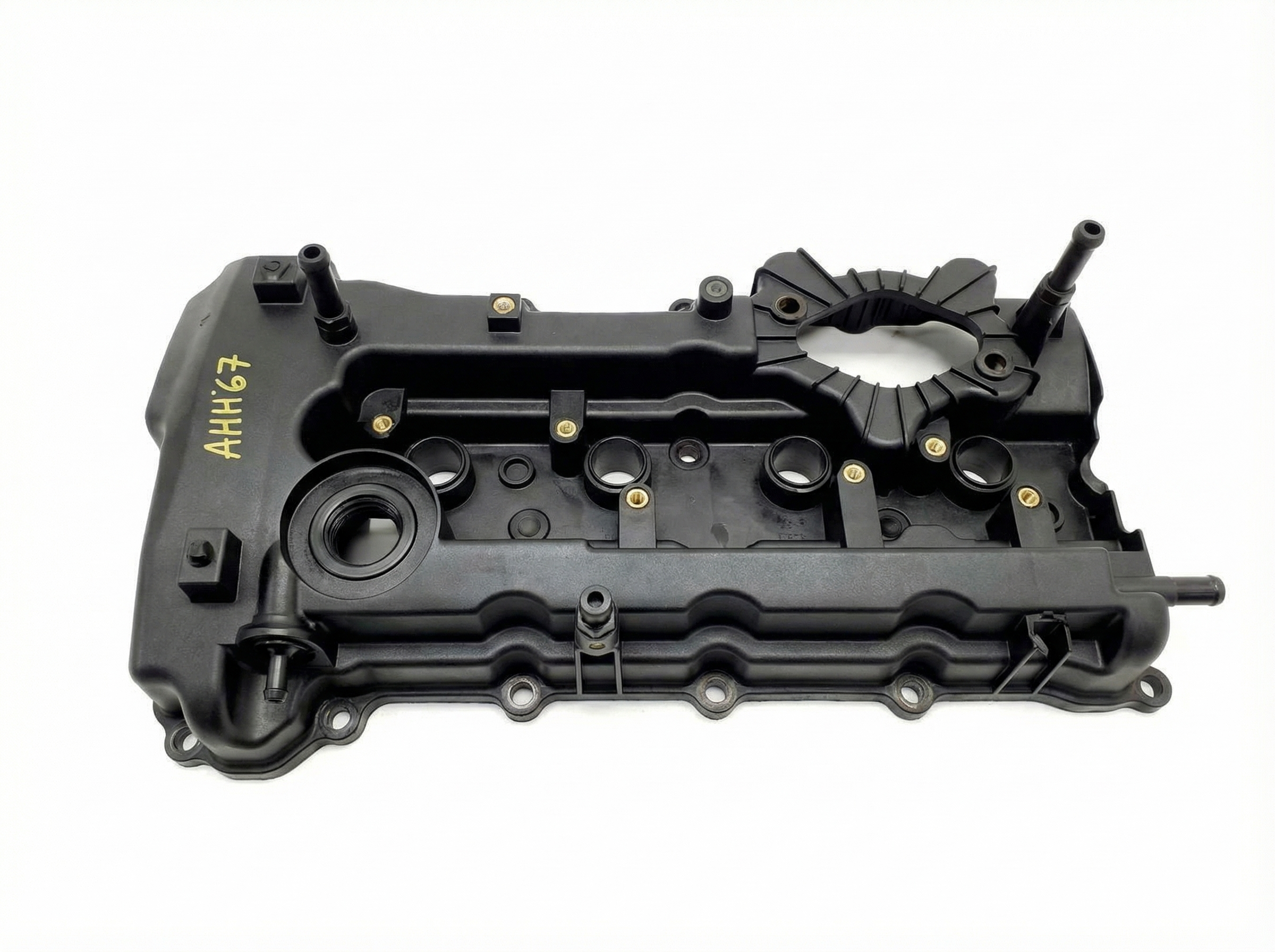
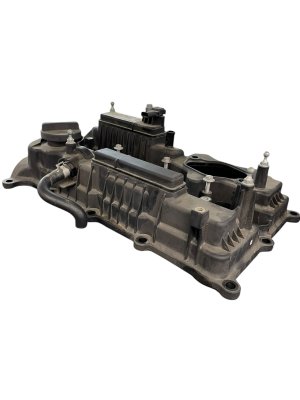
Est. part cost: $200-$450 - Leaking Valve Cover Gasket 🟡 Medium Probability → Shop Engine Valve Cover The valve cover gasket on the Theta II engine is located directly above the alternator. Oil leaks are a known issue and will drip onto the alternator, saturating its internal components and causing premature failure. This is a very common root cause for the alternator failure itself.
How to confirm: Visually inspect the top and sides of the alternator for signs of fresh or caked-on engine oil. Trace the leak upwards to the edge of the valve cover. The presence of oil on the alternator is a strong indicator.
Typical fix: Replace the valve cover gasket. This should be done at the same time as or before replacing the oil-soaked alternator to prevent a repeat failure. The OEM part number for the 2.4L engine is typically 22441-2G100 or 22441-2G710.
Est. part cost: $25-$60 - Damaged Wiring or Connectors ⚪ Low Probability The single-wire connector for the field circuit ('F' or 'FR' terminal) can become corroded, or the wire itself can break or chafe against engine components, causing a short or open circuit. This can happen right at the alternator plug.
How to confirm: Visually inspect the wiring harness leading to the alternator for any signs of melting, chafing, or corrosion. Unplug the connector and check for corroded, pushed-out, or broken pins. Check for oil contamination inside the connector itself. Perform a continuity test on the field control wire between the alternator and the PCM if a wiring diagram is available.
Typical fix: Repair the damaged section of the wire or clean/replace the connector pigtail.
Est. part cost: $10-$30
Rare But Worth Checking
- Faulty Powertrain Control Module (PCM): → Shop Engine Control Module (ECM) This is very rare. The PCM's internal driver for the alternator circuit can fail, but this should only be considered after the alternator and all related wiring have been thoroughly tested and proven to be good. Replacing the PCM is a last resort.
Diagnosis Steps
- Scan for any other stored trouble codes to get a full picture of the issue.
- Visually inspect the area around the alternator. Specifically look for signs of oil leaking from the valve cover gasket directly onto the alternator body.
- Inspect the alternator's electrical connector and the main power cable for looseness, damage, or corrosion. Check for broken wires right at the connector.
- Start the engine. Listen for any whining or grinding noises from the alternator.
- Using a multimeter, measure the DC voltage across the positive and negative battery terminals. A healthy charging system should read between 13.5 and 14.7 volts.
- If the voltage is above 15.0 volts, the alternator's internal voltage regulator has failed, and the alternator needs to be replaced.
- If the voltage is low (under 13.2V) or at battery level (around 12.6V), the alternator has likely failed completely.
- If the alternator is replaced, ensure the root cause (like an oil leak) is also fixed by replacing the valve cover gasket to prevent a repeat failure.
- If the charging voltage is normal but the code persists, inspect the field control circuit wire between the alternator and the PCM for shorts or opens.
- If using an aftermarket alternator and a 'pending' P0626 code appears, it is likely due to incompatibility; replacing it with an OEM/Valeo unit is the recommended solution.
Parts You'll Likely Need
- Alternator
(OEM #37300-2G400 (for 2.4L engine, verify by VIN))— This is the most common cause of P0626, as the internal voltage regulator fails and causes an overcharge condition. It is replaced as a complete assembly.
Trusted brands: Hyundai (OEM), Valeo (OEM Supplier), TYC, Remy
OEM price range: $400-$600
Aftermarket price range: $200-$450 - Valve Cover Gasket
(OEM #22441-2G100 or 22441-2G710 (for 2.4L engine, verify by VIN))— A common root cause of alternator failure on this specific vehicle. If the old alternator is oil-soaked, this part must be replaced to protect the new one.
Trusted brands: Fel-Pro, Mahle, Victor Reinz, Hyundai (OEM)
OEM price range: $40-$70
Aftermarket price range: $25-$60
Related Codes That Often Appear With This One
- P0625 — This code for 'Generator Field Terminal Circuit Low' can sometimes appear with P0626 if the charging system is highly erratic, causing both high and low voltage faults to be registered.
- P0562 — This code for 'System Voltage Low' will appear if the alternator fails completely after the initial P0626 fault, leading to the battery being drained.
- P0563 — This code for 'System Voltage High' may appear if the overcharging condition is severe enough to raise the entire vehicle's system voltage above the acceptable limit.
Technical Service Bulletins (TSBs) & Recalls
- TSB 12-BE-005-1: While not for P0626 specifically, this TSB details Hyundai's official procedure for battery testing and management, which is a crucial first step in any charging system diagnosis.
- TSB 17-ST-002: Details a warranty extension for the flexible steering coupler, a common failure item on this platform causing a clicking noise in the steering wheel. While unrelated to P0626, it is a key platform issue.
Platform-Specific Known Issues
- A leaking valve cover gasket is known to drip oil directly onto the alternator, causing premature failure. This should be inspected and repaired along with the alternator replacement to prevent the problem from recurring.
- Use of non-OEM (specifically, remanufactured aftermarket) alternators is widely reported to cause a persistent 'pending' P0626 code, even if the charging system appears to function correctly.
Mechanic-Grade Diagnostic Values
- Battery Voltage (Engine Off) — expected: 12.0V - 12.8V. Failure: Below 12.0V indicates a discharged or faulty battery.
- Charging System Voltage (Engine Running at Idle) — expected: 13.5V - 14.7V. Failure: Voltage above 15.0V indicates overcharging (failed regulator); voltage below 13.2V indicates undercharging (failed alternator).
- Alternator FR Terminal Duty Cycle (via Scan Tool) — expected: Duty cycle increases as electrical load increases.. Failure: A duty signal above a certain threshold (e.g., >20% at idle with no load) can trigger the code. A 0% reading can also indicate a loss of communication.
- Alternator FR Terminal Voltage (Key ON, Engine OFF) — expected: Typically near 0V or a low voltage.. Failure: Voltage significantly higher than 0V may indicate a short to power in the control circuit.
Scan Tool Commands That Help
- Hyundai GDS (Global Diagnostic System): Vehicle S/W Management (Special Function) — Used to access functions like 'Resetting Adaptive Values' for the engine control module after a major repair, which can help the system relearn parameters after replacing a component like an alternator.
- Hyundai GDS (Global Diagnostic System): Live Data / SENSOR DATA — To monitor real-time data streams from the charging system, such as 'Alternator FR Terminal Duty Cycle' and 'Battery Voltage', to observe the alternator's response to ECM commands and electrical loads.
- Hyundai GDS (Global Diagnostic System): DTC Analysis / Fault Code Diagnosis Guide — After retrieving code P0626, this function provides OEM-specific diagnostic procedures, component locations, and wiring diagrams directly within the scan tool software to guide the technician through troubleshooting steps.
Wiring & Ground Locations
- PCM (Powertrain Control Module) — Located in the left rear of the engine compartment.. The PCM is the source of the control signal for the alternator's FR terminal. The wiring between this module and the alternator is critical.
- Alternator 'FR' Terminal Wire — This is the signal wire running from the PCM to the single-pin connector on the alternator.. This wire carries the duty cycle signal that controls the alternator's output. A short to power or an open circuit on this wire will directly cause a P0626 or related code.
- E/R Fuse & Relay Box — Located in the left front corner of the engine compartment.. This box contains fuses and relays critical to the charging system, such as the 'ECU 1 fuse (20A)' and others labeled 'E/R-CHGA' and 'E/R-CHGK'. A blown fuse here can interrupt power to control modules.
- Engine Block Ground — A primary ground strap connects from the back of the engine block to the vehicle's body/chassis.. The alternator case is grounded through its mounting bracket to the engine block. A poor engine ground connection can create a voltage differential, potentially confusing the PCM and contributing to charging system faults.
Real Owner Repair Stories
- Reddit user BnL_Nexus (2009 Hyundai Sonata 2.4L (Similar Theta II platform)) — No Check Engine Light, but a persistent 'pending' P0626 code appeared after replacing the original alternator.
❌ Tried (didn't work) Clearing the code with an OBD scanner., Disconnecting the battery for 20 minutes.
✅ What actually fixed it The issue was caused by using a remanufactured aftermarket alternator from an auto parts store. The consensus from other users was that only a new OEM (Valeo) or an official Hyundai remanufactured alternator would resolve the pending code, as the aftermarket units have compatibility issues with the PCM's monitoring strategy.
OEM Part Supersession History
37300-25600→37300-2G150, then 37300-2G400— Standard part evolution and supplier changes for the 110A Valeo-type alternator used on the Theta II engine.
Heads up: While these part numbers are generally interchangeable for this application, it is critical to verify fitment by VIN. The key is ensuring the replacement is a new OEM/Valeo unit, as remanufactured units are known to cause persistent pending codes.
Diagnostic Flowchart
Other Known Issues on This Vehicle
Issues unrelated to this code that are worth knowing about as an owner of this generation:
- Theta II Engine Failure (Rod Bearing) 🔴 High — Widespread across 2.0L and 2.4L GDI engines. Led to massive recalls, lawsuits, and lifetime warranty extensions for the engine short block on affected vehicles. (Ref: NHTSA Campaign #19V063000, among others. Hyundai also implemented a Knock Sensor Detection System (KSDS) software update to detect early signs of failure.)
- Excessive Oil Consumption 🟠 Medium — Common on the 2.4L Theta II engine, often related to piston ring issues, leading to low oil levels between changes. (Ref: While related to the larger engine issues, specific TSBs address oil consumption testing procedures at dealerships.)
- Steering Coupler Failure 🟡 Low — Extremely common. A small, flexible rubber coupler in the electronic power steering column wears out, causing an audible 'click' or 'thud' in the steering wheel when turning. It is not a safety issue but is a significant annoyance. (Ref: TSB 17-ST-002 extended the warranty for this part to 10 years/100,000 miles. The replacement part is inexpensive, but labor can be involved.)
- ABS Module Fire Risk 🔴 High — A defect in the Anti-Lock Brake System (ABS) module could allow moisture intrusion, causing an electrical short and potential for an engine compartment fire, even when the vehicle is parked. (Ref: NHTSA Campaign #20V543000. Hyundai advised owners to park outside and away from structures until the recall repair was performed.)
- Dual-Clutch Transmission (DCT) Hesitation 🟠 Medium — Primarily affects models with the 1.6T engine and 7-speed DCT (less common than 2.0/2.4L). Owners report hesitation or shuddering from a stop. (Ref: TSB #20-AT-025H provides a software update for the Transmission Control Unit (TCU) to address the issue.)
Used vs. New Parts: Buying Guide for This Vehicle
When a used part is the smart pick: A used OEM alternator from a low-mileage (<80,000 miles) donor vehicle can be a good value and is often more reliable than a new, non-OEM aftermarket part. This is a viable option if the budget is tight, but it carries the risk of the used part having limited remaining life.
Donor-vehicle mileage cap: roughly under 80000 miles for the part to have meaningful remaining life.
What to inspect on the donor part:
- Verify the donor vehicle's mileage.
- Inspect the alternator casing for signs of heavy oil saturation, which indicates it was subjected to a leaking valve cover gasket and may fail prematurely.
- Check the pulley for smoothness of rotation and any bearing noise.
- Ensure the electrical connector and power post are not corroded or damaged.
OEM-only on this vehicle (don't cheap out):
- Alternator
Aftermarket brands forum-validated for this vehicle:
- Valeo (New, not remanufactured)
Brands owners have reported issues with on this vehicle:
- Generic remanufactured units from major auto parts stores are frequently reported to cause persistent 'pending' P0626 codes, even if they appear to be charging correctly.
Real Owner Stories
Aggregated from forums and TSBs cited above. Mileages and costs reflect what owners reported in those sources.
2010-2015 Hyundai Tucson
Symptoms: The battery warning light was on, and the headlights and interior lights were flickering or appearing unusually bright. The owner also noticed a faint burning smell from the alternator area.
What fixed it: Replacement of the alternator with a new OEM Valeo unit and replacement of the leaking valve cover gasket to prevent future oil saturation.
Source hint: vehicle_specific_issues and common_causes
Related OBD-II Codes
Frequently Asked Questions
Why does my 2010-2015 Hyundai Tucson keep showing a pending P0626 code even after I replaced the alternator with a store-brand unit?
Can an oil leak cause the P0626 code on my Tucson?
Is there a specific part number for the valve cover gasket if I need to fix the leak causing my alternator failure?
My Tucson has a clicking noise in the steering wheel; is this related to the P0626 charging issue?
What voltage should I see at the battery to confirm my alternator is overcharging?
Does Hyundai have a specific procedure for testing the battery before I replace the alternator?
Helpful Videos

Used OEM Parts in Stock
New Aftermarket Parts Available


The information in this article is provided for general reference and educational purposes only. Vehicle specifications, procedures, and part compatibility can vary by production date, trim level, and region. Always consult your vehicle's factory service manual and verify part numbers before purchasing or performing repairs. Safety-critical components such as airbags, seat belts, and braking systems should be installed by a qualified professional.
- Hyundai Tucson:
- 🧭 Diagnostic Flowchart
- 🎬 Helpful Videos
- 🛍️ Shop This Part
- What's Unique About the 2010-2015 Hyundai Tucson
- Symptoms You May Notice
- Most Likely Causes
- Rare But Worth Checking
- Diagnosis Steps
- Parts You'll Likely Need
- Related Codes That Often Appear With This One
- Technical Service Bulletins (TSBs) & Recalls
- Platform-Specific Known Issues
- Mechanic-Grade Diagnostic Values
- Scan Tool Commands That Help
- Wiring & Ground Locations
- Real Owner Repair Stories
- OEM Part Supersession History
- Other Known Issues on This Vehicle
- Used vs. New Parts: Buying Guide for This Vehicle
- Real Owner Stories
- 2010-2015 Hyundai Tucson
- Related OBD-II Codes
- Frequently Asked Questions
- 🎟️ Get 5% Off