

P0700 on 2010-2015 Hyundai Tucson: Transmission Control System Malfunction Guide
P0700 on a 2010-2015 Tucson means the transmission computer has detected a fault. It's a general code, so you must scan the transmission module for more specific codes. The most common underlying issues are a faulty transmission fluid temperature sensor (often requiring replacement of the internal wiring harness) or a bad inhibitor switch (neutral safety switch).
- P0700 is a general code; you MUST scan the transmission computer for the specific, actionable codes.
- The most likely cause on a 2010-2015 Tucson is a faulty transmission fluid temperature sensor (codes P0711-P0713) or a bad inhibitor switch (code P0705).
- Do not let a shop replace the entire transmission for a P0700 code without first diagnosing the specific electronic fault.
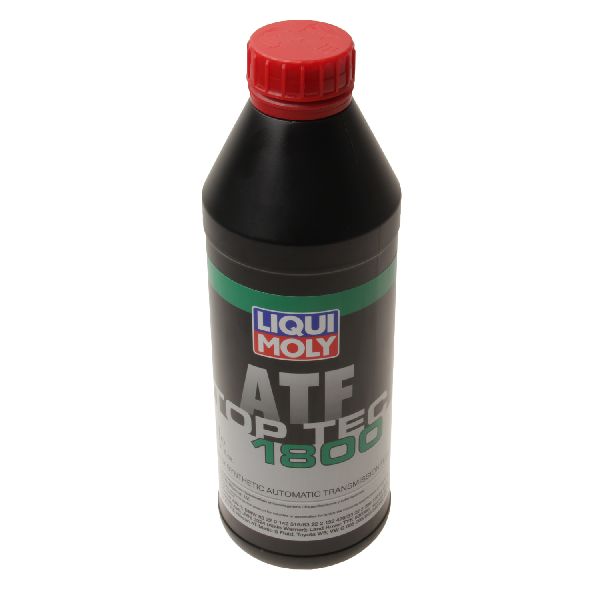
- Always use the correct Hyundai SP-IV specification transmission fluid for any service.
- Driving with a P0700 code is risky and can lead to more expensive transmission damage.
What's Unique About the 2010-2015 Hyundai Tucson
The 2010-2015 Hyundai Tucson (LM generation) uses a 6-speed A6MF1 automatic transmission that is known for a few common electronic faults that can trigger a P0700 code. Specifically, failures of the transmission fluid temperature sensor are common enough that Hyundai issued multiple Technical Service Bulletins (TSBs) for this issue, advising technicians to replace the internal wiring harness which contains the sensor. Another frequent problem is the inhibitor switch (also called a neutral safety switch or range sensor), which can fail and cause starting issues or incorrect gear readings. A leaking coolant hose connector above the transmission has also been noted to drip onto the inhibitor switch, accelerating its failure.
Symptoms You May Notice
- Check Engine Light is on
- Transmission warning light may be on
- Harsh or erratic shifting
- Vehicle stuck in 'limp mode' (will not shift out of a single gear)
- Delayed engagement when shifting from Park to Drive
- Inability to start the engine, or only starting in Neutral but not Park
- Gear indicator on the dashboard is blank or doesn't match the shifter position
- Reduced fuel economy
- Replacing the entire transmission without proper diagnosis. The P0700 code is often caused by a relatively inexpensive electronic part. It is crucial to read the specific codes from the TCM first.
- Replacing the starter when a no-start condition is caused by a faulty inhibitor switch. If the dash lights come on but the engine doesn't crank, the inhibitor switch should be checked before the starter is condemned.
Most Likely Causes
- Faulty Transmission Fluid Temperature Sensor / Internal Wire Harness 🔴 High Probability → Shop Transmission Assembly This is a well-documented issue for this platform, with multiple TSBs issued by Hyundai. The sensor, which is integrated into the internal valve body wiring harness, can give incorrect readings, causing the TCM to command harsh shifts or enter limp mode. The harness is submerged in hot fluid and the insulation can degrade over time.
How to confirm: Scan the TCM for codes P0711, P0712, or P0713. A technician can also monitor the sensor's live data with a scan tool to check for erratic or irrational readings as the transmission warms up. A good rule of thumb for a cold engine is that the Transmission Fluid Temperature (TFT) and Intake Air Temperature (IAT) should be within 5-7°F of each other.
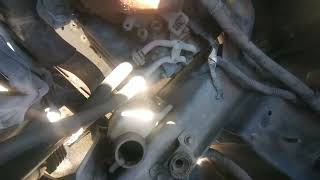
Typical fix: Replace the transmission fluid temperature sensor, which requires replacing the entire internal wiring harness of the valve body. 🎬 See how to fix the P0713 code and internal harness. This requires draining the fluid, removing the transmission oil pan, and temporarily removing the valve body to access the harness.
Est. part cost: $70-$150 - Faulty Inhibitor Switch (Neutral Safety Switch) 🟡 Medium Probability → Shop Transmission Park Inhibitor Switch This switch tells the TCM which gear is selected. It's an external component mounted on top of the transmission, exposed to the elements, and can wear out or suffer from water intrusion, leading to communication errors. A known issue on related platforms is a leaking plastic coolant connector that can drip directly onto this switch, causing premature failure.
How to confirm: Scan the TCM for codes P0705, P0706, P0707, or P0708. Symptoms include the vehicle not starting, only starting in Neutral, or the gear indicator on the dash not matching the shifter position. You can test by jiggling the shifter while trying to start the car.
Typical fix: Replace the inhibitor switch. It is located 🎬 Watch: Step-by-step guide to replacing the inhibitor switch yourself. on the top of the transmission housing and is accessible after removing the battery, battery tray, and air intake assembly. The new switch must be correctly aligned in the Neutral position during installation.
Est. part cost: $50-$100 - Low or Degraded Transmission Fluid 🟡 Medium Probability → Shop Transmission Assembly
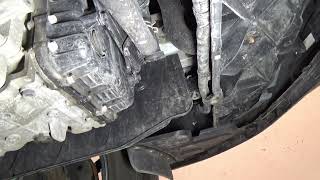
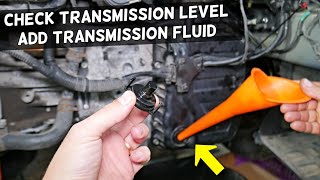
How to confirm: Check the transmission fluid level and condition. The fluid should be bright red and not have a burnt smell. Note that these transmissions do not have a traditional dipstick; the level must be checked via a fill/check plug on the side of the transmission case while the vehicle is running and the fluid is 🎬 Watch: How to check transmission fluid levels without a dipstick. at a specific temperature (typically 122-140°F / 50-60°C).
Typical fix: Top off the fluid or perform a drain-and-fill using Hyundai-specific SP-IV automatic transmission fluid. If the fluid is very dark or contains metal particles, it may indicate a more severe internal failure.
Est. part cost: $60-$120 for fluid - Faulty Input or Output Speed Sensor ⚪ Low Probability
How to confirm: Scan the TCM for specific speed sensor codes (e.g., P0717, P0722). These sensors report the transmission's input and output shaft speeds to the TCM, which are critical for shift timing.
Typical fix: Replace the faulty speed sensor. These are typically located on the exterior of the transmission case and are relatively easy to access and replace.
Est. part cost: $40-$80 per sensor
Rare But Worth Checking
- Damaged Wiring Harness: Check the external wiring harness leading to the transmission for any signs of corrosion, chafing, or rodent damage. A poor connection at the main transmission connector can cause a wide range of intermittent transmission issues. A poor ground connection can also cause erratic behavior.
- Faulty Transmission Control Module (TCM): → Shop Transmission Assembly While possible, TCM failure is rare. All other potential causes, especially sensors and wiring, should be exhaustively ruled out before condemning the TCM. Sometimes a simple battery disconnect for 15 minutes can reset a glitching module.
Diagnosis Steps
- Connect an OBD-II scanner capable of reading transmission codes to the vehicle's diagnostic port.
- Scan for codes in the Transmission Control Module (TCM). Do not rely only on the engine codes.
- Record all codes found. The P0700 is just the messenger; the other codes (e.g., P0711, P0705) will point to the actual problem.
- Check the transmission fluid level and condition. This requires the vehicle to be level, running, and the fluid to be at a specific temperature (122-140°F / 50-60°C). Use an infrared thermometer on the pan to estimate temperature.
- Based on the specific codes retrieved, inspect the corresponding component (e.g., temperature sensor harness, inhibitor switch, speed sensor) and its wiring.
- For P0705-P0708 codes, test the inhibitor switch. Check for a no-start condition and try starting in Neutral. Inspect the switch and its connector on top of the transmission for corrosion or damage.
- For P0711-P0713 codes, the issue is internal. The fix is to replace the valve body wiring harness, which requires draining the fluid and removing the pan.
- Test the component's circuit for proper voltage, ground, and continuity according to the factory service manual. A voltage drop test on a ground circuit should show less than 0.2V.
- Repair or replace the faulty component and any damaged wiring.
- Clear all trouble codes from both the ECM and TCM.
- Perform a test drive to ensure the problem is resolved and the codes do not return. If major components were replaced, an adaptive values reset using a Hyundai GDS scan tool may be required.
Parts You'll Likely Need
- Inhibitor Switch (Neutral Safety Switch)
(OEM #42700-3B000)— A common failure point that causes starting and gear selection issues, triggering P0700 with P0705-P0708 codes.
Trusted brands: Hyundai (Genuine), Kia (Genuine)
OEM price range: $90-$130
Aftermarket price range: $40-$80 - Transmission Fluid Temperature Sensor / Internal Wire Harness
(OEM #46307-3B650)— A very common cause for transmission codes on this platform, as documented in Hyundai TSBs. The sensor is integrated with the harness. This part number supersedes 46307-3B620 and 46307-3B610.
Trusted brands: Hyundai (Genuine)
OEM price range: $100-$180
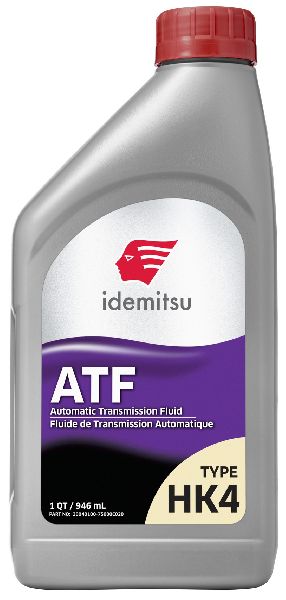
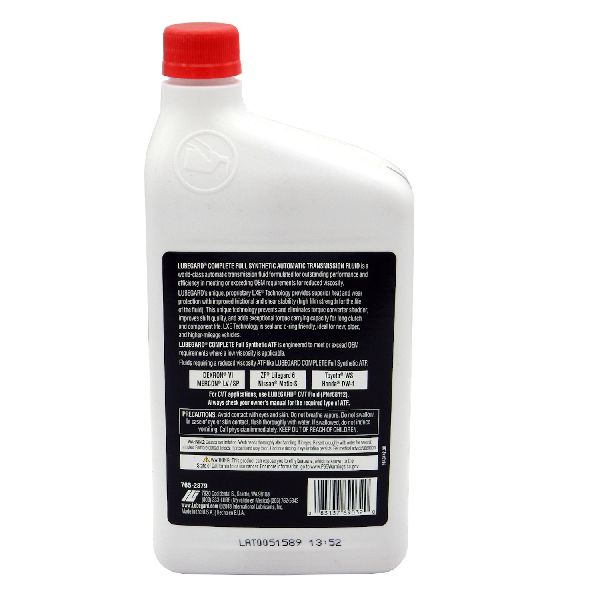
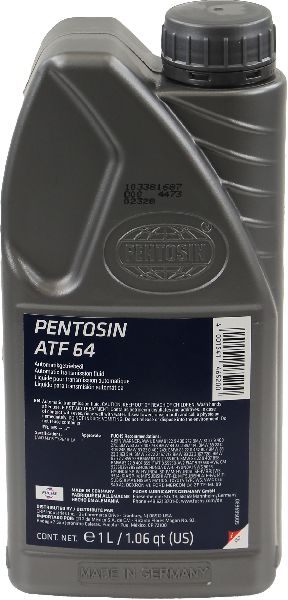
Aftermarket price range: Not commonly available - Automatic Transmission Fluid (Hyundai SP-IV) — Required for any repair that involves opening the transmission pan, such as replacing the temperature sensor harness. Approximately 4-5 quarts are needed for a drain and fill.
Trusted brands: Hyundai (Genuine), Idemitsu, ENEOS
Related Codes That Often Appear With This One
- P0711, P0712, P0713 — These codes point directly to a fault with the Transmission Fluid Temperature Sensor circuit, often indicating the internal harness has failed.
- P0705, P0706, P0707, P0708 — These codes indicate a fault in the Transmission Range Sensor (Inhibitor Switch) circuit, pointing to a performance issue, low input, or high input.
- P0717, P0722 — These codes indicate faults with the Input or Output Speed Sensors, respectively.
Technical Service Bulletins (TSBs) & Recalls
- 14-AT-010: Automatic Transaxle (6-Speed) Oil Temperature Sensor DTC P0711, P0712, P0713
- 19-AT-024H: Diagnostic procedures for P0705, P0706, P0707, and P0708 related to the inhibitor switch.
Platform-Specific Known Issues
- Hyundai issued Technical Service Bulletin 14-AT-010 which details the diagnostic and replacement procedure for the internal wire harness (containing the oil temperature sensor) to address DTCs P0711, P0712, and P0713. It specifically advises against replacing the entire transaxle for this fault.
- A YouTube video by 'Just The Tip Handyman' titled 'Hyundai Tucson 2012 Inhibitor Switch Change out' provides a visual guide for replacing the inhibitor switch, showing the location under the battery tray.
Mechanic-Grade Diagnostic Values
- Transmission Fluid Temperature Sensor Resistance — expected: Approximately 2.5 kΩ at 68°F (20°C) and 0.32 kΩ at 176°F (80°C). The sensor is a thermistor, so resistance decreases as temperature increases.. Failure: An open circuit (infinite resistance) or a short circuit (near-zero resistance) indicates a failed sensor. Also, readings that don't change as the fluid warms up are a sign of failure.
- Ground Circuit Voltage Drop — expected: Less than 0.2 Volts. Failure: A reading higher than 0.2V indicates excessive resistance in the ground circuit, which can be caused by corrosion or a loose connection.
- Live Data Comparison (Cold Engine) — expected: Transmission Fluid Temperature (TFT) and Intake Air Temperature (IAT) should be within 5-7°F of each other.. Failure: A significant difference between the two sensor readings on a vehicle that has been sitting overnight indicates a fault in one of the sensors, most likely the TFT if a P0711/P0712/P0713 code is present.
Scan Tool Commands That Help
- Hyundai GDS (Global Diagnostic System): Resetting Auto T/A values — This function should be used after replacing the transaxle, valve body, internal harness, or the PCM/TCM. It erases the learned shift adaptation values, forcing the module to relearn shift points and pressures with the new components to ensure optimal shift quality.
- Hyundai GDS (Global Diagnostic System): AT Adaptation Mode — This is the relearn procedure that follows the reset. The technician must drive the vehicle in a specific manner (e.g., accelerating steadily through all gears) to allow the TCM to learn the new adaptive values.
- Carista App (Aftermarket): Reset automatic transmission adaptation (6-speed AT) — Some advanced aftermarket scan tools and apps like Carista claim to offer the ability to reset transmission adaptations for the A6MF1 transmission, which can be useful for DIYers after a fluid change or component replacement.
Wiring & Ground Locations
- GHG05 — Located at the left rear of the engine compartment.. This is a key ground point for the engine control system. A loose or corroded connection here can cause a variety of intermittent sensor reading issues and communication faults between the ECM and TCM, potentially triggering a P0700.
- Transaxle Range Switch (Inhibitor Switch) Connector — On top of the transmission, under the air cleaner assembly and battery tray.. This is the main electrical connection for the inhibitor switch. It is exposed to heat and potential fluid leaks. Inspecting this connector for corrosion or damage is a key step when diagnosing P0705-P0708 codes.
- Main Transmission Harness Connector — Where the main vehicle harness connects to the transmission case. For the internal harness/temp sensor, the connector passes through the case itself and is secured with bolts.. A poor connection at this main pass-through connector can cause multiple transmission codes simultaneously, including those for the temperature sensor and solenoids. The O-rings sealing this connector can also fail.
Real Owner Repair Stories
- 2CarPros Forum User (2007 Chevrolet Cobalt (Note: Different vehicle, but identical P0700/P0705 codes and principle)) — Check engine light with P0700 and P0705. After replacing the TRS (inhibitor switch), the code would return after a restart.
❌ Tried (didn't work) Replacing the Transmission Range Sensor (TRS) / Inhibitor Switch
✅ What actually fixed it The ground wire (black/white) for the inhibitor switch circuit was faulty. The user spliced into the wire and ran a new ground to the strut tower, which resolved the issue. The scan tool showed no value for the TRS before the fix and correct gear position after. - Hyundai Owner Report (NHTSA ODI #10143151) — A dealer invoice for a related Hyundai model noted a failed transmission range switch and failed transmission pulse generators, with a scan revealing codes P0700 (TR switch short) and P0722 (output speed sensor open/short).
OEM Part Supersession History
46307-3B610, 46307-3B620→46307-3B650— Updated internal transmission wiring harness which includes the integrated fluid temperature sensor. The new part is intended to be more durable.42700-26000→42700-26500— Updated inhibitor switch design for improved durability and performance.
Heads up: While the part number listed in the TSB for the 2010-2015 Tucson is often 42700-3B000, other related part numbers like 42700-26000/26500 exist for similar Hyundai transmissions and may be encountered. Always verify by VIN.
Model Year Variations Within This Range
- 2014-2015: For the 2014 model year, Hyundai introduced new 2.0L and 2.4L engines with Gasoline Direct Injection (GDI), replacing the previous Multi-Port Injection (MPI) engines. While the A6MF1 6-speed automatic transmission remained, the engine control strategies and some sensor inputs may differ slightly. The 5-speed manual option was also discontinued.
- 2010-2013: These earlier models used 2.0L and 2.4L MPI engines. A 5-speed manual was available on the base GL trim in 2011.
Diagnostic Flowchart
Other Known Issues on This Vehicle
Issues unrelated to this code that are worth knowing about as an owner of this generation:
- Theta II Engine Failure 🔴 High — Widespread across multiple model years, can occur at various mileages. Related to connecting rod bearing failure. (Ref: Subject of multiple class-action lawsuits and recalls (e.g., NHTSA 19V063000). Hyundai extended warranties and implemented a Knock Sensor Detection System (KSDS) software update.)
- Worn Steering Coupler 🟠 Medium — Very common, typically manifests as a clicking or clunking noise from the steering column when turning, usually after 60,000-80,000 miles. (Ref: No recall, but a very well-documented issue. The flexible rubber coupler (Part # 56315-2K000-FFF) inside the electronic power steering motor disintegrates.)
- ABS Module Fire Risk 🔴 High — Affects a wide range of Hyundai models. An internal leak in the ABS module can cause an electrical short. (Ref: Multiple recalls issued, including NHTSA 23V651000, advising owners to park outside and away from structures until the repair is completed.)
- Oil Pan Leaks 🟠 Medium — Common issue that can lead to significant oil loss if not addressed. (Ref: NHTSA Recall 16V057000 was issued for 2011-2013 Tucson models due to potential engine damage from oil loss.)
Used vs. New Parts: Buying Guide for This Vehicle
When a used part is the smart pick: For external components like the inhibitor switch or speed sensors, a used part from a low-mileage donor vehicle can be a cost-effective option. These parts are relatively easy to access and replace if they fail.
Donor-vehicle mileage cap: roughly under 80000 miles for the part to have meaningful remaining life.
What to inspect on the donor part:
- Check for a clean, corrosion-free electrical connector on the part.
- Ask for the VIN of the donor car to verify it's from a similar year and didn't have reported transmission issues.
- For an inhibitor switch, ensure the lever arm moves smoothly without binding.
OEM-only on this vehicle (don't cheap out):
- Internal Transmission Wiring Harness (w/ Temp Sensor): This part is submerged in hot transmission fluid and is labor-intensive to replace. The failure is due to heat and age, so a used part has limited remaining life and is not worth the risk of a repeat repair. Always buy the latest superseded OEM part number (46307-3B650).
Brands owners have reported issues with on this vehicle:
- Unbranded or 'white-box' electronic sensors from online marketplaces. For critical sensors like the inhibitor switch or speed sensors, sticking to OEM or well-known aftermarket brands is safer to avoid compatibility or premature failure issues.
Real Owner Stories
Aggregated from forums and TSBs cited above. Mileages and costs reflect what owners reported in those sources.
2012 Hyundai Tucson
Symptoms: The owner provided a visual guide for replacing the inhibitor switch located under the battery tray to resolve shifting and starting issues.
What fixed it: Replacement of the inhibitor switch (Neutral Safety Switch).
Source hint: YouTube video by 'Just The Tip Handyman' titled 'Hyundai Tucson 2012 Inhibitor Switch Change out'
2018 Hyundai Tucson
Symptoms: A P0705 code appeared shortly after a transmission replacement, indicating the switch was faulty even on a remanufactured unit.
What fixed it: Replacement of the inhibitor switch.
Source hint: Reddit r/MechanicAdvice - Post titled '2018 Hyundai Tucson reman transmission P0705'
2011-2015 Hyundai Tucson
Symptoms: Owner reported error codes P0700 and P0711 simultaneously.
What fixed it: Replacement of the internal wire harness/temperature sensor.
Source hint: Reddit r/Cartalk - Post titled 'error code p0700 and p0711. need advice.'
Related OBD-II Codes
Frequently Asked Questions
My 2012 Tucson is stuck in 'limp mode' and won't shift out of gear. Is there a TSB for this?
Why does my Tucson only start when the shifter is in Neutral but not in Park?
Can I just replace the temperature sensor alone if I have code P0711?
Is it true that a coolant leak can cause transmission codes on this vehicle?
How do I check the transmission fluid level on my 2010-2015 Tucson?
Does the P0700 code mean I need a whole new transmission?
Helpful Videos

![How to Check and Fill Fluids [COMPLETE GUIDE] - Hyundai Tucson (2010-2015)](https://img.youtube.com/vi/J3PD8C_DsW4/mqdefault.jpg)

We Have This Part in Stock


The information in this article is provided for general reference and educational purposes only. Vehicle specifications, procedures, and part compatibility can vary by production date, trim level, and region. Always consult your vehicle's factory service manual and verify part numbers before purchasing or performing repairs. Safety-critical components such as airbags, seat belts, and braking systems should be installed by a qualified professional.
- Hyundai Tucson:
- 🧭 Diagnostic Flowchart
- 🎬 Helpful Videos
- 🛍️ Shop This Part
- What's Unique About the 2010-2015 Hyundai Tucson
- Symptoms You May Notice
- Most Likely Causes
- Rare But Worth Checking
- Diagnosis Steps
- Parts You'll Likely Need
- Related Codes That Often Appear With This One
- Technical Service Bulletins (TSBs) & Recalls
- Platform-Specific Known Issues
- Mechanic-Grade Diagnostic Values
- Scan Tool Commands That Help
- Wiring & Ground Locations
- Real Owner Repair Stories
- OEM Part Supersession History
- Model Year Variations Within This Range
- Other Known Issues on This Vehicle
- Used vs. New Parts: Buying Guide for This Vehicle
- Real Owner Stories
- 2012 Hyundai Tucson
- 2018 Hyundai Tucson
- 2011-2015 Hyundai Tucson
- Related OBD-II Codes
- Frequently Asked Questions
- 🎟️ Get 5% Off