

P0700 on 2006-2011 Mercedes-Benz ML-Class: Transmission Fault Causes and Fixes
P0700 on a 2006-2011 ML-Class (W164) signals a fault in the 7G-Tronic transmission, most commonly a failed internal conductor plate which houses the speed sensors. This is not a DIY fix, as it requires replacing an internal transmission component and specialized programming (SCN coding). Expect a repair cost of $1,100 to $2,000 at a qualified independent shop or dealership. Repair services for the original plate are a viable, cheaper alternative to buying a new part.
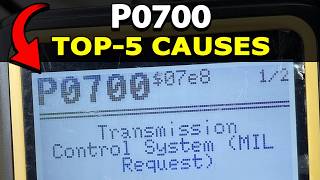
- P0700 is an informational code; the real problem is found by scanning the Transmission Control Module (TCM) for secondary codes.
- On a 2006-2011 ML-Class, the most likely cause is a failed transmission conductor plate, a well-documented issue with the 722.9 transmission.
- Repair requires either replacing the plate and performing SCN coding at a specialized shop, or sending the original plate out for repair to avoid coding.
- This is not a cheap or simple fix; expect costs to exceed $1,000 even at an independent shop.
What's Unique About the 2006-2011 Mercedes-Benz ML-Class
The 2006-2011 ML-Class (W164 generation) uses the Mercedes-Benz 7G-Tronic (722.9) automatic transmission. This specific transmission is widely known for failures of the electronic conductor plate (also called the valve body control unit), which is housed inside the transmission. This component contains integrated speed sensors (Y3/8n1 and Y3/8n2) that are prone to failure due to the harsh internal environment of heat and vibration, making it the most common root cause for a P0700 code on this particular vehicle. Depending on the production date, the vehicle may have a VGS1, VGS2, or VGS3 conductor plate; VGS2 and VGS3 plates can be replaced independently of the valve body, while early VGS1 plates often require replacement of the valve body as well.
Symptoms You May Notice
- Check Engine Light is on
- Transmission is stuck in one gear ('limp mode')
- Harsh, jerky, or delayed shifting, especially when cold
- Vehicle hesitates or revs high without accelerating properly
- Inability to shift gears at all
- "Transmission - Visit Workshop" message on the instrument cluster
- Replacing the entire transmission when only the conductor plate is faulty.
- Replacing the valve body when only the conductor plate needs replacement (though early VGS1 units require this).
- Ignoring the need for SCN coding, which will prevent a new conductor plate from functioning.
- Assuming a transmission fluid flush will fix a speed sensor fault code.
Most Likely Causes
- Failed Transmission Conductor Plate (VGS/ETC) 🔴 High Probability → Shop Transmission Assembly The speed sensors (Y3/8n1 Turbine Speed Sensor and Y3/8n2 Internal Speed Sensor) are integrated directly into the conductor plate within the 722.9 transmission. They are a well-documented, common failure point due to the harsh internal environment, leading to breakdown of the sensor electronics.
How to confirm: Scan the Transmission Control Module (TCM) with a Mercedes-compatible scanner (STAR/XENTRY, advanced Autel, etc.). The presence of codes like 0717, 0718, 2767, or 2768 strongly indicates a failed conductor plate.
Typical fix: The valve body must be removed from the transmission to replace the conductor plate. The new plate must then be programmed (SCN Coded) to the vehicle. Alternatively, the original plate can be sent to a specialist for repair, which often costs less and avoids the need for SCN coding.
Est. part cost: $400-$800 for a new OEM part; $250-$450 for a repair service or remanufactured unit. - Low or Contaminated Transmission Fluid 🟡 Medium Probability → Shop Transmission Assembly
How to confirm: Check the transmission fluid level and condition. This requires a special dipstick tool for the 722.9 transmission as there is no factory-installed dipstick. The check must be done at a specific fluid temperature (typically 80°C). Fluid should be bright red (or blue for newer specs) and not smell burnt.
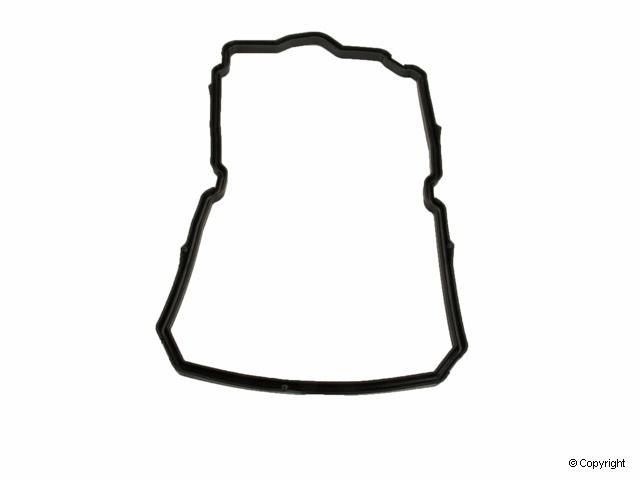
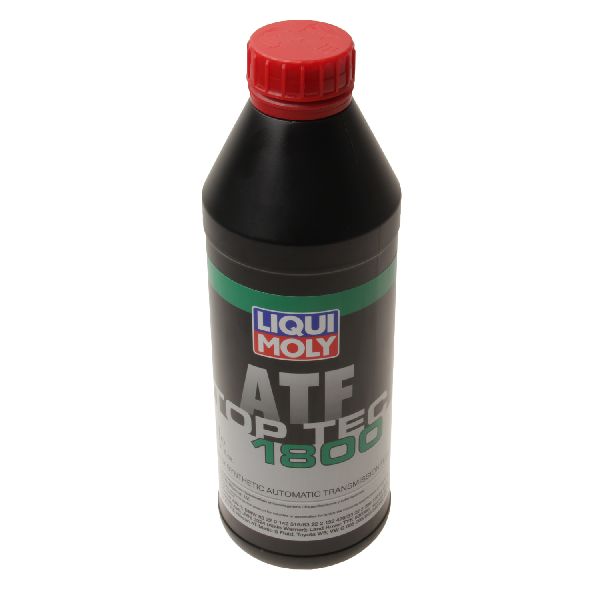
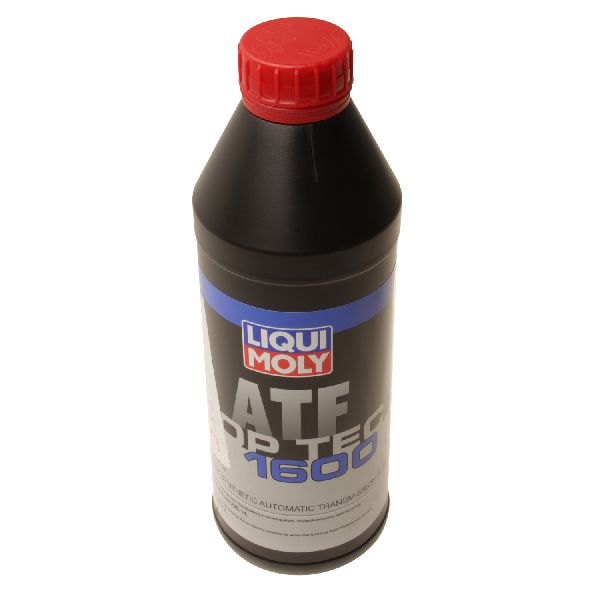
Typical fix: Perform a transmission fluid and filter service using the correct Mercedes-Benz specification fluid (MB 236.14 or 236.15). If the fluid is low, the source of the leak (e.g., pan gasket, electrical connector pilot bushing) must be found and repaired.
Est. part cost: $100-$250 - Failed Valve Body Solenoids ⚪ Low Probability → Shop Transmission Valve Body
How to confirm: A Mercedes-specific scan tool will show fault codes pointing to a specific shift solenoid (e.g., Y3/8y1-8). Sometimes, debris can clog a solenoid, causing shuddering under load.
Typical fix: The specific faulty solenoid can be replaced individually after removing the transmission pan and valve body. They are often replaced during a conductor plate service.
Est. part cost: $50-$150 per solenoid
Rare But Worth Checking
- Leaking Transmission Electrical Connector (13-pin Pilot Bushing): → Shop Transmission Assembly While a notorious issue on the older 722.6 transmission, leaks can still occur on the 722.9. Transmission fluid can wick up the wiring harness into the Transmission Control Module (TCM), causing erratic behavior and extensive electrical damage. It's an inexpensive part (OEM part number A0002701700) and easy to inspect during any transmission service.
- Failed Transmission Control Module (TCM): → Shop Transmission Assembly The TCM is integrated into the conductor plate, so this is not a separate failure. However, in rare cases, the logic portion of the board can fail for reasons other than the common speed sensor faults. This is typically diagnosed only after all other possibilities have been ruled out.
Diagnosis Steps
- Scan the Transmission Control Module (TCM) with a diagnostic tool capable of reading Mercedes-specific codes (e.g., MB STAR/XENTRY). Do not rely on a basic OBD-II reader that only shows P0700.
- Analyze the codes stored in the TCM. Codes 0717, 0718, 2767, and 2768 are the most common and point directly to a faulty conductor plate.
- If no speed sensor codes are present, check the transmission fluid level and condition according to the manufacturer's procedure (at 80°C).
- Inspect the transmission pan gasket and the 13-pin electrical connector for any signs of fluid leaks. Fluid wicking into the harness is a known issue.
- If specific solenoid codes are present, the issue may be a single solenoid rather than the entire conductor plate.
- If the conductor plate is confirmed faulty, decide between replacing it with a new unit (requires SCN coding) or sending the original unit for repair (no coding needed).
- After repair/replacement, all fault codes must be cleared from the TCM, and transmission adaptations may need to be reset.
Parts You'll Likely Need
- Transmission Conductor Plate (VGS2/VGS3-NAG2)
(OEM #A0034460310 (VGS3, supersedes older numbers, verify by VIN))— This is the most common failure point on the 722.9 transmission, as it contains the speed sensors that frequently fail and trigger the P0700 code.
Trusted brands: Mercedes-Benz Genuine, Continental (OEM supplier)
OEM price range: $600-$800
Aftermarket price range: $250-$450 (Remanufactured/Repair Service from specialists like Circuit Board Medics, ECU Testing). - Transmission Fluid and Filter Kit — Must be replaced any time the transmission pan is removed for service, such as a conductor plate replacement. Requires MB 236.14 or 236.15 specification fluid.
Trusted brands: Mercedes-Benz, Mann, Mahle, Vaico
OEM price range: $150-$250
Aftermarket price range: $80-$150 - Transmission Electrical Connector Plug (Pilot Bushing)
(OEM #A2512700198 (Verify by VIN))— This connector's O-rings can fail, allowing fluid to leak out and potentially wick up the wiring harness. It is inexpensive and considered a 'while you're in there' replacement part.
Trusted brands: Mercedes-Benz, Febi Bilstein
OEM price range: $15-$30
Aftermarket price range: $10-$20
Related Codes That Often Appear With This One
- P0717 / 0717 — This code means 'The signal from component Y3/8n1 (turbine speed sensor) is not available,' directly pointing to a failure of a sensor on the conductor plate.
- P0718 / 0718 — This code means 'Component Y3/8n1 (turbine speed sensor) is defective,' also indicating a failed conductor plate.
- P2767 / 2767 — This code means 'The signal from component Y3/8n2 (internal speed sensor) is not available,' pointing to the second speed sensor on the conductor plate.
- P2768 / 2768 — This code means 'Component Y3/8n2 (internal speed sensor) is defective,' confirming a fault with the conductor plate's internal speed sensor.
Technical Service Bulletins (TSBs) & Recalls
- LI27.60-P-049775: This service bulletin addresses fault codes for the transmission speed sensors (Y3/8n1, Y3/8n2
Platform-Specific Known Issues
- The 7G-Tronic (722.9) transmission's conductor plate is a known high-failure item. The speed sensors are molded into the plate and cannot be replaced separately, requiring replacement of the entire unit.
- Replacement conductor plates are considered theft-relevant parts by Mercedes-Benz and require online SCN coding to synchronize the new part with the vehicle's anti-theft system. This often limits the repair to dealerships or highly specialized independent shops with the proper equipment.
- Repairing the original conductor plate via a mail-in service is a popular and cost-effective alternative that avoids the need for SCN coding, making it more accessible for DIYers or general mechanics.
Mechanic-Grade Diagnostic Values
- Transmission Solenoid Resistance — expected: Approximately 5 Ohms. Failure: A significantly higher or lower reading (e.g., 10 Ohms or open circuit) indicates a faulty solenoid.
- Speed Sensor Voltage (Bench Test) — expected: Voltage should switch between 0V and 5V.. Failure: No voltage change when a magnetic object is passed over the sensor.
- TCM Power Supply Voltage at Connector — expected: Approximately battery positive voltage (12.0V+). Failure: Significant voltage drop (e.g., below 12V with engine off) between the fuse and the TCM connector pin can indicate a wiring issue.
Hidden / Shadow Codes Worth Checking
- 0641: Component Y3/8n4 (Fully integrated transmission control (VGS) control unit) is defective. (see via Mercedes-Benz STAR/XENTRY or equivalent advanced diagnostic tool.)
- 0705: Component Y3/8s1 (Selection range sensor (VGS)) is defective. (see via Mercedes-Benz STAR/XENTRY or equivalent advanced diagnostic tool.)
- 2716: The internal electrical check of component Y3/8y4 (K3 clutch control solenoid valve (VGS)) has failed. (see via Mercedes-Benz STAR/XENTRY or equivalent advanced diagnostic tool.)
- 0894: Transmission component slipping. This can be triggered incorrectly by faulty speed sensor data. (see via Mercedes-Benz STAR/XENTRY or equivalent advanced diagnostic tool.)
- 2806: Component Y3/8s1 (Selection range sensor) is not learned. This indicates the TCU needs to be re-taught the gear positions. (see via Mercedes-Benz STAR/XENTRY or equivalent advanced diagnostic tool.)
Scan Tool Commands That Help
- Mercedes STAR/XENTRY: Initial Startup / Control Unit Programming — This function is required when a new, virgin conductor plate (TCM) is installed. It guides the technician through SCN coding, personalization to the Drive Authorization System (DAS), and teaching in the selection range sensor.
- Mercedes STAR/XENTRY or advanced aftermarket (e.g., Autel, Thinkcar): Detach Transport Protection — Used on a new or pre-programmed conductor plate to 'unlock' it for use in the vehicle. This involves personalization and activation steps.
- Mercedes STAR/XENTRY: Reset Adaptation Data — After a conductor plate or solenoid replacement, resetting the learned shift adaptations is crucial to ensure smooth shifting. The car will then re-learn shift pressures and timings.
- Mercedes STAR/XENTRY: Teach-in process for the selection range sensor — After replacing the conductor plate, this procedure is necessary to calibrate the new range sensor (Y3/8s1) so the TCM correctly recognizes gear selections (P, R, N, D).
Wiring & Ground Locations
- Main Engine Bay Ground Points — On the driver's side, just forward of the firewall, there is a primary grounding post with multiple brown wires attached. Similar ground points are located on the passenger side as well.. The TCM and its related sensors rely on a clean ground connection. A corroded or loose ground at these main chassis points can introduce electrical noise or voltage drops, leading to erratic TCM behavior and fault codes.
- W16/5 - Left Major Assembly Ground — On the left side of the vehicle frame/engine bay. This ground point is used by the Engine Control Unit (ECU/ME).. The ECU communicates with the TCM to set the P0700 code. A poor ground at W16/5 can disrupt ECU operation and its communication with the transmission module, potentially causing false diagnostic flags.
- Bell Housing Ground Strap — A braided cable connecting the transmission bell housing to the vehicle chassis, typically on the driver's side.. This is a primary ground path for the transmission assembly. Corrosion or breakage of this strap can cause a host of electrical issues within the transmission, including faulty sensor readings and communication errors with the TCM.
Real Owner Repair Stories
- YouTube user 'G Mans World' (Mercedes with 7G 722.9 Transmission) — Car stuck in limp mode, transmission faults.
❌ Tried (didn't work) The video focuses directly on the known fix without detailing prior failed attempts.
✅ What actually fixed it The user diagnosed a Y3/8n2 internal speed sensor fault. Instead of replacing the entire conductor plate, they physically opened the sealed sensor on the board, re-soldered the internal connections which had broken, and then resealed the sensor. This repaired the conductor plate and resolved the limp mode issue.
OEM Part Supersession History
A0335456632 / A0335456732→A0335457332 (VGS2), then A0034460310 (VGS3)— Revisions to improve reliability and component design.
Heads up: The earliest VGS1 plates (ending in 6632, 6732) often required the entire valve body to be replaced as a unit when purchased new from Mercedes. Later VGS2 and VGS3 plates can be replaced separately from the valve body. VGS3 (A0034460310) is the latest, most reliable version and generally supersedes the VGS2 plate (A0335457332).
Model Year Variations Within This Range
- 2006-2007: Early ML-Class models were often equipped with the VGS1 or early VGS2 conductor plates. When replacing a VGS1 unit with a new part from the dealer, the entire valve body assembly was often required, significantly increasing cost.
- 2008-2011: Later models are typically equipped with VGS2 or VGS3 conductor plates. These can be replaced independently of the valve body. The VGS3 unit (A0034460310) is considered the most updated and reliable version.
Diagnostic Flowchart
Other Known Issues on This Vehicle
Issues unrelated to this code that are worth knowing about as an owner of this generation:
- M272 V6 Engine Balance Shaft Gear Wear 🔴 High — Common on early production engines, typically from 2004-2008. Failure can occur between 60,000 and 120,000 miles. Engine numbers outside the initial range have also been reported to fail. (Ref: A class-action lawsuit addressed this, but outside of that, it is a customer-pay repair. Check engine number against known affected ranges (e.g., before 2729..30 468993).)
- OM642 Diesel Engine Oil Cooler Seals Leak 🔴 High — Very common on pre-2010 models with original orange seals. The upgraded purple Viton seals are more durable but can still leak. The leak drips from the back of the engine, often misdiagnosed as a rear main seal leak. (Ref: No recall, but a well-known issue. Repair is labor-intensive (8-12 hours) as the turbo and intake manifolds must be removed to access the cooler in the engine 'V'.)
- Airmatic Suspension Failure 🟠 Medium — Common failure item as the vehicle ages. Air springs (bags) develop leaks, and compressors wear out. Symptoms include one corner of the vehicle sagging overnight or a rough ride. (Ref: No recall. Components like air struts, the valve block, or the compressor are the typical failure points.)
- Rear Tail Light Gasket Leak 🟠 Medium — The foam gasket for the tail light assembly degrades, allowing water to leak into the trunk area, potentially damaging the rear SAM (Signal Acquisition Module) and other electronics located there.
- Power Steering Rack and Pump Leaks 🟡 Low — Leaks from the power steering pump or lines are relatively common. One frequent source is a small O-ring on an inlet line to the steering rack, which is an inexpensive part but can cause significant fluid loss.
Used vs. New Parts: Buying Guide for This Vehicle
When a used part is the smart pick: A used/junkyard conductor plate is almost NEVER a smart choice. These units are VIN-locked to the original vehicle's anti-theft system. Installing a used, locked unit will not work. The only viable non-new options are to have your ORIGINAL unit repaired and reinstalled (which avoids programming) or to buy a 'virginized' or 'pre-programmed' remanufactured unit from a specialist who has reset it and coded it to your VIN.
Donor-vehicle mileage cap: roughly under 80000 miles for the part to have meaningful remaining life.
What to inspect on the donor part:
- Not applicable for used parts due to VIN-locking.
- For a repair service, choose a reputable company with a warranty (e.g., Circuit Board Medics, ECU Testing).
- For a pre-programmed unit, you MUST provide your vehicle's VIN to the seller for coding before shipment.
- Verify the seller is providing the correct VGS version (VGS2 or VGS3) for your vehicle.
OEM-only on this vehicle (don't cheap out):
- Conductor Plate (TCM): While repair services are excellent, if buying a replacement part, using a Genuine Mercedes (or OEM Continental) virgin unit is the only way to guarantee a shop with SCN coding access can program it successfully.
Aftermarket brands forum-validated for this vehicle:
- For repair services: Circuit Board Medics, ECU Testing, Pelican Diagnostics are frequently mentioned.
- For remanufactured/pre-programmed units: Many sellers on eBay and sites like Mad Hornets offer this service, but vetting seller reputation is critical.
Brands owners have reported issues with on this vehicle:
- Any used, non-virginized conductor plate from a junkyard or private seller.
- Unbranded, cheap new clones from marketplaces, as they may fail SCN coding or have poor longevity.
Real Owner Stories
Aggregated from forums and TSBs cited above. Mileages and costs reflect what owners reported in those sources.
2007 Mercedes-Benz ML
Symptoms: Vehicle experienced jerking and entered limp mode, but surprisingly did not trigger a Check Engine Light initially.
What fixed it: Dealer diagnosis confirmed defective speed sensors, requiring a full valve body assembly replacement.
Cost: $4,400-$4,400
Source hint: MBWorld.org Forums - Thread: '722.9 likely conductor plate issue, but no engine code?'
Mercedes-Benz W211 (722.9 Transmission)
Symptoms: Erratic shifting and the vehicle getting stuck in one gear (limp mode).
What fixed it: Replacement of the transmission conductor plate.
Cost: $1,170-$1,170
Source hint: MBWorld.org Forums - Thread: 'Transmission Conductor Plate replacement'
Mercedes-Benz 722.9 7-speed transmission — 40000 miles
Symptoms: Stored fault code P0717 indicating a failed input sensor.
What fixed it: Replacement of the conductor plate at a dealership.
Cost: $1,400-$1,800
Source hint: PeachParts Mercedes-Benz Forum - Thread: '722.9 7 speed tranny P0717 code'
Related OBD-II Codes
Frequently Asked Questions
Does TSB LI27.60-P-049775 apply to my ML-Class transmission issues?
Can I replace just the speed sensors on my 2007 ML350 conductor plate?
Do I have to go to a Mercedes dealership to program a new conductor plate?
How do I check the transmission fluid level on my 722.9 transmission?
Is there a way to fix the P0700 code without the high cost of SCN coding?
What color should the transmission fluid be in my ML-Class?
Helpful Videos

We Have This Part in Stock

The information in this article is provided for general reference and educational purposes only. Vehicle specifications, procedures, and part compatibility can vary by production date, trim level, and region. Always consult your vehicle's factory service manual and verify part numbers before purchasing or performing repairs. Safety-critical components such as airbags, seat belts, and braking systems should be installed by a qualified professional.
- Mercedes-Benz ML-Class:
- 🧭 Diagnostic Flowchart
- 🎬 Helpful Videos
- 🛍️ Shop This Part
- What's Unique About the 2006-2011 Mercedes-Benz ML-Class
- Symptoms You May Notice
- Most Likely Causes
- Rare But Worth Checking
- Diagnosis Steps
- Parts You'll Likely Need
- Related Codes That Often Appear With This One
- Technical Service Bulletins (TSBs) & Recalls
- Platform-Specific Known Issues
- Mechanic-Grade Diagnostic Values
- Hidden / Shadow Codes Worth Checking
- Scan Tool Commands That Help
- Wiring & Ground Locations
- Real Owner Repair Stories
- OEM Part Supersession History
- Model Year Variations Within This Range
- Other Known Issues on This Vehicle
- Used vs. New Parts: Buying Guide for This Vehicle
- Real Owner Stories
- 2007 Mercedes-Benz ML
- Mercedes-Benz W211 (722.9 Transmission)
- Mercedes-Benz 722.9 7-speed transmission — 40000 miles
- Related OBD-II Codes
- Frequently Asked Questions
- 🎟️ Get 5% Off