

P0720 on 2015-2019 Hyundai Sonata: Output Speed Sensor Circuit Causes and Fixes
P0720 on a 2015-2019 Sonata almost always points to a failed internal transmission wiring harness which contains the output speed sensor. This is a complex repair requiring removal of the transmission's valve body. Expect a shop repair cost of $500-$900.
- P0720 on a 2015-2019 Sonata indicates a problem with the Output Speed Sensor circuit.
- The most likely cause is a failed internal transmission wiring harness, not an easily accessible external sensor.
- This repair is complex and expensive, requiring removal of the transmission pan and valve body.
- Due to the complexity and risk of transmission damage, this repair is not recommended for DIY beginners and professional service is advised.
- Always check for related codes like P0717 (Input Sensor), as they often appear together and point to the same failed harness.
What's Unique About the 2015-2019 Hyundai Sonata
On the 2015-2019 (LF generation) Sonata with the 6-speed automatic transmission (A6MF1/A6MF2), Hyundai integrated the input and output speed sensors into a single wiring harness located inside the transmission oil pan. This harness is a well-documented failure point, often failing more frequently than the sensors themselves due to the plastic and wiring insulation becoming brittle from constant exposure to hot transmission fluid. Unlike older vehicles where the sensor was an easy-to-access part screwed into the outside of the transmission case, fixing a P0720 code on this Sonata requires removing the transmission pan and valve body to replace the internal harness, making it a significantly more involved and costly repair.
Symptoms You May Notice
- Check Engine Light illuminated
- Harsh, erratic, or delayed gear shifts
- Transmission stuck in one gear (limp mode)
- Inoperative or inaccurate speedometer
- Cruise control not working
- Possible hesitation or stalling when coming to a stop
- Reduced fuel economy
- Car jumps or jerks, then loses acceleration
- Replacing only an external speed sensor, not realizing the primary sensor is internal to the transmission on this model.
- Condemning the entire transmission without first inspecting the relatively inexpensive internal wiring harness.
- Assuming a faulty TCM before thoroughly testing the sensor and wiring circuits.
Most Likely Causes
- Failed Internal Transmission Wiring Harness 🔴 High Probability → Shop Transmission Assembly The combined input/output/temp sensor harness located inside the A6MF1/2 transmission is exposed to constant heat cycles and vibration, causing the wiring and plastic connectors to become brittle and fail over time. This is a widely documented issue on these Hyundai/Kia 6-speed transmissions.
How to confirm: After confirming fluid is full and clean, and external wiring is intact, the next step is to drop the transmission pan and visually inspect the harness for brittle, cracked, or broken wires. A technician can also test the sensor circuit's resistance and continuity from the main transmission connector to the TCM.
Typical fix: Replace the internal transmission wiring harness. The input and output speed sensors are integrated into this harness and are replaced as a single unit.
Est. part cost: $150-$250 - Failed Output Speed Sensor 🟡 Medium Probability While the harness is the more common failure point, the sensor itself can fail. Since it is an integral part of the internal harness, it is replaced at the same time.
How to confirm: This is diagnosed by replacing the internal harness, as the sensor is part of it. A technician could test resistance values (typically 500 Ω ± 10%) at the transmission connector pins to isolate the fault before disassembly.
Typical fix: Replace the internal transmission wiring harness which includes the sensor.
Est. part cost: $150-$250 - Low or Contaminated Transmission Fluid ⚪ Low Probability → Shop Transmission Assembly
How to confirm: Check the transmission fluid level and condition. The fluid should be at the correct level, pinkish-red in color, and not smell burnt. Contaminated fluid can interfere with sensor operation.
Typical fix: Perform a transmission fluid drain and fill or flush using Hyundai-specific SP-IV or SP4-M fluid.
Est. part cost: $75-$150 - Damaged External Wiring or Connectors ⚪ Low Probability
How to confirm: Visually inspect the wiring harness leading to the main transmission connector for any signs of corrosion, chafing, or breaks. A loose or corroded pin in the main connector can mimic an internal failure.
Typical fix: Repair the damaged section of the wiring harness or clean/replace the connector.
Est. part cost: $20-$100
Rare But Worth Checking
- Faulty Powertrain Control Module (PCM) or Transmission Control Module (TCM): → Shop Engine Control Module (ECM) This is very rare and should only be considered after all other possibilities, including the internal harness and wiring, have been definitively ruled out by a professional. A TCM communication failure can prevent it from interpreting the sensor's signal.
Diagnosis Steps
- Use an OBD-II scanner to confirm the P0720 code and check for other related transmission codes like P0717 or P0722.
- Check the transmission fluid level and condition. Ensure it is full and not burnt or contaminated.
- Inspect the main external wiring harness connector at the transmission for damage, corrosion, or loose pins. This is a critical step before assuming an internal fault.
- Using a scan tool with live data capabilities, monitor the Output Speed Sensor data while driving (if safe to do so). An erratic or zero reading confirms a signal loss.
- If external checks are inconclusive, the next step is to gain access to the internal components. This involves safely raising the vehicle, draining the transmission fluid, and removing the transmission oil pan.
- Once the pan is removed, visually inspect the internal wiring harness that houses the speed sensors. Look for brittle insulation, broken wires, or damage to the connectors. This is the most common point of failure.
- If the harness appears damaged, replace it. The part number is typically 46307-3B650. If it looks okay, a professional may need to test the sensor circuits for continuity and resistance from the harness connector to the TCM to rule out a wiring break elsewhere or a faulty TCM.
- After replacing the harness, reinstall the valve body, install a new pan gasket, reinstall the pan, and refill the transmission with the correct type and amount of Hyundai-specific SP-IV / SP4-M fluid.
- Clear the codes and perform a test drive to ensure the shifting is normal and the code does not return.
Parts You'll Likely Need
- Internal Transmission Wire Harness
(OEM #46307-3B650)— This harness contains the input and output speed sensors and is the most common failure point for code P0720 on this vehicle. The original harness becomes brittle from heat and vibration. This part number may supersede older versions like 46307-3B620 and 46307-3B610.
Trusted brands: Hyundai/Kia Genuine
OEM price range: $140-$250
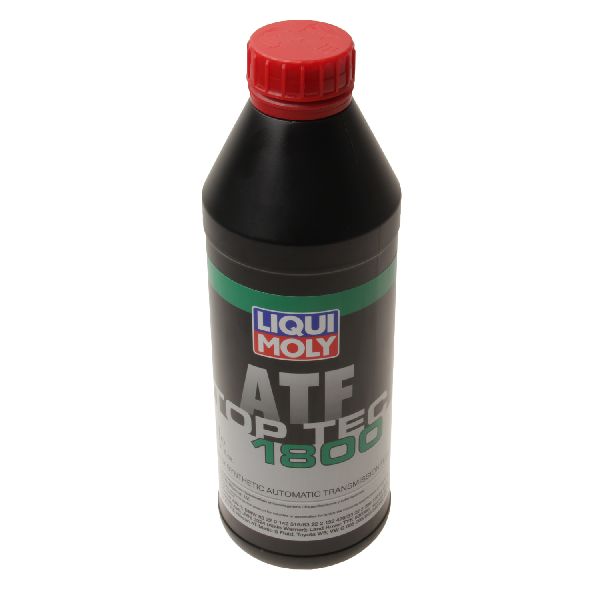
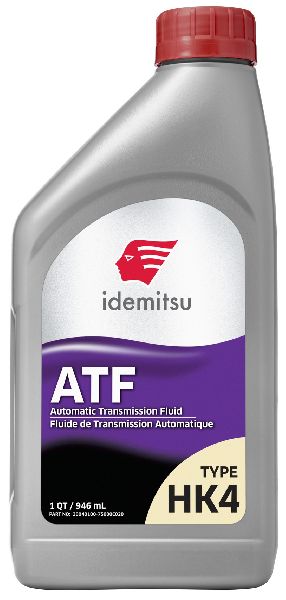
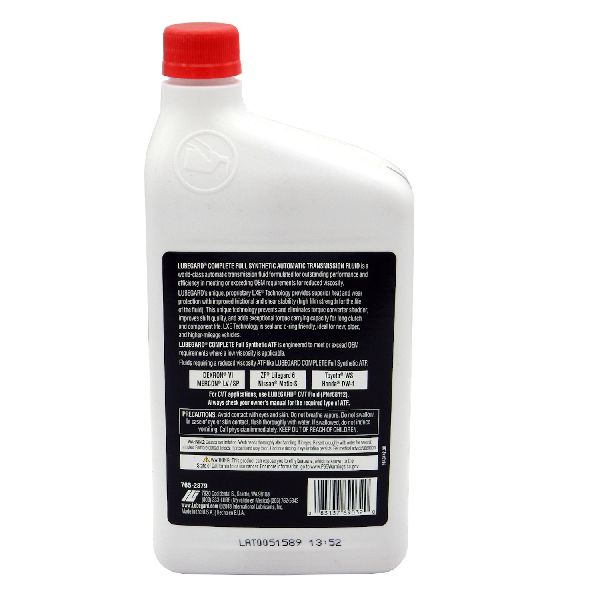
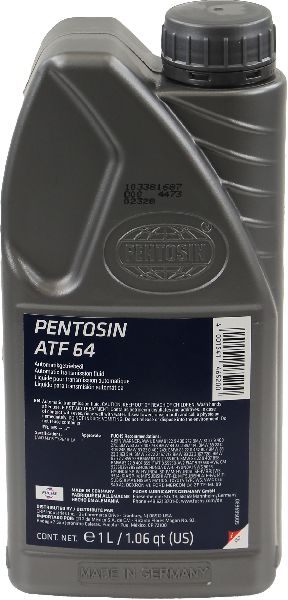
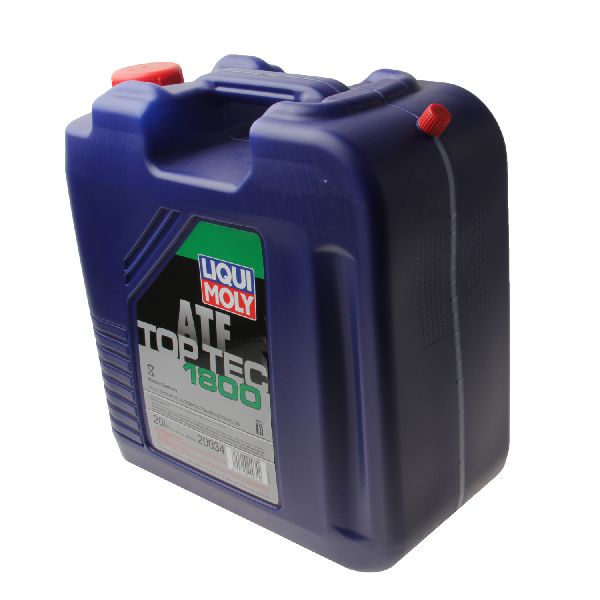
Aftermarket price range: $120-$180 - Automatic Transmission Fluid — The fluid must be drained to access the internal harness and must be replaced with fluid that meets Hyundai's SP-IV or SP4-M specification. Using non-specified fluid can cause damage.
Trusted brands: Hyundai/Kia Genuine SP-IV, Idemitsu H-Plus, Valvoline MaxLife Full Synthetic Multi-Vehicle ATF
OEM price range: $15-$25 per quart
Aftermarket price range: $8-$15 per quart - Transmission Pan Gasket
(OEM #45283-4G100 (example, verify by VIN))— The pan must be removed to access the harness, and the gasket should be replaced to prevent leaks. Some applications may use RTV sealant instead of a pre-formed gasket.
Trusted brands: Hyundai/Kia Genuine, Fel-Pro
OEM price range: $20-$40
Aftermarket price range: $10-$25
Related Codes That Often Appear With This One
- P0717 — Input Speed Sensor Circuit No Signal. The input and output sensors are part of the same internal wiring harness (P/N 46307-3B650), so it's very common for them to fail together.
- P0722 — Output Speed Sensor Circuit No Signal. This is a more specific version of P0720, indicating a complete loss of signal, often caused by the same failed harness.
- P0721 — Output Speed Sensor Circuit Range/Performance. This code indicates the signal is erratic or implausible, which also points to the degrading internal harness or sensor.
- P0731 - P0736 — Incorrect Gear Ratio codes. When the TCM loses the output speed signal, it cannot confirm if the transmission is in the correct gear, triggering these related codes.
Technical Service Bulletins (TSBs) & Recalls
- TSB 20-AT-003H: While not for the LF Sonata specifically, this TSB addresses P0717, P0721, and P0722 on later Sonata (DN8) and other models by instructing technicians to replace the internal harness, showing a pattern of this fail
Platform-Specific Known Issues
- The 6-speed automatic transmission (A6MF1/2) used in this generation of Sonata is known for failure of the internal wire harness that contains the speed and temperature sensors. The plastic and wiring insulation do not hold up well to long-term exposure to hot transmission fluid, leading to brittleness and electrical faults. This issue is common enough that multiple TSBs have been issued for related codes on various Hyundai models using this transmission family.
Mechanic-Grade Diagnostic Values
- Output Speed Sensor (OSS) Resistance — expected: 500 Ω ± 10%. Failure: A reading significantly outside this range indicates a faulty sensor. Since the sensor is part of the harness, the entire harness must be replaced.
- Speed Sensor Power Supply Voltage — expected: 9 Volts. Failure: Lack of voltage at the sensor power pin points to a wiring or TCM issue, not a sensor failure.
- TCM Power Supply Pin Voltage — expected: 5 V ± 0.5 V. Failure: Voltage outside this range at the TCM reference pin suggests a problem with the module itself or its power supply.
- TCM Ground Circuit Resistance — expected: < 0.1 Ω. Failure: Higher resistance indicates a poor ground connection, which can cause erratic sensor readings and TCM behavior.
Scan Tool Commands That Help
- Hyundai GDS (Global Diagnostic System): Resetting Adaptive Transmission Parameters — This function should be used after replacing the internal wiring harness or valve body. It clears the learned shift values from the TCM, allowing it to re-learn the characteristics of the new components for smoother shifting.
- Hyundai GDS (Global Diagnostic System): Flight Record / Data Logging — For intermittent P0720 faults where the issue is not present during testing, the Flight Record function can be activated to capture sensor data during a normal drive cycle. This helps capture the fault when it occurs, providing data that can pinpoint whether the signal loss is sudden (wiring break) or erratic (failing sensor).
Wiring & Ground Locations
- Transmission Control Module (TCM) — On the 2015-2019 Sonata, the TCM is integrated with the Powertrain Control Module (PCM). This combined unit is typically located in the engine bay, near the firewall or battery.. Since the TCM processes the signal from the output speed sensor, all external wiring tests (continuity, voltage, ground) will be performed at the main connector going into this module.
- TCM Connector - Output Speed Sensor Pins — Within the main harness connector at the TCM/PCM. Specifically, Pin 56 is for the Output Speed Sensor signal, and Pin 93 is for the Output Speed Sensor power (based on a similar Hyundai transmission).. These are the specific pins a technician must probe to test for a valid signal, power, and continuity between the transmission and the control module, allowing diagnosis without removing the transmission pan initially.
- OBD-II Port — Located under the dashboard to the left of the steering wheel, behind a small cover.. This is the primary access point for any scan tool to read the P0720 code, monitor live data from the output speed sensor, and clear the code after repairs are completed.
OEM Part Supersession History
46307-3B610, 46307-3B620→46307-3B650— The original harnesses were prone to premature failure due to heat-induced brittleness. The updated part number represents a revision with potentially more durable materials.
Heads up: While physically interchangeable, it is critical to use the latest part number (46307-3B650) to ensure you are getting the most revised and durable version of the harness.
Model Year Variations Within This Range
- 2018-2019: For the 2018 model year refresh, Sonatas equipped with the 2.0L Turbo engine (Sport and Limited trims) were upgraded from the 6-speed automatic to a new 8-speed automatic transmission. Models with the standard 2.4L engine retained the 6-speed A6MF2 transmission. This is a critical distinction, as the internal components, including the speed sensor harness, are different for the 8-speed unit.
Diagnostic Flowchart
Other Known Issues on This Vehicle
Issues unrelated to this code that are worth knowing about as an owner of this generation:
- Theta II GDI Engine Failure 🔴 High — Widespread across 2.0L and 2.4L GDI engines. Subject to class-action lawsuits and recalls. Failure can occur at various mileages, often preceded by knocking sounds. (Ref: NHTSA Campaign 17V226000, among others. Hyundai extended the warranty for the engine short block for original and subsequent owners.)
- Excessive Oil Consumption 🔴 High — Common on GDI engines, can lead to carbon buildup and eventually engine damage if not monitored. Many owners report needing to add oil between changes. (Ref: TSB 23-EM-008H provides dealers with a procedure for testing oil consumption and performing engine cleaning or replacement if out of spec.)
- Knock Sensor Detection System (KSDS) Logic 🟠 Medium — A software update was issued to detect early signs of engine bearing wear. However, the sensor can be overly sensitive, sometimes putting the car into limp mode unnecessarily. (Ref: Part of the engine recall campaigns (e.g., Recall 189) was to install this software update.)
- Peeling or Bubbling Paint 🟡 Low — Particularly common on white-painted vehicles. The paint can delaminate and peel off in large sheets, a widely reported cosmetic issue.
- Steering Column Worm Gear / Coupler Failure 🟠 Medium — The flexible steering coupler can degrade, causing a clicking or knocking sound in the steering column when turning the wheel. (Ref: While not a formal recall on this generation, it's a well-known repair. The part is inexpensive but labor can be significant.)
Used vs. New Parts: Buying Guide for This Vehicle
When a used part is the smart pick: For this specific repair, purchasing a used internal wiring harness is strongly discouraged. The primary failure mode is material degradation from heat and age. A used harness from a donor vehicle will have been subjected to the same conditions and is likely to have a very limited remaining lifespan, if it is not already faulty.
What to inspect on the donor part:
- Not applicable, as a used part is not recommended.
OEM-only on this vehicle (don't cheap out):
- Internal Transmission Wire Harness (P/N 46307-3B650)
Aftermarket brands forum-validated for this vehicle:
- While some aftermarket versions exist, Hyundai/Kia Genuine OEM is the most recommended choice to ensure correct pin configuration and material durability. There is no strong forum consensus on a reliably superior aftermarket alternative.
Brands owners have reported issues with on this vehicle:
- Unnamed, no-brand harnesses from online marketplaces should be avoided. Forum discussions highlight risks of incorrect pinouts or using lower-gauge wire, which can lead to incorrect solenoid function or immediate failure.
Real Owner Stories
Aggregated from forums and TSBs cited above. Mileages and costs reflect what owners reported in those sources.
2013 Hyundai Sonata
Symptoms: Experiencing a related code (P0711) for the temperature sensor which is located in the same internal harness.
What fixed it: Replacement of the internal transmission wiring harness.
Cost: $1,100-$1,100
Source hint: Reddit (r/MechanicAdvice) thread titled 'Is 1100 a reasonable price to replace a sensor?'
2015-2019 Hyundai Sonata (A6MF1/2 Transmission)
Symptoms: Car jumps or jerks, then loses acceleration; transmission stuck in one gear (limp mode).
What fixed it: Replacing the internal transmission wiring harness (Part #46307-3B650) because the plastic connectors became brittle and failed due to heat cycles.
Source hint: Hyundai Forums (hyundai-forums.com) and vehicle_specific_issues context
Related OBD-II Codes
Frequently Asked Questions
Does TSB 20-AT-003H apply to my 2015-2019 Hyundai Sonata?
What is the specific part number for the internal harness that causes the P0720 code?
Can I just replace the Output Speed Sensor alone to fix P0720?
What type of transmission fluid should I use when refilling after the harness repair?
Is the P0720 code related to the Theta II engine recalls on my Sonata?
Why does my Sonata jump and then lose acceleration when this code triggers?
Helpful Videos



We Have This Part in Stock


The information in this article is provided for general reference and educational purposes only. Vehicle specifications, procedures, and part compatibility can vary by production date, trim level, and region. Always consult your vehicle's factory service manual and verify part numbers before purchasing or performing repairs. Safety-critical components such as airbags, seat belts, and braking systems should be installed by a qualified professional.
- Hyundai Sonata:
- 🧭 Diagnostic Flowchart
- 🎬 Helpful Videos
- 🛍️ Shop This Part
- What's Unique About the 2015-2019 Hyundai Sonata
- Symptoms You May Notice
- Most Likely Causes
- Rare But Worth Checking
- Diagnosis Steps
- Parts You'll Likely Need
- Related Codes That Often Appear With This One
- Technical Service Bulletins (TSBs) & Recalls
- Platform-Specific Known Issues
- Mechanic-Grade Diagnostic Values
- Scan Tool Commands That Help
- Wiring & Ground Locations
- OEM Part Supersession History
- Model Year Variations Within This Range
- Other Known Issues on This Vehicle
- Used vs. New Parts: Buying Guide for This Vehicle
- Real Owner Stories
- 2013 Hyundai Sonata
- 2015-2019 Hyundai Sonata (A6MF1/2 Transmission)
- Related OBD-II Codes
- Frequently Asked Questions
- 🎟️ Get 5% Off