

P0720 on 2008-2014 Mercedes-Benz C-Class: Output Speed Sensor Fault Causes and Fixes
On a 2008-2014 C-Class, P0720 almost always points to a faulty transmission conductor plate, which houses the output speed sensor. This repair involves replacing the plate inside the transmission, costing several hundred to over a thousand dollars, and is not a simple DIY job as it requires vehicle-specific programming.
- P0720 on a W204 C-Class is a serious transmission code, not a simple external sensor issue.
- The most likely cause is a failed internal conductor plate, a known weak point on the 722.9 transmission.
- Symptoms are severe, including the car being forced into 'limp mode,' making it unsafe for regular driving.
- Repair is complex, requiring removal of the transmission valve body and electronic programming of the new part, making it a job for a qualified technician.
- While doing the repair, always replace the transmission filter, pan gasket, and the 13-pin connector plug to prevent future leaks.
What's Unique About the 2008-2014 Mercedes-Benz C-Class
The 2008-2014 C-Class (W204 generation) primarily uses the 7G-Tronic (722.9) automatic transmission. Unlike many vehicles where the output speed sensor is an external, easily replaceable part, on this transmission it is integrated into a larger electronic component called the conductor plate. This plate, which also houses the TCM and other speed sensors, is a very common failure point due to internal electronic breakdown from heat and vibration, making this repair more complex and expensive than on other cars.
Symptoms You May Notice
- Transmission stuck in 'limp mode' (usually 2nd or 3rd gear).
- Harsh, jerky, or delayed gear shifts.
- Check Engine Light is on.
- Inoperative or erratic speedometer, may drop to zero while driving.
- Car won't shift gears, and engine RPMs climb high without accelerating properly.
- ABS, ESP, and other warning lights may appear on the dash.
- Vehicle may refuse to move from a stop, even with the engine running.
- Sometimes, turning the car off and restarting it can temporarily clear the symptoms.
- Replacing only the external wheel speed sensors. While these can cause ABS/ESP lights, the P0720 code specifically relates to the transmission's internal output speed sensor. A faulty wheel speed sensor will not put the transmission in limp mode by itself.
Most Likely Causes
- Faulty Transmission Conductor Plate 🔴 High Probability → Shop Transmission Assembly The speed sensors (Y3/8n3 for output speed) are integrated into the conductor plate (also called a Transmission Control Module or TCM), which is a known high-failure item on Mercedes 722.9 transmissions. The failure is typically due to internal fractures in the sensor connections caused by heat cycles and vibration. There are multiple versions (VGS1, VGS2, VGS3), but all are prone to this failure.
How to confirm: A professional diagnosis with a Mercedes-specific scanner (like STAR/Xentry) is needed. Fault code 0722 ('The signal from component Y3/8n3 (Output speed sensor (VGS)) is not available') alongside P0720 definitively points to the conductor plate.
Typical fix: Replace the conductor plate, transmission filter, pan gasket, and fluid. The new conductor plate must be SCN coded (programmed) to the vehicle's VIN. Some specialists offer a repair service for the original plate, which can avoid the need for programming.
Est. part cost: $300-$800 - Leaking Transmission 13-Pin Connector 🟡 Medium Probability → Shop Transmission Assembly The O-rings on the electrical connector plug on the side of the transmission are known to fail, allowing transmission fluid to leak. This fluid can wick up the wiring harness into the conductor plate or external control modules, causing short circuits and communication errors that can trigger P0720.
How to confirm: Visually inspect the round electrical connector on the transmission case (passenger side) for any signs of red transmission fluid. Unplug it and check for oil inside the connector pins.
Typical fix: Replace the 13-pin connector plug (Part # A2035400253 or similar) and its O-rings. This is an inexpensive part. If fluid has contaminated the harness, it must be thoroughly cleaned.
Est. part cost: $15-$40 - Low or Contaminated Transmission Fluid ⚪ Low Probability → Shop Transmission Assembly While less common as a direct cause for a circuit code, extremely low fluid can cause erratic operation, slipping, and overheating, which may trigger various transmission codes. The 722.9 transmission is sensitive to fluid level and quality.
How to confirm: Check the transmission fluid level. This transmission does not have a dipstick, so it requires a special tool and a specific procedure (checking at a certain fluid temperature) from underneath the vehicle.
Typical fix: Perform a transmission fluid and filter service using the correct Mercedes-specified fluid (e.g., ATF 236.14 or 236.15).
Est. part cost: $150-$250
Rare But Worth Checking
- Damaged Wiring Harness: Physical damage or corrosion to the wiring between the transmission and the vehicle's main computer can cause a circuit fault. This is rare but should be checked if a new conductor plate doesn't solve the issue, especially if fluid from the 13-pin connector has wicked far up the harness.
- Faulty Valve Body: → Shop Transmission Valve Body In some instances, a mechanical issue within the valve body itself, such as a sticking solenoid or debris, can cause shifting problems that may be misdiagnosed or occur alongside a conductor plate failure. For early VGS1 conductor plates, the valve body and conductor plate were often replaced as a single unit.
Diagnosis Steps
- Scan the vehicle with a high-level scanner capable of reading Mercedes-Benz Transmission Control Module (TCM) codes. Note all generic (Pxxxx) and manufacturer-specific codes (e.g., 0717, 0722).
- Confirm the primary symptom is the transmission going into 'limp mode,' often stuck in 2nd gear.
- Safely raise the vehicle and visually inspect the transmission's 13-pin electrical connector for any signs of fluid leakage. If wet, this is a likely contributor and should be fixed regardless.
- If codes for both input (0717/0718) and output (0722) speed sensors are present, the diagnosis overwhelmingly points to a failed conductor plate.
- If only P0720/0722 is present, check the wiring and the 13-pin connector first before condemning the conductor plate.
- A professional will check the transmission fluid level and condition using the proper procedure, as it requires the vehicle to be level and the fluid to be at a specific temperature.
- Inspect the wiring harness leading from the transmission for any visible damage or signs of fluid contamination.
Parts You'll Likely Need
- Transmission Conductor Plate / TCM
(OEM #A0002702600 / A0034460310 (VGS3, most common replacement))— This is the most common point of failure. It contains the speed sensors that trigger code P0720. Part must be correct version (VGS2/VGS3) for the vehicle and requires programming.
Trusted brands: Genuine Mercedes-Benz, VDO (OEM supplier), Circuit Board Medics (Repair Service)
OEM price range: $500-$800
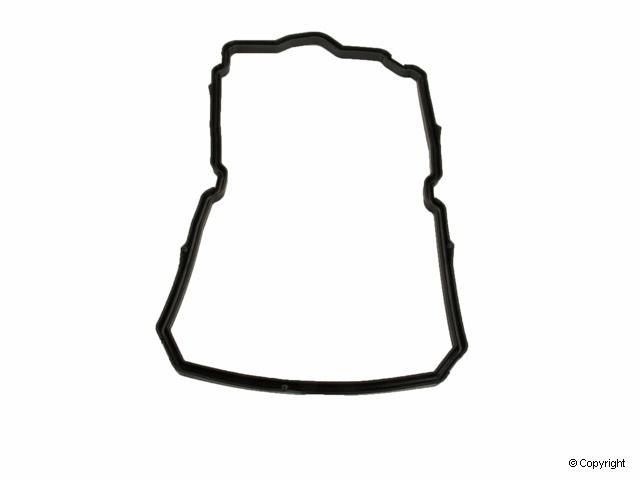
Aftermarket price range: $300-$550 - Transmission Filter and Pan Gasket Kit
(OEM #A2212770100 (Kit example))— This must be replaced whenever the transmission pan is removed to access the conductor plate.
Trusted brands: Vaico, Febi, Genuine Mercedes-Benz
OEM price range: $50-$100
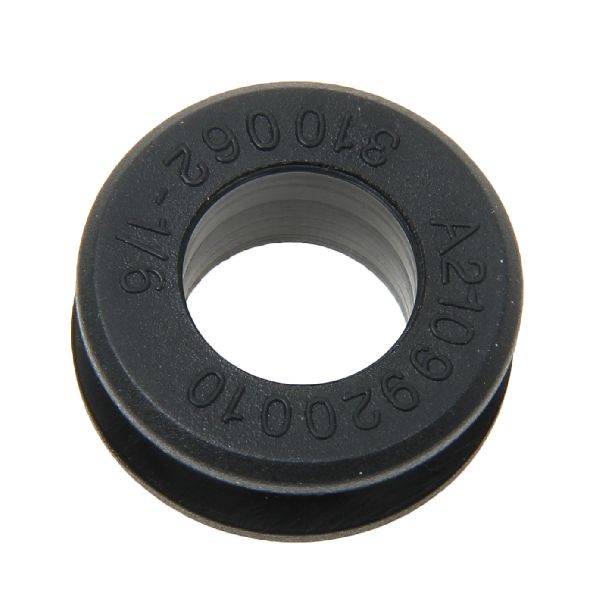
Aftermarket price range: $30-$60 - Transmission Electrical Connector Plug
(OEM #A2035400253)— This is a common leak point and should be replaced preventatively during the conductor plate service. It is an inexpensive part.
Trusted brands: Genuine Mercedes-Benz, Febi
OEM price range: $20-$40
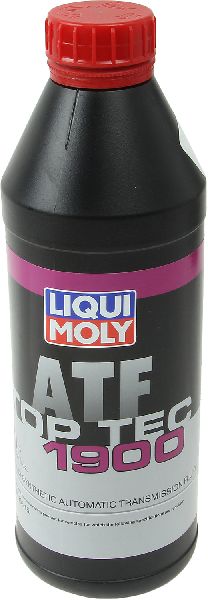
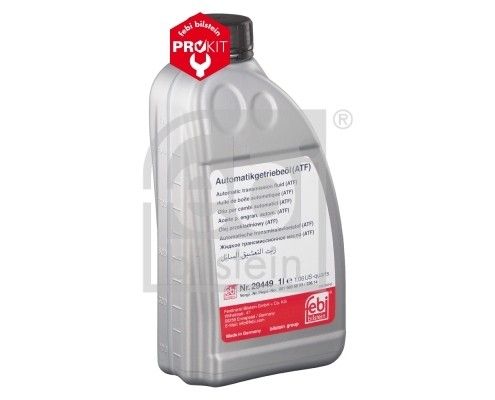
Aftermarket price range: $15-$25 - Mercedes-Benz Approved Transmission Fluid (ATF)
(OEM #MB 236.14 (Red) or 236.15 (Blue) - NOT interchangeable)— The transmission must be refilled with 6-9 liters of fluid that meets the correct specification after the service. Check VIN for correct fluid type.
Trusted brands: Fuchs Titan, Shell ATF 134, Genuine Mercedes-Benz
OEM price range: $20-$30 per liter
Aftermarket price range: $15-$25 per liter
Related Codes That Often Appear With This One
- P0715 — This code indicates a fault with the Input/Turbine Speed Sensor (Y3/8n1). Since both the input and output speed sensors are housed on the same conductor plate, it's very common for them to fail together and set both codes.
- 0717 / 0718 (Mercedes Specific) — These are manufacturer-specific codes for the Turbine Speed Sensor (Y3/8n1) being defective or its signal being unavailable, further confirming a faulty conductor plate.
- 0722 (Mercedes Specific) — This is the manufacturer-specific code for the Output Speed Sensor (Y3/8n3) signal not being available, directly corresponding to the generic P0720 and pointing to conductor plate failure.
- P0600 (Serial Communication Link) — This code often appears with P0720 when the conductor plate failure is severe or when the 13-pin connector leak has caused widespread communication issues between modules.
Technical Service Bulletins (TSBs) & Recalls
- LI27.60-P-049775: This Technical Service Bulletin addresses complaints of the transmission going into limp mode or having harsh shifts, and points to diagnostics for the electrohydraulic control unit (which includes the conductor plate) and potential internal speed sensor faults.
Platform-Specific Known Issues
- The 7G-Tronic (722.9) transmission's conductor plate is a well-documented, widespread failure item across many Mercedes-Benz models, not just the C-Class. The speed sensors failing internally are the primary cause.
Hidden / Shadow Codes Worth Checking
- 0717: The signal from component Y3/8n1 (Turbine speed sensor (VGS)) is not available. This points to the input speed sensor, which is on the same conductor plate as the output sensor. (see via Mercedes-Benz STAR/Xentry diagnostic system.)
- 0718: The component Y3/8n1 (Turbine speed sensor (VGS)) is defective. This is a more definitive code for a failed input speed sensor. (see via Mercedes-Benz STAR/Xentry diagnostic system.)
- 2767: The signal from component Y3/8n2 (Internal speed sensor (VGS)) is not available. This is another sensor on the conductor plate that often fails concurrently. (see via Mercedes-Benz STAR/Xentry diagnostic system.)
- 2768: The component Y3/8n2 (Internal speed sensor (VGS)) is defective. A definitive code for a failed internal speed sensor. (see via Mercedes-Benz STAR/Xentry diagnostic system.)
- 0722: The signal from component Y3/8n3 (Output speed sensor (VGS)) is not available. This is the direct manufacturer-specific equivalent to the generic P0720. (see via Mercedes-Benz STAR/Xentry diagnostic system.)
Scan Tool Commands That Help
- Xentry/DAS: SCN (Software Calibration Number) Coding — Required when installing a new, non-programmed conductor plate. This online process uses the vehicle's VIN to download the correct software and 'marry' the new module to the car's security system.
- Xentry/DAS: Initial Start-up — This procedure must be performed immediately after installing a new conductor plate. Driving the vehicle before completing this process can lock the control unit, rendering it unusable.
- Xentry/DAS or capable aftermarket tool: Virginize / Renew — This function is used on a *used* conductor plate to wipe its original VIN and programming. This makes the module 'like new' so it can then be SCN coded to a different vehicle. This is a specialized service not available on all scan tools.
- Xentry/DAS: Clear Transmission Adaptations — After replacing major transmission components like the conductor plate or valve body, all learned shift adaptations should be cleared. This forces the TCU to re-learn shift pressures and fill times with the new hardware, preventing harsh or flared shifts.
Wiring & Ground Locations
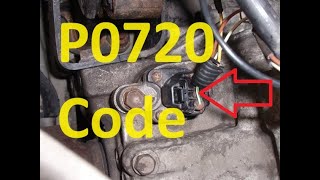
- 13-pin Connector (Y3/8s1) — On the passenger side of the transmission housing, toward the front. It's a round connector, often protected by a small heat shield.. This is the main electrical connection to the conductor plate. The O-rings are a common failure point, allowing fluid to leak into the pins and wick up the harness, causing short circuits that can manifest as P0720 and other communication errors.
Real Owner Repair Stories
- MBWorld.org Forums user (2013 C300 Sport, 142,000 kms) — ABS light came on, followed by the transmission going into limp mode (stuck in 2nd gear). Codes P0720, P0721, and U140C were present.
❌ Tried (didn't work) Initial diagnosis at a non-specialist garage pointed to a bad right rear wheel speed sensor. While the sensor was bad, replacing it alone would not have solved the limp mode, as the transmission has its own internal speed sensors.
✅ What actually fixed it The consensus from experienced forum members was that while the wheel speed sensor needed replacement for the ABS light, the P0720 code and limp mode were definitively caused by a failure of the internal transmission speed sensor, located on the conductor plate/valve body, requiring its replacement.
OEM Part Supersession History
VGS1 (e.g., A2202701206)→VGS2 (e.g., A0335457332), then VGS3 (e.g., A0034460310)— Design evolution and improvements to address failure points.
Heads up: The versions are generally not cross-compatible without issues. VGS1 plates were sold with the valve body; VGS2 and VGS3 can be replaced independently. Installing the wrong version can lead to function failure even if it physically fits.
Model Year Variations Within This Range
- 2008-2011: These earlier W204 models were more likely to have the VGS2 conductor plate. The 3.0L and 3.5L naturally aspirated V6 engines were standard.
- 2012-2014: Following the mid-cycle refresh, these models are more likely to have the VGS3 conductor plate. Engine options changed, and the 7G-Tronic Plus transmission (a revised 722.9) was introduced, which had different service intervals but still suffered from conductor plate failures.
Diagnostic Flowchart
Other Known Issues on This Vehicle
Issues unrelated to this code that are worth knowing about as an owner of this generation:
- Electronic Steering Lock (ESL/ELV) Failure 🔴 High — Very common, especially on 2008-2009 models. Often starts intermittently before becoming a permanent no-start condition.
- Rear Subframe Corrosion/Rust 🔴 High — Widespread enough that Mercedes-Benz issued a 20-year/unlimited mileage extended warranty for corrosion with perforation. (Ref: MBUSA Warranty Extension (20 years/unlimited miles))
- M271 Engine Timing Chain Stretch 🔴 High — Common on 4-cylinder petrol models (C180/C200/C250). A rattling noise on cold starts is the primary symptom. Failure can occur as early as 30,000 miles if a faulty tensioner is present.
- M272 Engine Balance Shaft Gear Wear 🔴 High — Affects V6 models (C300/C350) built before mid-2008. Repair is extremely labor-intensive and costly.
- OM651 Diesel Piezo Injector Failure 🟠 Medium — Common on 4-cylinder diesel models. Mercedes had service campaigns to replace faulty injectors, so most should be resolved, but it's a known issue for the platform. (Ref: Service Campaign)
Used vs. New Parts: Buying Guide for This Vehicle
When a used part is the smart pick: A used conductor plate is almost never a smart choice unless you have access to a specialist who can 'virginize' it. The part is VIN-locked to the donor car and cannot be programmed to a new vehicle otherwise. A used valve body (the mechanical part) is a viable option if yours is damaged, but the electronic conductor plate is the main failure point.
Donor-vehicle mileage cap: roughly under 60000 miles for the part to have meaningful remaining life.
What to inspect on the donor part:
- Verify the exact part number and VGS version (VGS2, VGS3) matches what is required for your vehicle's VIN.
- Ask for proof the part came from a running, driving vehicle without transmission codes.
- If buying a 'virginized' unit, ensure the seller provides a warranty and has a strong reputation, as the process is highly technical.
OEM-only on this vehicle (don't cheap out):
- Transmission Conductor Plate (TCM): Due to the complex VIN-locking and SCN coding, using a Genuine Mercedes-Benz part from a dealer or a professionally repaired original unit is the most reliable path.
Aftermarket brands forum-validated for this vehicle:
- Circuit Board Medics (Repair Service): They repair and reinforce the original conductor plate, which avoids the need for reprogramming/SCN coding.
- VDO: Often the original OEM supplier for the electronic components.
- Febi / Vaico: Good quality for service items like the filter, gasket, and 13-pin connector.
Brands owners have reported issues with on this vehicle:
- Unknown/unbranded conductor plates from online marketplaces: Many are sold as 'pre-programmed' but fail to work, are the wrong version, or are simply used units that have not been properly virginized.
Real Owner Stories
Aggregated from forums and TSBs cited above. Mileages and costs reflect what owners reported in those sources.
2013 Mercedes-Benz C300
Symptoms: The car would not move even though the engine was running smoothly. Diagnostic codes P0720 and P0721 were present.
What fixed it: Diagnosis identified a failed output speed sensor on the conductor plate; checking the 13-pin connector for fluid was also recommended.
Source hint: MBWorld.org Forums - Thread 'P0720 and P0721: car doesn’t move but engine runs smoothly'
2008-2014 Mercedes-Benz C-Class (W204)
Symptoms: The vehicle experienced intermittent limp mode that would temporarily reset after turning the car off and restarting it.
What fixed it: This was identified as a classic sign of the electronic conductor plate beginning to fail.
Source hint: Mercedes-Benz Owners' Forums - Thread 'Conductor Plate problem, not sure?'
Mercedes-Benz C-Class (W203/W204)
Symptoms: Classic limp mode symptoms, the speedometer dropped to zero while driving, and multiple dash lights including ABS appeared.
What fixed it: The community recommended a proper scan to confirm the conductor plate, while also suggesting a check of the ABS module ground.
Source hint: MBWorld.org Forums - Thread 'P0720 Speed Sensor code - where do I start?'
Related OBD-II Codes
Frequently Asked Questions
My 2008-2014 C-Class is stuck in 2nd gear and won't shift. Is there a specific TSB for this?
Can I just replace the output speed sensor (Y3/8n3) on my 722.9 transmission?
I see red fluid in the electrical connector on the passenger side of the transmission. Could this cause P0720?
Why did my speedometer drop to zero and the ABS/ESP lights come on at the same time as the P0720 code?
Is it true that Mercedes restricted the sale of the conductor plate for the 7G-Tronic transmission?
Can I check the transmission fluid level myself to see if that's causing the P0720 code?
Helpful Videos
We Have This Part in Stock

The information in this article is provided for general reference and educational purposes only. Vehicle specifications, procedures, and part compatibility can vary by production date, trim level, and region. Always consult your vehicle's factory service manual and verify part numbers before purchasing or performing repairs. Safety-critical components such as airbags, seat belts, and braking systems should be installed by a qualified professional.
- Mercedes-Benz C-Class:
- 🧭 Diagnostic Flowchart
- 🎬 Helpful Videos
- 🛍️ Shop This Part
- What's Unique About the 2008-2014 Mercedes-Benz C-Class
- Symptoms You May Notice
- Most Likely Causes
- Rare But Worth Checking
- Diagnosis Steps
- Parts You'll Likely Need
- Related Codes That Often Appear With This One
- Technical Service Bulletins (TSBs) & Recalls
- Platform-Specific Known Issues
- Hidden / Shadow Codes Worth Checking
- Scan Tool Commands That Help
- Wiring & Ground Locations
- Real Owner Repair Stories
- OEM Part Supersession History
- Model Year Variations Within This Range
- Other Known Issues on This Vehicle
- Used vs. New Parts: Buying Guide for This Vehicle
- Real Owner Stories
- 2013 Mercedes-Benz C300
- 2008-2014 Mercedes-Benz C-Class (W204)
- Mercedes-Benz C-Class (W203/W204)
- Related OBD-II Codes
- Frequently Asked Questions
- 🎟️ Get 5% Off