

P0720 on 1995-1999 Nissan Maxima: Output Speed Sensor Failure Causes and Fixes
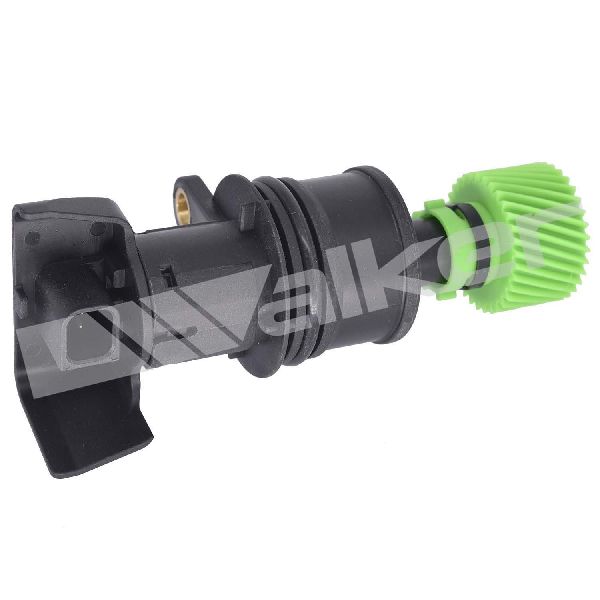
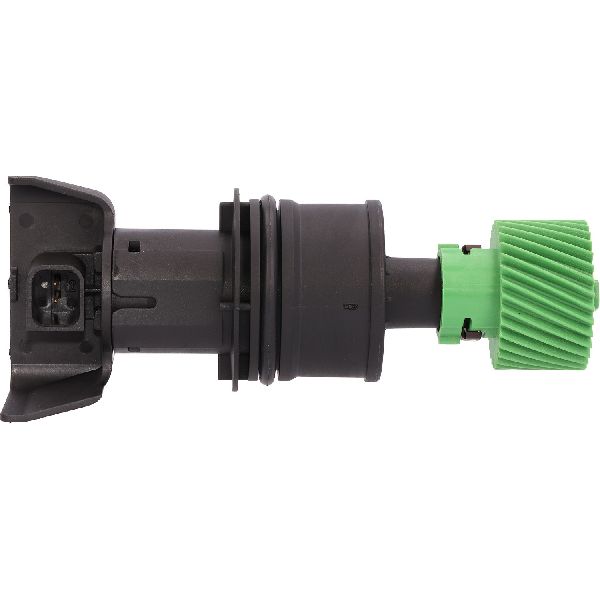
On a 1995-1999 Nissan Maxima, P0720 almost always points to a failed Vehicle Speed Sensor (VSS), also called the Output Speed Sensor. This can cause an inoperative speedometer and erratic, harsh shifting. It's a relatively easy and inexpensive DIY fix, with the part costing between $20 and $70. The sensor is located on top of the transmission and held by a single 10mm bolt.
- P0720 on a 1995-1999 Maxima is overwhelmingly caused by a bad Vehicle Speed Sensor (VSS).
- Symptoms directly impact drivability, including a dead speedometer and harsh, unpredictable shifting.
- The repair is very DIY-friendly, requiring basic hand tools and about 30 minutes. The sensor is easily accessible on top of the transmission.
- Always check the wiring and connector for damage before replacing the sensor, although sensor failure is far more common.
What's Unique About the 1995-1999 Nissan Maxima
The 1995-1999 (A32 generation) Maxima is known for its reliable VQ30DE engine, but like many vehicles of its era, its electronic sensors are a common failure point as the car ages. The Vehicle Speed Sensor (VSS) is a well-documented weak spot. Fortunately, it is externally mounted on the top of the transmission, making it much easier to access and replace compared to sensors located inside the transmission oil pan on other vehicles. This accessibility makes it a very common DIY repair for owners. A key quirk of this platform is that the VSS signal is routed through the instrument cluster *before* going to the ECU/TCM, making the cluster itself a secondary point of failure that can mimic a bad sensor.
Symptoms You May Notice
- Inoperative or erratic speedometer
- Harsh, delayed, or erratic automatic transmission shifting
- Transmission may get stuck in a single gear (limp mode)
- Cruise control not working
- Check Engine Light is on
- Hesitation or stalling when coming to a stop
- Decreased fuel economy
- Replacing the entire transmission when only the external speed sensor is at fault. Some shops may incorrectly diagnose a major internal failure.
- Replacing the instrument cluster (speedometer) before testing the VSS signal and wiring.
- Replacing only the sensor when the wiring connector is corroded or damaged.
Most Likely Causes
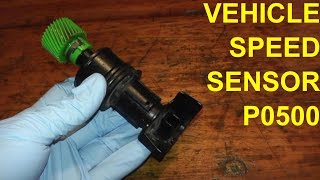
- Failed Vehicle Speed Sensor (VSS) / Output Speed Sensor (OSS) 🔴 High Probability → Shop Drive Shaft Sensor Age and heat cycles cause the internal electronics of the sensor to fail over time. This is the most common cause for this code on the A32 Maxima, as confirmed by numerous 🎬 Watch: Step-by-step vehicle speed sensor replacement guide owner experiences in online forums.
How to confirm: Use a scan tool to monitor the VSS signal while driving; if it's erratic or zero, the sensor is likely bad. You can also test the sensor's resistance with a multimeter against factory specifications. A visual inspection of the sensor's gear for broken or worn teeth is also recommended after removal.
Typical fix: Replace the Vehicle Speed Sensor. It is located on the top of the transmission housing, accessible from the driver's side of the engine bay, and held in by a single 10mm bolt. 🎬 Watch: Locate the speed sensor on manual transmissions The sensor pulls straight up and may be snug due to an O-ring seal.
Est. part cost: $20-$70 - Damaged Wiring or Connector 🟡 Medium Probability The wiring harness in the engine bay is exposed to heat and vibrations, which can cause wires to become brittle, frayed, or for the connector pins to corrode over 20+ years. Forum users have reported that even after replacing the sensor, the code returned, and the ultimate fix was repairing the wiring harness. Manufacturer service bulletin TSB Bulletin #NTB14019 notes that moisture and/or corrosion present on or around speed sensor pins can lead to a P0720 code.
How to confirm: Visually inspect the wiring harness leading to the VSS for any signs of cracking, melting, or corrosion at the connector. Check for continuity and proper voltage at the connector with a multimeter. Wiggle the harness while checking live data to see if the signal drops out.
Typical fix: Repair the damaged section of the wire or replace the connector pigtail.
Est. part cost: $10-$30 - Dirty or Contaminated Transmission Fluid ⚪ Low Probability → Shop Transmission Assembly If the transmission fluid is old and has a high level of metallic contaminants, these particles can stick to the magnetic tip of the speed sensor, disrupting its ability to get a clean reading. While possible, it's less common than outright sensor failure on this platform.
How to confirm: Check the transmission fluid level and condition. If the fluid is dark, burnt-smelling, or has visible metal shavings, this could be the issue.
Typical fix: Drain and refill the transmission fluid and clean the magnetic tip of the sensor. If significant metal is present, the transmission may have internal damage.
Est. part cost: $40-$100 for fluid
Rare But Worth Checking
- Faulty Transmission Control Module (TCM) or Powertrain Control Module (PCM): → Shop Engine Control Module (ECM) This is very rare. Before suspecting the computer, all other possibilities (sensor, wiring) must be exhaustively ruled out. Some later model Nissans are known to set a false P0720 code when the TCM itself is faulty, but this is less documented for the A32 Maxima.
- Damaged Speedometer Drive Gear: The plastic gear on the end of the sensor that engages with the transmission can wear down or break, though this is less common than electronic failure of the sensor itself. Always inspect the gear on the old sensor upon removal.
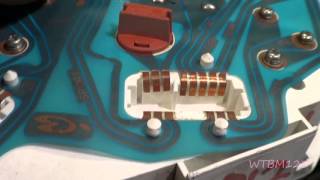
- Faulty Instrument Cluster: On this platform, the VSS signal goes to the instrument cluster first, which then sends a signal to the ECU/TCM. A failure within the cluster's circuitry can interrupt this signal and cause a P0720 or P0500 code, even with a good sensor. This is more likely if the speedometer behaves erratically (e.g., works after hitting a bump) but is less common than a sensor failure. 🎬 See how to repair the instrument cluster circuitry
- Valve Body Assembly: → Shop Transmission Valve Body While less common on the A32, TSB Bulletin #NTB10150A for other Nissan models suggests replacing the transmission control valve assembly (valve body) for P0720 codes in specific configurations. Similarly, NHTSA ODI #11683803 describes a case where a P0720 code led to a recommendation for a valve body replacement.
Diagnosis Steps
- Scan for Codes: Use an OBD-II scanner to confirm P0720 and check for any other related codes, especially P0500.
- Visual Inspection: Inspect the Vehicle Speed Sensor and its wiring harness on top of the transmission, on the driver's side. Look for obvious damage, loose connections, or corrosion on the connector pins.
- Check Live Data: Use a scanner capable of viewing live data to monitor the vehicle speed while driving. If the reading is 0 mph or jumps around erratically while the car is moving, the sensor or its circuit is faulty.
- Test the Circuit: Disconnect the sensor connector. With the ignition on, use a multimeter to check for power and ground at the connector pins. This verifies the integrity of the wiring from the TCM/ECU.
- Remove and Inspect Sensor: The sensor is held by a single 10mm bolt. Remove the bolt and pull the sensor straight up. It may be tight due to an O-ring. Inspect the plastic gear at the end for any stripped, worn, or broken teeth.
- Test the Sensor: If the circuit tests okay, the sensor itself is the most likely culprit. You can test the resistance across the sensor's pins with a multimeter and compare it to the factory specification, but given the low cost of the part, replacement is often the most efficient step after confirming the circuit is good.
Parts You'll Likely Need
- Vehicle Speed Sensor
(OEM #32702-4E814)— This sensor is the primary cause of the P0720 code on this vehicle due to age-related electronic failure. The OEM part number 32702-4E814 replaces the older part number 32702-4E804.
Trusted brands: Hitachi, NGK/NTK, Beck/Arnley, Dorman
OEM price range: $50-$70
Aftermarket price range: $20-$50
Related Codes That Often Appear With This One
- P0500 — P0500 is a more generic 'Vehicle Speed Sensor Malfunction' code. P0720 is more specific to the output sensor circuit. They often appear together because they relate to the same component and its failure impacts both the ECU (P0500) and TCM (P0720).
- P0715 — This code relates to the Input Speed Sensor. The TCM compares input and output speeds to verify gear ratios. A fault in one can sometimes lead the computer to flag a fault in the other, though this is less common.
Platform-Specific Known Issues
- Owner Experience: Simple Sensor Swap Fix: A user on Maxima.org with a 4th generation Maxima experienced a sudden dead speedometer and odometer, accompanied by code P0500 (often seen with P0720). The fix was a straightforward replacement of the VSS located on top of the transmission, a job that took less than 30 minutes. This is a very typical repair story for this issue.
- Owner Experience: Wiring Harness as the Culprit: In a thread on Maxima.org, an owner reported setting a VSS code even after replacing the sensor twice. Further investigation revealed issues with the wiring harness. This highlights the importance of checking the circuit and not just assuming the sensor is bad, especially on a vehicle of this age where wiring can become brittle.
Mechanic-Grade Diagnostic Values
- Vehicle Speed Sensor (VSS) AC Voltage Output — expected: ~0.5V AC (or higher) that fluctuates when the sensor's gear is spun by hand or with a drill.. Failure: No AC voltage is generated when the gear is spun.
Real Owner Repair Stories
- Maxima.org forum user (2000 Nissan Maxima (A32 platform carries over many parts/diagnostics from 1995-1999)) — Intermittent speedometer operation, P0500 code stored (often appears with P0720).
❌ Tried (didn't work) Replaced the Vehicle Speed Sensor (VSS) twice, ensuring the correct part for the late-model year was used., Removed the original instrument cluster, inspected for bad solder joints, and tightened the 4 screws holding the speedometer to the circuit board.
✅ What actually fixed it Replacing the entire instrument cluster with a used unit from a salvage yard permanently resolved the P0500 code and the intermittent speedometer.
OEM Part Supersession History
32702-4E804→32702-4E814— Standard part revision by Nissan.
Diagnostic Flowchart
Other Known Issues on This Vehicle
Issues unrelated to this code that are worth knowing about as an owner of this generation:
- Ignition Coil Failure 🟠 Medium — Common around 100,000-130,000 miles. Failure of one coil can sometimes damage others. Symptoms include rough running, misfiring, and hesitation.
- Starter Motor Failure 🟠 Medium — A very common failure item, often occurring around 100,000 miles. Symptoms include a no-crank condition, sometimes intermittent and heat-sensitive.
- Knock Sensor Failure/Code 🟡 Low — The knock sensor itself rarely fails, but a code for it often appears alongside other engine issues. The sensor is located in a difficult-to-access spot between the cylinder banks.
- Rusting Radiator Core Support 🔴 High → Shop Radiator — The lower radiator support is highly prone to rusting out, especially in regions where road salt is used. This can compromise the structural integrity of the front end.
- Leaking Valve Cover Gaskets 🟡 Low — Oil leaks from the valve cover gaskets are a common issue with age. The rear cover is more labor-intensive to replace as it requires removing the intake manifold.
- Power Steering Pump Leaks 🟠 Medium — The power steering pump is known to develop leaks, which can drip onto and damage the lower control arm bushings, affecting vehicle control.
Used vs. New Parts: Buying Guide for This Vehicle
When a used part is the smart pick: A used part makes sense for the instrument cluster if it is diagnosed as the fault, as new units are often unavailable or prohibitively expensive. For the Vehicle Speed Sensor (VSS) itself, a new aftermarket part is strongly recommended due to its low cost and high failure rate from age.
Donor-vehicle mileage cap: roughly under 150000 miles for the part to have meaningful remaining life.
What to inspect on the donor part:
- For a used instrument cluster, ensure the clear plastic lens is not cracked or heavily scratched.
- Verify the mileage on the donor vehicle if possible, although the cluster's odometer reading will transfer to your car.
- Check that all connector pins on the back of the cluster are straight and free of corrosion.
Aftermarket brands forum-validated for this vehicle:
- Hitachi
- NGK/NTK
- Beck/Arnley
Brands owners have reported issues with on this vehicle:
- Ultra-low-cost, unbranded sensors from online marketplaces may have a higher rate of out-of-box failure.
Real Owner Stories
Aggregated from forums and TSBs cited above. Mileages and costs reflect what owners reported in those sources.
1995-1999 Nissan Maxima (4th Generation)
Symptoms: Sudden dead speedometer and odometer, accompanied by a check engine light.
What fixed it: Straightforward replacement of the VSS located on top of the transmission, which took less than 30 minutes.
Source hint: Owner Experience: Simple Sensor Swap Fix (Maxima.org)
1995-1999 Nissan Maxima
Symptoms: Setting a VSS code even after replacing the sensor twice.
What fixed it: Repairing the wiring harness, as the original wiring had become brittle and failed.
Source hint: Owner Experience: Wiring Harness as the Culprit (Maxima.org)
1995-1999 Nissan Maxima
Symptoms: The owner found two sensors near each other on the transmission, one towards the motor and one towards the driver's side tire.
What fixed it: Replacing the Transmission Speed Sensor.
Source hint: owner_reports: Maxima Forums
Nissan Owner Report
Symptoms: An owner reported entering limp mode on the highway and being unable to exceed 40 mph where speeds were around 70 mph, putting them at risk.
What fixed it: Diagnosis revealed a code of P0720, which usually points to a valve body or transmission.
Source hint: NHTSA ODI #11652917
Nissan Owner Report
Symptoms: An owner experienced a dangerous situation in traffic because the vehicle could not accelerate normally.
What fixed it: A scan revealed a P0720 Speed Sensor Circuit failure, and the dealer advised replacing the valve body assembly.
Source hint: NHTSA ODI #11683803
Nissan Owner Report
Symptoms: Investigation of a vehicle revealed OBD II codes P0500 and P0720.
What fixed it: Further investigation revealed an existing recall for automobiles of this make, model and year that exhibit the event.
Source hint: NHTSA ODI #11115192
Related OBD-II Codes
Frequently Asked Questions
Where is the Vehicle Speed Sensor (VSS) located on my 4th generation Maxima?
My speedometer stopped working and I have a P0720 code; are these related?
Can I just clean the sensor instead of replacing it?
I replaced the sensor but the code P0720 came back. What else should I check on my Maxima?
Does the Infiniti I30 have this same speed sensor issue?
Is it difficult to remove the sensor if it feels stuck?
Helpful Videos
We Have This Part in Stock


The information in this article is provided for general reference and educational purposes only. Vehicle specifications, procedures, and part compatibility can vary by production date, trim level, and region. Always consult your vehicle's factory service manual and verify part numbers before purchasing or performing repairs. Safety-critical components such as airbags, seat belts, and braking systems should be installed by a qualified professional.
- Nissan Maxima:
- 🧭 Diagnostic Flowchart
- 🎬 Helpful Videos
- 🛍️ Shop This Part
- What's Unique About the 1995-1999 Nissan Maxima
- Symptoms You May Notice
- Most Likely Causes
- Rare But Worth Checking
- Diagnosis Steps
- Parts You'll Likely Need
- Related Codes That Often Appear With This One
- Platform-Specific Known Issues
- Mechanic-Grade Diagnostic Values
- Real Owner Repair Stories
- OEM Part Supersession History
- Other Known Issues on This Vehicle
- Used vs. New Parts: Buying Guide for This Vehicle
- Real Owner Stories
- 1995-1999 Nissan Maxima (4th Generation)
- 1995-1999 Nissan Maxima
- 1995-1999 Nissan Maxima
- Nissan Owner Report
- Nissan Owner Report
- Nissan Owner Report
- Related OBD-II Codes
- Frequently Asked Questions
- 🎟️ Get 5% Off