

P0729 on 2011-2017 Honda Odyssey: Gear 6 Incorrect Ratio Causes and Fixes
On a 2011-2017 Honda Odyssey, code P0729 is most often caused by low or dirty transmission fluid, or a failing 6th gear clutch pressure switch. A fluid service is the first step, but replacing the specific pressure switch is a common and relatively inexpensive repair. This code only applies to 6-speed automatic models.
- This code only affects 2011-2017 Honda Odysseys with the 6-speed automatic transmission.
- Always start your diagnosis by checking the transmission fluid level and condition; use only Honda ATF DW-1.
- The 6th gear clutch pressure switch (Part No. 28600-R97-003) is a very common and h
What's Unique About the 2008-2017 Honda Odyssey
This code is specific to the fourth-generation Odyssey (2011-2017) equipped with a 6-speed automatic transmission. The earlier third-generation models (2008-2010) used a 5-speed automatic and cannot set a code for a non-existent 6th gear. On these V6 Hondas, P0729 is frequently linked to issues with the 6th gear clutch hydraulic circuit, often pointing to a specific pressure switch or solenoid rather than a catastrophic failure.
Generation note: The 2008-2017 range covers two generations. The third generation (2008-2010) has a 5-speed automatic transmission and is not affected by this code. The fourth generation (2011-2017) introduced a 6-speed automatic transmission, and this is the generation where P0729 applies.
Symptoms You May Notice
- Check Engine Light is on
- Flashing "D" (Drive) indicator light on the dashboard
- Transmission fails to shift into 6th gear
- Delayed or harsh shifting into 6th gear
- Transmission slipping (engine RPMs increase without a corresponding increase in vehicle speed)
- Reduced fuel economy, especially at highway speeds
- Unusual noises from the transmission
- Replacing input/output speed sensors. While these sensors provide the data, the P0729 code specifically points to the TCM's interpretation of an incorrect ratio, which is more often a hydraulic or mechanical issue than a sensor failure.
Most Likely Causes
- Low or Dirty Automatic Transmission Fluid (ATF) 🔴 High Probability → Shop Transmission Assembly Transmission fluid degrades over time and can be consumed by minor, unnoticeable leaks. If not serviced regularly, low fluid levels or poor fluid quality will cause hydraulic pressure issues, leading to slippage.
How to confirm: Check the transmission fluid level and condition using the dipstick. The fluid should be at the correct level, reddish in color, and not smell burnt. Burnt-smelling or dark brown fluid indicates excessive wear or overheating.
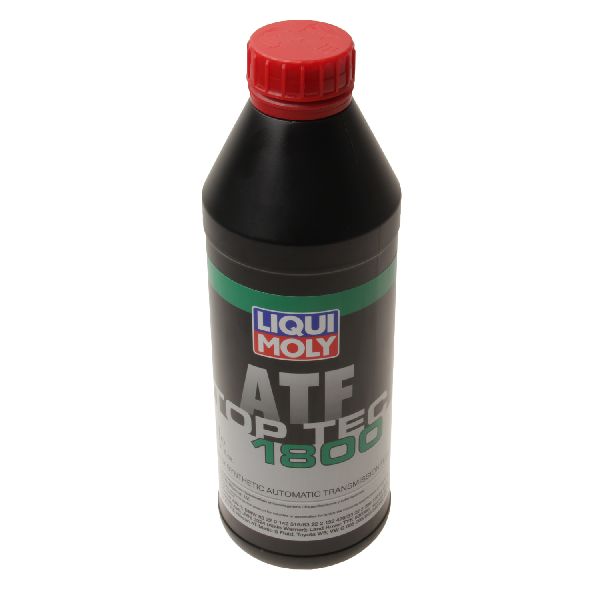
Typical fix: Perform a transmission fluid drain-and-fill using the correct Honda ATF DW-1 fluid. A 3x drain-and-fill is often recommended to replace a majority of the old fluid.
Est. part cost: $50-$150 for fluid - Failed 6th Gear Clutch Pressure Switch 🔴 High Probability Pressure switches are a known failure point on this generation of Honda transmissions. They can fail electronically or become clogged with debris, leading to incorrect pressure readings for a specific gear circuit.
How to confirm: A technician can test the pressure in the 6th gear clutch hydraulic circuit. Often, this part is replaced based on the code and symptoms after fluid issues are ruled out, as it is a common and relatively inexpensive part.
Typical fix: Replace the 6th gear clutch pressure switch. This is an external part on the transmission case and is relatively accessible. There are multiple pressure switches, so ensure the correct one for the 6th gear clutch is identified.
Est. part cost: $40-$100 - Faulty Shift Solenoid ⚪ Low Probability → Shop Transmission Valve Body Solenoids control the flow of fluid to engage clutches. They can become clogged with debris or fail electrically, preventing the proper engagement of 6th gear.
How to confirm: Diagnosis involves testing the solenoid's resistance and function with a multimeter and scan tool. A technician may also apply power directly to the solenoid to check for a 'click'.
Typical fix: Replace the specific shift solenoid responsible for 6th gear operation.
Est. part cost: $60-$200
Rare But Worth Checking
- Internal Transmission Failure: → Shop Transmission Assembly While less common, a worn 6th gear clutch pack or other internal mechanical failures can cause this code. This is usually accompanied by other symptoms like grinding noises or significant metal debris in the transmission fluid.
- Transmission Control Module (TCM) or Software Issue: → Shop Transmission Assembly A software glitch or internal TCM fault can cause the module to misinterpret sensor data and set a false code. Checking for available software updates from Honda is a valid diagnostic step.
- Clogged Transmission Valve Body: → Shop Transmission Valve Body Debris from normal wear can clog the small passages in the valve body, restricting hydraulic flow to the 6th gear clutch. This often requires removal and cleaning or replacement of the valve body.
Diagnosis Steps
- Check the transmission fluid level and condition. If low, top it off with Honda ATF DW-1 and check for leaks. If dirty or burnt, perform a drain-and-fill (or a 3x drain-and-fill).
- Use an advanced scan tool to check for other transmission-related trouble codes and view live data. Graph Engine RPM vs. Transmission Output Speed to visually confirm slippage when 6th gear is commanded.
- Inspect the wiring and connectors going to the transmission pressure switches and solenoids for any visible damage or corrosion.
- If fluid is okay, the next most likely culprit is the 6th gear clutch pressure switch. Test the switch or replace it as a probable cause. Refer to service manuals or online forums for the exact location of the 6th gear switch.
- If the problem persists, a professional diagnosis is needed. This will involve testing line pressure and the pressure in the 6th gear clutch circuit to identify if the issue is hydraulic (clogged passage, bad pump) or mechanical (worn clutch).
Parts You'll Likely Need
- Automatic Transmission Fluid
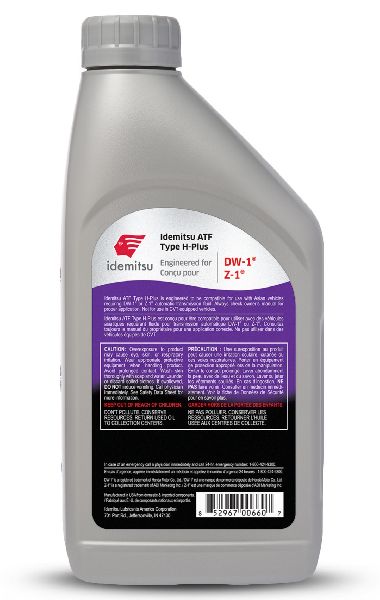
(OEM #08200-9008)— Low or degraded fluid is the most common cause of hydraulic pressure issues leading to this code.
Trusted brands: Honda (Genuine OE)
OEM price range: $12-$18 per quart
Aftermarket price range: N/A (Use OE fluid) - 6th Clutch Transmission Fluid Pressure Switch
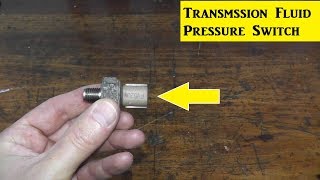
(OEM #28600-R97-003)— This specific switch is a known failure point that directly causes the P0729 code when it malfunctions.
Trusted brands: Honda (Genuine OE), Standard Motor Products (PS746)
OEM price range: $60-$100
Aftermarket price range: $30-$60
Related Codes That Often Appear With This One
- P0731-P0735 — These are incorrect gear ratio codes for gears 1-5. If multiple ratio codes are present, it strongly suggests a widespread issue like low transmission fluid or a failing valve body, rather than a problem specific to 6th gear.
- P0868 — This code means 'Transmission Fluid Pressure Low.' Seeing it with P0729 confirms a hydraulic problem is preventing the clutches from engaging properly.
- P0700 — This is a general Transmission Control System Malfunction code. It often appears alongside more specific codes like P0729 to indicate a fault has been registered by the TCM.
Platform-Specific Known Issues
- Owner Experience: Successful DIY Repair: An owner on Go-Parts.com with a 2012 Honda Odyssey at 110k miles reported code P0729 with slipping in 6th gear. After incorrectly replacing speed sensors and performing a fluid change with no success, the issue was resolved by replacing the 6th gear clutch pressure switch. The part cost under $100 and fixed the problem.
Mechanic-Grade Diagnostic Values
- Input/Output Speed Sensor Resistance — expected: 1.5 kΩ to 2.2 kΩ. Failure: A reading outside of this range indicates a faulty sensor.
- Live Data Gear Ratio Comparison — expected: The actual gear ratio (calculated from Input RPM / Output RPM) should match the commanded 6th gear ratio specified in the service manual.. Failure: A deviation of more than 5% between the actual and commanded ratio confirms a slip or hydraulic issue.
Scan Tool Commands That Help
- Advanced OBD-II Scanner / Honda HDS: TCM Self-Test / Module Diagnostics — After checking fluid and external wiring, this function can be used to query the Transmission Control Module for internal faults like memory or processor errors, helping to rule out a bad TCM before replacing other parts.
- Advanced OBD-II Scanner / Honda HDS: Live Data Monitoring (Input/Output Speed) — This is a primary diagnostic step to confirm the P0729 fault. By graphing the input (engine) RPM versus the output (transmission) speed, a technician can visually confirm that the transmission is slipping when 6th gear is commanded.
Wiring & Ground Locations
- Transmission-to-Body Ground Strap — A braided cable connecting the transmission case to the vehicle's chassis, typically near the front of the transmission. On a 2011 Odyssey, one end bolts to the transmission and the other to the frame rail near the radiator support.. This ground is critical for all transmission electronics. Corrosion or a loose connection at this point can cause erratic behavior from sensors and solenoids, potentially leading to incorrect ratio codes. It is known to corrode and fail on these vehicles.
- G101 — A primary ground point for many engine and transmission components, often located near the battery or on the chassis frame in the engine bay.. A poor connection at a main ground like G101 can introduce electrical noise and voltage drops, affecting the TCM's ability to get accurate readings from its sensors, which could contribute to a gear ratio fault.
Real Owner Repair Stories
- Go-Parts.com Repair Database (2012 Honda Odyssey, 110,000 miles) — P0729 code present, noticeable slipping when the transmission attempted to shift into 6th gear.
❌ Tried (didn't work) Replaced the input and output speed sensors, Performed a 3x drain-and-fill of the transmission fluid
✅ What actually fixed it The problem was resolved by replacing the 6th gear clutch pressure switch.
When the Usual Fixes Don't Work
- While low fluid and faulty speed sensors are common causes for transmission codes, a documented repair on a 2012 Odyssey showed that replacing both input/output speed sensors and performing a complete fluid exchange failed to resolve the P0729 code. The ultimate fix was replacing the 6th gear clutch pressure switch, confirming that for this specific code on this platform, the hydraulic pressure monitoring circuit is a more likely culprit than the speed-reading circuit.
OEM Part Supersession History
28600-R97-003→28600-R36-004— Part update or revision by the manufacturer for improved reliability or a change in supplier.
Heads up: The new part number (28600-R36-004) is the correct replacement for the original. Using old stock of the original part number is not recommended. Part number 28600-R97-013 is also listed as a compatible interchange part.
Model Year Variations Within This Range
- 2011-2013: The 6-speed automatic transmission was only available on the premium Touring and Touring Elite trim levels. The LX, EX, and EX-L trims used a 5-speed automatic and are not susceptible to code P0729.
- 2014-2017: Following the 2014 model year facelift, the 6-speed automatic transmission became standard equipment on all trim levels (LX, EX, EX-L, SE, Touring, Touring Elite). Therefore, any 2014 or newer Odyssey can set the P0729 code.
Diagnostic Flowchart
Other Known Issues on This Vehicle
Issues unrelated to this code that are worth knowing about as an owner of this generation:
- Variable Cylinder Management (VCM) Issues 🔴 High — Very common across all 2008-2017 V6 models. Can lead to fouled spark plugs, excessive oil consumption, and engine vibrations. (Ref: A class-action lawsuit led to warranty extensions (e.g., TSB A13-081), but did not eliminate the root cause.)
- Torque Converter Judder/Shudder 🟠 Medium → Shop Automatic Transmission Torque Converter — Common on 2011-2017 models, typically felt between 20-60 mph under light throttle. (Ref: Honda TSB 17-043 and 17-052 address this with a software update and transmission fluid flush procedure.)
- Power Sliding Door Failures 🟠 Medium — Widespread reports of sliding doors not latching, opening while driving, or failing to operate. Affects multiple model years within this range. (Ref: Multiple recalls (e.g., Honda recall A88) and TSBs have been issued for various door components like latches and cables.)
- Prematurely Worn Engine Mounts 🟠 Medium — The active control engine mounts used to counteract VCM vibrations can fail prematurely, leading to excessive engine vibration felt in the cabin.
- Warped Front Brake Rotors 🟡 Low — A frequent complaint leading to steering wheel vibration when braking from highway speeds.
Used vs. New Parts: Buying Guide for This Vehicle
When a used part is the smart pick: For this specific repair, obtaining used parts is generally not recommended. The primary failure components (pressure switches, solenoids) are relatively inexpensive new and are known wear items. A used part may have limited remaining life.
Donor-vehicle mileage cap: roughly under 80000 miles for the part to have meaningful remaining life.
What to inspect on the donor part:
- If considering a major component like a used transmission, verify the donor vehicle's mileage.
- Ask for maintenance records, specifically looking for regular transmission fluid services.
- Inspect the fluid from the donor transmission if possible; it should be reddish and not smell burnt.
- Check for any external damage to the transmission case, connectors, and wiring harness.
OEM-only on this vehicle (don't cheap out):
- Transmission Fluid (Honda ATF DW-1)
- Pressure Switches and Solenoids (Genuine Honda is highly recommended by forum communities for reliability)
Aftermarket brands forum-validated for this vehicle:
- Standard Motor Products (for pressure switches, as a viable alternative to OEM)
Brands owners have reported issues with on this vehicle:
- No-name, unbranded electronic sensors and solenoids from online marketplaces are frequently cited as having high failure rates.
Real Owner Stories
Aggregated from forums and TSBs cited above. Mileages and costs reflect what owners reported in those sources.
2012 Honda Odyssey — 110000 miles
Symptoms: P0729 code appeared along with noticeable slipping when the transmission tried to shift into 6th gear.
What fixed it: Replacing the 6th gear clutch pressure switch (solenoid) after a 3x fluid change and speed sensor replacements failed to fix it.
Cost: <$100
Source hint: Go-Parts owner report
Related OBD-II Codes
Frequently Asked Questions
My 2012 Odyssey is slipping in 6th gear; should I replace the speed sensors first?
What specific transmission fluid should I use for a drain-and-fill on my 2008-2017 Odyssey?
Is there a TSB for the transmission judder I feel at highway speeds in my 2014 Odyssey?
Could my Odyssey's VCM system be related to my transmission issues?
Where is the 6th gear clutch pressure switch located on the transmission?
My 'D' indicator is flashing and I can't get into 6th gear. Is this a common Honda problem?
Helpful Videos
We Have This Part in Stock

The information in this article is provided for general reference and educational purposes only. Vehicle specifications, procedures, and part compatibility can vary by production date, trim level, and region. Always consult your vehicle's factory service manual and verify part numbers before purchasing or performing repairs. Safety-critical components such as airbags, seat belts, and braking systems should be installed by a qualified professional.
- Honda Odyssey:
- 🧭 Diagnostic Flowchart
- 🎬 Helpful Videos
- 🛍️ Shop This Part
- What's Unique About the 2008-2017 Honda Odyssey
- Symptoms You May Notice
- Most Likely Causes
- Rare But Worth Checking
- Diagnosis Steps
- Parts You'll Likely Need
- Related Codes That Often Appear With This One
- Platform-Specific Known Issues
- Mechanic-Grade Diagnostic Values
- Scan Tool Commands That Help
- Wiring & Ground Locations
- Real Owner Repair Stories
- When the Usual Fixes Don't Work
- OEM Part Supersession History
- Model Year Variations Within This Range
- Other Known Issues on This Vehicle
- Used vs. New Parts: Buying Guide for This Vehicle
- Real Owner Stories
- 2012 Honda Odyssey — 110000 miles
- Related OBD-II Codes
- Frequently Asked Questions
- 🎟️ Get 5% Off