

P0730 on 2006-2010 Hummer H3: Incorrect Gear Ratio Causes and Fixes
On a 2006-2010 Hummer H3, code P0730 almost always indicates a problem within the 4L60-E automatic transmission, most commonly low or dirty fluid, or a failing shift solenoid. Start by checking the transmission fluid level and condition; a full fluid and filter service costs around $150-$300. If internal damage is suspected, a rebuild or replacement is often necessary.
- P0730 on a Hummer H3 indicates a serious transmission issue, most likely slipping.
- Always start your diagnosis by checking the transmission fluid level and condition; it's the simplest and most common starting point.
- This code often points to a failing shift solenoid or more significant internal wear within the 4L60-E transmission.
- Do not continue to drive with this code, as you risk turning a moderate repair into a full, expensive transmission replacement.
- Due to the complexity of internal transmission work, professional diagnosis and repair are highly recommended.
What's Unique About the 2006-2010 Hummer H3
The 2006-2010 Hummer H3 is equipped with the GM 4L60-E automatic transmission, a unit with several well-documented failure points. While P0730 is a generic code, on this platform it often points directly to these weaknesses. The issue is frequently more than just low fluid; it can be a failing shift solenoid, a worn 3-4 clutch pack, or a broken reaction sun shell, all notorious issues with the 4L60-E family. A key variation is the control module: early H3s (approx. 2006-2007) used a separate Transmission Control Module (TCM), while later models (approx. 2008-2010) integrated the TCM functions into the main Powertrain Control Module (PCM), which can affect diagnostic procedures and wiring.
Symptoms You May Notice
- Transmission slipping, where engine RPMs increase without a corresponding increase in speed.
- Harsh, erratic, or delayed shifting between gears.
- Vehicle entering "limp mode," where it gets stuck in a single gear (usually 2nd or 3rd).
- Illuminated Check Engine Light.
- Reduced fuel economy.
- Shuddering or shaking, especially when coming to a stop or accelerating.
- Inability to engage reverse or certain forward gears, which can be a symptom of a broken sun shell.
- Replacing the input or output speed sensors immediately. While they can fail, it's less common for this code than fluid, solenoid, or internal mechanical issues.
- Assuming an engine misfire is causing the sensation of slipping or shuddering. A bad throttle position sensor can also cause the transmission to kick out of overdrive unexpectedly.
Most Likely Causes
- Low or Contaminated Transmission Fluid 🔴 High Probability → Shop Transmission Assembly Leaks from the pan gasket, cooler lines, or seals can lead to low fluid levels. The 4L60-E is sensitive to fluid condition; old, burnt fluid (DEXRON-VI is required) loses its hydraulic properties and can cause slipping or solenoid issues.
How to confirm: Check the transmission fluid dipstick with the engine running and transmission warm. The fluid should be bright red and clear, not brown, black, or smelling burnt. Dark fluid with clutch material indicates significant internal wear.
Typical fix: Perform a transmission fluid and filter change. If the fluid is very dark or contains metal particles, it's a strong indicator of a more severe internal problem requiring a rebuild.
Est. part cost: $50-$100 - Failed Shift Solenoid(s) 🔴 High Probability → Shop Transmission Valve Body The 4L60-E's 1-2 and 2-3 shift solenoids (A and B) are a very common failure item. They are electro-hydraulic valves that control fluid flow and can get stuck or fail electrically, leading to incorrect gear engagement and ratio faults.
How to confirm: A professional scan tool can command specific solenoids to activate and check for response. They can also be tested for correct resistance (typically 20-40 ohms) with a multimeter once the transmission pan is removed.
Typical fix: Replace the faulty solenoid(s). Both the 'A' and 'B' shift solenoids are identical and interchangeable. It is often recommended to replace both at the same time. The OEM part is ACDelco 24230298.
Est. part cost: $40-$120 - Internal Mechanical Failure (3-4 Clutch Pack or Sun Shell) 🟡 Medium Probability The 4L60-E is infamous for two specific mechanical failures: the 3-4 clutch pack burning out and the reaction sun shell stripping its splines or breaking. A failed 3-4 clutch pack results in a loss of 3rd and 4th gear, with the engine revving freely as if in neutral. A broken sun shell often results in the loss of 2nd, 4th, and Reverse gears.
How to confirm: This is diagnosed by finding excessive clutch material in the transmission pan, performing hydraulic pressure tests that show pressure loss, and ultimately, transmission disassembly. Loss of specific gears is a strong clue.
Typical fix: The transmission must be removed and either rebuilt with new clutches and an upgraded, hardened sun shell ('The Beast' is a popular aftermarket brand) or replaced entirely.
Est. part cost: $500-$1500 for a rebuild kit, $2000+ for a remanufactured unit. - Defective Valve Body 🟡 Medium Probability → Shop Transmission Valve Body
How to confirm: After confirming solenoids are good and fluid is clean, a valve body issue is suspected. A common failure is a worn TCC regulator valve bore, which can cause related codes like P1870 (transmission component slipping) and harsh 1-2 shifts. Inspection may reveal stuck valves or warped surfaces. Worn check ball seats in the separator plate are also a common issue.
Typical fix: Replace the valve body assembly or have it rebuilt by a specialist who can ream the worn valve bores and install oversized valves. Replace the separator plate if check ball seats are worn.
Est. part cost: $250-$600 - Failing Torque Converter or TCC Solenoid ⚪ Low Probability → Shop Automatic Transmission Torque Converter The torque converter clutch (TCC) can fail to apply correctly, causing slippage that the TCM may interpret as an incorrect gear ratio. The TCC PWM (Pulse Width Modulation) solenoid that controls it can also fail.
How to confirm: Symptoms include shuddering, stalling, or codes like P0741. A torque converter stall speed test can help diagnose a failure. The TCC PWM solenoid can be tested for resistance.
Typical fix: The transmission must be removed to replace the torque converter. The TCC PWM solenoid can be replaced after removing the transmission pan and filter.
Est. part cost: $200-$500 for a torque converter, $40-$80 for the solenoid.
Rare But Worth Checking
- Faulty Transmission Control Module (TCM): → Shop Transmission Assembly While rare, a failing TCM can cause incorrect commands or misinterpret sensor data. This should only be considered after all mechanical and hydraulic causes have been ruled out.
- Damaged Wiring or Connectors: Corrosion or damage to the wiring harness leading to the transmission can cause intermittent signal loss from sensors or to solenoids, triggering the code. A user on Hummer Forums noted that poor battery connections can cause inconsistent voltage to the PCM, leading to shifting issues.
Diagnosis Steps
- Check the transmission fluid level and condition. Top off or change if low, dirty, or burnt-smelling.
- Use an advanced scan tool to check for other transmission-related codes that can pinpoint a specific solenoid or circuit (e.g., P0751 for Shift Solenoid A).
- Clear the codes and perform a test drive to see if the code returns and to note the specific shifting symptoms (e.g., does it fail to shift into 3rd? Is reverse gone?).
- If fluid is good and no other codes are present, the next step is to drop the transmission pan to inspect for metal shavings or excessive clutch material, which indicates severe internal wear.
- While the pan is off, test the resistance of the shift solenoids (A & B) and the TCC PWM solenoid with a multimeter. They should read approximately 20-40 ohms. Inspect the wiring for damage.
- If solenoids test good, perform a line pressure test to check the health of the transmission pump and look for internal leaks.
- If pressure is low or specific gears are confirmed to be non-functional (like 2nd, 4th, and Reverse), a broken sun shell or other major internal failure is likely, requiring transmission removal.
Parts You'll Likely Need
- Transmission Fluid and Filter Kit
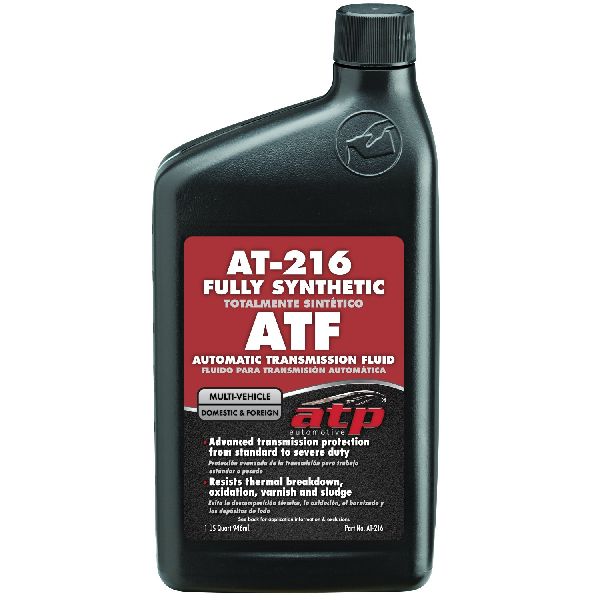
(OEM #ACDelco 24208576 (Filter Kit))— This is the first and most crucial step in diagnosis and maintenance. The 4L60-E requires DEXRON-VI fluid.
Trusted brands: ACDelco, Valvoline, Castrol
OEM price range: $80-$150
Aftermarket price range: $50-$100 - Automatic Transmission Shift Solenoid (A & B)
(OEM #ACDelco 24230298)— Shift solenoids are a very common failure point in the 4L60-E that directly causes shifting problems and the P0730 code. It's recommended to replace both while the pan is off.
Trusted brands: ACDelco, Bosch, Rostra
OEM price range: $60-$100
Aftermarket price range: $30-$70 - Transmission Rebuild Kit — If internal clutches or the sun shell are worn/broken, a complete rebuild is necessary. Kits often include an upgraded, hardened sun shell to prevent repeat failure.
Trusted brands: Transtar, Alto (Red Eagle clutches)
Aftermarket price range: $500-$1500
Related Codes That Often Appear With This One
- P0731-P0735 — These codes indicate an incorrect gear ratio in a specific gear (1st, 2nd, etc.). P0730 is a general code, while these point to which gear circuit has the most significant problem.
- P0751, P0756, etc. — These are codes for specific shift solenoid performance issues (e.g., 'Shift Solenoid A Stuck Off'). They often accompany P0730 and help pinpoint the faulty component.
- P1870 — This code specifically indicates 'Transmission Component Slipping' and is often caused by a worn TCC regulator valve in the valve body of the 4L60-E, a common companion to P0730.
Technical Service Bulletins (TSBs) & Recalls
- GM TSB PI0722: Slipping, late or missed 3rd and 4th gear shifts on 4L60-E transmissions, pointing to a failure of the 3-4 clutch.
Platform-Specific Known Issues
- Transmission Cooler Failure Inside Radiator: → Shop Transmission Assembly A known issue on H3s is the failure of the internal transmission cooler located inside the stock radiator. When this fails, coolant mixes with the transmission fluid, quickly destroying the transmission clutches and requiring a full rebuild or replacement of both the radiator and transmission. A forum user on Hummer4x4Offroad detailed this failure on an '08 H3 with only 55k miles. Many owners proactively install an external transmission cooler to bypass the radiator cooler entirely.
Mechanic-Grade Diagnostic Values
- 1-2 and 2-3 Shift Solenoid (A & B) Resistance — expected: 20-40 Ohms. Failure: Reading outside this range, or an open/short circuit.
- TCC (Lock-up) Solenoid Resistance — expected: 20-40 Ohms (for on/off type). Failure: Reading outside this range.
- EPC (Pressure Control) Solenoid Resistance — expected: 3.5-8.0 Ohms. Failure: Reading outside this range indicates a faulty EPC solenoid.
- Transmission Line Pressure at Idle (1200 RPM) in Park/Drive — expected: 70-80 PSI. Failure: Pressure below 50 PSI points to a pump or filter issue. Pressure above 80 PSI can indicate a valve body problem.
- Transmission Line Pressure at Idle in Reverse — expected: 120-125 PSI (minimum). Failure: Significantly lower pressure can indicate a worn boost valve or internal leak in the reverse circuit.
- Max Line Pressure at Wide Open Throttle (WOT) — expected: Should be at least 190 PSI, with 225 PSI being optimal.. Failure: Low max pressure can point to a faulty EPC solenoid or worn pump.
Scan Tool Commands That Help
- Tech2 / GDS2: Solenoid Command — To individually command each shift solenoid (A, B, TCC, etc.) on and off to verify electrical circuit integrity and listen for the solenoid 'click' with the pan removed.
- Tech2 / GDS2: Transmission Output Speed — To monitor the live data stream from the Output Speed Sensor (OSS) and compare it to the Input Speed Sensor (ISS) and engine RPM to confirm the slip detected by the TCM.
- Tech2 / GDS2: Reset Transmission Adapts — After replacing major components like the valve body or the entire transmission, this function should be used to clear the learned shift pressure values and force the TCM to relearn, preventing harsh or erratic shifts.
Wiring & Ground Locations
- G102 / G103 — On the lower left side of the engine block. G103 is forward of G102.. These are primary engine block grounds. A poor connection here can cause erratic sensor readings and incorrect voltage references for the ECM/TCM, potentially leading to false codes or poor transmission control.
- G100 — In the engine compartment, mounted to the left front inner fender, behind the battery.. This is a major chassis ground. A loose or corroded connection here can cause a host of electrical issues, including problems with the Underhood Fuse Block which powers the TCM.
- Transmission Main Connector — On the passenger side of the 4L60-E transmission case.. This round connector is the single point of failure for all electronic communication to the transmission. Check for fluid intrusion from a leaking internal harness seal, bent pins, or corrosion, which can disrupt signals to and from the solenoids and sensors.
- TCM/PCM — For 2006-2007 models, the separate TCM is located behind the glove box. For 2008-2010 models, the transmission control is integrated into the ECM (PCM) located in the right rear corner of the engine compartment.. Knowing the location is critical for checking connections, testing pin-out voltages, or replacing the module. A bad ground or power feed to the module can mimic internal transmission faults.
Real Owner Repair Stories
- LS1Tech Forum User (Vehicle with 4L60-E (specific model not H3, but identical transmission issue)) — Low line pressure in all gears (35-40 PSI), delayed and harsh engagement, harsh 1-2 shift after warm-up.
❌ Tried (didn't work) Replaced all solenoids in the valve body., Adjusted pressure control solenoid., Disconnected main connector to rule out electrical issues (pressures dropped further)., Replaced wiring harness.
✅ What actually fixed it The user disassembled the transmission again and found severe wear on the separator plate from the checkballs. Replacing the separator plate and gaskets resolved the low pressure and shifting issues.
OEM Part Supersession History
10478131→24230298— Part number consolidation and potential minor internal improvements by GM/ACDelco.
Heads up: The two parts are interchangeable. 24230298 is the current service part number for both the 1-2 and 2-3 shift solenoids.
Model Year Variations Within This Range
- 2006-2007 vs. 2008-2010: Early models (approx. '06-'07) have a separate Transmission Control Module (TCM). Later models (approx. '08-'10) have an integrated Powertrain Control Module (PCM) where the engine and transmission control functions are in a single unit. This changes wiring diagrams, diagnostic paths, and the physical location of the control module.
Diagnostic Flowchart
Other Known Issues on This Vehicle
Issues unrelated to this code that are worth knowing about as an owner of this generation:
- Cracked Plastic Radiator 🔴 High — Very common across all model years, especially 2008. The plastic end tanks crack, causing coolant leaks. Failure can also lead to transmission destruction if the internal cooler ruptures.
- GM Passlock II Anti-Theft Failure 🟠 Medium — Extremely common issue where the sensor in the ignition lock cylinder fails, preventing the vehicle from starting for a mandatory 10-minute lockout period.
- Worn Valve Seats (3.5L & 3.7L I5) 🔴 High — Particularly noted on 2006 models, the valve seats on the cylinder head can wear prematurely, causing low compression, misfires (P0300), and requiring a cylinder head replacement.
- Clogged Sunroof Drains 🟠 Medium — The front (and sometimes rear) sunroof drain tubes get clogged with debris, causing water to leak into the cabin, often through the OnStar microphone or A-pillars, soaking the floorboards. (Ref: A TSB exists for early models to replace kinked front drain hoses with an updated design.)
- Worn Front Differential Mount Bushing 🟠 Medium — The rubber bushing in the front differential crossmember mount wears out, causing a distinct 'clunk' noise when shifting into Drive or Reverse, or during acceleration/deceleration.
- Blower Motor Resistor/Connector Overheating 🔴 High — Common enough to warrant a recall. The electrical connector for the HVAC blower motor resistor can overheat and melt, causing the fan to work only on high speed or not at all, posing a fire risk. (Ref: NHTSA Recall #15V201000)
Used vs. New Parts: Buying Guide for This Vehicle
When a used part is the smart pick: A complete, low-mileage used transmission assembly from a reputable salvage yard can be a cost-effective alternative to a rebuild, especially if the failure is major internal hard parts like the sun shell or planetary gears. A used valve body can also be an option if it's from a known-good, low-mileage donor and is thoroughly cleaned and inspected before installation.
Donor-vehicle mileage cap: roughly under 80000 miles for the part to have meaningful remaining life.
What to inspect on the donor part:
- Check the donor vehicle's VIN to confirm compatibility and year.
- Ask for the mileage and history of the donor vehicle if available.
- When buying a complete transmission, pull the pan to inspect for excessive metal shavings or burnt fluid before purchase.
- For a valve body, inspect the separator plate for checkball wear and ensure all valves move freely in their bores.
OEM-only on this vehicle (don't cheap out):
- Shift Solenoids (A/B)
- TCC PWM Solenoid
- Pressure Control Solenoid (EPC)
Aftermarket brands forum-validated for this vehicle:
- Sonnax (for valve body repair kits, upgraded boost valves, and hardened sun shells)
- TransGo (for shift kits and valve body components)
- Alto (for Red Eagle performance clutch packs)
Brands owners have reported issues with on this vehicle:
- Unbranded, no-name shift solenoids from online marketplaces are frequently reported as being dead-on-arrival or failing prematurely.
Real Owner Stories
Aggregated from forums and TSBs cited above. Mileages and costs reflect what owners reported in those sources.
2008 Hummer H3 — 55000 miles
Symptoms: Failure of the internal transmission cooler inside the radiator, causing coolant to mix with and destroy the transmission fluid and clutches.
What fixed it: A full rebuild or replacement of both the radiator and the transmission is required.
Source hint: A forum user on Hummer4x4Offroad detailed this failure on an '08 H3 with only 55k miles.
2006 Hummer H3 3.5L — 55000 miles
Symptoms: Harsh 1-2 shifts and slow 2-3 shifts.
What fixed it: The owner found significant clutch debris in the transmission pan, indicating a severe internal problem that requires the transmission to be rebuilt or replaced.
Source hint: https://www.hummer4x4offroad.com/threads/hummer-h3-3-5-automatic-transmission-shifting-issues.7629/
Hummer H3 with 4L60-E
Symptoms: Lost 2nd, 4th, and reverse gears.
What fixed it: The cause was identified as stripped splines on the reaction sun shell, a common failure requiring a transmission rebuild to replace the part.
Source hint: https://www.cartalk.com/discussion/2130006/4l60e-tranny
Hummer H3 with 4L60-E
Symptoms: A catastrophic failure with no warning, resulting in the loss of 2nd, 4th, and Reverse gears.
What fixed it: The issue was a broken sun shell, which requires the transmission to be removed and rebuilt with a new, often upgraded, sun shell.
Source hint: https://www.gmtnation.com/forums/threads/something-bad-happened-sunshell.14195/
Related OBD-II Codes
Frequently Asked Questions
My H3 lost 3rd and 4th gear and the engine just revs. Is there a known issue for this?
I've lost 2nd, 4th, and Reverse on my 2007 Hummer H3. What's the most likely cause?
I heard the radiator can cause transmission failure on the H3. How does that happen?
What transmission fluid should I use for my 2009 Hummer H3?
I need to replace the shift solenoids in my H3's transmission. Is there a specific part number?
My mechanic mentioned 'The Beast' while discussing a transmission rebuild. What is that?
My H3 has a harsh shift from 1st to 2nd gear. Could this be related to P0730?
We Have This Part in Stock



The information in this article is provided for general reference and educational purposes only. Vehicle specifications, procedures, and part compatibility can vary by production date, trim level, and region. Always consult your vehicle's factory service manual and verify part numbers before purchasing or performing repairs. Safety-critical components such as airbags, seat belts, and braking systems should be installed by a qualified professional.
- Hummer H3:
- 🧭 Diagnostic Flowchart
- 🛍️ Shop This Part
- What's Unique About the 2006-2010 Hummer H3
- Symptoms You May Notice
- Most Likely Causes
- Rare But Worth Checking
- Diagnosis Steps
- Parts You'll Likely Need
- Related Codes That Often Appear With This One
- Technical Service Bulletins (TSBs) & Recalls
- Platform-Specific Known Issues
- Mechanic-Grade Diagnostic Values
- Scan Tool Commands That Help
- Wiring & Ground Locations
- Real Owner Repair Stories
- OEM Part Supersession History
- Model Year Variations Within This Range
- Other Known Issues on This Vehicle
- Used vs. New Parts: Buying Guide for This Vehicle
- Real Owner Stories
- 2008 Hummer H3 — 55000 miles
- 2006 Hummer H3 3.5L — 55000 miles
- Hummer H3 with 4L60-E
- Hummer H3 with 4L60-E
- Related OBD-II Codes
- Frequently Asked Questions
- 🎟️ Get 5% Off