

P0733 on 2011-2013 Chevrolet Silverado 6L80: Gear 3 Incorrect Ratio Causes and Fixes
On a 2011-2013 Silverado with the 6L80, P0733 means the transmission is slipping in 3rd gear. The most common cause is a failing torque converter shedding debris that clogs the valve body and damages the 3-5-R clutch pack. This is a serious issue often requiring a transmission rebuild or replacement.
- P0733 on a 2011-2013 Silverado indicates a serious internal transmission problem, specifically a slip in 3rd gear.
- The most common cause is a cascading failure starting with the torque converter, which sends debris throughout the transmission, clogging the valve body and destroying the 3-5-R clutch pack.
- Do not continue to drive the vehicle. This will lead to more severe and expensive damage, likely requiring a full transmission replacement.
- A proper fix almost always involves removing the transmission to replace the torque converter and rebuild or replace the transmission itself. A simple fluid change is not a permanent solution.
What's Unique About the 2011-2013 Chevrolet Silverado
The 6L80 transmission in this generation of Silverado is known for a specific failure pattern that leads to code P0733. The original torque converter clutch is a common weak point that wears and sheds metallic debris into the transmission fluid. This debris then clogs hydraulic passages in the valve body, specifically in the separator plate, starving the 3-5-R clutch pack of the pressure needed to engage properly. This leads to slipping in 3rd and 5th gear, eventually burning out the clutches and requiring a major repair. This exact failure pattern is acknowledged in GM Technical Service Bulletin #PIP5100A.
Symptoms You May Notice
- Check Engine Light is on
- Transmission slipping or delayed shifts, especially into 3rd gear
- Engine RPM flares up during the 2-3 shift without a corresponding increase in vehicle speed
- Harsh or jerky shifting
- Vehicle enters 'limp mode' (stuck in one gear)
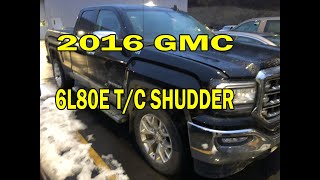
- Shuddering or vibration at steady speeds, often between 35-55 mph (a classic sign of torque converter clutch failure) 🎬 Watch: Real-world example of a 6L80 torque converter failure
- Delayed engagement when shifting into Drive or Reverse
- Loss of Reverse gear (as the 3-5-R clutch is also used for Reverse)
- Replacing only the input or output speed sensors. P0733 is a ratio code, meaning the sensors are likely reporting the mechanical/hydraulic slip correctly; they are not the cause of the problem.
- Replacing the TEHCM/solenoids without also replacing the failing torque converter that is generating the debris, which often leads to a repeat failure of the new parts.
- Performing only a fluid and filter change when heavy debris is present. This does not remove the source of the contamination (the torque converter) or fix the internal damage already done.
Most Likely Causes
- Failing Torque Converter 🔴 High Probability → Shop Automatic Transmission Torque Converter The stock 6L80 torque converter's lock-up clutch (TCC) is a well-documented design flaw. It flexes and the clutch material flakes off, shedding metallic debris that looks like 'coffee grounds' or a gray paste into the fluid. This is often the root cause of the entire problem, contaminating the pump, valve body, and clutches.
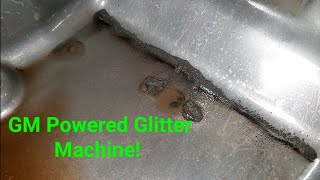
How to confirm: Inspect the transmission fluid and pan for excessive metallic 'glitter'. A scan tool may also show a companion code like P0741 (Torque Converter Clutch Circuit Performance or Stuck Off). Excessive TCC slip percentage on live data is another strong indicator.
Typical fix: Replace the torque converter with a new or upgraded unit (e.g., a billet cover model). This is a major job that requires removing the transmission. The rest of the transmission must be flushed or, more likely, rebuilt to remove all debris and replace damaged components.
Est. part cost: $400-$800 - Worn 3-5-R Clutch Pack 🔴 High Probability This clutch pack is directly affected by the hydraulic pressure loss caused by debris from the failing torque converter clogging the valve body. The lack of pressure causes it to slip and burn out, leading to P0733 (3rd gear) and often P0735 (5th gear).
How to confirm: This is a diagnosis of exclusion after checking fluid and solenoids. Definitive confirmation requires transmission disassembly to inspect the clutch frictions and steels for burning and wear.
Typical fix: The transmission must be removed and rebuilt to replace the worn 3-5-R clutch pack, seals, and any other damaged components. This is almost always done in conjunction with replacing the torque converter.
Est. part cost: $500-$1500 (for a rebuild kit) - Low or Contaminated Transmission Fluid 🟡 Medium Probability → Shop Transmission Assembly While low fluid can cause slipping, on the 6L80 with a P0733 code, contaminated fluid is more often a symptom of the failing torque converter than the initial cause. Heavy towing or hauling can accelerate fluid breakdown, exacerbating the issue.
How to confirm: The 6L80 transmission does not have a dipstick. The fluid level must be checked via the fill plug on the side of the transmission case while the vehicle is running and at a specific temperature (90-110°F). Fluid should be red; dark, brown, or metallic fluid indicates a problem.
Typical fix: Perform a fluid and filter change using DEXRON-VI fluid. If the fluid was heavily contaminated, this is unlikely to be a permanent fix as internal damage has likely already occurred and the source of the debris (the torque converter) has not been addressed.
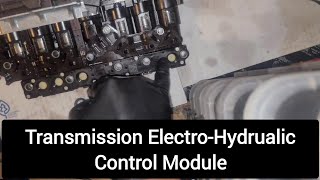
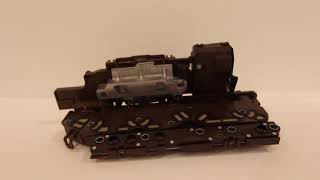
Est. part cost: $75-$150 - Failed Transmission Electro-Hydraulic Control Module (TEHCM) ⚪ Low Probability → Shop Transmission Assembly The TEHCM, which houses the TCM and all the shift solenoids, is a known failure point on the 6L80. Debris can damage the solenoids, or the internal pressure switch laminate discs can rupture, causing pressure-related codes.
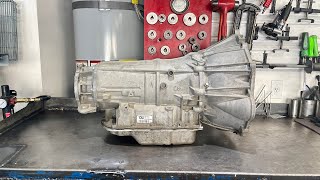
How to confirm: A professional scan tool can command individual solenoids to test their function. Specific solenoid performance codes (e.g., P0776) or pressure switch codes may also be present. Visual inspection of the TEHCM's laminate discs after dropping the pan can reveal ruptures. 🎬 Watch: How to rebuild and test TEHCM circuits
Typical fix: Replace the entire TEHCM unit, which is located inside the transmission pan. The new module must be programmed to the vehicle's VIN using GM-specific software.
Est. part cost: $400-$700
Rare But Worth Checking
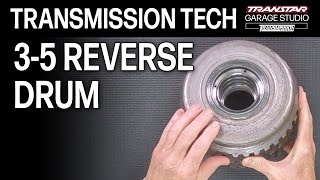
- Cracked 1-2-3-4 or 3-5-R Clutch Housing: Some early 6L80 transmissions had issues with cracked clutch housings/drums due to poor welds, causing a direct loss of hydraulic pressure. This is mentioned in TSB 09-07-30-004J and its revisions. 🎬 See: How to inspect the 3-5-Reverse clutch drum While the TSB primarily lists 2007-2008 models, the issue can still be found in later models and requires a full teardown to identify.
Diagnosis Steps
- Check and verify the transmission fluid level and condition. This requires the vehicle to be level, running, and the transmission fluid to be at a specific operating temperature (checked via scan tool). The 6L80 has no dipstick.
- Scan the TCM for all stored codes. Note any other ratio codes (like P0735) or torque converter codes (P0741) that can help pinpoint the root cause.
- Using a scan tool with live data, monitor transmission input and output speed sensors, along with commanded gear and TCC slip RPM, to confirm a slip is occurring when 3rd gear is commanded.
- Drop the transmission pan and inspect the fluid and pan magnet for excessive metallic debris. A small amount of fine grey material is normal, but heavy 'glitter' or chunks indicate severe internal wear, likely from the torque converter.
- If the fluid is clean and the level is correct, further diagnosis will involve testing line pressures and commanding solenoids with a scan tool to check the TEHCM and valve body. Manufacturer Bulletin #PIP5100 notes that technicians should specifically inspect the valve body separator plate orifices for debris if the vehicle will not move in forward or reverse.
- If significant debris is found or pressure tests fail, the transmission will need to be removed for inspection and rebuild/replacement. It is critical to address the root cause, which is most often the torque converter.
Parts You'll Likely Need
- Torque Converter — This is the most common root cause of P0733 on the 6L80, as its failure contaminates the entire transmission with debris. Many shops recommend an upgraded billet-cover unit to prevent repeat failures.
Trusted brands: ACDelco, Luk, Circle D, Monster Transmission
OEM price range: $500-$800
Aftermarket price range: $300-$600 - Transmission Rebuild Kit (Master) — Required to replace the burnt-out 3-5-R clutch pack and all other necessary seals, gaskets, and often steels during a rebuild caused by debris contamination.
Trusted brands: Transtec, Alto, Raybestos
OEM price range: $600-$1200
Aftermarket price range: $400-$800 - Transmission Electro-Hydraulic Control Module (TEHCM)
(OEM #24256861)— The TEHCM contains the TCM, solenoids, and pressure switches. It can fail from debris contamination or internal electronic faults. A replacement must be programmed to the vehicle's VIN.
Trusted brands: ACDelco (OEM), Dorman, Circuit Board Medics (Repair Service)
OEM price range: $400-$700
Aftermarket price range: $300-$600
Related Codes That Often Appear With This One
- P0700 — This is a general transmission fault code that simply tells the main computer to turn on the Check Engine Light. It will almost always be present with P0733.
- P0741 — Stands for 'Torque Converter Clutch Circuit Performance or Stuck Off'. It's a strong indicator that the torque converter is failing and is the root cause of the debris leading to the P0733 slip.
- P0735 — Stands for 'Gear 5 Incorrect Ratio'. Because the same 3-5-R clutch pack is used for both 3rd and 5th gear, it's common to see both codes together, pointing to a failure of that specific component.
- P0894 — Stands for 'Transmission Component Slipping'. This is a general slip code that confirms the specific slip detected by P0733.
Technical Service Bulletins (TSBs) & Recalls
- TSB #PIP5100A: Directly links P0733 and other ratio codes to debris from a failing torque converter clogging the valve body separator plate.
- TSB #09-07-30-004J: Addresses slips in 3rd or Reverse, or harsh 2-3 shifts, caused by a cracked 1-2-3-4 / 3-5-R clutch housing, a known issue on earlier 6L80 models.
- TSB #PIP4379K: Notes that technicians may find P0733 along with delayed engagement into drive or no engagement into reverse, and advises following published Service Information diagnostics.
- TSB #PIP5100: Provides information regarding vehicles that will not move in forward or reverse and may have P0733 set, requiring an inspection of the valve body separator plate orifices for debris.
Platform-Specific Known Issues
- GM issued Technical Service Bulletin (TSB) PIP5100A, which directly links debris from a failing torque converter to a clogged valve body separator plate, causing various shift codes including P0733.
- TSB 09-07-30-004J addresses a slip in 3rd or Reverse gear caused by a cracked 1-2-3-4 / 3-5-R clutch housing, a known issue for some 6L80 transmissions.
Mechanic-Grade Diagnostic Values
- Shift Solenoid (On/Off type) Resistance — expected: 20-40 Ohms. Failure: A reading outside this range indicates a failed solenoid coil, requiring TEHCM replacement.
- Pressure Control Solenoid (PWM type) Resistance — expected: 3-8 Ohms (5-6 Ohms is typical). Failure: A reading outside this range points to a faulty solenoid within the TEHCM.
- TEHCM Pressure Switch (bench test) — expected: Should show a closed circuit (continuity/low resistance) with no pressure applied.. Failure: When pressure is applied (e.g., with a pencil eraser), the circuit should open (OL/high resistance). If it does not switch, the switch is bad.
Scan Tool Commands That Help
- GM GDS2 / High-End Scan Tool (Autel, Snap-on, etc.): Solenoid Valve Cleaning Procedure — This function can be used as a last-ditch effort before replacing the TEHCM. It cycles all solenoids in Park to try and dislodge minor debris. If the code returns quickly, the TEHCM or another mechanical part has failed.
- GM GDS2 / High-End Scan Tool (Autel, etc.): Transmission Fast Learn / Adaptive Procedure Reset — This MUST be performed after replacing the transmission, valve body, or TEHCM. It guides the TCM through a static relearn of clutch apply pressures and volumes. Failure to do this will result in harsh shifts, codes, and potential damage to the new parts.
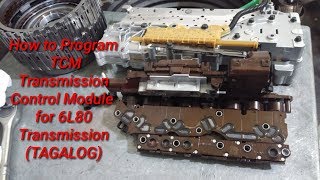
- GM MDI2 or J2534 Pass-Thru Device: TEHCM/TCM Programming (SPS2) — This is mandatory when a new or used TEHCM is installed. The module must be flashed with the correct calibration file for the vehicle's VIN. Driving without programming will cause limp mode and can damage the transmission.
Wiring & Ground Locations
- Transmission Main Connector (X1/16-way or 24-way) — On the passenger side of the transmission case. It's a large, round, twist-lock connector.. This is the primary interface between the vehicle's main wiring harness and the TEHCM. Corrosion or pushed-back pins here can cause a loss of communication or erratic sensor readings, though this is less likely to cause a specific ratio code like P0733 than a general communication code.
- G103 / G107 (Engine Block Grounds) — Typically located on the cylinder heads or front of the engine block. A key ground point is the braided strap from the firewall to the back of the passenger side cylinder head.. The TEHCM and its sensors rely on a solid ground connection through the engine and chassis. A loose or corroded main engine ground can cause voltage drops and electrical noise, potentially leading to incorrect calculations or erratic solenoid behavior.
- Frame Grounds (Driver's Side) — Under the driver's side of the vehicle, attached to the frame rail. There are several ground packs along the frame.. These ground points are critical for the entire vehicle's electrical system, including the modules that communicate with the TCM. While less direct, poor frame grounds can introduce system-wide electrical issues.
Real Owner Repair Stories
- gm-trucks.com forum user (2010 Silverado (similar GMT900 platform and 6L80 issue)) — Initially had no forward gears, only reverse. After some attempts, gained some forward movement but with severe slipping in 3rd, 4th, and 5th gears.
❌ Tried (didn't work) The user did not report trying intermediate fixes, as the symptoms were severe enough to point directly to a major internal failure.
✅ What actually fixed it A complete transmission rebuild. The root cause was a failed torque converter that sent debris throughout the transmission, which in turn destroyed the 3-5-R clutch pack. The fix involved a new torque converter, a new 3-5-R drum, and a full rebuild kit.
OEM Part Supersession History
Various early TEHCMs→24256861 (and subsequent revisions)— GM made several revisions to the TEHCM to improve the durability of the internal pressure switches and solenoid performance, especially regarding heat tolerance.
Heads up: TEHCMs are not universally interchangeable. The hardware and base software changed over the years. A new module must be programmed with the vehicle's specific VIN using GM's Service Programming System (SPS2) to function correctly.
Model Year Variations Within This Range
- Mid-2011 and up: The 3-5-R drum design was updated mid-2011. The depth of the snap ring groove for the apply and balance pistons was changed. This means pistons and snap rings from an earlier drum are not compatible with a later one.
- 2012 and up: In 2012, the design of the planetary ring gear was changed to a 'uni-gear' design. This doesn't directly cause P0733 but is a critical internal difference to be aware of during a rebuild when sourcing hard parts.
Diagnostic Flowchart
Other Known Issues on This Vehicle
Issues unrelated to this code that are worth knowing about as an owner of this generation:
- Active Fuel Management (AFM) Lifter Failure 🔴 High — Common issue, especially on 5.3L V8s over 70,000 miles. Can lead to misfires, ticking noises, and eventually camshaft damage requiring major engine repair.
- Cracked Dashboard 🟠 Medium — Extremely common across the entire GMT900 platform. The plastic becomes brittle and cracks, typically above the instrument cluster and around the passenger airbag cover. A class-action lawsuit was filed regarding this issue.
- Excessive Oil Consumption (5.3L V8) 🔴 High — Widespread problem attributed to issues with the PCV system and low-tension piston rings, often exacerbated by the AFM system. Can lead to fouled spark plugs and internal engine damage if oil levels are not monitored closely.
- Steering Shaft Clunk 🟡 Low — A common complaint where a clunking noise is heard or felt through the steering wheel, especially during low-speed turns. Often temporarily fixed by lubricating the intermediate steering shaft, but may require shaft replacement for a permanent solution.
Used vs. New Parts: Buying Guide for This Vehicle
When a used part is the smart pick: A complete, low-mileage used transmission assembly from a reputable salvage yard can be a viable option, especially if the donor vehicle was a later model year (e.g., 2013) and was totaled for reasons other than a frontal collision. This can be more cost-effective than a full rebuild if your existing transmission has multiple hard-part failures.
Donor-vehicle mileage cap: roughly under 80000 miles for the part to have meaningful remaining life.
What to inspect on the donor part:
- Verify the donor vehicle's VIN to confirm the year and check for any reported accidents or issues.
- Inspect the fluid from the cooler lines or fill plug. If it's dark, burnt, or has a foul odor, walk away.
- Look for external damage to the case, pan, and connectors.
- Ask for a warranty. Most reputable yards offer a 30-90 day warranty on major components.
OEM-only on this vehicle (don't cheap out):
- Transmission Electro-Hydraulic Control Module (TEHCM): While aftermarket TEHCMs exist, the OEM ACDelco unit is the most reliable choice. Critically, any replacement TEHCM (new or used) MUST be programmed to your truck's VIN. A used TEHCM from a donor truck will not work correctly until it is wiped and reprogrammed.
Aftermarket brands forum-validated for this vehicle:
- Torque Converter: Circle D, Sonnax, Monster Transmission (often feature billet covers and improved clutches).
- Valve Body/Rebuild Kits: Sonnax (Zip Kits are highly regarded for addressing known hydraulic leaks), TransGo.
- Rebuild Kits (Clutches/Steels): Transtec, Raybestos, Alto.
Brands owners have reported issues with on this vehicle:
- Unbranded, 'white box' TEHCMs or torque converters from online marketplaces. The failure rate is high, and they often lack proper warranty support or the ability to be programmed correctly.
Real Owner Stories
Aggregated from forums and TSBs cited above. Mileages and costs reflect what owners reported in those sources.
2011-2013 Chevrolet Silverado 6L80
Symptoms: The torque converter is prone to fail and creates fine metal shrapnel that is suspended in the fluid, which wipes out the transmission pump.
What fixed it: The transmission required a rebuild or replacement because the debris from the converter kills the pump, valve-body, clutches, and bearings.
Source hint: Reddit r/Silverado - Thread 'Replace 6l80 or just torque converter?'
2011-2013 Chevrolet Silverado 6L80
Symptoms: Debris from a failing torque converter clogging the valve body separator plate, causing various shift codes including P0733.
What fixed it: Addressing the root cause by replacing the torque converter and cleaning/repairing the valve body as per TSB PIP5100A.
Source hint: TSB #PIP5100A
2011-2013 Chevrolet Silverado 6L80
Symptoms: Slip in 3rd or Reverse gear or harsh 2-3 shifts.
What fixed it: Repairing or replacing a cracked 1-2-3-4 / 3-5-R clutch housing.
Source hint: TSB #09-07-30-004J
Related OBD-II Codes
Frequently Asked Questions
My 2011 Silverado is slipping in 3rd and Reverse; is there a specific TSB for this?
I found metallic 'glitter' in my 6L80 transmission pan. Does this mean I need a new torque converter?
Can I just change the fluid to fix the P0733 code on my Silverado?
How do I check the transmission fluid level on my 2012 Silverado 6L80?
Is the P0733 code related to the TEHCM in my truck?
Does the Active Fuel Management (AFM) issue on my 5.3L V8 relate to the P0733 code?
Helpful Videos
We Have This Part in Stock


The information in this article is provided for general reference and educational purposes only. Vehicle specifications, procedures, and part compatibility can vary by production date, trim level, and region. Always consult your vehicle's factory service manual and verify part numbers before purchasing or performing repairs. Safety-critical components such as airbags, seat belts, and braking systems should be installed by a qualified professional.
- Chevrolet Silverado:
- 🧭 Diagnostic Flowchart
- 🎬 Helpful Videos
- 🛍️ Shop This Part
- What's Unique About the 2011-2013 Chevrolet Silverado
- Symptoms You May Notice
- Most Likely Causes
- Rare But Worth Checking
- Diagnosis Steps
- Parts You'll Likely Need
- Related Codes That Often Appear With This One
- Technical Service Bulletins (TSBs) & Recalls
- Platform-Specific Known Issues
- Mechanic-Grade Diagnostic Values
- Scan Tool Commands That Help
- Wiring & Ground Locations
- Real Owner Repair Stories
- OEM Part Supersession History
- Model Year Variations Within This Range
- Other Known Issues on This Vehicle
- Used vs. New Parts: Buying Guide for This Vehicle
- Real Owner Stories
- 2011-2013 Chevrolet Silverado 6L80
- 2011-2013 Chevrolet Silverado 6L80
- 2011-2013 Chevrolet Silverado 6L80
- Related OBD-II Codes
- Frequently Asked Questions
- 🎟️ Get 5% Off