

P0740 on 2011-2015 Kia Optima 2.4L: Torque Converter Clutch Circuit Causes and Fixes
P0740 on a 2011-2015 Kia Optima usually means the Torque Converter Clutch (TCC) solenoid has failed. This part is inside the transmission pan. Expect to pay a professional for this repair, as it's not a simple DIY job. Ignoring it can lead to poor fuel economy, increased heat, and potentially serious transmission damage.
- P0740 on your Optima indicates an electrical fault in the torque converter clutch circuit, not necessarily a catastrophic transmission failure.
- The most likely cause is a failed TCC solenoid inside the transmission, a known issue for the A6MF1 transmission.
- Do not confuse this transmission code with the separate, well-documented engine problems (rod bearing failure) of the Theta II engine.
- Repair involves dropping the transmission pan and valve body, making it a job for a professional or a very experienced DIYer.
What's Unique About the 2011-2015 Kia Optima
The 2011-2015 Kia Optima (generation TF) with the 2.4L GDI engine uses a 6-speed automatic transmission (A6MF1). While P0740 is a generic code, on this platform it frequently points to the failure of the TCC solenoid itself, a known issue in this family of Hyundai/Kia transmissions. It's important not to confuse transmission symptoms with the well-documented engine problems of the Theta II (rod bearing failure, oil consumption), which can also cause power loss and drivability issues. Diagnosis should focus squarely on the transmission's electrical system and components first. A very common, but often overlooked, point of failure on these transmissions is the internal wiring harness, which can fail more often than the solenoid itself.
Symptoms You May Notice
- Check Engine Light is on
- Reduced fuel economy
- Engine RPMs are higher than usual at highway speeds
- Shifting problems, such as harsh or delayed shifts
- Vehicle may feel like it's slipping or shuddering at cruising speeds
- Transmission may overheat, potentially causing a burning smell
- Stalling when coming to a stop (less common)
- Replacing the entire transmission without first diagnosing the specific electrical fault.
- Mistaking an engine performance issue (related to the Theta II engine recalls) for a transmission problem.
- Replacing the torque converter when the issue is a much cheaper solenoid or wiring fault.
- Replacing the TCC solenoid when the actual fault is in the internal transmission wiring harness, which is a very common failure point on this transmission.
Most Likely Causes
- Failed Torque Converter Clutch (TCC) Solenoid 🔴 High Probability → Shop Automatic Transmission Torque Converter The solenoids used in this era of Hyundai/Kia 6-speed automatic transmissions (A6MF1) are a documented weak point and common failure item. The internal coil can short or open, or the valve can become stuck, leading to an electrical fault detected by the TCM.
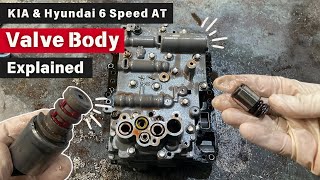
How to confirm: A technician will test the solenoid's electrical resistance with a multimeter. The reading should be within the manufacturer's specified range (approx. 5.1 Ohms). 🎬 Watch: How to test and clean your transmission solenoids. If it's out of spec (open circuit or shorted), the solenoid is bad. A professional scan tool can also be used to command the solenoid and monitor its response.
Typical fix: Replace the TCC solenoid. This involves draining the transmission fluid, removing the transmission pan, and then removing the valve body to access and replace the solenoid. The entire solenoid pack is often replaced as a unit. 🎬 See this walkthrough on replacing the transmission shift solenoids.
Est. part cost: $50-$150 - Low or Contaminated Transmission Fluid 🟡 Medium Probability → Shop Transmission Assembly These transmissions do not have a traditional dipstick for easy owner checks, so fluid level and condition are often neglected. Old, burnt, or low fluid can cause erratic solenoid operation and overheating, contributing to the P0740 code.
How to confirm: The vehicle must be lifted level, and the fluid level checked via a fill plug on the side of the transmission case while at a specific temperature. The fluid should be bright red and not smell burnt. Dark, brown, or burnt-smelling fluid indicates a problem and likely internal wear.
Typical fix: Perform a transmission fluid drain and fill, or a complete fluid exchange, using the correct specification fluid (Hyundai/Kia SP-IV). This is often done in conjunction with solenoid replacement.
Est. part cost: $75-$200 - Damaged Wiring or Connectors ⚪ Low Probability
How to confirm: Visually inspect the wiring harness leading to the transmission for any signs of damage, corrosion, or loose connections. A technician can perform a continuity test from the TCM connector to the transmission connector to check for breaks or shorts in the wires.
Typical fix: Repair or replace the damaged section of the wiring harness or the main transmission connector.
Est. part cost: $20-$500+
Rare But Worth Checking
- Internal Torque Converter Failure: → Shop Automatic Transmission Torque Converter While the code points to an electrical circuit, a mechanically failing lock-up clutch inside the torque converter can sometimes trigger a P0740. If replacing the solenoid doesn't fix the issue, the torque converter itself may be the culprit. Metal debris in the pan is a strong indicator of this.
- Faulty Transmission Control Module (TCM): → Shop Transmission Assembly It is rare for the TCM itself to fail, but it's possible. A software glitch or internal driver failure could be the cause. This should only be considered after all other possibilities (solenoid, wiring, fluid) have been exhaustively ruled out.
Diagnosis Steps
- Verify the P0740 code is present using an OBD-II scanner.
- Check the transmission fluid level and condition. This is a critical first step. The fluid must be at the correct level and temperature, be red in color, and not smell burnt.
- Visually inspect the transmission wiring harness and connectors for any obvious damage, corrosion, or loose connections.
- Using a professional scan tool, command the TCC solenoid on and off to see if it responds and monitor live data for TCC slip RPM.
- If the external wiring is okay, test the TCC solenoid's resistance from the transmission connector pins using a multimeter. Test between Pin 10 (Solenoid Power) and Pin 2 (TCC Solenoid Ground Control). The reading should be approximately 5.1 ohms. An open or shorted reading indicates a failed solenoid or, more likely, a failed internal harness.
- If the solenoid tests bad from the external connector, drain the fluid and drop the pan. It is highly recommended to replace the internal wiring harness ('ribbon harness') along with the faulty solenoid, as the harness is a known high-failure part.
- If the solenoid and internal harness are replaced and the code persists, the issue may be in the main wiring harness between the TCM and the transmission. Perform a continuity check on these wires.
- If all wiring and solenoids are confirmed to be good, the issue may be a more complex internal transmission problem (like a worn valve body bore or a failing torque converter) or a faulty TCM.
Parts You'll Likely Need
- Torque Converter Clutch (TCC) Solenoid
(OEM #46313-3B030 (often part of a larger solenoid block))— This is a very common failure point that triggers a P0740 code on this vehicle. Part number 46313-3B030 is a common shift solenoid used in this transmission.
Trusted brands: Kia (OEM), Hyundai (OEM), Rostra
OEM price range: $70-$200
Aftermarket price range: $40-$120 - Automatic Transmission Fluid
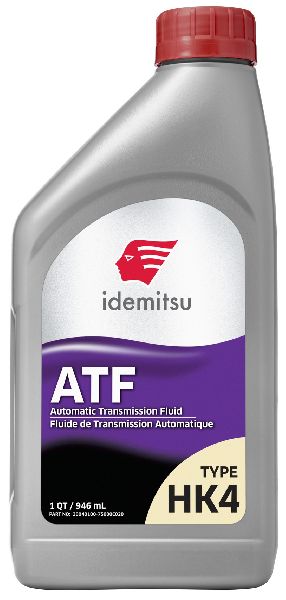
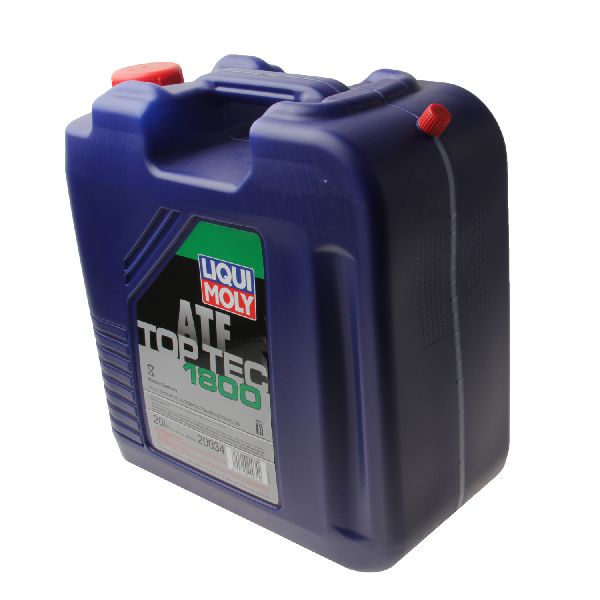
(OEM #SP-IV)— Fluid must be replaced anytime the transmission pan is removed for service. Use only the specified fluid (Kia/Hyundai SP-IV or a compatible equivalent). Typically requires 4-5 quarts for a drain and fill.
Trusted brands: Kia/Hyundai (OEM), Idemitsu TLS-LV, Valvoline MaxLife ATF
OEM price range: $15-$25 per quart
Aftermarket price range: $8-$15 per quart - Transmission Pan Gasket — A new gasket or sealant is required to prevent leaks when reinstalling the transmission pan.
Trusted brands: Kia (OEM), Fel-Pro, Mahle
OEM price range: $25-$40
Aftermarket price range: $15-$30 - Internal Transmission Wiring Harness
(OEM #46307-3B650)— This internal 'ribbon' harness is a documented high-failure item, with some experts claiming it fails more often than the solenoids themselves. It is highly recommended to replace this part whenever the valve body is removed for solenoid service.
Trusted brands: Kia/Hyundai (OEM)
OEM price range: $40-$80
Aftermarket price range: $30-$60
Related Codes That Often Appear With This One
- P0741 — This code means 'TCC Circuit Performance or Stuck Off'. It often appears with P0740 when the issue is more of a mechanical slip or hydraulic blockage rather than a purely electrical fault.
- P0218 — This code indicates 'Transmission Fluid Over-Temperature Condition'. It can be triggered as a consequence of P0740 because the torque converter's failure to lock up generates significant excess heat.
- P0750, P0755, P0760, P0765 — These are codes for other shift solenoids (A, B, C, D). If multiple solenoid codes are present, it may point to a wiring harness problem, a bad ground, or a failing TCM rather than multiple individual solenoid failures.
Technical Service Bulletins (TSBs) & Recalls
- Hyundai TSB 09-AT-018: While for a slightly older model, it details diagnostic procedures for a range of solenoid codes including P0740, indicating a history of solenoid issues in Hyundai/Kia transmissions.
- Hyundai TSB 12-AT-016-1: Specifically instructed technicians to replace the solenoid for this code on the related Sonata platform, rather than the entire transmission, confirming it as a known, isolated issue.
Mechanic-Grade Diagnostic Values
- TCC Solenoid (and other linear solenoids) Resistance — expected: 5.1 Ohms. Failure: A reading that is significantly higher (open circuit) or lower (short circuit) than 5.1 Ohms indicates a failed solenoid or harness.
- On/Off Shift Solenoids (SSA/SSB) Resistance — expected: 10 - 11 Ohms. Failure: This is the expected value for the on/off solenoids, not the TCC solenoid. Testing the TCC solenoid and getting this value indicates you are testing the wrong component.
- TCC Solenoid Circuit Test at Transmission Connector — expected: Approx. 5.1 Ohms between Pin 10 (Solenoid Power 2) and Pin 2 (TCC Solenoid Control).. Failure: An open or shorted reading points to a fault in the internal wiring harness or the solenoid itself.
Scan Tool Commands That Help
- Kia GDS (Global Diagnostic System): Actuation Test / Functional Test — To command the TCC solenoid on and off while monitoring its electrical response and hydraulic effect (like TCC slip RPM). This helps determine if the solenoid is mechanically stuck or electrically unresponsive.
- Kia GDS (Global Diagnostic System): Vehicle S/W Management — To check for and apply any available software updates for the Transmission Control Module (TCM). A software glitch can sometimes cause false diagnostic codes.
Wiring & Ground Locations
- Transmission Main Connector - Pin 10 — On the main electrical connector going into the A6MF1 transmission case.. This is the solenoid power supply pin for the TCC solenoid. It's the starting point for testing the circuit's integrity.
- Transmission Main Connector - Pin 2 — On the main electrical connector going into the A6MF1 transmission case.. This is the ground-side control pin for the TCC solenoid, controlled by the TCM. Testing continuity between Pin 10 and Pin 2 checks the entire internal circuit.
- Internal Wiring Harness (Ribbon Harness) — Inside the transmission, attached to the valve body and connecting the solenoids to the main case connector.. This harness is a documented high-failure part, often failing before the solenoid itself. A transmission expert estimates this harness is the cause of electrical faults in 90% of cases, making its inspection/replacement critical.
Real Owner Repair Stories
- YouTube Channel 'MotorCarNut' (2015 Kia Optima with A6MF1 transmission) — General shifting quality issues, leading to valve body service.
❌ Tried (didn't work) The video focuses on the diagnostic and cleaning process rather than failed attempts.
✅ What actually fixed it The video demonstrates the correct procedure for diagnosing the solenoids. The mechanic removes the valve body, takes out the solenoids, and tests their resistance (reading ~5.0 ohms, confirming the spec). He then cleans them with electronics cleaner and actuates them with a 12V power source to confirm they click properly, demonstrating a successful test and service of the components.
OEM Part Supersession History
46313-3B020→46313-3B030— Standard part revision and improvement by the manufacturer.
Heads up: These parts are interchangeable, with the newer part number being the correct replacement.46313-3B073→N/A— N/A
Heads up: This part number is specified for A6MF family transmissions with a plastic oil pan. Using it in a vehicle requiring the 46313-3B030 (typically with a steel pan) may cause issues. Verify the correct part for your specific vehicle.
Model Year Variations Within This Range
- 2011-2012: Early models of this transmission generation had issues with a specific housing being rough, causing premature wear on an internal piston seal. This problem was reportedly corrected in 2013 and later models. While not directly causing P0740, it points to a higher likelihood of internal mechanical issues on earlier vehicles in this range.
- 2014-2015: These are post-facelift models. While the core powertrain and A6MF1 transmission are the same, they feature updated interior electronics and a different instrument cluster. This does not change the cause or fix for P0740 but is a notable vehicle difference.
Diagnostic Flowchart
Other Known Issues on This Vehicle
Issues unrelated to this code that are worth knowing about as an owner of this generation:
- Theta II Engine Failure (Rod Bearing) 🔴 High — Widespread across 2.0L & 2.4L GDI engines from this era. Can occur at various mileages, often without warning. (Ref: Multiple recalls (e.g., NHTSA 17V-224) and a class-action lawsuit led to extended warranties and engine replacement programs (KSDS update).)
- MDPS Steering Coupler Wear 🟠 Medium — Extremely common. A clicking or ticking noise from the steering column when turning the wheel is the primary symptom. Usually appears after 60,000 miles. (Ref: Customer Satisfaction Program (CS1604) and a warranty extension to 10 years/unlimited miles were issued to replace the small, flexible rubber coupler.)
- Intake Valve Carbon Buildup 🟠 Medium — Inherent to all GDI engines. Symptoms like rough idle and hesitation typically begin to appear between 60,000 and 100,000 miles.
- Excessive Oil Consumption 🔴 High — Often a precursor or symptom related to the larger Theta II engine problems, including piston ring and cylinder wall issues. (Ref: Covered under the same engine warranty extensions as the rod bearing failure issue.)
Used vs. New Parts: Buying Guide for This Vehicle
When a used part is the smart pick: For a complete valve body assembly, a used part from a low-mileage donor vehicle can be a significant cost saving over a new OEM unit. Individual solenoids are inexpensive enough that buying new is usually the better choice.
Donor-vehicle mileage cap: roughly under 80000 miles for the part to have meaningful remaining life.
What to inspect on the donor part:
- Ask for the VIN of the donor car to verify mileage and check for accident history.
- Inspect the part for any signs of heavy sludge, metal shavings, or debris in the fluid passages.
- Ensure all electrical connectors and plastic tabs are intact and not brittle or cracked.
OEM-only on this vehicle (don't cheap out):
- Internal Wiring Harness: Due to the high failure rate of this specific part, using a cheap aftermarket harness is a major risk for a repeat repair. OEM is strongly recommended.
Aftermarket brands forum-validated for this vehicle:
- Rostra (for solenoids)
Real Owner Stories
Aggregated from forums and TSBs cited above. Mileages and costs reflect what owners reported in those sources.
2012 Kia Optima EX 2.4L
Symptoms: The user experienced code P0740 and noted the complexity of the repair due to the solenoid being located inside the transmission.
What fixed it: The discussion confirms the likely fix is replacing the TCC solenoid, which requires removing the transmission pan and valve body.
Source hint: Kia Forums - P0740 2012 Optima
2012 Kia Optima 2.4L
Symptoms: The owner was triggered by a P0740 Torque Converter Clutch Solenoid code.
What fixed it: The dealer advised that the entire solenoid assembly needed replacement.
Source hint: Optima Forums - P0740 Torque Converter Clutch Solenoid
Related OBD-II Codes
Frequently Asked Questions
Does Hyundai TSB 12-AT-016-1 apply to my 2012 Kia Optima with a P0740 code?
Can I check the transmission fluid level myself on my 2011-2015 Optima?
Is the P0740 code related to the Theta II engine recall (NHTSA 17V-224)?
What is the specific electrical resistance I should look for when testing the TCC solenoid?
Should I replace the entire transmission if I have a P0740 code?
What type of transmission fluid does my 2014 Kia Optima 2.4L require?
Helpful Videos


We Have This Part in Stock





The information in this article is provided for general reference and educational purposes only. Vehicle specifications, procedures, and part compatibility can vary by production date, trim level, and region. Always consult your vehicle's factory service manual and verify part numbers before purchasing or performing repairs. Safety-critical components such as airbags, seat belts, and braking systems should be installed by a qualified professional.
- Kia Optima:
- 🧭 Diagnostic Flowchart
- 🎬 Helpful Videos
- 🛍️ Shop This Part
- What's Unique About the 2011-2015 Kia Optima
- Symptoms You May Notice
- Most Likely Causes
- Rare But Worth Checking
- Diagnosis Steps
- Parts You'll Likely Need
- Related Codes That Often Appear With This One
- Technical Service Bulletins (TSBs) & Recalls
- Mechanic-Grade Diagnostic Values
- Scan Tool Commands That Help
- Wiring & Ground Locations
- Real Owner Repair Stories
- OEM Part Supersession History
- Model Year Variations Within This Range
- Other Known Issues on This Vehicle
- Used vs. New Parts: Buying Guide for This Vehicle
- Real Owner Stories
- 2012 Kia Optima EX 2.4L
- 2012 Kia Optima 2.4L
- Related OBD-II Codes
- Frequently Asked Questions
- 🎟️ Get 5% Off